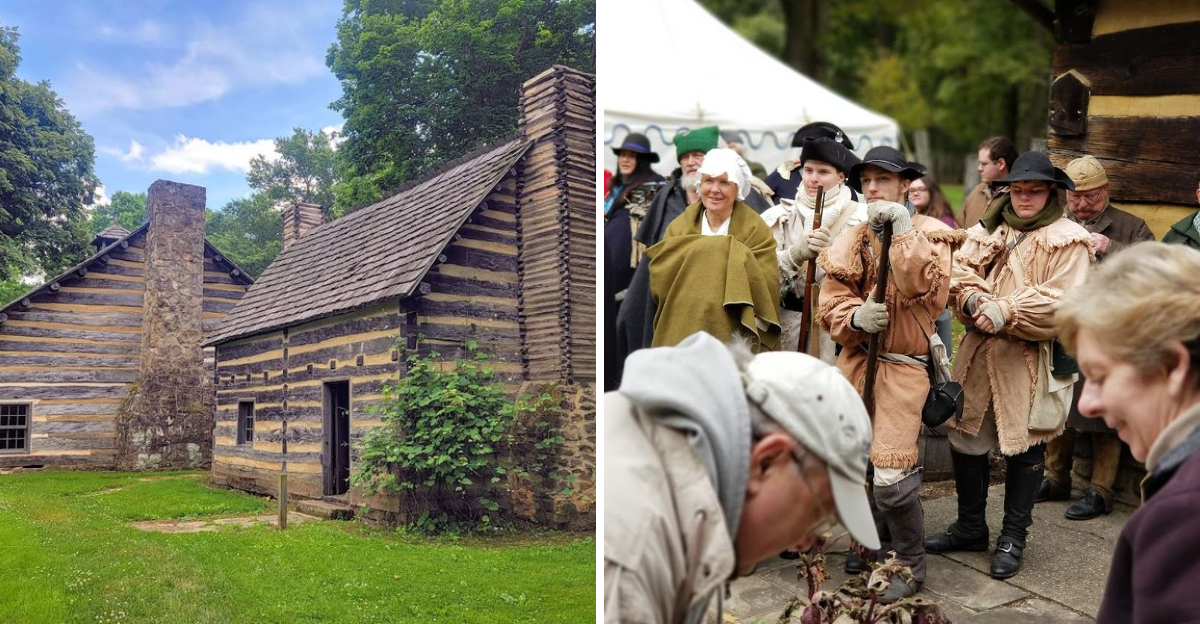
Nestled in New Philadelphia, Ohio, Schoenbrunn Village feels like a portal to another century.
This carefully reconstructed settlement takes visitors back to 1772, when Moravian missionaries and Delaware families built one of the most remarkable communities in early American history.
Walking through the authentic log cabins and quiet pathways, you might forget that modern highways and cities exist just beyond the tree line.
Whether you’re a history enthusiast or simply looking for an escape from everyday life, this peaceful village offers a rare glimpse into frontier Ohio.
Ohio’s First Settlement Comes Back to Life
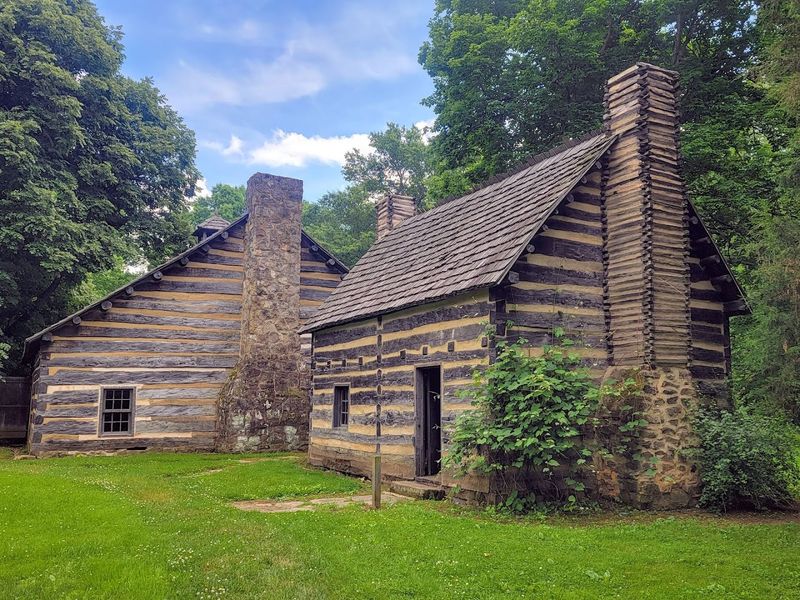
Stepping onto the grounds of Schoenbrunn Village State Memorial feels like entering a time machine. The carefully reconstructed log cabins stand exactly where they did in the 1770s, their rough-hewn timbers and simple construction showing how frontier families lived.
Meandering pathways connect the buildings just as they did centuries ago. Split-rail fences surround vegetable gardens filled with heritage crops that settlers would have grown.
Even the placement of each structure follows the original village layout discovered through archaeological research.
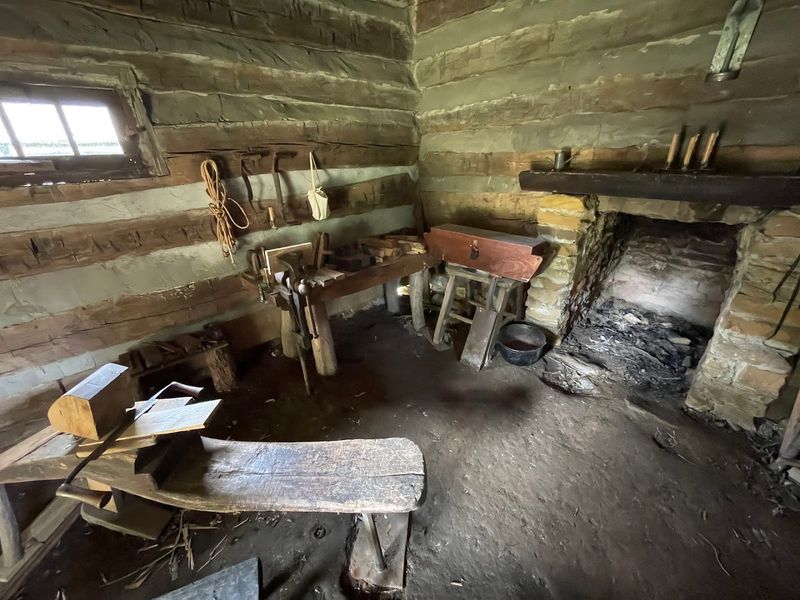
Unlike typical museums with roped-off exhibits, Schoenbrunn invites exploration. You can peer through cabin windows, examine hand-crafted tools, and imagine families gathering around fireplaces after long days of frontier work.
The original cemetery remains on site, creating a powerful connection to the real people who called this place home.
Every detail transports you directly into Ohio’s earliest Christian settlement, making history tangible rather than abstract.
The Fascinating Story Behind Schoenbrunn
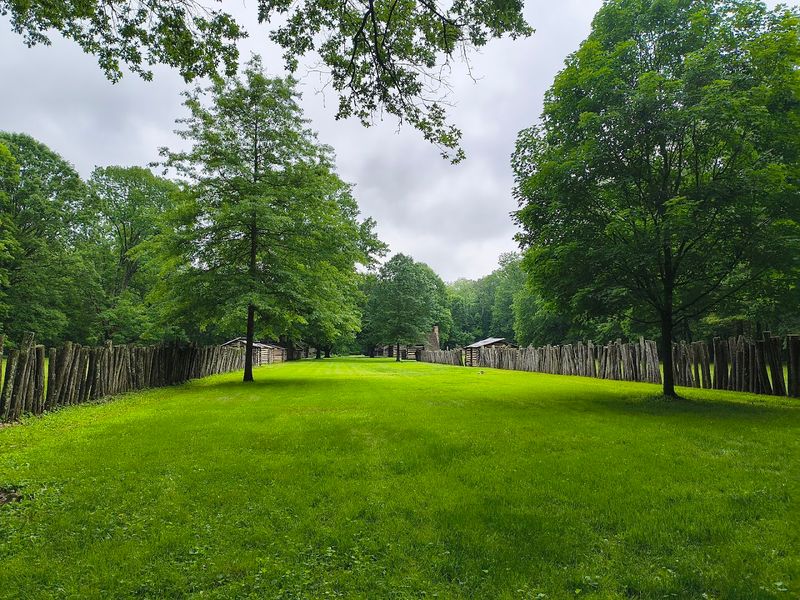
In 1772, Moravian missionary David Zeisberger stood along the Tuscarawas River with a bold vision. Together with Delaware families seeking peaceful coexistence, he founded Schoenbrunn, meaning “beautiful spring” in German.
The name perfectly captured the hopeful spirit of this new community.
Zeisberger wasn’t interested in forced conversion or cultural erasure. His approach emphasized mutual respect, teaching Christianity while honoring Delaware traditions and language.
Delaware families brought agricultural knowledge, hunting skills, and diplomatic connections that made survival possible on the frontier.
The village quickly grew to about 60 buildings housing nearly 300 residents. Both cultures contributed to daily life, creating something entirely unique in colonial America.
Germans taught European farming techniques while learning Delaware methods for navigating wilderness challenges.
This cooperation happened during extremely turbulent times, with the American Revolution brewing and frontier conflicts escalating. Yet for five remarkable years, Schoenbrunn proved peaceful coexistence was possible.
Why the Village Was Revolutionary for Its Time
Schoenbrunn wasn’t just another frontier outpost. This settlement housed Ohio’s very first church, established in 1772 when much of the region remained unmapped wilderness.
Services conducted in both German and Delaware languages showed remarkable cultural inclusivity for the era.
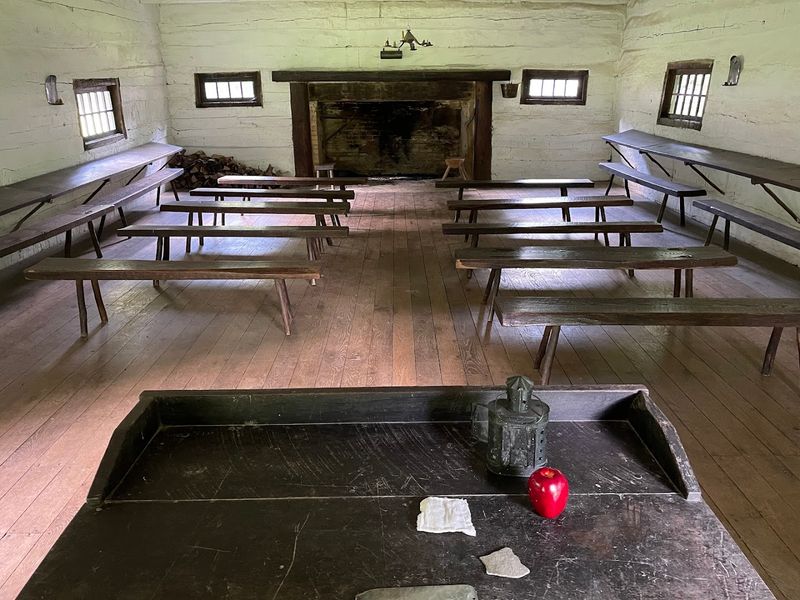
Education mattered deeply to Schoenbrunn’s founders. They built Ohio’s first schoolhouse, where children learned reading, writing, arithmetic, and religious studies regardless of their cultural background.
Imagine young Delaware and German children sitting side by side, learning together centuries before integration became common.
Perhaps most remarkably, Schoenbrunn adopted Ohio’s first civil code. This written legal framework governed community behavior with fairness principles that protected all residents.
Crimes, disputes, and daily governance followed established rules rather than arbitrary decisions.
These three firsts—church, school, and civil code—established Schoenbrunn as one of the most historically significant communities in early Ohio. The village modeled how frontier settlements could organize themselves with education, spirituality, and justice at their foundation.
Walking Through the Reconstructed Log Village
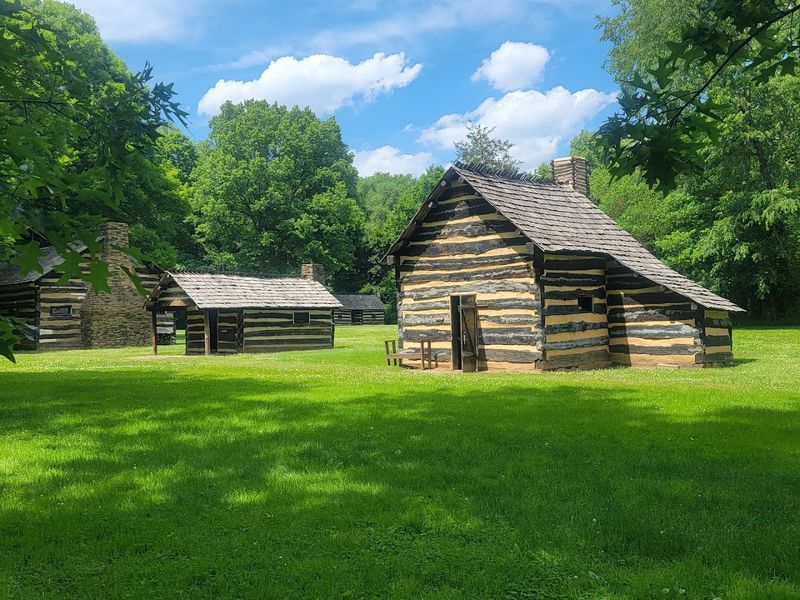
Wandering through Schoenbrunn reveals extraordinary attention to historical accuracy. Seventeen reconstructed buildings occupy their original locations, identified through decades of archaeological investigation.
Each structure showcases authentic 1770s construction techniques using hand-hewn logs and traditional joinery.
The church stands at the village center, its simple interior reflecting Moravian values of humble worship. Rough wooden benches face a modest pulpit where Zeisberger delivered sermons in multiple languages.
Nearby, the schoolhouse contains slates, primers, and furniture recreating early American education.
Residential cabins demonstrate how families adapted European building styles to frontier conditions. Small windows conserved heat, massive fireplaces provided warmth and cooking space, and clever storage solutions maximized limited living areas.
Gardens behind each cabin grow period-appropriate vegetables, herbs, and medicinal plants.
The original cemetery remains the most moving location, where weathered headstones mark settlers who never left Schoenbrunn. Walking these pathways connects visitors directly with people who experienced joys, hardships, and ultimately tragedy on this exact ground.
The Peaceful Partnership Between Moravians and the Delaware Nation
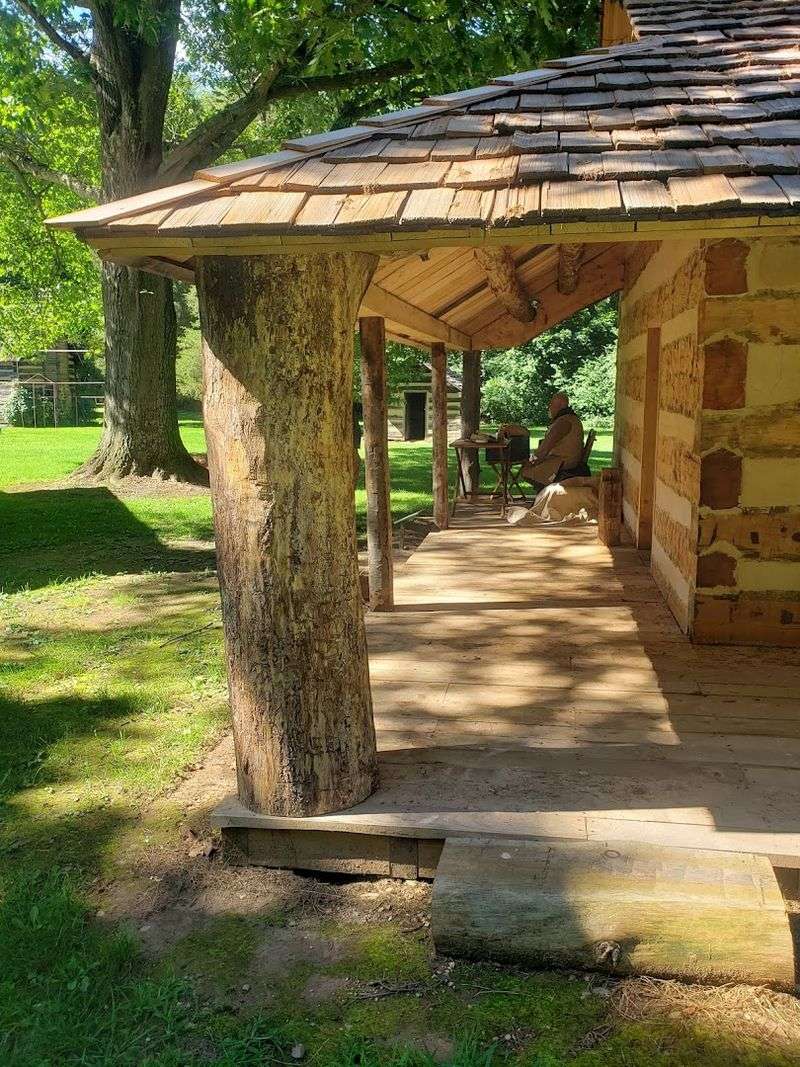
What made Schoenbrunn truly extraordinary was its foundation of genuine partnership. Moravian missionaries arrived with respect rather than conquest, learning Delaware language and customs before expecting anything in return.
This approach created trust that allowed meaningful collaboration.
Delaware families taught essential wilderness survival skills. Europeans learned hunting techniques, wild plant identification, and weather prediction methods refined over generations.
Meanwhile, Moravians shared metalworking, European agricultural practices, and literacy skills that interested many Delaware residents.
Religious life blended both traditions respectfully. Services incorporated Delaware language alongside German, and spiritual discussions acknowledged valid insights from both belief systems.
Nobody faced pressure to abandon their cultural identity completely.
Daily cooperation extended beyond spiritual matters. Community decisions involved representatives from both groups, work responsibilities divided fairly, and celebrations honored traditions from both cultures.
Children played together, families shared meals, and genuine friendships developed across cultural boundaries.
This peaceful coexistence remains remarkable even today, offering lessons about possibility when people approach differences with openness rather than fear.
How the Revolutionary War Changed Everything
Revolutionary War tensions shattered Schoenbrunn’s peaceful existence. As American and British forces clashed throughout the colonies, frontier regions became dangerous battlegrounds.
Both sides pressured neutral communities to choose sides or face consequences.
Schoenbrunn’s residents desperately wanted to remain neutral, but that position became impossible. Delaware families faced demands from tribal leaders allied with the British.
Moravian missionaries encountered suspicion from American forces who distrusted any frontier settlements. Violence escalated throughout the region as raids and counter-raids devastated communities.
In 1777, after just five years of existence, Schoenbrunn faced an unbearable situation. Leaders decided abandonment offered the only path to survival.
Families packed belongings, said tearful goodbyes to the homes they’d built, and scattered to safer locations. The village they’d created with such hope simply emptied.
Buildings fell into disrepair, gardens grew wild, and wilderness reclaimed what settlers had carved from forest. Schoenbrunn’s brief existence ended, but its story survived through records, memories, and eventual archaeological rediscovery.
Interactive Experiences That Make History Feel Real
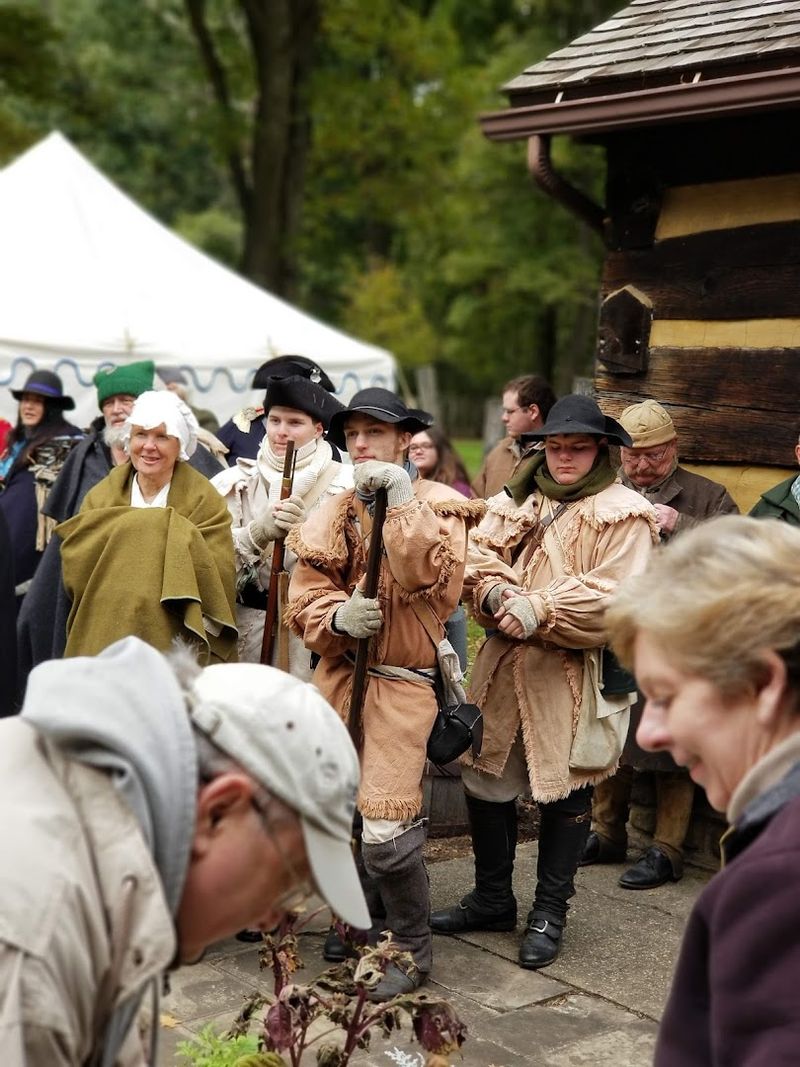
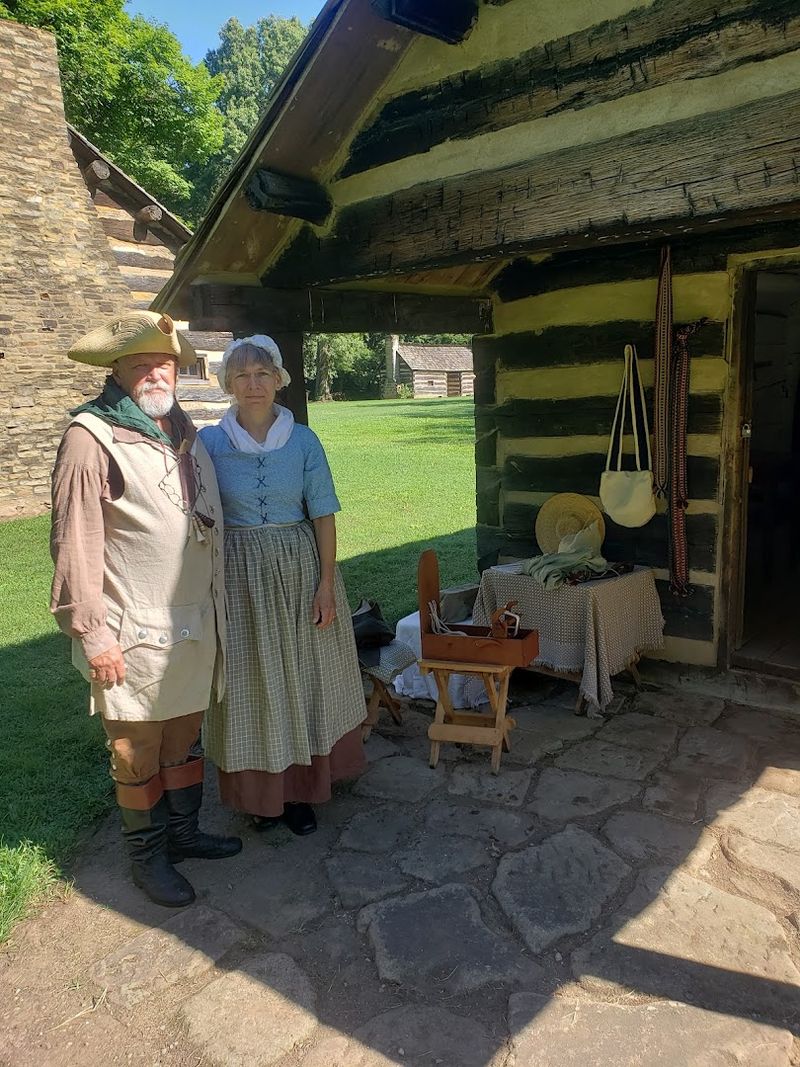
Modern Schoenbrunn doesn’t just display history—it brings the past to life. Costumed interpreters wearing authentic 1770s clothing demonstrate traditional crafts throughout the village.
Watch skilled artisans work with leather, wood, and textiles using period-appropriate tools and techniques.
Hands-on demonstrations invite participation rather than passive observation. Visitors might grind corn using traditional methods, practice frontier writing with quill pens, or help tend heritage gardens.
These tactile experiences create memorable connections that textbooks never achieve.
Guided tours led by knowledgeable staff reveal fascinating details easily missed during self-guided visits. Stories about specific residents, building techniques, and daily challenges help visitors understand frontier realities.
Questions receive thoughtful, detailed answers from genuinely passionate historians.
Special events transform the village throughout the year. Lantern-lit evening tours create atmospheric journeys into the past.
Seasonal celebrations feature period music, cooking demonstrations, and reenactments that attract families seeking educational entertainment.
These interactive elements ensure every visit feels fresh, engaging, and genuinely educational for all ages.
The Quiet Beauty of the Grounds and Gardens
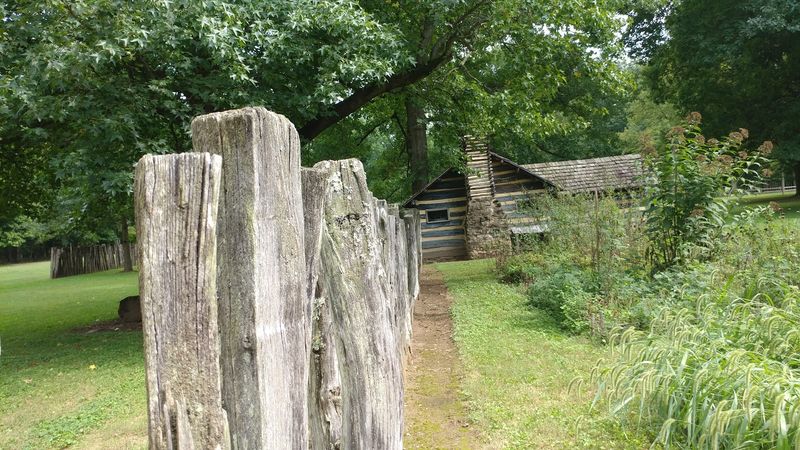
Beyond historical significance, Schoenbrunn offers pure natural serenity. Mature trees shade pathways winding throughout the village, creating peaceful corridors that muffle modern noise.
Birdsong replaces traffic sounds, and gentle breezes rustling through leaves become the dominant soundtrack.
Heritage gardens showcase vegetables, herbs, and flowers that 18th-century settlers cultivated. Watching these traditional crops grow connects visitors with agricultural heritage stretching back centuries.
Benches positioned throughout invite quiet contemplation about lives lived long ago.
Picnic areas welcome families seeking beautiful outdoor lunch spots. Shaded tables overlook gardens and historic buildings, providing perfect settings for relaxed meals surrounded by history.
Children can explore safely while adults enjoy peaceful surroundings.
Walking paths extend beyond reconstruction areas into surrounding woodlands. These trails offer opportunities to experience landscape similar to what original settlers encountered.
Seasonal changes bring different beauties—spring wildflowers, summer greenery, autumn foliage, and winter’s stark simplicity.
Many visitors report feeling stress melt away here, replaced by contemplative calm rarely found in modern life.
Visitor Info and Helpful Tips Before You Go
Schoenbrunn Village State Memorial welcomes visitors at 1984 E High Ave, New Philadelphia, OH 44663. Seasonal hours vary, so checking their website or calling ahead prevents disappointment.
Memorial Day through Labor Day offers extended hours, while spring and fall operate on reduced schedules.
Admission prices remain remarkably affordable, typically around five dollars for adults and free for young children. Ohio Historical Society membership provides complimentary entry plus access to numerous other state historic sites.
Group rates accommodate school trips and tour buses.
Ample free parking sits immediately adjacent to the entrance. The relatively compact village requires about two hours for thorough exploration, though history enthusiasts often spend longer examining details and reading interpretive signs.
Comfortable walking shoes are essential since pathways consist of natural surfaces and uneven terrain. Weather-appropriate clothing matters too—summer brings heat and insects, while spring and fall can be chilly.
Special reenactment events occur throughout the season, so checking the calendar beforehand might reveal enhanced experiences. Family-friendly facilities include restrooms and shaded rest areas throughout the grounds.