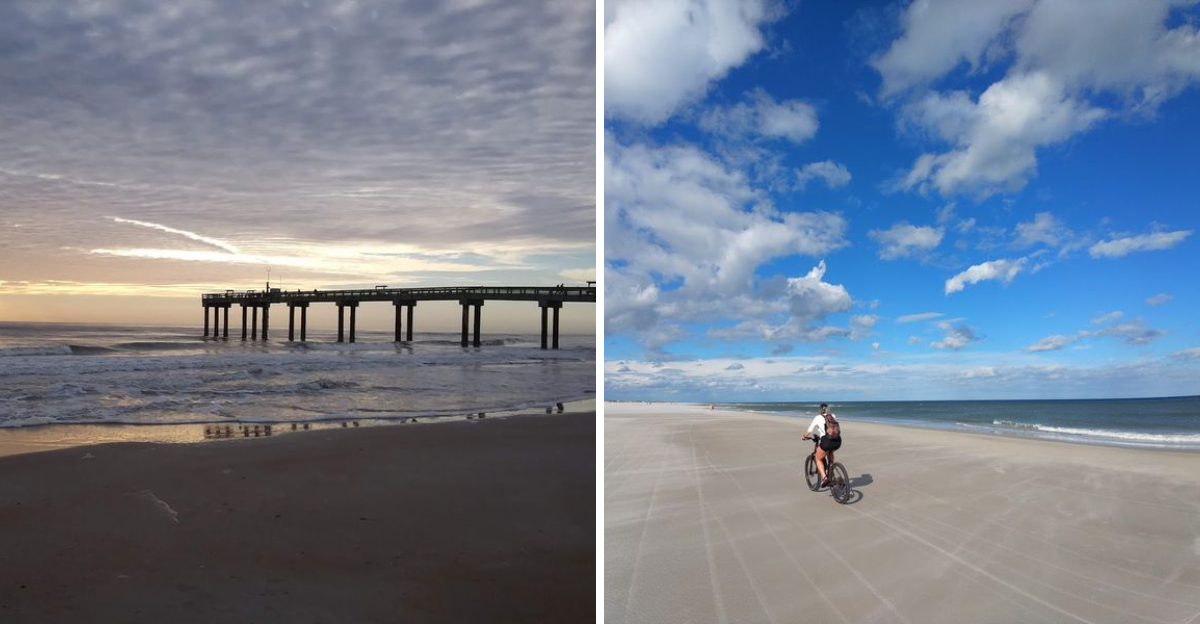
Anastasia State Park sits just south of historic St. Augustine, offering one of Florida’s most beautiful combinations of pristine beaches and natural coastal habitats.
Whether you love swimming in the Atlantic, hiking through shaded trails, or watching dolphins play in calm waters, this park has something special for everyone.
With four miles of uncrowded beachfront and diverse ecosystems to explore, it’s become a favorite destination for families, nature lovers, and anyone seeking a peaceful escape.
The park’s location near downtown St. Augustine makes it easy to enjoy both natural beauty and fascinating history all in one trip.
Four Miles Of Wide Atlantic Beachfront
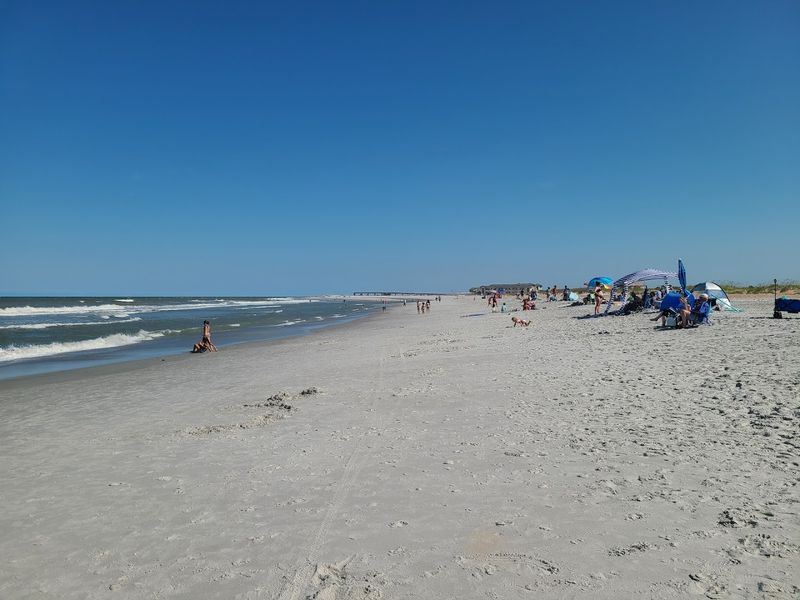
Imagine having four whole miles of soft sand practically to yourself. That’s what makes Anastasia’s beachfront so extraordinary compared to the crowded tourist beaches nearby.
Families spread out blankets without worrying about neighbors listening to their conversations. Kids build sandcastles with plenty of room to dig moats and create entire villages.
Beachcombers wander for hours discovering shells, watching for dolphins offshore, and feeling the Atlantic breeze without dodging crowds.
The gentle waves make swimming safe for younger children while still providing enough surf for bodyboarding fun. Early morning visitors often spot shorebirds hunting for breakfast along the tide line.
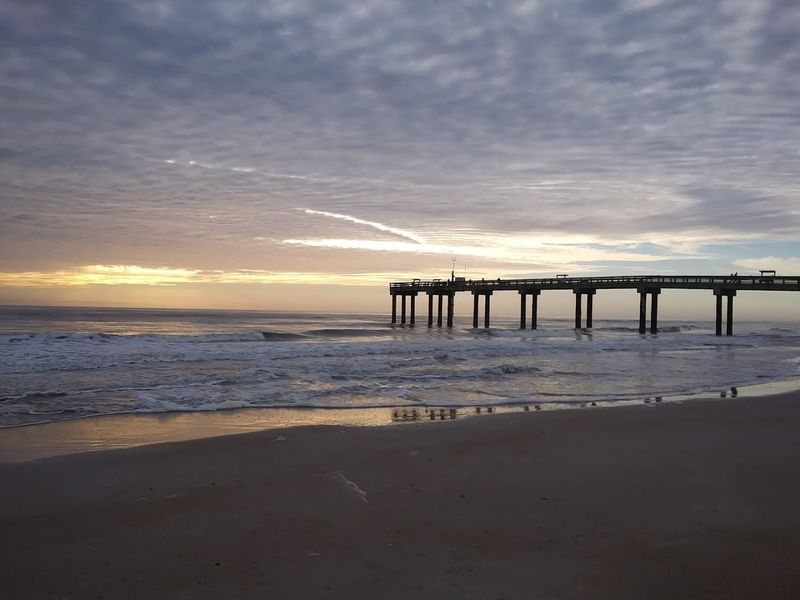
Sunset walks become magical experiences with colorful skies reflecting off the water.
Unlike the busy beaches near downtown St. Augustine, this stretch maintains a peaceful, natural atmosphere year-round. You’ll find just enough people to feel safe but never so many that finding your perfect spot becomes a challenge.
The wide beach means high tide doesn’t squeeze everyone together either.
Scenic Coastal Trails Through Maritime Hammocks
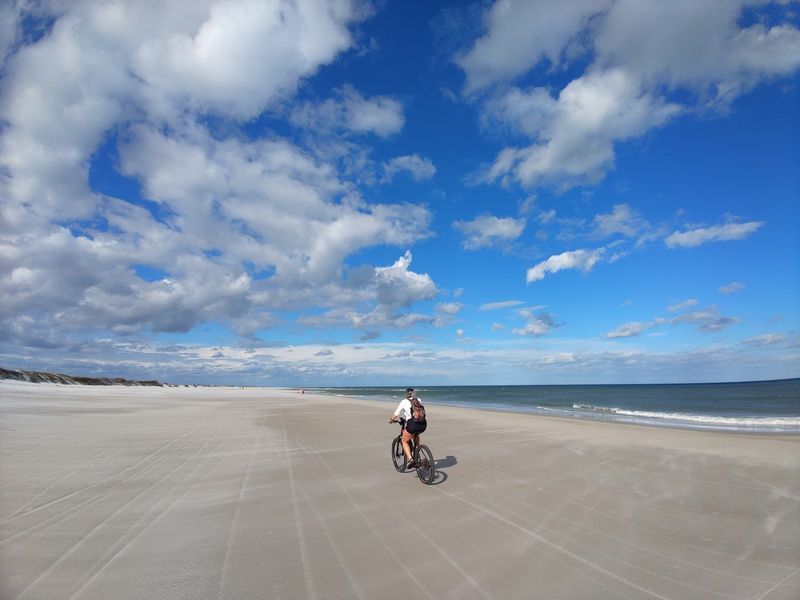
Step off the hot sand and suddenly you’re walking through a completely different world. The park’s trail system weaves through maritime hammock forests where massive live oaks create natural tunnels overhead.
Spanish moss hangs like gray-green curtains from twisted branches that have survived countless hurricanes. Palmetto plants crowd the understory, their fan-shaped leaves rustling when breezes filter through the canopy.
These trails offer blessed shade during Florida’s steamy summers when beach time becomes too intense.
Bikers share the wider paths with walkers, everyone moving slowly enough to appreciate the scenery and watch for wildlife. Squirrels chatter warnings as you pass beneath their territories.
Woodpeckers hammer away at dead trees searching for insects hidden in the bark.
The trails connect different park areas, making it easy to explore everything without returning to your car. Benches appear at scenic spots where you can rest and listen to bird songs.
Spring brings wildflowers blooming along the trail edges, adding splashes of color to the green landscape.
Birdwatching At The Salt Marsh And Estuary
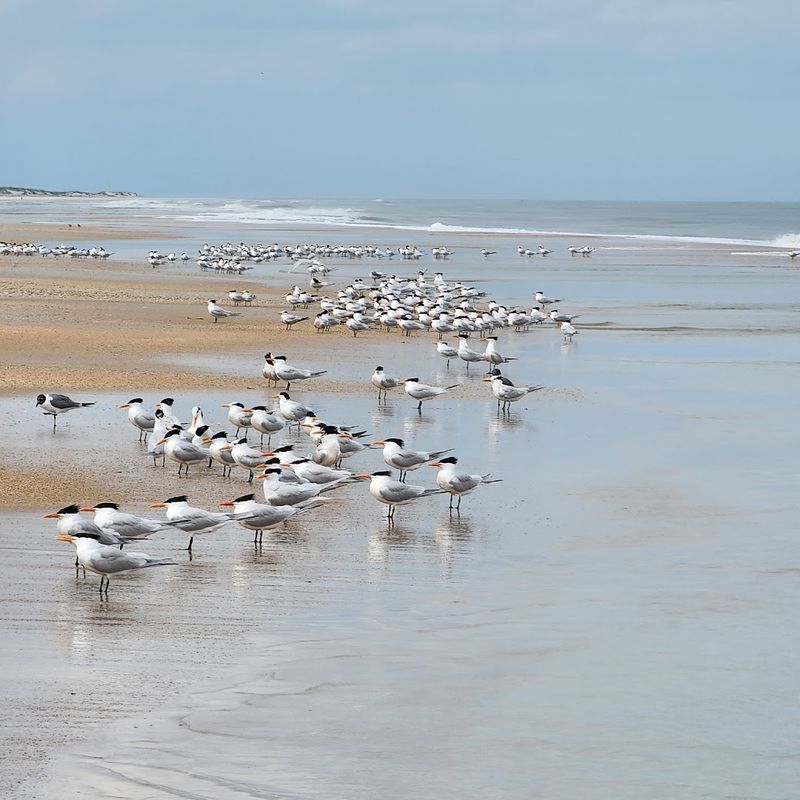
Bring binoculars because the marsh areas turn into natural bird theaters throughout the day. Serious birders arrive at dawn when feeding activity peaks and rare species make surprise appearances.
Great blue herons stand motionless in shallow water, suddenly striking with lightning speed when fish swim too close. Snowy egrets show off their bright yellow feet as they shuffle through the mud stirring up prey.
The real showstoppers are roseate spoonbills with their cotton-candy pink feathers sweeping side to side through the water.
Seasonal migrations bring incredible variety to the park’s bird population. Pelicans dive-bomb the water just offshore while ospreys circle overhead clutching fish in their talons.
Marsh wrens hide in the tall grasses, their bubbly songs announcing territories.
Even casual visitors who’ve never held binoculars before get excited watching these feathered residents. Kids especially love spotting the flashy birds and checking them off in park guides.
The best viewing happens during low tide when feeding areas become exposed and birds concentrate in smaller pools.
Kayaking And Paddleboarding On Salt Run
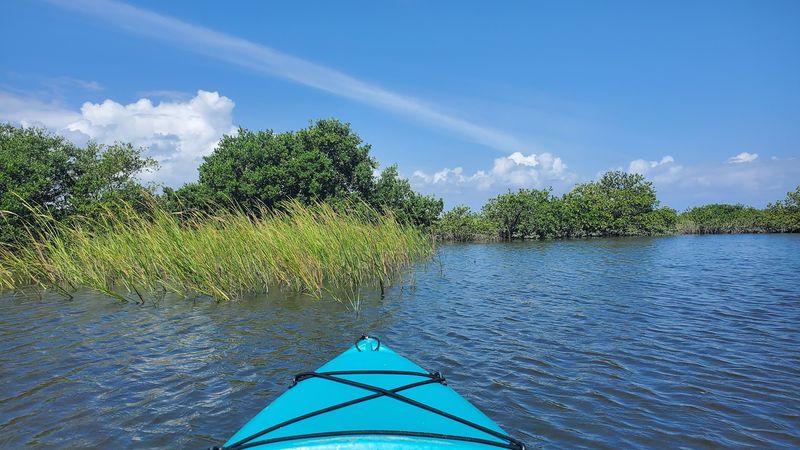
Salt Run’s protected waters feel like paddling through liquid glass on calm mornings. Rental concessions inside the park make getting on the water simple even if you didn’t bring your own gear.
The shallow, calm conditions create perfect learning environments for first-time paddlers and kids gaining confidence. Currents stay gentle enough that you won’t drift away if you pause to watch wildlife.
Experienced kayakers appreciate exploring the winding channels through the marsh grasses where surprises wait around every bend.
Dolphins frequently cruise through Salt Run hunting for fish, sometimes surfacing just feet from paddlers. During warmer months, lucky visitors spot manatees munching on seagrass in the shallows.
Herons and egrets watch from the shoreline, occasionally lifting off with slow wingbeats when boats approach too closely.
Morning paddles offer the calmest water and coolest temperatures before afternoon sea breezes pick up. The protected location means you can paddle here even when ocean conditions become too rough for comfort.
Sunset trips reward paddlers with spectacular color shows reflecting off the still water.
The Historic Coquina Quarry
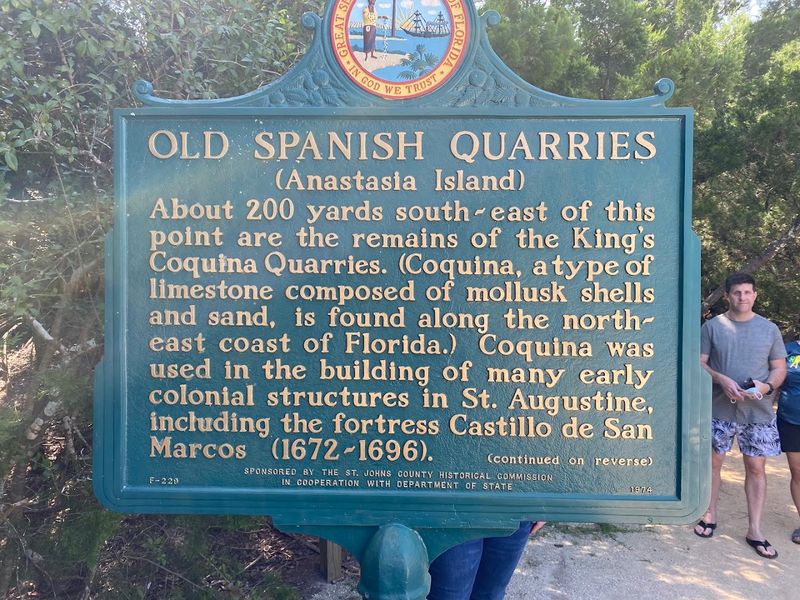
Most visitors walk right past this hidden gem without realizing they’re seeing where St. Augustine’s history was literally carved from the earth. The old quarry supplied coquina rock for building the famous Castillo de San Marcos and other colonial structures.
Coquina forms from compressed shells and marine organisms that cemented together over thousands of years. Workers in the 1600s and 1700s cut blocks from these deposits using basic hand tools.
The soft stone could be shaped easily when first quarried but hardened when exposed to air, making it ideal for construction.
Walking around the quarry site, you can still see cut marks where blocks were removed centuries ago. Interpretive signs explain how this unique building material helped Spanish colonists create fortifications that withstood British cannons.
The porous nature of coquina actually absorbed cannonball impacts rather than shattering like harder stone.
History buffs find this spot fascinating while others just enjoy the unusual geology. The quarry area stays relatively quiet and cool under tree cover, offering a contemplative break from beach activities.
Camping Near The Ocean
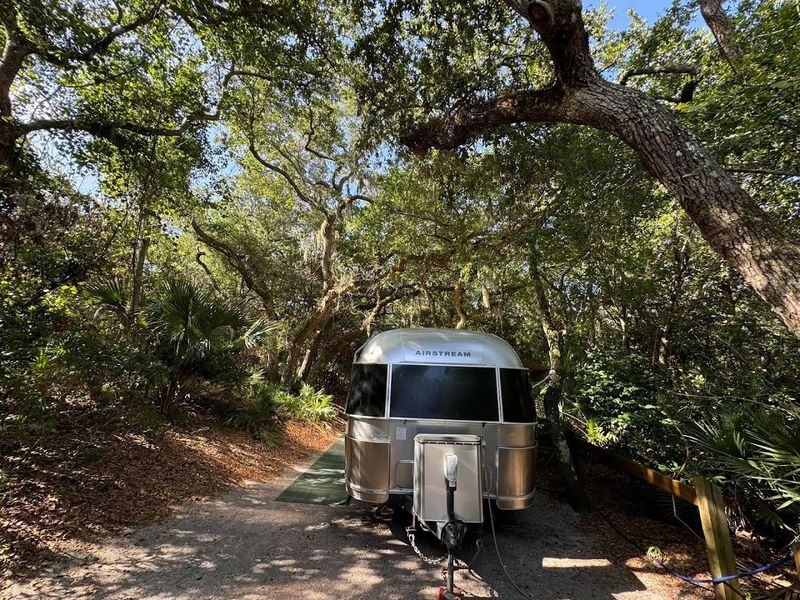
Falling asleep to ocean waves and waking up to birdsong beats any hotel experience. The campground offers 139 sites ranging from basic tent spots to full hookup RV sites with electricity and water.
Spanish moss-draped oaks shade most campsites, keeping things cooler even during summer heat. Sites feel surprisingly private despite being in a developed campground thanks to strategic vegetation buffers between neighbors.
Families appreciate the short walk or bike ride to the beach, making it easy to enjoy multiple beach trips without packing up camp.
Modern bathhouses provide hot showers and clean facilities that make roughing it much more comfortable. A camp store stocks forgotten essentials and ice for coolers.
Ranger programs during peak seasons teach kids about local wildlife and coastal ecosystems.
Reservations become essential during spring break, summer weekends, and holiday periods when the campground fills completely. Off-season camping in fall and winter brings mild weather and more available sites.
Some campers return to favorite spots year after year, creating traditions around their annual park visits.
Fishing Opportunities Along The Coastline
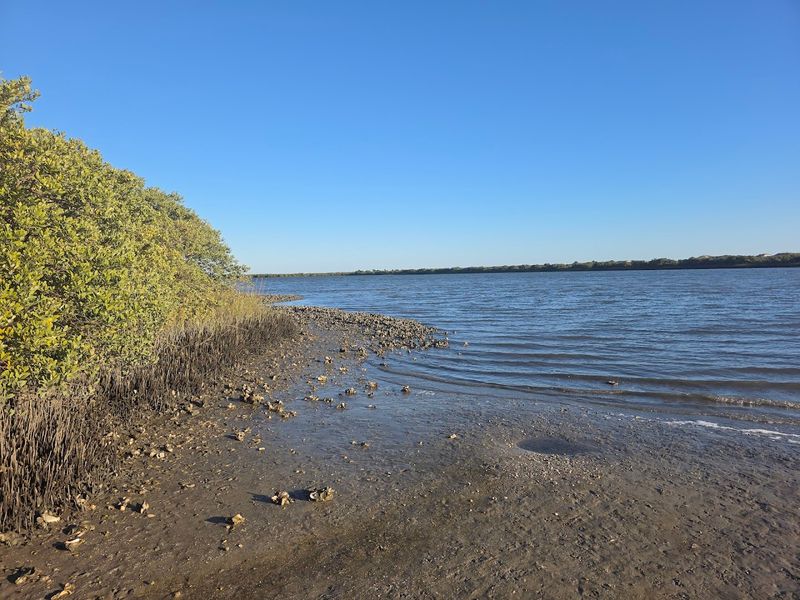
Anglers can fish right from the surf without needing a boat, though a Florida fishing license is required. Redfish cruise the shallows during incoming tides, providing exciting action when they strike.
Whiting become the most reliable catch from the beach, especially during spring and fall months when schools run thick. Flounder hide in sandy bottom areas near structures where baitfish congregate.
Spotted seatrout feed actively during dawn and dusk hours, making early morning trips worthwhile for serious fishermen.
Salt Run offers completely different fishing opportunities in calmer, more protected water. Families with younger children often prefer this sheltered fishing over fighting ocean currents and waves.
Live shrimp work as reliable bait for most species found around the park.
Local bait shops near the park entrance sell gear, bait, and current fishing reports telling what’s biting where. Experienced anglers share tips with beginners, creating a friendly fishing community.
Remember to check size and bag limits since Florida regulations protect certain species during spawning seasons. Catch-and-release fishing helps preserve populations for future visitors to enjoy.
Wildlife And Natural Beauty Throughout The Park
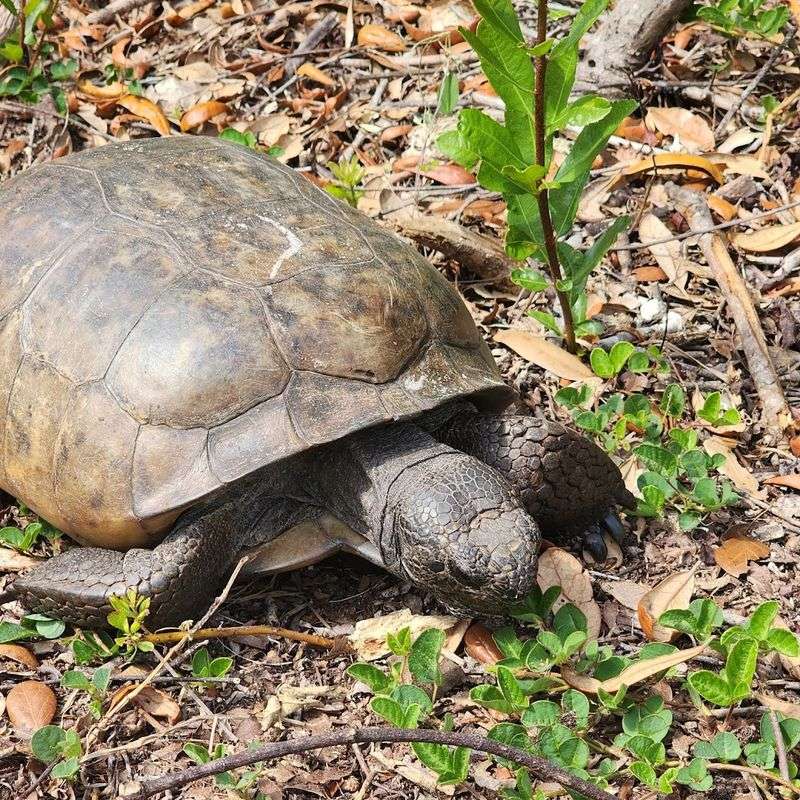
Wildlife encounters happen constantly throughout the park if you watch carefully and move quietly. Gopher tortoises dig their characteristic burrows throughout the upland areas, creating homes that over 300 other species also use.
These prehistoric-looking reptiles munch on native grasses and low plants, moving slowly across trails with determined purpose. Raccoons prowl campsites after dark searching for unsecured food, reminding visitors to lock up supplies properly.
During summer nesting season between May and October, sea turtles crawl ashore at night to lay eggs in the sand.
Lucky early morning beach walkers sometimes spot fresh turtle tracks leading up from the waterline. Dolphins frequently swim close to shore, their dorsal fins cutting through the waves as they hunt for fish.
Native plants adapted to salt spray and sandy soil blanket areas where regular floods would kill typical garden varieties.
Saw palmettos, sea oats, and railroad vines stabilize dunes while providing food and shelter for insects, birds, and small mammals. The park’s protected status preserves these interconnected ecosystems that have thrived here for thousands of years.
Easy Access To Historic St. Augustine
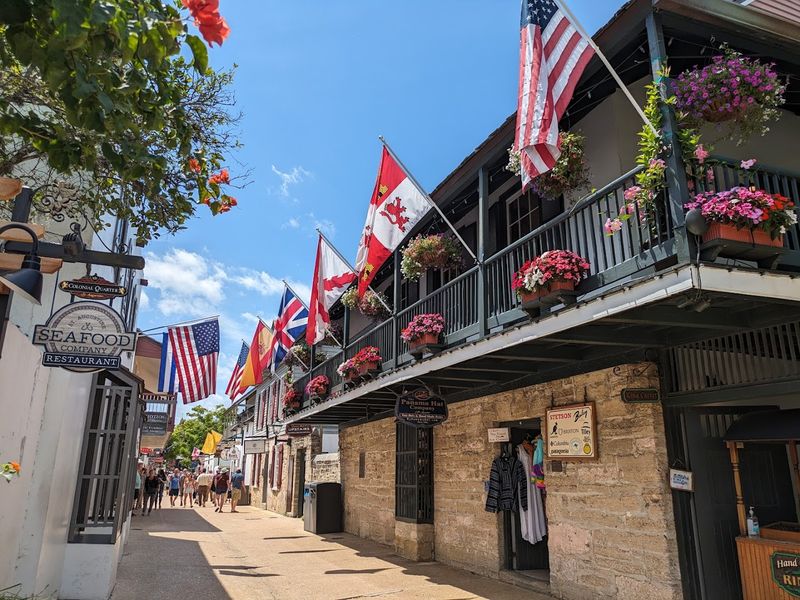
Location really matters, and Anastasia State Park wins big by sitting just minutes from America’s oldest city. After morning beach time, families can explore centuries-old forts, museums, and cobblestone streets without lengthy drives.
The Castillo de San Marcos fort built from local coquina stone offers cannon demonstrations and stunning river views. Kids love walking through the old city gates and imagining life during Spanish colonial times.
Countless restaurants serve everything from fresh seafood to authentic Spanish cuisine within the historic district.
Ghost tours depart nightly from downtown streets where centuries of stories create spooky entertainment. The historic district’s compact size means parking once and walking to multiple attractions easily.
Shopping ranges from chain stores to unique galleries selling local artwork and handmade crafts.
Returning to your peaceful park campsite or beach after busy downtown exploration feels extra relaxing. This combination of natural beauty and cultural richness makes the area unique compared to typical Florida beach destinations.
Visitors can truly have the best of both worlds during a single trip without sacrificing either experience.
Visitor Info And Helpful Tips
The park opens daily at 8 AM and closes at sundown year-round. Entrance fees run about $8 per vehicle with discounts for pedestrians and cyclists, though prices occasionally change so checking beforehand helps budget planning.
Parking fills quickly on summer weekends and holiday periods, so arriving before 10 AM guarantees spots. Spring months from March through May bring the most pleasant weather with warm days and cooler evenings.
Fall offers similar comfortable temperatures with fewer crowds than peak season.
Campground reservations open eleven months ahead and book fast for popular dates. Pets are welcome throughout the park on leashes but cannot enter beach swimming areas.
Summer brings afternoon thunderstorms almost daily, so morning activities work better during June through August.
Bring plenty of sunscreen, hats, and water since shade becomes scarce on the beach and some trails. Bug spray helps during warmer months when mosquitoes emerge near marshy areas.
The park has restrooms, outdoor showers for rinsing sand, and picnic pavilions available for day use. Cell phone service works reliably throughout most park areas.