Early morning light settles over Jacksonville, where long stretches of Atlantic shoreline feel open, calm, and refreshingly unhurried. In spring, warm breezes carry the scent of salt and sea oats, and the beaches still hold onto a peaceful rhythm before summer crowds arrive.
Along the coast, soft sand meets rolling waves with plenty of space to spread out, take a quiet walk, or simply sit and listen to the water. Even popular beach spots nearby feel relaxed, with easy parking and locals moving at a slower, more familiar pace.
It’s the kind of coastal city where beach days feel simple again — unplanned, unhurried, and close to nature. From here, it’s easy to see why so many travelers are drawn to its quieter shoreline.
Atlantic Beach: Where Old Florida Charm Meets Modern Comfort
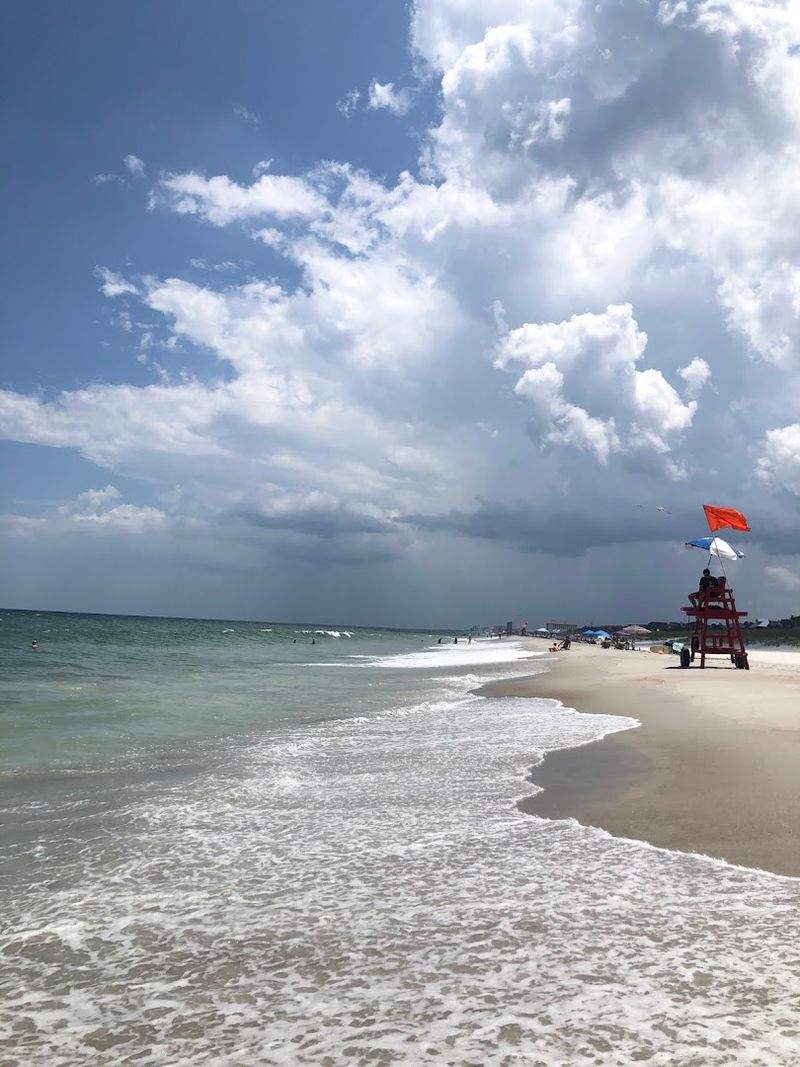
Vintage beach cottages line quiet streets just steps from the ocean, creating an atmosphere that feels like stepping back into 1950s coastal Florida. The sand here stretches wide and soft, perfect for morning jogs or evening strolls without dodging crowds.
Atlantic Beach has maintained its small-town character while offering modern amenities that make beach days effortless.
Families appreciate the gradual slope into the water, making it ideal for children learning to swim or play in the gentle waves. Local surf shops rent boards and offer lessons for beginners wanting to catch their first wave.
The Beaches Town Center nearby provides restaurants and shops within walking distance, so you never have to venture far from the sand.
Parking remains surprisingly easy compared to South Florida, with metered spots and public lots that rarely fill completely. Beach volleyball nets dot the shore where locals gather for pickup games on weekends.
The vibe stays casual and welcoming, with fewer spring breakers and more year-round residents who treat visitors like neighbors.
Summer evenings bring spectacular sunsets that paint the sky in oranges and purples, creating perfect photo opportunities. The ocean breeze keeps temperatures comfortable even in July and August when inland areas swelter.
Neptune Beach: A Hidden Gem for Quiet Seekers
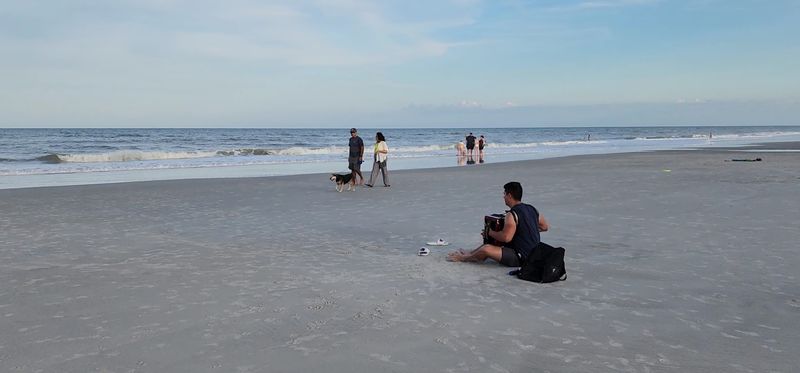
Tucked between its busier neighbors, this compact beach town measures just two square miles but packs in maximum charm. Residential streets end at public beach access points where you can park for free and walk fifty feet to untouched sand.
Neptune Beach attracts families and couples seeking tranquility rather than nightlife or crowds.
The shoreline stays pristine because residents take pride in their community, organizing regular beach cleanups and protecting natural dunes. You might spot dolphins playing in the surf just beyond the breakers, especially during early morning hours.
Local children ride bikes to the beach after school, treating the ocean like their backyard playground.
Several cozy cafes and breakfast spots serve the morning crowd, where regulars know each other by name and visitors receive genuine welcomes. The pace here moves slower than Jacksonville Beach, perfect for reading books under umbrellas or building elaborate sandcastles without interruption.
Dog-friendly areas let four-legged family members enjoy the water during designated hours.
Small beach shops sell essentials without the markup found in tourist-heavy areas, and employees actually live in the community they serve. Sunset watching becomes a daily ritual here, with couples and families gathering on the sand to end their days peacefully.
Kathryn Abbey Hanna Park: Nature and Beach Combined
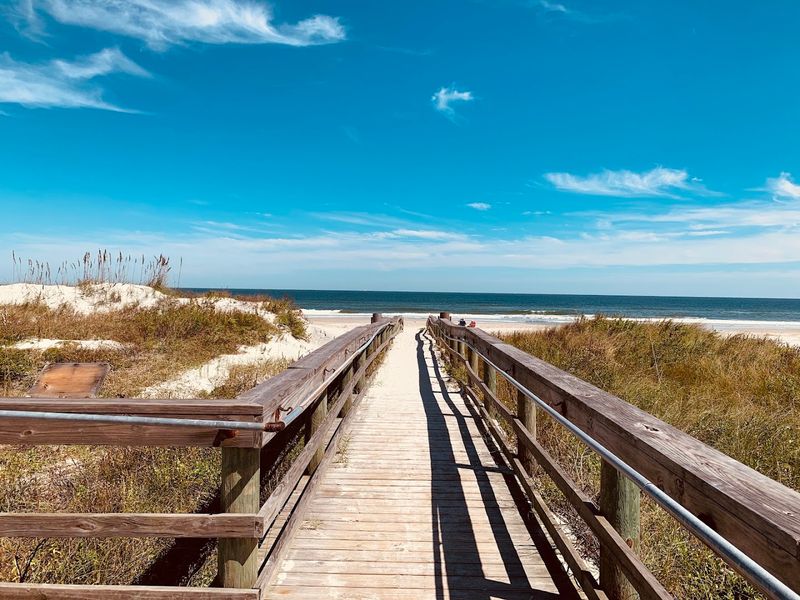
Over 450 acres of maritime forest meet a mile and a half of secluded beachfront, creating a nature lover’s paradise just twenty minutes from downtown. Hiking and biking trails wind through towering pines and live oaks draped in Spanish moss, leading eventually to pristine Atlantic shores.
This park proves that beaches offer more than just sunbathing when you explore beyond the waterline.
Camping sites let families spend entire weekends immersed in coastal wilderness while remaining close to civilization. A freshwater lake within the park provides calm water for kayaking and paddleboarding, giving beginners a safe place to practice before tackling ocean waves.
The beach section rarely sees crowds, even on summer weekends when other shores become packed.
Picnic areas with grills sit shaded under ancient trees, perfect for all-day family gatherings. Children discover tidal pools teeming with tiny fish and crabs during low tide, turning simple beach trips into educational adventures.
The park charges a small entrance fee that helps maintain facilities and protect natural habitats.
Mountain biking trails range from beginner-friendly to technically challenging, attracting riders from across the Southeast. Wildlife sightings include deer, gopher tortoises, and countless bird species that migrate through the area seasonally.
Little Talbot Island: Pristine Wilderness Awaits
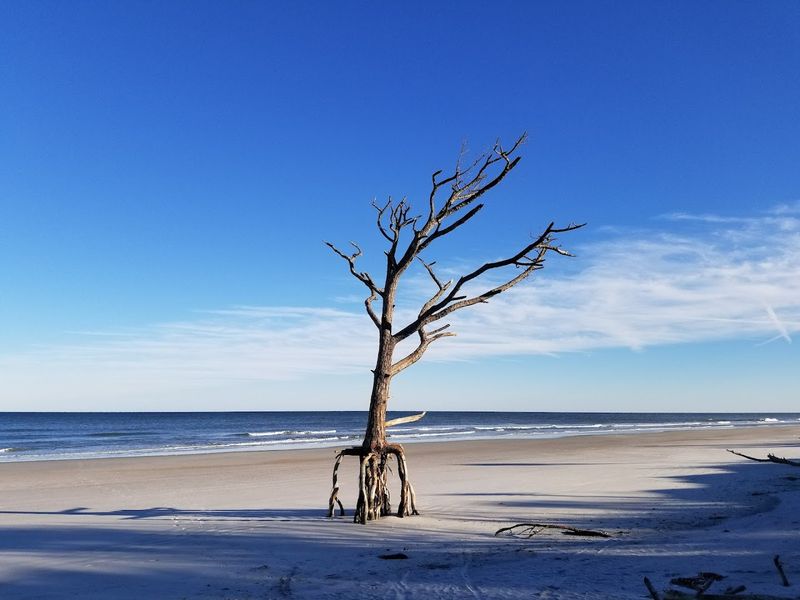
Massive pieces of driftwood litter the shoreline like nature’s sculpture garden, bleached white by sun and salt. This barrier island remains almost entirely undeveloped, offering five miles of beaches that look much like they did centuries ago.
Little Talbot Island State Park represents true Florida wilderness where nature dictates the landscape instead of developers.
The beach slopes steeply into deeper water than most Jacksonville shores, making it popular with strong swimmers and surfers seeking bigger waves. Shelling becomes treasure hunting here as currents deposit unusual finds from offshore.
The lack of commercial development means no beach shops or snack bars, so visitors come prepared with everything needed for the day.
Hiking trails meander through salt marshes and maritime forests where alligators occasionally sun themselves on trail edges. Birdwatchers bring binoculars hoping to spot rare species that use the island during migration seasons.
Kayak launches provide access to tidal creeks where dolphins often hunt for fish in shallow waters.
Camping facilities offer both tent sites and full hookups for RVs, letting nature enthusiasts wake to ocean sounds. The park feels worlds away from city life despite sitting just thirty minutes from Jacksonville’s urban core.
Rangers lead guided walks explaining the ecosystem’s delicate balance and importance.
Huguenot Memorial Park: Off-Road Beach Adventure
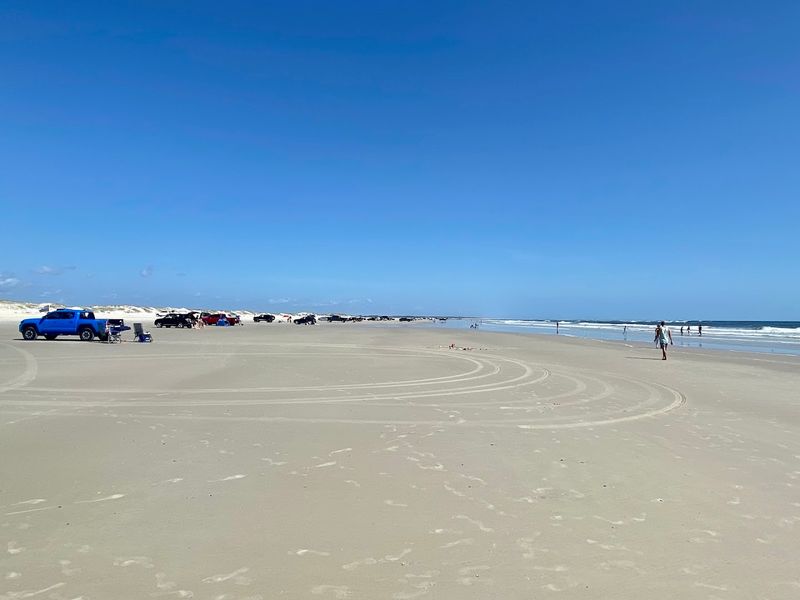
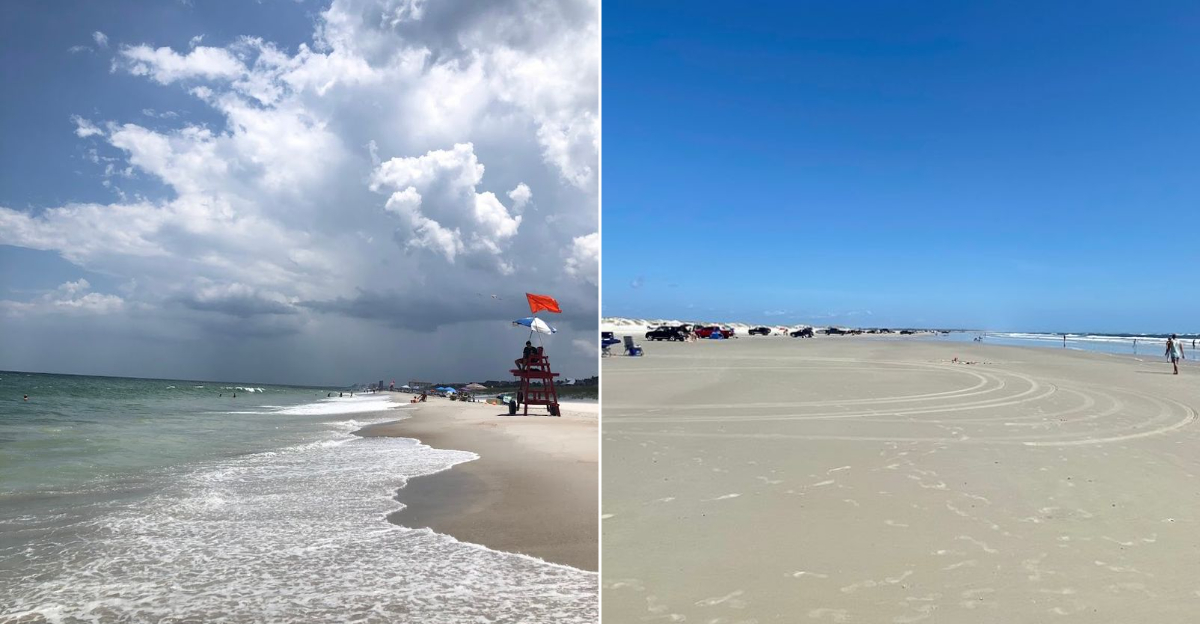
Four-wheel-drive vehicles rumble across the sand, carrying fishing gear and camping equipment to remote spots along this unique drive-on beach. Huguenot Memorial Park occupies the northern tip of a barrier island where the St. Johns River meets the Atlantic Ocean.
This location creates exceptional fishing opportunities as saltwater and freshwater species mingle in brackish waters.
Beach camping permits let adventurers pitch tents just feet from breaking waves, falling asleep to ocean rhythms under star-filled skies. The park attracts serious anglers casting for redfish, flounder, and tarpon from the shoreline or small boats launched from the beach.
Unlike most Jacksonville beaches, driving directly onto the sand here eliminates long walks carrying coolers and beach chairs.
Dog owners particularly love Huguenot because pets can run off-leash in designated areas, splashing through waves and chasing seabirds. The park’s location at a river-ocean junction creates unique ecosystems where dolphins, manatees, and sea turtles all make appearances.
Spring and fall migrations bring exceptional birdwatching as thousands of species pass through coastal flyways.
Facilities remain minimal by design, preserving the wild character that makes Huguenot special. The beach changes shape constantly as tides and currents shift sand, creating new sandbars and channels daily.
Big Talbot Island: Dramatic Landscapes and Solitude
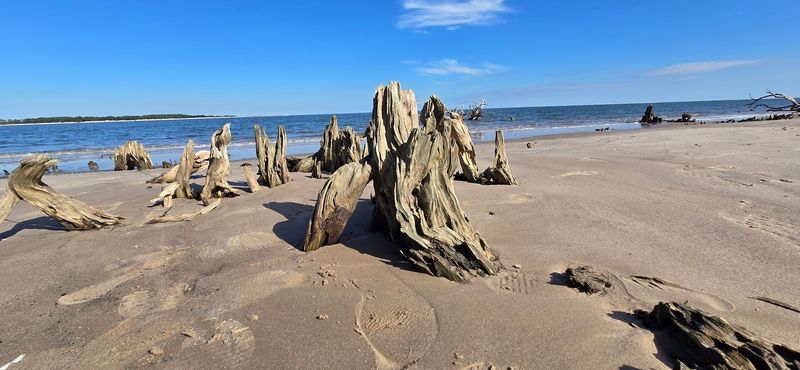
Skeletal oak trees rise from dark sand like ghostly sculptures, victims of erosion that transformed forest into haunting coastal art. Boneyard Beach at Big Talbot Island has become one of Florida’s most photographed shorelines, where nature’s power displays itself dramatically.
The island offers something completely different from typical sandy beaches, attracting artists and nature lovers seeking unusual beauty.
Rocky outcroppings replace soft sand in many areas, creating tide pools filled with marine life during low tide. Children explore carefully, discovering tiny fish, anemones, and hermit crabs in these temporary ocean apartments.
The darker sand comes from compressed peat and clay, staining feet but washing off easily in the waves.
Bluffs rise along portions of the shore, offering elevated viewpoints for scanning the horizon or watching for dolphins. The island remains undeveloped except for trails and basic facilities, preserving wilderness character.
Photographers arrive at dawn and dusk when lighting transforms the boneyard trees into otherworldly scenes.
Strong currents make swimming less appealing here than at other Jacksonville beaches, but the trade-off brings solitude and natural drama. The unusual landscape proves that beaches don’t need to be picture-perfect to be absolutely stunning.
Amelia Island: Day Trip to Victorian Charm
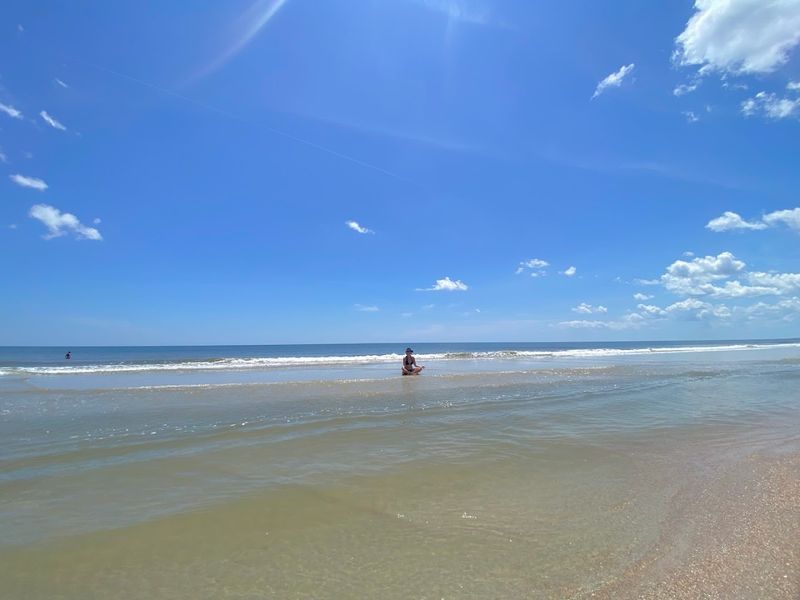
Just thirty miles north of Jacksonville, this barrier island transports visitors to a different era with Victorian mansions and brick-lined downtown streets. Amelia Island combines sophisticated resort amenities with small-town Southern hospitality that feels genuinely welcoming.
The beaches here stretch for thirteen miles, offering plenty of space to claim your own piece of paradise.
Fernandina Beach’s historic district features restaurants and shops housed in buildings dating back to the 1800s, creating charming backdrops for afternoon explorations. The island attracted wealthy industrialists during Florida’s Gilded Age, and their grand homes now serve as inns and museums.
Beach quality matches anything Miami offers, but crowds never reach overwhelming levels even during spring break weeks.
Horseback riding on the beach provides unique experiences, with stables offering guided rides along the water’s edge at sunrise or sunset. The southern end of the island houses state parks while the northern section features luxury resorts and golf courses.
Shrimping boats still work out of Fernandina Harbor, supplying local restaurants with fresh catches that appear on menus daily.
Art galleries and boutiques give the island an upscale feel without pretension. Many Jacksonville residents make regular day trips here, treating Amelia Island like their weekend escape.
Jacksonville Beach: Urban Energy Meets Ocean Breeze
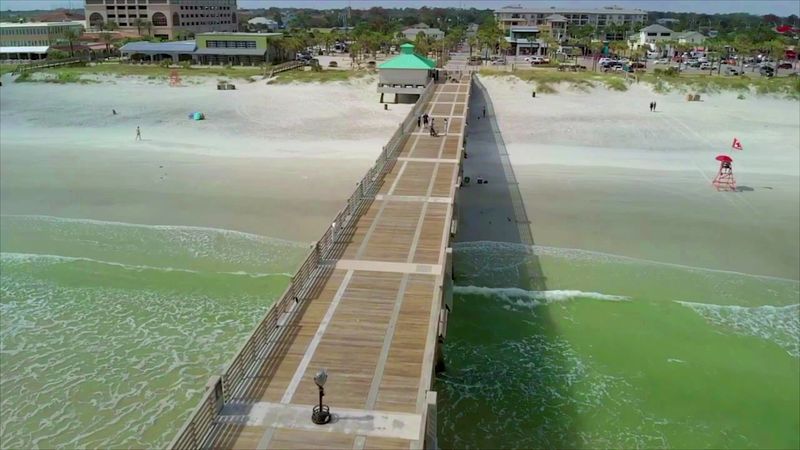
Surfboards lean against the weathered pier while local restaurants pump out fresh seafood just steps from the shoreline. The main drag here buzzes with life, offering everything from casual beach bars to family-friendly eateries that serve grouper sandwiches you’ll remember.
Jacksonville Beach provides the perfect balance between having something to do and still feeling like a beach town.
Volleyball nets dot the sand, and lifeguards keep watch during summer months. The pier extends far into the Atlantic, giving fishermen and sunset watchers incredible views.
Unlike crowded tourist beaches, this spot attracts mainly locals who know how to enjoy coastal life without the fuss.
Ponte Vedra Beach: Refined Elegance Away from Tourist Traps
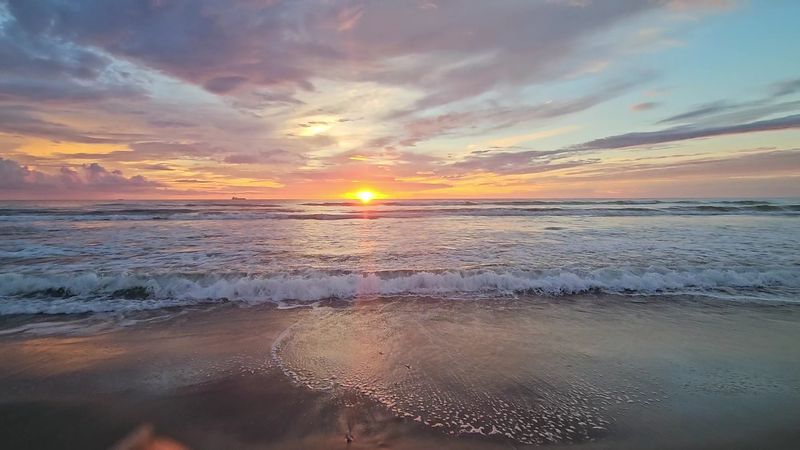
Golf courses roll down to meet pristine shoreline in this upscale enclave where the Atlantic whispers against powder-soft sand. The beaches here feel private even though they’re public, with far fewer umbrellas dotting the landscape than you’d find in busier coastal towns.
Ponte Vedra Beach attracts visitors who prefer quiet sophistication over spring break energy.
World-class resorts line the coast without overwhelming the natural beauty. Morning walks reveal seashells and occasional dolphins playing offshore.
The water stays clear, and the beach slopes gently, making it ideal for families.
Local shops and restaurants maintain understated elegance that matches the refined character of this peaceful stretch of coastline.
Huguenot Memorial Park
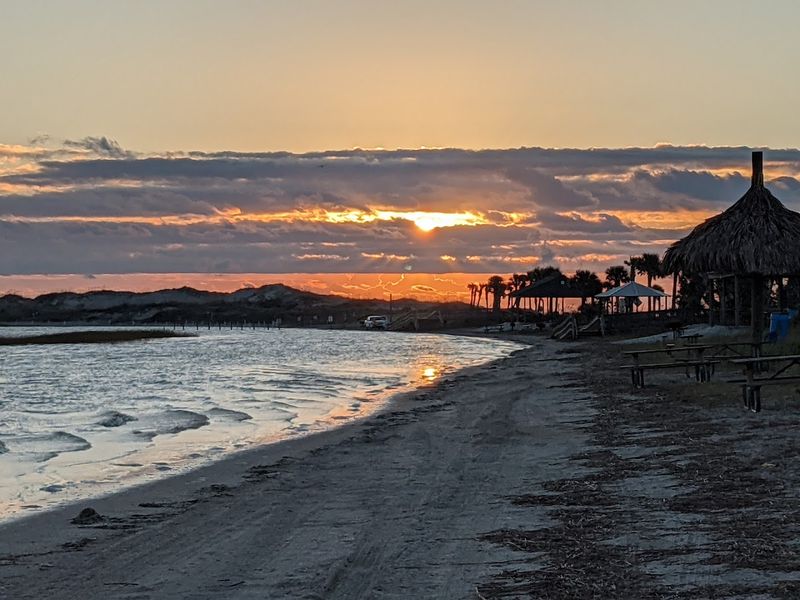
Morning light spills over the wide, windswept shoreline of Huguenot Memorial Park, where the Atlantic meets quiet stretches of sand and salt air drifts through open coastal dunes. In early spring, the breeze feels soft and cool, carrying the calls of shorebirds and the steady rhythm of waves rolling in from the horizon.
Located on the edge of Jacksonville, this rare coastal park feels both wild and welcoming. Visitors drive right onto the beach, set up along the water’s edge, or wander the bird-filled shoreline where tide pools shimmer in the sun.
Fishing lines cast into the inlet, campers settle in for the evening, and time seems to slow with the tide.
It’s a place where nature takes the lead, and every visit feels quietly unhurried.
Here’s what makes it so special.