
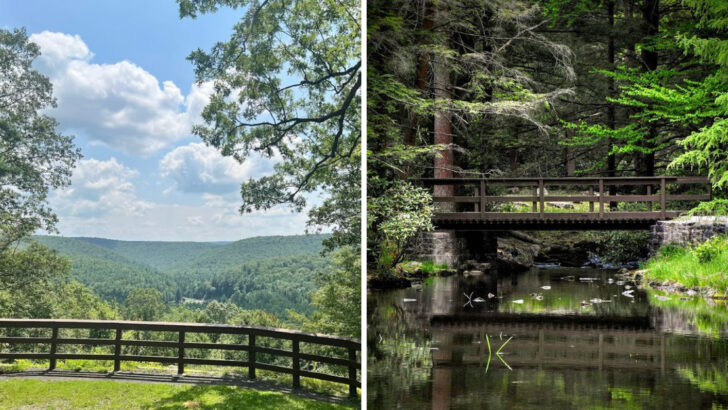
Raymond B. Winter State Park sits quietly in the mountains of central Pennsylvania, offering visitors a chance to explore peaceful forest trails and listen to the sounds of rushing mountain streams.
This hidden gem near Mifflinburg feels like stepping back in time, where nature still rules and modern life fades away.
With crystal-clear Halfway Lake at its center and miles of woodland paths surrounding it, the park draws hikers, campers, and nature lovers seeking a true mountain escape.
Whether you visit for a day hike or stay overnight under the stars, this special place shows off the wild beauty Pennsylvania has to offer.
A Hidden Mountain Escape In Central Pennsylvania
Tucked deep inside Bald Eagle State Forest, Raymond B. Winter State Park remains one of Pennsylvania’s best-kept secrets.
Most travelers zoom past on major highways without ever knowing this mountain sanctuary exists just minutes away.
The park spreads across forested ridges where tall trees create natural canopies that keep the air cool even on summer days. Cold mountain streams flow down rocky slopes, creating a constant soundtrack of rushing water that soothes the soul.
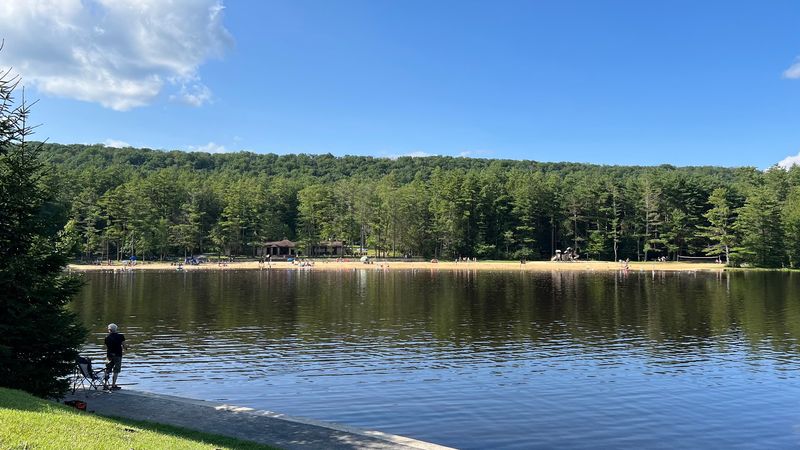
At the center sits spring-fed Halfway Lake, a body of water so clear you can see straight to the bottom near the shoreline.
This peaceful setting looks like something from a vintage postcard. Pine and hardwood forests surround the lake, while hiking trails disappear into thick woodland that feels wonderfully remote.
The combination of water, forest, and mountain terrain creates an atmosphere that invites visitors to slow down and breathe deeply.
Whether you’re looking for weekend adventure or quiet reflection, this hidden spot delivers mountain beauty without the crowds found at more famous Pennsylvania parks.
Halfway Lake And Its Crystal-Clear Waters
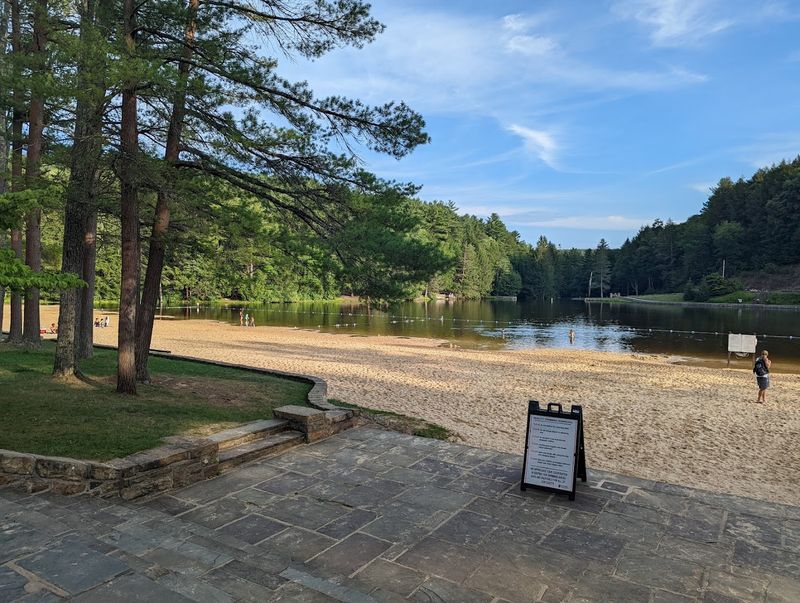
Spring-fed streams keep Halfway Lake refreshingly cold throughout the year, creating water clarity that rivals mountain lakes out west. Swimmers love how clean and cool the water feels during hot Pennsylvania summers.
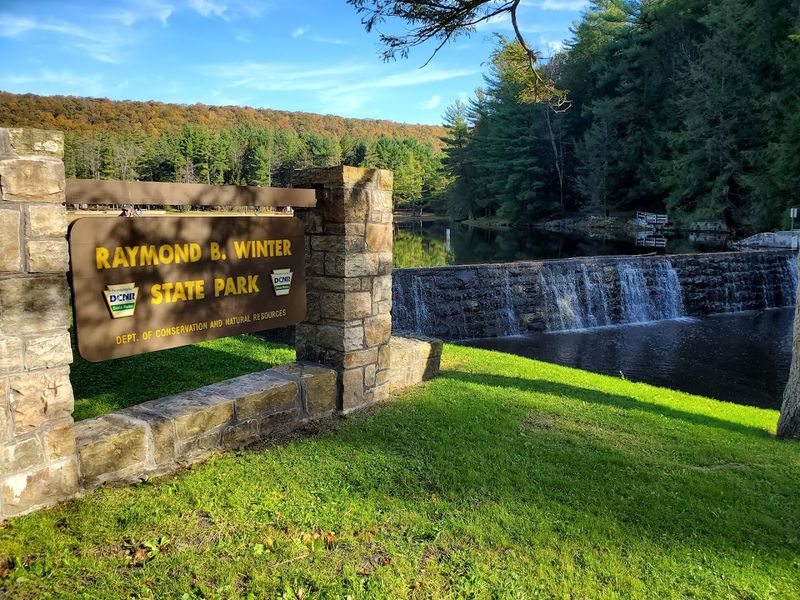
The lake’s most impressive feature is actually its dam—a carefully hand-laid sandstone structure built by Civilian Conservation Corps workers during the Great Depression. This engineering marvel still holds back the lake waters decades later, a testament to skilled craftsmanship from another era.
Walking along the dam gives visitors a close-up view of the stonework and a panoramic perspective of the entire lake.
Families gather along the shoreline for peaceful afternoons of fishing, hoping to catch trout that thrive in the cold water. Others simply walk the lake’s edge, enjoying how the surrounding forest reflects perfectly on the glassy surface during calm mornings.
The swimming area becomes a popular gathering spot once warm weather arrives. Kids splash near the beach while parents relax on the grass, knowing the spring-fed water stays naturally clean without harsh chemicals.
Forest Trails Filled With Mountain Views
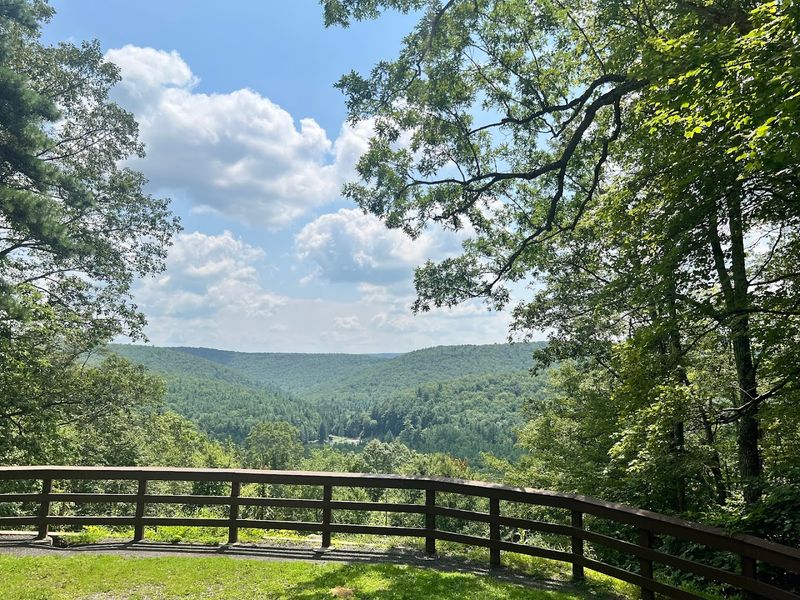
Overlook Trail earns its name honestly—hikers who make the climb get rewarded with sweeping views across forested valleys that stretch for miles. The effort required feels worth it once you reach the top and see Pennsylvania wilderness spreading out below.
Trails here wind through thick mountain laurel that explodes with pink and white blooms each late spring. Rocky ridges challenge your footing in spots, making good hiking boots more than just a suggestion.
Dense hardwood forests dominate the landscape, with oak and maple trees creating shade tunnels that keep trails comfortable during warmer months.
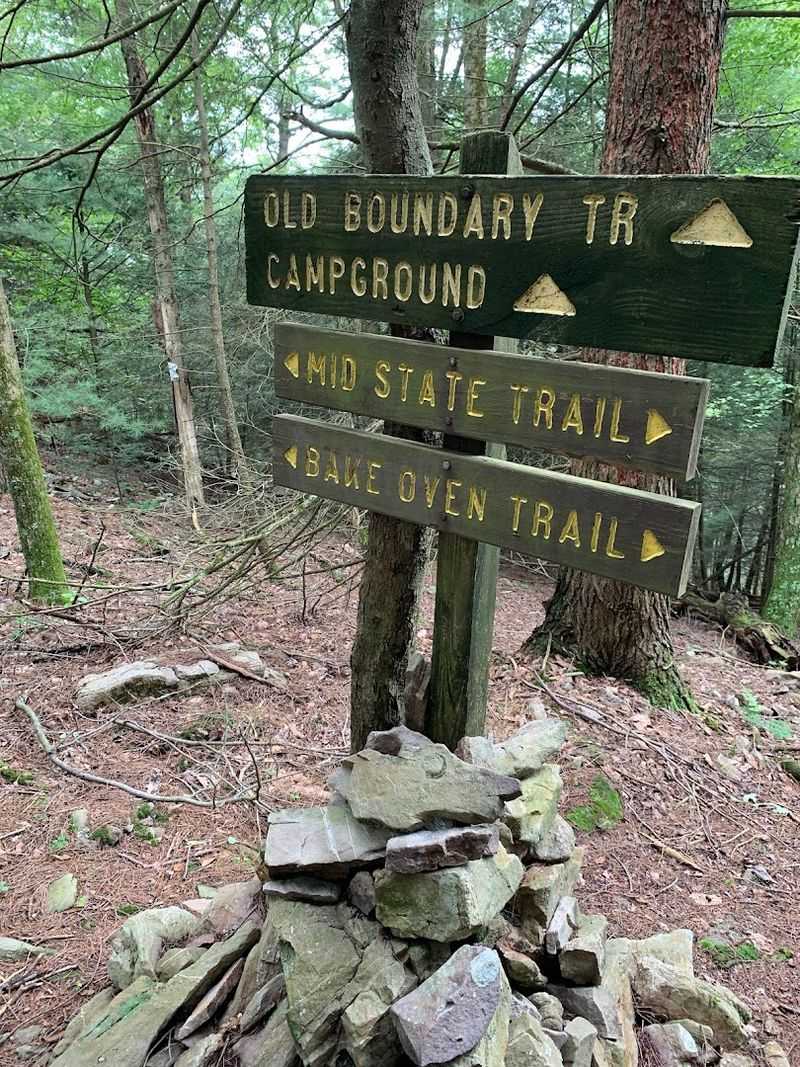
Bake Oven Trail offers a different experience with moderate elevation changes and interesting rock formations along the way. Some sections feel genuinely remote, giving hikers that rare sense of solitude even on weekends.
The trail system connects to wider Bald Eagle State Forest paths for those wanting longer adventures. Each route showcases different aspects of Pennsylvania mountain terrain, from gentle creek-side walks to challenging ridge climbs that test your endurance.
Rapid Run And The Park’s Peaceful Streams
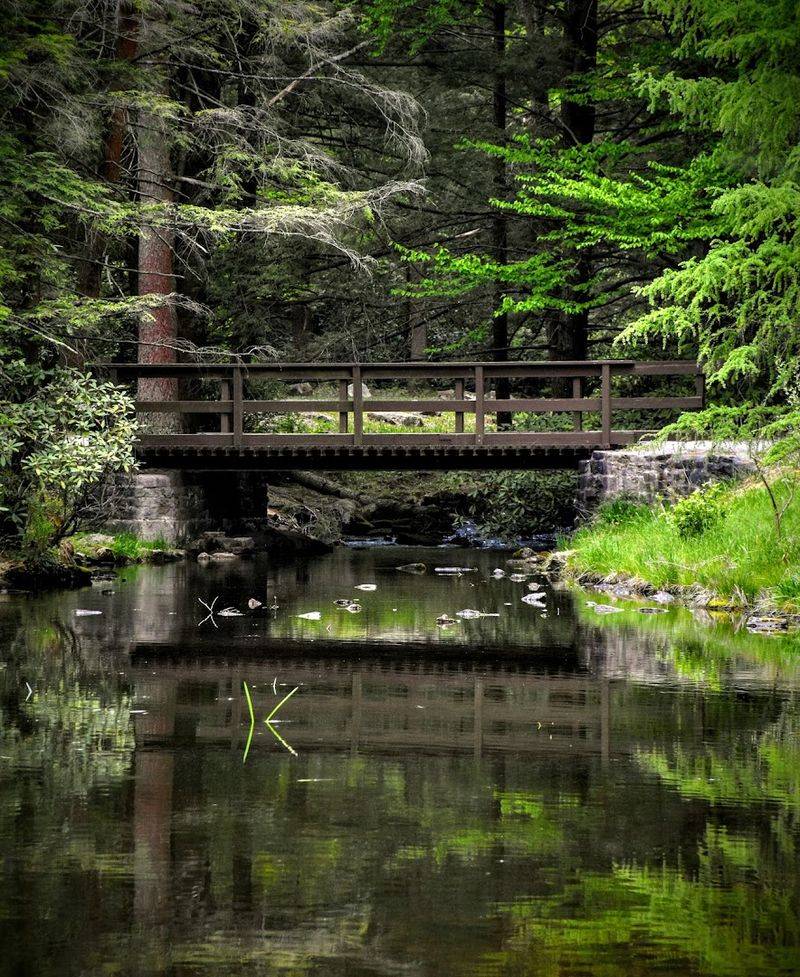
Follow Rapid Run Nature Trail and you’ll discover why mountain streams hold such magic. Water tumbles over rounded rocks, creating little waterfalls and pools that change with each season’s rainfall.
Old-growth hemlocks tower overhead along the creek banks, their ancient trunks thick with age and character. These massive trees survived logging operations that cleared much of Pennsylvania’s forests centuries ago.
Moss covers every surface near the water—rocks, fallen logs, and exposed roots all wear thick green carpets that glow in filtered sunlight.
The woodland atmosphere along Rapid Run feels genuinely untouched. No roads come close enough to interrupt the natural quiet, so the only sounds are rushing water, bird calls, and rustling leaves.
Creek banks stay cool even during hot spells, making this trail a smart choice for summer hiking.
Salamanders hide under rocks in the shallow water, while tiny fish dart between stones. Patient observers might spot tracks from deer and other wildlife that come to drink from the cold, clean stream.
A Great Spot For Wildlife And Nature Photography
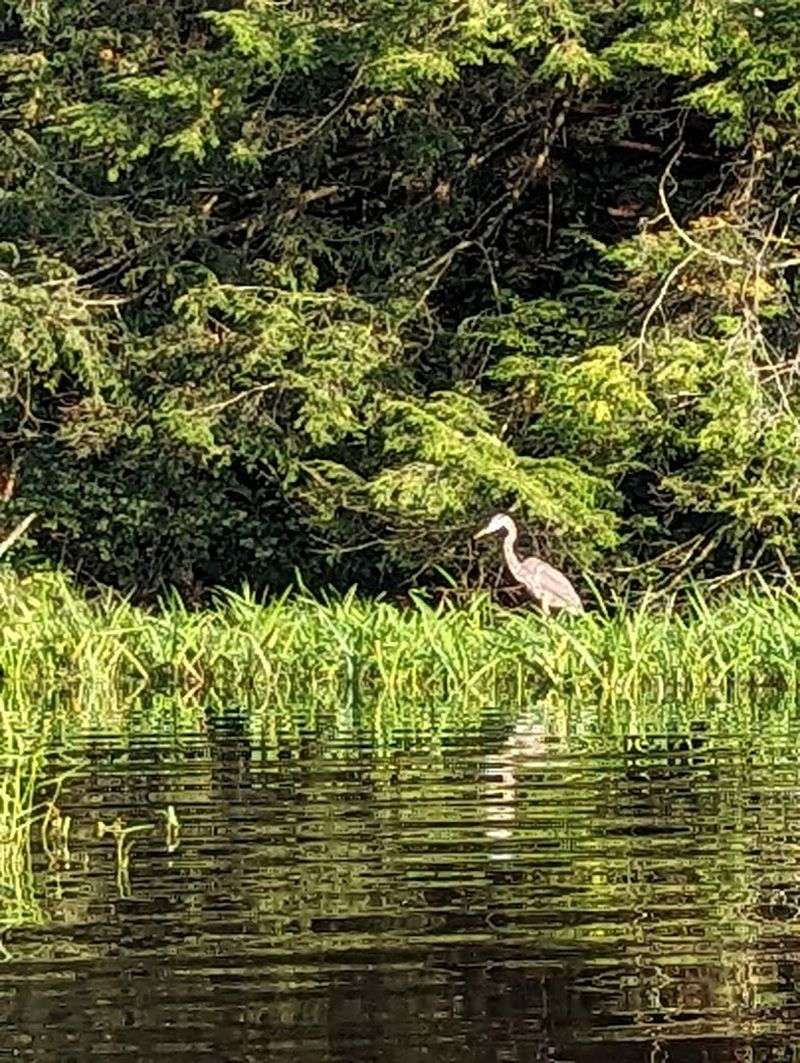
Songbirds fill the forest canopy with music from dawn to dusk, making every walk feel like a nature documentary. Photographers with patience and long lenses capture colorful warblers, vireos, and thrushes flitting through the branches overhead.
White-tailed deer appear frequently throughout the park, especially during quiet morning and evening hours. Does with spotted fawns graze in meadow edges while bucks browse deeper in the forest.
Trout-filled streams attract both anglers and wildlife photographers hoping to photograph these beautiful fish in crystal-clear water.
Owls hunt silently through the forest after dark, their calls echoing across the ridges. Great horned owls and barred owls both nest in the mature forests surrounding the park.
Salamanders thrive in the damp environments near streams, adding interesting macro photography subjects for those who look closely.
Each season transforms the landscape into different photographic opportunities. Spring brings wildflowers and nesting birds, summer offers lush green forest scenes, autumn paints the ridges brilliant colors, and winter creates stark, beautiful compositions with snow-covered pines and frozen waterfalls.
Why Fall Is One Of The Best Times To Visit
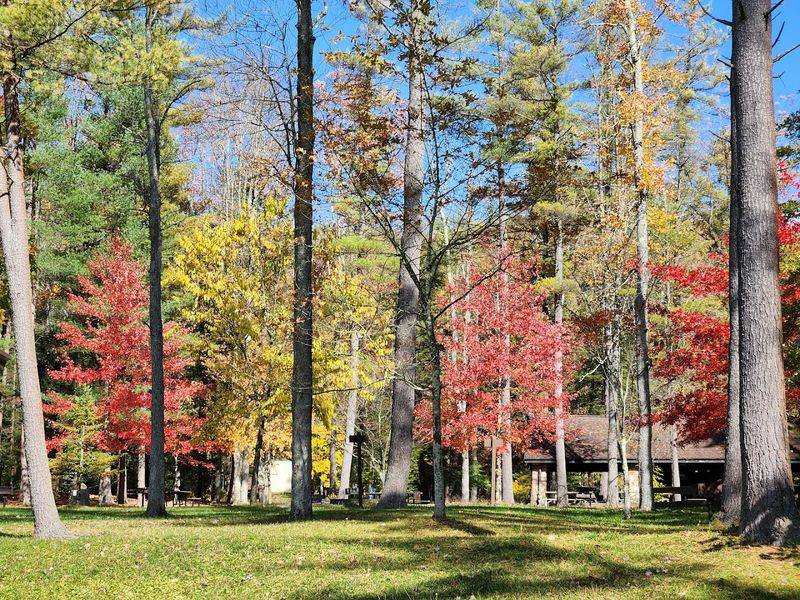
October transforms Raymond B. Winter into a mountain kaleidoscope that rivals anything Vermont or New Hampshire can offer.
Sugar maples blaze orange and red, while oaks contribute deep burgundy tones that contrast beautifully against evergreen pines.
The ridges surrounding Halfway Lake create natural amphitheaters of color that photographers dream about. Early morning mist rises from the cold lake water, creating ethereal scenes as colorful trees emerge from white fog.
Cool autumn temperatures make hiking genuinely pleasant after summer’s heat and humidity.
Trail traffic drops significantly once school starts, giving visitors more solitude and wildlife encounters. Deer become more active during fall rut, and migrating birds stop to rest in the forest canopy before continuing south.
The changing leaves also improve visibility into previously hidden forest areas.
Bring layers when visiting during autumn—mornings can feel quite chilly while afternoons warm up nicely. The best color typically peaks between mid-October and early November, though elevation differences mean some areas change earlier or later than others.
Camping And Overnight Stays In The Forest
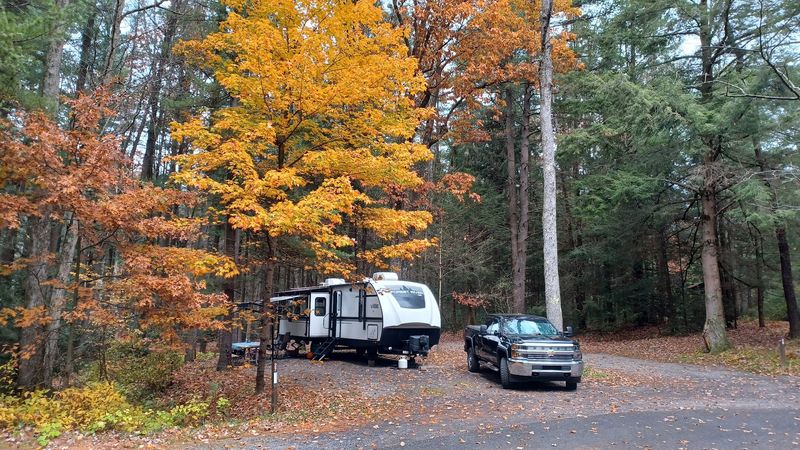
Spending the night surrounded by mountain wilderness completely changes how you experience Raymond B. Winter State Park.
Campsites nestled among tall trees offer privacy and natural beauty that day visitors never fully appreciate.
The park provides various overnight options, from traditional tent camping spots to rustic cottages and cozy cabins that shelter visitors from weather while keeping them close to nature. Waking up to birdsong and mist rising off Halfway Lake beats any alarm clock ever invented.
Morning coffee tastes better when enjoyed at a picnic table surrounded by forest.
Staying overnight gives you trail access at the best times—early morning when wildlife is most active and evening when other visitors have left. Star-filled skies reveal themselves once darkness falls, unobscured by city lights that pollute most Pennsylvania night skies.
Campfires crackle pleasantly after sunset, perfect for roasting marshmallows or simply watching flames while listening to night sounds from the surrounding woods. Reserve popular cabins and cottages well ahead since they book up quickly during peak seasons.
Outdoor Activities Beyond Hiking
Trout fishing attracts anglers to both Halfway Lake and the park’s cold mountain streams. The Pennsylvania Fish Commission regularly stocks the waters, giving fishermen good chances at catching rainbow, brown, and brook trout throughout the season.
Mountain bikers find challenging terrain on trails that connect Raymond B. Winter to the broader Bald Eagle State Forest trail network.
Rocky sections and elevation changes test riding skills while rewarding cyclists with beautiful forest scenery. Winter transforms the park into snowmobile territory when conditions allow, with groomed trails attracting riders from across central Pennsylvania.
Picnic areas scattered throughout the park provide perfect spots for family gatherings without requiring serious hiking effort. The lakeside beach area becomes a summer destination where kids swim while adults relax on the grass nearby.
Paddlers occasionally bring kayaks or canoes to explore Halfway Lake from the water, though the relatively small size makes this more of a peaceful float than an expedition. Some visitors simply come to relax, reading books in quiet forest settings far from urban noise and stress.
Visitor Info And Helpful Tips
Raymond B. Winter State Park sits just northwest of Mifflinburg in Union County, accessible via winding mountain roads that take about fifteen minutes from town.
The drive itself showcases beautiful Pennsylvania countryside, especially during spring and fall.
Plan visits between April and November when facilities stay fully open and weather cooperates best. Lakeside Trail offers the easiest introduction to the park, circling Halfway Lake on relatively flat terrain suitable for families with young children.
Rapid Run Nature Trail provides another beginner-friendly option with gentle grades and interesting stream scenery.
Cell phone service becomes unreliable once you enter the forest, so downloading trail maps beforehand saves frustration. Rocky trail sections make sturdy hiking boots more comfortable than sneakers, especially after rain when rocks get slippery.
Arrive early on summer weekends when parking fills up quickly near popular spots like the swimming beach. Winter visits require checking ahead about road closures since some park roads don’t get plowed regularly.
Pack water and snacks since no stores exist inside the park boundaries.