This place doesn’t feel real—it feels forgotten by time itself.
Cumberland Island doesn’t try to impress you. It simply exists, wild and unbothered, off Georgia’s southern coast.
No highways. No noise.
No rush. Just ferry water cutting through the Atlantic and a shoreline that seems to stretch forever.
Wild horses wander like they own the sand. Ancient oaks lean low under Spanish moss, like they’re guarding secrets from another century.
Even the air feels different—slower, heavier with salt and silence.
Step onto this island and the world you came from starts to fade. What replaces it is something rarer: space, stillness, and a kind of beauty that doesn’t ask for attention—it just quietly takes it.
A Remote Island That Feels Completely Untouched
Getting to Cumberland Island requires planning, and that’s exactly what keeps it special. The ferry ride from St. Marys creates a natural buffer between the mainland hustle and the island’s peaceful atmosphere.
Once you step off the boat, modern life fades away.
No cars rumble down paved roads here. No strip malls or convenience stores interrupt the views.
Instead, visitors encounter an island where nature sets the pace and wildlife outnumbers people on most days.
The isolation doesn’t feel restrictive—it feels liberating. Walking paths wind through landscapes that look much like they did centuries ago.
Tall grasses sway in ocean breezes, and the sounds you hear come from waves, wind, and birds rather than traffic or construction.
This remoteness attracts travelers seeking genuine escape. People come here specifically because it requires effort to reach.
That effort gets rewarded with an experience that feels increasingly rare in our connected, developed world.
Miles Of Wild, Empty Beaches
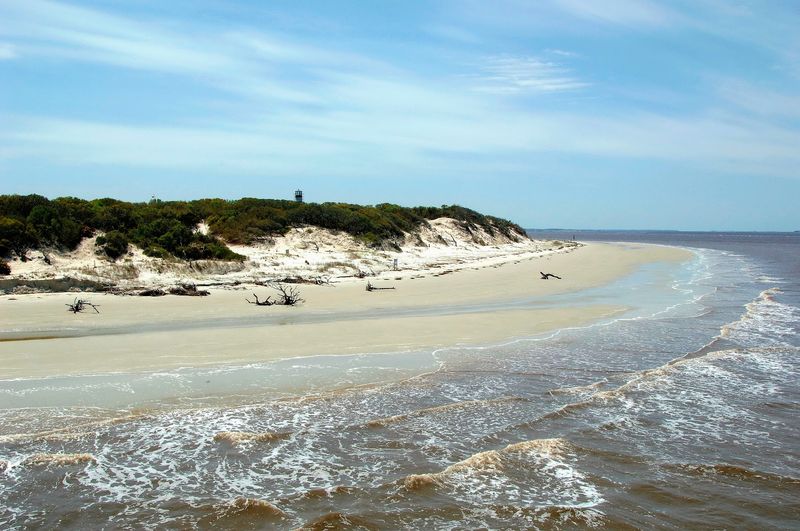
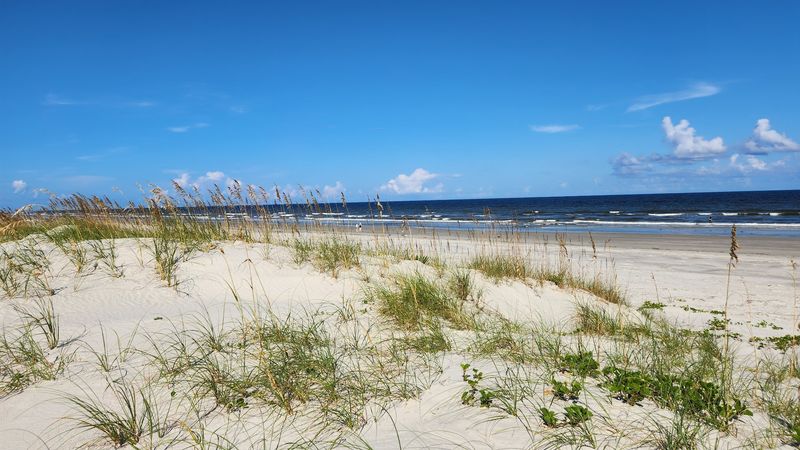
Imagine walking along soft sand for hours without seeing a single beach chair, umbrella, or building. Cumberland’s eighteen-mile shoreline delivers that increasingly rare experience.
The beaches stretch endlessly, backed by dunes and sea oats instead of hotels or restaurants.
Most visitors never encounter crowds here. Even during peak season, you can find long stretches of sand that feel entirely yours.
The absence of commercial development means no parking lots, boardwalks, or beachfront condos competing for your attention.
Shells scatter across the tideline in surprising abundance. Shorebirds hunt along the water’s edge without human interference.
When you look in either direction, the view remains beautifully, wonderfully empty.
Beachcombers often describe these shores as healing. The combination of space, silence, and natural beauty creates a meditative quality.
Whether you want to stroll slowly or jog for miles, the beaches accommodate without the usual coastal congestion.
The Famous Wild Horses Roaming Freely
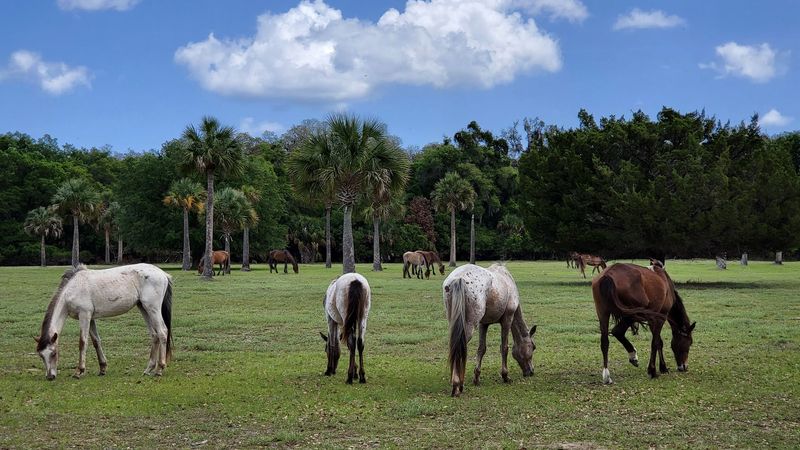
Spotting your first wild horse on Cumberland Island creates a moment you won’t forget. These beautiful animals wander freely across the island, completely unbothered by human presence.
They graze peacefully in meadows, trot along beaches, and rest beneath shady oaks.
Roughly 150 horses call the island home. Their ancestors likely descended from horses brought by Spanish explorers centuries ago.
Today they live without fences, schedules, or handlers—truly wild and self-sufficient.
Watching them move naturally through their environment feels magical. A mare might lead her foal through shallow surf while other horses stand motionless in morning mist.
These aren’t trained performers or petting zoo residents; they’re genuinely untamed creatures living on their own terms.
Park regulations require keeping respectful distance, which actually enhances the experience. Observing from afar lets you witness authentic wild behavior.
Photographers treasure these encounters, and many travelers plan entire visits around horse sightings.
Maritime Forest Trails Filled With Ancient Oaks
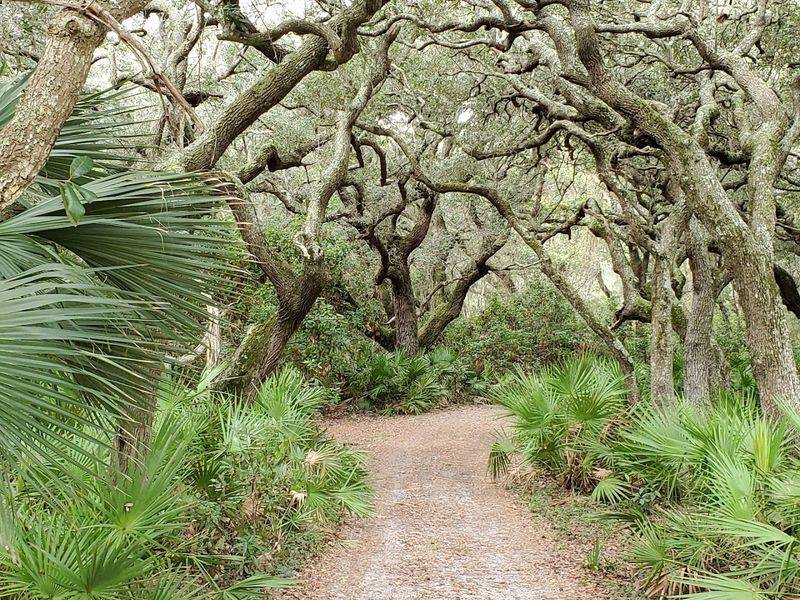
Step into Cumberland’s interior forests and you enter another world entirely. Massive live oak trees create natural tunnels overhead, their branches twisted into sculptural shapes by decades of coastal winds.
Spanish moss hangs like gray curtains, filtering sunlight into soft green patterns.
The trails feel mysterious and almost enchanted. Palmetto plants crowd the understory while resurrection ferns cling to bark.
Everything grows in layers, creating dense vegetation that buzzes and rustles with hidden life.
Hikers discover that these forests offer welcome shade during hot afternoons. The temperature drops noticeably under the canopy.
Bird songs echo through the trees, and occasional glimpses of wildlife reward patient observers.
Several well-marked trails crisscross the island. Some connect beaches to interior areas while others loop through pure forest.
The paths range from easy walks to longer treks, but all share that distinctive maritime forest character—ancient, atmospheric, and beautifully overgrown.
The Ruins Of The Carnegie-Era Dungeness Mansion
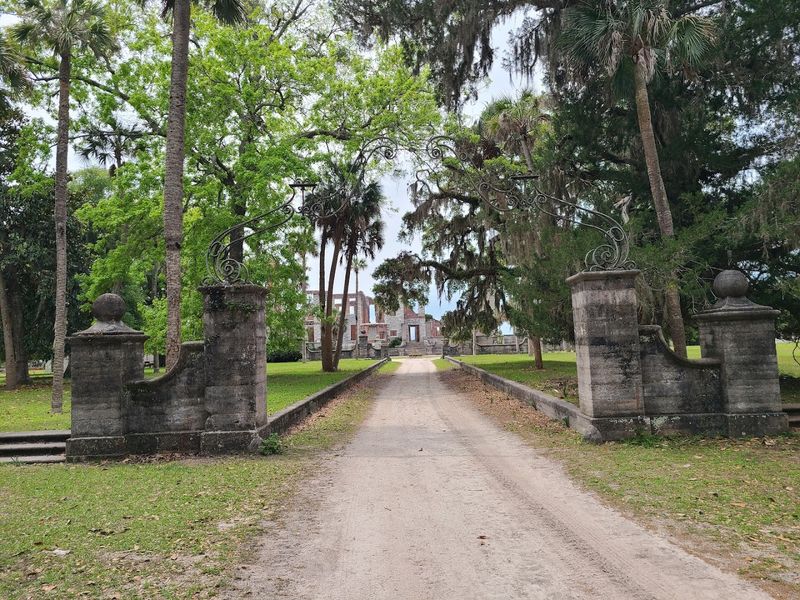
Standing before Dungeness feels like discovering a secret from another era. The skeletal remains of this once-grand mansion create one of the island’s most photographed scenes.
Brick walls rise dramatically against blue sky, their empty windows framing views of palms and coastal vegetation.
Built by Thomas Carnegie’s family in the 1880s, the estate once represented extreme wealth and luxury. The mansion contained over fifty rooms filled with fine furnishings.
Fire destroyed the main structure in 1959, leaving behind these hauntingly beautiful ruins.
Nature has reclaimed much of the site. Vines climb crumbling staircases, and wild plants push through cracked foundations.
The combination of human architecture and natural overgrowth creates an almost theatrical atmosphere.
Visitors can walk around the ruins and explore nearby grounds. Interpretive signs share historical details about the Carnegie family and their island lifestyle.
The site reminds us that even great wealth and power eventually yield to time and nature’s patient persistence.
Incredible Wildlife Beyond The Horses
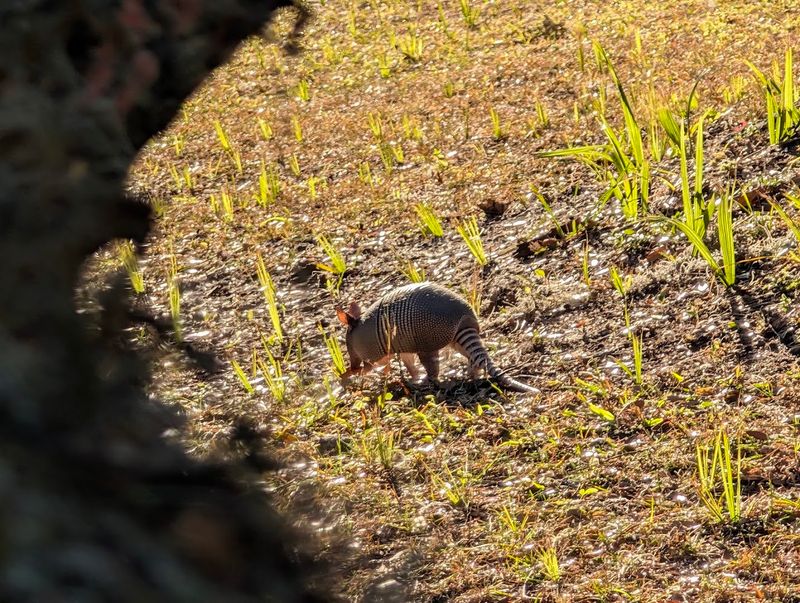
Cumberland Island functions as a wildlife sanctuary where dozens of species thrive undisturbed. Armadillos shuffle through underbrush, their armored backs bobbing as they search for insects.
White-tailed deer browse quietly in forest clearings, often approaching surprisingly close to trails.
Offshore, bottlenose dolphins arc through Atlantic waves. During nesting season, loggerhead sea turtles lumber up beaches under darkness to lay eggs.
Patient observers might spot all five North American vulture species circling overhead.
The bird population alone justifies bringing binoculars. Over 300 species have been documented here, from tiny warblers to massive wood storks.
Shorebirds probe tidal pools while painted buntings add brilliant splashes of color to thickets.
Many travelers rank wildlife viewing among their top island experiences. Unlike zoos or controlled environments, encounters here happen spontaneously and naturally.
Animals behave normally, creating authentic moments that photographers and nature enthusiasts cherish. The diversity rivals much larger preserves, all packed onto one accessible barrier island.
Sunrise Views That Feel Completely Private
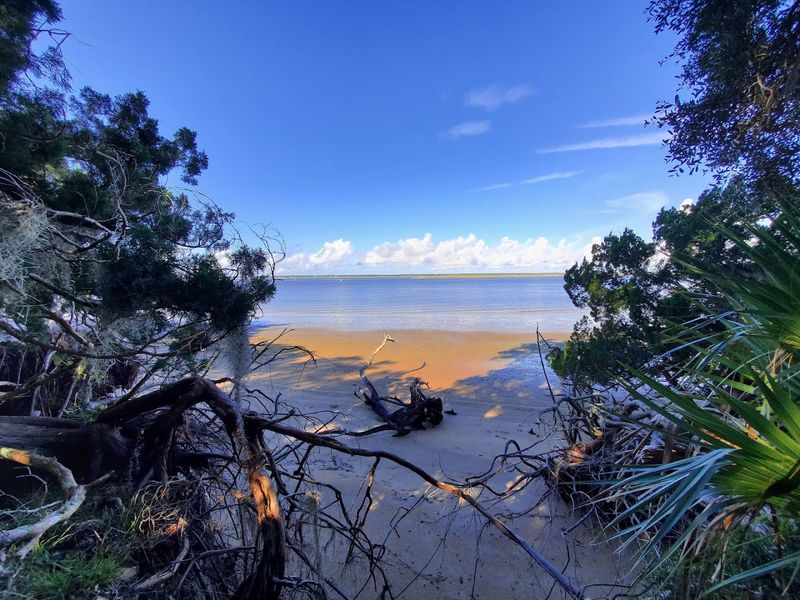
Dawn arrives differently on Cumberland Island. Without coastal high-rises blocking views, sunrise unfolds across the entire eastern horizon.
Golden light spreads slowly across dunes and surf, illuminating a landscape that feels untouched by human hands.
Early risers often have beaches entirely to themselves. The only footprints in the sand might be those left by shorebirds overnight.
Waves roll in rhythmically while the sky transforms through shades of pink, orange, and violet.
This solitude creates something special. Many people describe these mornings as spiritual experiences.
The combination of natural beauty, silence, and isolation feels increasingly precious in our busy, connected world.
Photographers love the quality of early light here. Colors appear more saturated and shadows stretch dramatically.
Wild horses sometimes wander into frame, completing scenes that look professionally staged but occur completely naturally. Watching sunrise from Cumberland rarely disappoints, and many visitors set alarms specifically for these magical moments.
A Slower Pace That Encourages Disconnecting
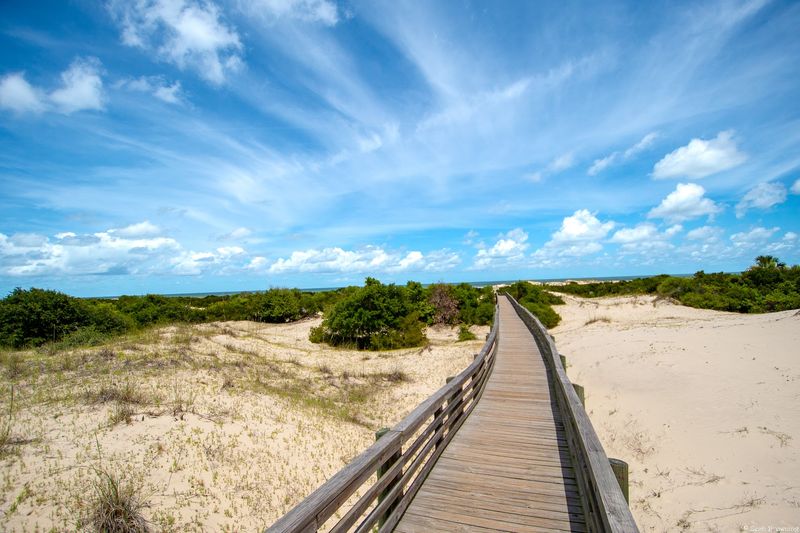
Cell service barely reaches Cumberland Island, and that’s actually wonderful. Without constant notifications and scrolling temptations, visitors naturally shift into a different mindset.
Attention turns outward toward surroundings rather than inward toward screens.
The island offers no restaurants, shops, or entertainment venues demanding your time and money. You can’t rush from attraction to attraction because experiences here unfold at nature’s pace.
Watching clouds drift overhead or following a butterfly through flowers becomes genuinely satisfying.
Many travelers report feeling stress melt away within hours. The forced disconnection from digital life creates mental space that modern routines rarely allow.
Conversations deepen, observations sharpen, and small moments gain significance.
This slower rhythm suits hikers, readers, photographers, and anyone craving genuine rest. Families rediscover unplugged togetherness.
Solo travelers find space for reflection. The absence of commercial stimulation might initially feel strange, but most people quickly adapt and appreciate the simplicity.
Camping Beneath The Coastal Sky
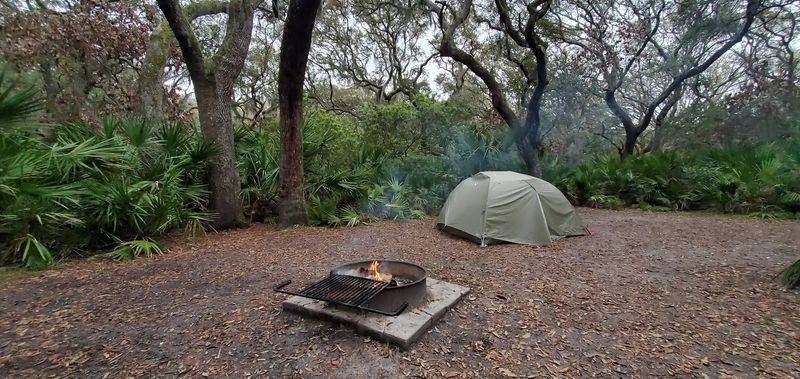
Spending the night on Cumberland Island transforms a day trip into an adventure. Several primitive campgrounds scattered across the island offer rare opportunities to sleep within steps of wild beaches and ancient forests.
Sites provide basic amenities but preserve that wilderness atmosphere.
Sea Camp sits closest to the ferry dock, making gear transport easier. Backcountry sites require longer hikes but deliver deeper solitude.
Either way, falling asleep to ocean sounds creates memories that outlast typical hotel stays.
Nighttime reveals stars in abundance. Without light pollution from cities or development, the Milky Way stretches visibly overhead.
Campers often hear horses moving nearby or owls calling from dark trees.
Advance reservations are absolutely necessary since campsites fill quickly during popular seasons. Pack carefully because you’ll carry everything from the ferry.
Bring plenty of water, bug spray, and food. The effort involved makes the experience feel more authentic and accomplishment more meaningful.
Visitor Info And Tips Before You Go
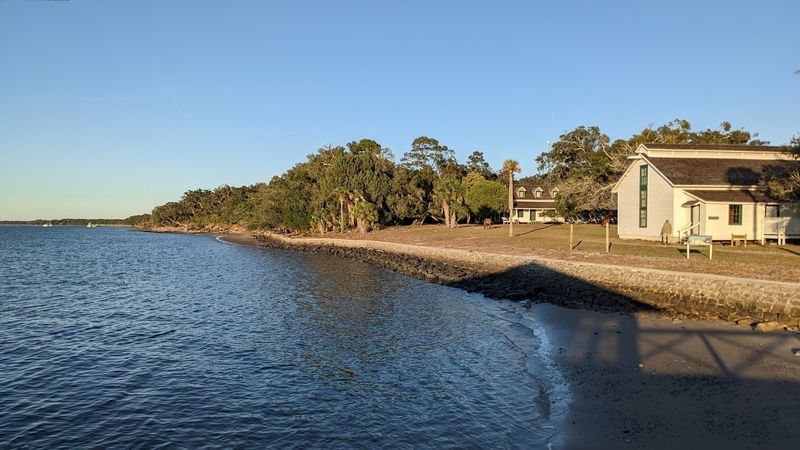
Planning ahead makes Cumberland Island visits much smoother. The primary ferry departs from St. Marys, operating daily except major holidays.
Book tickets early because passenger limits protect the island’s fragile ecosystem. Reservations open months in advance and popular dates sell out quickly.
Pack smartly for your adventure. Bring more water than seems necessary since dehydration happens easily during warm weather.
Sunscreen, insect repellent, comfortable walking shoes, and snacks are essential. The island provides almost no services, so self-sufficiency matters.
Download trail maps before arriving since cell service proves unreliable. Rangers at the visitor center offer excellent advice about current conditions and wildlife activity.
Ask questions before heading out onto trails.
Consider timing carefully. Spring and fall bring comfortable temperatures and active wildlife.
Summer gets hot and buggy, though beaches remain appealing. Winter offers solitude but requires warmer layers.
Whatever season you choose, Cumberland Island rewards preparation and flexibility with unforgettable experiences.