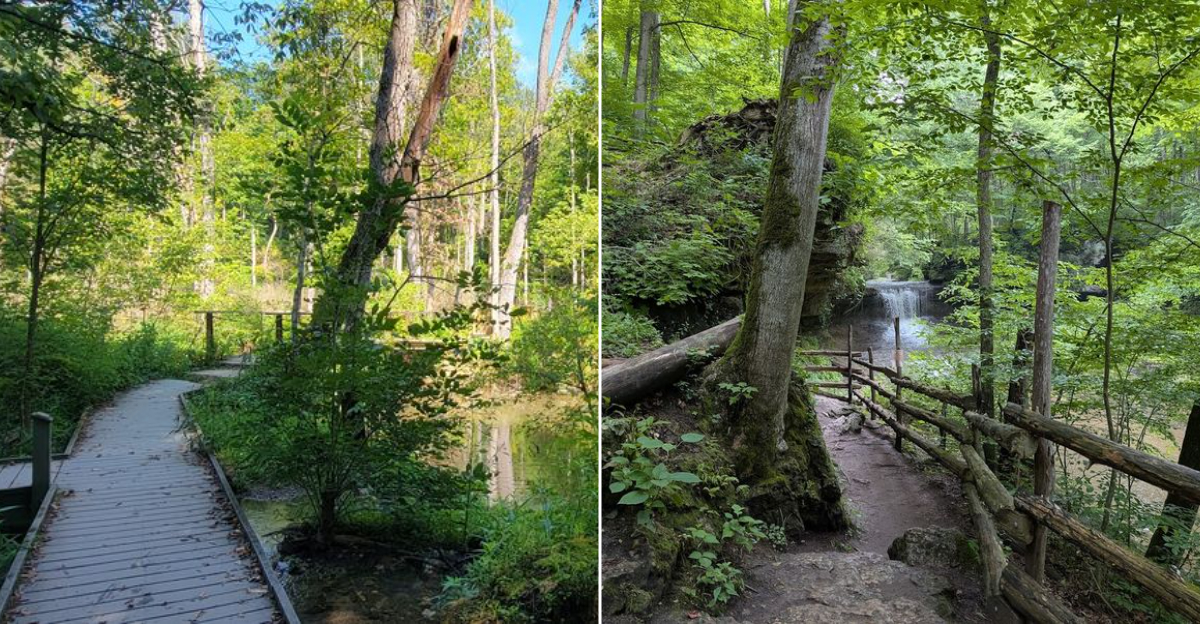
Spring mornings feel especially peaceful at Glen Helen Nature Preserve, where the sound of rushing water and birdsong gently replaces the noise of everyday life. Trails wind beneath towering trees, past moss-covered rocks, quiet creeks, and waterfalls that seem to appear around every bend.
In May, wildflowers bloom along the paths while cool air drifts through the forest canopy, making long walks feel effortless and restorative.
Just beyond the artsy charm of Yellow Springs, this preserve offers the kind of slow afternoon that’s hard to find lately. Families wander the shaded trails, photographers pause beside stone bridges, and hikers linger a little longer near the waterfalls.
From hidden overlooks to peaceful woodland paths, these are the spots that make Glen Helen so memorable.
Water Tumbles Down Moss-Covered Rocks at The Cascades
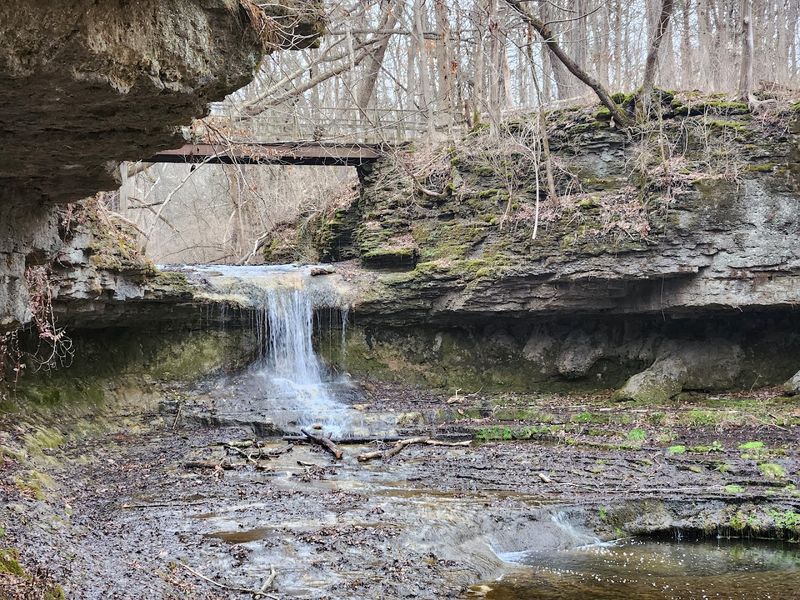
Water music fills the air as you approach this stunning natural feature, where Glen Creek performs its most dramatic act. The sound grows louder with each step until you round a bend and witness water dancing over layered limestone formations.
Sunlight filters through the canopy above, creating sparkles across the falling water.
The Cascades represents the crown jewel of the preserve’s waterfall collection. Multiple tiers create different personalities throughout the seasons, from thundering spring flows to gentle summer trickles.
Rock formations surrounding the falls tell stories written over millions of years.
Photographers arrive at dawn to catch morning light painting the scene in golden hues. The mist rising from the base creates an almost mystical atmosphere, especially on cool mornings.
Many visitors claim this spot alone justifies the trip to Glen Helen.
A viewing platform offers safe vantage points for admiring nature’s sculpture work. The rocks beneath stay perpetually damp, creating perfect conditions for vibrant moss gardens.
This waterfall earned its reputation as the preserve’s most photographed and beloved destination for very good reason.
Stone Steps Descend Into Another World
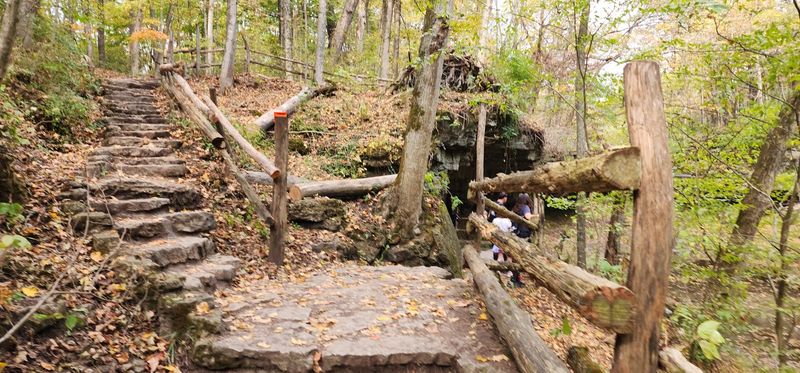
Your leg muscles might protest tomorrow, but the journey down these 100-plus hand-laid stone steps opens up views that make every burn worthwhile. Each step takes you deeper into the gorge where temperatures drop and the forest changes character.
Massive rock walls rise on either side like natural cathedral walls.
Workers constructed these stairs decades ago, carefully fitting each stone to create a passage into the valley below. The craftsmanship remains impressive today, with steps holding firm despite countless footfalls and weather cycles.
Handrails guide cautious hikers through steeper sections.
Halfway down, pause to notice how the world above seems to disappear completely. Bird songs echo differently in this sheltered space.
Ferns cascade from crevices in the cliff face, thriving in the cool, moist microclimate created by the gorge walls.
The ascent back up tests your fitness level, but benches positioned strategically offer rest stops. Many hikers tackle these steps multiple times during their visit because each descent reveals new details missed before.
Your quads will thank you for taking your time on the climb back out.
Nature’s Engineers Built Something Special in the Wetlands
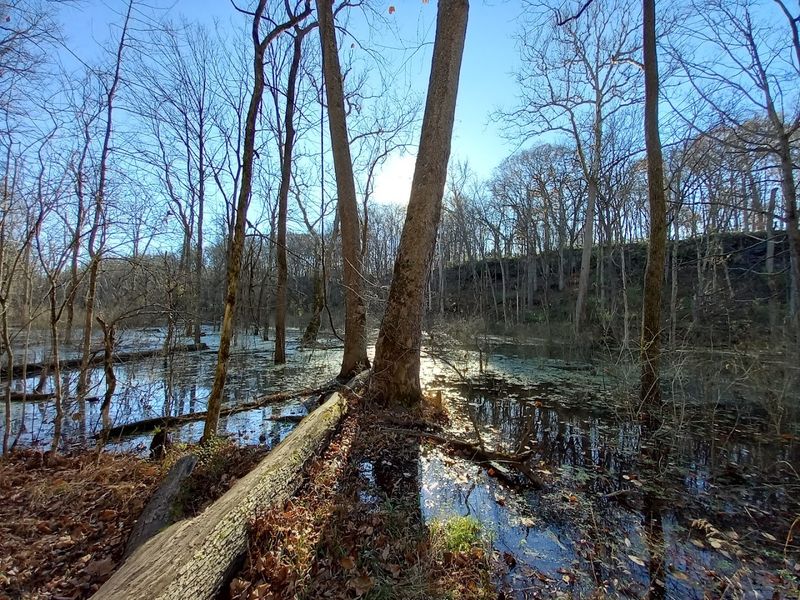
Gnawed tree trunks and carefully woven branches tell you immediately that master builders work this section of the preserve. The beaver dam stretches impressively across the wetland, creating a pond that transforms the entire ecosystem.
You can spot their lodge rising from the water like a wooden fortress.
These industrious rodents have shaped this landscape into prime wildlife habitat without any human direction. Their engineering creates homes for countless other species, from nesting birds to hunting herons.
The standing water reflects surrounding trees, doubling the visual beauty.
A boardwalk allows visitors to explore the marsh without disturbing fragile wetland vegetation. From this vantage point, you might catch glimpses of the resident beavers during early morning or dusk hours.
Dragonflies zip across the water surface during warm months.
The ecosystem here demonstrates how one species can dramatically alter an entire area for the better. Dead trees standing in the pond provide perches for birds and nesting sites for woodpeckers.
Many visitors report that watching this thriving wetland complex gives them newfound respect for beaver engineering abilities and the interconnected nature of healthy ecosystems.
Pure Water Bubbles Up from Underground Chambers
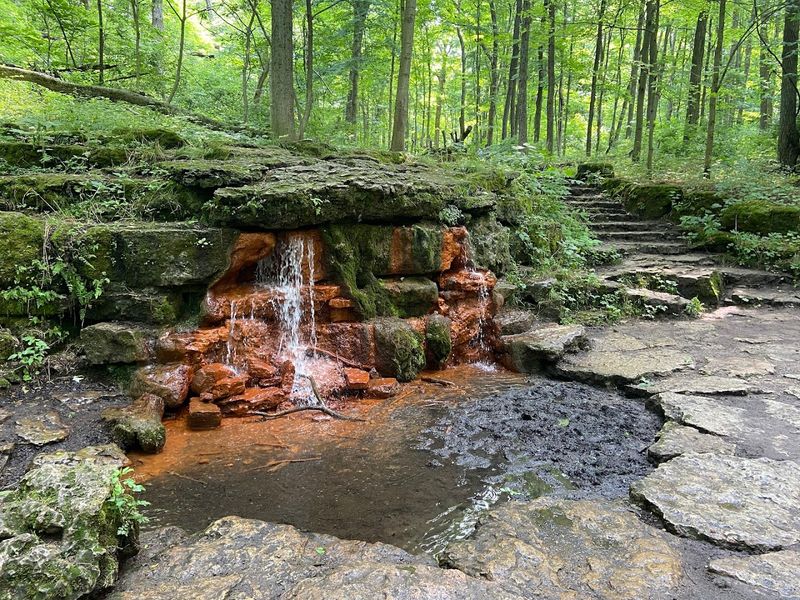
Something magical happens when you stand beside flowing water that has never seen sky until this very moment. The Yellow Spring itself emerges from underground limestone caverns, bubbling up crystal clear and cold year-round.
Native Americans knew this spot long before European settlers arrived, recognizing its special properties.
This natural spring gave the entire town its distinctive name, serving as both water source and gathering place for centuries. The mineral-rich water maintains a constant temperature regardless of season.
Iron oxide gives the surrounding rocks their distinctive yellow-orange staining.
Early settlers believed these waters held healing properties, and people traveled considerable distances to fill containers with spring water. Today, visitors still marvel at the pure clarity and constant flow.
The spring pumps thousands of gallons daily into the creek system below.
Stone walls constructed generations ago protect the spring’s outlet while allowing easy viewing. Watching water emerge from the earth creates a sense of connection to deep geological processes.
The spring area remains one of the most historically significant and visually striking locations throughout the entire preserve trail system.
Rescued Raptors Find Safe Haven at the Education Center
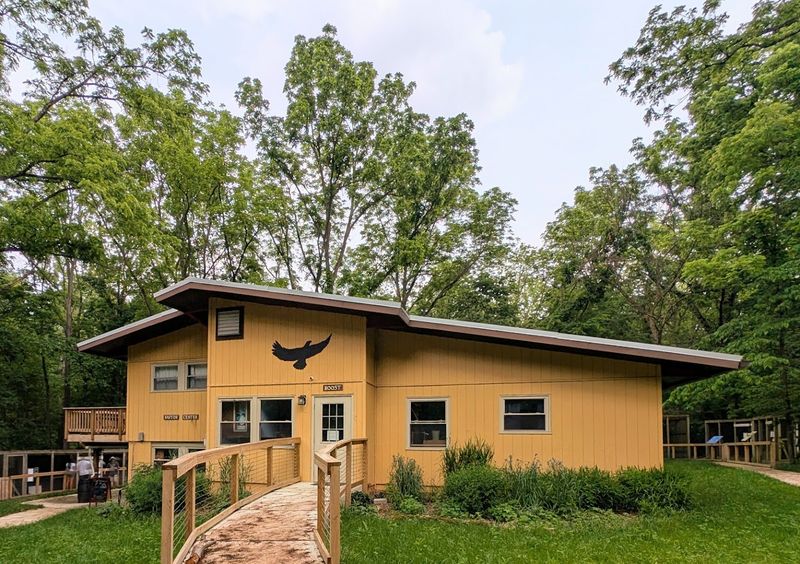
Fierce eyes watch you approach the aviaries where birds that can no longer survive in the wild receive expert care. The Raptor Center houses hawks, owls, eagles, and other magnificent birds of prey that suffered injuries preventing their return to freedom.
Each resident has a story, from collision victims to former illegal pets.
Knowledgeable staff members share fascinating details about raptor biology, hunting techniques, and conservation challenges. You can observe these powerful predators up close, noting details impossible to see in the wild.
Watching a great horned owl swivel its head or a red-tailed hawk stretch its impressive wingspan creates unforgettable moments.
The center serves crucial educational functions, teaching thousands of visitors annually about raptor ecology and habitat protection. School groups particularly benefit from guided programs that bring textbook lessons to life.
Your parking fee directly supports these rehabilitation and education efforts.
Even experienced birders find value in the extended viewing opportunities the center provides. Morning visits often find the birds most active and vocal.
The resident birds serve as ambassadors for their wild cousins, helping build public support for protecting natural habitats that all raptors need to thrive.
Centuries-Old Giants Tower Above the Trail
Standing beneath trees that were already mature when the Pilgrims landed brings humbling perspective to modern concerns. Glen Helen protects groves of 400-year-old giants whose massive trunks require several people linking hands to encircle.
Their branches create cathedral-like canopies filtering sunlight into dancing patterns on the forest floor.
These ancient trees survived countless storms, droughts, and disease outbreaks that claimed younger neighbors. Bark patterns on their trunks tell stories of centuries past.
Deep fissures provide homes for countless insects, birds, and small mammals throughout the seasons.
Walking among old-growth forest feels noticeably different from typical Ohio woodlands. The air seems heavier, richer somehow.
Sounds echo differently beneath the high canopy, and temperature swings moderate under the protective branches.
Botanists and tree lovers make pilgrimages specifically to stand among these living monuments to persistence. Some individual trees have been documented and studied for decades.
Fallen giants decompose slowly across the forest floor, providing nutrients and habitat even in death. Experiencing these ancient survivors reminds us that some things in our fast-paced world truly deserve protection and reverence for future generations to appreciate.
Trail Networks Wind Through Diverse Landscapes
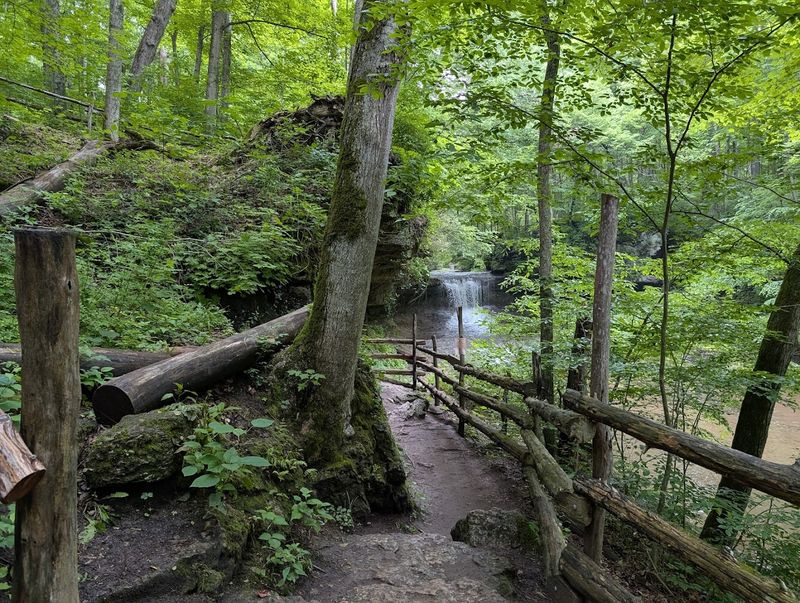
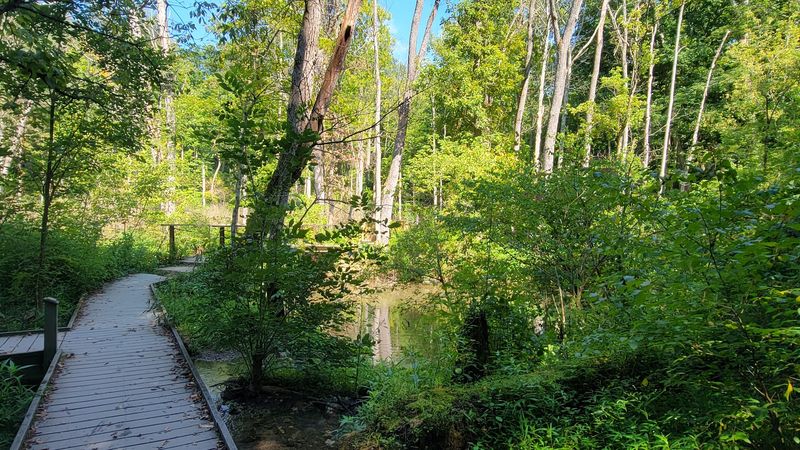
Over 15 miles of interconnected paths create adventure possibilities for every fitness level and time availability. Some routes challenge experienced hikers with rocky scrambles and steep grades.
Others offer gentle woodland strolls perfect for families with young children or anyone seeking peaceful exercise.
Trail markers and junction numbers help with navigation, though downloading a map proves wise for first-time visitors. Different loops showcase distinct preserve features, from creekside rambles to ridge-top views.
You could visit multiple times and explore new sections each trip.
Well-maintained trail surfaces show the care that staff and volunteers invest in visitor experience. Tree roots create natural stair steps in some sections.
Other stretches feature carefully placed stones preventing erosion and improving footing.
Spring brings wildflower displays along many routes, while summer offers shaded relief from heat. Fall transforms trails into tunnels of brilliant color, and winter reveals landscape bones usually hidden by foliage.
The trail system accommodates various hiking styles, whether you prefer steady aerobic exercise or contemplative nature observation. Most hikers appreciate how trail difficulty varies even within single routes, keeping the experience interesting from start to finish.
Autumn Transforms the Forest Into Living Fire
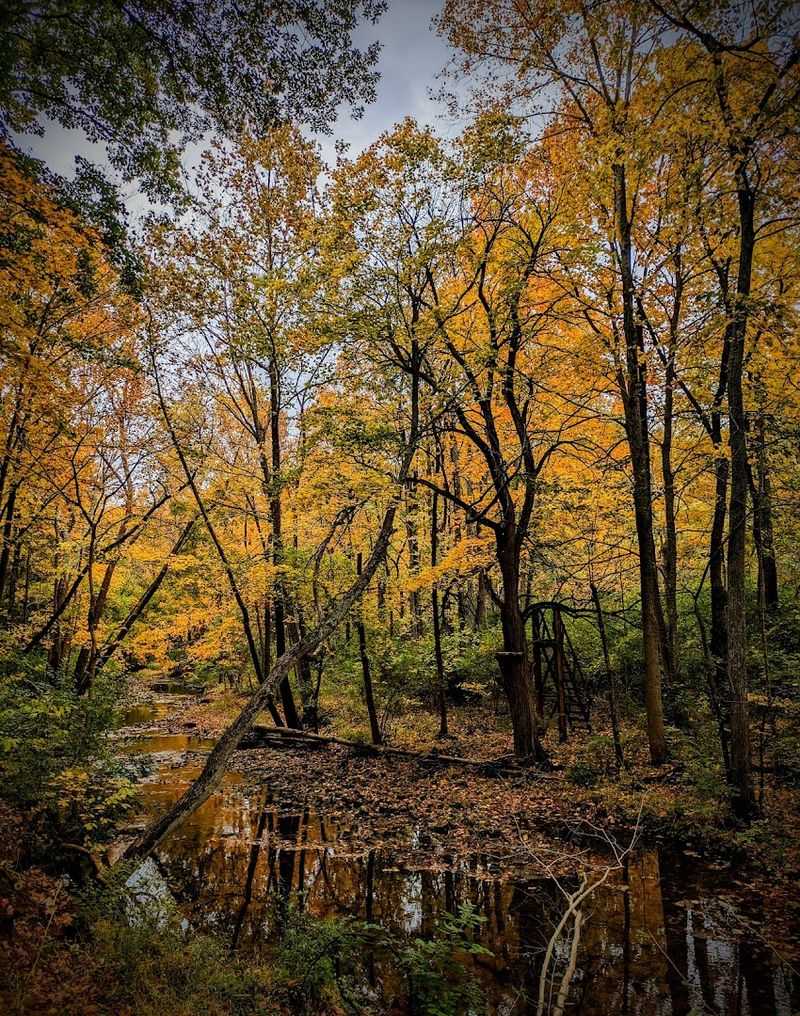
October and early November paint Glen Helen in colors so vibrant they almost hurt to look at directly. Sugar maples explode in orange and scarlet brilliance.
Oak trees contribute deep burgundy tones, while hickories add golden yellow highlights. Every trail becomes an art gallery showcasing nature’s finest color work.
Peak foliage timing varies slightly each year depending on weather patterns, but the spectacular show never disappoints. Morning light makes colors glow with special intensity.
Overcast days create saturated hues without harsh shadows.
Fallen leaves carpet trails in rustling layers that crunch satisfyingly underfoot. The earthy scent of decomposing foliage fills the air.
Trees gradually reveal their architectural forms as leaves drift down, transforming forest perspectives throughout the season.
Photographers arrive from considerable distances specifically for fall foliage shots at the preserve. The combination of colorful canopy, creek reflections, and rocky gorge walls creates stunning compositions.
Many Ohio residents consider Glen Helen’s autumn display among the state’s finest natural spectacles. Even locals who visit regularly find themselves stopping frequently to simply absorb the overwhelming beauty that surrounds them during these precious weeks of peak color.
Water Whispers Along Shaded Creek Corridors
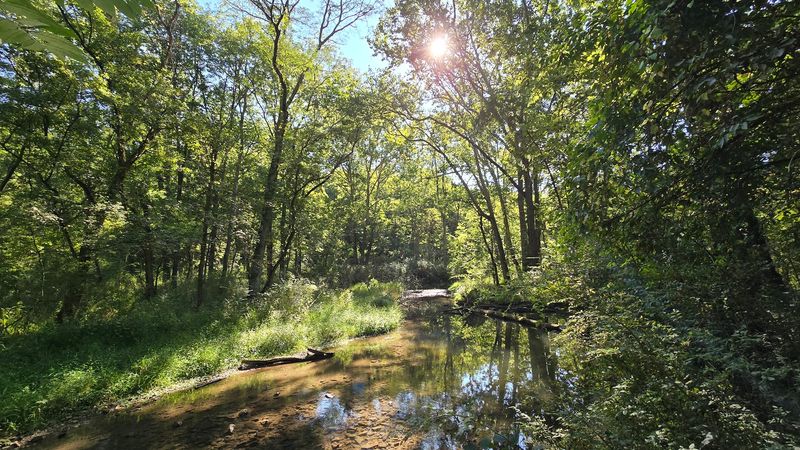
Following Glen Creek through its various moods and personalities provides the soundtrack for much of your preserve experience. Sometimes the water chatters energetically over rocky riffles.
Other stretches flow deep and quiet through shaded pools where fish hold steady against gentle current.
Creekside trails offer cooling breezes during summer months when inland paths feel warm. The sound of flowing water creates natural white noise that promotes relaxation and stress relief.
Many visitors report feeling their shoulders drop and breathing slow as they walk alongside the stream.
Aquatic life thrives in these clean waters, from crayfish scuttling beneath rocks to salamanders hiding in moist crevices. Patient observers spot fish darting through sunlit shallows.
Water striders skim the surface performing their impossible-looking balancing act.
Different seasons reveal different creek personalities, from spring’s rushing flows fed by snowmelt to summer’s diminished but still charming trickles. Ice formations create winter sculptures along the banks.
Creek crossings via stepping stones add adventure elements to hikes. The waterway serves as both the preserve’s circulatory system and its most consistently engaging feature throughout every season and every section of trail.