Florida doesn’t play fair when it comes to nature. One minute you’re walking beneath towering cypress trees dripping with moss, and the next you’re staring at a waterfall, a crystal-clear spring, or a prairie filled with roaming bison.
This state knows how to surprise people.
Some trails feel wild enough to belong in another country entirely. Boardwalks twist through ancient swamps, sandy paths cut across coastal dunes, and quiet forest routes open to jaw-dropping river views that barely look real.
Every hike comes with its own personality.
Then there’s the wildlife. Alligators slide through dark water beside the trail.
Manatees gather near warm springs. Birds explode out of marshes without warning.
Florida’s outdoors never stays still for long.
These eleven scenic trails prove the Sunshine State is far more than beaches and theme parks. Lace up your shoes and prepare for the kind of outdoor escape that leaves your camera roll completely packed.
Paynes Prairie Preserve State Park – Micanopy
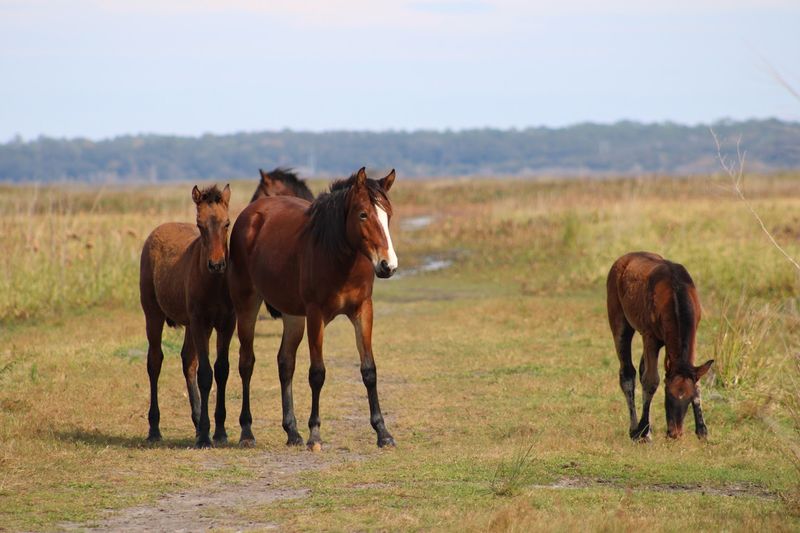
Wild horses galloping across open grasslands might seem like a western movie scene, but it happens right here in central Florida. This massive preserve sprawls across 21,000 acres of untamed wilderness where bison herds roam freely alongside alligators and over 270 bird species.
The experience feels both surreal and magnificently Florida.
La Chua Trail stands out as the crown jewel, offering a 3-mile boardwalk journey through marshlands teeming with wildlife. Mornings bring the best viewing opportunities when alligators sun themselves along the water’s edge and wading birds hunt for breakfast.
Bolen Bluff Trail provides equally stunning prairie vistas from elevated overlooks.
Photography enthusiasts flock here year-round, capturing everything from dramatic sunrise shots to close-up wildlife portraits. The flat, easy terrain makes this preserve accessible for most fitness levels.
Pack binoculars, plenty of water, and prepare for one of Florida’s most iconic outdoor adventures where every visit promises something remarkable.
Corkscrew Swamp Sanctuary – Naples
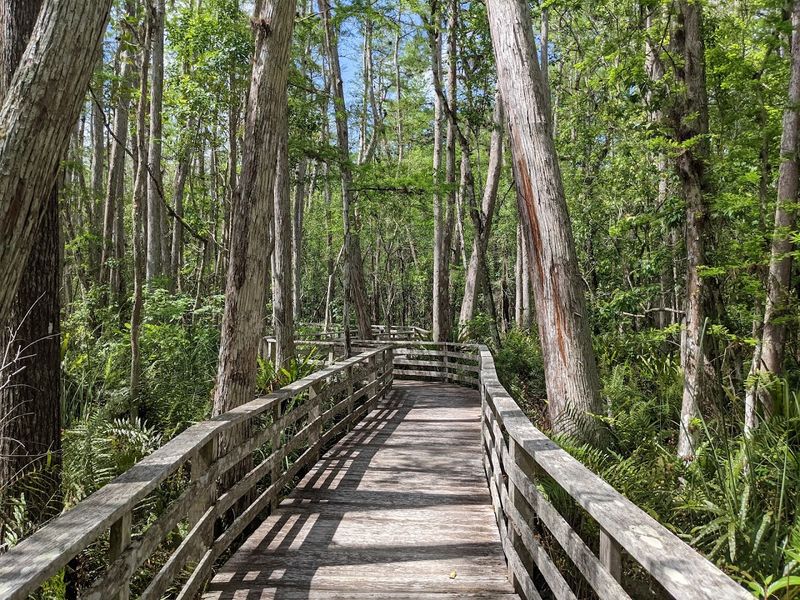
Step into a world that time forgot, where 500-year-old cypress trees tower overhead like natural skyscrapers. This 2.25-mile boardwalk sanctuary near Naples protects one of North America’s largest remaining old-growth forests.
The silence here feels almost sacred, broken only by birdsong and gentle rustling leaves.
Mirror-like water reflects the ancient forest canopy, creating doubled images that photographers dream about. The elevated boardwalk keeps your feet dry while bringing you eye-level with incredible wildlife.
Wood storks, painted buntings, and countless other species call this wetland paradise home throughout the year.
Winter months offer the most comfortable hiking temperatures, though summer brings its own magic with afternoon thunderstorms creating dramatic lighting. The self-guided path features educational signs explaining the ecosystem’s delicate balance.
Bring your camera, move slowly, and embrace the peaceful atmosphere that makes this sanctuary unlike any other Florida trail.
Even reluctant hikers fall in love with this effortless yet breathtaking journey.
Highlands Hammock State Park – Sebring
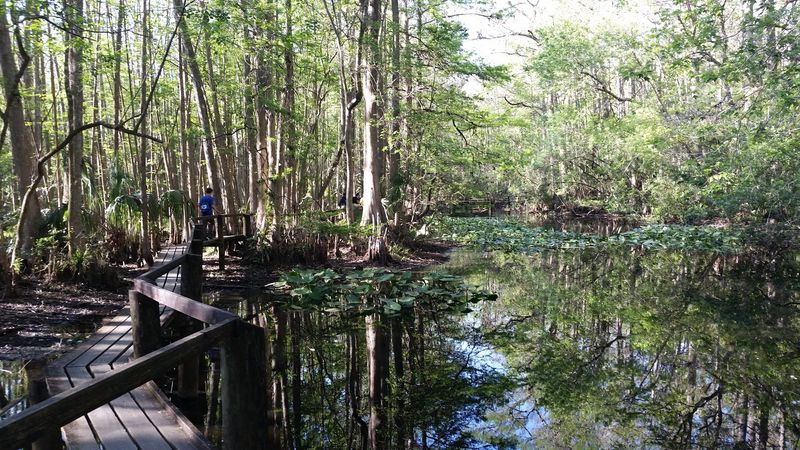
Forget everything you think you know about Florida landscapes. This park showcases old-growth forest that feels transplanted from another continent entirely.
Massive oak trees draped in Spanish moss create cathedral-like corridors above raised boardwalks that wind through genuinely ancient wilderness.
Eight distinct trails crisscross the park, each revealing different ecological treasures. The cypress swamp loop takes you through wetlands where alligators lurk beneath lily pads.
Meanwhile, the Ancient Hammock trail features trees that survived centuries of Florida’s wild weather and natural challenges.
What makes this destination special is the elevation diversity rare in Florida hiking. Some paths climb gentle rises while others descend into shaded ravines.
Turtles sunbathe on fallen logs, and if you’re lucky, you might spot bobcats or deer moving through the understory.
The park pioneered the Civilian Conservation Corps’ work in Florida during the 1930s. Today, those original structures and trails still serve visitors seeking an authentic connection with Florida’s wilder side.
Devil’s Millhopper Geological State Park – Gainesville
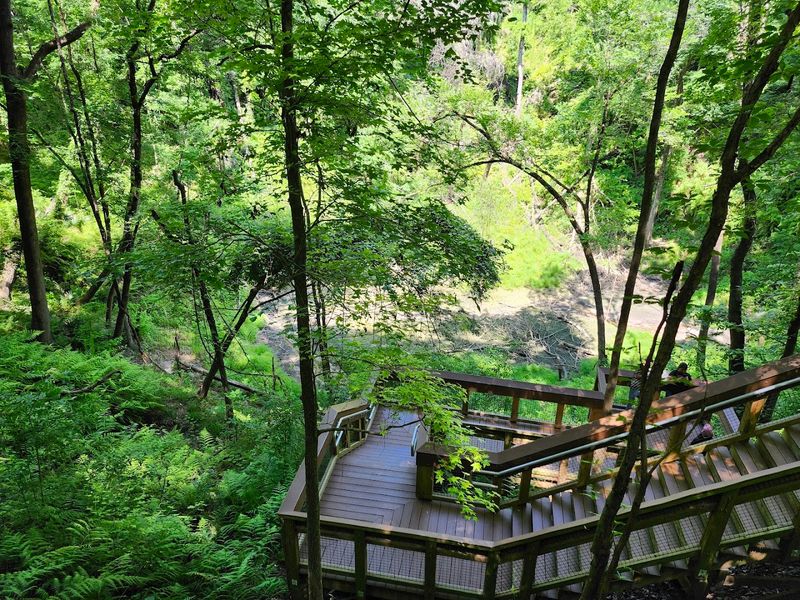
Imagine descending 120 feet underground into a jungle-filled crater where tiny waterfalls trickle down prehistoric limestone walls. That’s exactly what awaits at this geological wonder near Gainesville.
The massive sinkhole formed thousands of years ago when the cavern ceiling collapsed, creating Florida’s most unusual hiking destination.
A wooden staircase with 232 steps spirals down into the bowl-shaped depression. Temperature drops noticeably as you descend, creating a cool microclimate that supports ferns, mosses, and plants typically found much farther north.
Miniature waterfalls seep through the limestone walls year-round.
The name comes from a legend comparing the sinkhole to a giant funnel grinding up anything that falls inside. Scientists have discovered fossilized bones from extinct animals at the bottom, including mastodons and saber-toothed tigers.
Today, the only danger is the climb back up those stairs!
Visit during cooler months for the most comfortable experience. The shaded ravine provides natural air conditioning even during Florida summers, making this a refreshing escape.
Manatee Springs State Park – Chiefland
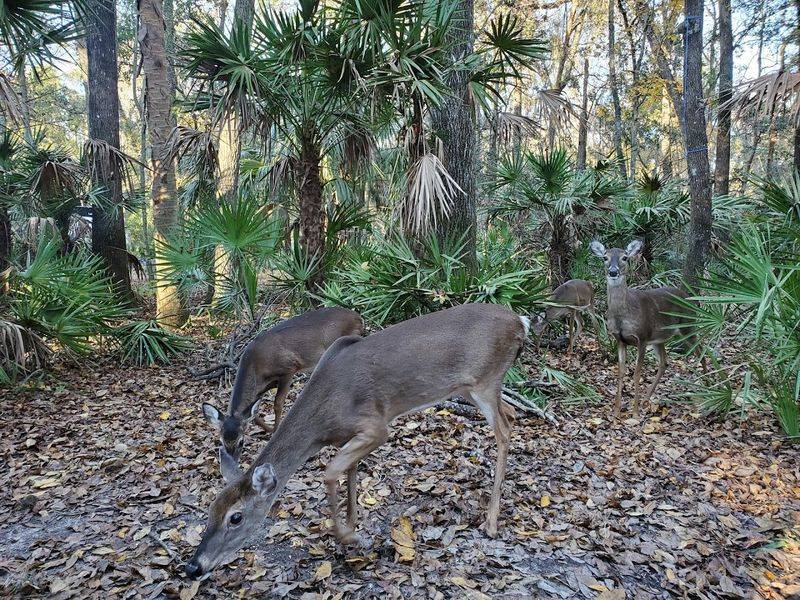
Crystal-clear water bubbles up from underground at 72 degrees year-round, creating a first-magnitude spring that pumps 100 million gallons daily. During winter months, West Indian manatees migrate here seeking warmth, transforming ordinary hikes into extraordinary wildlife encounters.
The spring run connecting to the Suwannee River creates a stunning aquatic corridor.
An elevated boardwalk follows the spring run for nearly a mile, offering perfect vantage points for manatee watching between November and March. These gentle giants gather in groups, their round bodies clearly visible in the transparent water.
It’s like having front-row seats to nature’s most peaceful show.
Beyond the boardwalk, forest trails wind through hardwood hammocks and pine flatwoods. The North End Trail extends for miles, perfect for longer hikes through diverse habitats.
Spring temperatures make swimming possible year-round, though snorkeling and diving are restricted during manatee season to protect the animals.
Arrive early on winter weekends when manatees attract crowds. The combination of pristine water, accessible wildlife viewing, and shaded trails makes this park a Florida treasure.
Mike Roess Gold Head Branch State Park – Keystone Heights
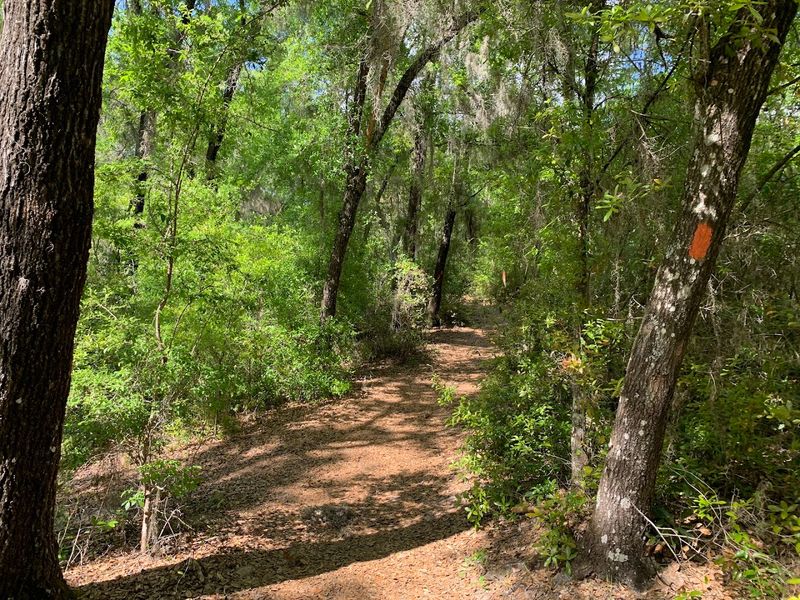
Who says Florida is completely flat? This park proves otherwise with dramatic ravines, steep sandy ridges, and elevation changes that’ll make your legs remember the workout.
Located in the Central Highlands, the terrain here resembles Appalachian foothills more than typical Florida landscape.
The Ravine Trail deserves its reputation as one of the state’s most challenging yet rewarding paths. You’ll descend into deep ravines carved by ancient springs, then climb back up sandy slopes that test your endurance.
Shade from towering trees provides relief, while the cool temperatures at ravine bottoms offer surprising comfort.
Three small lakes dot the park, each connected by winding trails through longleaf pine forests. Autumn brings vibrant leaf colors rarely seen in southern states.
The combination of hills, lakes, and diverse forest types creates constantly changing scenery that keeps every step interesting.
Mountain bike enthusiasts love the challenging terrain here too. Whether hiking or cycling, bring plenty of water because those hills demand respect.
This hidden gem rewards visitors willing to experience Florida’s surprisingly rugged side.
Big Lagoon State Park – Pensacola
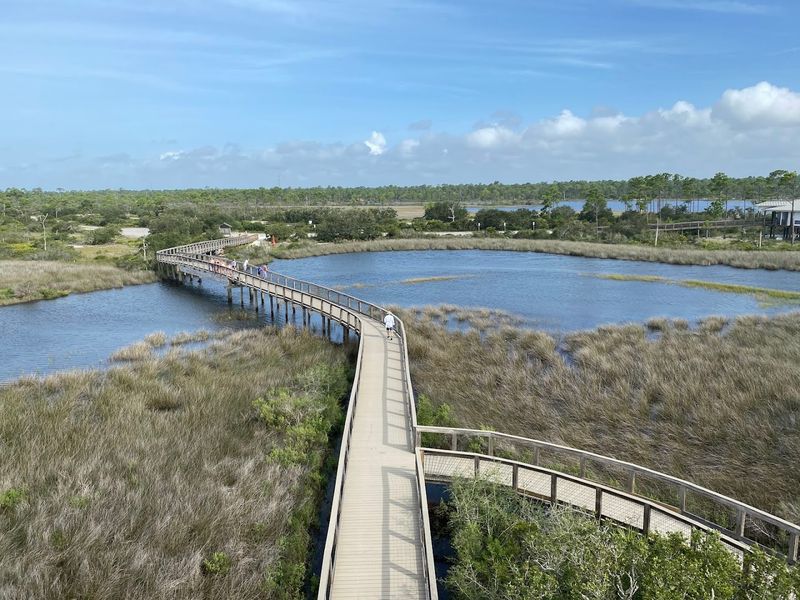
Sunset walks along coastal trails where salt marshes meet pine forests create memories that last forever. This northwestern Florida treasure combines beach access with peaceful inland paths perfect for birdwatching and nature photography.
The lagoon’s calm waters reflect spectacular evening skies in brilliant oranges and purples.
Multiple trail options cater to different interests and fitness levels. The easy boardwalk sections traverse salt marshes teeming with fiddler crabs and wading birds.
Longer paths wind through maritime forests where pine scent mingles with salty ocean breeze. Every trail eventually reveals stunning water views.
Birdwatchers bring life lists here, hoping to spot brown pelicans, great blue herons, and migratory species passing through seasonally. The park sits along the Great Florida Birding Trail, guaranteeing excellent viewing opportunities year-round.
Beach access means you can combine hiking with swimming or beachcombing.
Pack a picnic and plan to stay through sunset when the lagoon transforms into liquid gold. The moderate trails suit families and casual hikers seeking beautiful scenery without extreme challenges.
Little Manatee River State Park – Wimauma
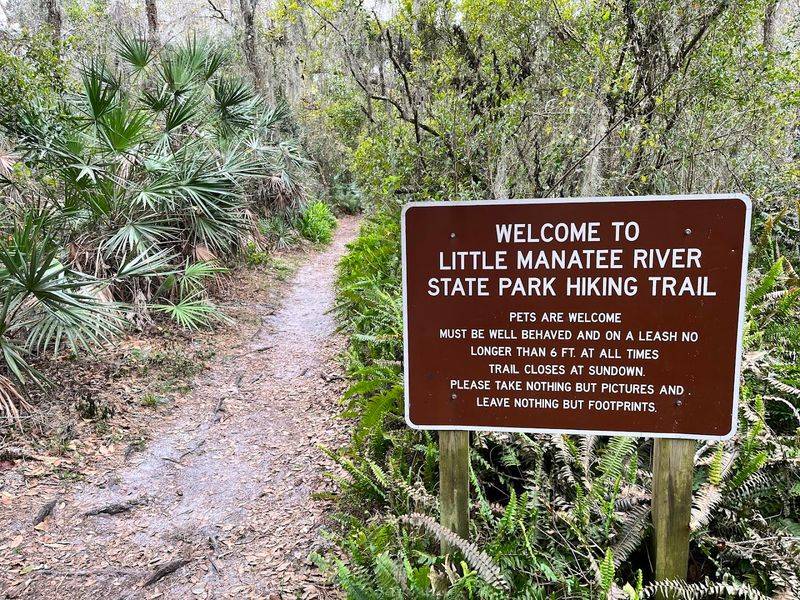
Pristine blackwater rivers cutting through untouched wilderness create hiking experiences that feel genuinely remote and wild. This park southeast of Tampa protects over 2,400 acres of diverse habitats along one of Florida’s most beautiful rivers.
Serious hikers seeking longer adventures find exactly what they crave here.
The main trail system extends over 6 miles, winding through pine flatwoods, oak hammocks, river bluffs, and seasonal floodplains. Tannic river water flows dark as tea, creating dramatic contrast against white sandbars.
Wildlife sightings happen frequently, from deer browsing riverside vegetation to otters playing in shallow rapids.
What sets this trail apart is the genuine wilderness feel despite being relatively close to urban areas. Cell service disappears.
Sounds of civilization fade. You’re left with birdsong, rustling palms, and your own footsteps crunching along sandy paths.
Backpackers can reserve primitive campsites for overnight adventures. The river offers excellent canoeing and kayaking opportunities too.
Combine water and land exploration for the ultimate Florida wilderness experience.
Just remember insect repellent because mosquitoes consider this paradise their home too.
Falling Waters State Park – Chipley
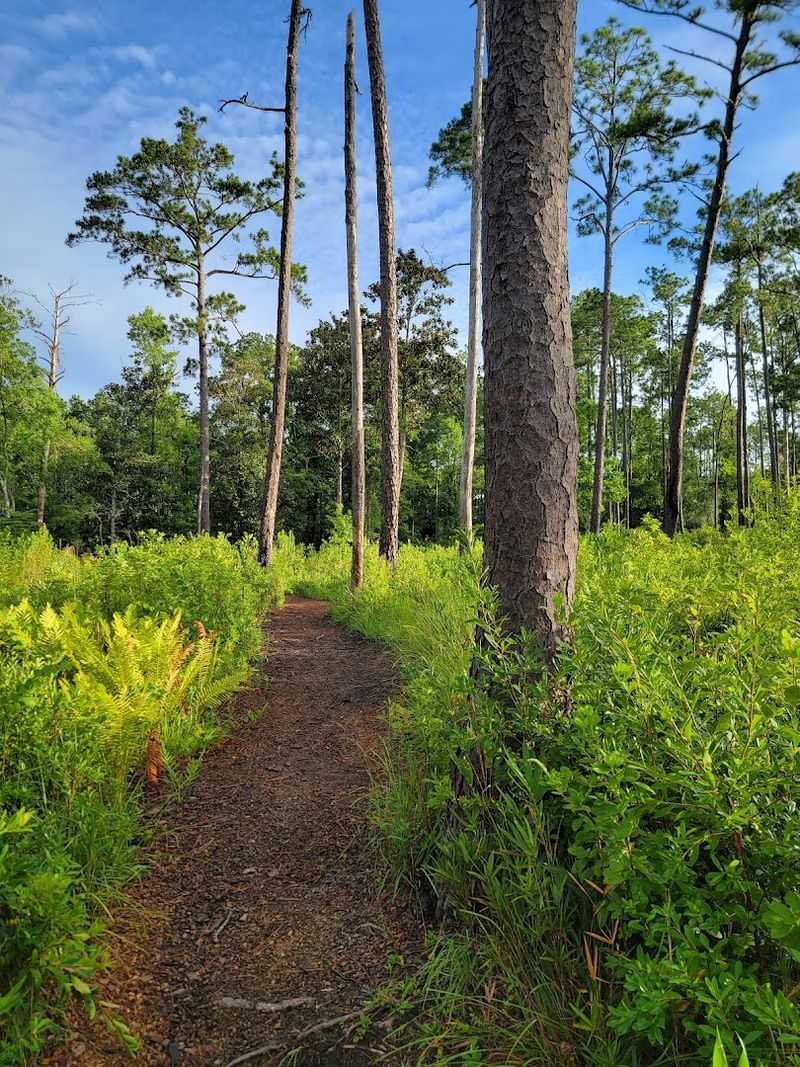
Water plunging 73 feet into a mysterious limestone cavity creates Florida’s tallest waterfall and most unusual geological sight. Located in the Panhandle near Chipley, this park features something you’d never expect in Florida: a legitimate waterfall that completely disappears underground.
Where does the water go? Nobody knows for certain.
The main trail circles the sinkhole, offering different perspectives of the waterfall from observation decks. During dry seasons, the waterfall reduces to a trickle, but after heavy rains, it roars impressively.
Longleaf pine forests surround the area, creating classic Panhandle scenery with wiregrass meadows and occasional wildflowers.
Additional trails explore other sinkholes scattered throughout the park, though none match the main attraction’s drama. The geology here tells stories of underground caves and ancient water flow that shaped this landscape over millennia.
It’s an outdoor classroom teaching Florida’s hidden complexity.
Swimming is prohibited in the sinkhole for safety reasons, but picnic areas provide excellent spots for lunch after exploring. The relatively short trails make this perfect for families or anyone wanting to witness Florida’s most unexpected natural wonder.
Gainesville-Hawthorne State Trail & La Chua Area – Gainesville
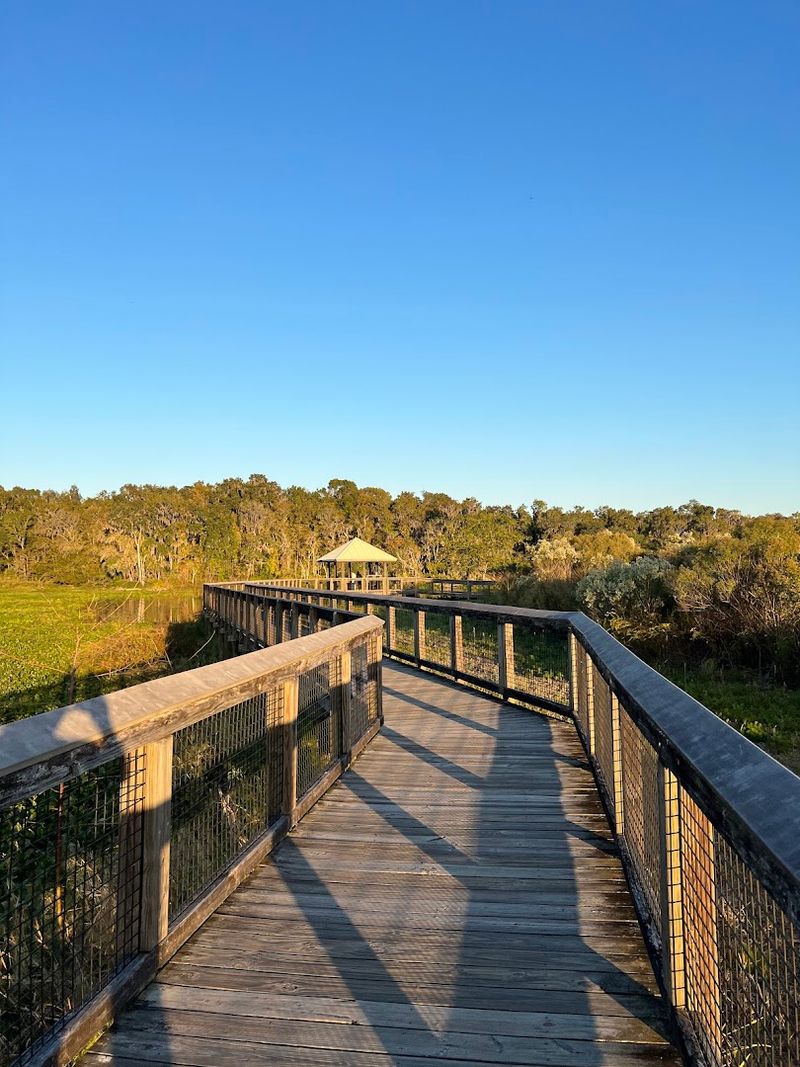
Paved pathways meeting wild boardwalks create a trail system that welcomes everyone from casual strollers to serious cyclists. This 16-mile converted rail corridor connects Gainesville to Hawthorne, passing through some of north Florida’s most productive wildlife habitats.
Accessibility meets adventure in this uniquely versatile destination.
The La Chua section deserves special attention with its elevated boardwalks extending into Paynes Prairie’s wetlands. Alligators crowd the waters so densely that counting them becomes impossible.
Wading birds, turtles, and occasional bison sightings make every visit unpredictable and exciting. It’s Florida wildlife viewing at its absolute finest.
The main paved trail attracts cyclists, joggers, and families with strollers, proving nature experiences don’t require rugged boots and backpacks. Shade from oak canopies provides relief during warmer months.
Mile markers and benches appear regularly along the route.
Bring binoculars because the birdwatching opportunities rival any location in Florida. Early morning visits reward you with cooler temperatures and more active wildlife.
Whether you walk half a mile or fifteen, this trail delivers memorable encounters with Florida’s incredible biodiversity.
Fort Pickens Trail Area – Pensacola Beach
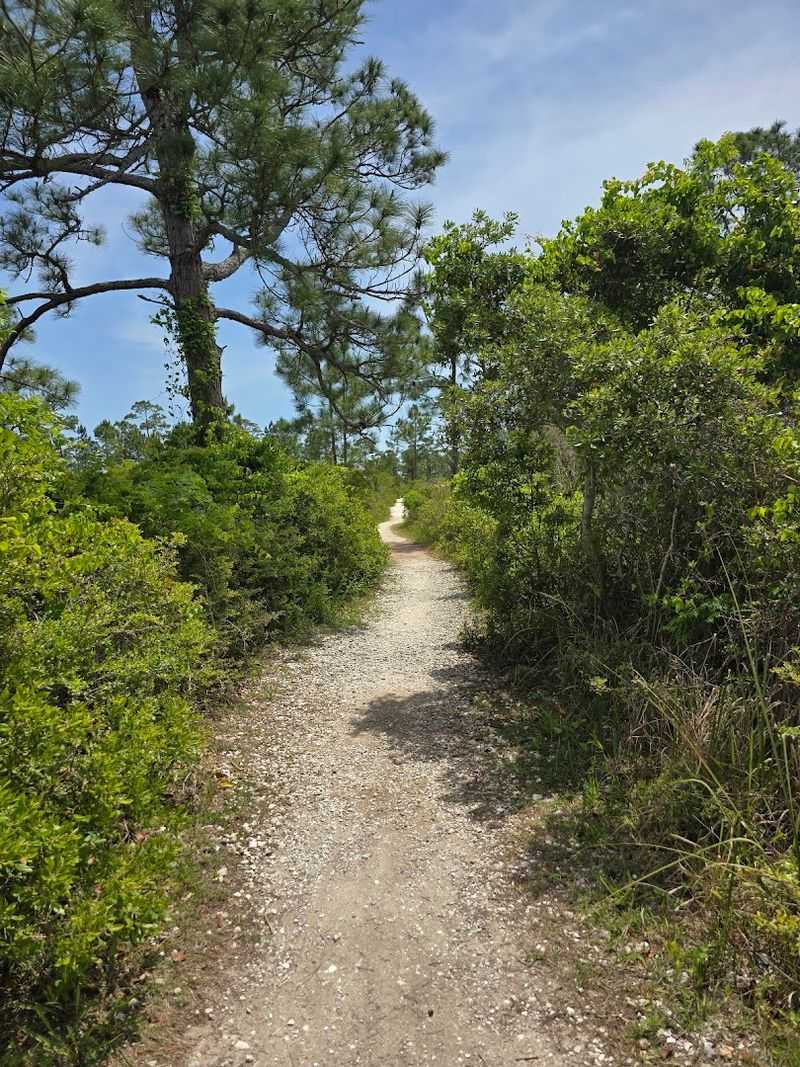
Sugar-white beaches meet centuries-old military fortifications where coastal trails wind through constantly shifting landscapes. Located within Gulf Islands National Seashore, this unique destination combines natural beauty with fascinating history.
One minute you’re walking through maritime forest, the next you’re exploring Civil War-era brick structures.
Multiple trail options cater to different interests. Beach walks offer soft sand beneath bare feet and endless Gulf views.
Dune trails showcase coastal vegetation adapted to harsh salt spray and wind. Forest paths provide shade and birdwatching opportunities where warblers and other migrants rest during seasonal movements.
The historic fort itself adds cultural depth to your outdoor adventure. Built in the 1800s, the massive brick structure once protected Pensacola’s harbor.
Today, visitors explore dark corridors and climb to observation levels offering panoramic views. It’s like stepping through a time portal.
Sunset here ranks among Florida’s finest, with the sun melting into the Gulf in spectacular fashion. Dolphins often surf just offshore while pelicans glide past in formation.
Combine history, beach time, and nature trails for a perfectly balanced Florida experience.