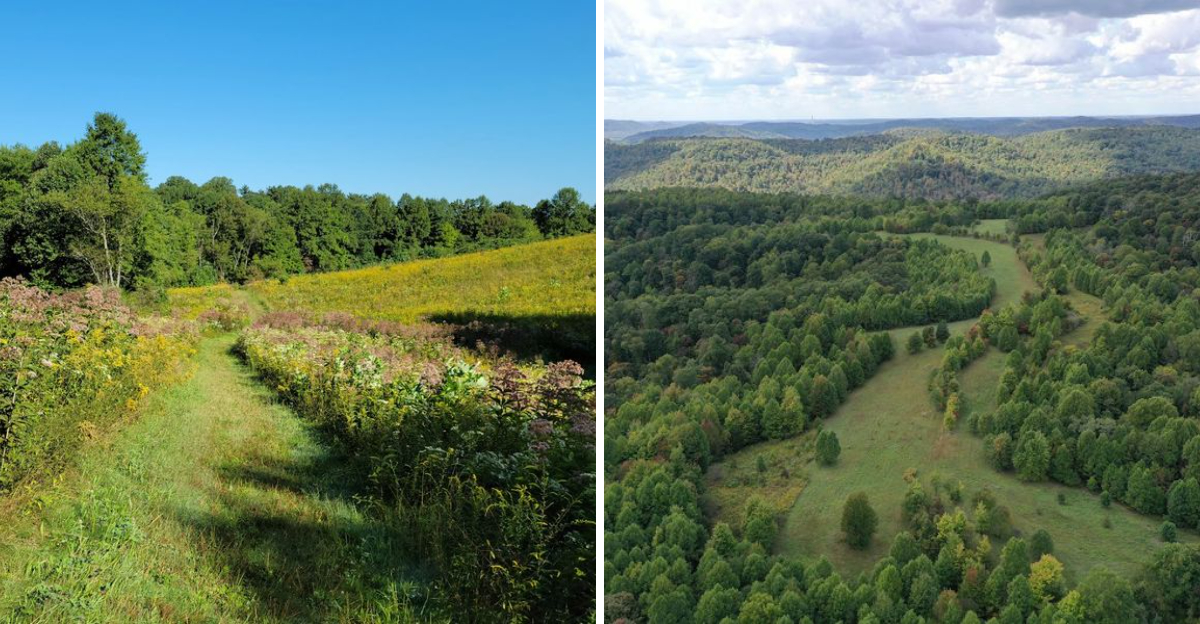
Ohio might not be the first state that comes to mind when you think of great hiking, but it’s packed with incredible trails that surprise visitors and locals alike.
From waterfall-filled gorges to quiet forest paths, the Buckeye State offers outdoor adventures for everyone, whether you’re brand new to hiking or ready to tackle challenging terrain.
You’ll find everything from easy boardwalk strolls perfect for families to rugged backpacking loops that test even experienced hikers.
Let’s explore twelve amazing spots where you can lace up your boots and discover Ohio’s natural beauty.
Hocking Hills State Park — Ohio’s Most Iconic Hiking Destination
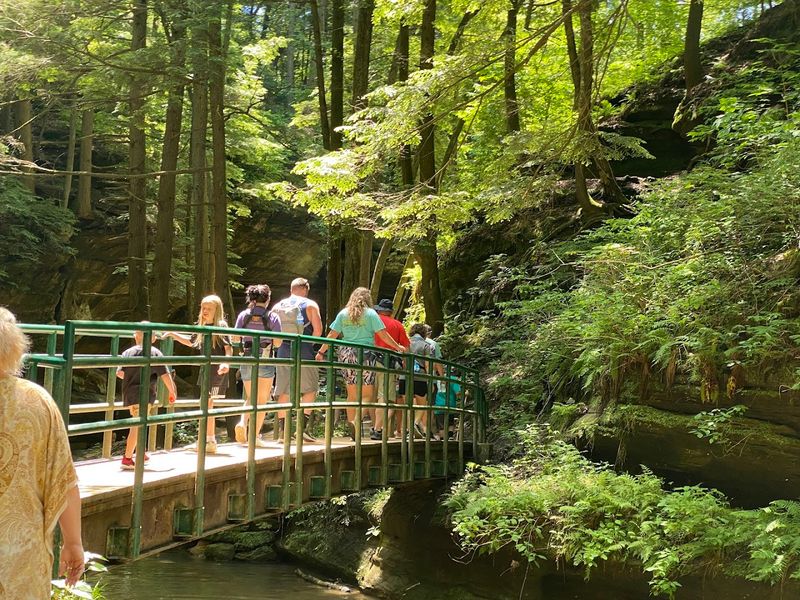
When people picture Ohio hiking, this southeastern gem usually comes to mind first. Towering sandstone cliffs rise above forested valleys, creating some of the most photographed landscapes in the entire Midwest.
Waterfalls tumble into moss-covered caves while narrow gorges wind through ancient rock formations. Old Man’s Cave draws the biggest crowds with its stunning recess cave and multiple waterfalls along an easy trail system.
Ash Cave features the state’s largest recess cave beneath a sweeping horseshoe-shaped cliff that reaches 700 feet wide.
Cedar Falls rewards hikers with cascading water over dark hemlock-shaded ledges. The terrain varies dramatically between locations, offering gentle boardwalks for casual walkers and steep stairways for those wanting more challenge.
Spring wildflowers blanket the hillsides while autumn transforms the canopy into brilliant reds and golds.
Weekend crowds can feel overwhelming during peak seasons, so arriving early or visiting midweek brings a more peaceful experience. Each trail connects different geological wonders, making it easy to spend multiple days exploring without seeing everything.
Cuyahoga Valley National Park — Best for Scenic Variety and All Skill Levels
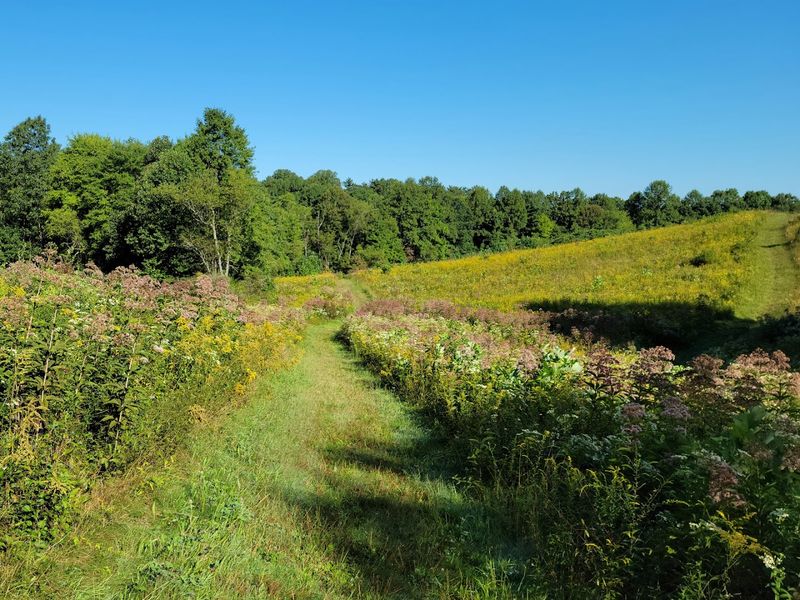
Between Cleveland and Akron sits Ohio’s only national park, protecting 33,000 acres of diverse ecosystems and historic landscapes. The Cuyahoga River winds through the heart of the valley, creating habitats that range from wetlands to upland forests.
More than 125 miles of trails crisscross the park, offering everything from flat towpath walks along the historic canal to challenging ridge climbs. Brandywine Falls captivates visitors with its 65-foot plunge over layered sandstone, accessible via a short boardwalk loop perfect for families.
The Ledges Trail showcases unique rock formations and narrow passageways that kids absolutely love exploring.
Longer routes like the Buckeye Trail segment provide serious mileage for committed hikers. Historic villages, working farms, and century-old buildings add cultural interest beyond natural beauty.
Beavers, herons, and deer frequently appear along quieter sections.
The Towpath Trail follows the old Ohio and Erie Canal for 87 miles, allowing bikes and offering flat terrain ideal for beginners. Fall foliage rivals anywhere in the eastern states, painting the valley in spectacular autumn colors.
Shawnee State Forest — Best for Experienced Hikers and Backpackers
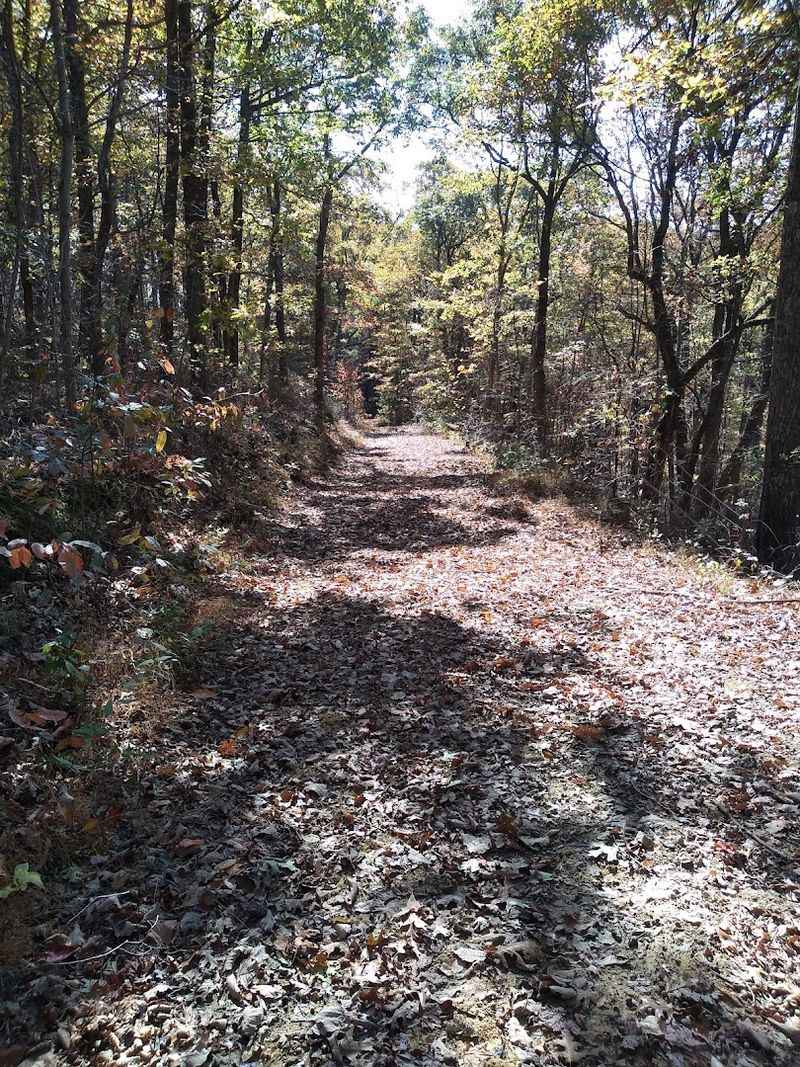
Serious hikers call this the real deal. Shawnee’s 63,000 acres sprawl across southern Ohio’s unglaciated plateau, creating terrain that earned its nickname as the Little Smokies of Ohio.
Steep ridges climb sharply from creek valleys, testing your legs and lungs in ways most Ohio trails never attempt.
The backpacking loop stretches roughly 40 miles through remote woodland where you might hike for hours without seeing another person. Elevation changes constantly challenge you, with climbs that rival anything east of the Mississippi.
Oak and hickory forests dominate the ridgetops while rhododendron and mountain laurel crowd the shaded hollows.
Spring brings impressive wildflower displays to these Appalachian foothills. Wildlife sightings include black bears, which have returned to this corner of the state after decades of absence.
Multiple access points allow shorter day hikes if you’re not ready for overnight trips.
Prepare properly because services are sparse and cell coverage unreliable throughout much of the forest. Summer humidity makes this challenging terrain even tougher, so spring and fall offer the best conditions.
Mohican State Park — Best Forest Hiking Escape
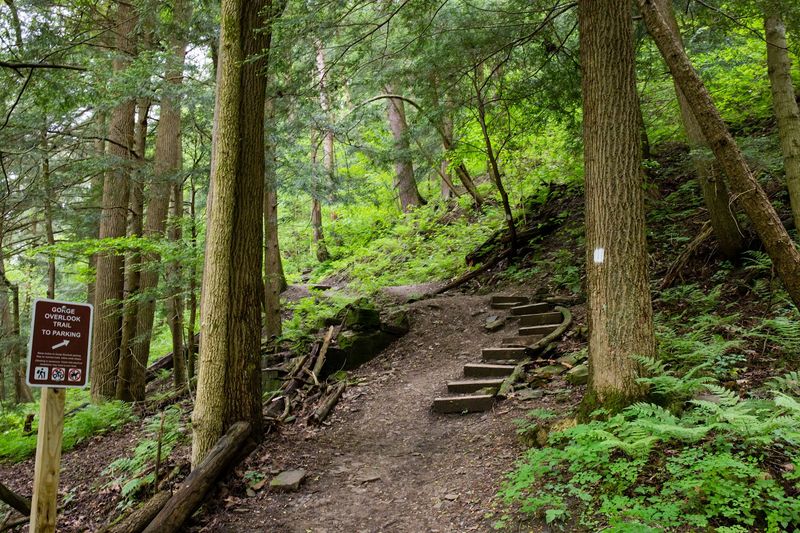
Deep in north-central Ohio, Mohican offers the kind of immersive forest experience that makes you forget how close civilization actually sits. Hemlock-filled gorges cut through rolling hills while the Clear Fork River flows over rock ledges far below ridgetop trails.
The terrain stays consistently interesting without being brutally difficult, striking a nice balance between accessibility and adventure. Pleasant Hill Trail loops through varied elevations, crossing streams and climbing to scenic overlooks where hawks circle overhead.
Lyons Falls Trail descends into a narrow gorge where a small waterfall trickles year-round, creating a cool microclimate even during hot summers.
Mountain bikers share some trails, so stay alert on popular routes. The park’s relatively compact size means you can explore multiple trails in a single visit without excessive driving between trailheads.
Autumn transforms Mohican into one of Ohio’s premier fall color destinations. The mix of hardwoods creates a painter’s palette of oranges, reds, and yellows that photographer’s flock to capture.
Winter hiking reveals the landscape’s bones, with ice formations decorating the gorges and quiet trails offering solitary experiences.
John Bryan State Park — Best Gorge and River Views
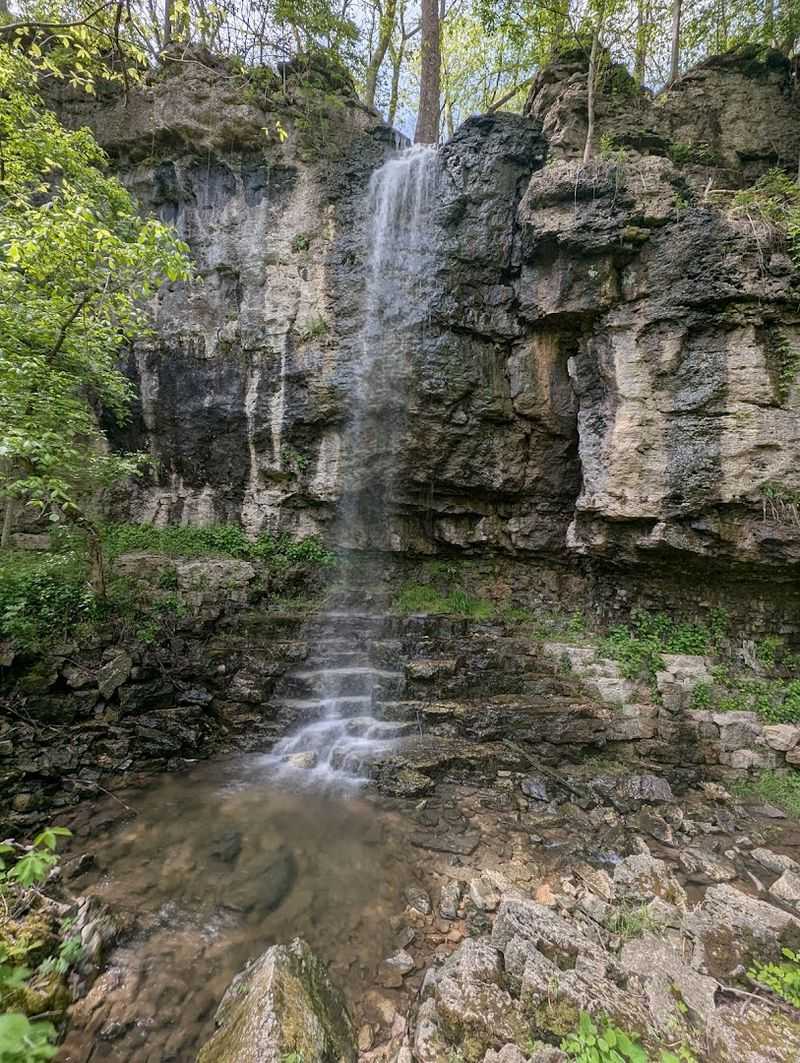
The Little Miami River spent thousands of years carving a dramatic limestone gorge that now forms the centerpiece of this southwestern Ohio treasure. Cliffs rise vertically from the rushing water below, creating scenery that feels borrowed from Kentucky’s Red River Gorge.
Trails wind along the gorge rim and drop down to riverside level, offering constantly changing perspectives of the geological drama. Adjacent Clifton Gorge State Nature Preserve protects the most spectacular section, where massive dolomite walls tower above rapids and deep pools.
Springtime water flow rushes powerfully through narrow channels, while summer reveals interesting rock formations usually hidden beneath higher water levels.
The relatively short trails make this perfect for half-day adventures or combining with nearby attractions. Benches and overlooks provide rest spots where you can simply sit and watch the river work its endless erosion.
Wildflowers cling to cliff faces in spring, creating vertical gardens of rare species. The preserve section prohibits climbing to protect both visitors and fragile rock ecosystems.
Parking fills quickly on beautiful weekends, so plan accordingly or explore during weekday mornings.
Zaleski State Forest — Best for Long-Distance Hiking
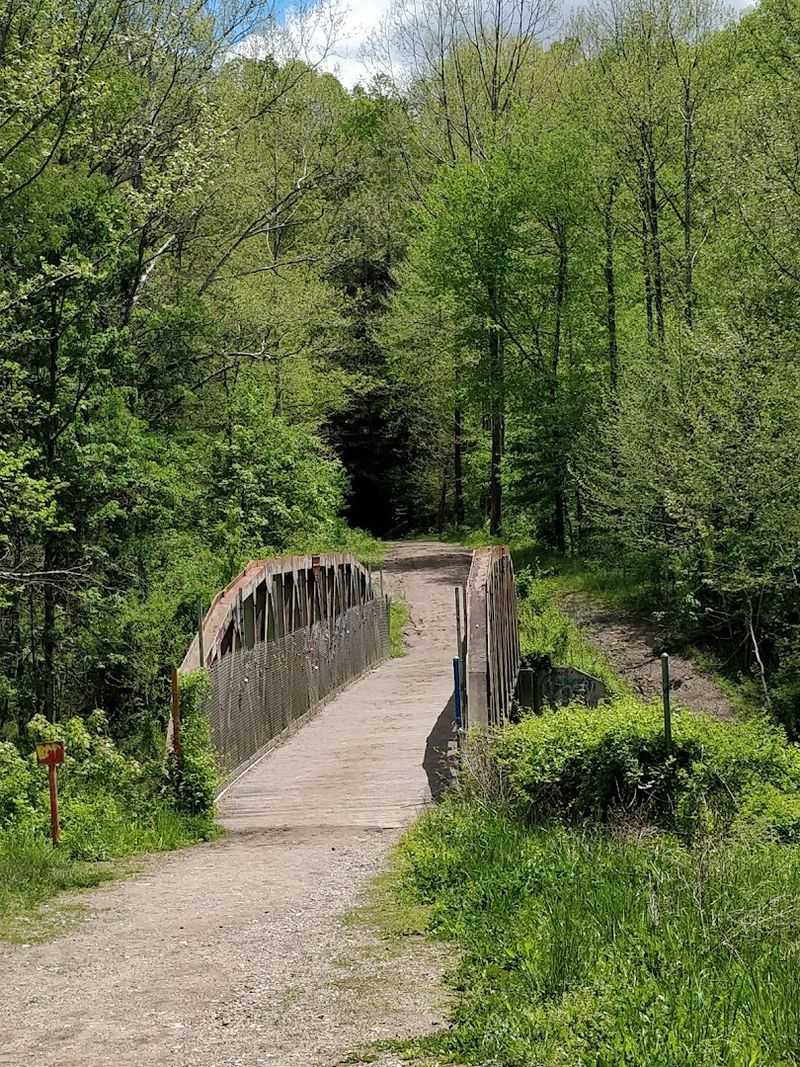
Backpackers seeking genuine solitude find exactly what they’re looking for in Zaleski’s 28,000 acres of southeastern Ohio hill country. The forest’s showcase trail forms a 23-mile loop that ranks among the state’s most respected overnight hiking experiences.
Rugged doesn’t begin to describe the terrain, with constant elevation changes that’ll have your thighs screaming by day’s end. Creek crossings, rocky ascents, and rooty descents demand attention and solid boots.
Primitive campsites scattered along the route provide basic clearings where you can pitch a tent and enjoy campfire evenings far from roads and crowds.
The remoteness attracts hikers tired of overcrowded state parks and manicured trails. You’ll share the forest with wild turkeys, white-tailed deer, and occasionally black bears that have recently reclaimed this region.
Fall transforms the hardwood forest into brilliant color, making September and October ideal months for backpacking trips.
Spring can bring muddy conditions and swollen creek crossings that add difficulty. Proper preparation matters here since you’re truly in the backcountry.
Don’t expect cell service or convenient facilities once you leave the parking area behind.
Nelson-Kennedy Ledges State Park — Best for Unique Rock Formations
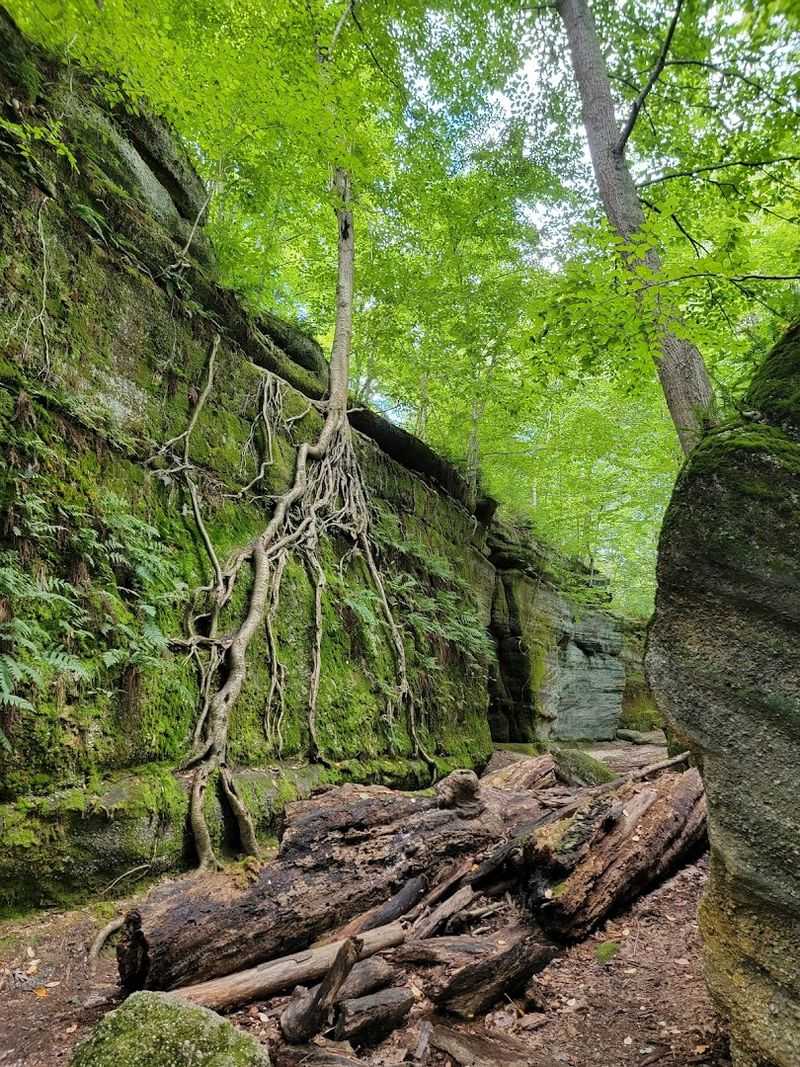
Adventure awaits in northeastern Ohio where massive sandstone ledges create a natural playground unlike anywhere else in the state. Narrow passageways squeeze between towering rock walls while moss and ferns blanket every shaded surface in brilliant green.
The relatively compact trail system packs incredible geological diversity into a small area. You’ll scramble through tight corridors with names like Fat Man’s Peril, where the rock walls press close enough to touch both sides simultaneously.
Overhanging ledges create natural shelters and cool caves perfect for hot summer exploration.
Ice formations persist well into spring in the deepest recesses, creating stunning frozen waterfalls and icicles that decorate the shadowy passages. The trails stay short, making this ideal for families wanting adventure without marathon distances.
Kids especially love the maze-like quality and sense of discovery around every turn.
Wear good shoes because the rocks stay slippery even when dry. Weekend crowds can diminish the experience somewhat, but the park’s unique character still shines through.
Photographers find endless compositions in the interplay of light, shadow, and ancient stone throughout the ledges.
Clear Creek Metro Park — Best Hidden Gem Near Hocking Hills
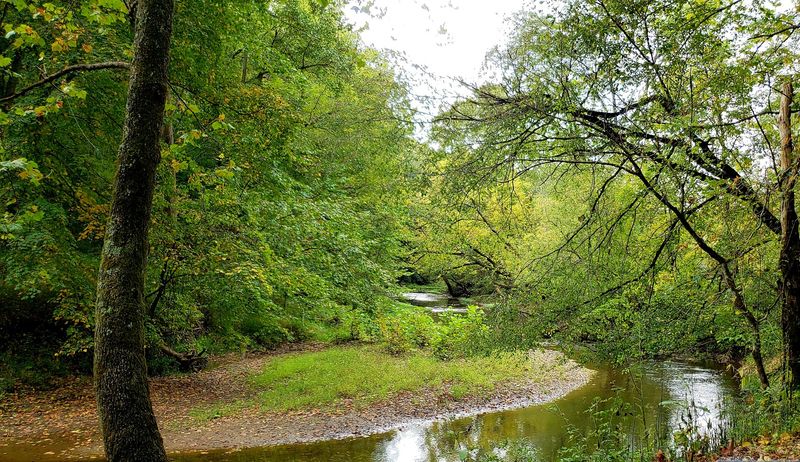
While tour buses unload at Hocking Hills just miles away, savvy hikers slip into Clear Creek’s 5,000+ acres of relative solitude. This metro park protects some of the same geological features as its famous neighbor without the overwhelming crowds.
Ravines slice through forested hillsides, creating microclimates where rare plants thrive in cool, moist conditions. Wildflowers put on spectacular spring displays that rival anywhere in Ohio, with hillsides carpeted in trillium, bluebells, and dozens of other species.
The elevation changes provide legitimate workout opportunities as trails climb from creek bottoms to ridgetop overlooks.
Hemlock-shaded valleys offer cool refuge during summer heat while autumn transforms the mixed forest into a tapestry of seasonal color. Multiple trails interconnect, allowing you to customize your hike length and difficulty.
The park’s proximity to Hocking Hills makes it perfect for visitors wanting to escape the tourist rush.
Parking areas rarely fill completely even on beautiful weekends. Birdwatchers appreciate the habitat diversity that attracts both forest species and those preferring edge environments.
The relative quiet enhances the wilderness feeling despite being close to developed areas.
Great Seal State Park — Best for Challenging Day Hikes
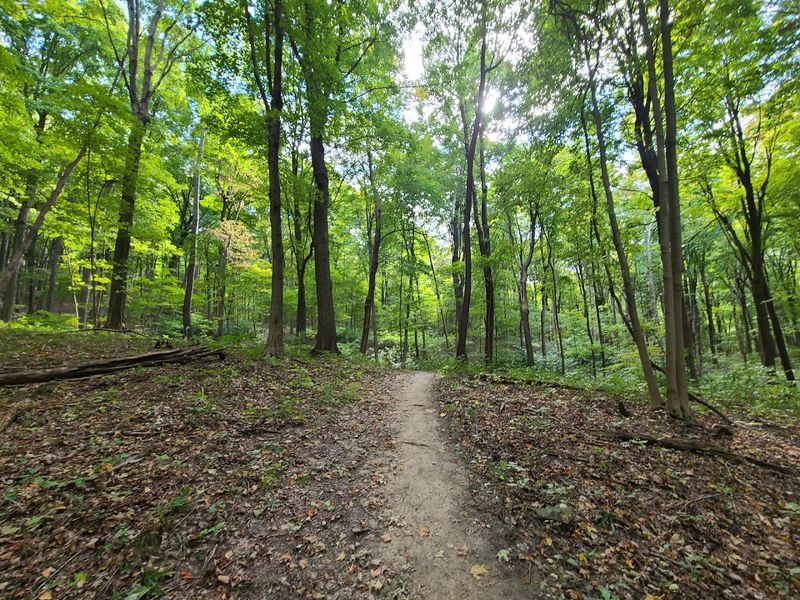
Your legs will remember this one. Great Seal packs serious elevation into relatively short trails, making every mile feel earned through sweat and determination.
Located near Chillicothe in south-central Ohio, the park sprawls across rugged hills that preview Appalachian terrain just to the east.
Ridge trails climb steeply from parking areas, gaining hundreds of feet in elevation over short distances that test your cardiovascular fitness. Once atop the ridges, sweeping views reveal layer after layer of forested hills stretching to distant horizons.
The landscape feels surprisingly wild and remote despite the park’s moderate size.
Multiple trail options allow you to choose your suffering level, from moderate challenges to lung-busting ascents. Spring wildflowers reward early-season hikers while fall foliage creates spectacular color displays across the rolling terrain.
Rock outcrops along ridgelines provide natural rest stops where you can catch your breath and enjoy hard-earned vistas.
Summer heat makes these climbs especially brutal, so cooler months offer more pleasant conditions. The workout opportunities attract fitness-focused hikers looking to log serious vertical gain.
Despite the challenging nature, most trails stay well-maintained and clearly marked.
Lake Hope State Park — Best for Peaceful Appalachian Scenery
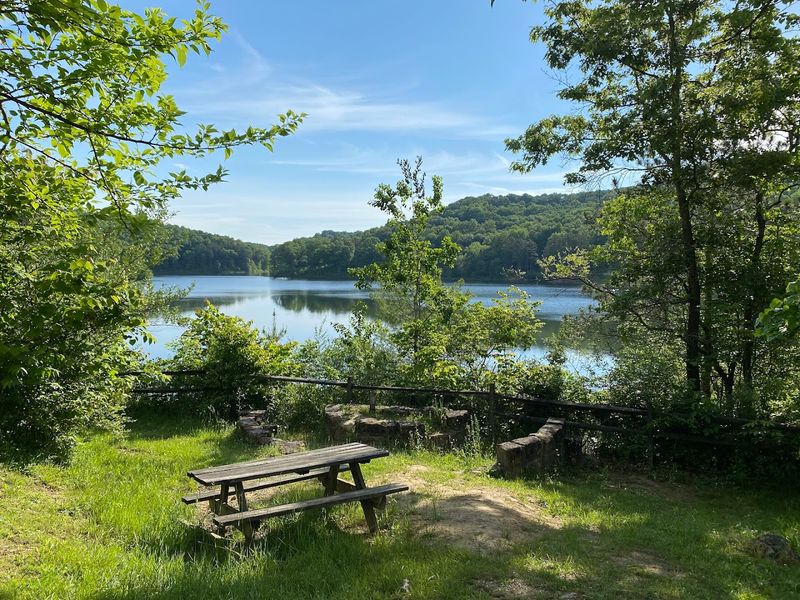
Tucked into southeastern Ohio’s Zaleski State Forest, Lake Hope offers a gentler introduction to Appalachian foothill terrain than neighboring areas. The 120-acre lake anchors the park, reflecting surrounding hillsides in its calm surface and providing scenic focal points along multiple trails.
Forested ridges rise gradually from the shoreline, creating varied hiking options that range from easy lakeside paths to moderate hill climbs. The peaceful atmosphere attracts hikers wanting relaxation over challenge, though the terrain still provides legitimate exercise.
Dense woodlands insulate trails from modern intrusions, enhancing the wilderness feeling.
Fall transforms the park into an autumn showcase as thousands of hardwoods simultaneously change color. The lake mirrors these seasonal displays, doubling the visual impact on clear days.
Spring brings migrating songbirds and emerging wildflowers to hillside trails.
Combined with nearby camping facilities, Lake Hope makes an excellent base for weekend outdoor getaways. The park sees fewer visitors than Hocking Hills despite offering similar geological features and forest beauty.
Winter hiking reveals ice formations along creek tributaries and provides solitary trail experiences under bare canopies.
Edge of Appalachia Preserve — Best for Nature Lovers and Wildflowers
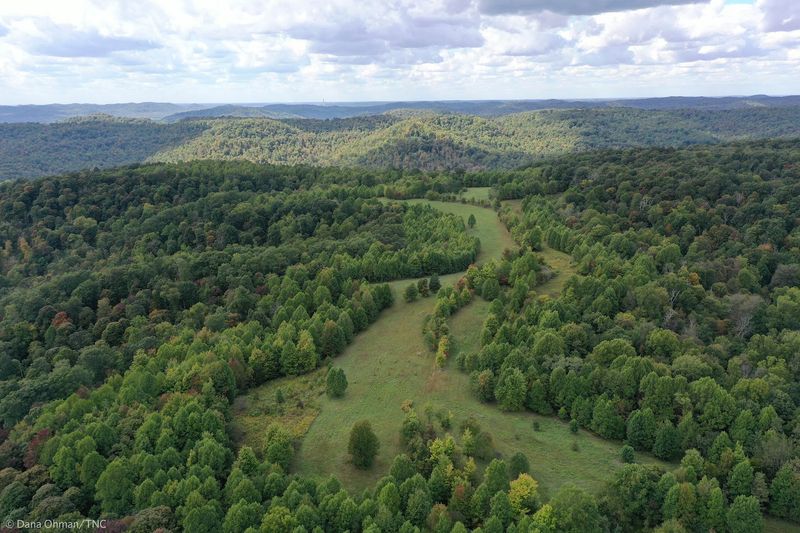
Nature enthusiasts discover something truly special in this massive preserve protecting over 20,000 acres of southern Ohio’s most biologically diverse landscapes. Managed by the Cincinnati Museum Center and The Nature Conservancy, the preserve prioritizes ecological protection while offering thoughtful trail access.
Rare plant communities thrive in these unglaciated hills where southern and northern species overlap in unusual combinations. Spring wildflower displays rival Great Smoky Mountains, with rare trilliums, orchids, and dozens of other species carpeting hillsides in April and May.
The rugged terrain creates varied microclimates supporting exceptional biodiversity.
Remote trails wind through wilderness areas where wildlife sightings include everything from timber rattlesnakes to black bears. The preserve’s size and protective management mean you can hike for miles without encountering other people.
Multiple tracts scattered across Adams County require some navigation to find trailheads.
Visitor facilities remain minimal by design, emphasizing preservation over recreation development. Serious botanists and ecologists consider this among Ohio’s most important natural areas.
Summer humidity can feel oppressive in the sheltered valleys, making spring the ideal season for exploration.
Maumee Bay State Park — Best Easy and Accessible Hiking Spot
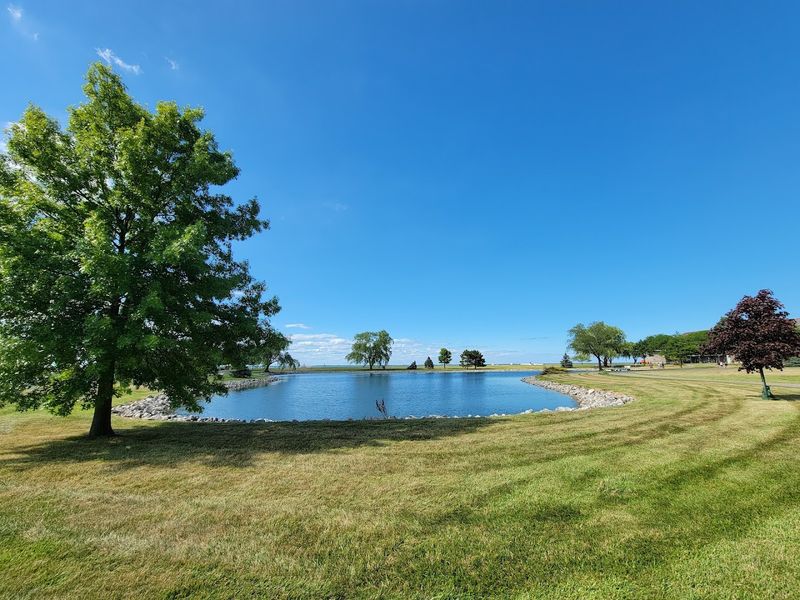
Not every great hike requires steep climbs or rugged terrain. Along Lake Erie’s western shore, Maumee Bay proves that flat can be fantastic when it comes to trail experiences.
Boardwalks and crushed limestone paths wind through coastal wetlands where water and sky seem to merge at distant horizons.
The completely level terrain makes this Ohio’s most accessible hiking destination, perfect for families with young children, seniors, or anyone with mobility limitations. Lake Erie’s presence dominates the landscape, with trails offering constant water views and cool breezes even on hot days.
Wetland ecosystems support incredible bird diversity, attracting birdwatchers armed with binoculars and field guides.
Spring and fall migrations bring hundreds of species through these marshes, creating world-class birding opportunities. The trails stay open year-round, though winter winds off the lake can feel brutal.
Summer provides the most pleasant walking conditions.
Interpretive signs along routes explain wetland ecology and Lake Erie’s importance. Unlike most Ohio hiking destinations, this park emphasizes observation over physical challenge.
The peaceful, contemplative nature of these flat trails offers its own rewards beyond cardiovascular workout.