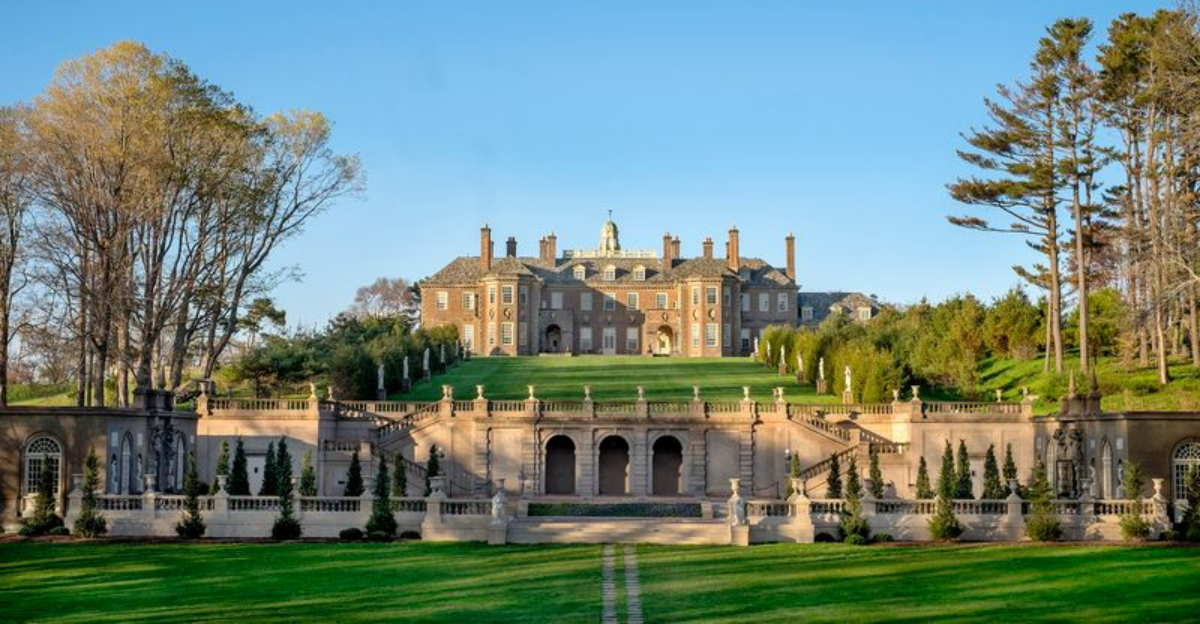
Massachusetts has a talent for hiding its best stories in quiet places. Here, a footpath, a waterfall, a cemetery hill, or a windy dune can make the past feel strangely close.
If you love destinations that are both beautiful and layered, these ten spots offer that rare mix without shouting for attention. They invite you to slow down, look harder, and notice how nature and memory still share the same ground.
Concord – Minute Man National Historical Park
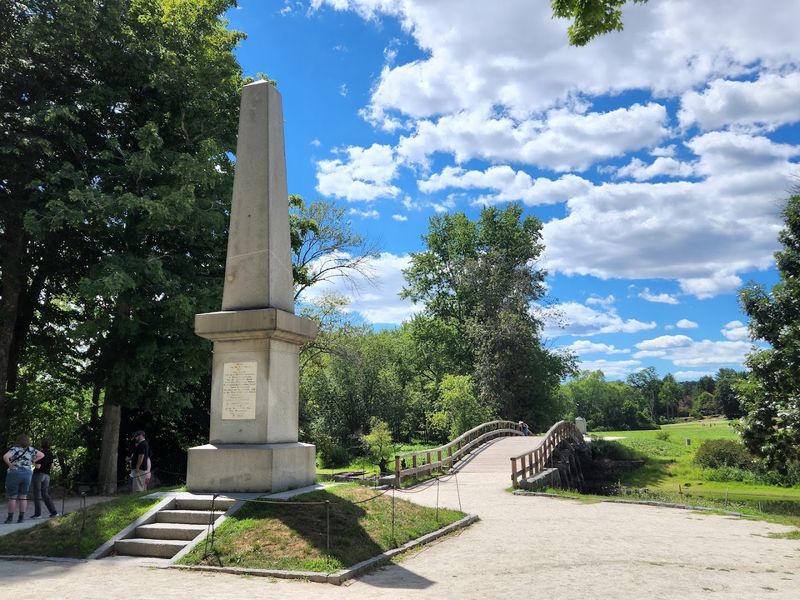
At Minute Man National Historical Park, history does not feel trapped behind glass. It moves beside you on the Battle Road Trail, where wetlands, meadows, and quiet woods soften the memory of April 19, 1775.
I love how the landscape lets you approach the Revolution at walking speed instead of textbook speed.
The North Bridge is the emotional center, and it earns the feeling. Standing there, you get the river, the breeze, and the stillness before you remember this was the site of the shot heard round the world.
That contrast is what stays with you most.
This park covers a generous stretch of Concord and Lincoln, so it rewards lingering more than rushing. Bring comfortable shoes, give yourself time for short detours, and let the interpretive stops deepen the trail instead of interrupting it.
If you want a Massachusetts place where patriot lore and bird song somehow share the same soundtrack, this is it.
Petersham – Harvard Forest Fisher Museum

Harvard Forest feels like two destinations folded into one thoughtful stop. Outside, you are in a living research forest with miles of trees, changing light, and the kind of quiet that makes you notice every pine scent.
Inside the Fisher Museum, that same landscape becomes a story told through astonishingly detailed dioramas.
The exhibits trace centuries of New England forest change, from pre-colonial ecosystems to farmland and then back toward woodland. I find that shift surprisingly moving because it turns abstract environmental history into something you can actually see.
You are not just reading labels here – you are watching the region transform in miniature.
This is one of the most unconventional places on the list because it rewards curiosity more than checklist tourism. It is ideal on a rainy day, but the best visit includes time both indoors and outside among the trails.
If you like places where science, art, ecology, and local history overlap quietly, Petersham delivers exactly that mood.
Mount Washington – Bash Bish Falls State Park
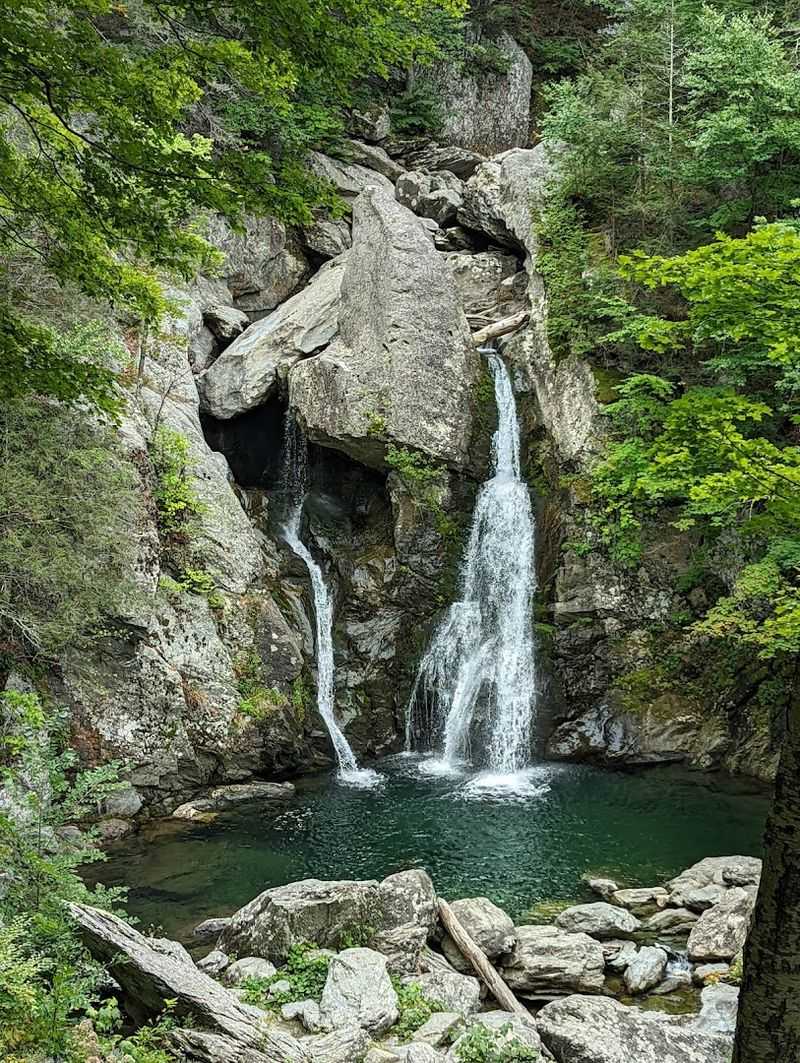
Bash Bish Falls gives you the kind of drama Massachusetts usually keeps tucked away. The waterfall drops into a rocky bowl with a force that feels theatrical, yet the surrounding hemlock ravine keeps everything shaded, cool, and slightly secretive.
It is easy to understand why local legends cling to this place.
The walk in is part of the mood, especially when the trail is damp and the forest smells earthy and deep. Every step feels like an approach to something older than the map in your hand.
When the falls finally appear, the scene has that rare mix of grandeur and intimacy.
I think this stop works best if you resist the urge to make it just a quick photo outing. Pause, listen to the water echo off stone, and notice how the ravine creates its own little weather.
The historical element here is less about buildings and more about inherited stories, place memory, and the feeling that people have been awed here for a very long time.
Cambridge – Mount Auburn Cemetery
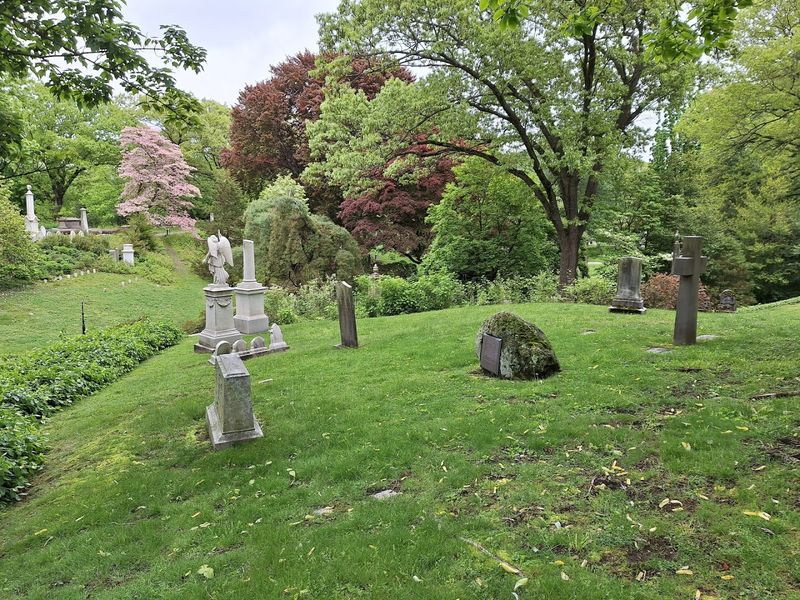
Mount Auburn Cemetery is one of those places that quietly changes your idea of what a cemetery can be. Opened in 1831 as America’s first garden cemetery, it feels more like an arboretum crossed with a poetry collection.
You wander through rolling hills, ponds, and rare trees while history keeps appearing in stone.
What I love most is how gentle the experience feels. There are famous names here, including Henry Wadsworth Longfellow, but celebrity is not really the point.
The point is the conversation between landscape design, memory, birdsong, and the passing seasons.
This is an especially good stop if you enjoy destinations that reward observation over spectacle. Bring a camera, or better yet, bring no agenda at all and let the paths decide for you.
In autumn it glows, in spring it softens, and in every season it proves that remembrance does not have to feel heavy. It can feel alive, leafy, and unexpectedly peaceful.
Hancock – Hancock Shaker Village
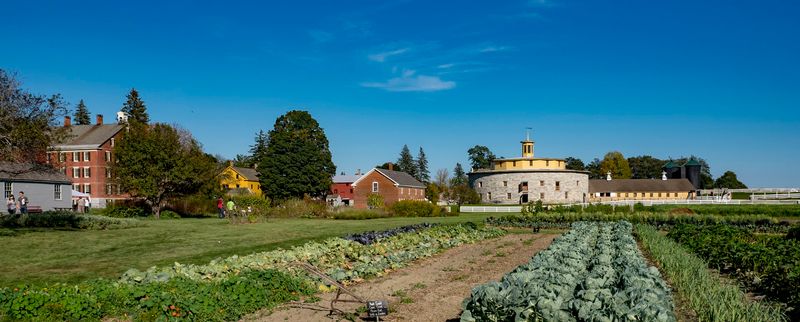
Hancock Shaker Village has a stillness that feels earned rather than staged. The barns, gardens, pastures, and historic buildings sit against the Berkshires with a kind of practical grace that makes you slow down immediately.
Even before you learn much, the landscape tells you these people believed order and beauty belonged together.
The village is a living history museum, but it never feels overly theatrical. Instead, you notice how deeply the Shakers linked daily work to the land around them, from farming to building to communal life.
The famous round stone barn is worth the trip on its own, yet the quieter corners often linger longer.
I think this place is especially powerful because the natural setting is not just scenery – it is part of the philosophy. Walk the grounds, look closely at the gardens, and pay attention to how open the property feels.
If you are drawn to places where spiritual history meets rural calm without much noise, this one feels remarkably centered and clear.
Sutton – Purgatory Chasm State Reservation
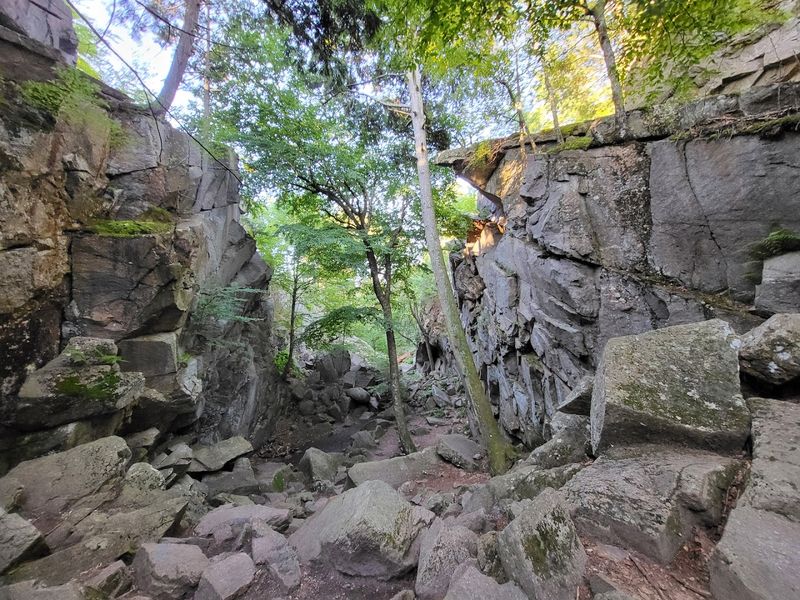
Purgatory Chasm sounds dramatic, and thankfully it looks dramatic too. This narrow granite cleft was carved by glacial meltwater thousands of years ago, and the result feels almost mythic when you first step beside those steep stone walls.
The woods around it soften the scene just enough to make the place feel mysterious instead of overwhelming.
The reservation is not huge, but it leaves a strong impression. As you walk, rock formations rise like characters with names you half expect to hear in a folktale.
Children tend to see adventure here, while adults often notice the deeper quiet and the geologic patience behind it.
I like this spot because it delivers something unusual without needing a long expedition. You get rugged hiking, strange beauty, and a sense of deep time in a relatively compact visit.
If Massachusetts history usually makes you think of houses and battlefields, this reservation offers a useful reminder that the land itself also keeps records, just in granite instead of paper.
Sturbridge – Old Sturbridge Village
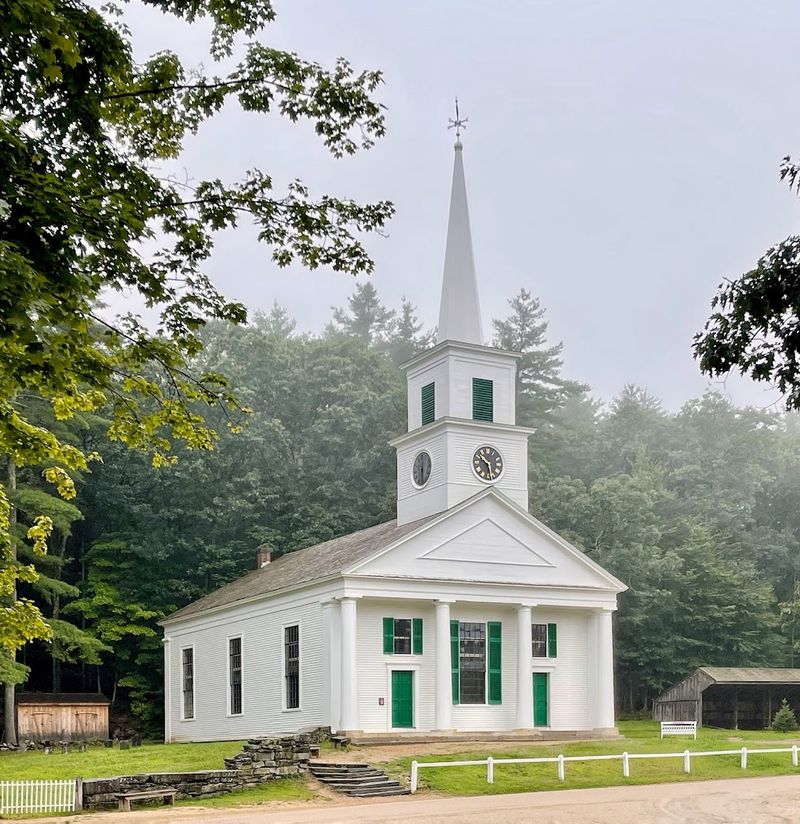
Old Sturbridge Village is large enough to feel immersive and gentle enough to keep you relaxed while exploring. Spread across a broad natural setting, it recreates rural New England life from the late eighteenth and early nineteenth centuries with homes, workshops, fields, and a working watermill.
You are not just looking at history – you are walking through its daily rhythms.
What makes it special for this list is the way the environment supports the storytelling. Ponds, trees, farm plots, and open paths give the village breathing room, so nothing feels cramped or artificial.
The heritage animals help too, because they make the scene feel lived in rather than merely preserved.
I recommend giving this place more time than you think it needs. It is easy to rush from blacksmith to schoolhouse, but the magic often comes from quieter transitions between them.
Listen for wagon wheels, watch the light move across the common, and let the landscape do part of the interpretation. It is history with weather, mud, and birds overhead.
Manchester-by-the-Sea – Singing Beach
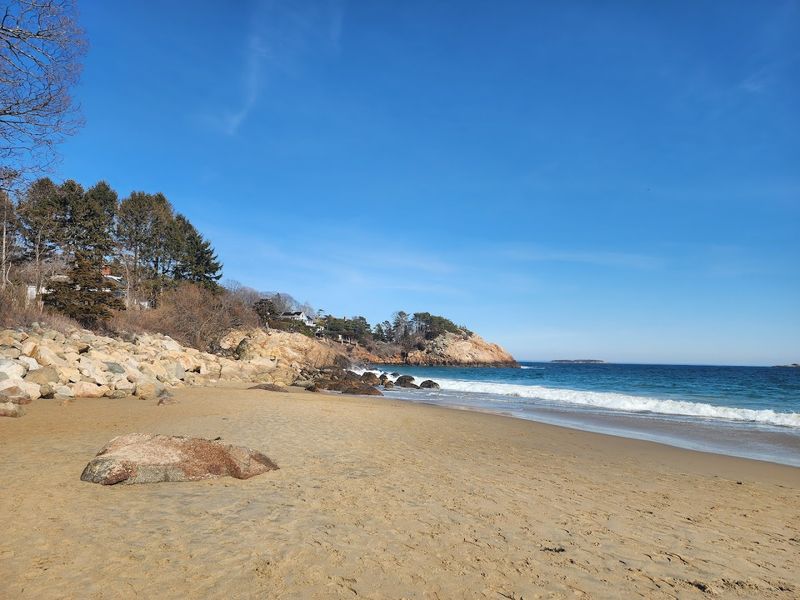
Singing Beach is one of those places that sounds slightly made up until your shoes touch the sand. The beach is famous for the soft squeaking or singing sound created by friction between quartz grains, and that tiny acoustic detail changes the whole experience.
Suddenly a simple walk becomes something a little uncanny and memorable.
The setting helps a lot. Rocky coastal edges frame the half-mile sweep of pale sand, and the open water gives everything a clean, spacious feeling that never seems hurried.
Even on a brighter summer day, there is a softness here that invites you to pay closer attention.
I like including this beach because its historical side is subtler than a museum label or monument. It lives in the long cultural memory of a place people have admired, described, and returned to for generations.
You come for the novelty of the singing sand, but you stay for the atmosphere. If you want a destination that feels both playful and quietly storied, this shoreline absolutely earns its reputation.
West Brookfield – Rock House Reservation
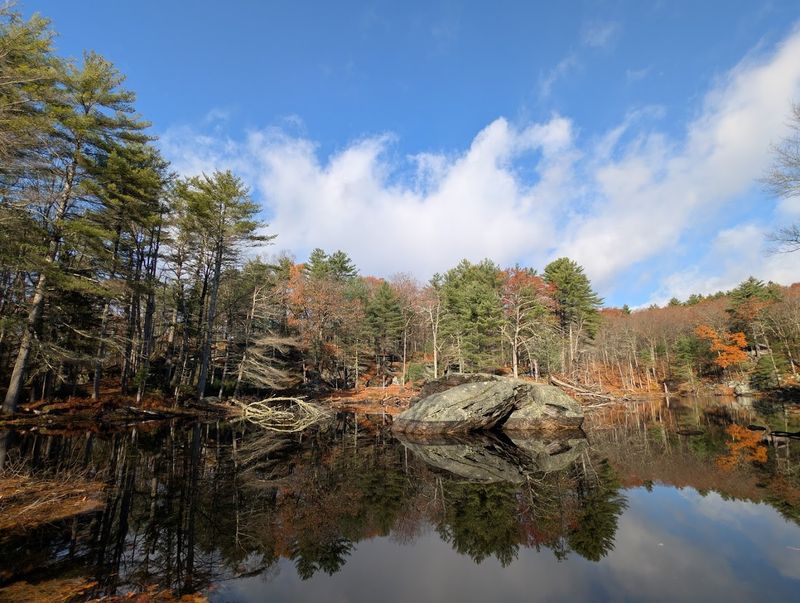
Rock House Reservation feels like a secret passed along by someone who prefers not to post too much online. The trail moves through wetlands and woods before revealing a massive natural rock shelter that has served Native Americans and later early colonists.
When you arrive, the formation really does feel like an outdoor room built by patience and chance.
The atmosphere here is less dramatic than Bash Bish and less curated than a village museum, which is exactly its charm. You hear leaves, maybe a few birds, and your own footsteps long before you see the stone amphitheater rising from the landscape.
That slow reveal gives the site real presence.
I think this reservation works best for travelers who like places that ask for imagination and respect. There is history here, but it is not overexplained, and that restraint somehow feels right.
Stay awhile once you reach the shelter, look at the scale of it, and consider how many different people have paused in the same shade. It is humble, haunting, and deeply memorable.
Ipswich – Castle Hill on the Crane Estate
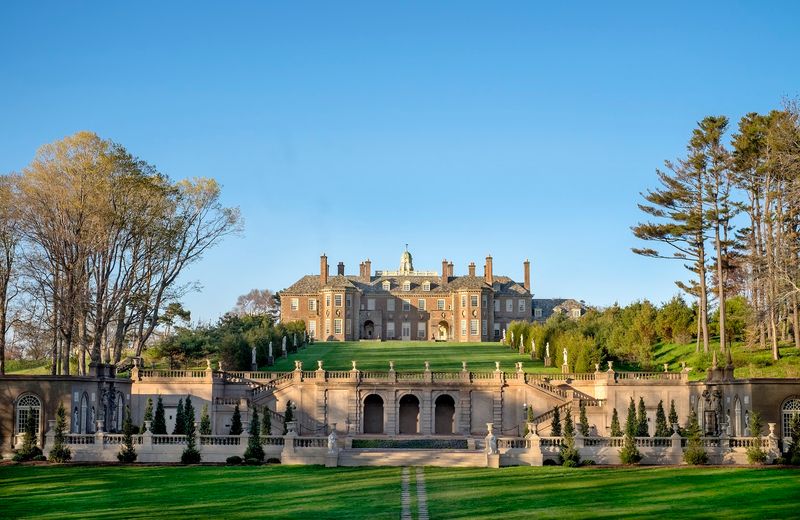
Castle Hill on the Crane Estate might be the grandest place on this list, but it still knows how to be quiet. The Great House rises over rolling lawns with obvious confidence, yet the real surprise is how quickly the estate opens into dunes, salt marshes, and long coastal trails.
Architecture and wildness sit side by side without canceling each other out.
That contrast is what makes a visit so satisfying. One moment you are admiring a 1928 mansion and formal design, and the next you are looking over a landscape shaped by wind, tide, and migrating birds.
It feels polished and untamed at the same time.
I recommend exploring beyond the postcard viewpoint. The wider estate and Crane Wildlife Refuge reveal the full scale of the place, and that is where the meeting of nature and history feels most complete.
You get Gilded Age ambition, coastal ecology, and an enormous sense of space in one stop. If you want a finale with both elegance and raw shoreline energy, this is the one.