Georgia is filled with incredible landscapes that look like they belong on postcards.
From towering waterfalls and deep canyons to sandy beaches and mysterious swamps, the Peach State offers photographers endless opportunities to capture nature’s beauty.
Whether you’re a professional with expensive equipment or someone who just loves taking pictures with your phone, these stunning locations will give you shots worth sharing.
Pack your camera and get ready to explore some of the most breathtaking views the South has to offer.
Brasstown Bald
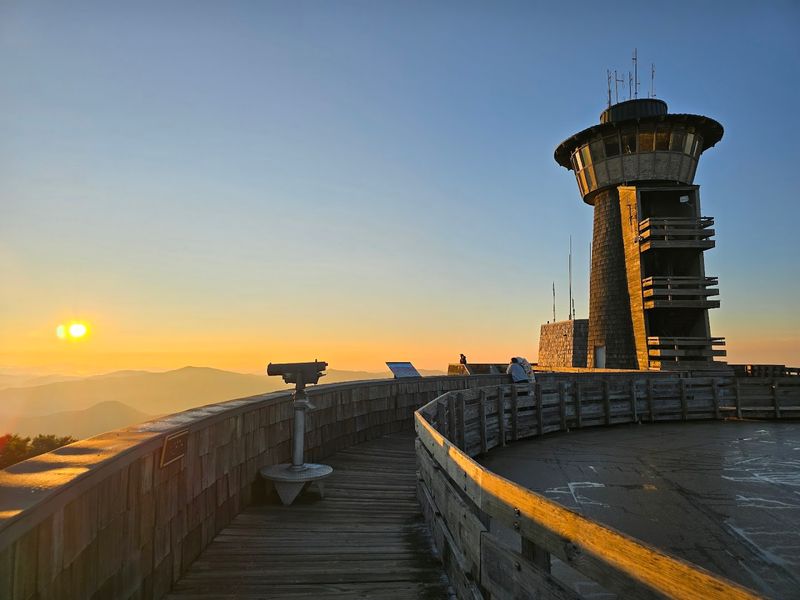
Standing at 4,784 feet above sea level, Brasstown Bald claims the title of Georgia’s highest point. The observation deck at the summit rewards visitors with sweeping 360-degree views that seem to stretch forever across the Blue Ridge Mountains.
On exceptionally clear days, you can actually spot four different states from this single vantage point. The layered mountain ridges create a stunning effect, especially when morning mist settles in the valleys below.
Photographers flock here during sunrise and sunset when the light paints the mountains in shades of gold and purple.
A steep half-mile paved trail or a shuttle van takes you to the top from the parking area. The visitor center offers fascinating exhibits about the mountain’s ecology and history.
Fall brings spectacular color that makes the view even more dramatic, though summer and winter each offer their own unique beauty.
Bring layers since temperatures at the summit can be significantly cooler than below. The panoramic vistas make this one of the most rewarding photography destinations in the entire Southeast.
Cloudland Canyon State Park
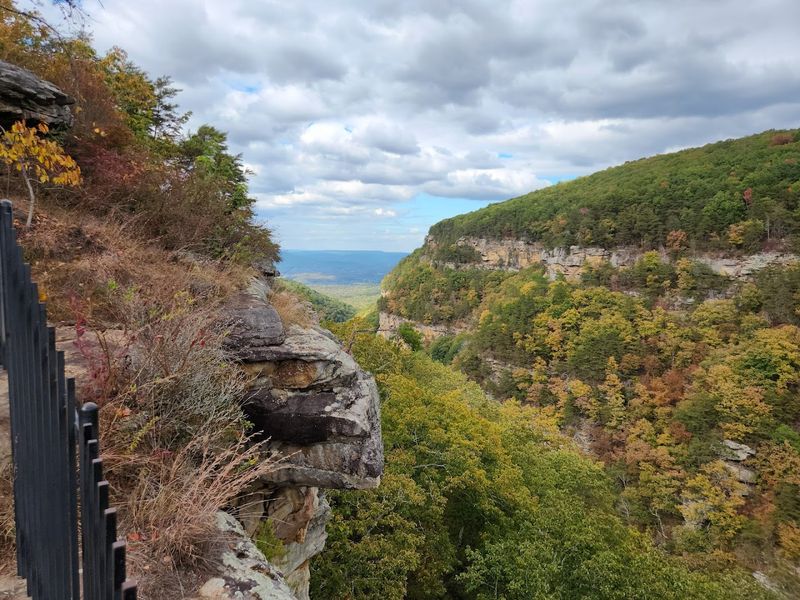
Ever wondered what it feels like to stand at the edge of an enormous chasm carved by nature over millions of years? Cloudland Canyon delivers that exact experience.
Perched on Lookout Mountain’s western edge, this park showcases one of Georgia’s most dramatic geological formations.
The main overlook provides jaw-dropping views into a massive sandstone gorge with layered cliffs that glow orange and red in the right light. Two separate waterfalls tumble into the canyon depths, though reaching them requires tackling steep trails with hundreds of stairs.
The rim trail offers easier access to multiple viewpoints perfect for capturing different angles.
Sunrise photographers particularly treasure this location because early light creates magical effects as mist rises from the canyon floor. Fall foliage season transforms the entire landscape into a painter’s palette of reds, oranges, and yellows.
Even in winter, the bare trees allow better views of the canyon’s geological layers.
The park also offers camping facilities if you want to catch both sunset and sunrise in one trip.
Tallulah Gorge State Park
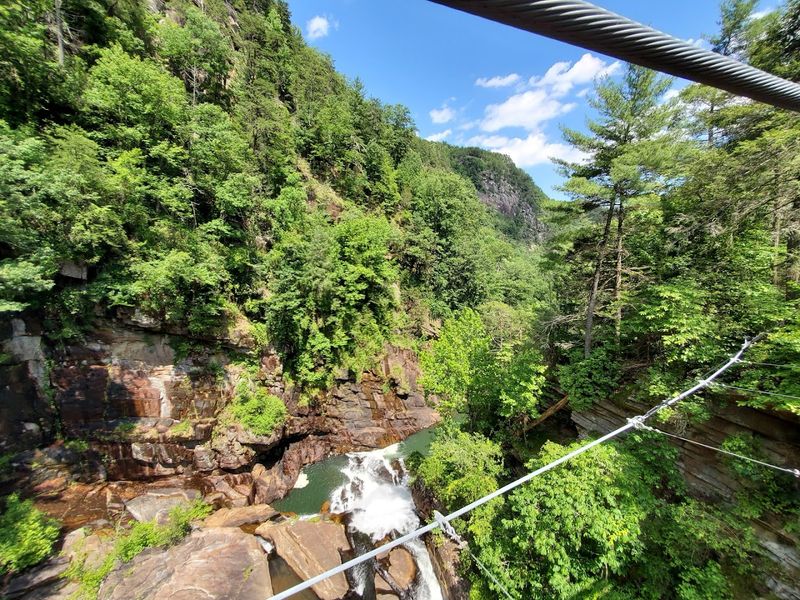
People call it the “Niagara of the South,” and once you peer into Tallulah Gorge’s nearly 1,000-foot depths, you’ll understand why. The Tallulah River has carved this stunning canyon through solid rock, creating one of Georgia’s most awe-inspiring natural wonders.
The sheer vertical drops and rugged beauty make photographers’ hearts race.
Two suspension bridges span the gorge, offering thrilling perspectives straight down into the chasm. Your camera will capture images that make viewers feel the height and drama.
The rim trails provide safer overlooks for those who prefer solid ground beneath their feet, though the bridges create more dynamic shots.
Permits are required to hike to the gorge floor, and only a limited number are issued daily. The floor trail is challenging but rewards adventurers with unique bottom-up views of the towering walls.
Spring brings increased water flow from rainfall, making the river more dramatic, while fall offers incredible foliage contrasts against the dark rock.
The visitor center provides historical context about the gorge and the hydroelectric dams that once powered this area.
Amicalola Falls State Park
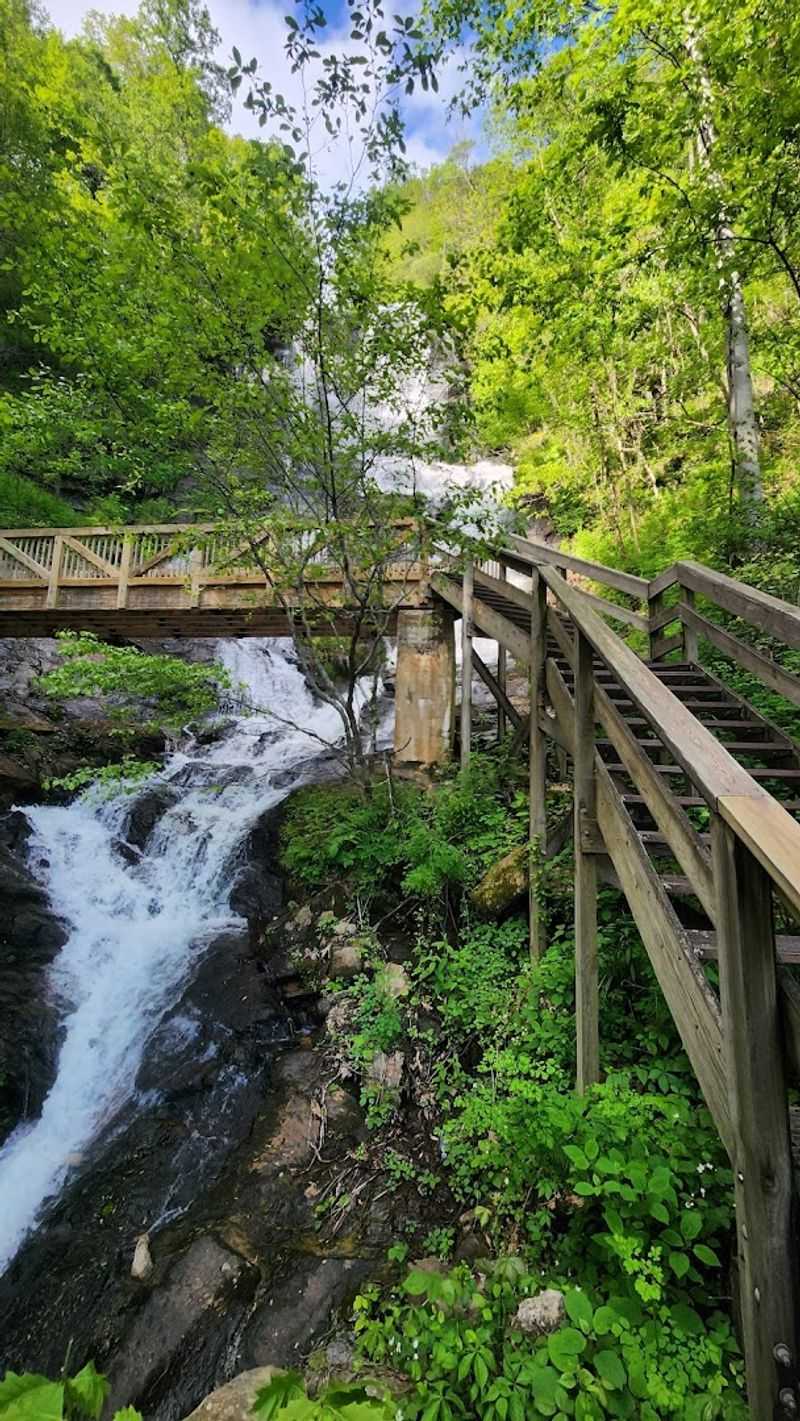
Imagine standing before a ribbon of water tumbling 729 feet down a mountainside through lush Appalachian forest. Amicalola Falls makes that dream real as Georgia’s tallest waterfall and one of the highest cascading waterfalls east of the Mississippi River.
The Cherokee name “Amicalola” means “tumbling waters,” which perfectly describes this magnificent sight.
Multiple viewing platforms positioned at different levels give photographers various perspectives and compositions. The base platform offers an up-close experience where you can feel the mist on your face.
Mid-level views capture the waterfall’s full height framed by trees. The top platform provides a bird’s-eye perspective looking down at the cascading water.
A challenging staircase with over 600 steps climbs alongside the falls for those seeking exercise with their photography. The less ambitious can drive to the top and enjoy the view without the workout.
Spring runoff creates the most powerful water flow, while fall foliage adds color surrounding the white cascade.
The park marks the southern starting point of the Appalachian Trail, adding historical significance to its natural beauty.
Providence Canyon State Park
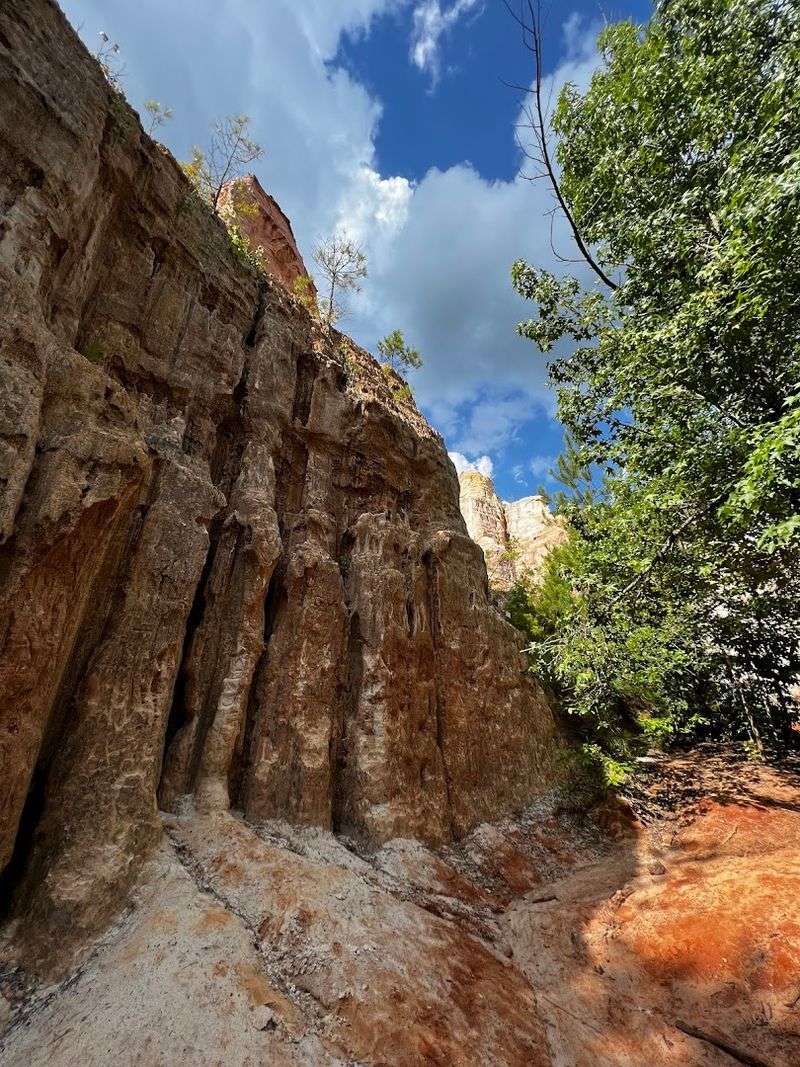
Red, orange, pink, and white layers swirl through canyon walls that seem transported from Arizona rather than Georgia. Providence Canyon earned its “Little Grand Canyon” nickname honestly, though this landscape formed not from ancient geological processes but from poor farming practices in the 1800s.
Soil erosion created these striking gullies that now stand as accidental art.
The canyon rim trails provide spectacular overlooks where you can photograph the colorful, otherworldly formations from above. Colors shift throughout the day as sunlight hits different angles.
Morning and late afternoon offer the most dramatic lighting when shadows emphasize the canyon’s depth and texture.
A backcountry trail descends into the canyon floor for more intimate perspectives among the towering walls. After rain, small pools reflect the colorful formations, adding another dimension to your photos.
The contrast between the eroded canyon and the surrounding green pine forest creates unusual compositions.
Summer heat can be intense, so many photographers prefer spring or fall visits. Winter photography works beautifully too, with bare trees allowing clearer views and occasional snow creating stunning contrasts against the red earth.
Savannah Historic District
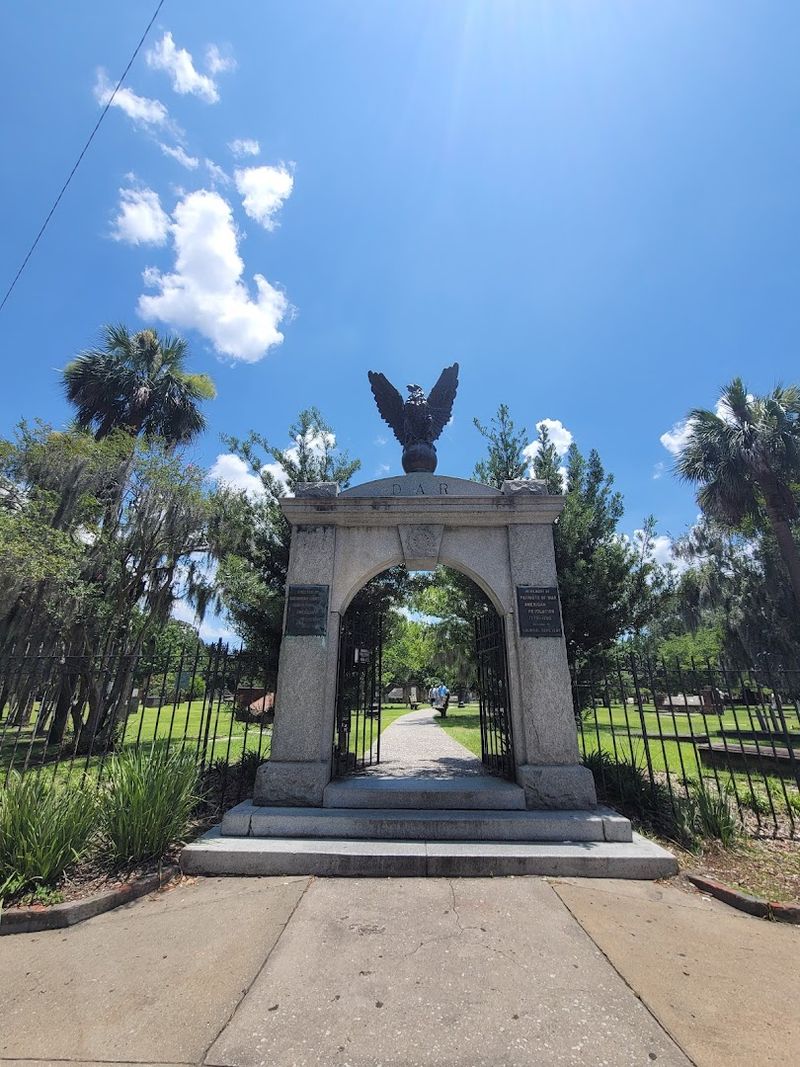
Cobblestones click beneath your feet as Spanish moss sways overhead, filtering golden light through ancient oak branches. Savannah’s Historic District feels frozen in time, offering photographers a perfectly preserved glimpse of Southern elegance.
Every square tells a different story through its monuments, fountains, and surrounding architecture.
Forsyth Park’s iconic fountain has appeared in countless photos and films, yet somehow never loses its charm. The massive live oaks create natural frames for compositions throughout the district.
River Street’s brick buildings and riverfront views capture the city’s maritime heritage, particularly beautiful during sunset when light reflects off the Savannah River.
Early morning provides the best lighting and fewer tourists crowding your shots. The architectural details deserve close attention—intricate ironwork, colorful historic homes, and ornate balconies add character to street photography.
Each of the 22 park-like squares offers unique photo opportunities with different statues, landscaping, and surrounding buildings.
Ghost tour groups add atmospheric human elements to evening shots. Spring brings azalea blooms that explode in pink and white throughout the squares, transforming the already beautiful scenery into something magical.
Tybee Island
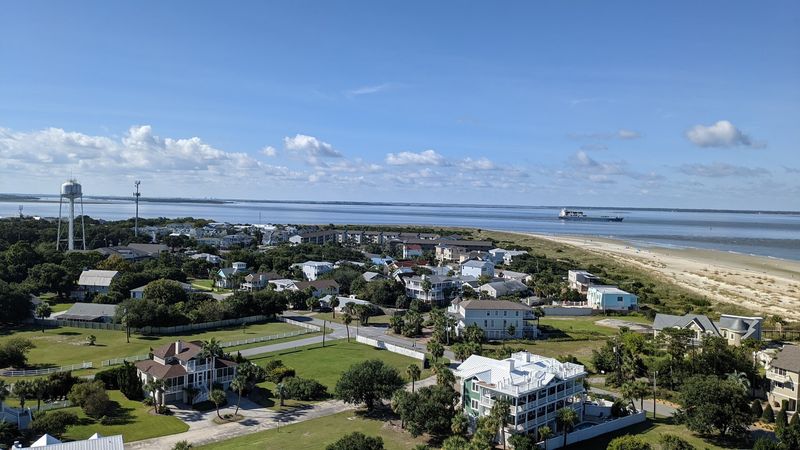
Salt air fills your lungs as waves crash rhythmically against wide sandy beaches stretching toward the horizon. Tybee Island sits just outside Savannah, offering coastal beauty without the overwhelming crowds of more famous beach destinations.
The Atlantic sunrise here creates magical photography moments when the sky explodes in pink, orange, and purple.
The black-and-white striped lighthouse stands as the island’s most recognizable landmark and photograph subject. Built in 1736, it’s one of America’s oldest lighthouses still in operation.
Climbing its 178 steps rewards you with panoramic views perfect for wide-angle shots of the island and ocean.
Golden hour transforms ordinary beach scenes into extraordinary images as low-angle light illuminates the sand and creates long shadows. The pier extends into the ocean, providing a leading line for compositions and a gathering spot for fishermen who add human interest to your shots.
Beach grass and dunes offer textural foreground elements.
Summer brings vibrant beach activity, while off-season visits provide more solitary, contemplative images. Storm clouds rolling in create dramatic skies that contrast beautifully with the blue-green Atlantic waters.
Jekyll Island
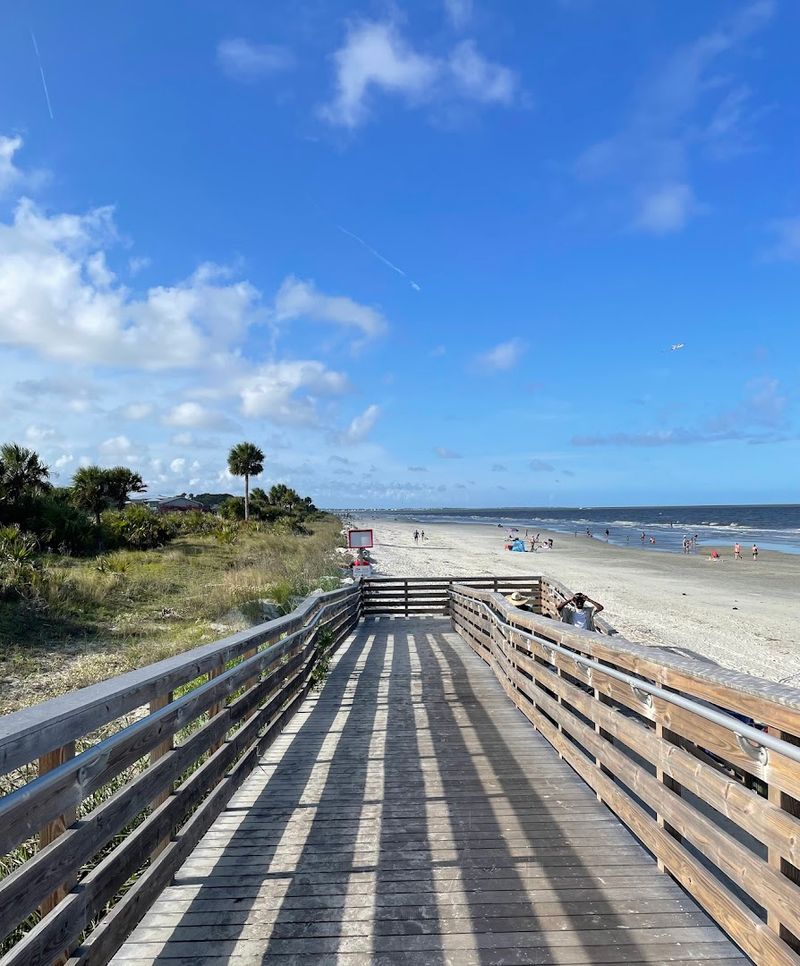
Twisted grey trees lie scattered across sand like prehistoric sculptures, their weathered forms creating an otherworldly landscape. Jekyll Island blends natural coastal splendor with intriguing historic ruins, but Driftwood Beach steals the show for photographers.
These aren’t actually driftwood—they’re the skeletal remains of maritime forest trees claimed by coastal erosion.
The sculptural quality of the fallen trees provides endless composition possibilities. Sunrise and sunset turn them into dramatic silhouettes against colorful skies.
The beach’s eerie beauty attracts engagement photographers, artists, and anyone seeking images that don’t look like typical beach scenes. Each visit reveals different arrangements as tides and weather constantly reshape the landscape.
Beyond Driftwood Beach, the island offers historic district buildings including ruins of millionaire vacation cottages from the late 1800s. The maritime forest trails provide shaded photography opportunities with Spanish moss creating natural curtains.
Sea turtle nesting season brings additional wildlife photography possibilities if you join authorized programs.
The island remains relatively undeveloped compared to commercial beach destinations, maintaining a peaceful atmosphere. Bike trails connect different photo locations, making it easy to explore the entire island at a leisurely pace.
Okefenokee Swamp
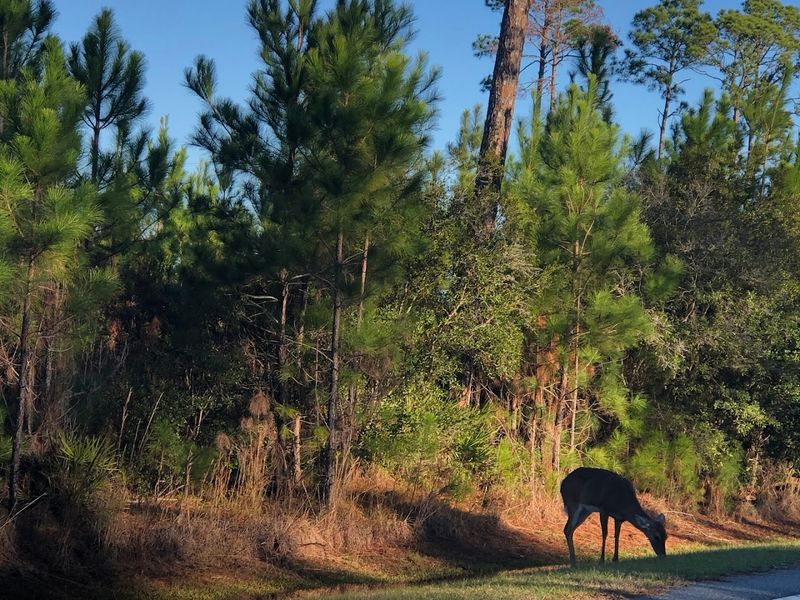
Absolute stillness settles over dark water that perfectly mirrors the sky like polished obsidian. Okefenokee Swamp represents one of North America’s largest intact freshwater ecosystems, covering nearly 700 square miles of mysterious wetland.
The Seminole name means “Land of the Trembling Earth,” referring to the floating peat islands that shake when you walk on them.
Sunset creates the most magical photography conditions as vivid colors reflect across the blackwater’s mirror-like surface. Cypress trees draped with Spanish moss become silhouettes against fiery skies.
Early morning mist rising from the water adds an ethereal quality to images. Alligators, wading birds, and other wildlife provide compelling subjects for patient photographers.
Canoe and boat tours take you deep into areas inaccessible by foot, offering unique perspectives and wildlife encounters. The swamp’s primordial atmosphere feels unchanged from prehistoric times.
Boardwalk trails at park entrances provide easier access for those preferring solid ground while still capturing the swamp’s essence.
Different seasons bring varying water levels and wildlife activity. Spring and fall offer the most comfortable temperatures for extended photography sessions in this wild, untamed landscape.
Lookout Mountain Rock City Overlooks
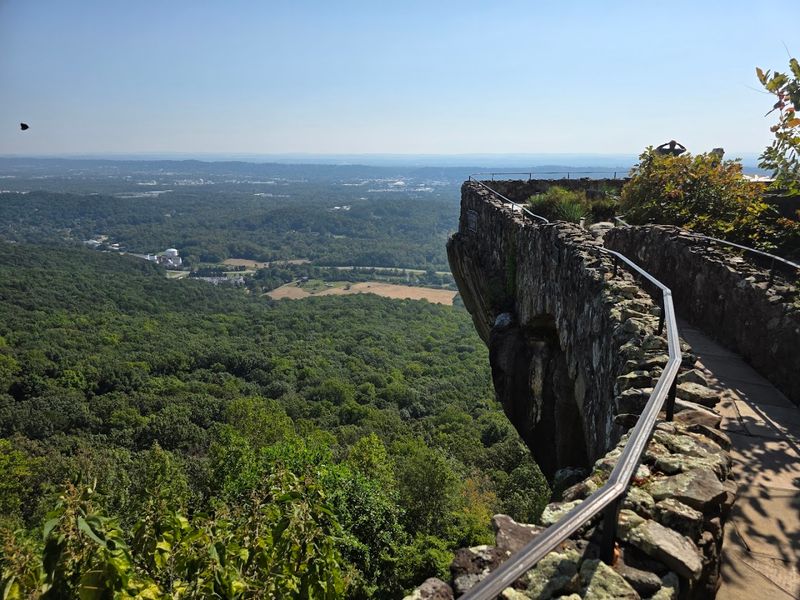
Seven states spread before your eyes from a single rocky outcrop perched on Lookout Mountain’s edge. Rock City’s famous overlook has captivated visitors since the 1930s, offering one of the most expansive panoramic views in the American Southeast.
On exceptionally clear days, you genuinely can identify Tennessee, Kentucky, Virginia, North Carolina, South Carolina, Alabama, and Georgia from this elevated vantage point.
The overlook sits at 1,700 feet elevation, providing unobstructed views across vast distances. Photographers appreciate the dramatic cliff edges and interesting rock formations that add foreground interest to landscape compositions.
Lover’s Leap, a 1,700-foot sheer cliff, creates vertigo-inducing perspectives perfect for dramatic shots. Ancient rock formations throughout the gardens offer unique geological subjects beyond the main vista.
Fall foliage transforms the view into a quilt of reds, oranges, and yellows stretching across valleys and ridges. Sunset paints the distant layers of mountains in graduating shades of blue and purple.
The privately owned attraction includes beautiful gardens and rock formations along winding trails, though the overlook remains the primary draw for serious photographers seeking that iconic multi-state view.
Anna Ruby Falls
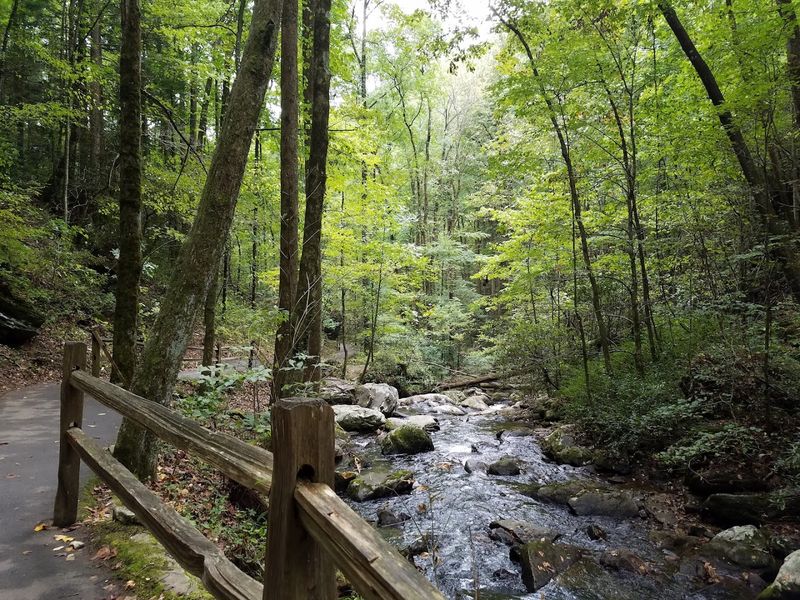
Two waterfalls are better than one, and Anna Ruby Falls proves it beautifully. Curtis and York Creeks tumble separately down Tray Mountain before joining forces at the base, creating a unique double cascade.
This twin-waterfall formation makes Anna Ruby Falls stand out among Georgia’s many waterfalls as something genuinely special.
A paved half-mile trail from the parking area makes this one of Georgia’s most accessible waterfall photography destinations. Families with young children and photographers with equipment can reach the viewing platform without strenuous hiking.
The platform sits perfectly positioned to capture both cascades in a single frame with the forest providing a lush green backdrop.
Spring brings peak water flow when snowmelt and rain maximize the falls’ power and spray. The surrounding Chattahoochee National Forest stays beautifully green even in summer’s heat.
Fall adds golden and red foliage that contrasts wonderfully with the white water. Winter occasionally freezes portions of the falls, creating unique ice formations.
The nearby alpine village of Helen offers German-themed architecture and additional photography opportunities. This area ranks among North Georgia’s most scenic regions, with mountain vistas visible along the approach road.
Stone Mountain Park
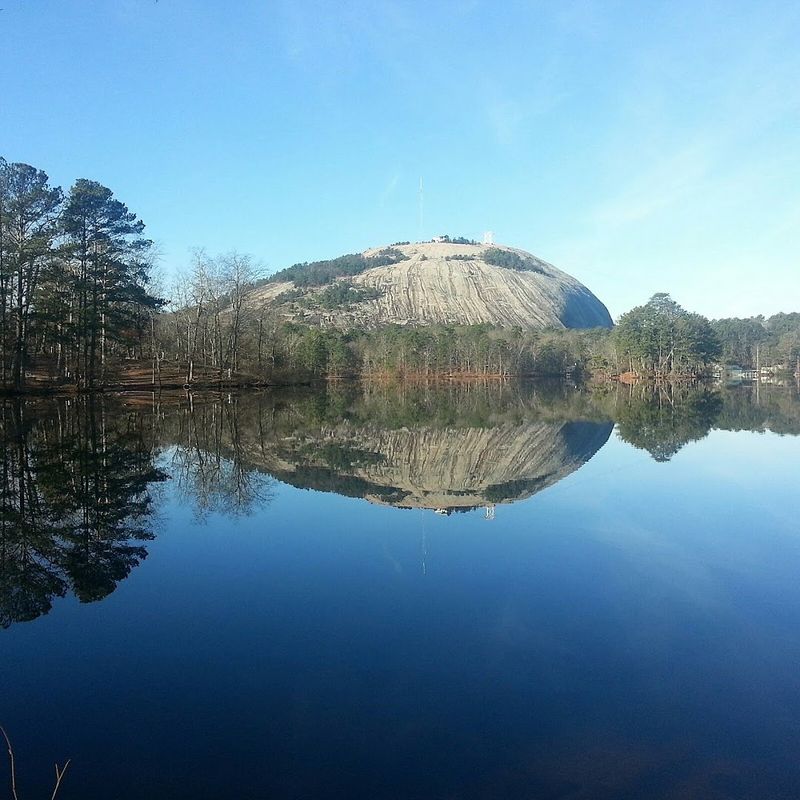
A massive granite dome rises 825 feet above the surrounding landscape like a sleeping giant. Stone Mountain’s sheer size impresses everyone who sees it—the exposed rock covers 583 acres, making it one of the largest granite outcroppings on Earth.
Summit views stretch for miles, with Atlanta’s skyline visible on clear days approximately 16 miles away.
The walk-up trail to the summit challenges hikers with its steep grade, but a cable car offers easier access for those wanting the view without the workout. Once on top, the 360-degree panorama provides incredible photography opportunities.
The granite surface itself creates interesting textures and patterns in close-up shots.
The mountain’s north face features a massive carving depicting Confederate leaders, which remains controversial but undeniably photographically significant. The base area offers additional photo opportunities around the lake, especially during the evening laser show when lights illuminate the carving.
Fall foliage surrounding the grey granite creates stunning color contrasts.
Sunrise visits are particularly rewarding when you can watch the sun emerge behind Atlanta’s buildings. The park’s size means you could spend an entire day finding different perspectives and compositions around this geological wonder.
Blue Ridge Mountain Views and Scenic Railway
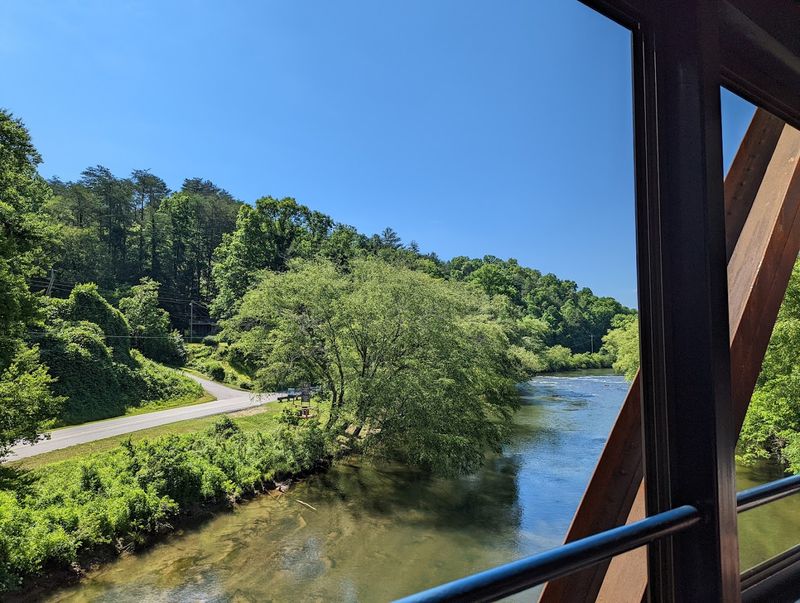
Mountain ridges roll away in waves of blue as morning mist clings to valleys below. Blue Ridge, a charming small town nestled in the North Georgia mountains, serves as headquarters for stunning Appalachian photography.
The area’s namesake mountains create that characteristic blue haze that inspired their name, caused by organic compounds released by dense forests.
The Blue Ridge Scenic Railway adds a nostalgic element, with vintage passenger cars winding through the mountains along the Toccoa River. Photographing the moving train from overlooks creates dynamic images blending transportation history with natural beauty.
Riding the railway provides ever-changing perspectives through the windows as scenery slides past. The four-hour round trip follows a route originally built in the 1850s.
Fall transforms this region into one of Georgia’s most spectacular color shows. Roadside overlooks along nearby highways offer easy access to sweeping mountain vistas.
Downtown Blue Ridge’s historic buildings and local shops provide charming small-town subjects between mountain expeditions. Apple orchards in surrounding areas add agricultural beauty to the mix.
Multiple waterfalls hide in the nearby national forest, accessible via short hikes. Spring wildflowers carpet the forest floor before trees leaf out completely.
Cumberland Island
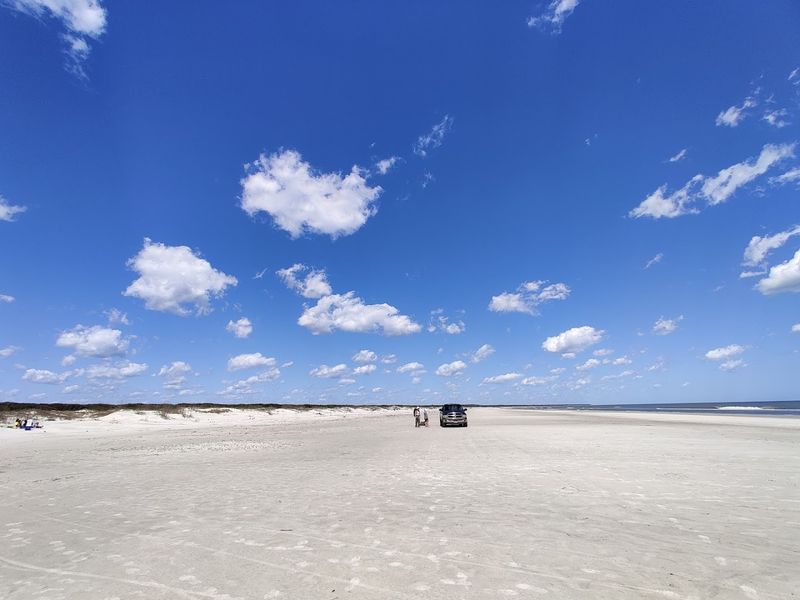
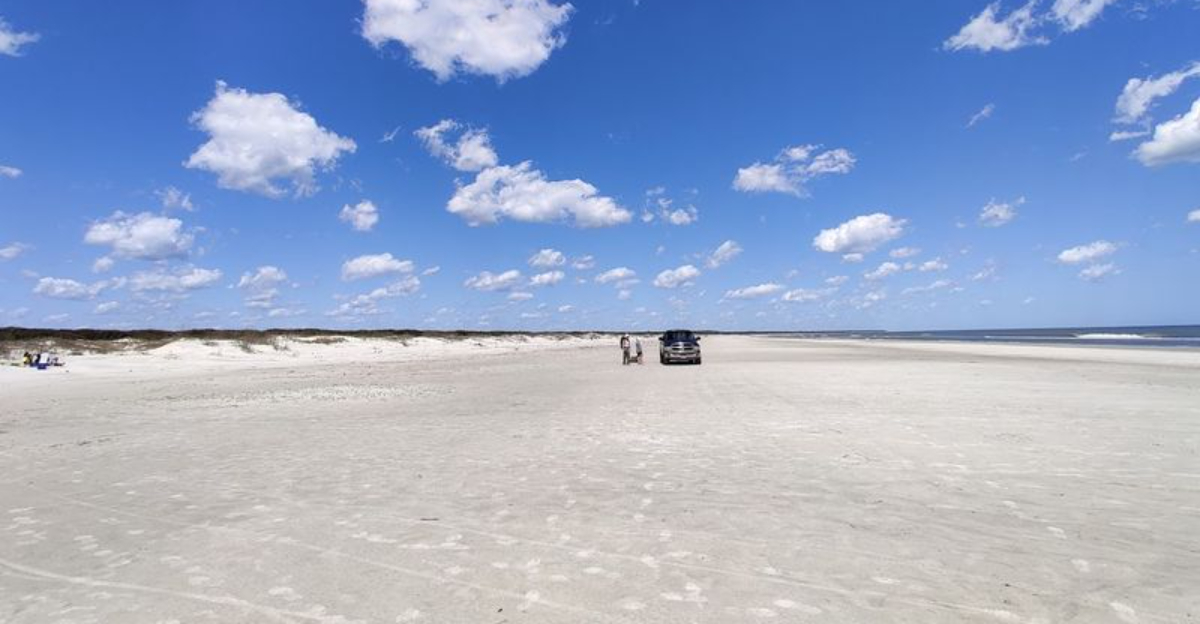
The ferry departs from mainland Georgia, and within 45 minutes you enter another world entirely. Cumberland Island exists as Georgia’s largest and southernmost barrier island, accessible only by boat and largely undeveloped.
Wild horses roam freely across beaches and through maritime forests, creating magical encounters for photographers willing to make the journey.
Pristine beaches stretch for miles without hotels, condos, or commercial development cluttering the view. The horses, descended from Spanish horses brought centuries ago, provide compelling subjects against the coastal landscape.
Spanish moss-draped live oaks, abandoned Carnegie family mansion ruins, and the historic Dungeness mansion remains add layers of history to natural beauty.
Limited daily ferry capacity means the island never feels crowded, preserving its remote character. Photographers need to plan carefully since there are no services on the island—bring all food, water, and equipment you’ll need.
The primitive camping option allows serious photographers to capture sunrise, sunset, and everything between without rushing for the last ferry.
Loggerhead turtles nest here in summer, and dolphin sightings are common offshore. The untouched quality makes every photograph feel like discovering something secret and special.