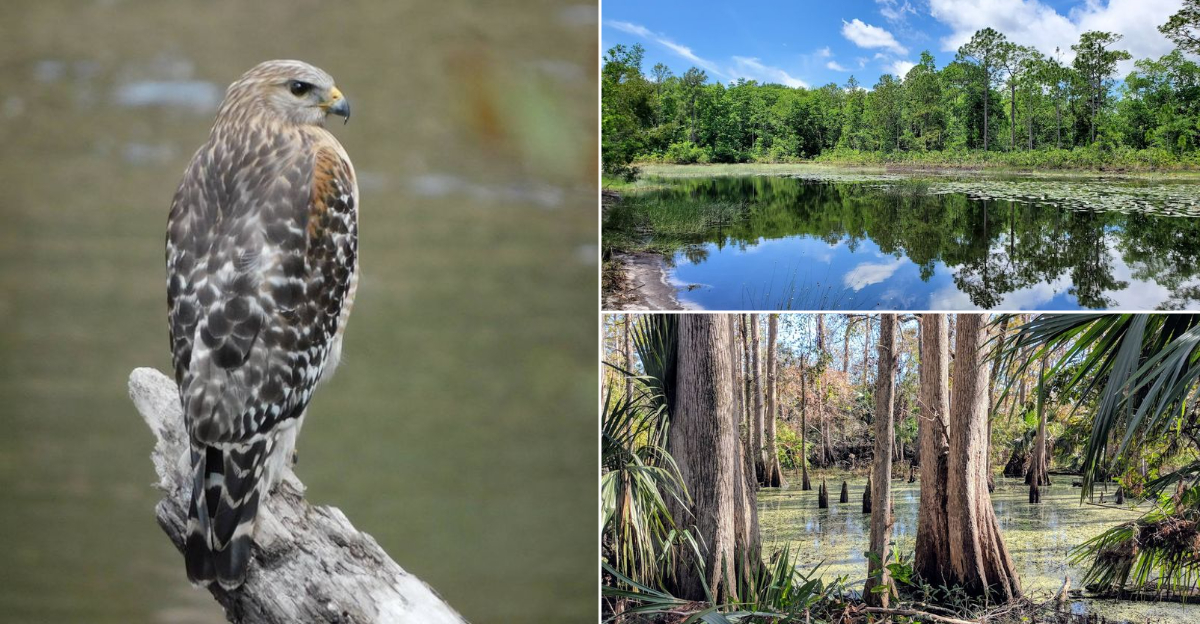
There are places in Florida where the landscape feels less like a destination and more like a slow unfolding story, and the Econlockhatchee River is one of them. In late spring, especially around May, the air carries a soft green warmth—sunlight filtering through cypress branches, wildflowers edging the trails, and still water reflecting everything like a quiet mirror.
This tributary winds through wetlands and shaded forest in a way that feels almost untouched, where the sound of birds replaces traffic and every bend reveals something new. Kayaking here or walking nearby trails feels unhurried, like the day naturally knows how to slow itself down.
It’s the kind of place that invites you to linger a little longer and notice more. Along the river’s edges, small moments of Florida’s wild beauty begin to reveal themselves, one stretch at a time.
Wildlife Encounters in Their Natural Habitat
Birds explode from the shoreline as your boat approaches, a sudden burst of wings and squawks that makes your heart race. Every trip down this waterway guarantees encounters with creatures who call these banks home.
The river functions as a wildlife highway, supporting species from tiny minnows to massive wading birds.
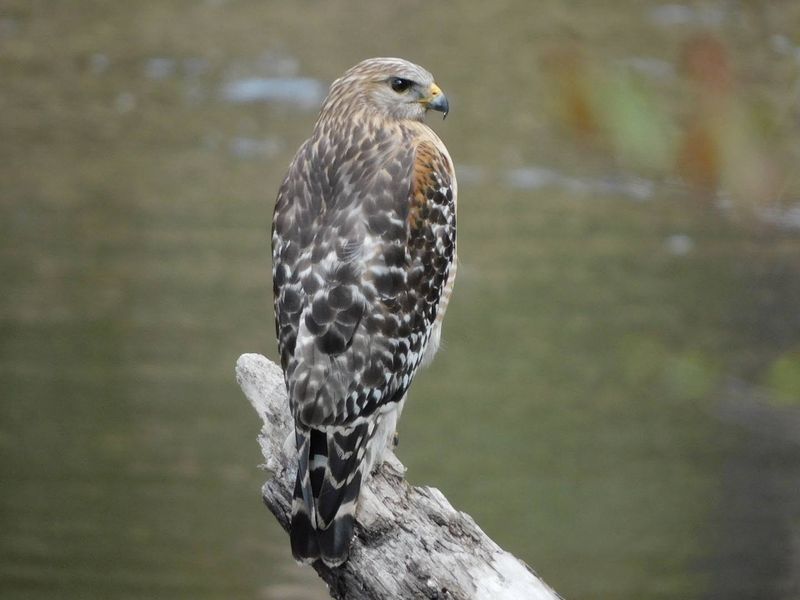
Great blue herons stalk through shallows with prehistoric patience, while anhingas perch on branches with wings spread wide to dry. Photographers especially love the Econlockhatchee because animals here seem less disturbed by human presence than in busier locations.
Osprey nests crown tall snags, and if you visit during nesting season, you might watch parents delivering fish to hungry chicks.
Alligators definitely inhabit these waters, though they typically maintain respectful distances from paddlers. Smaller creatures like river otters occasionally make appearances, their playful antics providing entertainment along the journey.
Turtles of various species crowd onto every available log during sunny weather, creating stacking towers that tumble into water when boats pass too close.
Early morning or late afternoon visits yield the best wildlife viewing opportunities when animals are most active. Bring binoculars to spot birds in the canopy and along distant banks.
The conservation areas surrounding this river provide crucial habitat that keeps these populations thriving despite nearby development pressures.
Ancient Cypress Trees Standing Guard
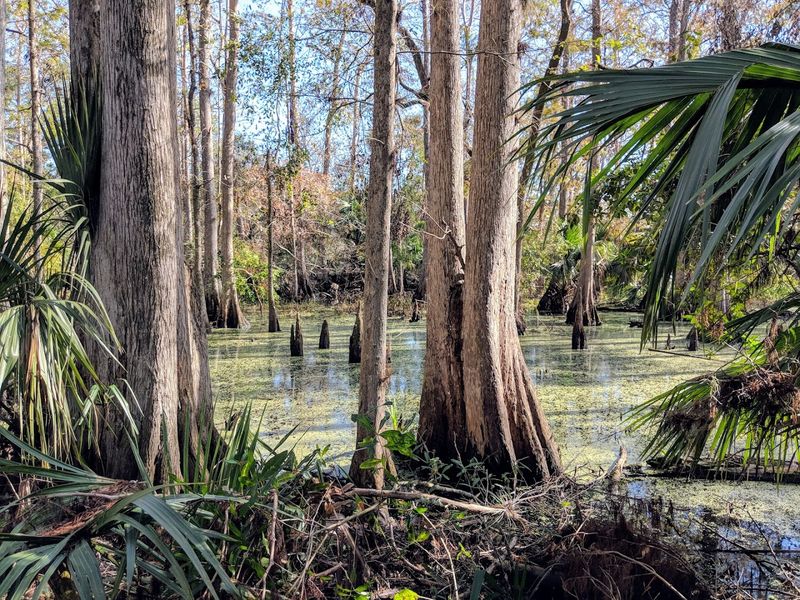
Gnarled roots twist upward from the water like wooden sculptures, some thicker than your torso and darkened by decades of submersion. These cypress knees belong to trees that were already ancient when your grandparents were born.
The oldest specimens along the Econlockhatchee have witnessed centuries of Florida history, surviving hurricanes, droughts, and countless seasonal floods.
Bald cypress trees dominate certain stretches of the river, creating forests that feel primordial and untouched. Their distinctive knee formations serve important functions for the trees, though scientists still debate the exact purposes.
What remains undebatable is their visual impact—these formations create an otherworldly landscape that photographers and nature lovers find endlessly fascinating.
During spring and summer, the cypress trees wear bright green needles that give the river corridor a lush appearance. Come autumn, needles turn rusty orange before dropping, transforming the waterscape completely.
Winter reveals the bare architectural beauty of these conifers, allowing better views through the forest.
Several conservation areas along the river protect old-growth cypress stands that represent some of Florida’s last remaining examples of this ecosystem type. Walking trails allow visitors to explore these forests on foot, providing different perspectives than waterborne approaches.
The contrast between massive tree trunks and delicate ferns growing at their bases creates stunning natural compositions.
Crystal-Clear Springs and Waterways
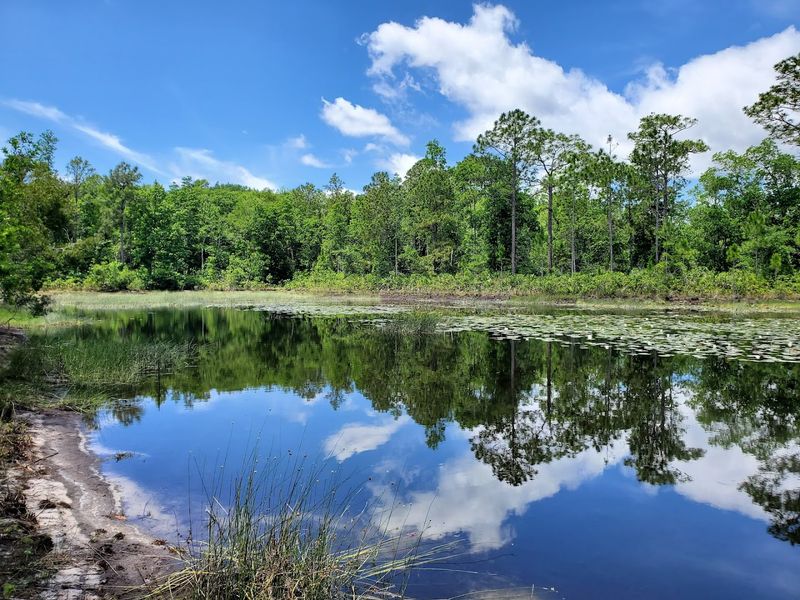
Suddenly the dark, tannin-stained river water transforms into crystalline clarity where a spring feeds into the main channel. The contrast startles first-time visitors who expect all Florida rivers to flow murky and brown.
These spring inputs create pockets of visibility where you can watch fish swimming below your boat and see sand patterns on the bottom.
The Econlockhatchee receives water from multiple underground sources that keep it flowing even during dry seasons. While the main channel typically carries that characteristic tea-colored tint from organic matter, tributary streams and spring seeps introduce clearer water that creates beautiful mixing zones.
Temperature differences between spring water and river water often create visible current patterns.
Aquatic vegetation thrives in these clearer sections, creating underwater gardens that shelter small fish and provide feeding grounds for larger predators. Snorkelers sometimes explore these areas during warmer months, though most visitors simply appreciate the visibility from above.
The springs maintain consistent cooler temperatures that feel refreshing against summer heat.
Local fish populations concentrate around these spring inputs because the oxygenated water supports more abundant food sources. Anglers who discover productive spring runs often guard their secrets carefully.
The ecological importance of these springs extends beyond recreation—they serve as critical habitat during temperature extremes when wildlife seeks refuge in their stable conditions.
Conservation Lands Protecting the Wilderness
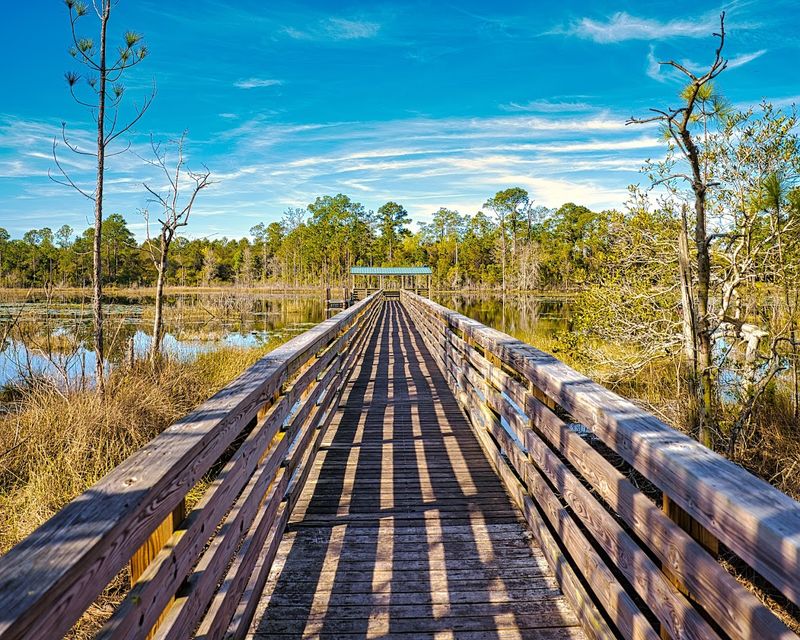
Miles of undeveloped shoreline stretch in both directions, a rarity in Central Florida where development pressure constantly threatens natural areas. This protection exists because multiple conservation properties border the river, creating connected wildlife corridors that function as they did for thousands of years.
Without these preserved lands, the river’s wild character would have disappeared decades ago.
Little Big Econ State Forest, the Econ River Wilderness Area, Econlockhatchee Sandhills Conservation Area, and Hal Scott Regional Preserve all provide public access while maintaining ecological integrity. Each property offers different recreational opportunities beyond paddling, including extensive trail systems for hikers, bikers, and equestrians.
Together, these protected areas encompass thousands of acres that buffer the river from surrounding development.
Trail access points allow visitors to experience the river corridor on foot rather than by boat. Observation platforms and boardwalks extend over wetlands, providing excellent wildlife viewing without disturbing sensitive habitats.
Educational signage explains the ecological processes that make this river system so valuable.
Conservation easements and land purchases continue protecting additional acreage as funding becomes available. Volunteer groups regularly conduct cleanups and habitat restoration projects throughout these properties.
The collaborative management between different agencies ensures consistent protection standards while allowing appropriate public use that connects people with nature.
Fishing in Untouched Waters
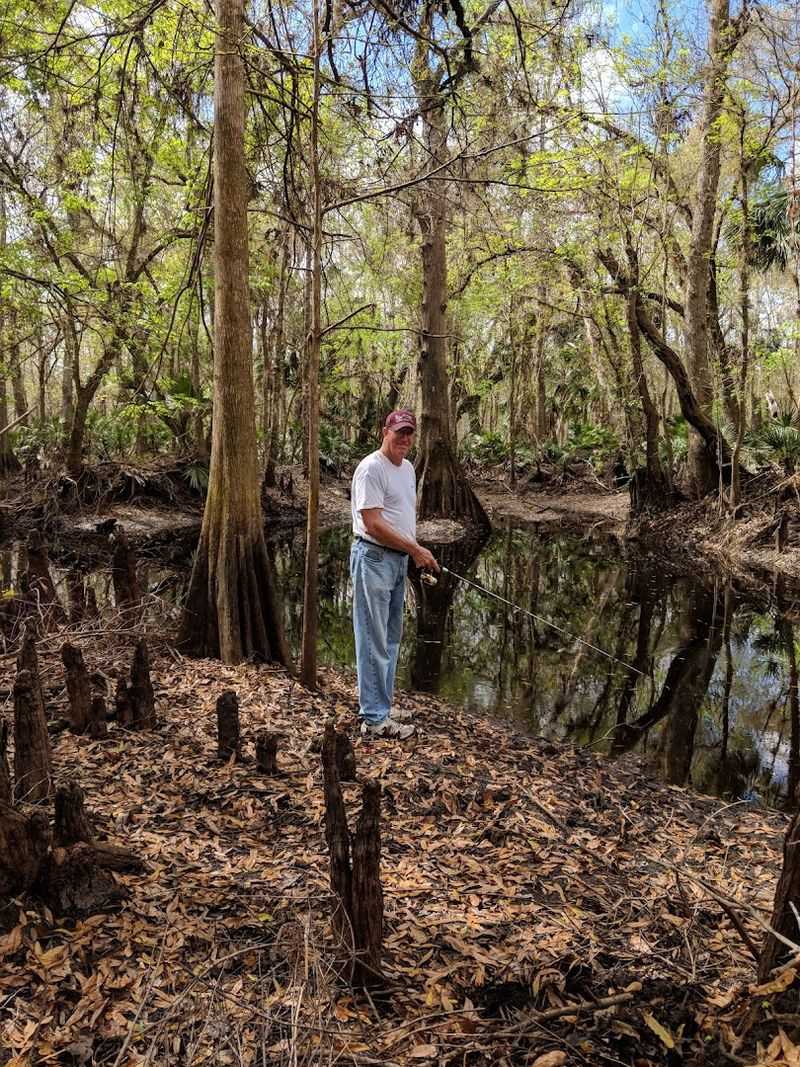
A sudden strike bends your rod as something powerful runs downstream, testing your line against submerged cypress knees and overhanging branches. Anglers who fish the Econlockhatchee discover populations of bass, catfish, and panfish that thrive in these protected waters.
The challenge comes not from lack of fish but from navigating the tight quarters where big catches hide.
Largemouth bass hunting in these waters requires accurate casting under low-hanging branches and around complex woody structure. Successful anglers use weedless lures that can penetrate heavy cover without snagging constantly.
The tannin-stained water actually works to the fisherman’s advantage, allowing closer approaches to productive spots without spooking wary fish.
Channel catfish grow impressively large here, and anglers targeting them from anchored boats often enjoy productive sessions using cut bait. Bluegill, redear sunfish, and other panfish provide excellent action for families introducing children to fishing.
Bank fishing opportunities exist at several access points, though boat fishing opens up far more productive water.
Florida fishing regulations apply throughout the river, requiring appropriate licenses and adherence to size and bag limits. Catch-and-release practices help maintain healthy fish populations for future generations.
Early morning and evening provide peak feeding times when fish move into shallower water, making them more accessible to shore-based anglers and kayak fishermen alike.
Hiking Trails Through River Forests
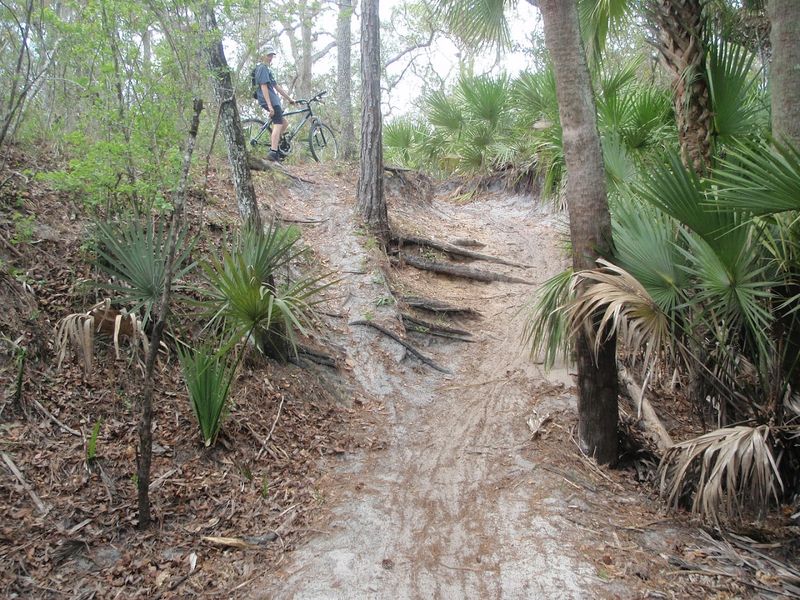
Your boots crunch on palmetto fronds as the trail winds between towering pines and ancient oaks. Hiking these riverside forests provides completely different perspectives than viewing from water level.
Trail systems throughout the conservation areas allow exploration of diverse habitats from high sandhills to low floodplain forests.
The Econlockhatchee Trail extends for miles through Little Big Econ State Forest, crossing various terrain types that support different plant and animal communities. Elevation changes surprise visitors who expect Florida to be uniformly flat—these sandhills rise significantly above the river valley, creating challenging climbs.
Benches placed at scenic overlooks provide rest spots where hikers can appreciate the surrounding wilderness.
Trail difficulty ranges from easy boardwalk strolls suitable for all ages to challenging backcountry routes that require good fitness levels. Marked loops allow hikers to choose appropriate distances matching their abilities and available time.
Summer heat makes hiking strenuous, so most serious hikers visit between October and April when temperatures stay comfortable.
Interpretive trails featuring educational signage help visitors understand the ecological relationships that make these forests function. Primitive camping opportunities exist in designated areas for backpackers wanting overnight adventures.
Trail maps available at trailheads show distances, difficulty levels, and points of interest, though GPS devices or phone apps provide additional navigation security in this extensive trail network.
Photography Paradise for Nature Lovers
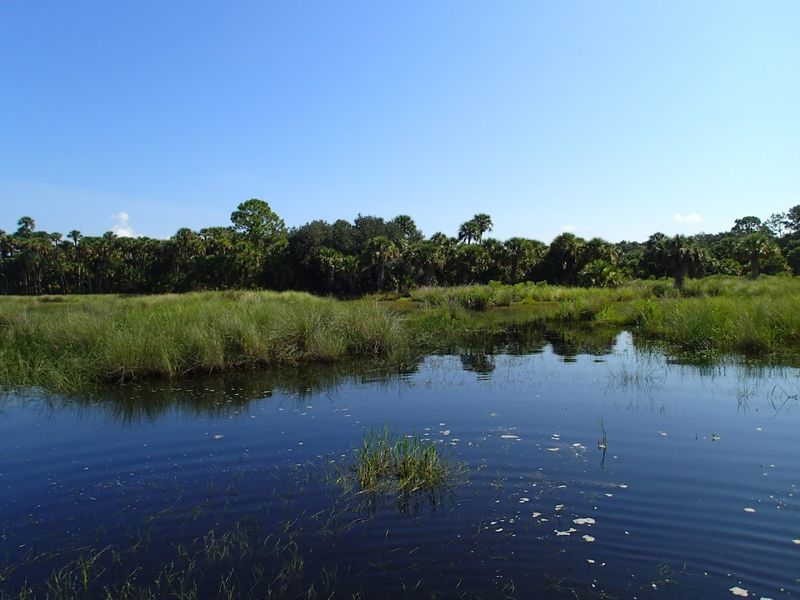
Morning mist rises from the dark water as golden light filters through Spanish moss, creating the kind of scene that makes photographers wake before dawn. Every season brings different photographic opportunities along this river, from dramatic storm clouds reflected in still water to delicate wildflowers blooming along sunny banks.
The combination of diverse habitats and dramatic lighting creates endless compositional possibilities.
Wildlife photographers particularly appreciate the Econlockhatchee because animal populations here tolerate closer approaches than in heavily trafficked areas. Patient observers can capture intimate portraits of wading birds, detailed shots of basking turtles, and action images of ospreys diving for fish.
The river’s natural beauty provides stunning backdrops that eliminate the need for extensive editing.
Landscape photographers find inspiration in the towering cypress trees, their reflections doubling in calm water during windless conditions. Sunrise and sunset hours paint the forest in warm tones that transform ordinary scenes into extraordinary images.
Foggy mornings create moody atmospheres that skilled photographers leverage into memorable photographs.
Waterproof camera housings allow photographers in kayaks to capture unique perspectives from water level without risking expensive equipment. Telephoto lenses prove essential for wildlife work, while wide-angle lenses capture the forest’s encompassing presence.
Local photography groups organize regular outings here, sharing knowledge about optimal shooting locations and seasonal highlights that help newcomers avoid common mistakes.
Peaceful Solitude Away From Crowds
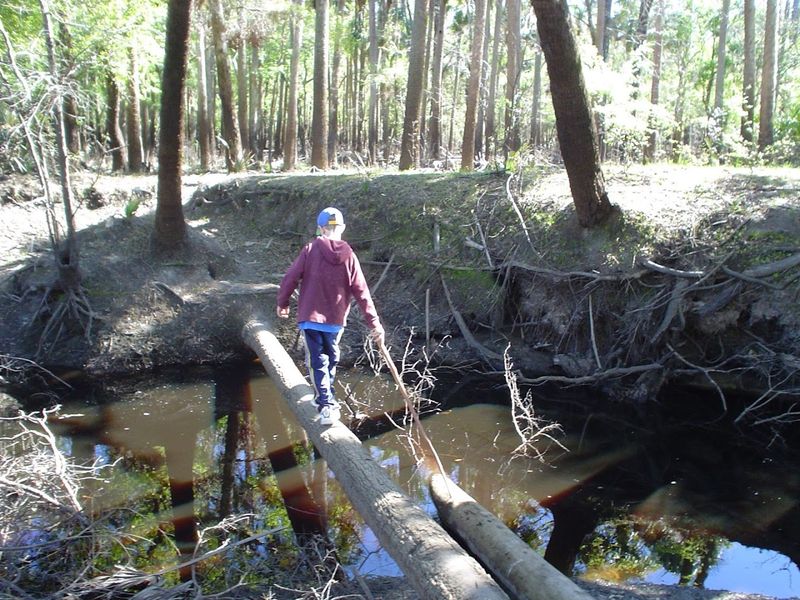
Silence wraps around you like a blanket as the last echo of civilization fades behind. Unlike Florida’s tourist-packed beaches and crowded theme parks, the Econlockhatchee offers something increasingly rare—genuine solitude where hours pass without encountering another soul.
This quietness allows stressed minds to decompress and busy thoughts to settle into the river’s gentle rhythm.
Weekday visits especially provide isolation that weekend warriors never experience. Even during popular times, the river’s length spreads visitors thin enough that everyone finds private stretches.
The lack of development along protected shorelines means no houses, no docks, no lawn mowers—just uninterrupted wilderness extending in all directions.
Many visitors report feeling transported to old Florida, the state that existed before mass tourism transformed coastal areas. Sitting quietly in a kayak while the current slowly carries you downstream creates meditative experiences that refresh mental health.
The river doesn’t rush you or demand anything except presence.
Families seeking technology-free bonding time find the river’s isolation forces reconnection without digital distractions. Solo adventurers discover the confidence that comes from navigating wilderness independently.
The peace here isn’t empty or boring—wildlife activity, changing scenery, and subtle sounds of wind through trees provide constant gentle stimulation that engages without overwhelming. This balance between activity and tranquility explains why many visitors return repeatedly, seeking what they find nowhere else.
Seasonal Transformations of the River
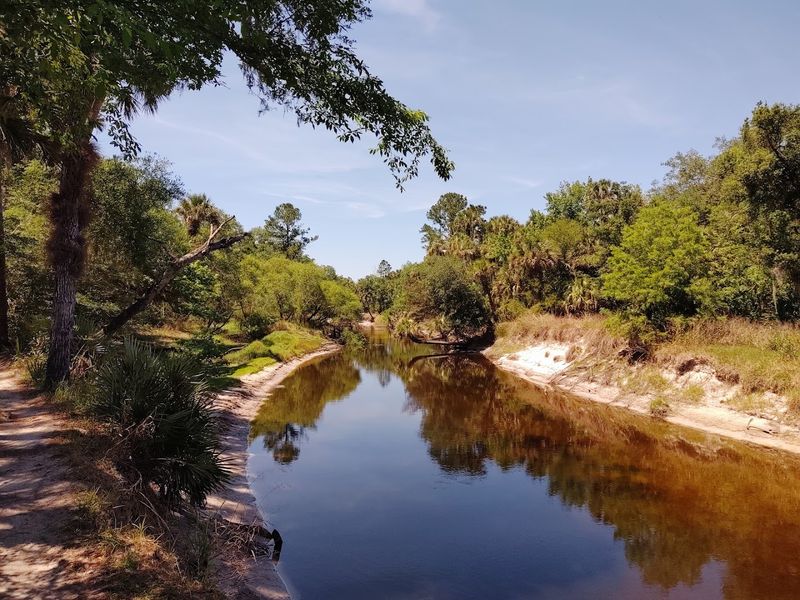
Spring arrives with explosions of green as dormant plants awaken and trees flush with new growth. The river transforms throughout the year, offering different experiences depending when you visit.
Understanding these seasonal changes helps visitors time trips to match their interests and maximize enjoyment of this dynamic ecosystem.
Summer brings high water levels from afternoon thunderstorms, filling the channel and flooding low areas that remain dry other times. The lush growth creates maximum jungle atmosphere, though heat and humidity challenge unprepared visitors.
Wildlife activity peaks during cooler morning and evening hours when animals avoid midday temperatures.
Fall colors arrive subtly in Florida compared to northern states, but cypress needles turning rust-orange before dropping create beautiful seasonal displays. Water levels typically drop during autumn months, concentrating fish in deeper holes and creating exposed sandbars perfect for lunch stops.
Cooler temperatures make this season ideal for extended paddling trips and hiking excursions.
Winter strips deciduous trees bare, opening views through the forest and improving wildlife spotting opportunities. Cold fronts occasionally drop temperatures enough to discourage swimming but rarely prevent boating.
Spring wildflowers begin appearing by late winter, signaling the cycle’s renewal. Migratory birds passing through add species diversity not present during other seasons.
Each visit reveals something different, encouraging return trips across multiple seasons to appreciate the river’s full character and ecological complexity.