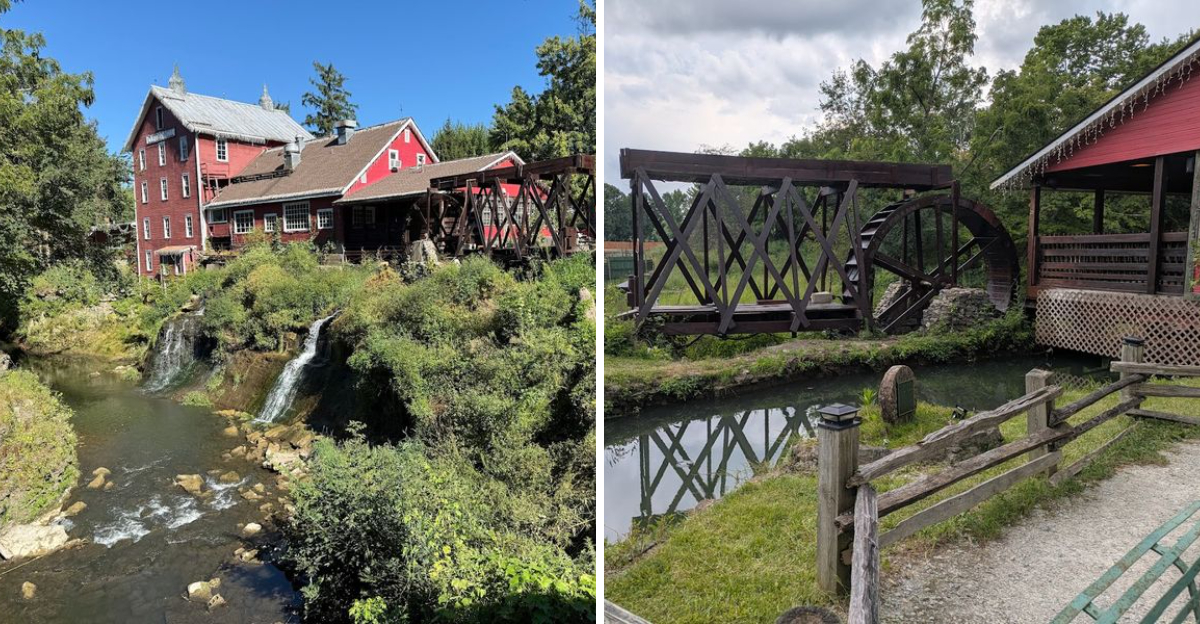
Some places don’t feel real the first time you see them — Clifton Mill is one of those places.
Tucked into southwestern Ohio, this historic spot looks like it escaped from the pages of a storybook and landed beside a rushing river. Water crashes over rocky ledges, a covered bridge stretches across the scene, and the whole place seems to hum with its own personality.
Then comes the surprise: this isn’t some carefully built attraction pretending to be old. Clifton Mill has been working since 1802, with generations of history packed into every corner and every weathered beam.
Visit on a quiet afternoon or during the famous holiday lights, and the feeling stays the same. Clifton Mill doesn’t just give visitors something to see — it pulls them into a place that feels wonderfully removed from everyday life.
A 200-Year-Old Landmark That Still Feels Alive
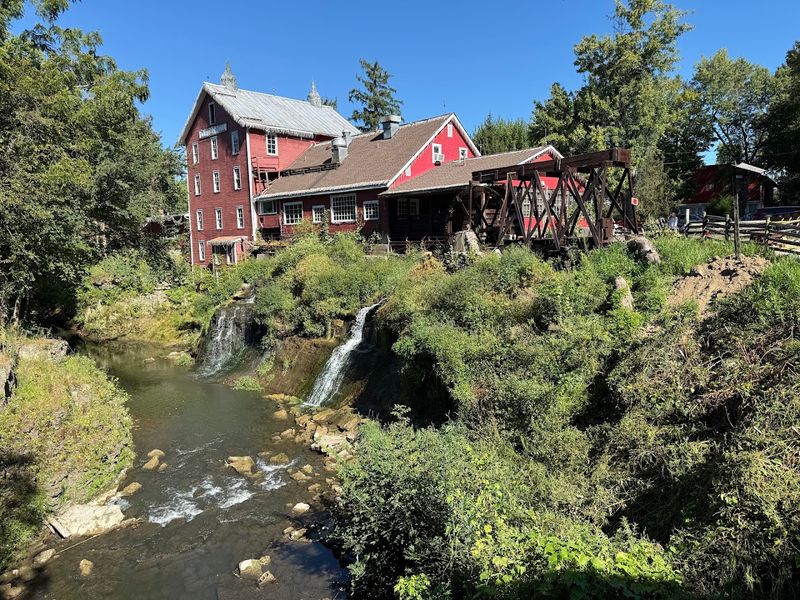
Built in 1802, Clifton Mill stands as one of the largest water-powered grist mills still operating in the United States. Walking through its doors feels different from visiting a typical museum where everything sits behind glass and ropes.
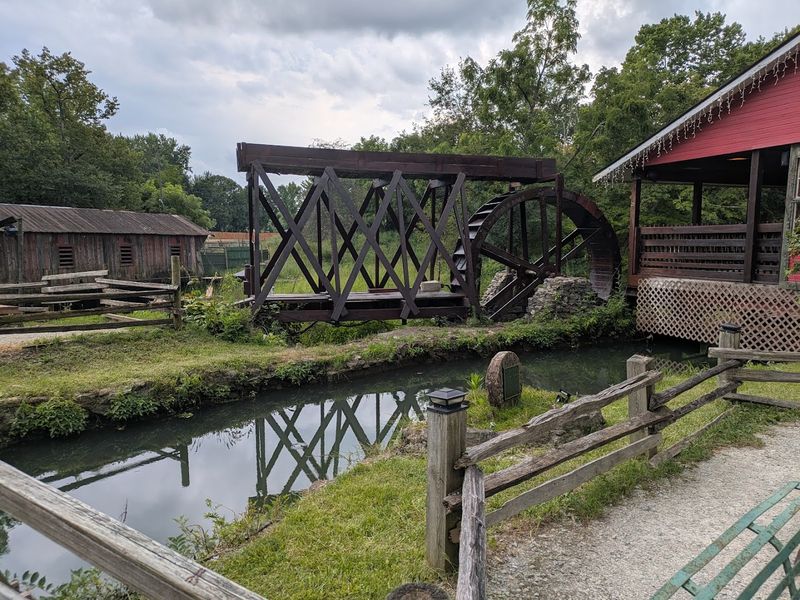
The machinery still turns, the millstones still grind, and the whole building hums with the energy of running water pushing wooden gears and wheels.
Visitors can watch flour being ground the same way it was over two centuries ago. The smell of fresh-ground grain fills the air, and you can purchase bags of pancake mix, cornmeal, or wheat flour made right there on site.
This creates a connection to the past that feels genuine rather than staged.
What makes this mill truly special is how it bridges time periods without feeling frozen in history. Modern safety features exist, but they blend seamlessly with original wooden beams, stone foundations, and iron mechanisms.
You sense the continuous line of millers and visitors who have walked these same floors across generations, making history feel like a living, breathing presence rather than something distant and untouchable.
The Tiny Village Setting Makes It Feel Hidden Away
Clifton itself might be one of the smallest villages you will ever visit, with a population hovering around just 100 residents. This miniature size creates an immediate sense of discovery, as if you have stumbled upon a secret that most people rush past on their way to bigger attractions.
There are no shopping malls, chain restaurants, or traffic lights to break the spell.
Driving into Clifton means leaving behind the noise and crowds of modern life. Narrow country roads wind through wooded areas before suddenly revealing the village center.
Old homes with front porches line the streets, and you might see more bicycles than cars parked along the curbs.
This tucked-away quality makes your arrival feel intentional and special. You have made an effort to seek out something authentic, and the village rewards that choice with genuine quiet and charm.
Unlike destinations where tour buses unload hundreds of visitors at once, Clifton maintains an intimate scale that lets you explore at your own pace and truly absorb the peaceful atmosphere surrounding the historic mill.
Waterfalls, Gorge Views, And The Sound Of Running Water Everywhere
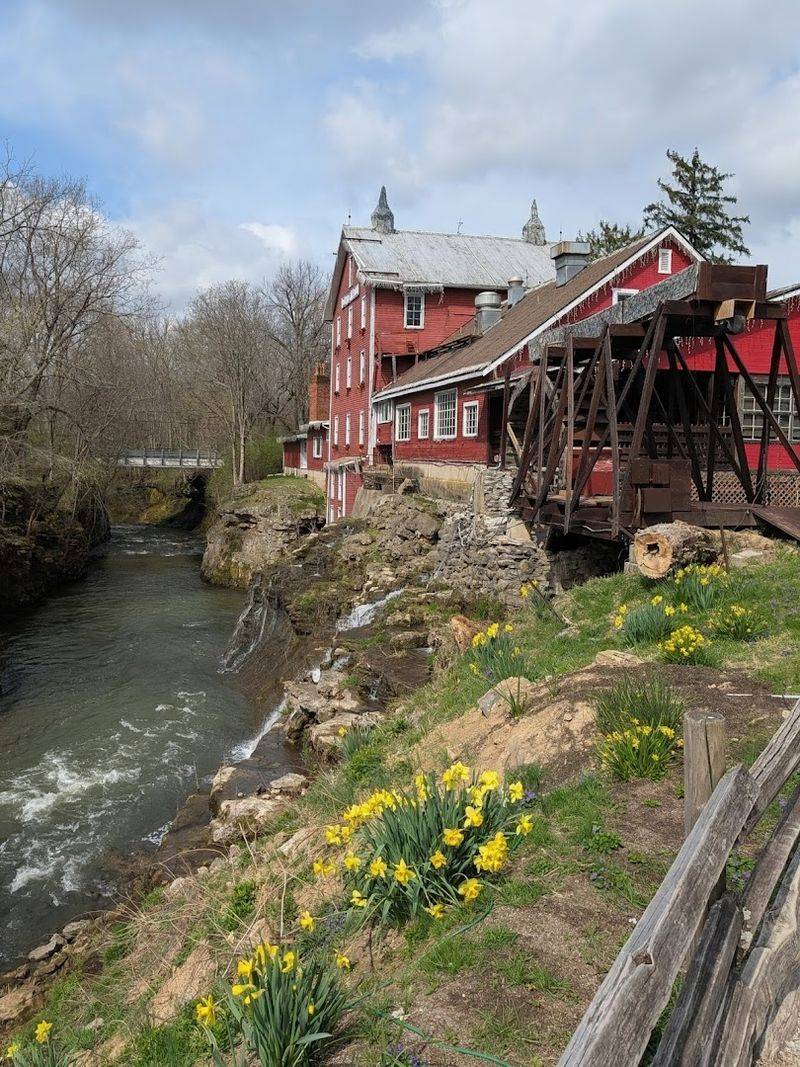
The Little Miami River flows directly past the mill building, creating a constant soundtrack of rushing water that fills the air. Multiple small waterfalls cascade over limestone formations, sending up fine mist on sunny days and creating natural white noise that instantly relaxes visitors.
The water does not just provide scenery; it powers the entire mill operation, connecting beauty with function.
Standing on the grounds, you are surrounded by the dramatic gorge carved by centuries of water flow. Rocky cliffs rise on both sides of the river, covered with moss and dotted with trees that lean out over the water.
The gorge creates natural elevation changes that give you different perspectives depending on where you stand.
Pathways let you explore various viewpoints, each offering new angles on the waterfalls and river. During different seasons, the water level changes, creating varied effects from gentle trickles in late summer to roaring torrents during spring runoff.
This dynamic natural setting transforms the mill grounds into something that feels alive and constantly shifting, rather than a static historical display.
The Covered Bridge Looks Like Something From Another Era
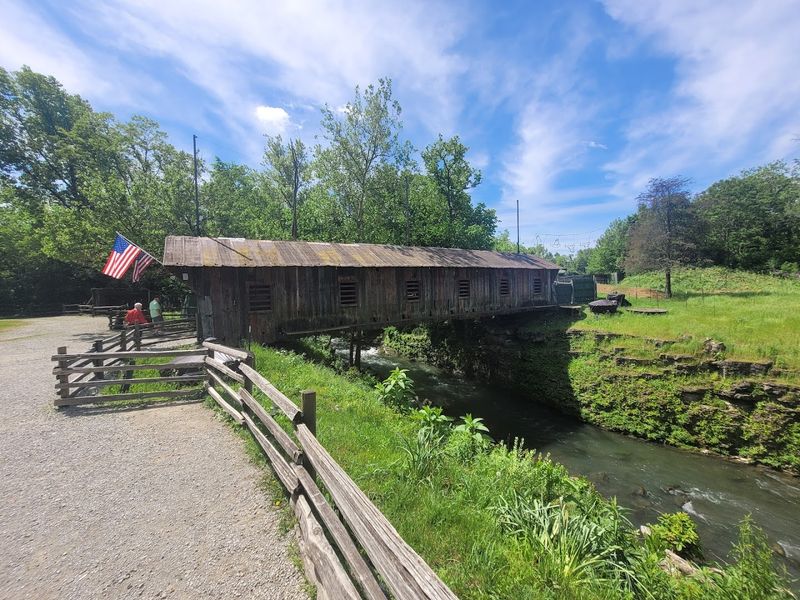
Crossing the authentic covered bridge near Clifton Mill feels like stepping through a portal into the 1800s. These wooden structures once dotted rural America by the thousands, but today only a few hundred remain standing.
The bridge at Clifton continues serving its original purpose, carrying foot traffic across the Little Miami River just as it has for generations.
Photographers gather at all hours to capture this bridge framed by water, mill buildings, and seasonal foliage. The covered design protected the wooden trusses from weather damage, extending the bridge’s lifespan while creating that distinctive tunnel effect as you walk through.
Inside, you can see the massive hand-hewn beams and wooden pegs that hold everything together without modern hardware.
The bridge serves as more than just a crossing point; it acts as a visual anchor that ties the entire scene together. When people imagine a perfect historic mill setting, this covered bridge is exactly what they picture.
Its presence elevates Clifton Mill from interesting to iconic, creating that storybook quality that makes visitors feel transported to a simpler, more picturesque time.
You Can See How Early America Actually Worked
History textbooks can describe pre-industrial America, but seeing a working grist mill demonstrates how communities actually functioned before electricity and modern technology. At Clifton Mill, you watch water power being converted into mechanical energy through a series of ingenious wooden gears, leather belts, and iron shafts.
Nothing here runs on motors or computer controls.
Tour guides explain how farmers would bring their grain harvests to mills like this one for processing. The miller would take a portion of the ground flour as payment, creating a barter economy that seems almost alien to modern visitors accustomed to cash transactions.
You see the actual millstones, weighing hundreds of pounds each, rotating at carefully controlled speeds to avoid overheating the grain.
Educational displays show different stages of grain processing, from raw wheat to finished flour. Children especially benefit from this hands-on history lesson, understanding concepts like water wheels and mechanical advantage through direct observation rather than abstract explanations.
The mill proves that early Americans were sophisticated engineers who solved complex problems using available materials and natural power sources with remarkable creativity and skill.
The Historic Details Keep Appearing Around Every Corner
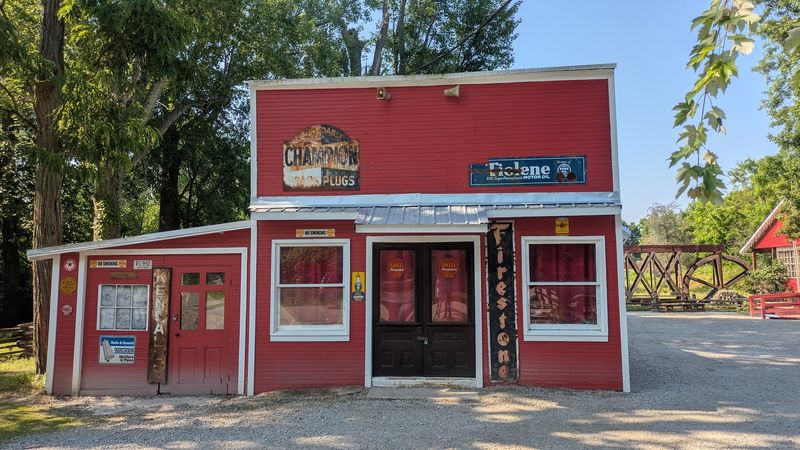
Beyond the main mill building, Clifton surprises visitors with layers of preserved history waiting to be discovered. A vintage 1940s Sinclair gas station sits nearby, complete with original pumps and signage that transport you to the era of post-war America when road trips were becoming the national pastime.
The station building remains perfectly preserved, looking like it could serve customers tomorrow if someone simply turned on the pumps.
Inside the mill, you find collections of antique tools, photographs showing the mill through different decades, and artifacts from daily life in the 1800s. Old advertisements painted on wooden signs, vintage farm equipment, and period household items create a museum-quality experience without the formal stuffiness of traditional museums.
Even small architectural details reward careful observation: hand-forged nails in wooden beams, worn stone steps shaped by thousands of footsteps, original window glass with wavy imperfections that modern manufacturing cannot replicate. These authentic touches accumulate into an overwhelming sense of genuine age and continuous use.
Nothing feels recreated or artificially aged, which makes exploring the grounds feel like a genuine treasure hunt for historical gems.
The Restaurant Turns A Visit Into A Full Experience
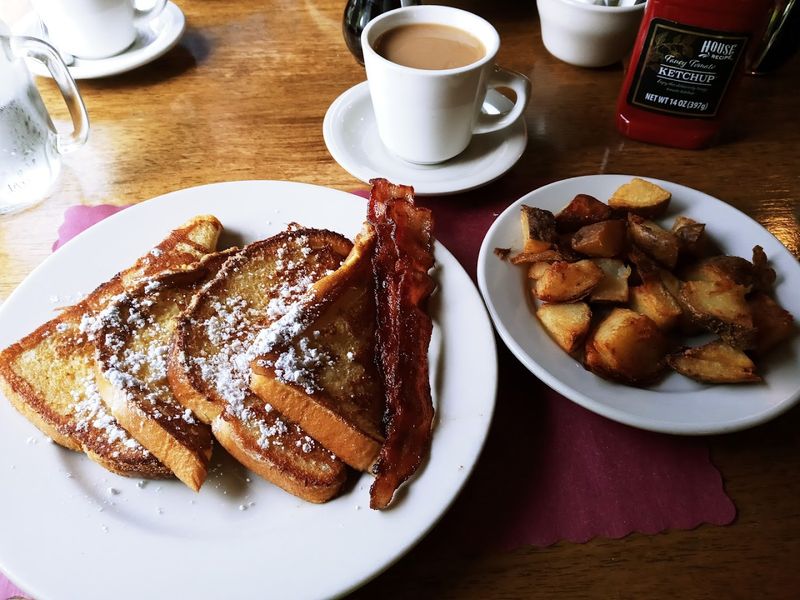
Eating breakfast or lunch at Clifton Mill transforms a simple sightseeing stop into a memorable several-hour experience. The restaurant occupies space within the historic complex, with dining room windows overlooking the rushing waterfalls and gorge below.
You can enjoy pancakes made from flour ground in the same building while watching the water wheel turn just outside.
The menu focuses on hearty, traditional American fare that matches the historic setting perfectly. Famous for their massive pancakes made with stone-ground flour, the restaurant also serves country ham, eggs, and other breakfast items that feel appropriate to the rural Ohio location.
Lunch offerings include sandwiches, soups, and salads that emphasize comfort over trendy fusion cuisine.
Dining here means slowing down and savoring both food and atmosphere rather than grabbing something quick on your way elsewhere. Many visitors arrive early for breakfast before the lunch crowds, securing window seats where they can linger over coffee while taking in views that change with shifting sunlight.
This combination of good food, historic ambiance, and natural beauty creates satisfaction that goes beyond just filling your stomach, making the meal itself part of the destination’s magic.
The Holiday Lights Have Become An Ohio Tradition
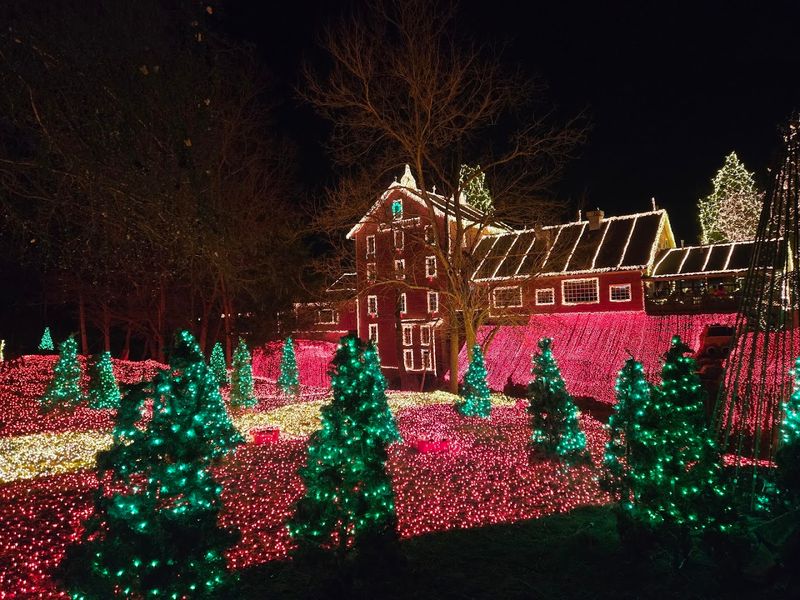
Every year from mid-November through December, Clifton Mill undergoes a spectacular transformation into one of Ohio’s most beloved holiday attractions. More than three million LED lights cover every surface: the mill building, covered bridge, surrounding trees, and even the gorge walls.
The display has become so famous that it draws visitors from several states who plan their holiday season around seeing these lights.
What makes this light display special is how it enhances rather than overwhelms the natural setting. The lights follow the contours of the historic buildings and natural landscape, creating a glowing wonderland that still lets you recognize the mill’s original character.
Visitors walk the illuminated paths while Santa Claus makes appearances, and festive music plays softly in the background.
For many Ohio families, viewing the Clifton Mill lights has become an annual tradition passed down through generations. People who first visited as children now bring their own kids, creating lasting memories in the same magical setting.
The holiday display also introduces new audiences to the mill who might return during other seasons to experience its daytime charm and learn more about its fascinating history.
It Feels More Like A Movie Set Than A Tourist Stop
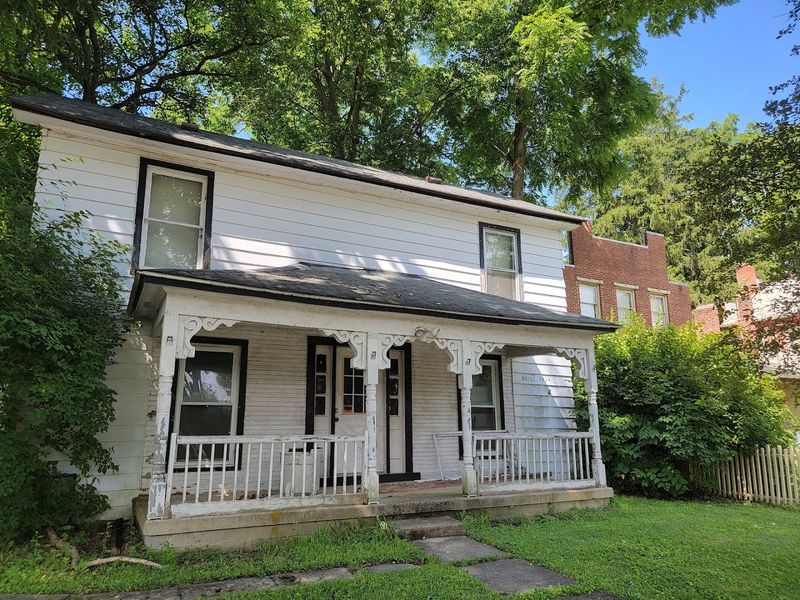
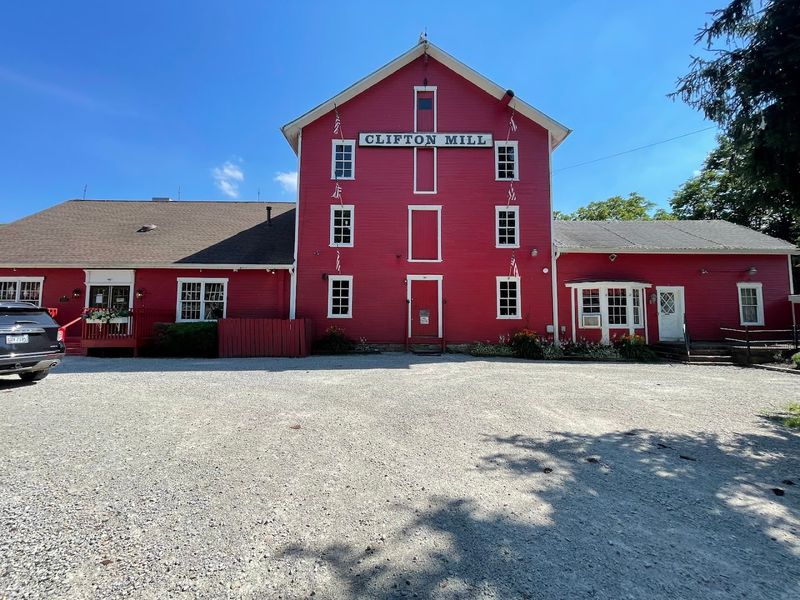
Something extraordinary happens when all of Clifton Mill’s elements come together in one view. The red wooden mill building rises beside rushing waterfalls, the covered bridge frames the scene perfectly, trees arch overhead, and the quiet village provides an authentic backdrop without modern intrusions.
Directors seeking a perfect period setting could hardly design something more ideal.
This cinematic quality comes from how genuine everything appears. There are no fake facades or reconstructed replicas trying to look old.
Every building, bridge, and water feature serves real purposes and has weathered actual decades or centuries. The Little Miami gorge was carved by natural forces over thousands of years, not landscaped by designers trying to create visual appeal.
Visitors constantly comment that the scene looks “too perfect to be real,” yet Clifton Mill’s magic stems precisely from its authenticity. The magical feeling emerges because you are standing in an actual place where history, nature, and small-town life have organically combined into something remarkable.
Unlike theme parks that manufacture atmosphere, Clifton Mill simply is what it is, and that unpretentious reality creates a spell that carefully constructed imitations could never match.
Visitor Information
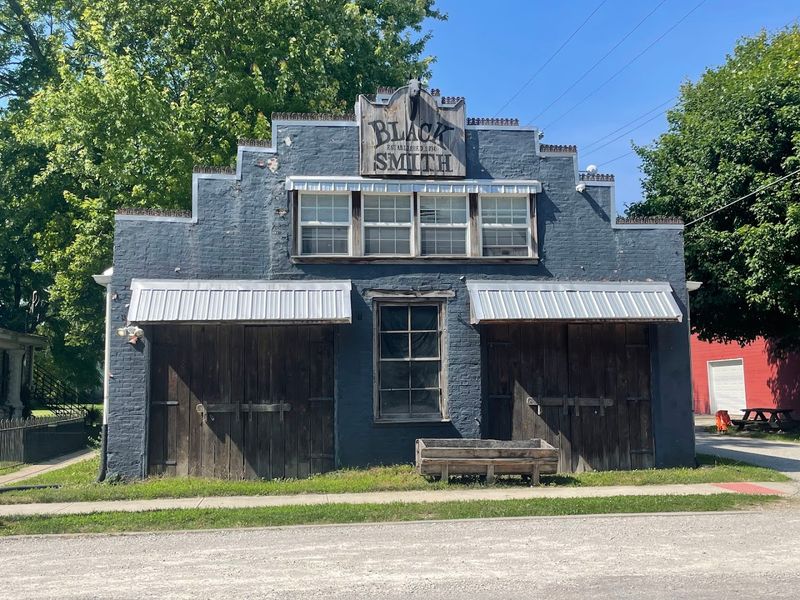
Clifton Mill is located at 75 Water Street in Clifton, Ohio, approximately 15 miles east of Dayton and easily accessible from Interstate 70 and Interstate 75. The small village location means you should rely on GPS directions, as the rural roads can be tricky to navigate without guidance.
Parking is available on-site, though spaces fill quickly during peak holiday season and weekend mornings.
The mill restaurant and grounds typically operate weekdays from 9 a.m. to 3 p.m. and weekends from 8 a.m. to 4 p.m., though these hours vary by season. During the famous Christmas light display season, extended evening hours allow visitors to experience the millions of lights after dark.
The lights usually run from mid-November through early January, weather permitting.
Before planning your visit, check the official Clifton Mill website or call ahead to confirm current hours and special event schedules. Mill tours, grinding demonstrations, and restaurant availability can change based on staffing and maintenance needs.
Holiday weekends especially require flexibility, as the site sometimes reaches capacity. Visiting during weekday mornings offers the most peaceful experience with fewer crowds, letting you fully appreciate this magical piece of Ohio history.