Tucked away in Lancaster County, Hershey Farm Restaurant has earned a reputation that brings hungry travelers from every corner of Pennsylvania.
This isn’t just another place to grab a meal – it’s where traditional Pennsylvania Dutch cooking meets genuine hospitality in a countryside setting that feels worlds away from everyday life.
Families plan their trips around visiting this beloved Strasburg landmark, where generous buffets and homestyle recipes have created loyal fans for generations.
Whether you’re craving comfort food or searching for an authentic taste of Amish country, this restaurant delivers an experience worth the drive.
Why People Are Driving Across Pennsylvania for This Amish-Style Restaurant
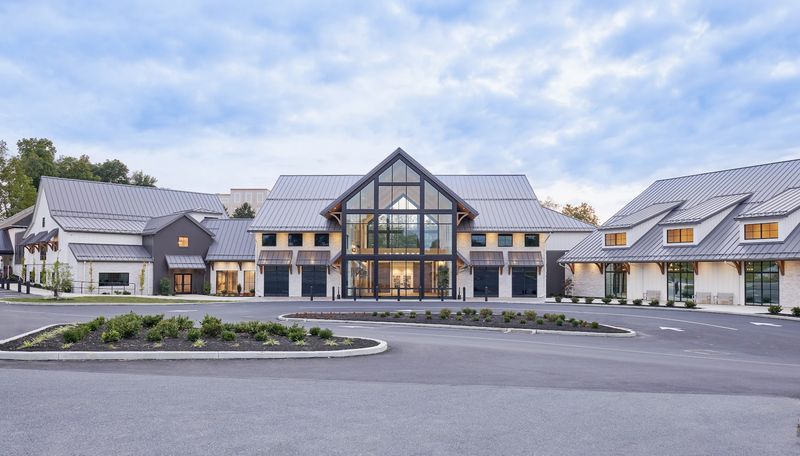
Pennsylvania offers thousands of dining choices, yet visitors consistently make the journey to Strasburg for something chain restaurants simply cannot replicate. Traditional food prepared the old-fashioned way creates memories that keep families returning year after year.
The Lancaster County atmosphere wraps around guests the moment they arrive, offering an escape that feels like stepping back in time.
Word-of-mouth recommendations have built this restaurant’s reputation across the state. Friends tell friends about generous portions and authentic flavors that remind them of grandmother’s kitchen.
Social media posts showing heaping plates and satisfied smiles convince others to make the drive themselves.
Location matters less when the destination offers genuine character and quality worth traveling for. Highway exits fill with visitors heading to experience what loyal patrons already know.
The restaurant proves that exceptional food and atmosphere create their own gravity, pulling people across county lines and state highways to share in something truly special that modern dining culture rarely delivers anymore.
Nestled in the Heart of Amish Country
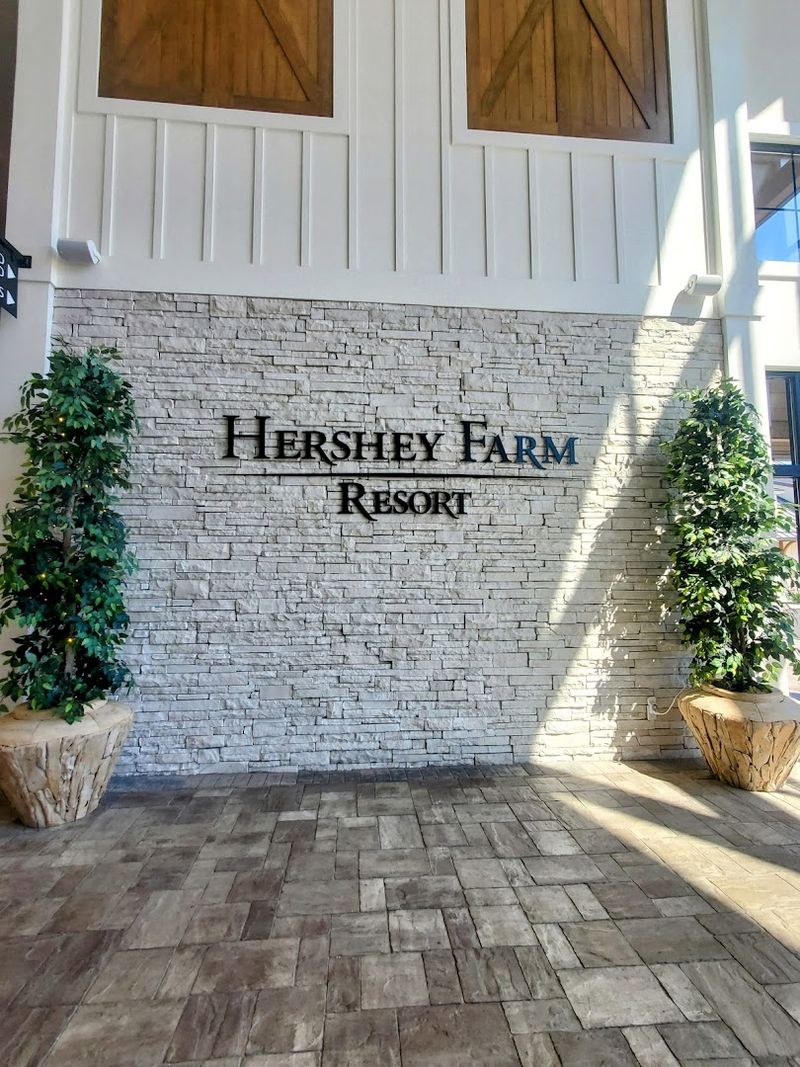
Rolling farmland stretches in every direction around Strasburg, creating a backdrop that immediately signals something different awaits. Horse-drawn buggies share roads with modern vehicles, reminding visitors they’ve entered territory where tradition still shapes daily life.
The scenery alone begins preparing guests for the authentic experience ahead.
Lancaster County’s Pennsylvania Dutch heritage runs deep here, visible in neat farms and roadside produce stands dotting the landscape. Generations of families have maintained agricultural traditions that give the region its distinctive character.
Visitors driving through this countryside understand why the restaurant’s location enhances its appeal – genuine Amish country surroundings cannot be faked.
The slower pace of rural life becomes noticeable as city stress melts away. Fields of corn and grazing livestock replace concrete and traffic lights.
By the time guests arrive at the restaurant, they’ve already begun their journey into a different way of living, making the traditional meal ahead feel even more meaningful and worth the miles traveled to experience it.
The Buffet Experience That Keeps Families Coming Back
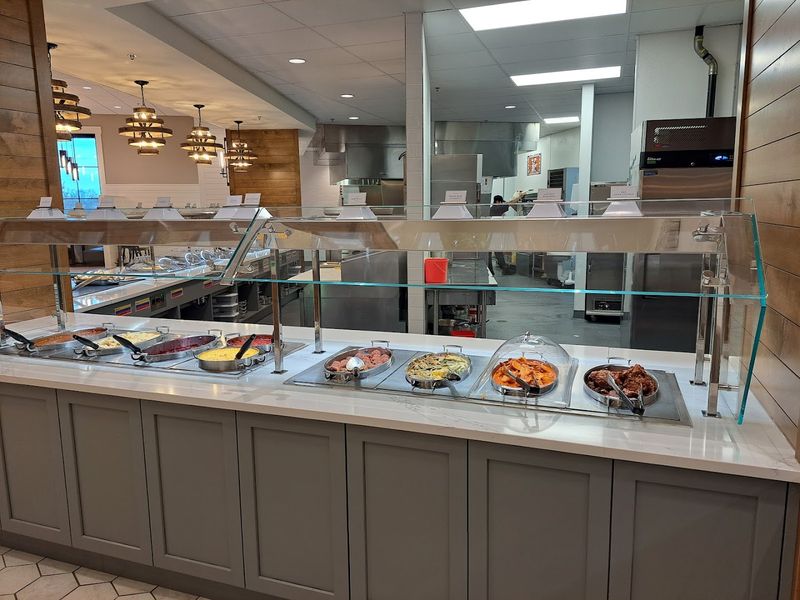
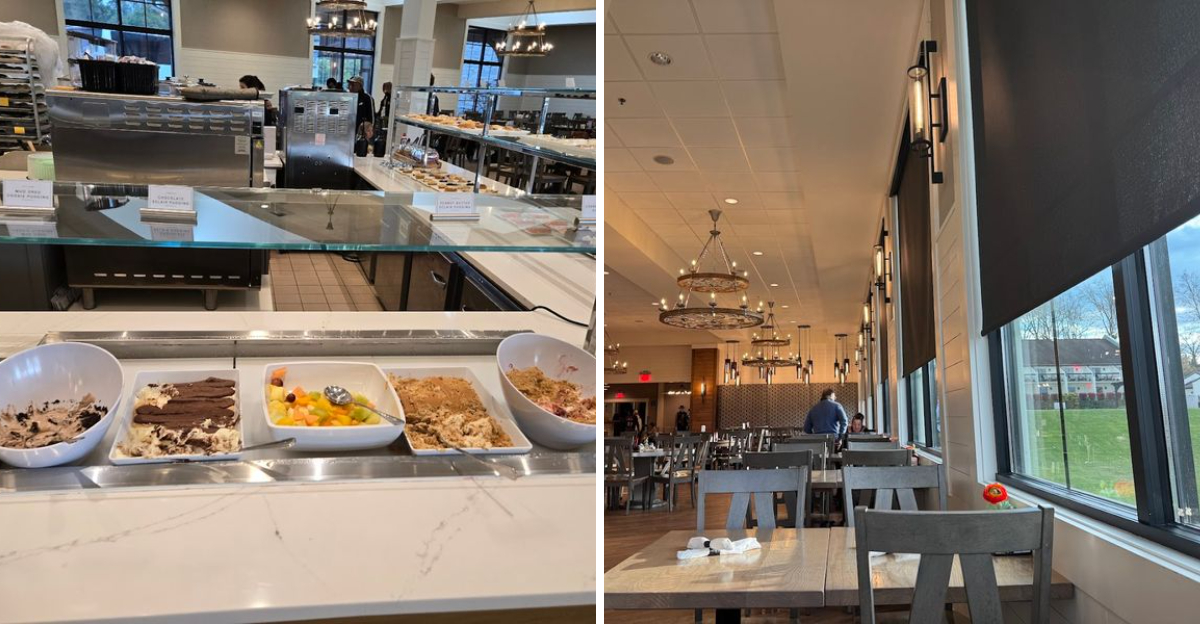
Buffet-style dining suits Pennsylvania Dutch culture perfectly, where abundance signals hospitality and welcoming spirits. Tables stretch long with options that encourage guests to sample widely and return for favorites.
This setup allows everyone to customize their meal while discovering new dishes they might never have tried otherwise.
Variety becomes the hallmark here, with hot stations offering rotation of traditional specialties throughout service hours. Families appreciate how buffets accommodate picky eaters and adventurous palates at the same meal.
Children can choose familiar comfort foods while adults explore authentic regional recipes rarely found elsewhere.
The generous approach means nobody leaves hungry, which aligns with old-fashioned values about feeding guests properly. Multiple trips to refill plates feel encouraged rather than frowned upon.
This abundance creates lasting impressions that transform first-time visitors into regulars who bring their own families years later, continuing the cycle of appreciation for dining traditions that prioritize satisfaction and sharing meals together over rushing through courses.
Pennsylvania Dutch Comfort Food Takes Center Stage
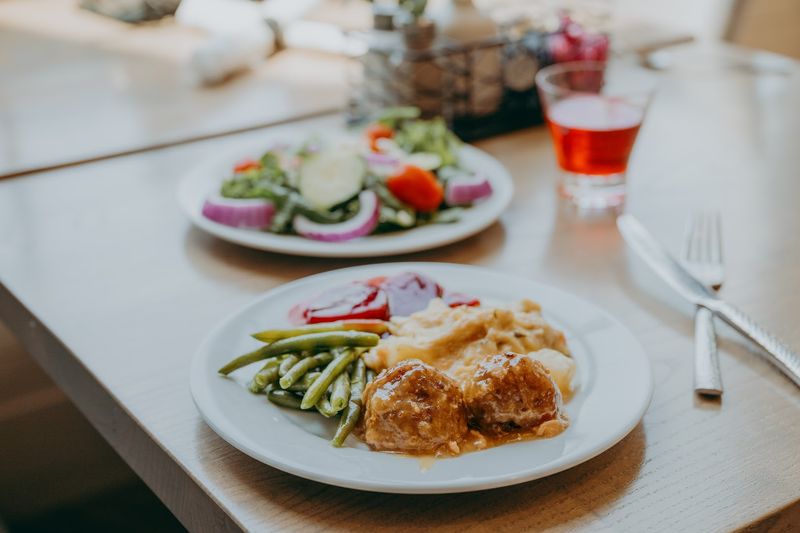
Hearty recipes define Pennsylvania Dutch cooking, built on ingredients that sustained farming families through long workdays. Chicken pot pie appears with thick noodles and rich broth, completely different from the pastry-topped version most Americans recognize.
Sausages seasoned with traditional spice blends deliver flavors perfected over generations of farmhouse kitchens.
Mashed potatoes reach legendary status here, creamy and buttery enough to satisfy the pickiest critics. Green beans cooked slow with ham bring vegetable sides beyond basic steamed offerings.
Every dish reflects methods grandmothers used, when cooking from scratch remained the only option and recipes passed through families by watching and learning.
The menu changes with seasons, incorporating fresh produce when available and preserving traditions during winter months. Comfort food here means substantial portions that stick with you, built for people doing physical labor.
Modern diners appreciate these filling meals even if their workdays happen behind desks. Authentic Pennsylvania Dutch cuisine proves timeless because good food transcends trends and satisfies fundamental human needs for nourishment.
Freshly Made Dishes That Feel Like Home Cooking
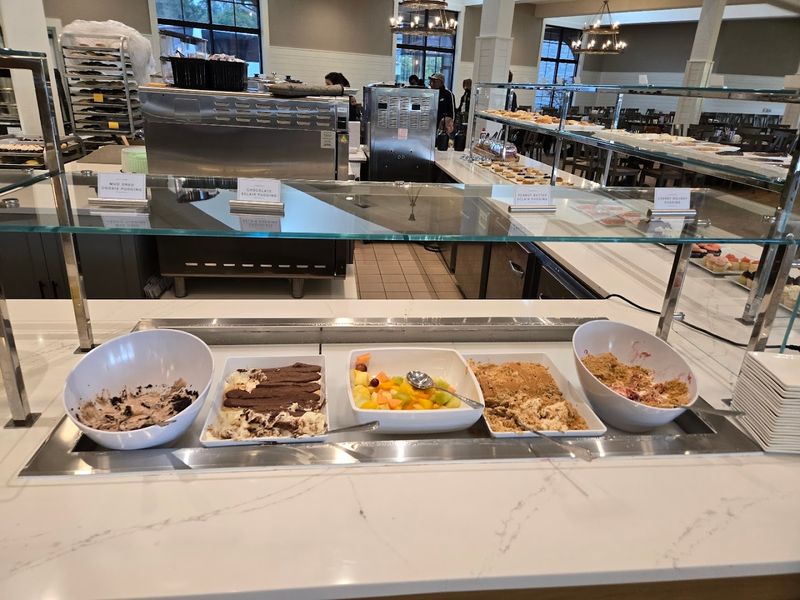
Scratch-made preparation separates memorable meals from forgettable ones, and this commitment shows in every bite. Vegetables get peeled and chopped daily rather than arriving pre-cut in plastic bags.
Breads rise in ovens that fill the air with yeasty aromas that greet guests before they even sit down.
Traditional methods take more time but produce results that commercially prepared shortcuts cannot match. Gravies simmer slowly to develop depth, and meats cook until tender enough to fall apart.
Cooks follow recipes that prioritize flavor over convenience, understanding that proper technique creates the comforting tastes guests crave.
Homestyle cooking means attention to details that many modern kitchens skip. Seasonings get adjusted by taste rather than measured robotically.
Batches stay small enough to maintain quality control throughout busy services. The difference becomes obvious when familiar dishes taste like something your grandmother would serve rather than factory-produced restaurant food.
This dedication to doing things right explains why visitors drive considerable distances seeking meals that remind them of simpler times and family gatherings.
Don’t Leave Without Saving Room for Dessert
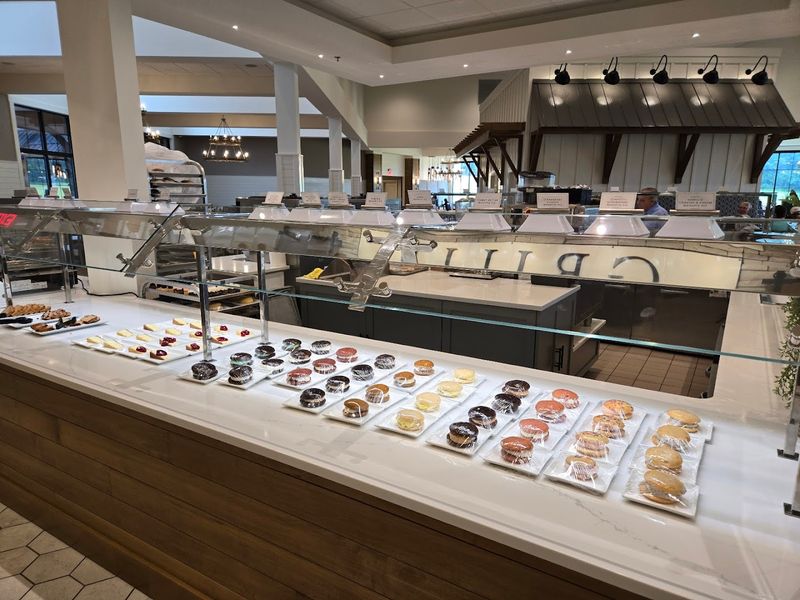
Shoofly pie represents Pennsylvania Dutch baking heritage like no other dessert, with molasses filling and crumb topping that locals grew up eating. This sticky-sweet classic divides into wet-bottom and dry-bottom varieties, both claiming loyal followers.
First-timers often try small slices to decide which camp they’ll join.
Fruit pies rotate with seasonal availability, showcasing apples, cherries, and berries at their peak freshness. Crusts flake properly when made with practiced hands and quality ingredients.
Cakes emerge moist and tender, often featuring simple frostings that let the cake’s flavor shine through without excessive sweetness.
Cookies and whoopie pies tempt guests browsing the bakery area, perfect for taking home when dinner leaves you too full for immediate dessert. Many visitors admit planning their entire meal around saving stomach space for these legendary sweets.
Homemade baked goods have become such a trademark that some people visit primarily for dessert, making entire trips worthwhile just to enjoy treats that capture Pennsylvania Dutch baking traditions in every delicious bite.
The Farm Atmosphere Adds to the Experience
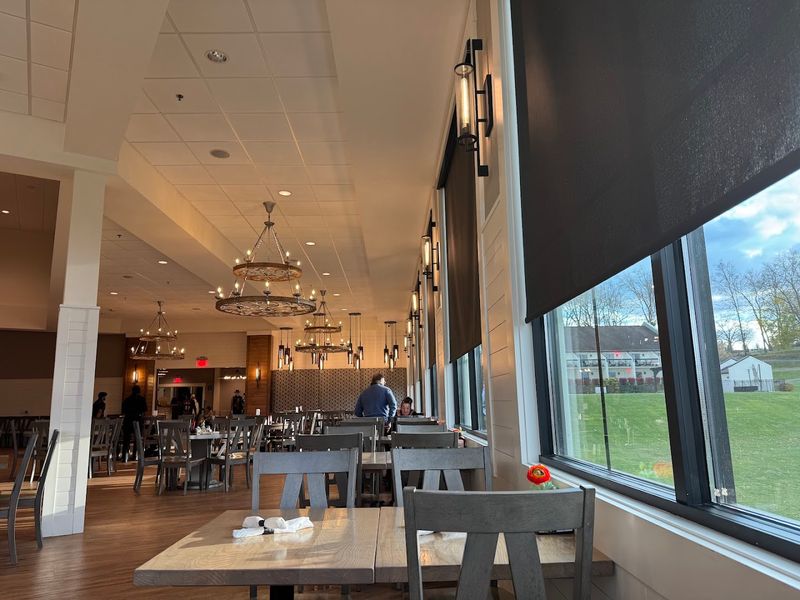
Rustic decor creates ambiance that chain restaurants cannot duplicate, no matter how much focus-group testing they conduct. Wooden beams and farmhouse touches make the space feel genuine rather than manufactured.
Simple decorations reference agricultural heritage without becoming kitschy or overdone.
Countryside views through windows remind diners where they are, with fields and outbuildings visible beyond parking areas. The setting reinforces the connection between food and farming that defined Pennsylvania Dutch culture.
Natural light during daytime hours creates warmth that artificial lighting struggles to achieve.
Large dining rooms accommodate crowds without feeling impersonal or cafeteria-like. Families find space to spread out comfortably while maintaining the communal atmosphere traditional meals encouraged.
The layout balances efficiency with character, allowing servers to work smoothly while guests enjoy their surroundings. This carefully crafted environment makes meals feel special rather than rushed, giving visitors time to relax and appreciate both food and company.
The farm atmosphere transforms ordinary dining into memorable occasions worth photographing and discussing long after plates get cleared away.
Large Portions That Match Traditional Hospitality
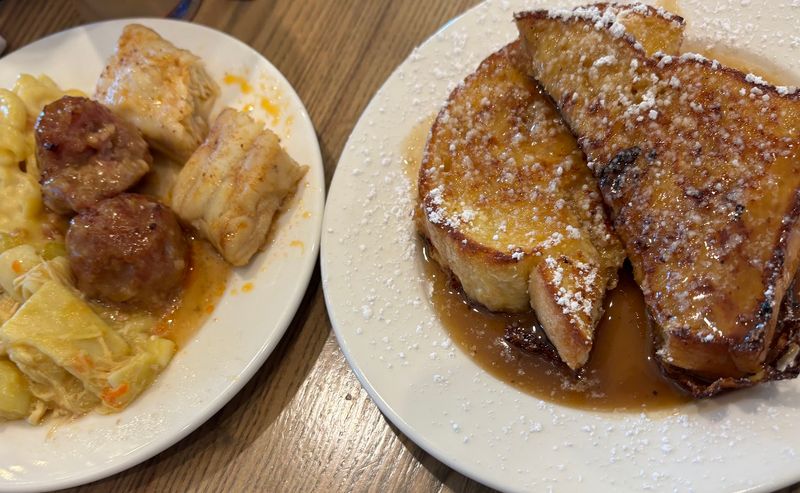
Abundance characterizes Pennsylvania Dutch hospitality, where feeding guests properly meant never letting anyone leave hungry. Portions here reflect this philosophy, arriving on plates that challenge modern expectations about reasonable serving sizes.
Leftovers become expected rather than accidental, with many diners planning ahead by bringing containers.
Traditional farming culture valued substance over presentation, prioritizing nourishment that fueled hard physical labor. Meals needed to sustain families through demanding workdays, making generous helpings practical rather than wasteful.
Modern guests benefit from this heritage even when their daily activities require less caloric intake.
Sharing becomes natural when portions exceed individual appetite, encouraging table conversations and family-style passing of dishes. The buffet format amplifies this abundance further, removing any worry about getting enough food.
This approach creates psychological comfort alongside physical satisfaction, making guests feel genuinely welcomed and cared for. The hospitality extends beyond friendly service into actual substance on plates, demonstrating through actions what words alone cannot convey about valuing visitors enough to feed them exceptionally well.
Visitor Information and Helpful Tips Before You Go
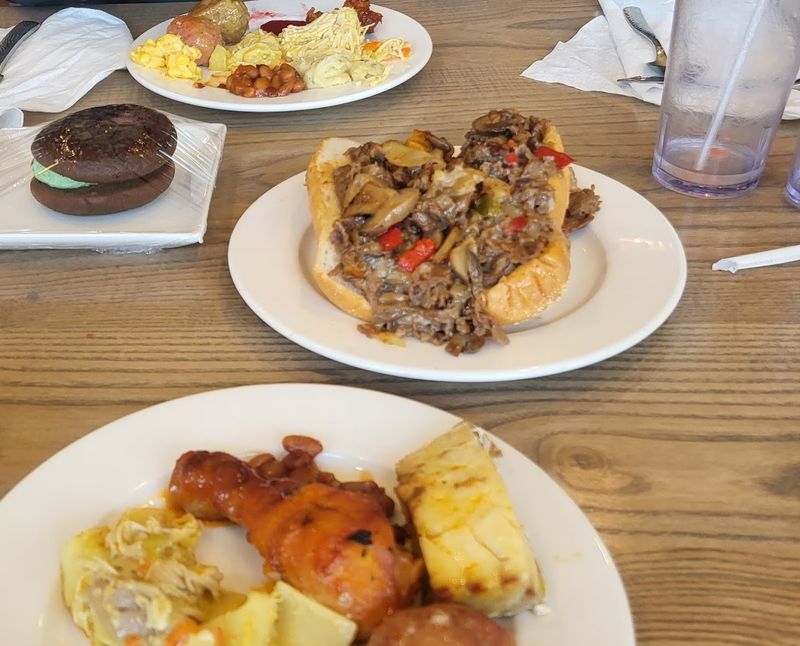
Planning ahead makes any restaurant visit smoother, especially at popular destinations that draw crowds. The restaurant operates at 240 Hartman Bridge Rd, Strasburg, PA 17579, easily accessible from major routes through Lancaster County.
Calling +1 800-827-8635 confirms current buffet schedules and hours before making the drive.
Menu details and seasonal offerings appear on hersheyfarm.com, helping visitors know what to expect. Weekday lunches typically see lighter crowds than weekend dinners, when families and tour groups fill tables quickly.
Arriving hungry remains essential advice given the generous portions and tempting variety awaiting guests.
Busy travel seasons and holiday weekends create peak demand that sometimes requires patience. Summer months bring tourist traffic, while fall attracts visitors enjoying countryside colors.
Spring and early winter offer quieter experiences for those seeking more relaxed meals. Group gatherings benefit from advance notice to ensure adequate seating.
Smart planning transforms good visits into great ones, maximizing enjoyment of traditional Pennsylvania Dutch hospitality and home-cooked meals that keep people driving across the state to experience authentic flavors and welcoming atmosphere.