When the brutal summer heat drops on Florida, spending the day sweating on scorched beach sand or standing on melting theme park asphalt can feel less like a vacation and more like an endurance test.
But hidden away in the quiet, pine-scented woods of North Florida, there is a legendary playground that offers the ultimate antidote to the mid-year swelter.
Ichetucknee Springs State Park doesn’t rely on massive wave pools or artificial water slides to keep you cool.
Instead, it invites you to drop into a pristine, federally protected river fed by nine subterranean springs that stay a flawless, refreshing 72 degrees every single day of the year.
If you are ready to ditch the crowds, and discover how Florida locals actually survive the summer, this cool aquatic sanctuary is waiting for you.
Ichetucknee Springs State Park Overview
Florida can feel loud, hot, and hurried, so the first cold splash here lands like a reset button.
Ichetucknee Springs State Park in Fort White sits at 12087 Southwest US-27, and from the moment I pulled in, the place felt thoughtfully managed rather than overly polished.
With a 4.8-star reputation and thousands of reviews behind it, the park delivers clear water, shaded trails, and a six-mile river that keeps people returning with tubes, masks, and picnic coolers.
The smart move is planning around the two entrances before you arrive.
Ichetucknee Springs State Park works best when you decide early whether your day is for swimming at the north side or tubing and paddling from the south side, because that choice saves time and confusion.
I would also arrive early, especially in warm months, pack goggles, and expect spring water that stays brisk even on a hot day.
Clean restrooms, helpful staff, and easy shuttle options make it friendly for families, first-timers, and anyone who wants nature without a logistical headache.
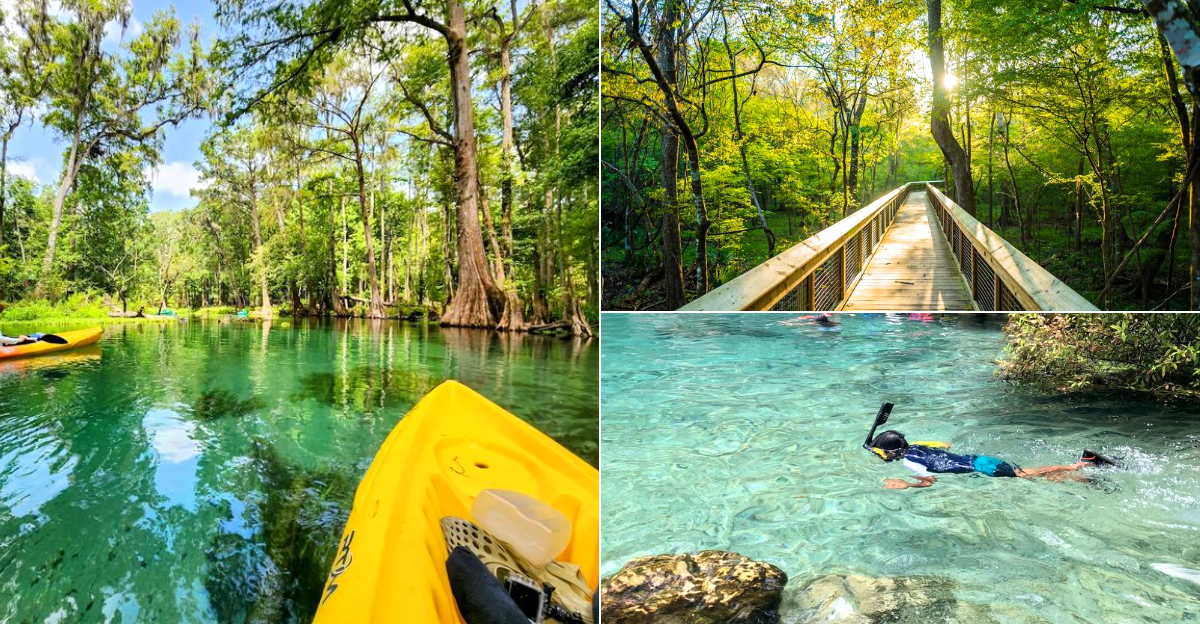
Tubing the Ichetucknee River
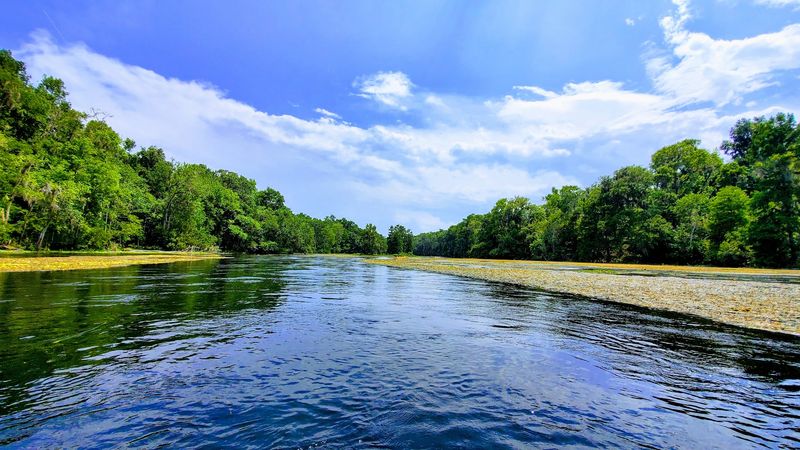
Nothing humbles a summer afternoon faster than stepping into water that feels like a chilled secret.
Tubing the Ichetucknee River is the park’s signature experience, and I quickly understood why people happily wait in line for a tube and shuttle wristband.
The float is relaxed but not sleepy, with enough current to keep you moving and enough scenery to keep your head turning toward cypress knees, fish shadows, and turtles stacked like tiny sunbathers.
The trick is simple: start earlier than you think, because popular launch windows disappear fast.
Tubing the Ichetucknee River also comes with rules that are worth respecting, including restrictions on disposable items and food on the water, and honestly the river feels cleaner because of it.
I liked bringing only the basics, securing sunglasses, and choosing the shuttle instead of pretending I wanted a long tube-carrying walk in Florida heat.
If you want a smoother visit, complete waivers online, ask questions before launching, and keep your expectations realistic – this is peaceful floating, not a private wilderness scene.
Blue Hole Spring
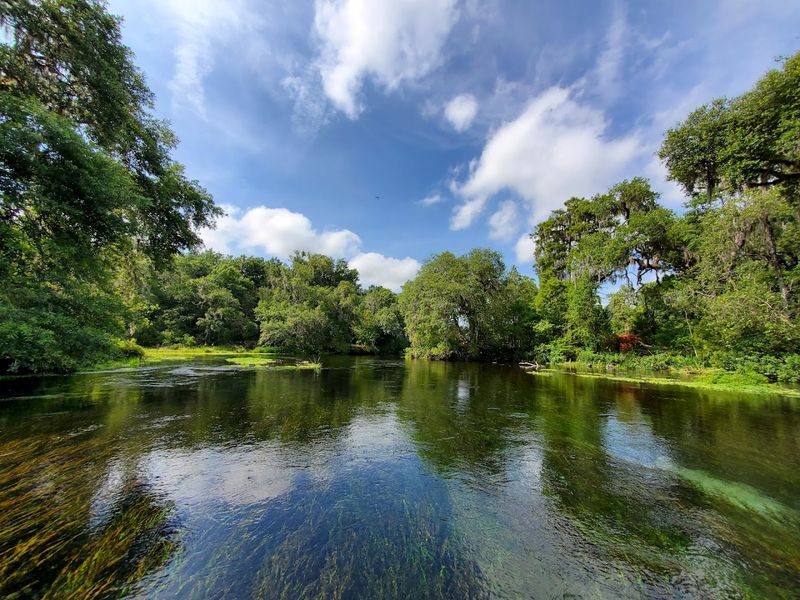
Some places look edited even when they are not, and this one has that effect in person.
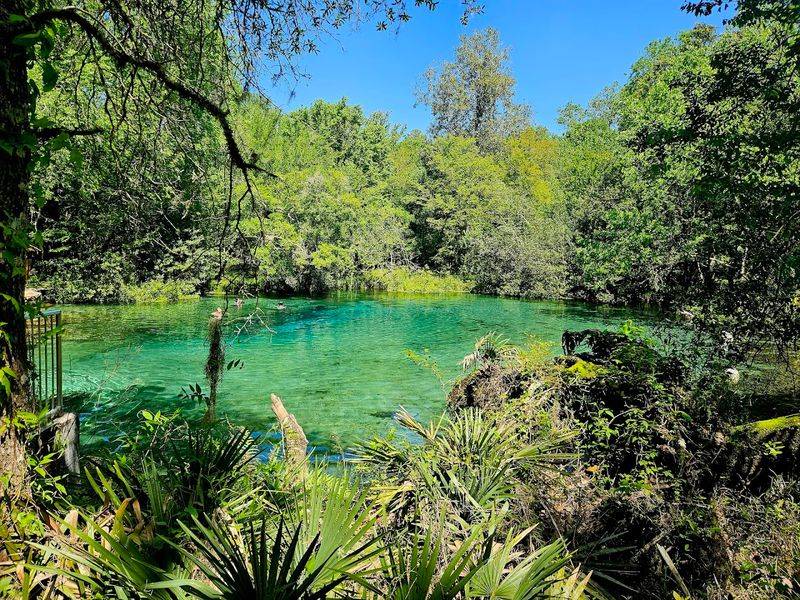
Blue Hole Spring feels deeper, colder, and more dramatic than many visitors expect, with water so clear that every shift in sunlight changes the color from bright turquoise to a darker blue.
I remember reaching the overlook and pausing longer than planned, mostly because the basin has a quiet pull that makes everyone talk softer without being asked.
The best timing here is when the sun is high enough to sharpen visibility through the water.
Blue Hole Spring rewards people who bring goggles or a mask, but it also deserves caution because the water stays cold and the current can feel stronger than it first appears.
If you are traveling with kids or nervous swimmers, this is a good spot to watch first and enter second.
I would wear secure water shoes for slippery rocks, take the short trail slowly, and save a few minutes for simply standing still, because this stop is as much about looking as swimming.
Head Spring Swimming Area
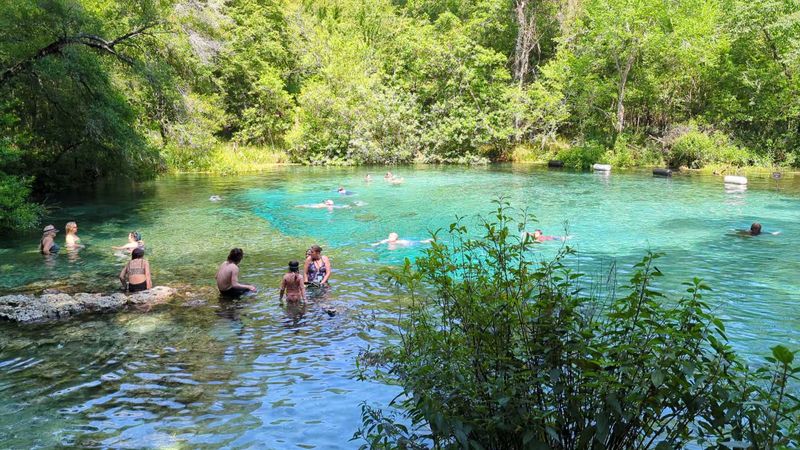
Cold water has a way of sorting out the committed from the merely curious.
The Head Spring swimming area is where I saw people hesitate at the edge, laugh at the temperature, and then jump in again a few minutes later because the shock gives way to pure relief.
It is an easy place to settle in for a while, especially if you want a straightforward swim without committing your whole day to a long float.
A little planning keeps this stop comfortable instead of chaotic.
The Head Spring swimming area works best when you pack light, leave valuables secured, and remember that only certain flotation devices are allowed near the water.
I noticed families using noodles and goggles far more than giant inflatables, which suited the calm, clean setup.
If you are visiting after tubing, this is a good reset before lunch, and if you are starting here, it is a smart way to test the spring temperature before doing anything longer.
I also appreciated how nearby picnic areas and restrooms make it easier to warm up, dry off, and avoid the frantic rummaging that can wreck an otherwise easy day.
Paddling and Seasonal Tours
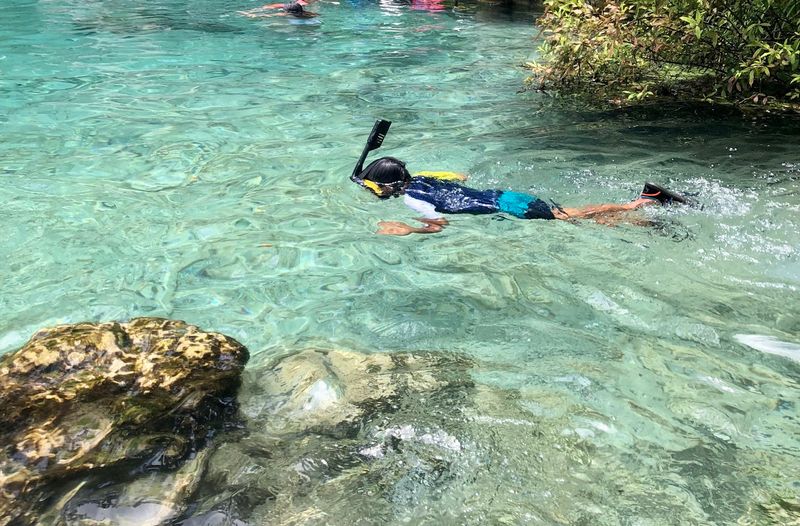
Silence moves differently when your paddle is doing most of the talking.
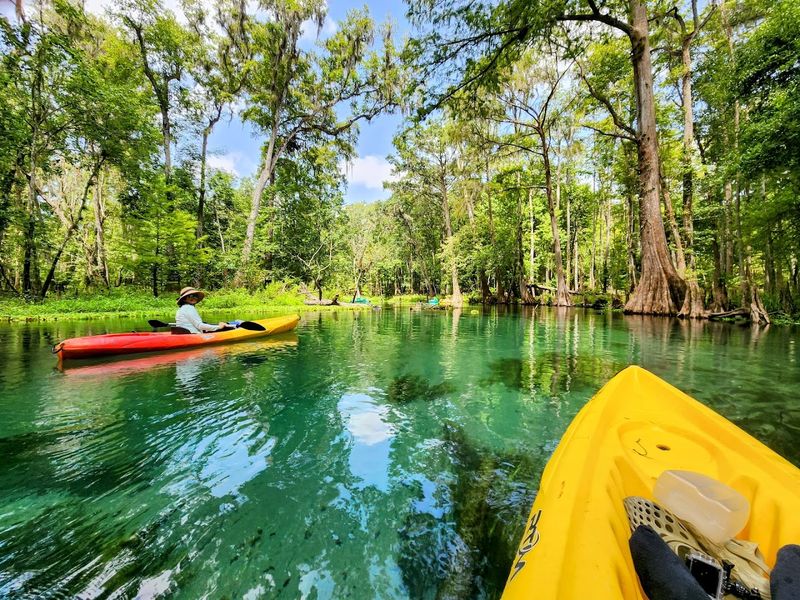
Paddling and seasonal tours offer a quieter side of the park, and from what I have seen and heard, they are perfect for visitors who want to trade the social energy of tubing for slower wildlife watching.
Early and late outings can reveal birds, turtles, deer, and the occasional alligator from a respectful distance, which adds interest without turning the trip into a thrill ride.
Timing matters here more than people expect, especially if you want calmer light and fewer crowds. Paddling and seasonal tours often feel more intimate because guides help with check-in, keep groups moving, and make the route easier for newcomers who are still learning the rhythm of spring-fed water.
I would reserve ahead, read all instructions before arrival, and keep clothing simple since you may be dealing with cool water and changing evening temperatures.
A waterproof phone case helps, but I still prefer being mostly unplugged on this stretch.
The reward is seeing the river as a living corridor rather than a summer attraction, and that shift makes the whole park feel richer.
Trails, Boardwalks, and Wildlife
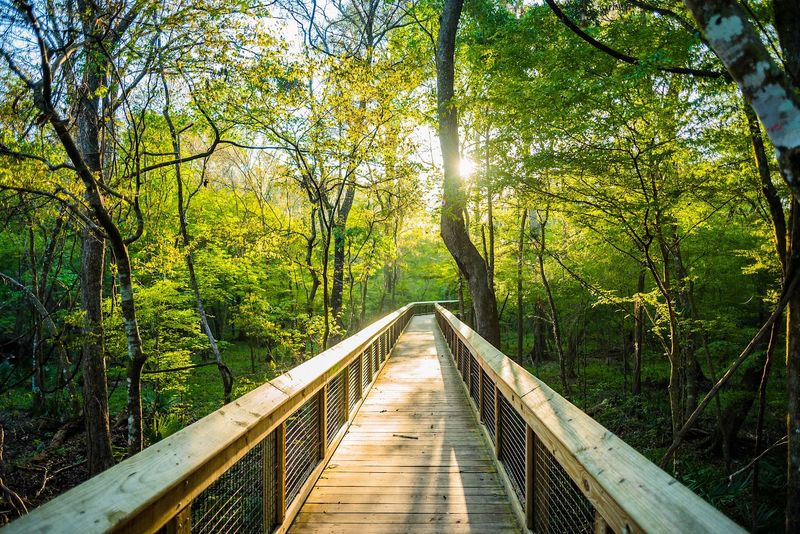
The water gets the headlines, but the land around it quietly earns equal respect.
The trails, boardwalks, and wildlife viewing areas gave me a different pace, one where the reward came from looking up at birds, down at roots, and sideways at movement in the brush.
Short walks here feel productive without being exhausting, which is good news if you want a little hiking between swims or while waiting on your group.
Patience pays off better than speed on these paths.
The trails, boardwalks, and wildlife sections are where I noticed cardinals, wrens, turtles, fish, and odd tree shapes that somehow become instant family landmarks once someone points them out.
Binoculars are worth carrying if birding interests you, but even without them, the scenery stays engaging because the transitions between pine, hardwood shade, and river edge keep changing the mood.
I would wear sandals only if they are secure, bring bug spray for stiller moments, and save some phone battery for photos near overlooks.
If your day needs a break from splashing and shuttles, this is where the park proves it is more than a one-activity stop.
Planning Your Day Like a Regular
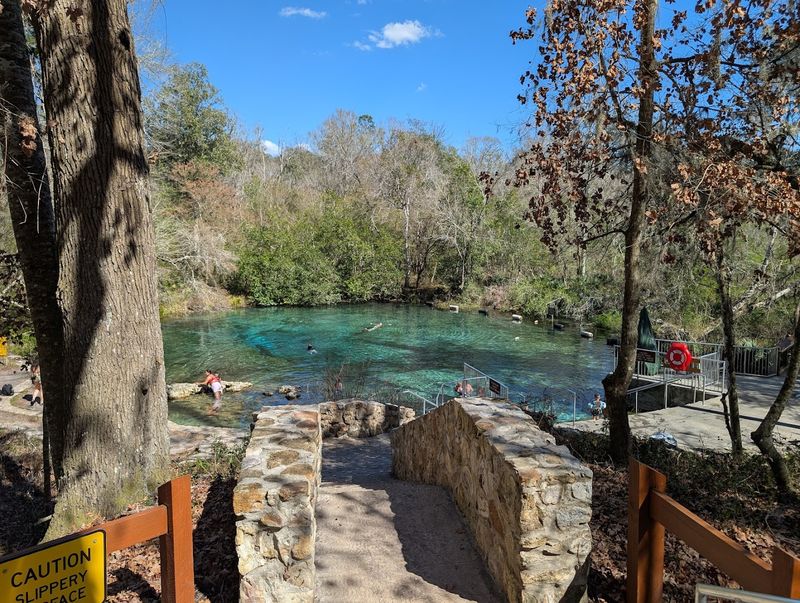
A little foresight turns a good visit into a smooth one, and this park rewards people who think a step ahead. Planning your day like a regular means understanding that the park’s rhythm changes by season, weekday, and activity, so the best strategy is matching your schedule to what you care about most.
If tubing is the priority, I would make that the anchor of the day and build everything else around launch times, rentals, and shuttle pickup.
Comfort here is mostly a matter of smart packing and realistic timing.
Planning your day like a regular also means bringing goggles, water shoes, a towel that dries fast, and a simple lunch if you do not want to rely on on-site food prices.
I have learned that Florida spring days can feel both hot and cold within the same hour, so a dry shirt for later matters more than people think.
Ask staff about any temporary closures, because storm damage and maintenance can shift access points.
If you are visiting with children, keep the itinerary shorter than your ambition.
Also, if you are going on a weekend, give yourself extra arrival time so the first memory is water, not traffic.
Why the Park Feels So Refreshing
Some places refresh you physically, but a few somehow clear your head at the same time.
Why the park feels so refreshing comes down to more than cold water: it is the combination of strict conservation rules, limited river access, shaded surroundings, and that unusual clarity that makes every movement under the surface visible.
I noticed how quickly my usual urge to check a screen faded once the only real agenda became floating, swimming, and spotting fish through rippling light.
The experience stays with you because it feels simple without being dull.
Why the park feels so refreshing is also tied to its balance – part family outing, part quiet nature break, part practical state-park operation that keeps things moving without stripping the place of character.
Even the little inconveniences, like chilly entry steps or waiting for equipment, fade fast once you are in the water.
I left thinking this is the kind of Florida day that still feels honest, not staged.
For those who want a trip that cools you down, slows you down, and gives you stories better than another beach afternoon, this park makes a strong case with very little noise.