Americans are voting with their feet — and whole states are feeling it.
Every year, millions pack boxes, load trucks, and chase a cheaper, easier life somewhere else.
Rent spikes. Taxes bite harder.
Paychecks stop stretching. And suddenly, staying put doesn’t feel worth it anymore.
From crowded coastal cities to once-booming industrial hubs, people are quietly slipping away in record numbers. Some states are shrinking faster than others, losing residents to places with lower costs, warmer weather, and more breathing room.
What follows is a look at the eleven states where departures are happening fastest across America today.
California

More than 200,000 people left California for other states last year, marking the largest domestic outmigration in the entire country. The Golden State continues bleeding residents despite its beautiful beaches, entertainment industry, and tech hubs.
Housing prices have skyrocketed beyond what middle-class families can afford. A typical home in major cities costs over a million dollars, forcing many longtime residents to seek opportunities elsewhere.
Property taxes and state income taxes add thousands more to annual expenses.
Remote work changed everything after the pandemic. Workers discovered they could keep California salaries while living in cheaper states like Texas, Arizona, and Nevada.
Young families especially struggle with the cost of raising kids in expensive school districts.
Sun Belt states welcomed these California refugees with open arms and lower taxes. Cities like Austin, Phoenix, and Boise experienced population booms from incoming Californians.
Despite the exodus, California remains the most populous state, but the trend shows no signs of slowing down anytime soon.
New York
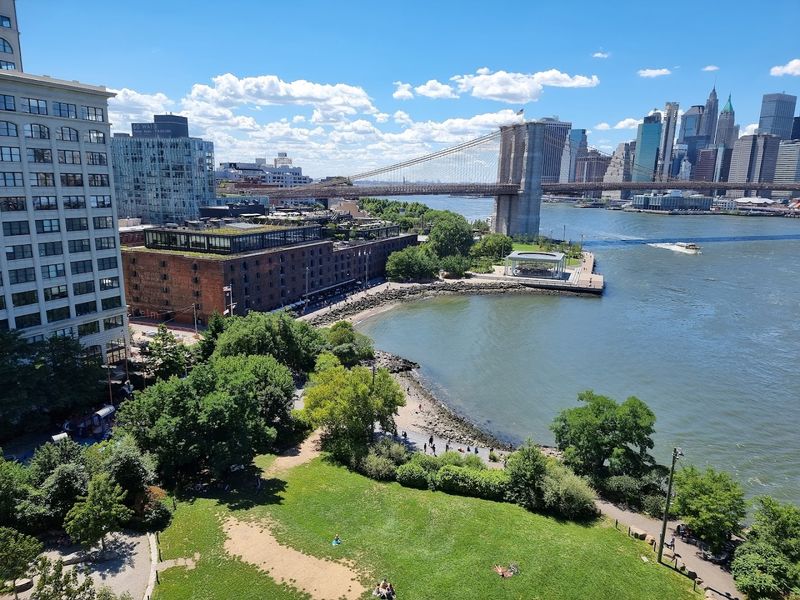
Walk through Manhattan today and you’ll notice something different than five years ago. More storefronts sit empty, and rental signs hang in windows that used to command premium prices.
New York holds second place for losing residents to other states.
The pandemic proved to be a turning point for many New Yorkers. Working from home meant questioning why they paid astronomical rent for tiny apartments.
A one-bedroom in Brooklyn can cost what a four-bedroom house costs in Florida or North Carolina.
Suburban counties around New York City hemorrhaged population too. High property taxes in Westchester and Long Island pushed families toward Pennsylvania and Connecticut.
Young professionals who once dreamed of city life now prioritize space and affordability over prestige.
Remote work flexibility removed the main reason for staying. Companies embraced hybrid schedules, letting employees live anywhere.
Southern states with lower costs and warmer weather became irresistible alternatives. The subway system and cultural attractions couldn’t compete with financial freedom and bigger living spaces elsewhere.
Illinois
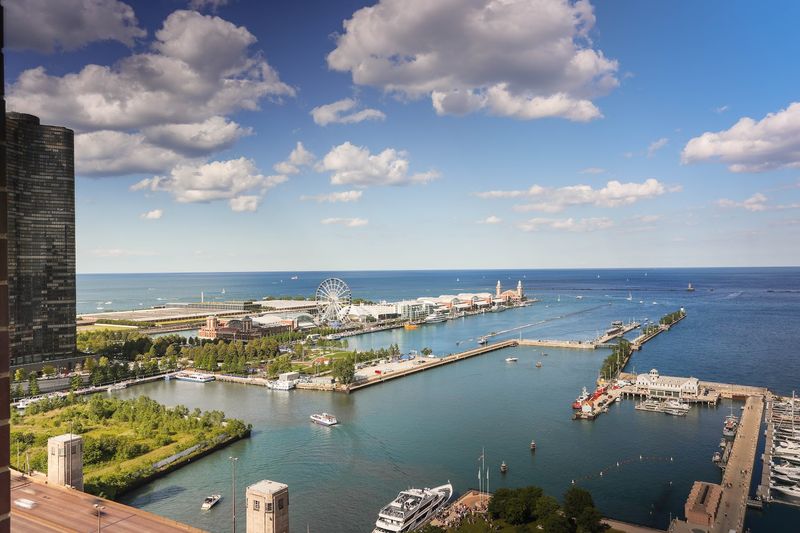
Chicago’s skyline still impresses visitors, but the numbers tell a troubling story for Illinois. Year after year, the state loses thousands of residents, particularly from Cook County and surrounding metropolitan areas.
The bleeding hasn’t stopped for over a decade.
Neighboring states offer much friendlier tax environments. Indiana, Wisconsin, and Missouri actively recruit Illinois businesses and workers with lower costs.
Property taxes in Chicago suburbs can exceed 10,000 dollars annually for modest homes, pushing families across state lines.
Cold winters used to be tolerable when everything else worked. Now residents question enduring brutal snow and wind when Southern states promise sunshine and lower expenses.
Nashville, Tampa, and Charlotte gained thousands of former Illinois residents seeking better weather and opportunities.
Political dysfunction and pension problems plague the state budget. Residents worry about future tax increases to cover massive debt obligations.
Young graduates leave immediately after college, taking their talents to growing cities elsewhere. The population drain accelerates as more people follow friends and family who already relocated south.
New Jersey
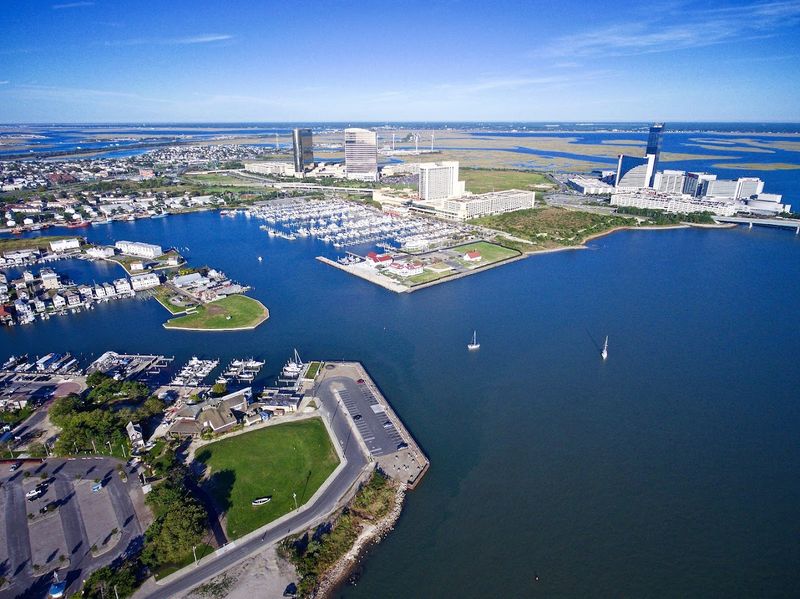
Property tax bills arrive like clockwork in New Jersey, and they’re among the highest in America. Homeowners pay an average exceeding 9,000 dollars yearly, with some counties charging significantly more.
These crushing costs drive consistent outmigration toward friendlier states.
Residents compare their bills with friends who moved to Pennsylvania or Delaware. The difference often exceeds several thousand dollars annually for similar houses.
Combined with high housing costs near New York City, many families simply cannot afford staying long-term.
Florida and the Carolinas became top destinations for departing New Jersey residents. Beaches exist in both places, but Southern states offer them without the financial burden.
Retirees especially flee southward, escaping both taxes and harsh winters simultaneously.
Did you know New Jersey loses more residents per capita than almost any other state? The Garden State struggles retaining young professionals who calculate lifetime savings from relocating.
Even strong schools and proximity to major cities can’t overcome the financial mathematics. Lower taxes elsewhere mean bigger homes, better retirement savings, and less stress about monthly budgets.
Massachusetts
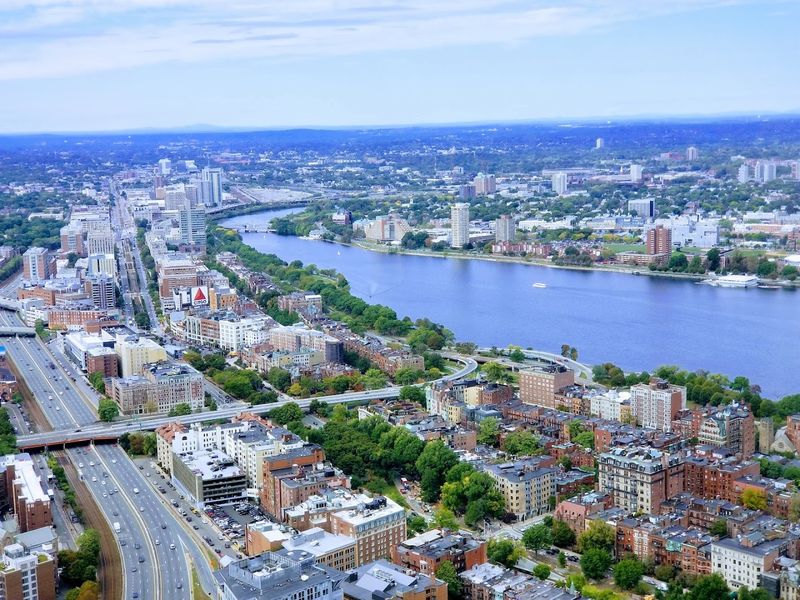
Boston’s booming economy and world-class universities should attract residents, not repel them. Yet Massachusetts experiences steady population loss despite strong job markets and innovation hubs.
The culprit? Housing costs that rival California’s most expensive regions.
A typical home around Boston costs over 700,000 dollars, pricing out teachers, nurses, and other middle-class workers. Young professionals graduating from Harvard or MIT often leave immediately, unable to afford staying near where they studied.
Rental prices compound the problem, with studios costing 2,500 dollars monthly.
New Hampshire tempts Massachusetts residents with no income tax and cheaper housing just miles away. Rhode Island and Connecticut offer alternatives without crossing region entirely.
Remote work arrangements let people keep Boston salaries while living in affordable neighboring states.
Healthcare and education sectors dominate the economy but don’t pay enough for housing. Families face impossible choices between saving for retirement or buying homes near good schools.
Southern states recruiting Massachusetts workers emphasize affordable family lifestyles. The brain drain accelerates as talented people choose financial security over prestigious zip codes.
Louisiana
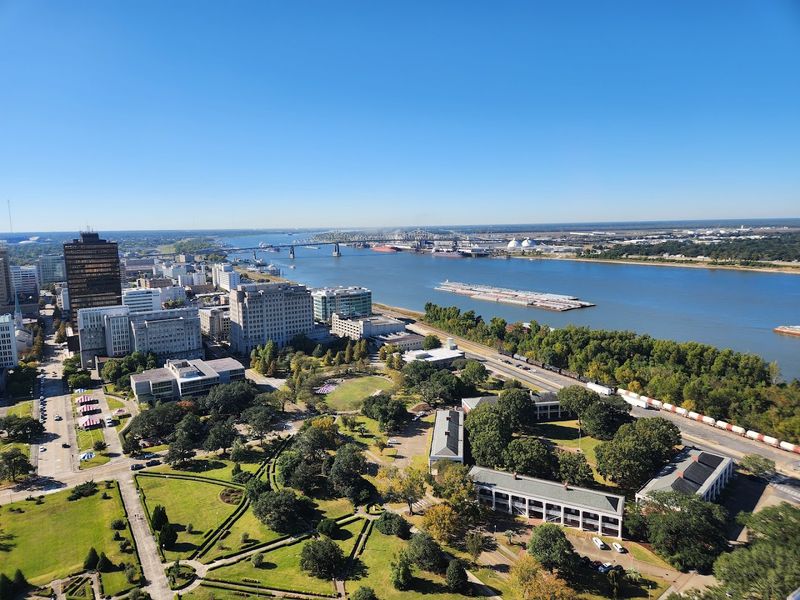
Hurricane season brings anxiety to Louisiana residents every single year. Devastating storms like Katrina and Ida left lasting scars, both physical and psychological.
Long-term population decline reflects these challenges combined with limited economic opportunities in many parishes.
Coastal communities face existential threats from rising waters and land erosion. Families question whether rebuilding makes sense when the next storm looms inevitably.
Insurance costs skyrocket or become completely unavailable in vulnerable areas, making homeownership practically impossible.
Industries that once sustained communities have struggled or declined. Oil and gas sector volatility creates boom-and-bust cycles that destabilize families.
Rural areas lack job diversity, forcing young people toward cities in Texas, Tennessee, and Georgia.
Cultural richness and incredible food can’t overcome practical concerns about safety and prosperity. Texas particularly attracts Louisiana residents with similar culture but better job markets.
Houston’s energy sector and diverse economy offer alternatives without hurricane vulnerability. The music, festivals, and unique heritage remain beloved, but economic realities drive difficult decisions about where families can actually thrive and build futures.
Maryland
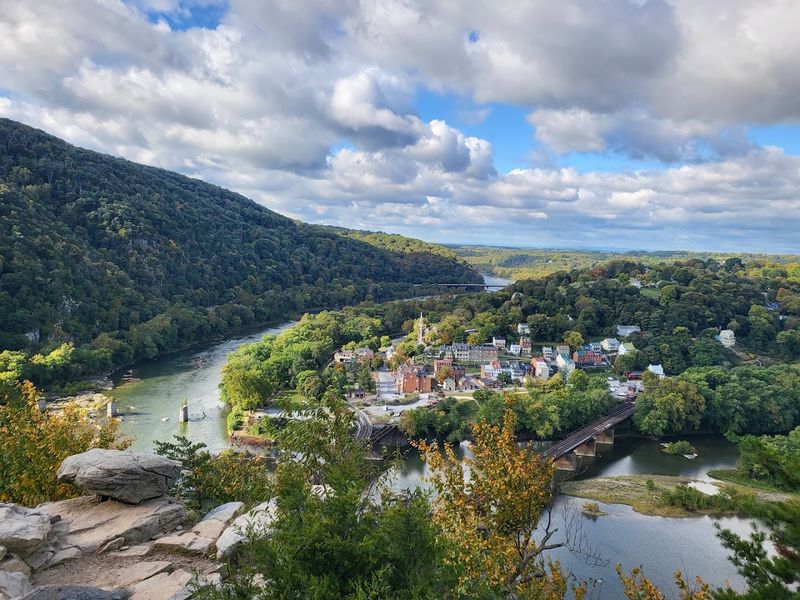
Wedged between expensive cities and competing states, Maryland struggles retaining residents despite proximity to Washington, D.C. opportunities. Living costs in Montgomery and Prince George’s Counties rival Manhattan, yet many jobs don’t pay comparable salaries.
This mismatch forces families toward nearby alternatives.
Virginia offers similar D.C. access with slightly lower costs and different tax structures. Pennsylvania provides significantly cheaper housing just an hour away.
The Carolinas attract Maryland residents seeking complete lifestyle changes with lower expenses and warmer climates.
Did you know a three-bedroom townhouse near D.C. often costs 600,000 dollars in Maryland? That same money buys spacious single-family homes with yards in neighboring states.
Property taxes and state income taxes compound affordability challenges for middle-income families.
Remote work transformed the calculation entirely. Federal employees and contractors discovered they could work from anywhere, eliminating commuting entirely.
Beach towns in Delaware and North Carolina attracted waves of former Maryland residents. Traffic congestion on I-95 and the Beltway provided extra motivation.
Younger generations especially question paying premium prices for stressful commutes and expensive everything when alternatives abound elsewhere.
Colorado
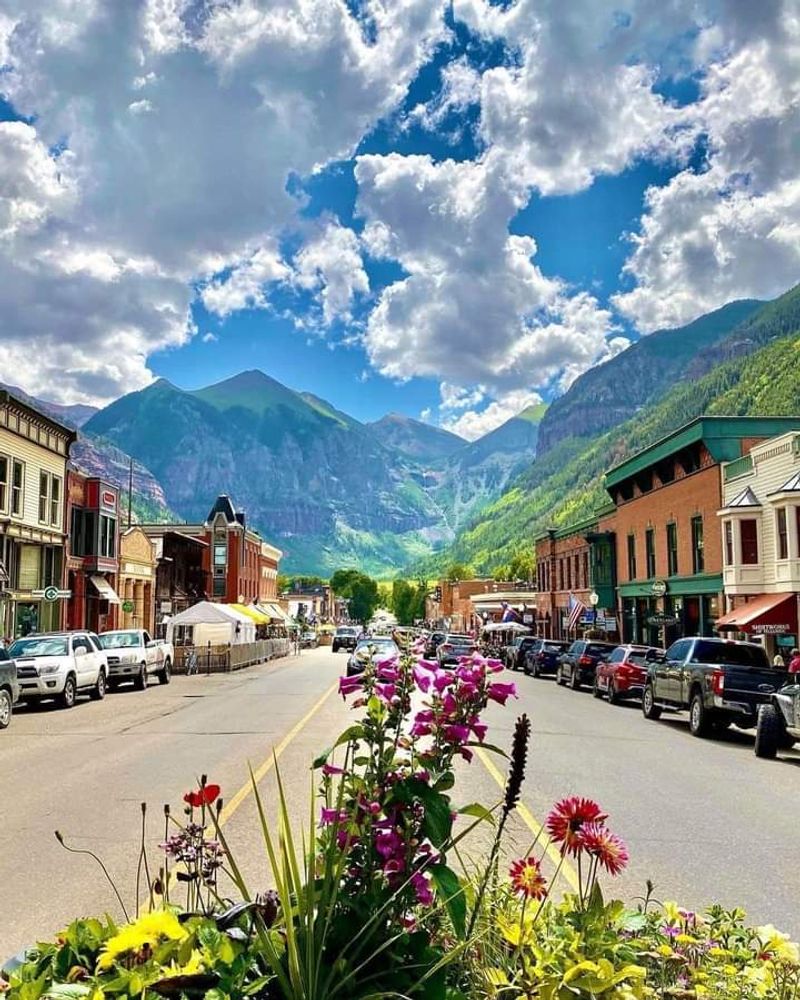
Colorado’s popularity became its downfall. Pandemic-era growth pushed housing prices beyond what many residents could afford.
Denver and surrounding suburbs experienced explosive cost increases that now drive people away rather than attracting them.
Mountains and outdoor recreation once justified premium prices. Now similar amenities exist in cheaper states like Montana, Idaho, and Utah.
A typical home in Denver costs over 600,000 dollars, forcing longtime residents to sell and relocate elsewhere.
Traffic congestion worsened significantly as population swelled. The outdoor lifestyle that attracted people became harder to enjoy with crowds everywhere.
Ski resorts, hiking trails, and camping spots filled to capacity, diminishing quality of life.
Remote workers who moved to Colorado during the pandemic now reconsider their choices. States like Tennessee and Arizona offer better value without sacrificing lifestyle quality.
Younger families particularly struggle affording homes near good schools. The shift from growth to net outmigration happened quickly, catching many by surprise.
Colorado remains beautiful, but beauty alone doesn’t pay mortgages or fund retirement accounts when cheaper alternatives exist.
Hawaii

Paradise comes with impossible price tags in Hawaii. The state claims the highest cost of living in America, with everything from groceries to gas costing dramatically more than mainland alternatives.
Geographic isolation limits options and opportunities for residents seeking financial relief.
Housing scarcity drives prices to absurd levels. A modest home on Oahu easily exceeds a million dollars, and rentals command 3,000 dollars monthly for small apartments.
Local families get priced out by wealthy mainlanders and foreign investors buying properties.
Job opportunities remain limited compared to major mainland cities. Tourism dominates the economy, but service industry wages can’t cover escalating costs.
Young professionals and recent graduates leave immediately, seeking careers with actual upward mobility.
Island fever affects even longtime residents eventually. Traveling anywhere requires expensive flights, limiting flexibility for family emergencies or vacations.
The beautiful beaches and perfect weather lose appeal when financial stress becomes unbearable. Nevada, California, and Washington attract the most Hawaii expatriates.
Families make heartbreaking decisions leaving behind culture and ohana, but economic survival demands it. Paradise feels less perfect when you’re working multiple jobs just to afford rent.
Connecticut
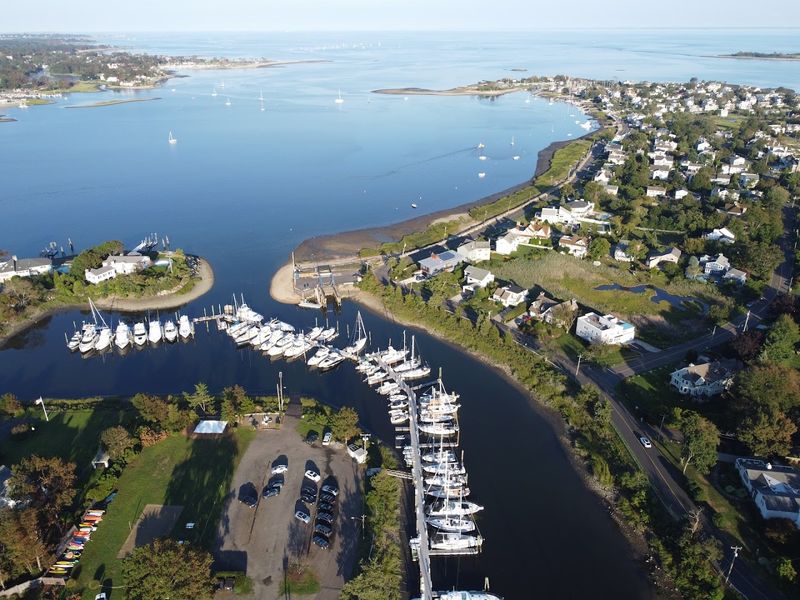
Small but struggling, Connecticut loses residents steadily despite beautiful towns and proximity to major cities. High taxes combine with aging demographics and limited job growth to push people toward neighboring states and Southern destinations.
The problems compound annually.
Property taxes burden homeowners similar to New Jersey. State income taxes add more financial pressure without comparable services.
Young people graduating from Connecticut colleges immediately seek opportunities in Boston or New York rather than staying home.
Compared to Massachusetts and New York, Connecticut offers less economic dynamism. Major corporations relocated headquarters elsewhere, taking thousands of jobs with them.
General Electric’s departure symbolized broader trends affecting communities statewide.
Retirees flee toward Florida and the Carolinas seeking warmer weather and lower costs. Working families follow suit, calculating they can’t afford Connecticut’s lifestyle long-term.
The state’s small size means it feels the population loss more acutely. Fewer residents mean reduced tax revenue, potentially forcing even higher taxes on remaining people.
This vicious cycle accelerates the exodus. Beautiful fall foliage and New England charm can’t overcome fundamental economic challenges facing residents daily.
Oregon
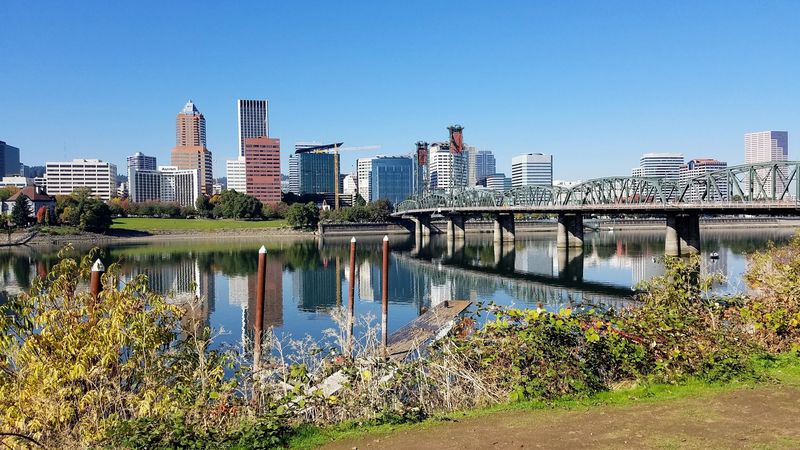
Portland’s quirky reputation attracted countless people seeking alternative lifestyles and creative communities. Now those same people flee as housing costs explode and quality of life declines.
Oregon’s modest but consistent net outmigration reflects growing dissatisfaction with affordability and other challenges.
The Portland metro area drove much of Oregon’s pandemic growth. Housing prices jumped dramatically, pricing out artists, service workers, and middle-class families.
A typical home costs over 550,000 dollars, with no signs of relief coming soon.
Homelessness and urban issues compound frustrations about costs. Residents question paying premium prices for deteriorating downtown conditions.
Idaho, Texas, and Arizona attract former Oregonians seeking both affordability and different political environments.
Rain never bothered longtime residents until financial stress made everything worse. Remote work freed people from location requirements, prompting reconsideration of Pacific Northwest living.
Young families especially struggle justifying Oregon’s costs without obvious advantages over cheaper alternatives. The state’s progressive reputation once attracted idealistic residents.
Now practical concerns about budgets and futures override ideological preferences. Oregon remains beautiful with incredible natural resources, but beauty doesn’t cover rent or mortgages.