North Carolina has a way of surprising you when you’re not looking for it. One moment it’s rolling hills, quiet farmland, or winding mountain roads, and the next you’re passing a stone tower rising above the trees or a manor that looks like it belongs in an old storybook.
In spring, the state feels especially alive. Dogwoods bloom along country lanes, ivy softens old brick walls, and cool breezes move through the Blue Ridge like they’re carrying old stories with them.
Even the coastal towns feel different this time of year—lighter, greener, and easier to wander.
These castle-like places aren’t just landmarks; they’re little escapes into another mood and time. Some are grand, others weathered and quiet, but all of them invite you to slow down and look a little closer.
Here are 12 hidden castles across North Carolina worth exploring at least once.
Biltmore Estate
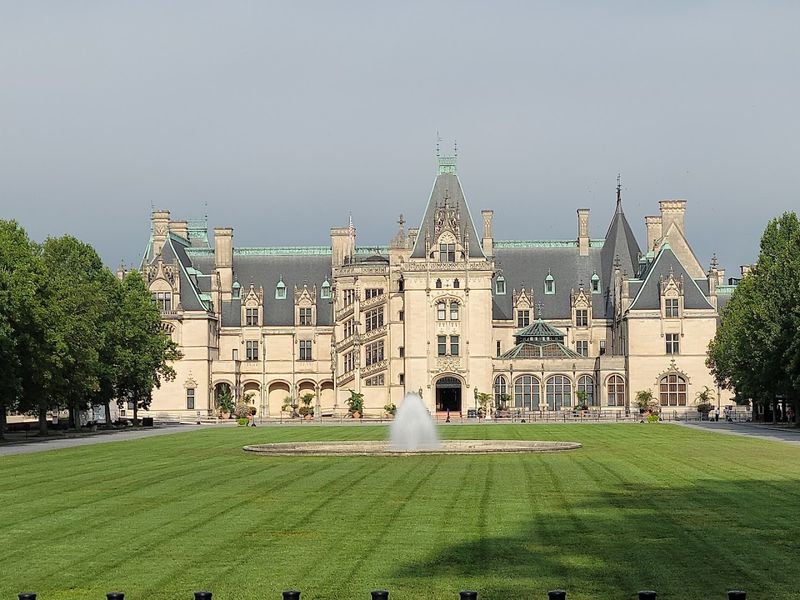
Misty mountain mornings make some places feel borrowed from Europe, and this one delivers that impression the moment you see its soaring roofline and elaborate stonework. Tucked into Asheville’s lush landscape, Biltmore Estate rises with towers, carved facades, and a scale that still feels hard to process in person.
Even if you already know it is America’s largest privately owned home, the first view still lands like a surprise.
Built by George Vanderbilt and opened in 1895, the mansion was inspired by French Renaissance chateaux, which explains its castle-like silhouette and lavish details. Inside, you will find grand staircases, vaulted ceilings, rich woodwork, and rooms designed to impress without losing their sense of lived-in history.
Outside, the gardens, conservatory, and rolling grounds create a full estate experience rather than a quick architectural stop.
What makes it worth exploring is how easily it shifts with the seasons. Spring flowers, summer greenery, fall color, and holiday decorations all change the mood, so every visit feels slightly different.
You can pair the house tour with winery stops, garden walks, or a longer stay on the property.
If you want one North Carolina destination that truly earns the castle comparison, this is the benchmark. It is famous, yes, but standing there, it still feels like a hidden world.
Smithmore Castle
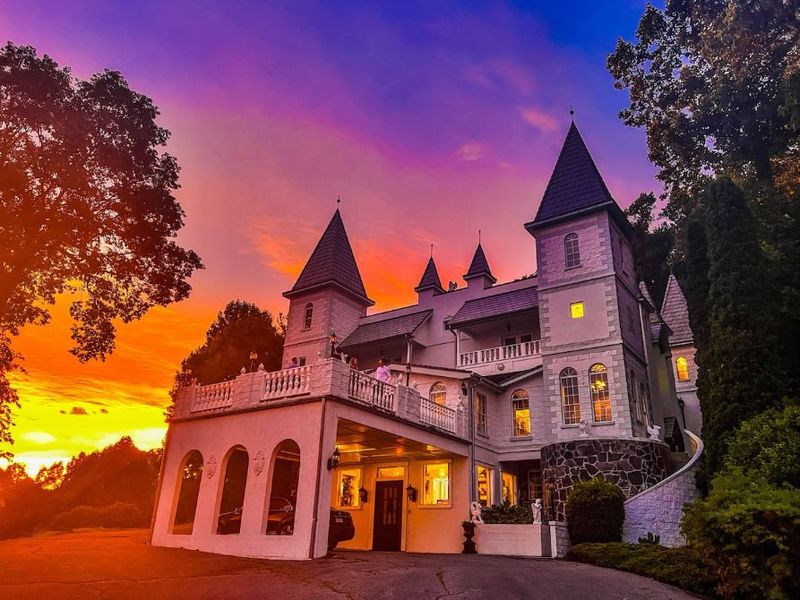
High above the surrounding ridgelines, some properties feel designed to stop you mid-sentence, and this is one of them. Perched on English Knob near Spruce Pine, Smithmore Castle looks out over the Blue Ridge with a dramatic profile of stone walls, pointed roofs, and commanding towers.
The setting alone gives it the kind of presence you expect from a secluded European retreat.
Unlike many castle-inspired landmarks that are mostly admired from a distance, this one offers a more immersive experience. Originally built as a private estate, it later became known for lodging, events, and curated stays, so you can actually spend time inside the fantasy.
Interiors lean elegant and theatrical, with sweeping spaces, decorative details, and mountain views that keep pulling your eyes back outside.
Part of the appeal is the contrast between luxury and isolation. You feel tucked away from everyday noise, yet the castle never seems disconnected from the landscape around it.
Fog, sunset light, and winter skies all make the structure look even more cinematic.
If you are searching for a hidden North Carolina castle that feels both polished and unexpected, this is a standout. It is less about crowds and more about atmosphere, scenery, and that rare feeling of sleeping somewhere unforgettable.
Castle McCulloch
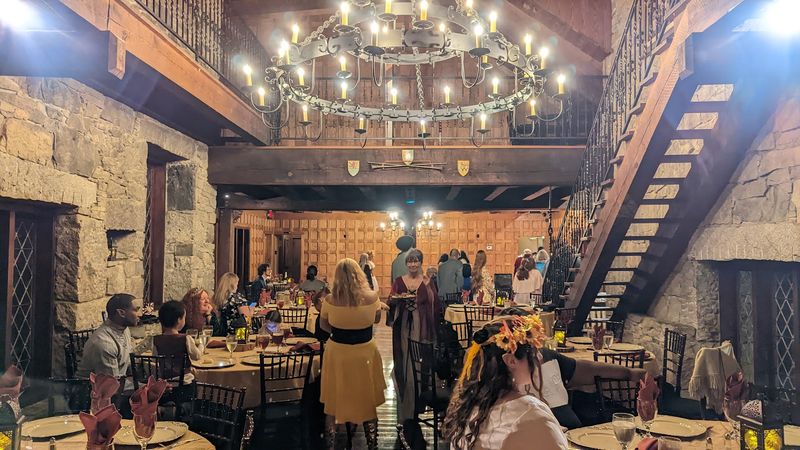
Wooded approaches and old stone details can make an afternoon feel like a scene from another century. In Jamestown, Castle McCulloch has that effect right away, especially when you catch sight of its towers, rugged masonry, and storybook setting near the water.
The moat and bridges add just enough theatrical flair to make the whole place feel delightfully removed from ordinary North Carolina expectations.
The site traces its roots to the 1830s, giving it a deeper historical texture than many people realize at first glance. Over time, it became one of the state’s most recognizable castle-style landmarks, known for hosting events while preserving its old-world atmosphere.
The architecture is not a literal medieval fortress, of course, but it captures the romance of one with surprising conviction.
What makes this stop fun is how approachable it feels. You do not need to be an architecture expert to appreciate the towers, stonework, and slightly mysterious mood that settles over the grounds.
Public events can make it lively, while quieter visits let you focus on the details and setting.
If your ideal hidden castle has a little history, a little fantasy, and plenty of visual charm, this one deserves a place on your route. It feels local and legendary at the same time.
North Carolina State Capitol
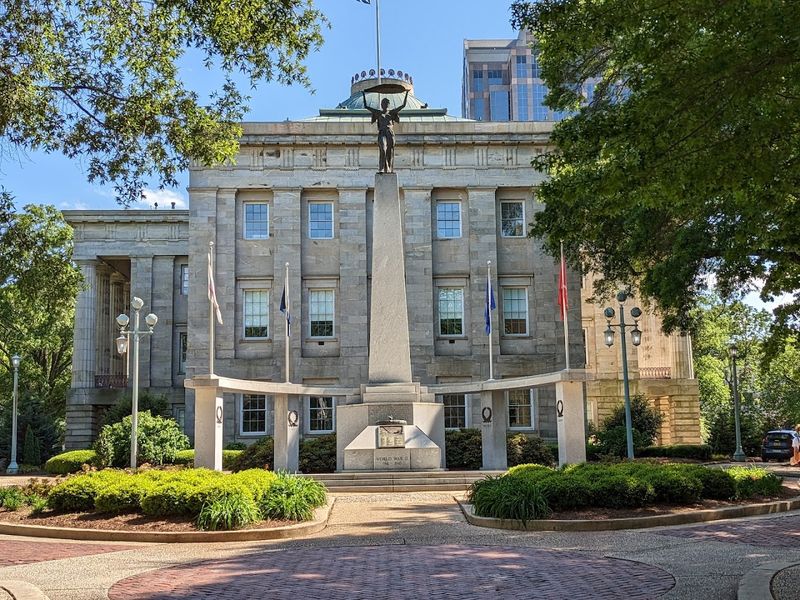
Not every castle impression comes from turrets and fairy-tale details. Sometimes it comes from mass, symmetry, and the kind of stone presence that makes a building feel unshakable, which is exactly the mood the North Carolina State Capitol creates in downtown Raleigh.
At street level, its fortress-like confidence stands out even before you start noticing the historic craftsmanship.
Completed in 1840 in the Greek Revival style, the building served as the seat of state government and remains one of North Carolina’s most important civic landmarks. While it is not a castle in the literal sense, the thick walls, elevated position, and enduring stone construction give it a surprisingly strong keep-like quality.
That subtle crossover is what makes it such an interesting inclusion on a castle-themed itinerary.
Exploring here rewards anyone who likes architecture with power and restraint. The details are elegant, but the overall effect is more commanding than delicate, which sets it apart from ornate estates elsewhere in the state.
Its central location also makes it easy to pair with a wider walk through historic Raleigh.
If you appreciate hidden castle energy in unexpected places, this one earns a closer look. It proves that government architecture can feel dramatic, historic, and quietly medieval in spirit without trying too hard.
Castle Mont Rouge
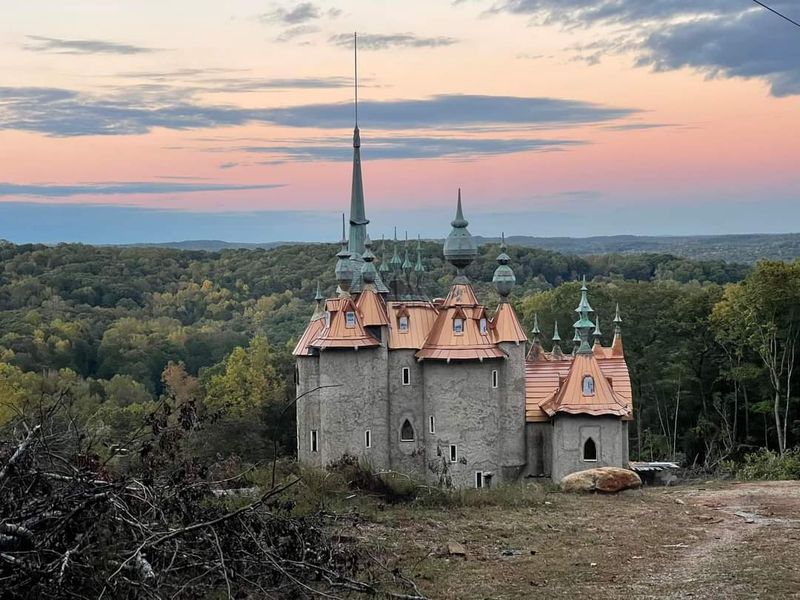
Overgrown paths, local rumors, and a weathered facade can make a place feel larger than its physical footprint. In Rougemont, Castle Mont Rouge has become exactly that kind of destination, drawing curious travelers who want to see one of North Carolina’s strangest and most talked-about castle-style properties.
Even before you learn the backstory, the abandoned French chateau look gives it an eerie pull.
The estate was built with steep roofs, decorative stonework, and a silhouette that feels more European than rural North Carolina. Over time, stories about the property, its owner, and supposed paranormal activity helped turn it into a legend as much as a landmark.
That mix of architecture and mystery is what keeps people fascinated, even when access and visibility can vary.
What makes this spot memorable is not polished grandeur but haunting atmosphere. You are responding to decay, isolation, and the tension between beauty and neglect, which can be more compelling than a pristine restoration.
It feels like the kind of place that invites questions more than answers.
If your idea of a hidden castle includes a little unease and a lot of local lore, Castle Mont Rouge stands apart. It is one of those rare North Carolina places where the mood is the main attraction, and that mood lingers.
Fort Macon State Park
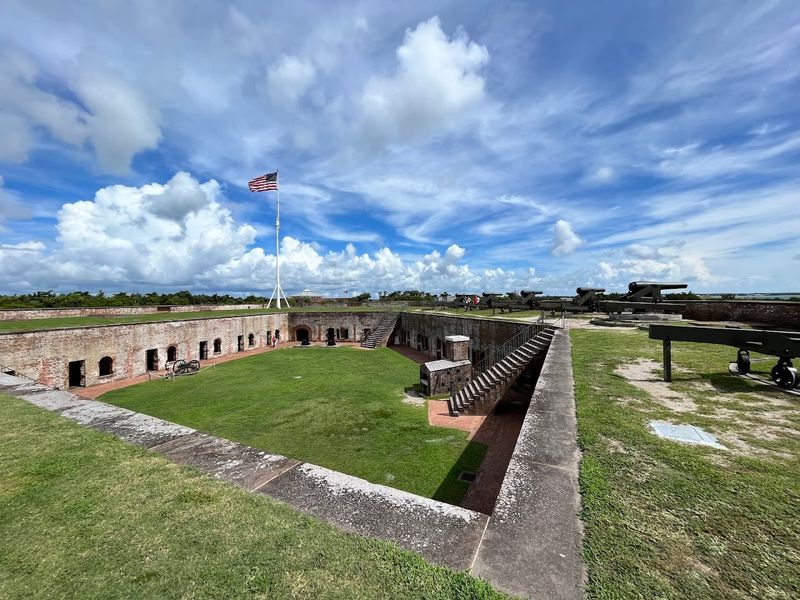
Salt air changes the mood of old masonry in a way mountains never can. On the coast at Atlantic Beach, Fort Macon State Park brings together military history, thick stone walls, and broad defensive angles that make it feel like a practical seaside castle.
The setting near the water only sharpens that impression, especially when the wind is up and the sky turns dramatic.
Completed in the nineteenth century and later tied to Civil War history, the fort was designed for defense, not romance. Still, its bastions, passageways, and substantial masonry create exactly the kind of fortress presence that castle lovers appreciate.
Walking through the interior spaces gives you a real sense of how architecture once shaped strategy, visibility, and survival.
One reason this place is so rewarding is that it combines several experiences in one stop. You can tour exhibits, wander the fort, and then step out into beach scenery that feels entirely different from the enclosed stone passages behind you.
That contrast keeps the visit from feeling repetitive or overly formal.
If you want a North Carolina castle alternative with historical weight and coastal character, Fort Macon is easy to recommend. It trades fairy-tale aesthetics for rugged authenticity, and that makes it one of the state’s most compelling fortress-like places to explore.
Old Stone House
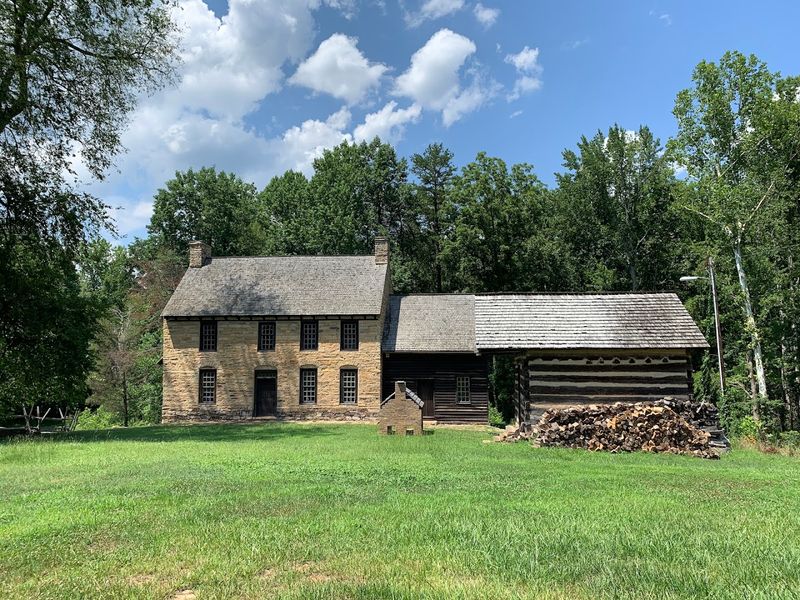
Sometimes the most convincing castle-like places are the simplest ones. Standing in rural Rowan County, the Old Stone House does not rely on towering spires or elaborate decoration, yet its heavy walls and enduring presence give it a quiet fortress quality that is hard to ignore.
The age of the structure adds even more weight to the experience.
Built in the 1760s, it is one of North Carolina’s oldest surviving stone buildings and a rare reminder of early construction methods in the region. The architecture is practical, sturdy, and almost defensive in character, which helps explain why it feels closer to a stronghold than a standard colonial home.
That sense of durability becomes the story when you walk the grounds and imagine how much history these walls have witnessed.
What I find most appealing here is the understatement. There is no need for theatrical landscaping or elaborate branding because the stone itself does the work, carrying centuries of texture and atmosphere.
You get a more grounded, historically rooted version of the castle idea.
If you enjoy hidden places where authenticity matters more than spectacle, the Old Stone House is worth seeking out. It may be modest compared with grand estates, but its age, material, and presence make it one of the state’s most fascinating castle-adjacent landmarks.
All Souls Cathedral
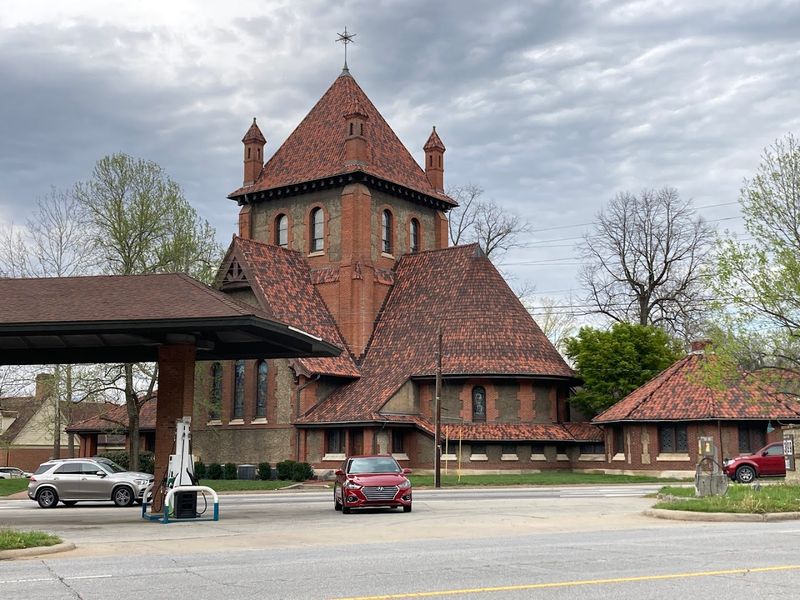
Some buildings blur the line between sacred architecture and storybook fortification. In Asheville’s Biltmore Village, All Souls Cathedral does exactly that with its English Gothic stonework, vertical lines, and commanding tower that can feel almost castle-like from the right angle.
It is not hidden in the literal sense, yet many visitors pass through the area without fully appreciating how unusual it looks.
Completed in the late nineteenth century as part of George Vanderbilt’s broader vision for the village, the cathedral brings craftsmanship and atmosphere in equal measure. Pointed arches, intricate details, and sturdy masonry give it the solemn beauty of an old European church while also echoing the silhouette of a compact medieval stronghold.
That crossover makes it especially appealing if you enjoy architecture that carries multiple identities at once.
What makes a stop here worthwhile is how well it pairs with the surrounding district. You can wander Biltmore Village, notice how the stone textures connect across the neighborhood, and then appreciate the cathedral as one of the area’s strongest visual anchors.
It feels both refined and approachable.
If you are building a North Carolina castle route with a little variety, All Souls Cathedral adds a different kind of magic. It offers spiritual stillness, historic design, and a towered profile that lingers in your memory.
The Graylyn Estate
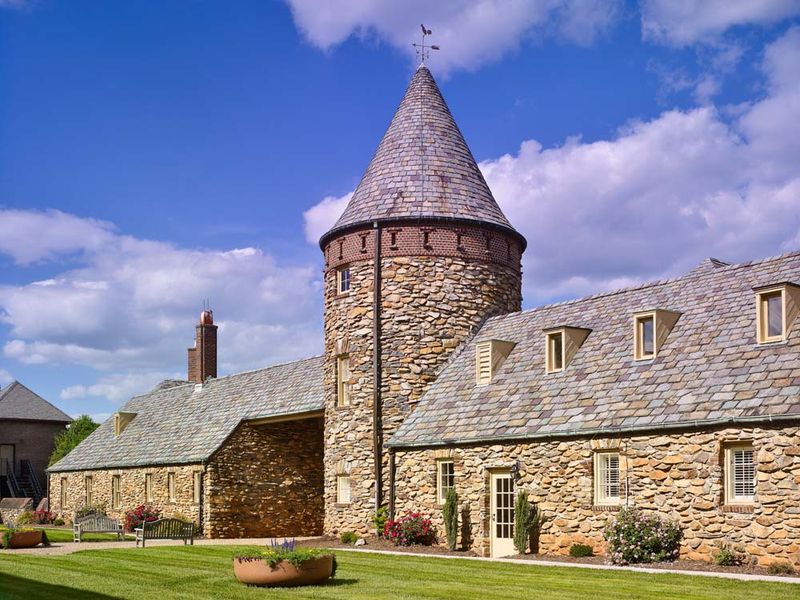
There are places where elegance and drama meet so naturally that you immediately slow your pace. In Winston-Salem, The Graylyn Estate feels like an English countryside manor with just enough castle-inspired detail to satisfy anyone chasing turreted romance and old-world atmosphere.
Stone walls, refined grounds, and carefully composed architecture make the whole property feel cinematic.
Originally built for the Bowman Gray family, the estate now functions in part as a historic inn and event destination, which means it remains alive rather than frozen behind ropes. The design pulls from late medieval and Tudor influences, giving the building a layered, aristocratic look without turning it into parody.
You notice towers, rich textures, and interiors that balance comfort with grandeur.
What makes Graylyn worth exploring is the total experience of the grounds and structure together. You are not only looking at a beautiful facade but also moving through spaces that continue the mood, from the approach to the gardens to the rooms themselves.
It feels polished, but not distant.
If you want a castle-style stop that leans luxurious rather than mysterious, Graylyn is one of North Carolina’s strongest contenders. It offers history, atmosphere, and a refined version of fantasy that fits beautifully within Winston-Salem’s architectural legacy.
Reynolda House
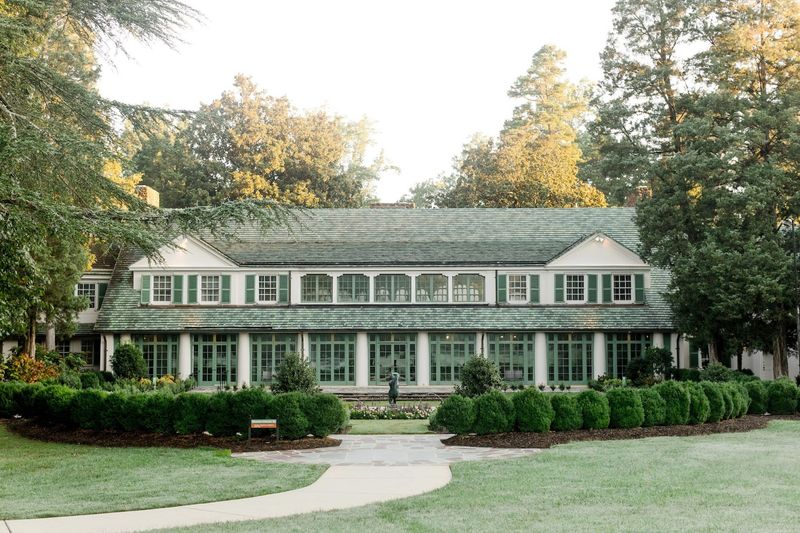
Wide lawns and carefully planned estate grounds can create a sense of arrival that feels almost regal. At Reynolda House in Winston-Salem, that impression builds gradually, with architecture that recalls a European manor and enough scale to suggest castle influence without fully stepping into fantasy.
It is a polished, historically rich stop that rewards slow exploration.
Built in the early twentieth century for Katharine and R.J. Reynolds, the estate reflects Gilded Age ambition filtered through thoughtful design.
The main house, surrounding buildings, and landscaped grounds work together to create a cohesive world that feels both domestic and grand. While the architecture is more manor than fortress, the atmosphere still belongs on a list for travelers drawn to stately, castle-adjacent places.
One of the biggest reasons to visit is variety. Beyond the house itself, you can engage with art, history, and the wider estate landscape, making the experience more layered than a simple walk-through.
That broader context helps you appreciate how wealth, design, and regional identity came together here.
If you are interested in North Carolina landmarks that capture old-world elegance with a touch of fairy-tale scale, Reynolda House is an easy recommendation. It may be subtler than turret-heavy castles, but its beauty, setting, and historical significance make it unforgettable.
Tryon Palace
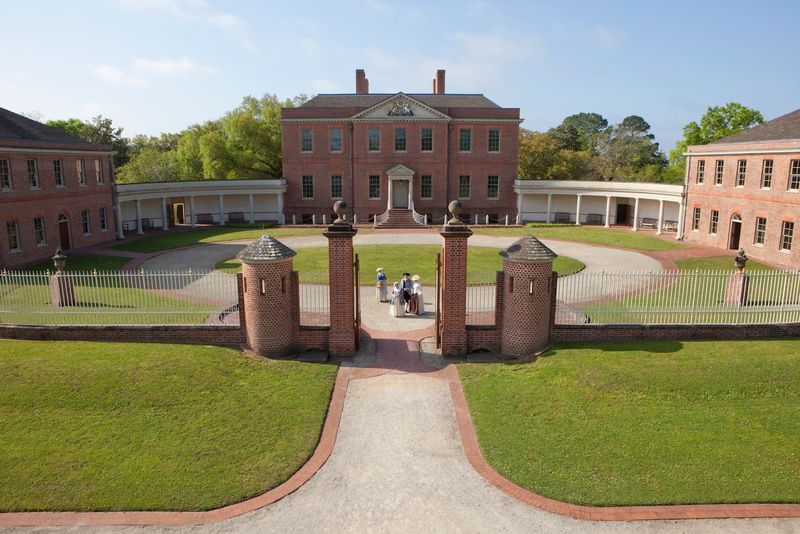
Formal gardens, broad paths, and a grand residence can produce the same awe that travelers chase in castles, even when the title is palace instead. In New Bern, Tryon Palace delivers that stately energy through symmetry, history, and an atmosphere that feels deeply tied to colonial ambition.
The complex invites you to imagine ceremony, authority, and daily life on a much larger scale.
Originally serving as the governor’s residence for colonial North Carolina, the palace became one of the region’s most important historic sites. The rebuilt structure and surrounding buildings help recreate a world where architecture was meant to communicate power and refinement.
While it is not medieval in style, it absolutely offers the kind of grandeur that belongs in any roundup of North Carolina’s most castle-like destinations.
What makes the visit especially rewarding is how complete the experience feels. The formal gardens, historic interiors, and wider complex create a setting that is immersive without being overwhelming.
You can move from architectural appreciation to historical interpretation without losing the sense of place.
If you want a stop that expands the meaning of castle exploration beyond towers and battlements, Tryon Palace is a smart addition. It offers beauty, political history, and a dignified elegance that stands comfortably beside the state’s more overtly fortress-like landmarks.
Moses H. Cone Manor
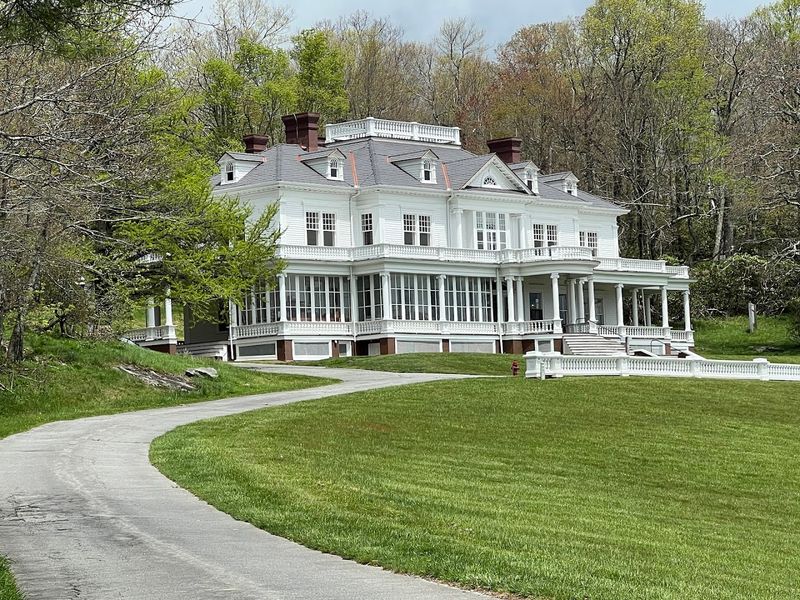
Blue Ridge light has a way of flattering historic architecture, especially when a house already carries a romantic silhouette. Near Blowing Rock, Moses H.
Cone Manor rises with a turreted profile that instantly suggests a mountain castle, even though its style is more manor house than fortress. Set along the Blue Ridge Parkway, it is one of those places that feels made for lingering views.
Built in the early twentieth century for textile entrepreneur Moses Cone, the estate combines refined design with an extraordinary landscape of trails, lakes, and rolling mountain scenery. The manor itself is elegant and memorable, but the wider estate is what deepens the experience, giving you room to appreciate how architecture and environment enhance each other.
That relationship is a big part of the site’s enduring appeal.
What makes this stop especially satisfying is its accessibility and atmosphere. You can admire the house, explore the grounds, and watch the weather transform the scene in real time, which is particularly beautiful in fall.
The manor never feels isolated from the landscape that defines it.
If you are looking for a hidden castle feeling with panoramic views and a softer, more pastoral mood, Moses H. Cone Manor belongs on your itinerary.
It is photogenic, historic, and unmistakably tied to the magic of the Blue Ridge.