Georgia’s parks offer far more than scenic trails and beautiful views, they also provide some of the best opportunities in the South to encounter wildlife in its natural habitat.
Across the state, visitors can spot everything from alligators, deer, and river otters to wild horses, shorebirds, turtles, hawks, and migratory species that pass through during different seasons.
The experience often feels unpredictable in the best way, with every walk, paddle, or scenic overlook presenting the possibility of a new sighting.
Whether you’re an avid wildlife watcher or simply enjoy spending time outdoors, these destinations offer plenty to discover.
Together, they showcase the incredible diversity of Georgia’s natural world and the animals that call it home.
1. Cumberland Island National Seashore – St. Marys, Camden County
The trail starts with salt in the air and the feeling that anything could step out of the dunes.
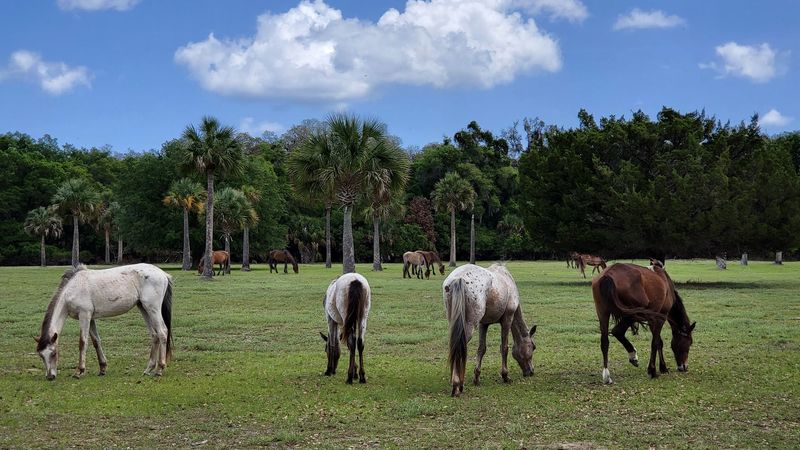
At Cumberland Island National Seashore near St. Marys, Camden County, that sense usually proves true, whether it is a wild horse near the road, an armadillo rustling beside a path, or shorebirds stitching tracks across the sand.
I always notice how the island shifts between beach, marsh, and forest so easily, and each habitat seems to hold a different set of eyes.
Even the ferry ride there feels like part of the story.
A breeze can distract you, so I remind myself to look beyond the horizon.
The maritime forest often brings quieter sightings, including deer, raccoons, and woodpeckers, while the beaches are better for gulls, pelicans, and ghost crabs working fast at low tide.
Bring water, sturdy shoes, and respect for distance, especially around the horses, because they are not interested in meeting anyone.
The island rewards slow walkers who keep their cameras ready and their expectations loose.
2. Chattahoochee Nature Center – Roswell, Fulton County
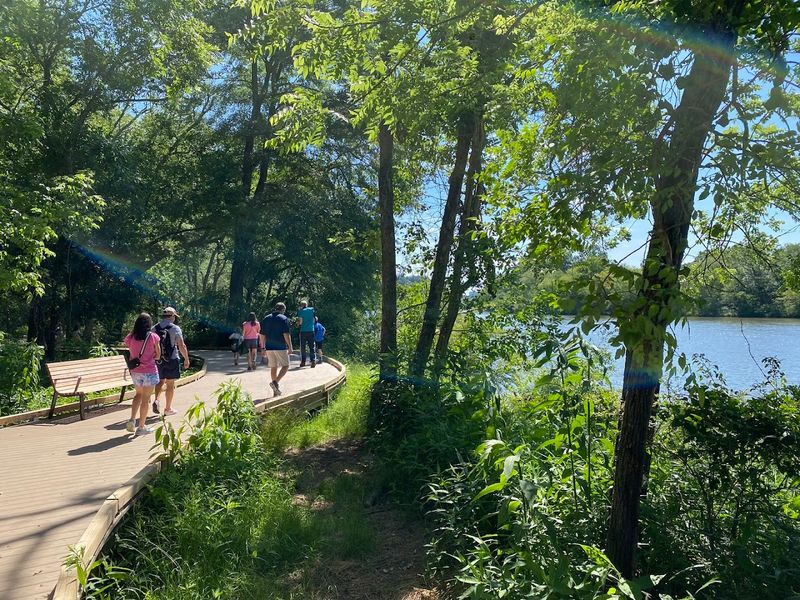
Not every animal encounter needs a long drive or muddy boots to feel memorable.
At Chattahoochee Nature Center in Roswell, Fulton County, I like how quickly the city noise drops away and gives room to birdsong, frog calls, and the rustle of something small in the reeds.
Wetlands, forest trails, and river views keep the place lively, so I have spotted herons, turtles, deer, and plenty of songbirds in one relaxed visit. It feels approachable, which is part of its charm.
A quiet morning often works better here than a packed afternoon.
The Chattahoochee River boardwalks are great for watching wading birds, and the butterfly garden adds color when migration seasons bring extra movement through the area.
If you are bringing kids, the wildlife exhibits help connect the dots between what they see on the trail and what lives in North Georgia year-round.
I appreciate that this spot teaches you to look closer, then rewards you for doing exactly that.
3. George L. Smith State Park – Twin City, Emanuel County
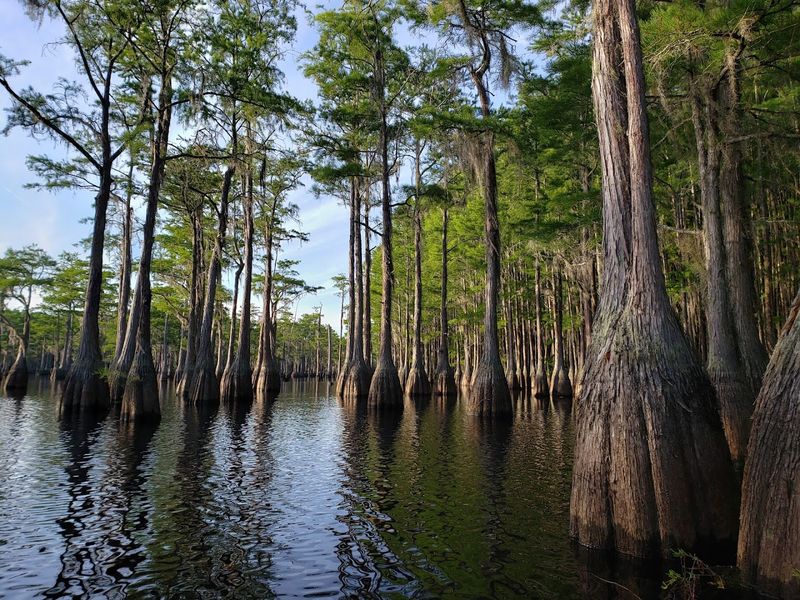
Glassy water can fool you into thinking nothing is happening, right up until a bird lands or a turtle slips under.
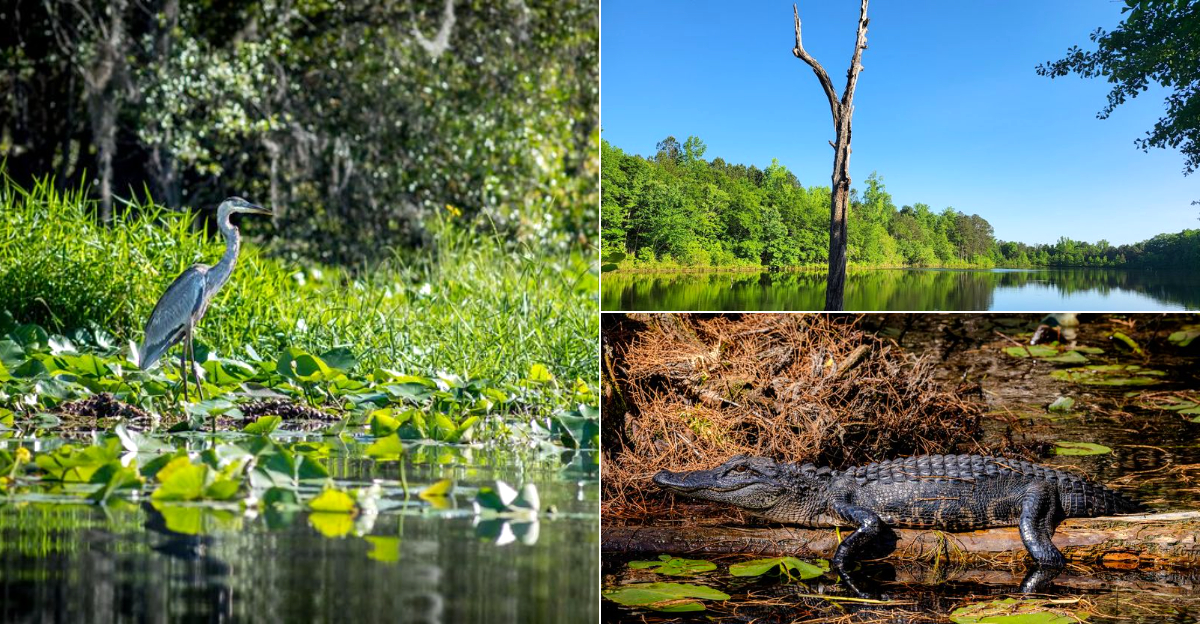
At George L. Smith State Park in Twin City, Emanuel County, the cypress-filled mill pond turns every paddle into a slow scan for movement among reflections.
I have watched great blue herons stalk the shallows here while dragonflies flashed past and fish disturbed the surface in quick rings.
The old covered bridge and mill add character, but the wildlife keeps stealing the scene.
Stillness is the real guide in this park.
George L. Smith State Park is best explored by kayak or canoe, where you can drift close enough to hear wood ducks and notice how the light changes under the cypress branches.
Early morning usually gives the calmest water and the best chance to catch birds feeding before the day gets busy.
Bring a dry bag, move gently near the logs, and do not rush, because the pond reveals more when you stop trying to outpace it.
4. Jekyll Island – Jekyll Island, Glynn County
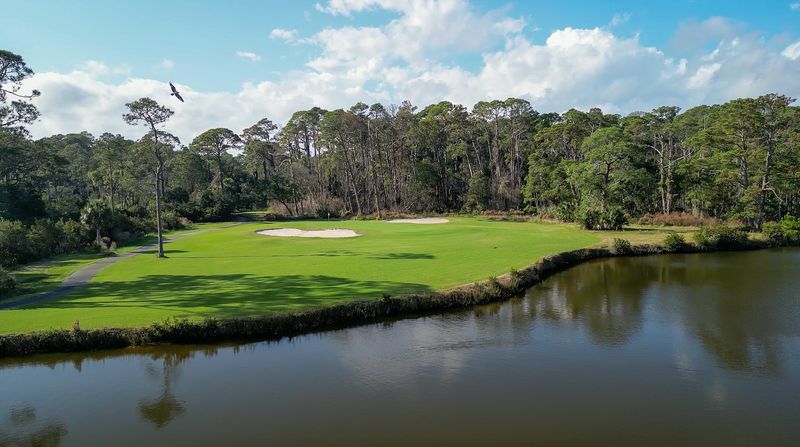
The coast has a way of making every walk feel like a scavenger hunt with feathers and flippers.
On Jekyll Island in Glynn County, I have gone out looking for one thing and come back talking about five, from dolphins offshore to fiddler crabs in the marsh and brown pelicans cruising just above the surf.
The island blends beaches, maritime forest, and salt marsh so well that animal encounters never feel locked to one trail. Even a bike ride can turn into a birdwatching stop.
Tide charts matter more here than people first expect.
Jekyll Island is especially interesting during sea turtle season, when protected nesting areas remind you how important this stretch of coast is, and the Georgia Sea Turtle Center adds useful context before you head back outside.
I like the marshes for egrets and herons, while Driftwood Beach often gives me shorebirds and a few good dolphin scans.
Carry sunscreen, keep your distance from nesting zones, and let the island set the pace.
5. Stephen C. Foster State Park – Fargo, Charlton County
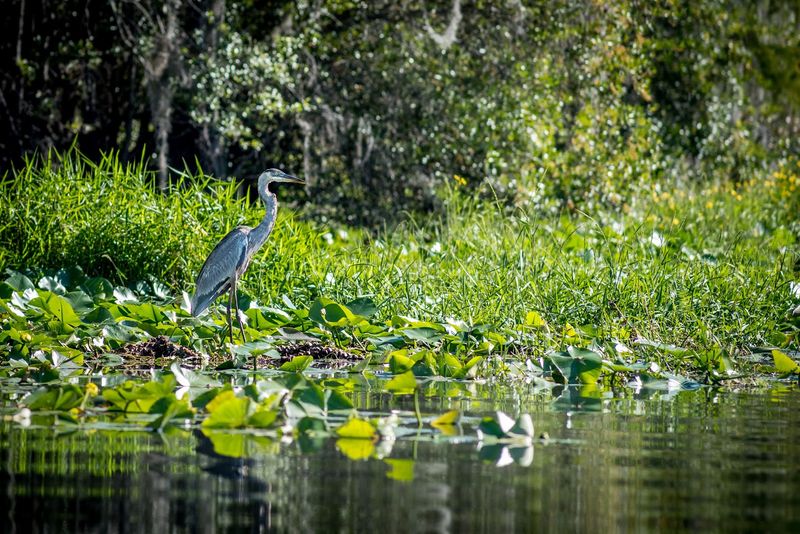
Dark water and open sky make a striking pair, especially when wildlife fills the space between them.
At Stephen C. Foster State Park in Fargo, Charlton County, I always feel like the swamp has its own schedule, with alligators warming near the banks, ibises crossing overhead, and frogs taking over once evening settles in.
Because the park sits inside the Okefenokee, the animal watching here feels immediate and wonderfully unscripted. Even the drive in starts setting the mood.
Night brings a second act that many visitors miss.
Stephen C. Foster State Park is one of Georgia’s best dark sky spots, and after sunset I have listened to owls and insects while stars reflected off the blackwater nearby.
During the day, guided boat tours help you cover more habitat, while paddling lets you move quietly enough to notice smaller details, like basking turtles and hidden nests.
Pack sun protection, keep your voice low, and treat every still patch of water as if it already has a resident.
6. Harris Neck National Wildlife Refuge – Townsend, McIntosh County
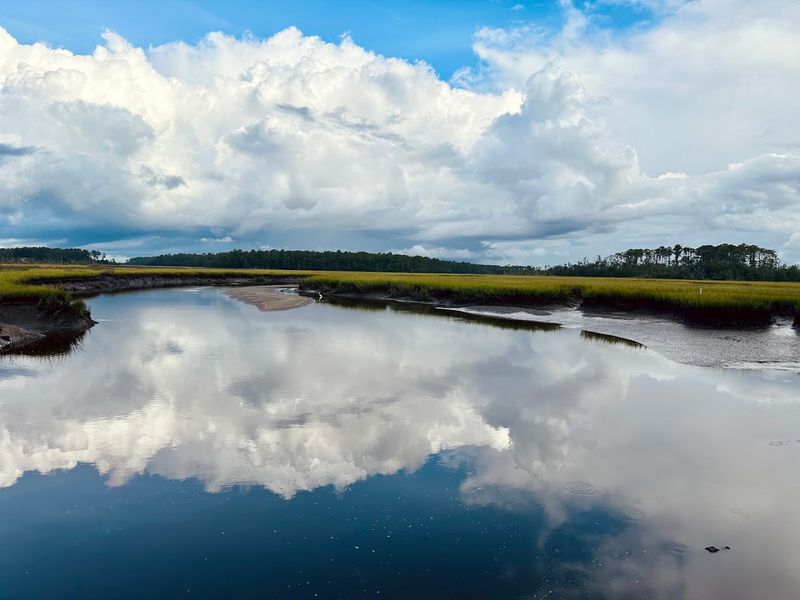
The first thing that grabbed me here was not noise but layers of it.
At Harris Neck National Wildlife Refuge in Townsend, McIntosh County, bird calls overlap across ponds, woods, and marsh edges, making the whole place feel busy before you even lift your binoculars.
Wood storks, egrets, herons, alligators, and deer all show up regularly, and the driving loop makes it easy to explore several habitats without much guesswork.
I like that the refuge feels open without ever feeling empty.
A small movement near the water can become the best sighting of the day.
Harris Neck National Wildlife Refuge is especially strong for birding during nesting and migration periods, and the rookery views can hold your attention longer than planned when chicks and adults are constantly in motion.
The wildlife blinds and platforms help with patient watching, which is usually how the better moments happen.
Bring bug spray, keep a respectful distance from nesting areas, and stay longer than your first lap suggests.
7. Okefenokee National Wildlife Refuge – Folkston, Charlton County
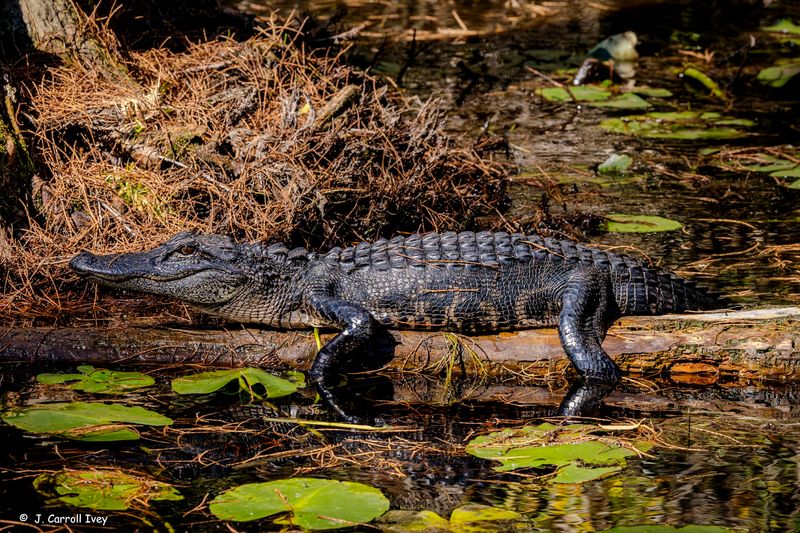
The water barely ripples, and that is usually your first clue that something is watching back.
At Okefenokee National Wildlife Refuge in Folkston, Charlton County, I learned quickly to scan every log twice, because one of them might blink.
Alligators are the headline here, but the supporting cast is just as good, with wood storks, barred owls, white-tailed deer, and turtles sliding off sunlit banks.
The swamp feels ancient without trying too hard, and the boardwalks make it easy to slow down and notice movement.
Some parks feature coastal marshes and island ecosystems, but this one protects mountain forests, wetlands, rivers, and unique natural landscapes that support a remarkable variety of animals.
Silence does a lot of talking in this landscape.
I like the canoe trails most, especially early in the day when the light hits the tea-colored water and birds start trading calls overhead.
Bring binoculars, insect spray, and more patience than speed, because this is a place where stillness pays off.
Here, the refuge often turns a simple paddle into a full wildlife roll call.
8. Panola Mountain State Park – Stockbridge, Rockdale County
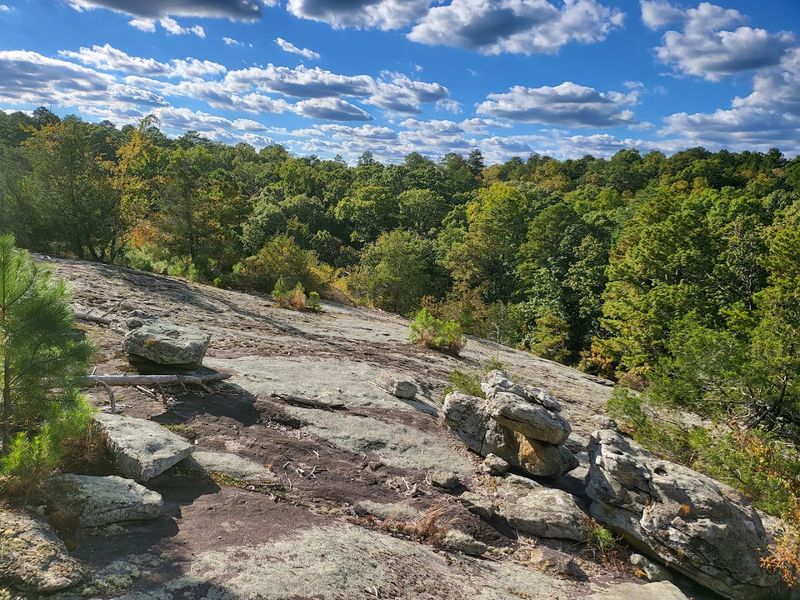
Granite country looks spare at first, then starts revealing life in the cracks, trees, and sky.
At Panola Mountain State Park near Stockbridge in Rockdale County, I have watched deer step through the woods while hawks circled over the outcrop and small lizards warmed themselves on sunlit stone.
The protected mountain gives the park a different rhythm from Georgia’s wetter wildlife spots, and that contrast keeps every walk interesting.
You have to pay attention here, and that is half the fun.
Wind often carries the first hint that something is nearby.
Panola Mountain State Park offers guided hikes on the mountain itself, and those tours are useful because the fragile ecosystem supports rare plants while also drawing birds and smaller animals to the edges of the rock.
The paved paths and forest trails are better for relaxed wildlife watching, especially in the early morning before the sun gets strong.
Wear solid shoes, pack water, and look up often, because some of the best sightings happen overhead.
9. Tallulah Gorge State Park – Tallulah Falls, Rabun County
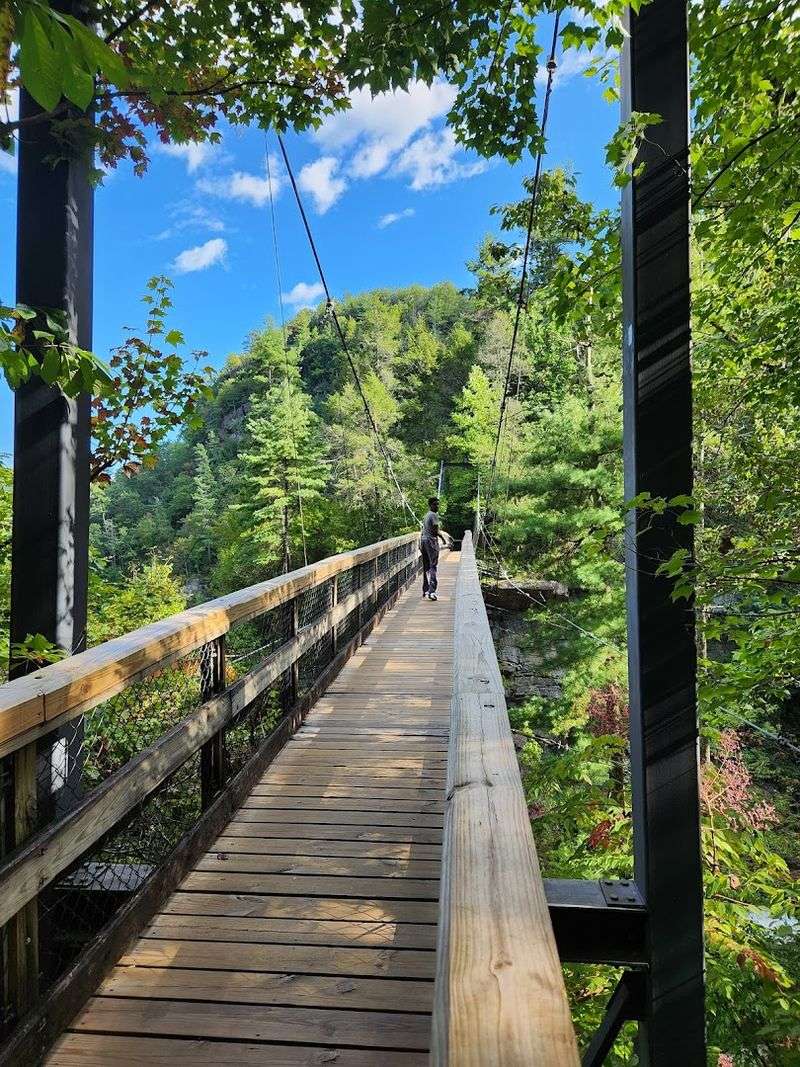
Steep cliffs make you look down first, but the smarter move is to keep checking the sky and tree line.
At Tallulah Gorge State Park in Tallulah Falls, Rabun County, I have seen vultures and hawks ride the currents above the canyon while smaller birds flickered through the woods along the rim trails.
The gorge itself is dramatic, yet the wildlife often appears in quick, quiet moments that reward a slower pace.
Even crossing the suspension bridge can turn into a spotting session.
Sound travels differently in a canyon, which makes every call feel closer than expected.
Tallulah Gorge State Park supports deer, black bears, songbirds, and plenty of reptile life, though most visitors are more likely to notice the birds of prey and squirrels unless they linger on the less crowded paths. I usually bring binoculars and start early, because cooler hours bring more movement and fewer distractions at the overlooks.
Stay aware near the edges, pause between viewpoints, and let the gorge reveal something besides the obvious.
10. Skidaway Island State Park – Savannah, Chatham County
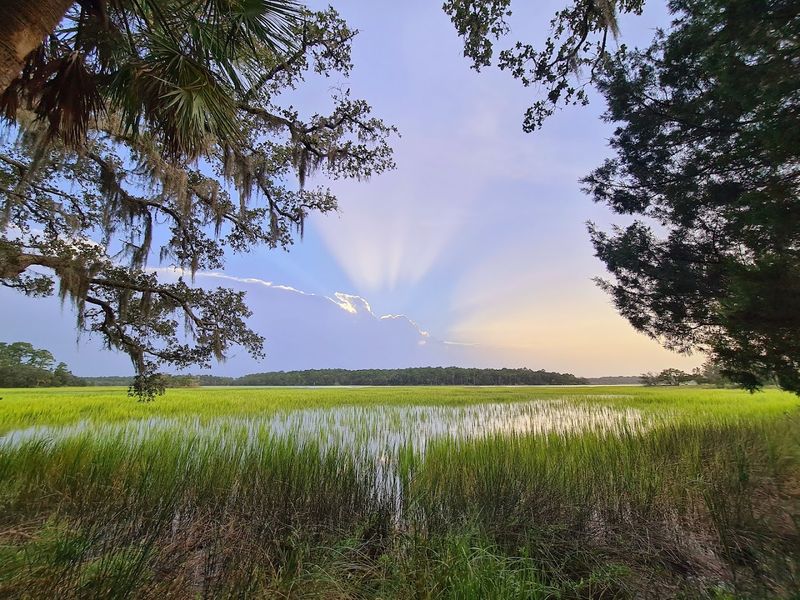
Marsh light changes by the minute, and so does the cast of animals using it.
At Skidaway Island State Park near Savannah in Chatham County, the boardwalks through salt marsh and maritime forest make it easy to catch fiddler crabs waving, egrets hunting, and deer slipping through the shade under live oaks.
I like how the park balances comfort with real habitat, so even a short walk feels full of possibility.
Spanish moss helps the mood, but the wildlife does the real work.
Tides quietly run the schedule around here.
Skidaway Island State Park is a strong place for birders, especially during migration, and the observation tower gives a wider look across marsh channels where movement can be easy to miss from ground level.
I usually check the low tide windows for crab activity and bring a light pair of binoculars for shorebirds and raptors.
Wear shoes that can handle damp trails, keep an ear out for rustling in the understory, and do not be surprised if the marsh steals all your attention.
11. Red Top Mountain State Park – Cartersville, Bartow County
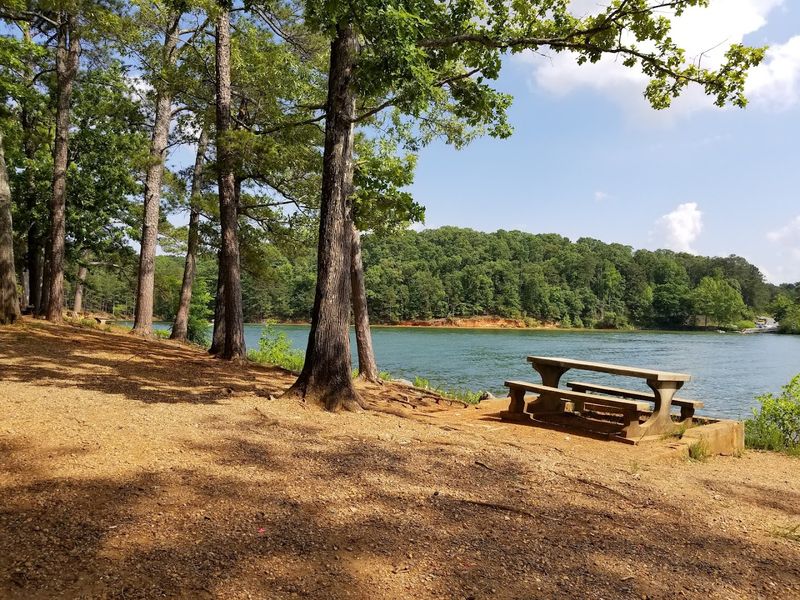
Lakeside trails have a sneaky way of doubling your chances for wildlife.
At Red Top Mountain State Park in Cartersville, Bartow County, I can move from shaded forest to Lake Allatoona shoreline in one walk, and that shift usually brings a different set of sightings, from deer and songbirds to turtles and ospreys near the water.
The terrain is friendly enough for a relaxed visit, but it still offers plenty of wild interruptions. That combination makes it easy to linger.
A bend in the trail can change the whole mood in seconds.
Red Top Mountain State Park has several paths where quieter sections reward patient walkers, especially in the morning when the lake is calmer and birds are more active along the coves.
I tend to slow down near the water’s edge, where fish movement often draws attention from wading birds and hunting raptors.
Make sure to bring binoculars, watch for roots on the trails, and give yourself extra time, because this park makes small sightings feel oddly satisfying.
12. Sweetwater Creek State Park – Lithia Springs, Douglas County
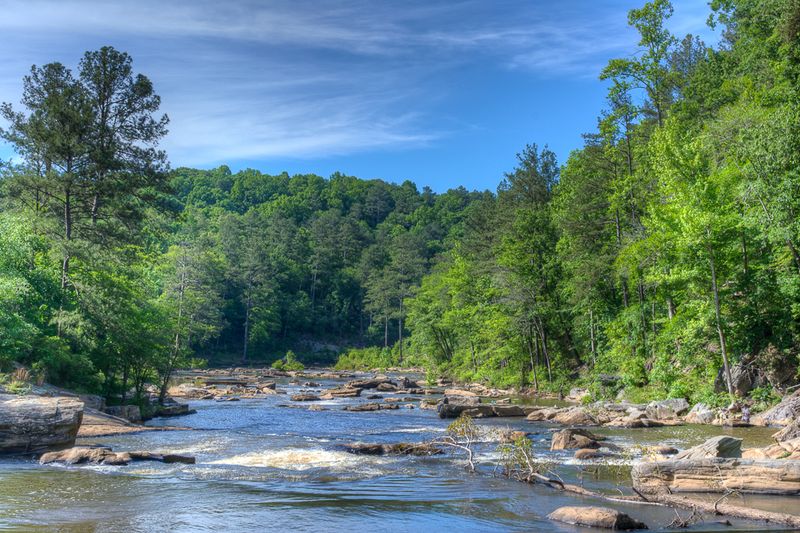
Running water can hide a lot of movement until you stop and let your eyes adjust.
At Sweetwater Creek State Park in Lithia Springs, Douglas County, I have found that the creekside trails offer more than scenery, with herons near the water, turtles on rocks, and deer deeper in the woods away from the busiest sections.
The old mill ruins pull plenty of attention, but the surrounding habitat deserves just as much.
Wildlife here tends to appear in fragments, then suddenly in full view.
Shade keeps the trails comfortable and the watching worthwhile.
Sweetwater Creek State Park is especially pleasant in cooler months, when the leaves are thinner and it becomes easier to spot birds moving through the canopy or along the creek corridor.
I like arriving early, before the popular paths fill up, because quieter conditions seem to encourage more visible animal activity.
Wear shoes with grip, stay attentive near the water, and remember that the best sighting may happen while everyone else is staring at the ruins.
13. Providence Canyon State Park – Lumpkin, Stewart County
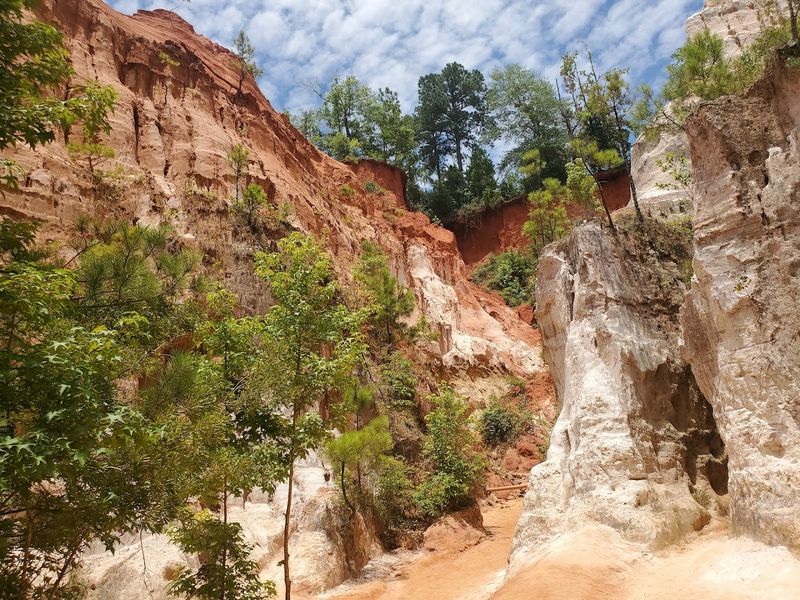
The ground steals the spotlight here, but the animals are not exactly shy if you keep looking.
At Providence Canyon State Park near Lumpkin in Stewart County, I have spotted lizards on warm trail edges, hawks above the canyon, and woodland birds using the pines that frame the colorful gullies.
The terrain is unusual for Georgia, which gives the wildlife watching a slightly different feel from the state’s wetter parks. It is a place where I notice small details faster.
Color pulls your gaze downward, so I remind myself to scan every level.
Providence Canyon State Park supports deer, reptiles, and plenty of birdlife along the rim and forest sections, while the canyon floor can feel quieter until movement flashes across the path.
I usually bring extra water because the sandy trails and open areas can warm up quickly, especially later in the day.
Watch your footing on steeper sections, pause near the pine edges, and trust the fact that this landscape rewards curious eyes.
14. Sapelo Island – Sapelo Island, McIntosh County
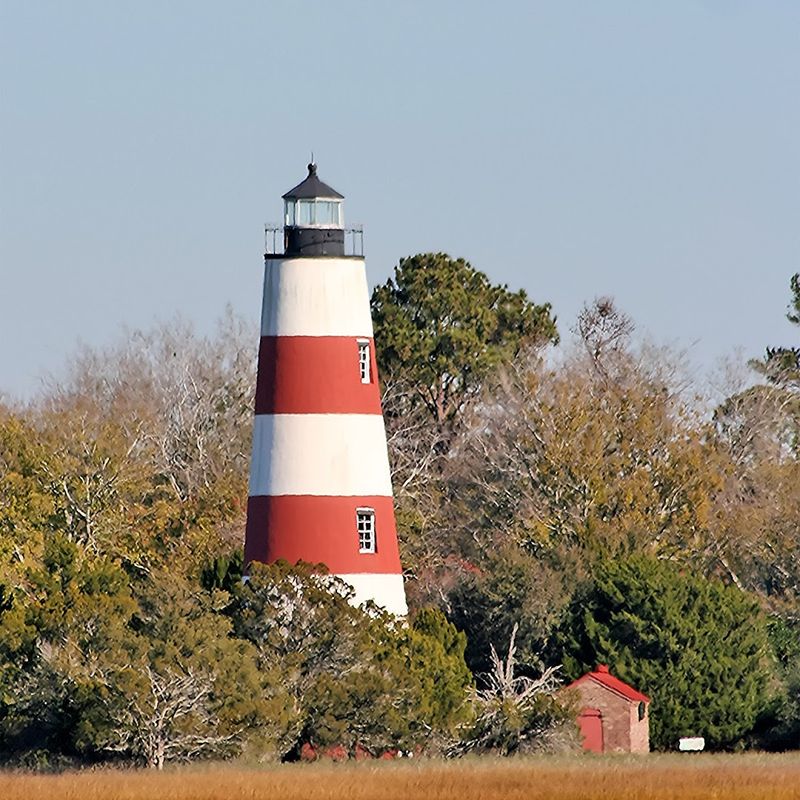
Remoteness sharpens your senses, and that is part of the pleasure here.
On Sapelo Island in McIntosh County, I pay closer attention to every beach track, marsh ripple, and bird call because the island feels wonderfully removed from the usual pace.
Shorebirds, dolphins, deer, and alligators all have their spaces here, and the mix of beach, forest, and marsh means the wildlife list can grow quickly.
Even the ferry ride sets up the feeling that you are heading somewhere less edited.
History and habitat share the island without competing for attention.
Sapelo Island is known for its research areas and preserved landscapes, which helps wildlife remain a central part of the visit rather than a lucky extra, and I appreciate how raw the scenery still feels.
Guided tours are often the practical way to explore, and they add useful context about both ecology and local heritage.
Bring sun protection, stay flexible with transportation plans, and expect the island to leave you with more questions than photos.
15. Arabia Mountain National Heritage Area – Lithonia, DeKalb County
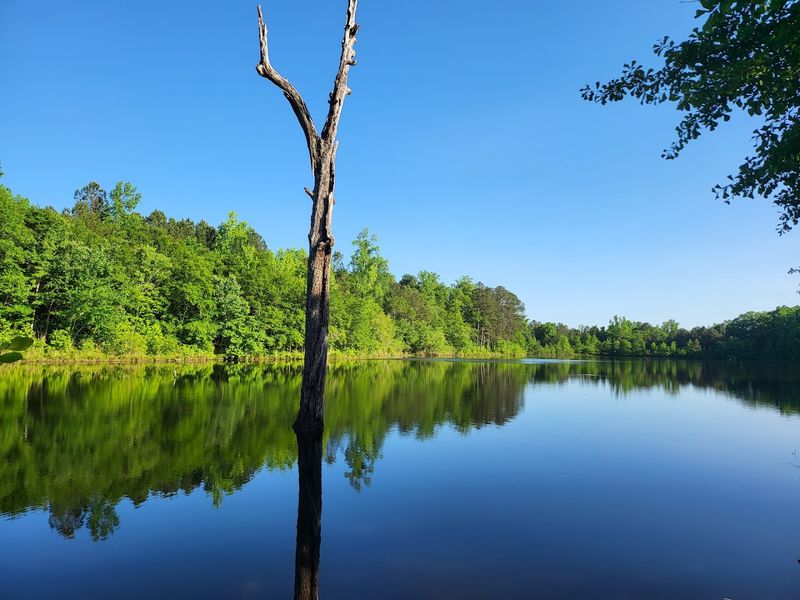
Open granite changes the rules of wildlife watching in the best possible way.
At Arabia Mountain National Heritage Area in Lithonia, DeKalb County, I have seen deer near meadow edges, birds working the sky above the rock, and tiny creatures using shallow pools that many people walk past without noticing.
The landscape feels broad and exposed, yet it still hides life in clever places.
That contrast keeps me paying attention from the trailhead onward.
Sunrise gives this place a quieter kind of energy.
Arabia Mountain National Heritage Area includes trails, wetlands, and rock outcrops, so the variety of habitats supports more wildlife than the bare stone first suggests, especially during migration and wildflower season.
I like walking here after a rain, when reflective pools attract insects and birds, and the rock takes on richer color without losing its stark character.
Carry water, watch for slippery sections on the granite, and take your time because this area rewards careful looking over fast mileage.