North Carolina offers remarkable opportunities to see animals living in expansive, breathtaking natural settings.
Some destinations feature wetlands and coastal marshes teeming with migratory birds, while others showcase mountain forests, open grasslands, and protected wilderness areas.
The experience often feels more like a true wildlife adventure than a traditional sightseeing trip, with every trail, boardwalk, or scenic drive offering the possibility of an unexpected encounter.
Even a quiet walk can reveal something memorable, from soaring eagles to grazing wildlife hidden among the trees.
Together, they highlight the incredible diversity of North Carolina’s wildlife and the landscapes that sustain it.
1. North Carolina Zoo – Asheboro, Randolph County
The first hint that this place plays by bigger rules is the amount of breathing room.
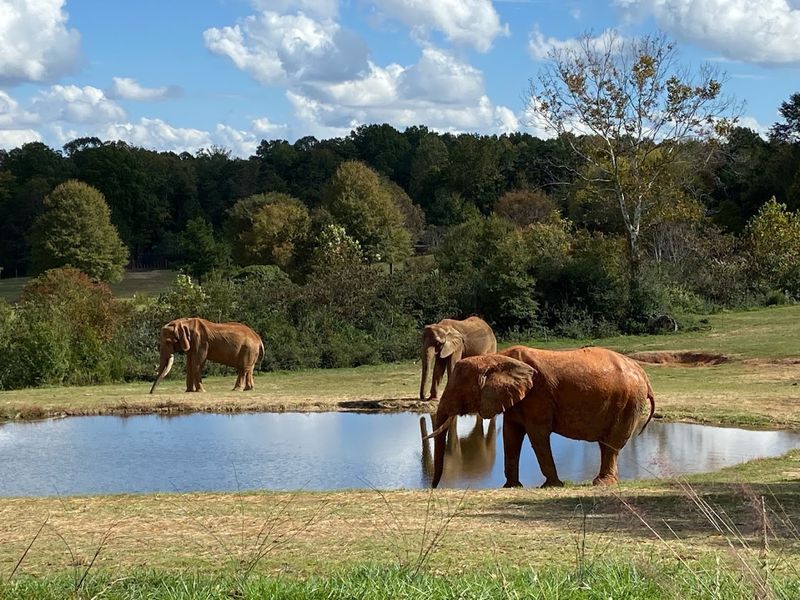
At North Carolina Zoo in Asheboro, Randolph County, I spend less time peering into exhibits and more time scanning horizons for elephants, giraffes, and rhinos moving through spacious habitats.
Because the grounds are huge, comfortable shoes matter, and I usually start early before the afternoon heat turns every hill into a tiny workout.
Something always seems to be happening just beyond the obvious view.
The Africa and North America sections are connected by walking trails and shuttles, and that layout makes the day feel more like a ramble through living landscapes than a checklist of animals.
I like lingering at the wetlands and aviaries too, where quieter species reward patience.
There is a conservation backbone here that keeps the visit grounded.
Interpretive signs explain breeding programs and habitat protection without slowing the fun, and seasonal keeper talks add useful context.
If you time it right, the zoo feels less crowded and far more conversational.
2. Great Smoky Mountains National Park – Cherokee, Swain County
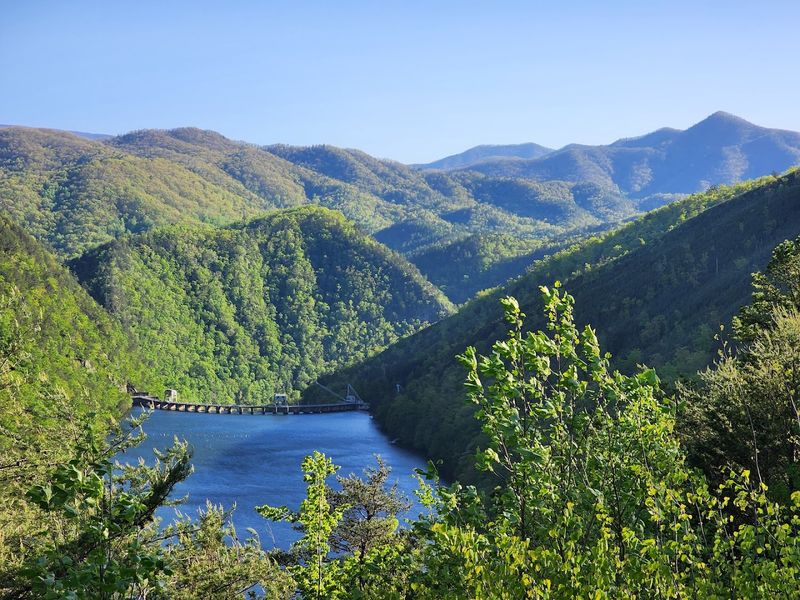
Mist can make the mountains feel secretive, but the meadows tell on them.
In Great Smoky Mountains National Park near Cherokee, Swain County, I head to Cataloochee Valley and Oconaluftee for the best chance to see elk grazing in open fields with the ridges rising behind them.
Black bears, turkeys, deer, and smaller wildlife add extra surprises when traffic is light.
The timing matters more than mileage here.
Early morning and late evening are best for wildlife watching, and patience at pullouts often beats constant driving because animals appear when the valley quiets down.
I keep a respectful distance, especially during elk rut season, when males are impressive and definitely not in a meet and greet mood.
There is also history woven into the scenery.
Old homesteads, churches, and stone walls sit near the open habitats, giving the animal sightings a deeper sense of place.
On a short visit, the Smokies manage to feel both expansive and intimate at once.
3. Lake Mattamuskeet National Wildlife Refuge – Swanquarter, Hyde County
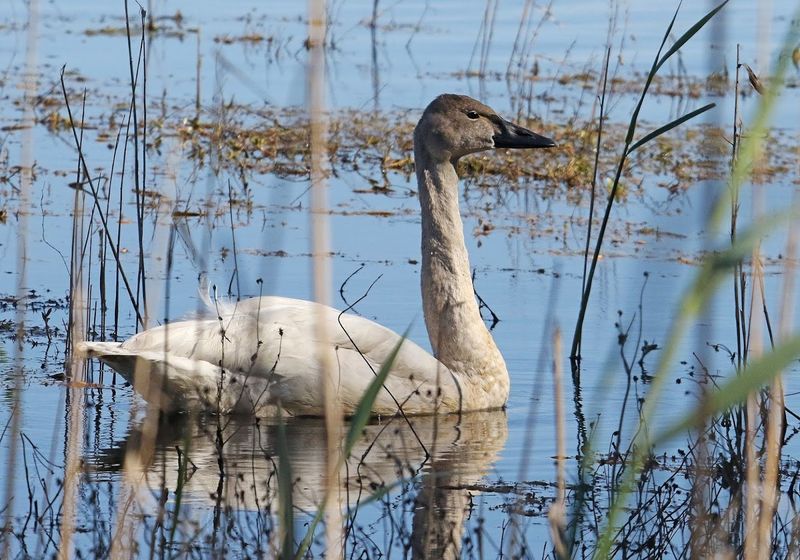
Water stretches so far here that the horizon almost looks borrowed from the sea.
At Lake Mattamuskeet National Wildlife Refuge in Swanquarter, Hyde County, I get broad views of North Carolina’s largest natural lake, along with marshes and impoundments that draw swans, ducks, herons, and countless other birds.
It is a place where binoculars earn their keep quickly.
Roadside watching is wonderfully effective at this refuge.
Wildlife viewing platforms, quiet pull offs, and the causeway area let me scan open water and shoreline without much effort, and winter can be especially rewarding when migratory birds arrive in impressive numbers.
If you enjoy photography, late afternoon often brings softer light and better reflections.
The setting has an unhurried character that I find easy to settle into.
Fish, reptiles, and mammals also use the refuge, so there is more going on than the bird list suggests.
I usually leave with muddy shoes, a full camera roll, and the feeling that I still missed half the action.
4. Turtle Rescue Team Outdoor Habitat – Boone, Watauga County
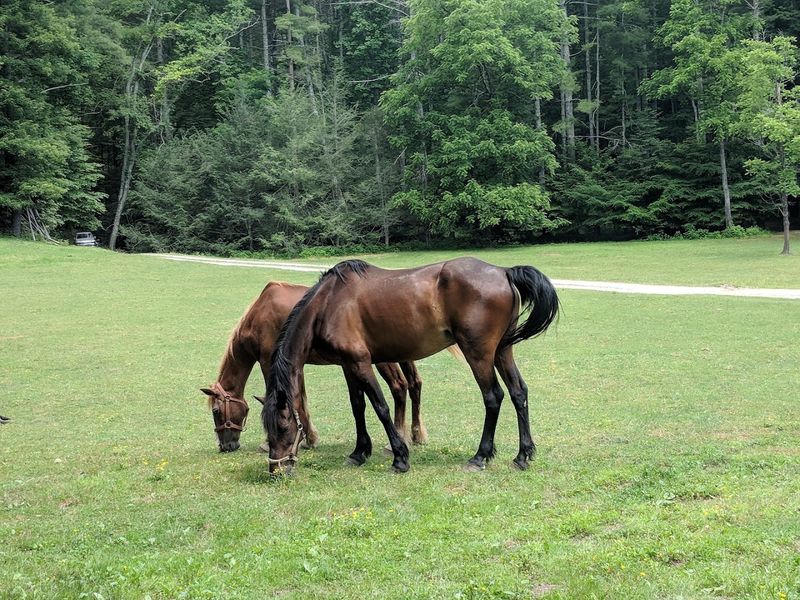
Sometimes the smallest residents tell the most memorable story.
At the Turtle Rescue Team Outdoor Habitat in Boone, Watauga County, I get a closer look at native turtles and the rehabilitation work that helps injured animals recover in a setting designed to mimic natural conditions.
It is not a sprawling park, but it feels thoughtful, focused, and refreshingly personal.
The outdoor habitat makes observation easy without feeling overly staged.
Ponds, basking areas, and planted edges give turtles room to behave like turtles, which means I often end up standing still longer than planned, watching who climbs onto a log and who slips quietly underwater. Kids tend to love it, but adults usually get pulled in by the rescue stories too.
What stays with me most is the educational angle.
Staff and signage explain threats like road strikes, fishing line, and illegal collection in plain language that sticks with you after the visit.
After all, if you are already exploring Boone, this stop adds a gentle but meaningful wildlife detour.
5. Alligator River National Wildlife Refuge – Manteo, Dare County
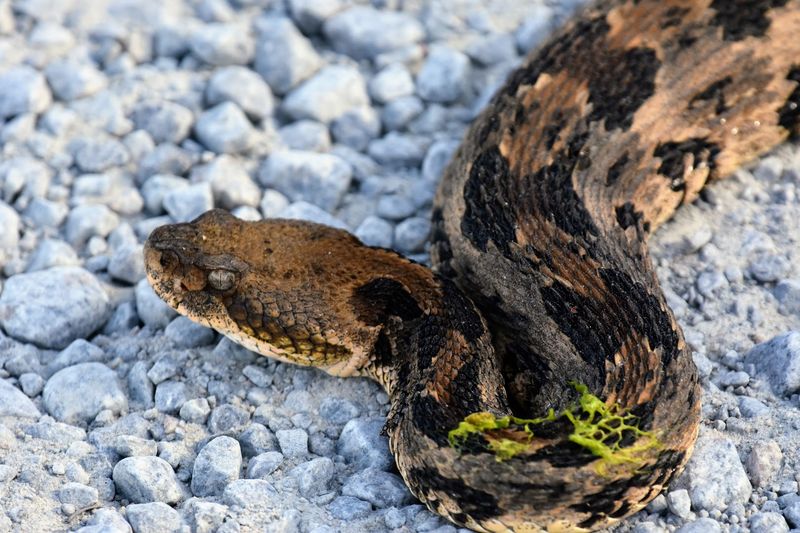
Some places ask you to look harder, and that is part of the thrill.
At Alligator River National Wildlife Refuge near Manteo, Dare County, I never expect a guaranteed sighting, but I do expect the kind of wild silence that makes every movement in the grasses feel important.
Black bears, red wolves, river otters, and alligators live across this broad mix of marsh, pocosin, and forest.
The roads here are part of the experience.
Wildlife drive routes and observation points let me cover more ground, and dawn or dusk usually bring the best odds for spotting larger animals without much commotion.
Bug spray is not optional in warmer months, and binoculars make a bigger difference here than almost anywhere else on this list.
There is a patient rhythm to the refuge that I appreciate more each time I visit.
The red wolf recovery story adds weight, and winter birding can be excellent when migratory species move through.
Even when the animals stay hidden, the landscape still feels vividly inhabited.
6. Sylvan Heights Bird Park – Scotland Neck, Halifax County
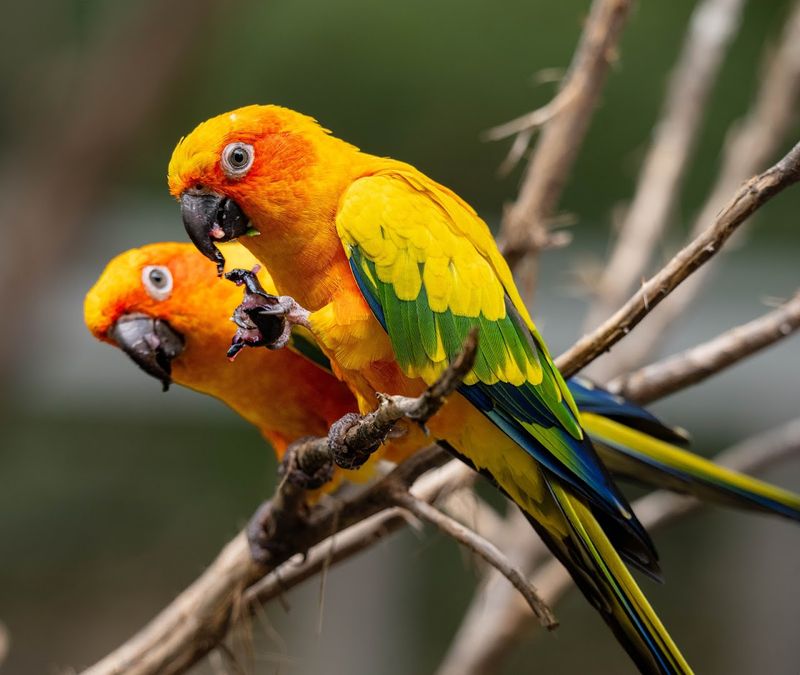
Feathers steal the show here before you even reach the gate.
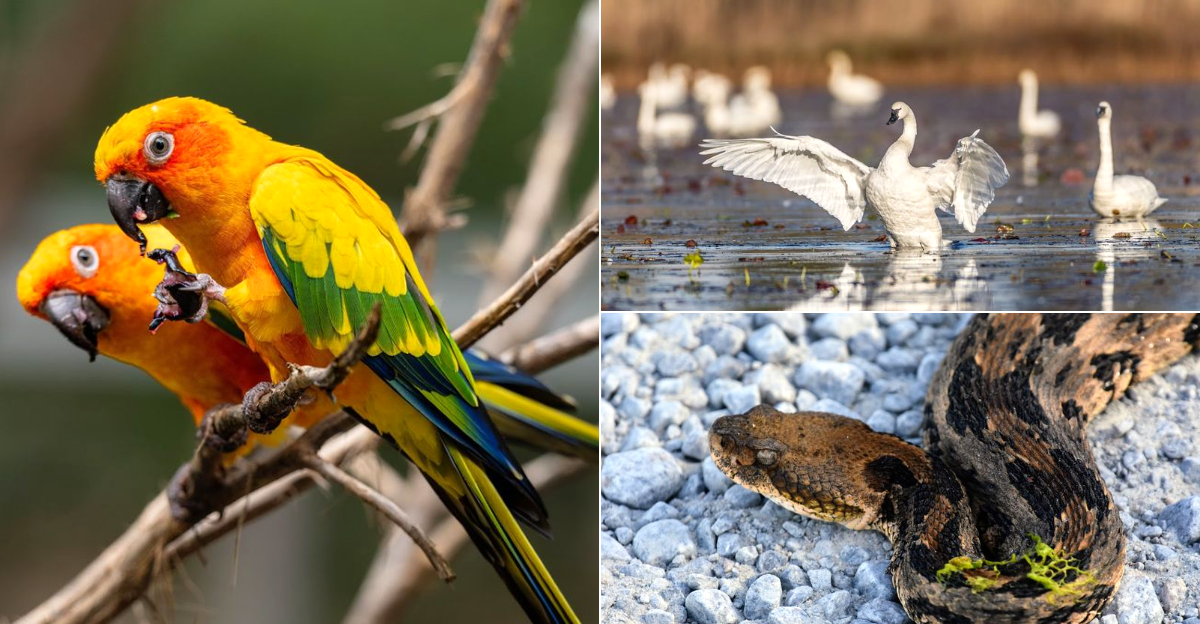
At Sylvan Heights Bird Park in Scotland Neck, Halifax County, I can walk among flamingos, cranes, parrots, and rare waterfowl in aviaries that feel airy, leafy, and surprisingly calm.
The park is not massive, which makes it easy to explore slowly without feeling rushed or worn out.
A quiet path can suddenly turn into a parade of color.
Different aviaries are organized by global regions, so I move from South America to Africa to Asia in a single afternoon, usually stopping to watch birds preen, squabble, or glide across the water.
If you bring a camera, morning light tends to be friendlier and the birds are often more active.
There is plenty here for people who think they are not bird people.
Educational signs are clear, the landscaping is lovely, and the focus on endangered species gives the visit real substance.
I especially like the landing zone, where lorikeets add a little comic timing to the day.
7. Currituck National Wildlife Refuge – Corolla, Currituck County
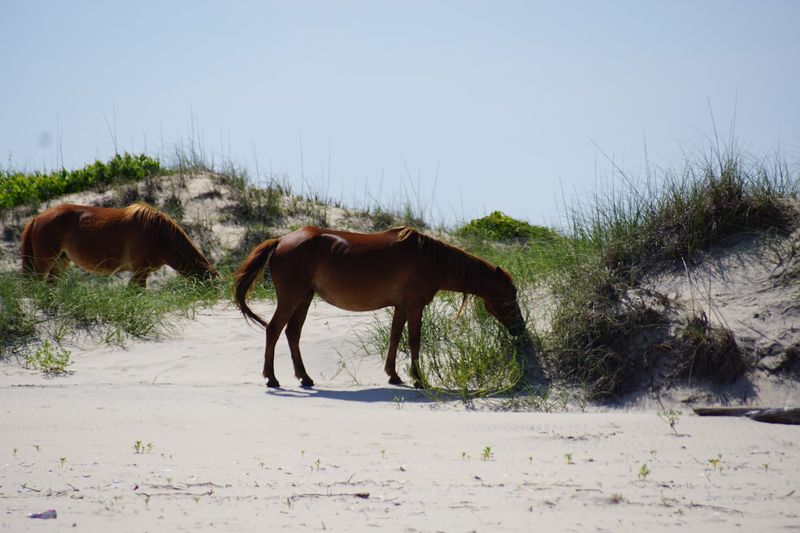
The coast feels wilder when the road ends and the dunes take over.
At Currituck National Wildlife Refuge in Corolla, Currituck County, I look for wildlife among maritime forest, marsh, beach, and shrub thicket, with migratory birds and the famous Corolla wild horses often stealing the conversation nearby.
The setting feels open, salty, and slightly untamed in the best way.
Reaching good viewing spots takes a little planning.
The refuge itself protects habitat rather than offering lots of built amenities, so I usually pair it with a careful drive or walk in the area and keep an eye out for shorebirds, deer, and tracks in the sand.
Respecting closures and keeping distance from horses matters, since these animals are not props and the landscape is sensitive.
I like how the refuge rewards quiet attention instead of constant activity.
The mix of ocean edge and back dune habitat creates a rich transition zone, especially during migration seasons.
Even a breezy afternoon here can feel like a lesson in how much life coastal spaces can hold.
8. Pocosin Lakes National Wildlife Refuge – Columbia, Tyrrell County
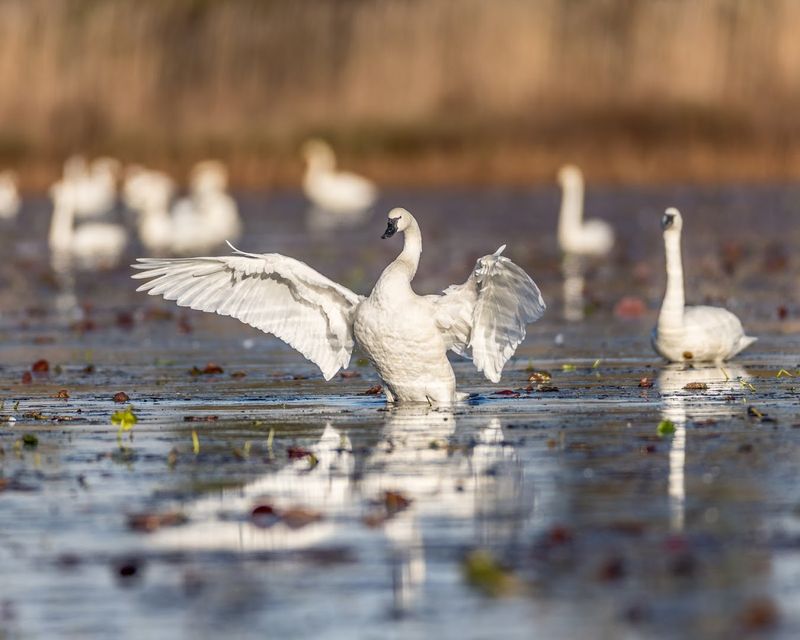
Winter turns this landscape into a moving cloud of wings.
At Pocosin Lakes National Wildlife Refuge in Columbia, Tyrrell County, I come for the spectacular gatherings of tundra swans, snow geese, and ducks that use these managed wetlands and fields as seasonal refuge. When thousands lift off at once, the sound alone can stop a conversation mid sentence.
The best views often come from simple places.
Observation decks, roadside pull offs, and nearby viewing areas around the refuge make it easy to watch birds without hiking far, which is handy on cold mornings when the wind cuts straight across the water.
I like arriving near sunrise, when the light catches white feathers and the whole scene sharpens.
This refuge also tells a bigger story about habitat management.
Water levels and impoundments are carefully maintained to support migratory birds, and that practical work is part of what makes the spectacle possible.
For those who enjoy birding with less crowd noise, weekdays usually feel especially peaceful here.
9. Pea Island National Wildlife Refuge – Rodanthe, Dare County
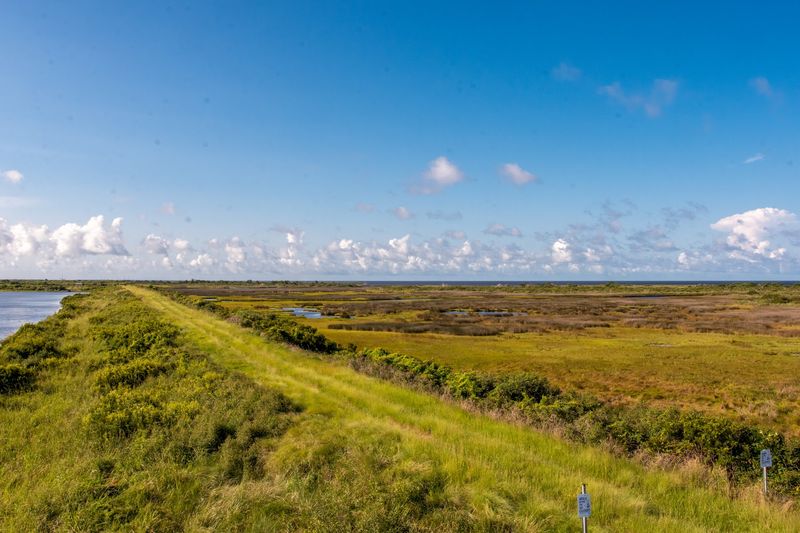
Birds seem to arrive here on a schedule that only they understand.
At Pea Island National Wildlife Refuge in Rodanthe, Dare County, I watch waterfowl, wading birds, shorebirds, and raptors use the ponds, marshes, beaches, and dunes spread across this thin Outer Banks landscape.
It is one of those places where a short walk can still fill a notebook.
The viewing setup is part of the appeal.
Boardwalks, observation platforms, and roadside pull offs make it easy to scan different habitats, and I usually find that mornings bring calmer conditions for spotting movement on the water.
During migration, the variety can be excellent, so even casual visitors often end up asking for help identifying something with wings and attitude.
There is also a strong sense of motion in the scenery itself.
Wind, tides, and weather constantly reshape the refuge, which means every visit has a slightly different feel.
I come for the birds, but I stay because the whole place hums with coastal energy and quiet detail.
10. Carolina Tiger Rescue – Pittsboro, Chatham County
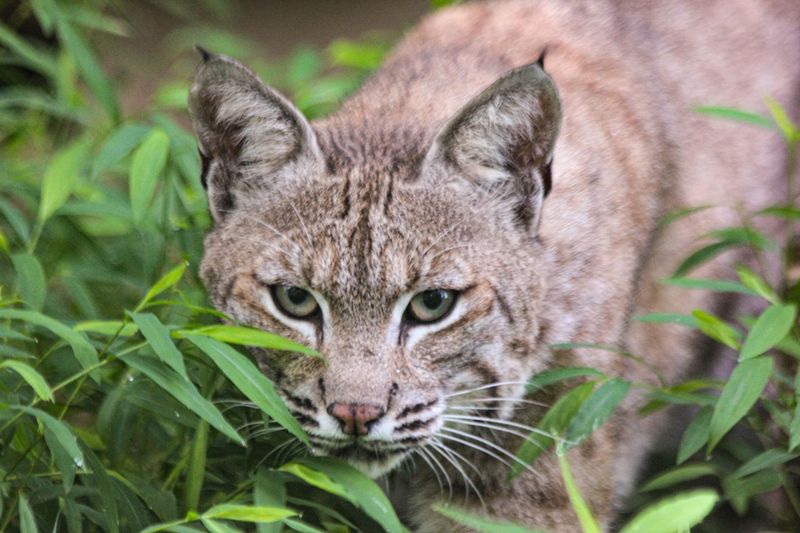
Power has a different look when it is paired with recovery.
At Carolina Tiger Rescue in Pittsboro, Chatham County, I see rescued tigers, lions, servals, caracals, and other carnivores living in large enclosures designed to give them more space, privacy, and dignity than they had before.
Because this is a sanctuary, guided tours shape the visit and keep the focus respectful.
The stories are as important as the sightings.
Hearing how each animal arrived, what care it needs, and why breeding or direct interaction are not part of the mission gives the experience a seriousness that still feels engaging rather than heavy.
I appreciate that the staff explains behavior clearly, so you notice more than stripes and size.
There is a practical tip worth remembering here.
Tours can sell out, especially on pleasant weekends, so booking ahead saves disappointment and gives you more options.
One leaves impressed not only by the animals themselves, but by how carefully the sanctuary centers their long term welfare.
11. Weymouth Woods-Sandhills Nature Preserve – Southern Pines, Moore County
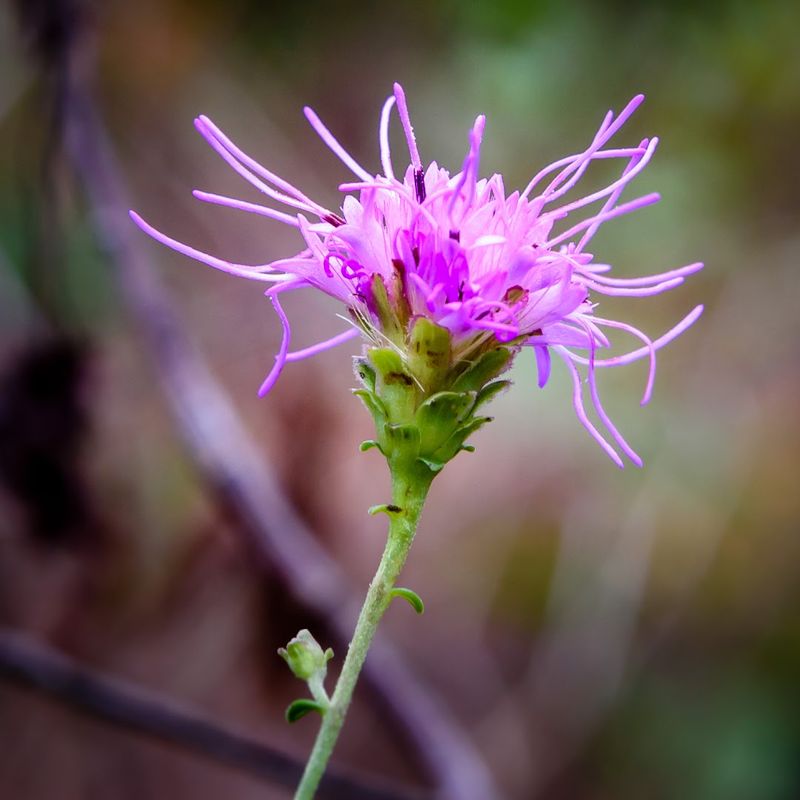
Open pine woods can seem quiet until you realize they are full of subtle movement.
At Weymouth Woods-Sandhills Nature Preserve in Southern Pines, Moore County, I walk through longleaf pine habitat where fox squirrels, birds, reptiles, and insects thrive in a landscape shaped by fire and sandy soil.
The preserve feels gentle at first, then gradually more alive with each step.
The trails are approachable, which makes paying attention easier.
I usually slow down near sunny clearings and listen for woodpeckers or watch for the oversized fox squirrels that have become a signature species here, often flashing rusty colors through the trees.
The visitor center helps connect the dots, especially if you want context about the Sandhills ecosystem.
What I like most is how distinct the habitat feels from other North Carolina forests.
Prescribed fire management supports the open structure that many species need, and that ecological detail gives the walk extra depth.
On a cool morning, the whole preserve feels crisp, fragrant, and quietly instructive.
12. Sandy Run Park – Kitty Hawk, Dare County
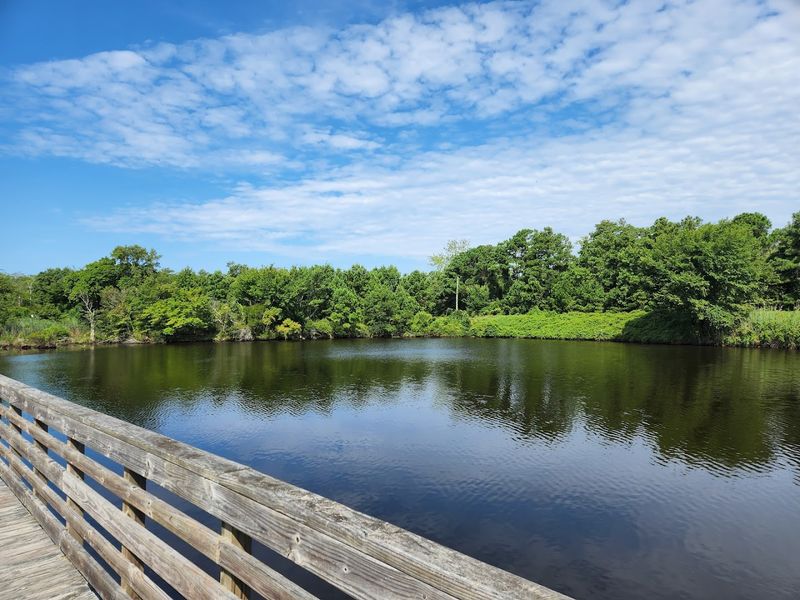
A simple boardwalk can open up a whole small world of motion.
At Sandy Run Park in Kitty Hawk, Dare County, I follow an easy trail through marsh and maritime forest where turtles, fish, frogs, crabs, and birds turn a short outing into a steady string of little discoveries.
It is compact, but the habitat variety keeps the walk from feeling ordinary.
The water does much of the entertaining here.
I usually pause at overlooks to watch turtles line up on logs and herons stalk the shallows, and the quiet design makes it easy to hear insects, frogs, and wind moving through the reeds.
Families do well here because the route is manageable, and casual nature watchers never need a big time commitment.
There is a nice local rhythm to the park that I find appealing.
You can pair it with a beach day, yet the setting feels different enough to reset your attention entirely.
Bring bug spray in warm weather, move slowly, and the marsh usually rewards that patience with something worth noticing.
13. Merchants Millpond State Park – Gatesville, Gates County
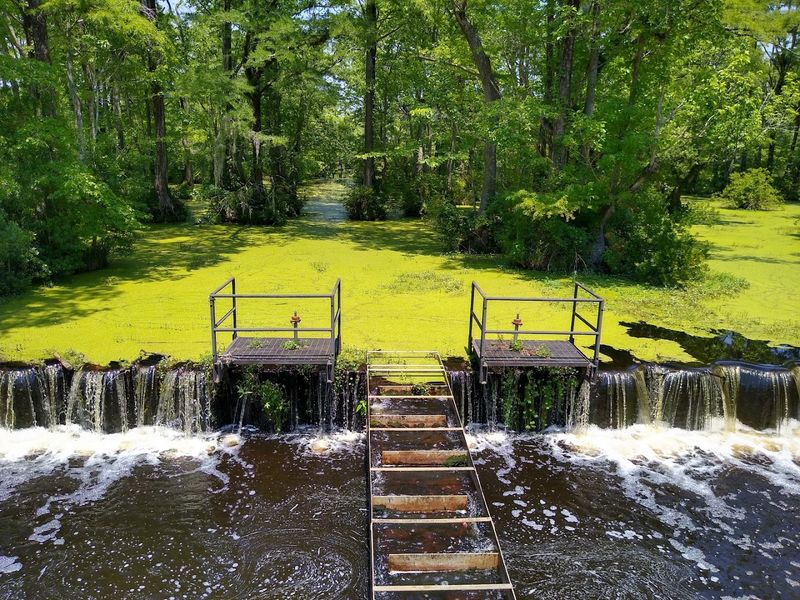
Still water can be deceiving when so much life hides just above and below it.
At Merchants Millpond State Park in Gatesville, Gates County, I find a cypress swamp and millpond where turtles bask, herons patrol, otters slip through channels, and alligators occasionally appear in warmer months.
The scene feels calm, but it never feels empty.
A canoe or kayak changes everything here.
Paddling through the pond lets me enter spaces that the trails only hint at, with lily pads, mossy trunks, and floating reflections creating the kind of quiet that sharpens every splash or rustle.
If you prefer to stay on land, the boardwalk and hiking trails still offer good chances to spot birds and reptiles.
There is a slightly mysterious quality to the park that makes it memorable without trying too hard.
Morning tends to be best for wildlife and cooler temperatures, especially in summer.
I like that the experience can feel adventurous even when the route is gentle and the distance is short.
14. Croatan National Forest – Havelock, Craven County
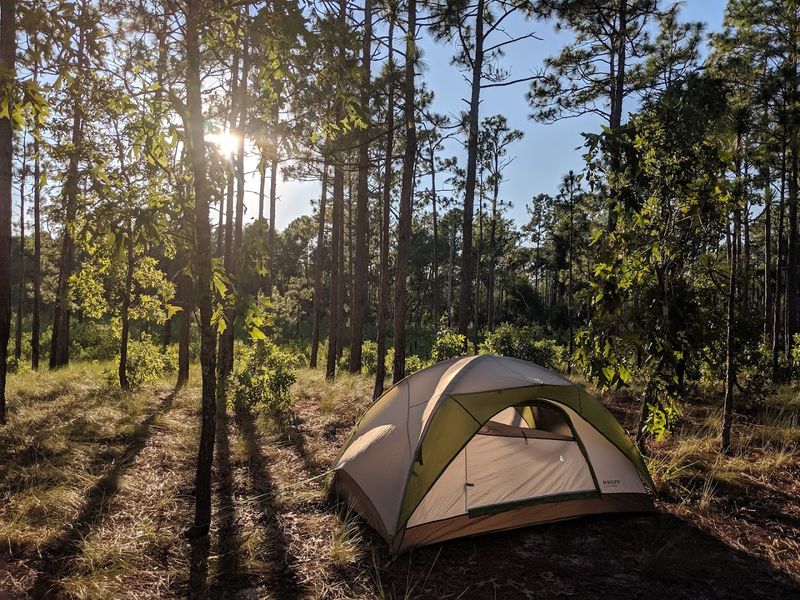
The ground itself starts the conversation here, from pine flats to wet pocosin.
In Croatan National Forest near Havelock, Craven County, I move through a huge mosaic of habitats that supports black bears, deer, turkeys, alligators, migratory birds, and even carnivorous plants in some wetland areas.
That range gives every trail and back road a different personality.
What surprises me most is how varied the wildlife watching can be.
On one visit I may focus on birds around salt influenced marsh, while another day leads me into longleaf pine sections where the openness makes movement easier to notice, especially early or late in the day. Because distances are large, I plan ahead and choose one area rather than trying to conquer the whole forest at once.
This is a good destination for people who like their nature a little less polished.
Fishing spots, paddling routes, and hiking trails spread the action out, so it rarely feels crowded.
I come here expecting variety, and that expectation is almost always rewarded with something unexpected.