North Carolina offers animal lovers a surprising variety of safari-style adventures, wildlife encounters, and conservation experiences spread across the state.
From drive-through ranches and large natural habitats to wildlife refuges and rescue centers, these destinations provide opportunities to see animals in settings that feel far more immersive than a typical zoo visit.
The experience often combines wildlife viewing with scenic landscapes, making each visit feel like an outdoor adventure rather than a simple attraction stop.
Whether you’re traveling with family or simply enjoy observing animals, these destinations offer memorable encounters throughout the year.
These places showcase some of the most exciting wildlife experiences North Carolina has to offer.
1. Lazy 5 Ranch – Mooresville, Iredell County
The fun starts when a hoof appears beside your window and your snack bucket suddenly feels very important.
Lazy 5 Ranch in Mooresville, Iredell County, lets you drive through or ride a wagon among roaming animals, which gives the visit a playful, slightly unpredictable rhythm.
I still remember laughing when a determined ostrich made direct eye contact like it already knew who had the feed.
This place works because the experience is close, casual, and full of movement.
You can spot giraffes, antelope, zebras, and other hoofed residents while learning that patience helps more than speed, especially if you want clear views and less commotion.
A wagon ride is great if you would rather watch than protect your car from enthusiastic noses.
Just when you think the route is settling down, another long neck leans in and rewrites the moment.
Lazy 5 Ranch feels especially good for families because it keeps children engaged without much standing around, and adults get caught up in it too.
Bring wipes, guard your feed cup, and expect your camera roll to fill fast.
2. Tiger World – Rockwell, Rowan County
The first thing that hits me is not the size of the cats, but the stillness before they move.
Tiger World in Rockwell, Rowan County, combines wildlife education with rescue focused care, so the visit carries a thoughtful tone from the start.
I appreciate places where the excitement of seeing big animals is balanced by real context about conservation and captivity.
Although tigers are the headliners, the collection goes wider with lions, wolves, birds, and smaller species that often surprise visitors.
The layout is manageable, which means you can take your time reading signs, catching scheduled talks, and noticing details like pacing patterns, playful behavior, or how different enclosures are designed. Morning visits usually bring better energy from the animals and softer light for photos.
There is something grounding about hearing a low chuff instead of a theatrical roar.
Tiger World makes room for curiosity without treating wildlife like props, and that matters to me when I travel.
If you ask questions, listen closely during keeper sessions, and stay patient at each habitat, the stories become just as memorable as the sightings.
3. Carolina Tiger Rescue – Pittsboro, Chatham County
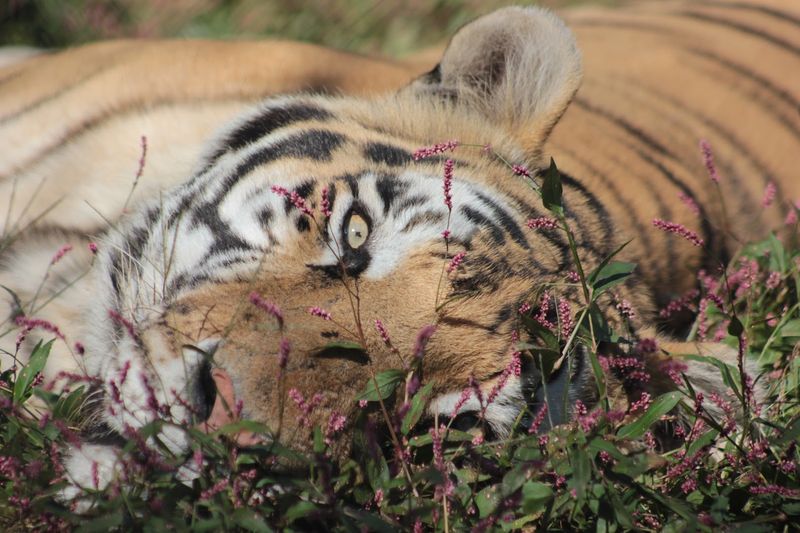
Quiet can be powerful when you are standing near an animal built like a storm.
Carolina Tiger Rescue in Pittsboro, Chatham County, operates as a true sanctuary, and visits happen on guided tours that keep the focus on education and respect.
I found that structure helpful because it slows everyone down and gives the animals more space from the usual crowd energy.
The residents include tigers, lions, servals, caracals, and other animals with rescue stories that are often difficult but important to hear.
Guides explain how these cats arrived, why private ownership causes harm, and what daily care looks like, which adds depth far beyond a quick look through fencing.
Closed toe shoes are smart because the paths can be uneven after rain.
By the time a tail flicks through the grass, the experience feels more reflective than flashy.
Carolina Tiger Rescue is one of those places where the mission stays with you long after the visit ends, and that is part of its value.
Booking ahead is essential, especially on cooler days when the cats are often more active and easier to spot.
4. Sylvan Heights Bird Park – Scotland Neck, Halifax County
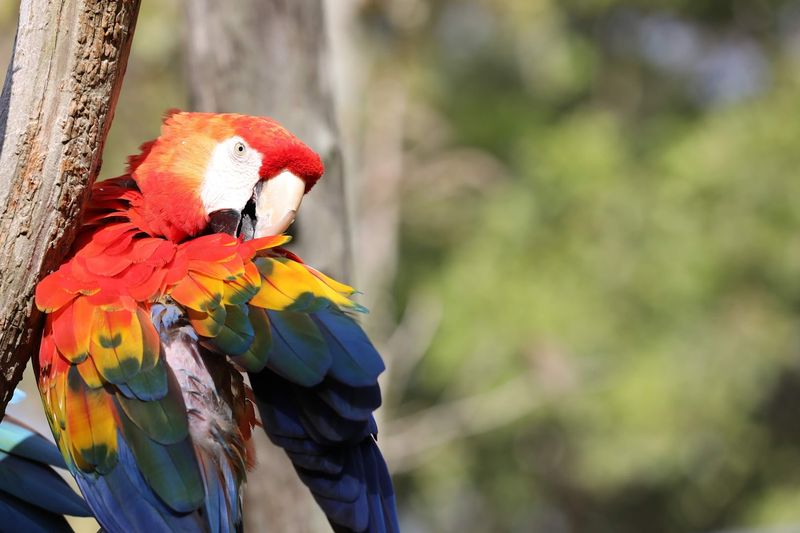
Feathers steal the show here long before you realize how many colors nature can fit into one frame.
Sylvan Heights Bird Park in Scotland Neck, Halifax County, is widely loved for its remarkable collection of birds, especially waterfowl from around the world.
I expected a pleasant stroll, but the range of species and the calm design kept me lingering much longer.
Walk through aviaries and you move from one mood to another, with flamingos, cranes, parrots, and elegant ducks turning each pond into a living gallery.
The park is easy to navigate, benches appear where you need them, and photographers get plenty of chances if they stay still and let the birds come into view naturally.
I also like that the signage teaches without sounding stiff.
Then a sudden wingbeat cuts the air and the whole place feels awake again.
Sylvan Heights Bird Park works beautifully for families, birders, and anyone who thinks they are not especially into birds yet.
If you visit in cooler weather, pack binoculars and take your time at the aviaries, because the subtler species often become the real scene stealers.
5. Animal Park at the Conservators Center – Burlington, Caswell County
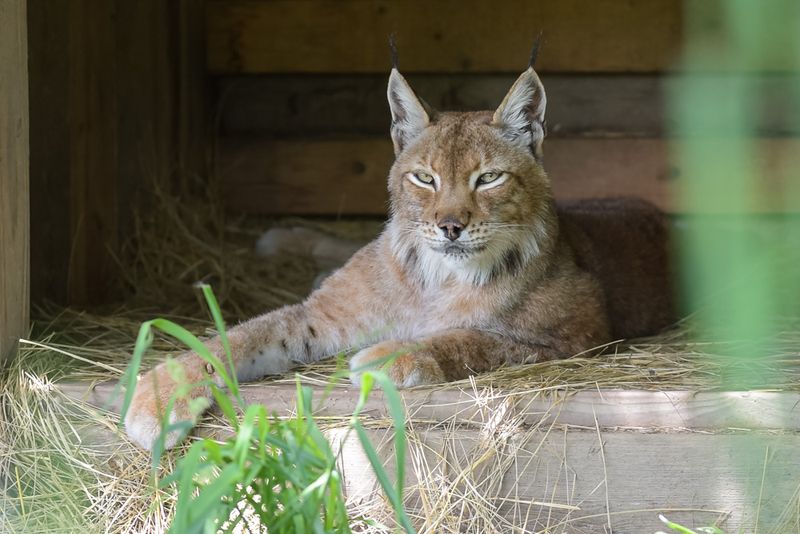
Twilight adds a different kind of electricity when predators start to wake up.
The Animal Park at the Conservators Center in Burlington, Caswell County, is a guided experience where rescued lions, tigers, leopards, wolves, and smaller carnivores become part of a larger conversation about stewardship.
I like that it feels personal rather than rushed, with guides who clearly know the animals as individuals.
Because tours are structured, you spend less energy figuring out where to go and more time listening for sounds, watching behavior, and asking useful questions.
The setting has a wooded, slightly secluded atmosphere that makes evening visits especially memorable, and the smaller group format keeps the mood focused.
It is worth checking special tours too, since some offer themes or timing that changes what you see.
As the light softens, every rustle starts sounding like a clue.
The Animal Park at the Conservators Center stands out for blending access with restraint, which is not always easy to pull off.
Make sure to bring a light jacket, arrive a little early, and pay attention to the guide’s quieter details, because that is where the best stories often hide.
6. Zootastic Park – Troutman, Iredell County
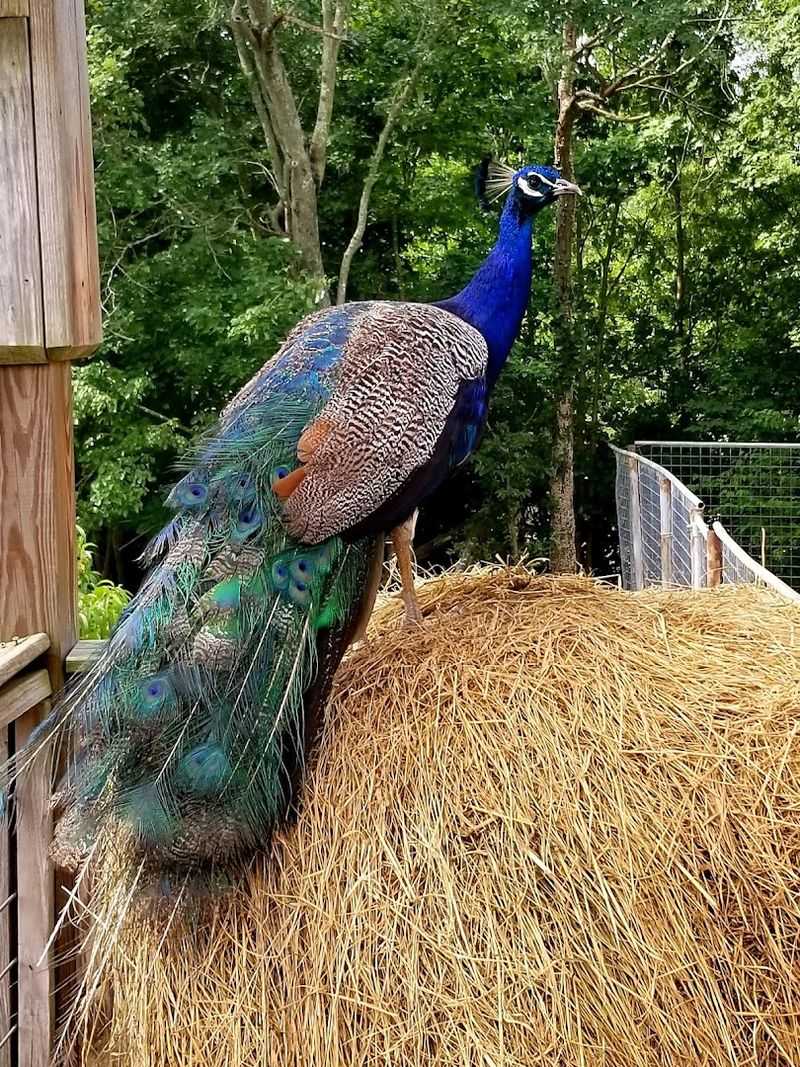
Not every animal stop needs to feel polished to feel memorable.
Zootastic Park in Troutman, Iredell County, has long attracted visitors looking for a quirky, family friendly outing with a mix of domestic and exotic animals.
I have found that going in with flexible expectations helps, because the charm here comes from the variety and the sense that something unusual may appear around the next bend.
You might see big cats, monkeys, birds, and farm favorites in one visit, which keeps children engaged and adults mildly surprised.
The scale makes it manageable for a shorter outing, and that can be useful if you are pairing it with other stops around Lake Norman or nearby towns.
Bringing cash for extras and checking current operating details before leaving home is a smart move.
Then the day turns delightfully odd in the best small attraction way.
Zootastic Park is not about deep wilderness immersion, but it can still deliver a lively break filled with animal encounters and local character.
Sometimes travel works best when it is a little scruffy, a little sincere, and willing to surprise you.
7. North Carolina Zoo – Asheboro, Randolph County
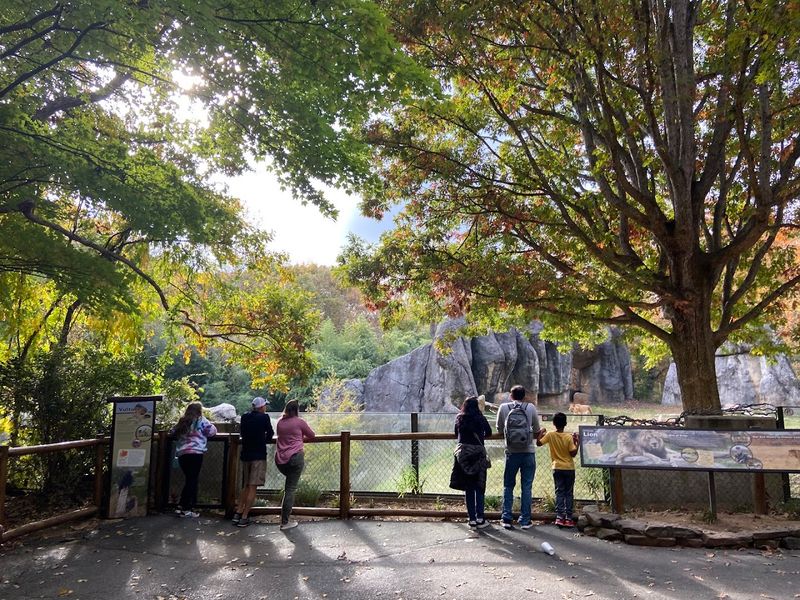
Some places make you slow down before you even reach the first overlook.
The North Carolina Zoo in Asheboro, Randolph County, spreads across a huge natural site, so the walk itself becomes part of the adventure.
I like arriving early, when the paths are quieter and the animals seem a little more curious about the day.
The zoo focuses on expansive habitats, and that space changes how you see everything from elephants to gorillas.
Instead of rushing, I found myself lingering at the African savanna and watching mixed species interact in ways that feel more dynamic than a typical zoo loop.
The tram can save energy, but good shoes matter more than you might think.
Ahead, every turn feels like a new passport stamp without leaving the state.
The North America section adds bison, polar bears, and alligators, while seasonal gardens and art keep the route from feeling repetitive.
If you bring water, pace yourself, and check keeper talk times, the day unfolds smoothly and stays memorable for reasons beyond the obvious.
8. Alligator River National Wildlife Refuge – Manns Harbor, Dare County
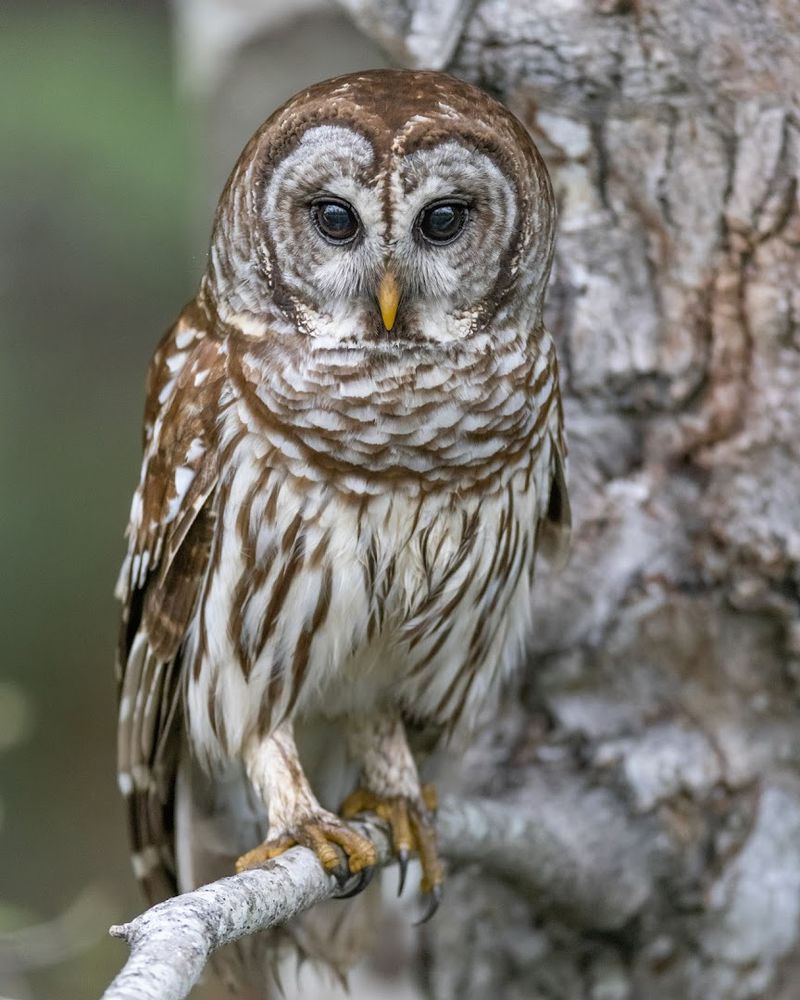
The road feels endless in the best possible way, with every marsh and tree line hinting at hidden movement. Alligator River National Wildlife Refuge near Manns Harbor, Dare County, delivers one of North Carolina’s most compelling wild experiences, especially if you love the idea of seeing animals on their own terms.
I always think of it as a place where patience is the real guide.
This refuge is known for black bears, alligators, migratory birds, and its connection to red wolf recovery, which adds a rare layer of significance.
Wildlife drives are popular, but walking designated trails or joining seasonal programs can reveal more subtle details, from turtle slides to the sudden rise of egrets over the marsh.
Bug spray matters here, and so does a full tank of gas.
At some point, even the silence starts sounding alive.
Alligator River National Wildlife Refuge rewards slow scanning, early mornings, and evenings when animals move more freely across the landscape.
Bring binoculars, keep your expectations open, and treat every sighting as a bonus, because this is one of those places where the mystery is part of the magic.
9. Lake Mattamuskeet National Wildlife Refuge – Swan Quarter, Hyde County
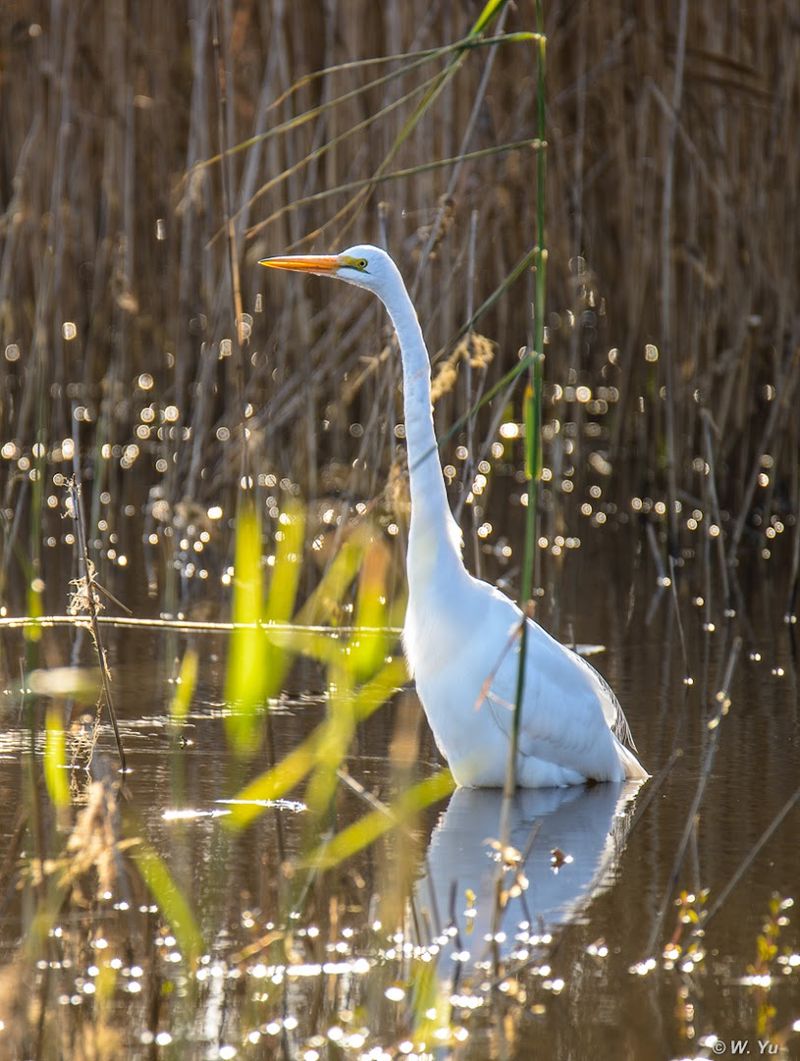
Water can hold a crowd so large it feels like the sky has lowered itself to listen.
Lake Mattamuskeet National Wildlife Refuge in Swan Quarter, Hyde County, is famous for winter birding, especially when tundra swans and snow geese gather in impressive numbers.
I think it is one of the most peaceful wildlife experiences in the state, even when the air is full of wings and calls.
As North Carolina’s largest natural lake, Mattamuskeet creates broad, open views that make scanning easy and surprisingly calming.
Observation points, roads, and seasonal visitor information help you plan where to pause, and sunrise or late afternoon often bring the best light across the water.
If you are not a birder yet, this is the kind of place that can convert you gently.
Then a flock lifts off, and the whole horizon changes shape.
Lake Mattamuskeet National Wildlife Refuge also supports otters, deer, and a range of marsh life, so keep looking beyond the obvious spectacle.
A spotting scope is useful, but even without one, the refuge offers the kind of quiet drama that keeps your attention without asking for much noise in return.
10. Currituck National Wildlife Refuge – Corolla, Currituck County
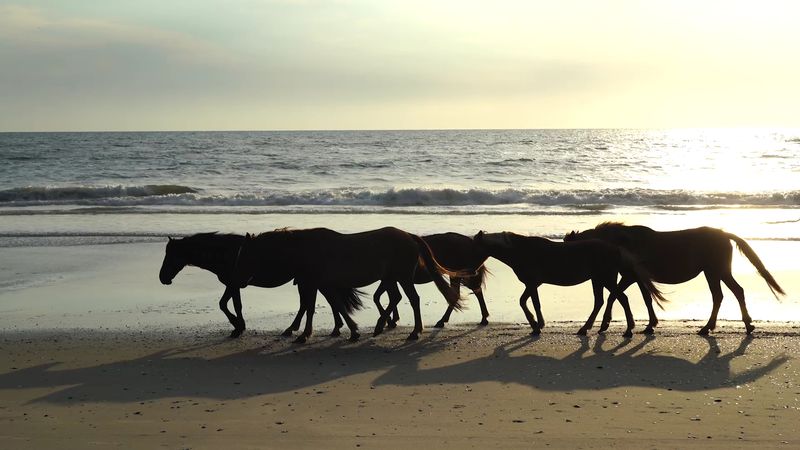
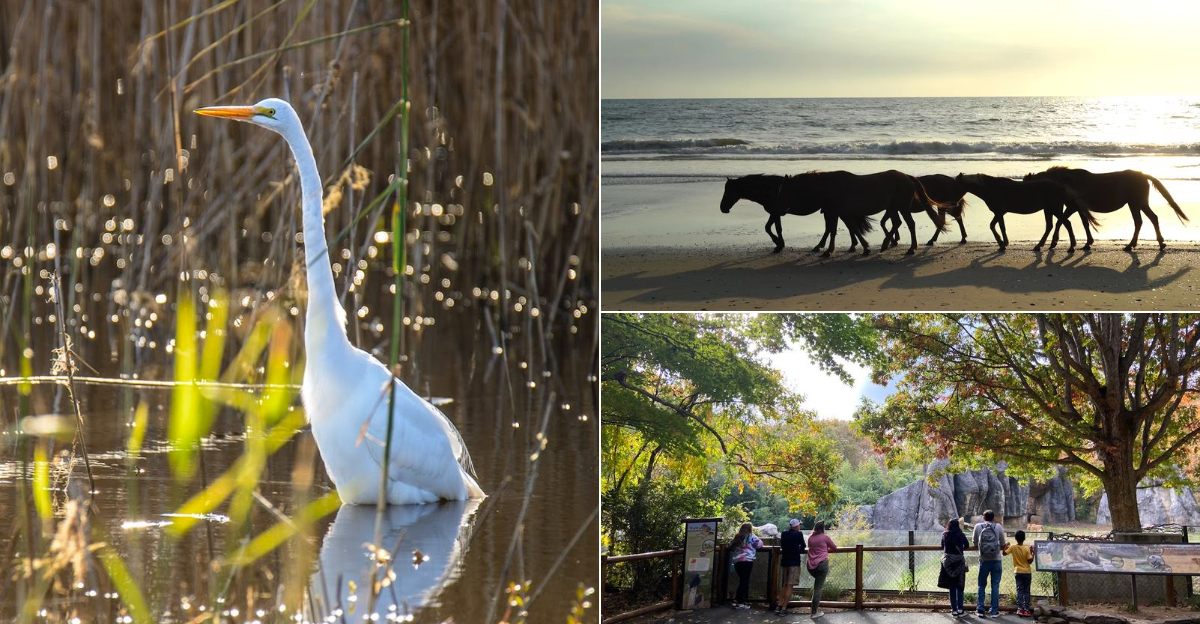
Sand, wind, and hoofprints make a pretty convincing argument for heading off the usual beach script. Currituck National Wildlife Refuge in Corolla, Currituck County, protects a beautiful stretch of barrier island habitat where birds, marsh species, and the famous wild horses of the northern Outer Banks define the atmosphere.
I like that the refuge feels untamed without needing to be remote in a dramatic way.
The refuge itself is excellent for birding and coastal walks, while nearby four wheel drive areas are where many visitors hope to glimpse the horses.
Respect is essential, since feeding or approaching them is illegal and harmful, and guides can help if you want the best chance of a sighting without making poor decisions.
Early morning usually gives you softer light, cooler temperatures, and fewer distractions.
One salty breeze later, the whole day starts feeling wilder than planned.
Currituck National Wildlife Refuge offers more than a horse hunt, with migratory birds, marsh edges, and dune ecosystems adding depth to the visit.
Don’t forget to bring water, check beach driving rules carefully, and remember that the best sightings often happen when you stop trying to force them.
11. Pocosin Lakes National Wildlife Refuge – Columbia, Tyrrell County
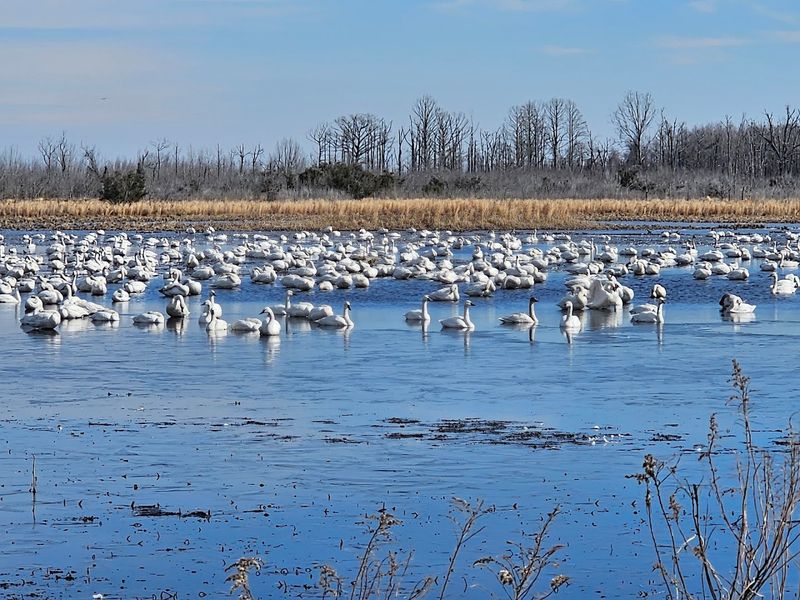
Sometimes the biggest wildlife moment arrives as a sound before it becomes a shape.
Pocosin Lakes National Wildlife Refuge near Columbia, Tyrrell County, is especially memorable in winter, when snow geese and tundra swans gather in numbers that can turn a field into a moving white cloud.
I still remember hearing them first, then watching the sky fill in layers.
The refuge mixes wetlands, agricultural fields, and pocosin habitat, which creates a rich feeding and resting area for migratory birds.
Wildlife observation platforms and roadside viewing areas make access easier than many people expect, though checking seasonal maps can save time and point you toward the best concentrations.
Sunset is a favorite for good reason, since the evening flights can be spectacular without feeling staged.
Then everything rises at once, and conversation usually stops.
Pocosin Lakes National Wildlife Refuge also offers chances to see bears, waterfowl, and raptors, so keep scanning the edges instead of only the biggest flocks.
Dress for wind, bring layers, and let yourself stay longer than planned, because this landscape has a quiet way of earning overtime.
12. Great Smoky Mountains National Park – Cherokee, Swain County
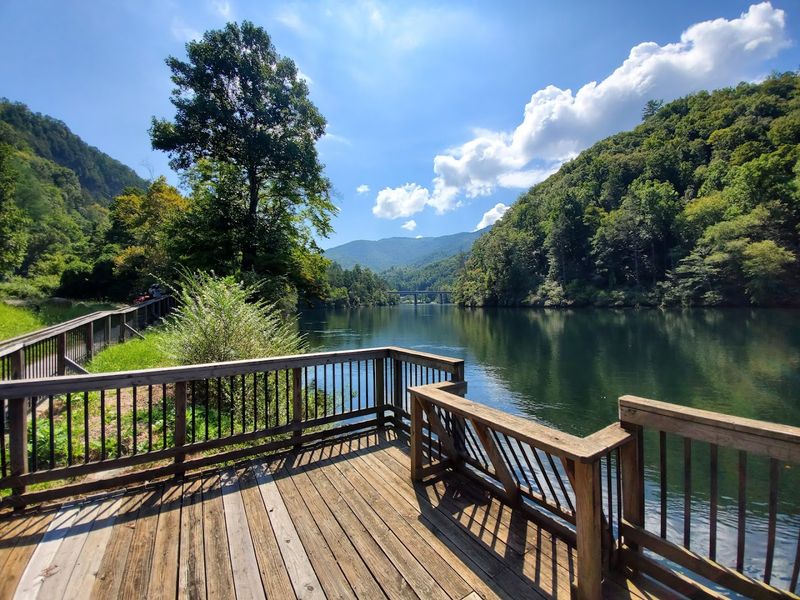
Mist does a lot of scene setting in the mountains, especially when an elk steps through it like it owns the morning.
Great Smoky Mountains National Park near Cherokee, Swain County, gives North Carolina its most expansive wild landscape, with chances to see elk, black bears, wild turkeys, and endless birdlife.
I never visit expecting guarantees, but that uncertainty is exactly the point.
Cataloochee Valley is the best known spot for elk, especially around dawn and dusk, while quieter trails can reveal salamanders, songbirds, and signs of larger mammals.
Traffic, weather, and distance can stretch a simple plan into a long day, so I always build in extra time and carry snacks, layers, and patience.
Binoculars are helpful, but restraint matters even more when animals appear near roads.
Then the forest shifts, and you notice how much life was there all along.
Great Smoky Mountains National Park rewards people who look beyond the headline species and pay attention to tracks, calls, and changing light.
Stay flexible with routes, keep a respectful distance, and treat the park less like a checklist and more like a living, breathing conversation.
13. Pea Island National Wildlife Refuge – Rodanthe, Dare County
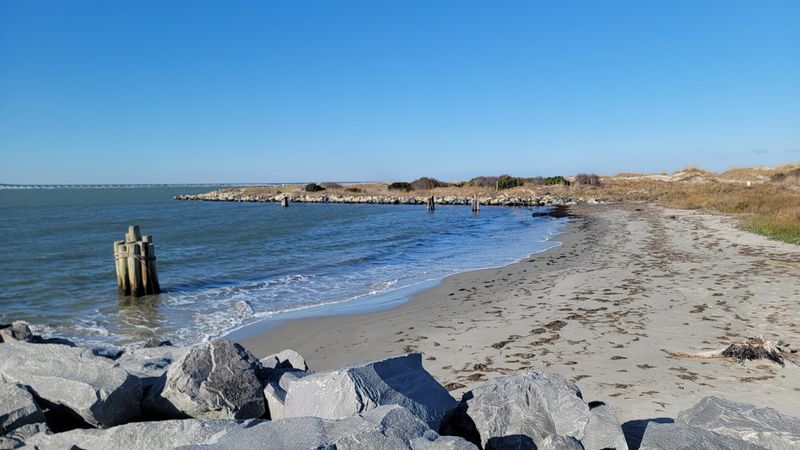
Birds and barrier islands make an excellent pair when you want your wildlife with a side of sea breeze.
Pea Island National Wildlife Refuge near Rodanthe, Dare County, is a classic Outer Banks stop for birders, photographers, and anyone who likes watching migration unfold across open water and marsh.
I enjoy how accessible it feels, even for people who are not carrying a life list.
Boardwalks, observation areas, and the visitor center make it easy to start spotting herons, egrets, pelicans, terns, and seasonal waterfowl without much guesswork.
The refuge sits along a major migratory route, so timing changes everything, and fall plus winter often bring especially rewarding variety.
Wind can be strong, so a light jacket and a lens cloth are more useful than they sound.
Then a flock banks over the pond and the whole refuge seems to tilt with it.
Pea Island National Wildlife Refuge proves that a safari feeling does not require large mammals when movement, habitat, and timing do so much of the work.
If you pause at multiple pull offs instead of rushing one platform, the visit opens up beautifully.
14. Merchants Millpond State Park – Gatesville, Gates County
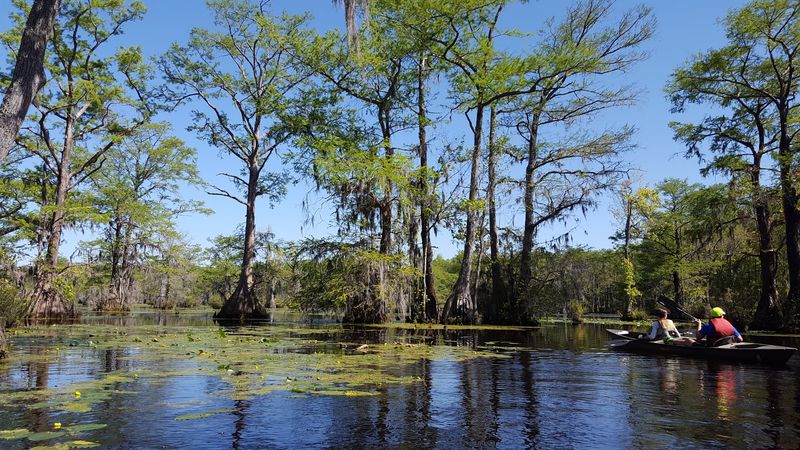
Still water can hide a whole cast of characters if you drift quietly enough.
Merchants Millpond State Park in Gatesville, Gates County, offers one of the most atmospheric wildlife experiences in North Carolina, with a cypress swamp that feels full of secrets without trying too hard.
I think the best way to see it is by canoe or kayak, where every paddle stroke slows your thoughts and sharpens your attention.
From the water, you can spot turtles, barred owls, herons, wood ducks, and the occasional alligator moving through shadows and reflections.
The millpond’s lily pads, Spanish moss, and broad cypress trunks create a setting that feels deeply southern, while hiking trails add another way to look for deer and smaller wildlife along the edges.
Renting a boat early helps, especially on weekends and cool mornings.
Then a ripple crosses the dark surface, and everybody in the boat suddenly whispers.
Merchants Millpond State Park is less about dramatic sightings and more about sustained noticing, which can be even better.
Bring bug spray, keep your phone tucked away for stretches, and let the swamp do what it does best, which is reveal itself slowly.