
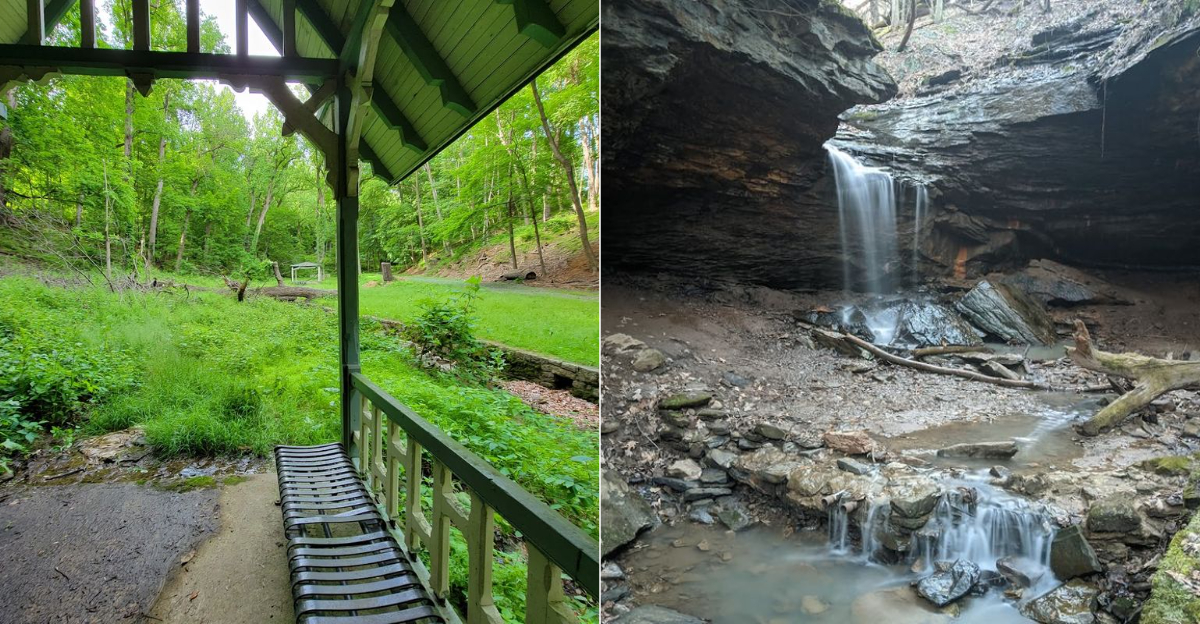
During the nineteenth and early twentieth centuries, the mountain ranges and secluded valleys of Pennsylvania served as some of the East Coast’s most important centers for early health tourism.
The state’s natural mineral springs were far more than simple roadside attractions, they became the foundations for grand hotels, bathhouses, and distinctive social traditions that flourished in relative isolation.
While some locations eventually evolved into widely celebrated resort destinations, others retained their status as little-known regional retreats.
The surviving infrastructure offers a glimpse into a time when natural resources shaped leisure culture, seasonal travel patterns, and ideas about personal well-being.
Here is a look at 13 historic mineral springs in Pennsylvania that helped establish wellness destinations long before the rise of the modern self-care industry.
Omni Bedford Springs Resort & Spa – Bedford
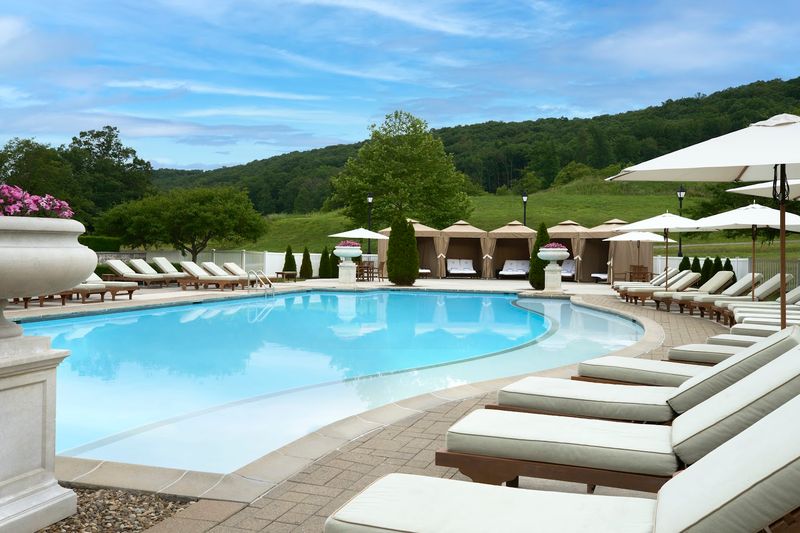
Long before spa menus listed salt scrubs and hydrotherapy circuits, this storied estate drew national figures seeking rest in a refined countryside setting.
Presidential names helped shape its aura, yet the greater appeal came from the promise of order, quiet, and physical renewal away from political noise.
Stately buildings, broad verandas, and carefully arranged grounds created an environment where recovery felt ceremonial rather than clinical.
Inside, social grace mattered almost as much as convalescence.
Parlors invited unhurried conversation, dining rooms turned meals into part of the cure, and long walks linked architecture with the surrounding valley.
Every detail suggested that health could be cultivated through rhythm, elegance, and time spent in beautiful spaces.
Today, the experience still carries that old confidence.
Instead of feeling frozen in history, the property shows how a nineteenth-century spring resort evolved into an iconic haven where heritage and hospitality still thrive.
Yellow Springs – Chester Springs
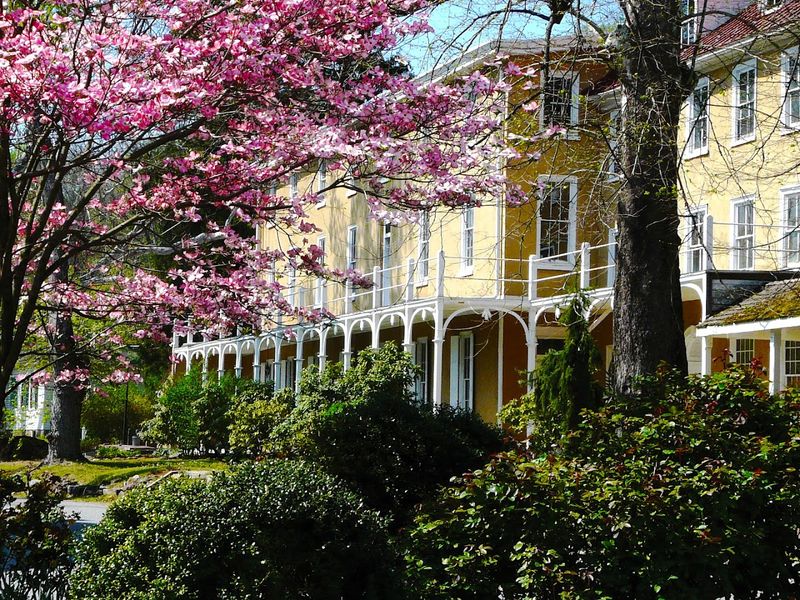
During the colonial era, this spring earned a reputation that spread through conversation, letters, and the persuasive testimony of people who returned feeling steadier.
Reputation mattered because health seekers wanted assurance that a journey into the countryside would be worth the inconvenience.
Here, the setting itself became part of the attraction, with open land and slower routines softening the pressures of daily obligations.
Fields, trees, and gently rolling ground encouraged lingering rather than rushing.
The mood favored measured walks, restful afternoons, and the kind of silence that can make fatigue seem less permanent.
Instead of spectacle, the place offered something subtler, a chance to step outside crowded patterns and recover composure.
That early culture of health tourism feels especially revealing now.
People were not only coming for a reputed spring but for an older vision of balance, one rooted in landscape, patience, and the belief that simplicity could be every bit as restorative as luxury.
Anderson Springs – Bedford County
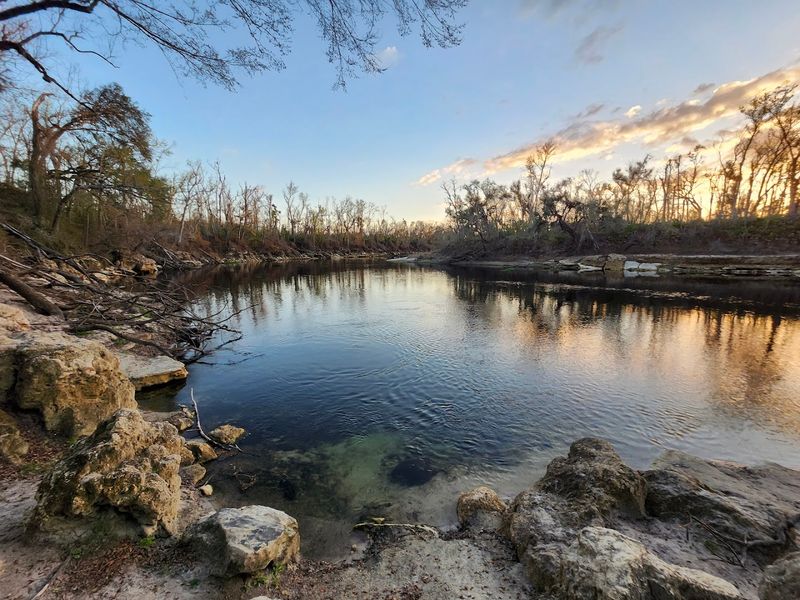
For many nineteenth-century travelers, the appeal of this spring rested in its reputation rather than grand architecture or fashionable crowds.
Word of its reputed qualities spread gradually through personal recommendations, encouraging visitors to make the journey into a quieter corner of the countryside.
Seclusion became part of the attraction, creating an atmosphere that felt removed from the demands and distractions of everyday life.
Woodland surroundings encouraged leisurely walks, while the slower pace allowed guests to focus on rest and routine.
Unlike larger resorts that depended on visibility and promotion, this location developed its standing through repeated visits and local trust.
Families often returned season after season, reinforcing traditions that linked the spring with comfort and renewal.
Time spent outdoors was viewed as an essential part of the experience, complementing contemporary beliefs about the value of fresh air and natural environments.
Its history reflects a period when modest destinations could achieve lasting recognition simply by offering peace, consistency, and the promise of a restorative escape.
Sweet Root Springs – Bedford County
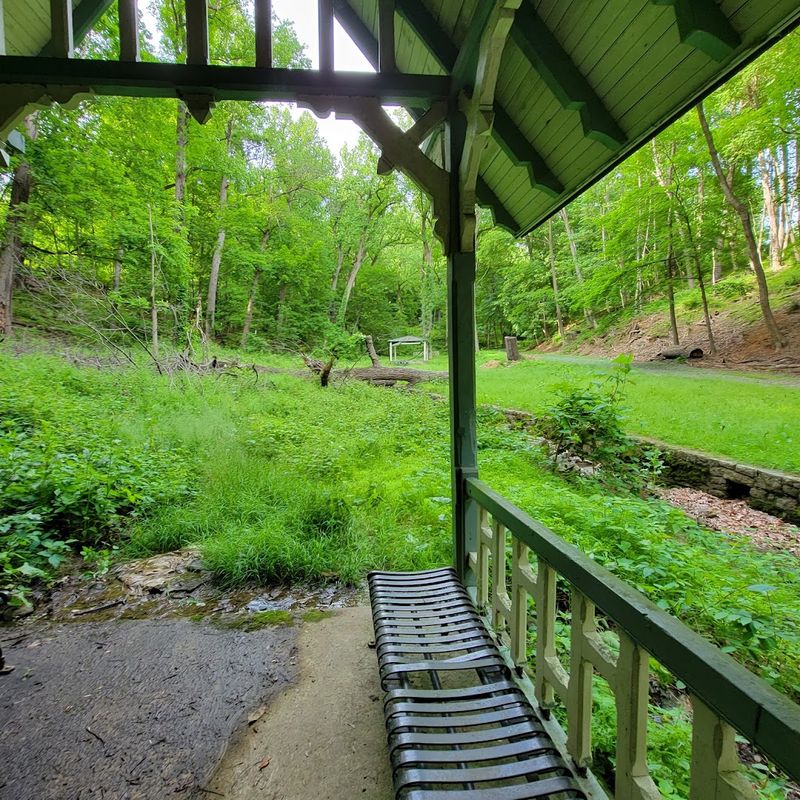
Hidden among natural surroundings that encouraged privacy and reflection, this spring appealed to people seeking a quieter alternative to larger health resorts.
The landscape played a central role in shaping its reputation, offering wooded scenery, open air, and a sense of distance from rapidly changing towns.
Visitors often believed that recovery depended not only on the water itself but also on the opportunity to spend time in an environment free from constant activity.
Days passed slowly through outdoor walks, conversation, and simple routines that reflected contemporary ideas about balance and well-being.
Seasonal guests valued the absence of crowds, viewing the setting as a place where rest could occur naturally rather than through strict schedules or elaborate treatments.
Local stories helped preserve its reputation across generations, encouraging newcomers to experience the atmosphere for themselves.
Although it never achieved the fame of Pennsylvania’s largest spring resorts, the site remained meaningful to those who appreciated its simplicity.
Frankfort Mineral Springs – Frankfort Springs
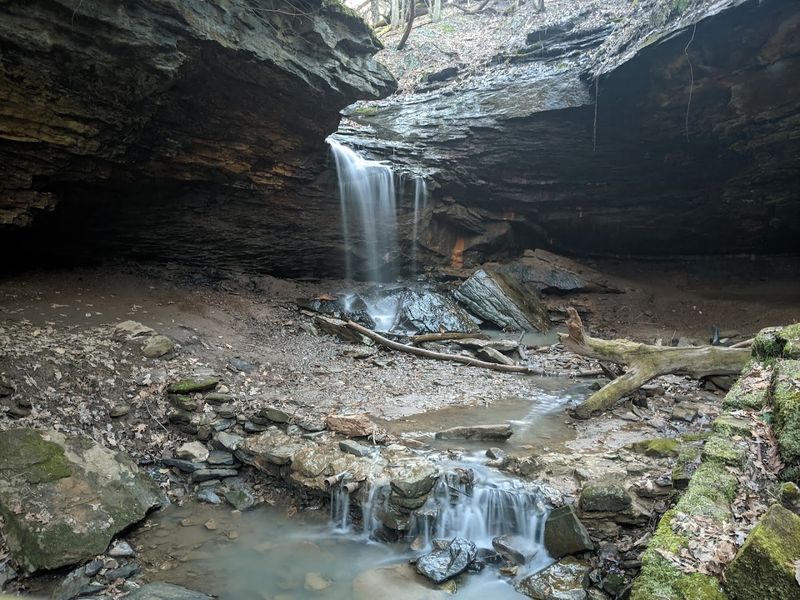
Set within a quieter rural world, this spring appealed to people who wanted distance from noise, schedules, and social demands.
The draw was not glamour but the chance to settle into a slower pattern where days unfolded with very few interruptions.
That simplicity helped create confidence that body and mind might improve through steadiness rather than spectacle.
Country air, open views, and a sense of remove shaped the experience.
Extended stays made sense here because recovery was imagined as gradual, requiring repetition, sleep, routine, and a setting gentle enough to support all three.
Even the surrounding calm seemed to carry therapeutic value.
What makes the place memorable is its refusal to compete with grander resorts.
The appeal lies in its emphasis on modest comforts, dependable routines, and the restorative power of a peaceful setting where everyday pressures gradually fade away.
Ephrata Mineral Springs – Ephrata
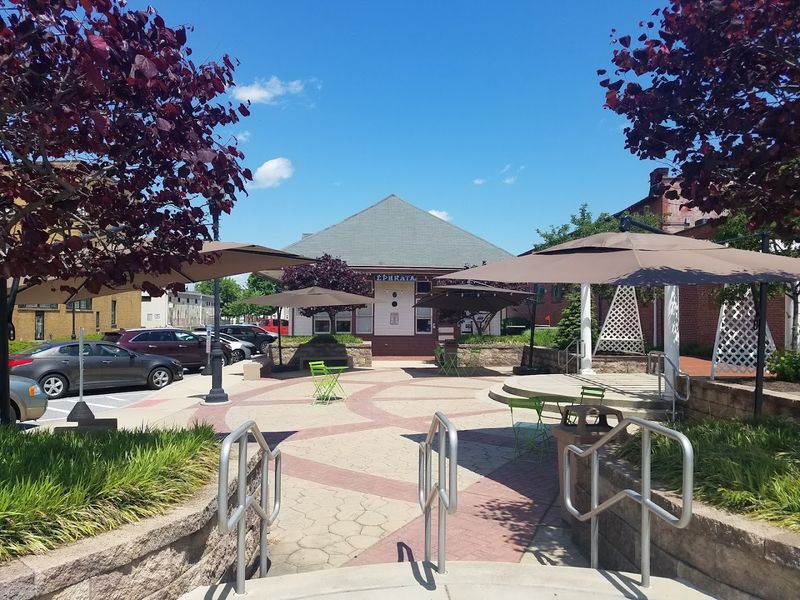
Simplicity defines the appeal here, and that quality connects closely to the wider cultural character of the surrounding region.
People came not only hoping to feel physically restored but also drawn by an atmosphere that valued restraint, order, and calm living.
Such surroundings made renewal feel less like indulgence and more like a return to essentials.
Nearby traditions of disciplined daily life gave the experience unusual texture.
Plain settings, measured habits, and a quieter visual landscape encouraged reflection in ways that busier resorts rarely could.
Mental clarity, fresh air, and a break from excess often mattered as much as any prescribed drinking routine.
For modern readers, this place stands out because it links health travel with a deeper regional identity. A sense of steadiness and cultural character gave the place its appeal, while simple surroundings encouraged a slower pace and lasting calm.
Abington Mineral Springs – Abington
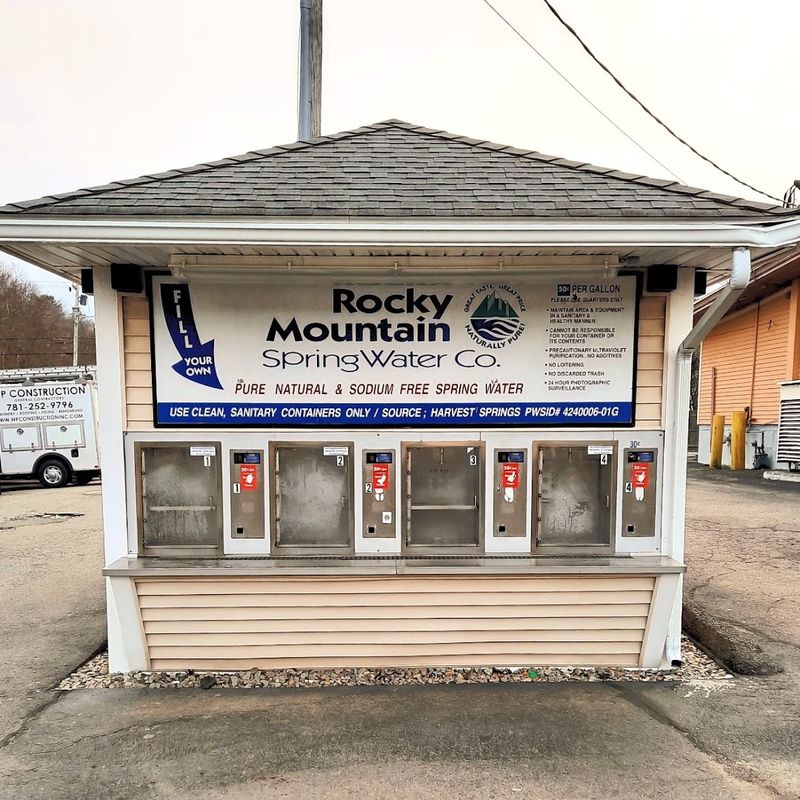
Close access from Philadelphia gave this spring a different kind of importance.
Because the journey was manageable, it became part of a culture of day trips and weekend escapes for people craving cleaner air without elaborate planning.
Convenience helped broaden its appeal, turning restorative travel into something more attainable for busy urban households.
Fresh scenery did much of the persuasive work.
Lawns, trees, and open breathing space offered immediate contrast with dense streets, noise, and summer heat, making even short visits feel significant.
A single afternoon could provide enough distance from routine to seem genuinely renewing.
That blend of accessibility and natural relief explains why the place mattered.
Spring tourism was not always centered on long convalescence or exclusive resorts.
Many visitors simply sought a brief escape outdoors before returning home with renewed energy and lighter spirits.
Cresson Mineral Springs – Cresson
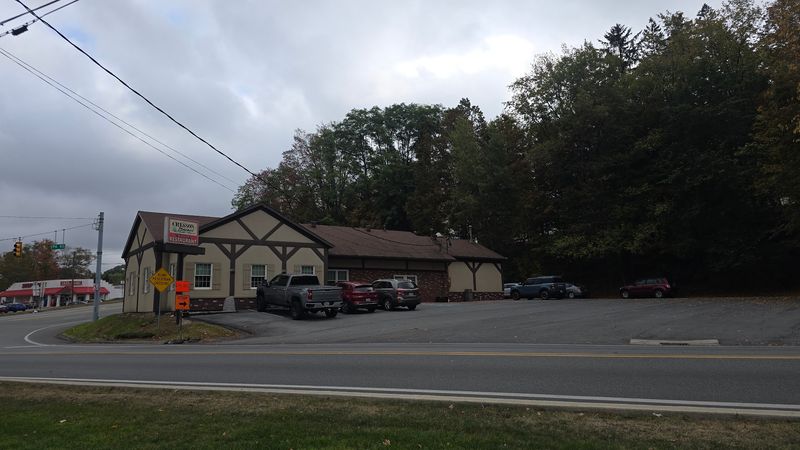
High elevation gave this mountain spring an advantage that people in warmer lowlands deeply appreciated. Cooler temperatures, breezes, and sweeping upland scenery created a physical sense of relief before any formal regimen even began.
The setting encouraged the belief that altitude itself could support recovery, especially during oppressive summer months.
Mountain light and cleaner-feeling air shaped daily life in subtle ways.
Sleep seemed easier, walks felt more invigorating, and the surrounding ridges offered an atmosphere that combined grandeur with calm rather than theatrical display.
That balance made the place attractive to those seeking both comfort and a break from humid urban environments.
Its enduring appeal rests on how naturally the landscape served the larger promise of renewal.
Instead of relying on ornament alone, the experience drew power from geography, reminding people that a climb into higher country could deliver not just scenic pleasure but also a persuasive sense of restoration.
Eagle Springs – Eagle Rock
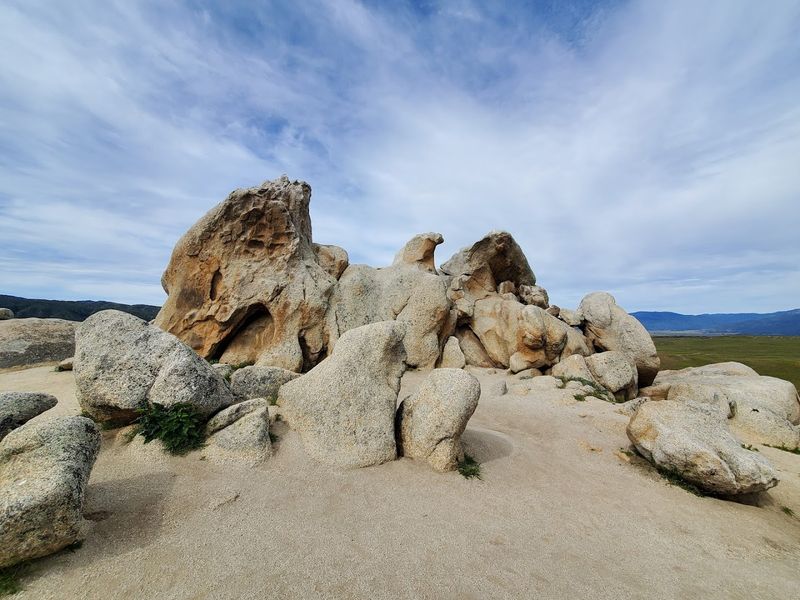
Nestled among wooded hills and open countryside, this spring became known as a place where people could temporarily step away from the demands of everyday life and embrace a slower rhythm.
Interest in the site grew during a period when natural landscapes were often considered just as important to recovery as the water itself.
Travelers arrived seeking clean air, quiet surroundings, and an environment that encouraged rest rather than activity.
Simple accommodations and welcoming gathering spaces helped create a sense of community among seasonal guests, many of whom returned repeatedly over the years.
Long walks, outdoor conversation, and unstructured afternoons formed part of the experience, reflecting contemporary ideas about the relationship between nature and well-being.
Improvements in transportation gradually made the location more accessible, expanding its reputation beyond nearby counties.
Stories shared by previous visitors often played a larger role in attracting newcomers than formal advertising campaigns.
Rather than relying on grand architecture or elaborate entertainment, the area developed its appeal through atmosphere and setting.
Willow Grove Mineral Springs – Willow Grove
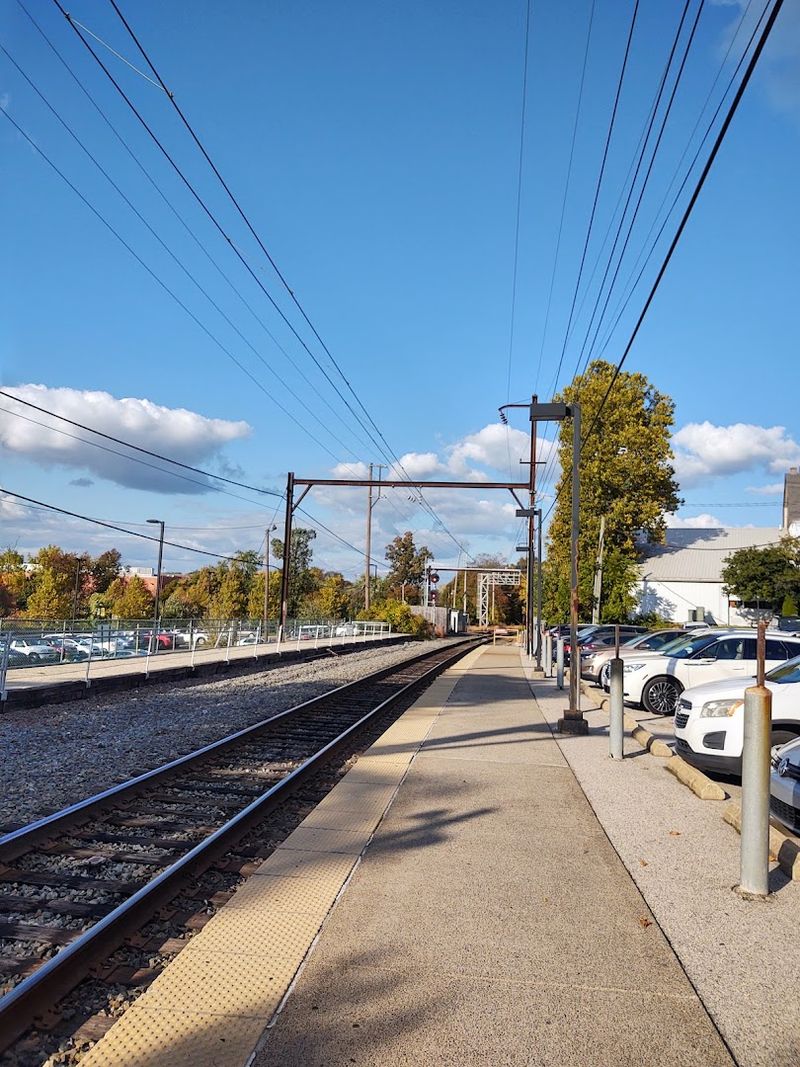
During the nineteenth century, this location developed a reputation that extended well beyond the surrounding countryside, attracting people interested in both recreation and the reputed benefits of mineral water.
What began as a spring-centered retreat gradually evolved into a popular gathering place where health tourism blended with entertainment and social life.
Visitors arrived seeking fresh air, peaceful surroundings, and a temporary escape from increasingly crowded urban environments.
Landscaped grounds encouraged long walks, while shaded areas provided comfortable spaces for conversation and relaxation.
Seasonal excursions became especially popular as transportation improved, allowing larger numbers of people to reach the area with relative ease.
Families often spent entire days enjoying the atmosphere, combining leisure activities with traditions associated with springgoing culture.
Community events and social gatherings added another layer of appeal, helping the destination establish a loyal following across multiple generations.
Unlike many smaller mineral spring sites that eventually faded from public memory, this location maintained a strong presence in regional life for decades.
Its history reflects a period when natural springs served not only as places of perceived healing, but also as important centers of recreation, connection, and shared experience.
Chalybeate Spring – Bedford
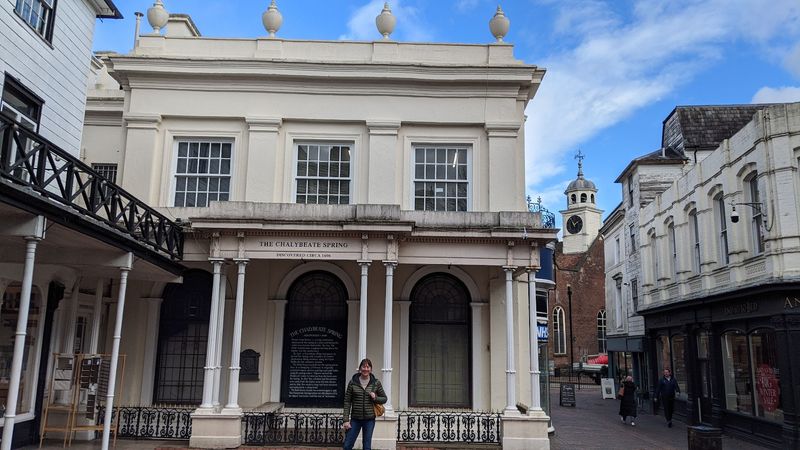
Nineteenth-century health seekers found this spring especially intriguing because its distinct character set it apart from more ordinary sources.
Curiosity mattered nearly as much as conviction, and people were often drawn by the idea that unusual natural qualities might produce noticeable effects.
Discussion around the spring mixed practical hope with a touch of scientific fascination.
Doctors, pamphlets, and personal testimony helped turn that fascination into broader interest.
The site became a place where observation, expectation, and ritual combined, with each cup or visit carrying the excitement of participating in something thought to be singular.
That aura gave the experience an intellectual dimension beyond simple recreation.
What stands out today is the way the spring captured a period appetite for classification and belief.
People wanted health, certainly, but they also wanted meaning, a reason this source seemed different, memorable, and worthy of attention.
Few places reveal that blend of curiosity and confidence quite so clearly.
White Sulphur Spring – Bedford
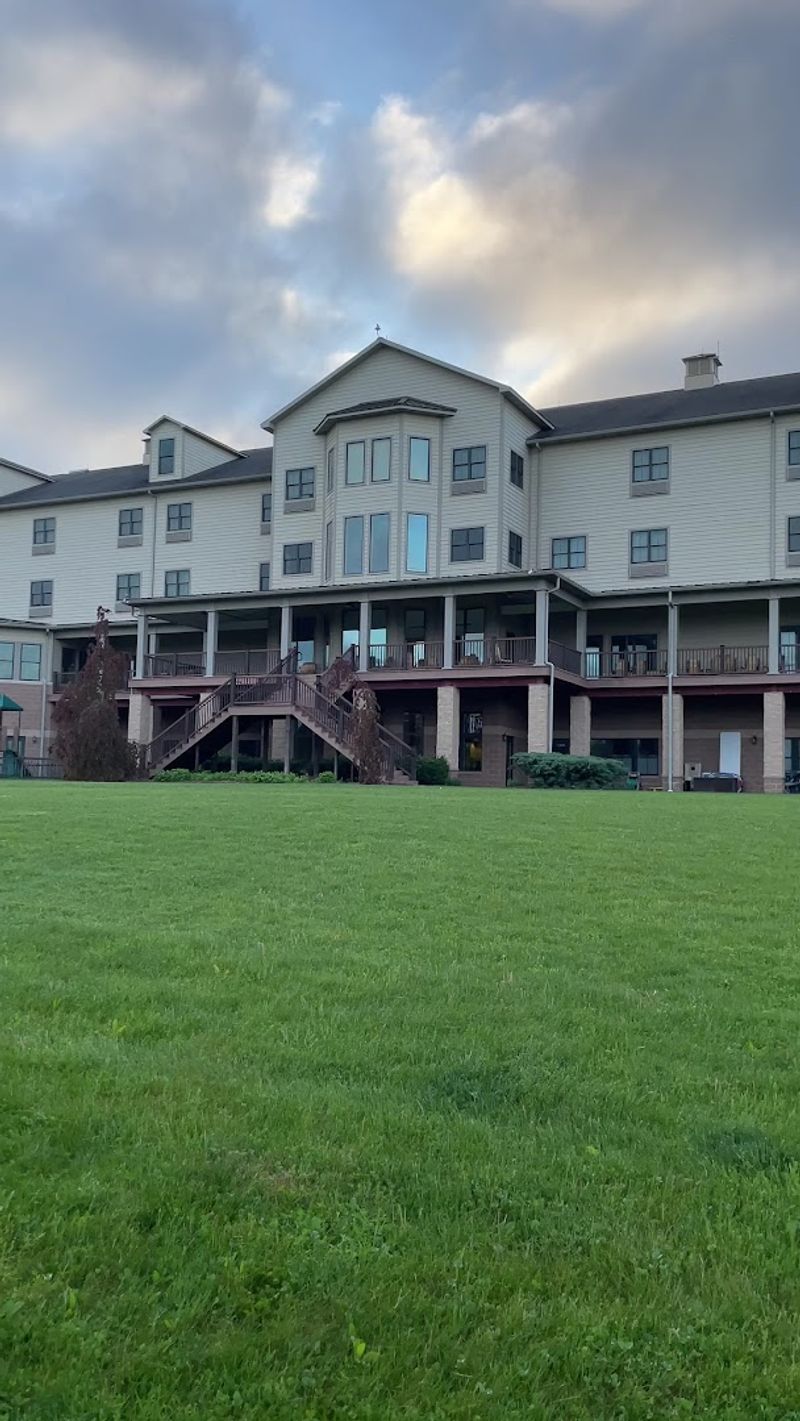
Sensory memory likely defined this spring for many who came, from the first impression at the source to the repeated habits that structured each day.
Routine mattered because extended stays were built around carefully observed customs, including set hours, prescribed walks, social meals, and time devoted to quiet.
The experience felt organized, almost liturgical, in its steady repetition.
Bathing, drinking, resting, and strolling formed a rhythm that gave purpose to long visits.
Shared etiquette helped people navigate the setting, while familiar rituals created the comforting sense that improvement might emerge through consistent practice.
In that way, the spring offered not just hopeful remedies but a whole temporary lifestyle.
Its appeal becomes clearer when you imagine the atmosphere rather than a single feature.
Sound, smell, schedule, and company all contributed to the impression of being somewhere set apart for restoration.
That total experience explains why such places held people for weeks and remained vivid in memory long afterward.
Shober Spring – Bedford County
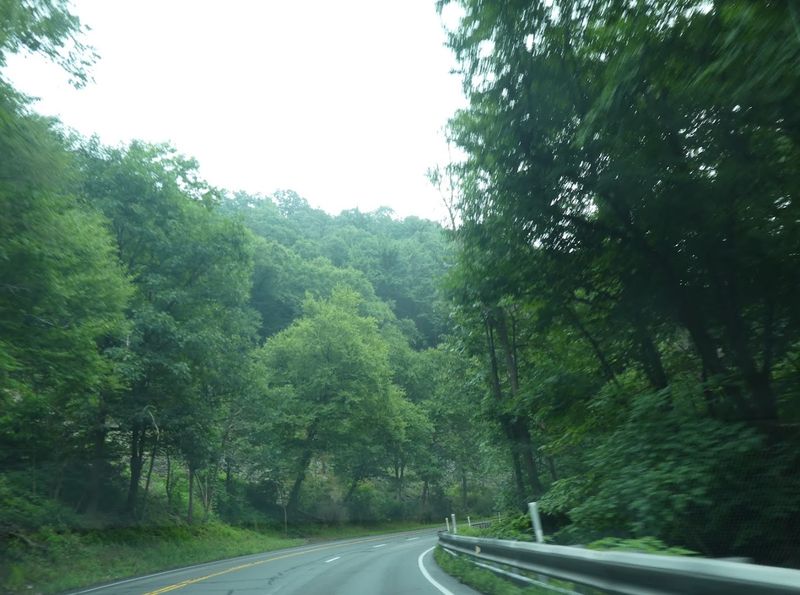
Less famous than major resort properties, this spring carried a more local and understated appeal.
Its significance came from steady use, regional familiarity, and the quiet satisfaction of a place that never needed grand publicity to matter.
That modest profile can make it even more compelling for travelers drawn to overlooked histories.
Community memory often preserves such sites better than guidebooks do.
People returned because the setting felt trustworthy, unpretentious, and connected to everyday life, not because it promised elite status or theatrical luxury.
Discovering that kind of place offers a different pleasure, one rooted in texture, continuity, and subtle character.
Viewed today, the spring represents an alternate side of Pennsylvania’s health-travel tradition.
Not every meaningful stop became widely celebrated, and not every restorative landscape required a sweeping hotel to endure in public imagination.
Sometimes the strongest attraction lies in finding a place that stayed quietly important while larger names captured most of the attention.