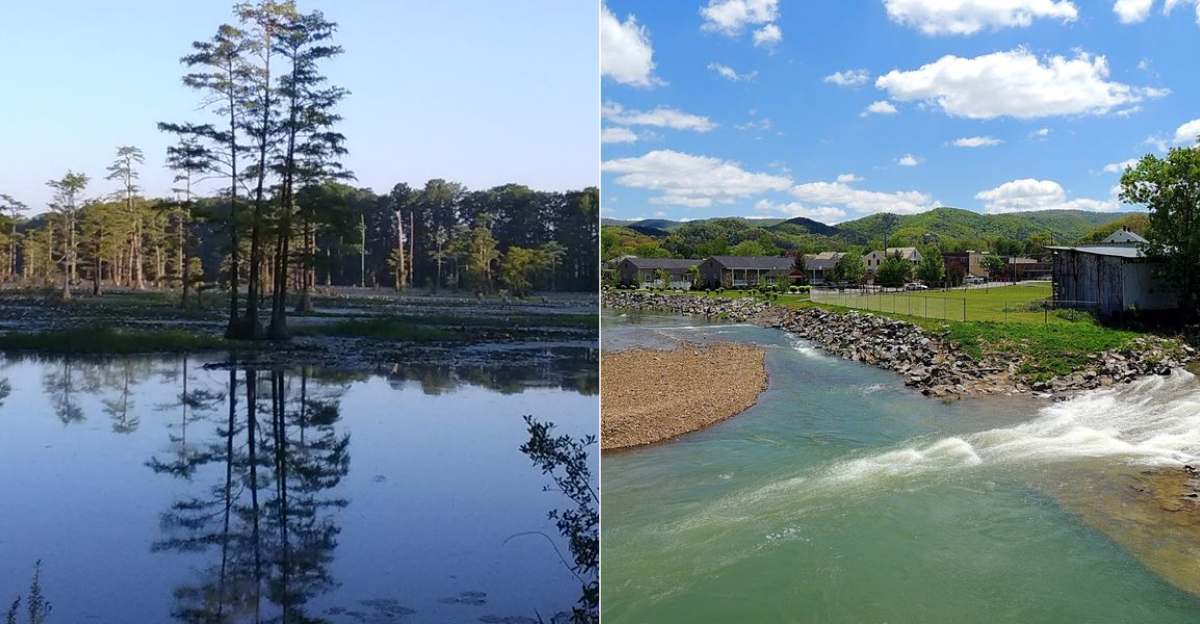
During the nineteenth century, the isolated mountain regions and rural landscapes of North Carolina emerged as important destinations for seasonal travelers seeking the reputed benefits of mineral-rich springs.
Reaching these hydrological landmarks often required lengthy journeys by carriage and, later, early railroad lines, turning visits into extended social occasions that frequently lasted for weeks.
As interest grew, supporting infrastructure quickly followed, including boarding houses, grand hotels, and some of the region’s earliest bottled-water operations.
These developments stimulated local economies, encouraged investment, and helped establish new transportation routes throughout the state.
The travel culture that formed around these natural springs left a lasting imprint on the historical geography of North Carolina, shaping some of its earliest patterns of domestic tourism.
Here is a look at 11 historic springs in North Carolina that were once known for their mineral-rich waters.
Hot Springs – Hot Springs
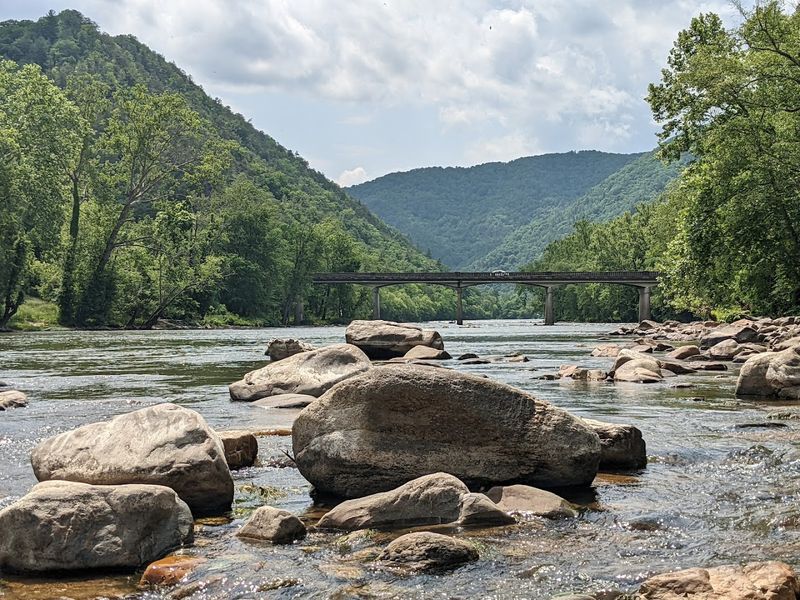
Deep in the mountains, naturally heated water turned a quiet valley into one of North Carolina’s best-known nineteenth-century retreats.
Long before interstate travel, guests arrived by rail and carriage, drawn by the novelty of warm mineral bathing and the promise of fresh mountain air.
Hotels expanded as demand grew, and boardinghouses, bath facilities, and porches for evening conversation created an organized social world.
Unlike many smaller spring communities, this one developed a strong identity around longer stays, scenic drives, and the idea that elevation itself added to the experience.
Mountain tourism changed the local economy in lasting ways, bringing cooks, porters, musicians, guides, and shopkeepers into a service network that reached beyond the bathhouses.
Today, the place still feels shaped by the fame it gained during an earlier era. Visitors came not only for the water, but also for a broader experience built around arrival, relaxation, and social connection.
The dramatic Appalachian setting helped make both the scenery and the promise of renewal equally appealing.
Fuquay Mineral Spring – Fuquay-Varina
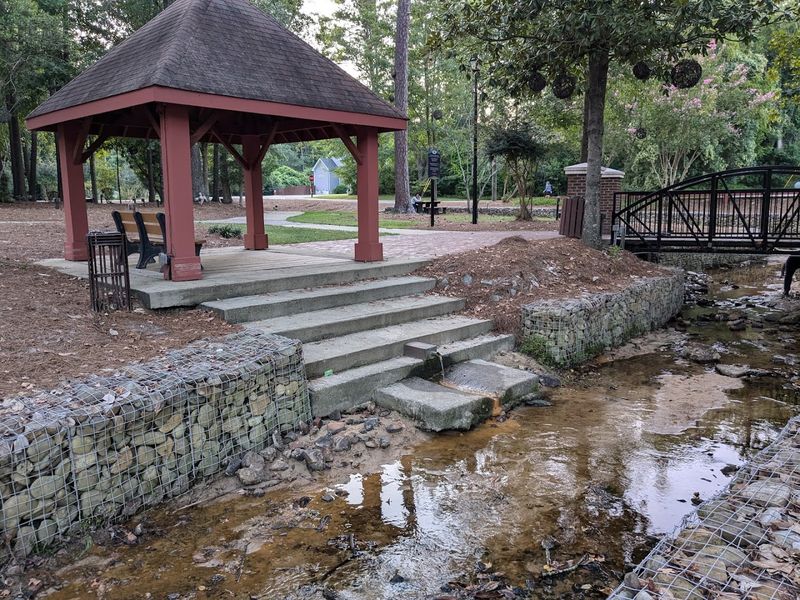
Near a growing crossroads settlement, the discovery of a mineral spring gave local boosters a story powerful enough to shape a town’s future.
Belief in the water’s special qualities encouraged people to stop, sample, and carry bottles away, turning a simple spring into a commercial identity.
Promoters understood branding early, and they pushed the water through labels, printed claims, and regional publicity that linked the community to refreshment and recovery.
Soon, bottling became part of the area’s public image, while the spring itself served as a symbol around which civic pride could gather.
Rather than inspiring a giant mountain hotel culture, this place influenced growth through marketing, memory, and the practical business of packaged water.
Residents embraced the association so fully that it helped define how outsiders understood the town, from newspaper mentions to roadside curiosity.
Even now, the story stands out because it shows how a small spring could shape more than a tourism trend. It gave an emerging community a recognizable identity, a compelling story, and a reputation that endured long after the original craze had faded.
Seven Springs – Seven Springs
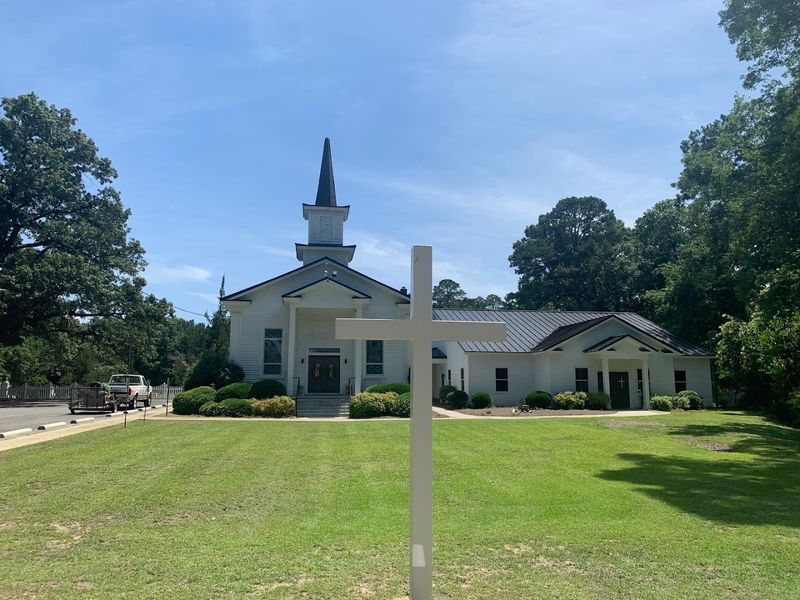
A cluster of natural springs helped shape the identity of this small community long before large-scale tourism became common across the region.
Interest in the waters encouraged travelers to visit an area that might otherwise have remained largely agricultural, creating opportunities for local businesses and seasonal accommodations.
Rural surroundings added to the appeal, offering open landscapes and a slower pace that contrasted sharply with growing towns elsewhere in the state.
Families often arrived for extended stays, treating the journey as both a social tradition and a chance to enjoy the perceived benefits associated with the springs.
Boarding houses, small shops, and gathering places gradually emerged to serve returning guests, strengthening the connection between the local economy and spring tourism.
Word of the location spread through personal recommendations rather than extensive advertising, helping establish a loyal following across multiple generations.
Community pride became closely linked to the springs, which remained an important part of local identity even as travel habits changed over time.
Vade Mecum Springs – Danbury
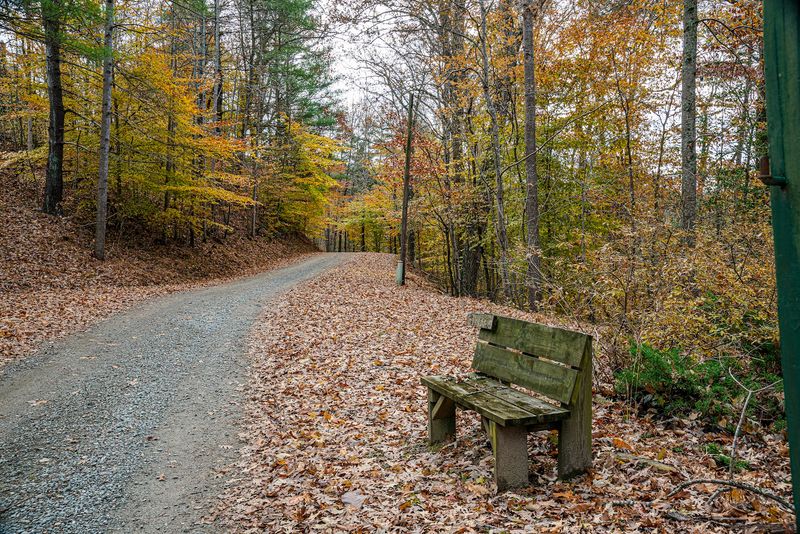
Tucked within a landscape of wooded hills and winding rural roads, this spring developed a reputation as a place where people could step away from everyday obligations and reconnect with nature.
Scenic surroundings played a major role in its appeal, attracting generations of guests who viewed fresh air, open space, and quiet settings as essential ingredients of a restorative getaway.
Summer gatherings became an important tradition, bringing families, community groups, and seasonal visitors together in an environment that encouraged relaxation and social connection.
Unlike heavily commercialized resorts, the atmosphere emphasized simplicity, allowing the natural surroundings to remain the centerpiece of the experience.
Shaded walking paths, outdoor activities, and long afternoons spent in the countryside helped create lasting memories for those who returned year after year.
Community events added energy and character without diminishing the peaceful qualities that originally drew people to the area.
Personal recommendations often proved more influential than formal advertising, helping establish a loyal following that extended across multiple generations.
Cleveland Springs – Shelby
By the late nineteenth century, this spring had become associated with a more elaborate form of leisure, one centered on large hotels and carefully managed entertainment.
Guests did not simply arrive for a drink of water; they entered a programmed environment with meals, music, recreation, and social expectations.
Expansive buildings gave the property visual authority, signaling comfort and prestige to families from across the region.
Organized activities helped structure each day, from porch conversation and reading to concerts, lawn games, and evening gatherings that made the stay feel polished and memorable.
As traffic increased, the spring strengthened Shelby’s reputation as a place connected to wider regional travel patterns and middle-class aspiration.
Local businesses benefited from the flow of people, while the architecture itself advertised modern hospitality in a semi-rural setting.
More than many smaller mineral sites, this one showed how spring culture could scale up into a substantial enterprise with staff, schedules, and a strong public profile.
Its story reveals the moment when belief in restorative waters merged with the growing appetite for managed recreation and stylish southern resort life.
Wilson Springs – Shelby
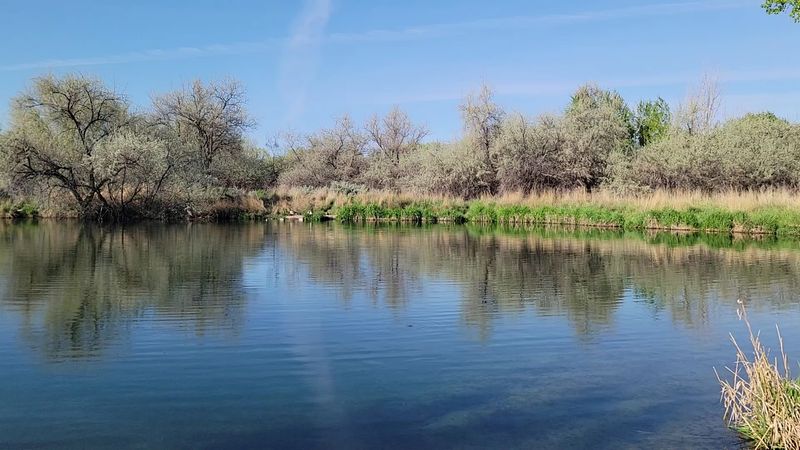
Before larger and more formal resort projects dominated attention, this spring helped shape local habits and regional reputation in quieter ways.
Community memory preserved it as a place of gathering, refreshment, and conversation, where practical use blended with early notions of the area’s appeal.
Rural traditions mattered here, and the spring fit into everyday life rather than standing apart as a fully separate pleasure ground.
Families visited, stories accumulated, and the site gradually became part of how neighbors understood the landscape around them.
Though less grand than later developments, its influence should not be underestimated because reputation often begins with familiar places that earn trust over time.
Settlers and local leaders could point to such waters as evidence that the surrounding country offered more than farmland and crossroads commerce.
In that sense, the spring contributed to Shelby’s broader image before hotel culture took center stage. Remembering places like this helps restore balance to the historical record.
Many celebrated resorts did not appear suddenly or in isolation.
Smaller destinations had already laid the foundation through local traditions, community pride, and a spirit of curiosity that attracted visitors long before larger developments arrived.
Mineral Springs – Mineral Springs

Few places show the bond between water and settlement more clearly than this community, where the spring helped give the town both name and identity.
Instead of serving only passing guests, it became woven into patterns of residence, commerce, and daily routine over many decades.
Households, churches, roads, and local businesses developed within a landscape already marked by the spring’s presence and reputation.
That continuity gave the community a durable sense of place, as though the water anchored memory as much as geography.
Generations grew up with the spring as a familiar reference point, not merely a curiosity advertised to outsiders.
Such long-term attachment shaped local storytelling, civic pride, and the way newcomers understood why the village existed where it did.
The result is a history less about spectacle than endurance, with the spring influencing settlement patterns long after the strongest promotional language lost its force.
Looking at the town today, it is still possible to see how natural resources shaped its development.
They influenced where people settled, gathered, conducted business, and planned for the future.
That connection helped define the character of a modest but remarkably enduring North Carolina community.
Healing Springs – Albemarle
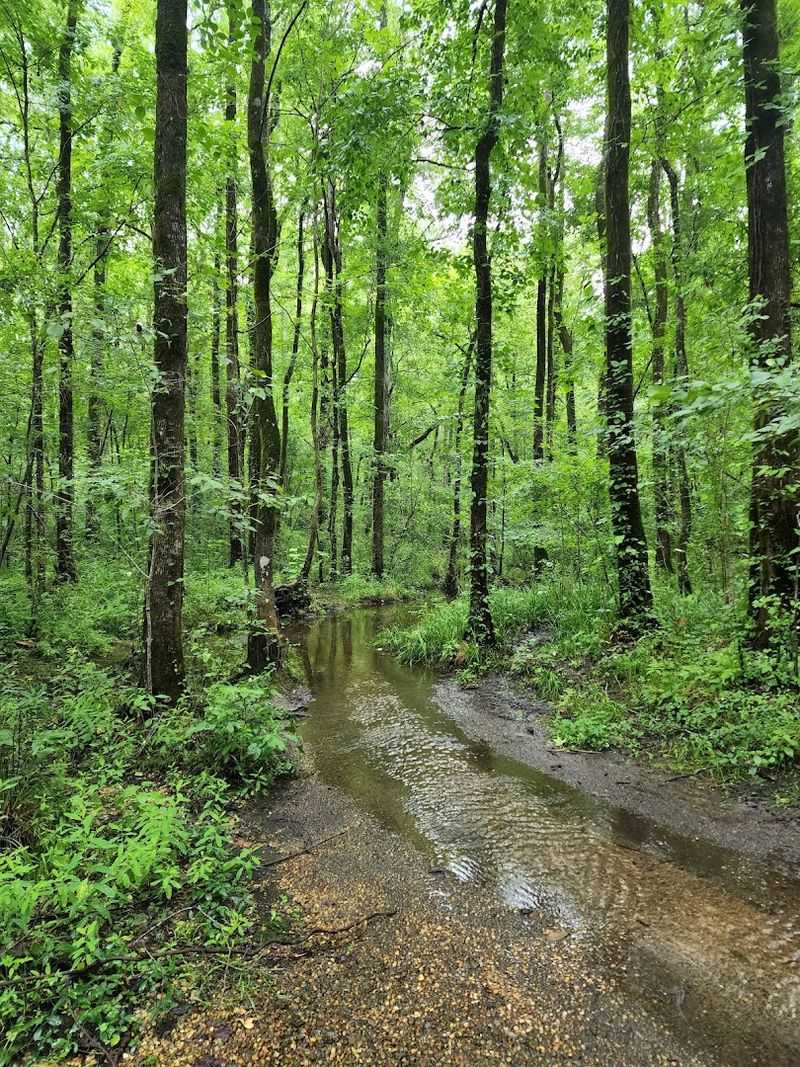
At this site, unusual appearance became part of the attraction, sparking curiosity well beyond the immediate neighborhood.
People were drawn not only by old beliefs about mineral waters but also by the visual strangeness that made the spring memorable and easy to describe.
Curiosity can build a landmark as surely as grand architecture, and that seems to have happened here.
The spring offered a talking point, a place to stop, and a feature around which local identity slowly gathered in a small rural setting.
Because the appeal was so visible, stories spread easily from one traveler to the next, helping the area secure recognition it might not otherwise have enjoyed.
Nearby residents benefited from that recognition, whether through trade, increased movement along local roads, or the simple prestige of possessing something distinctive.
Over time, the spring became part of the community’s mental map, a landmark used to orient both memory and conversation.
Its history remains compelling because not every well-known water destination depended on luxury or grand architecture.
Some earned recognition through natural wonder, local curiosity, and the enduring human tendency to find meaning in unusual features of the landscape.
Red Springs – Red Springs
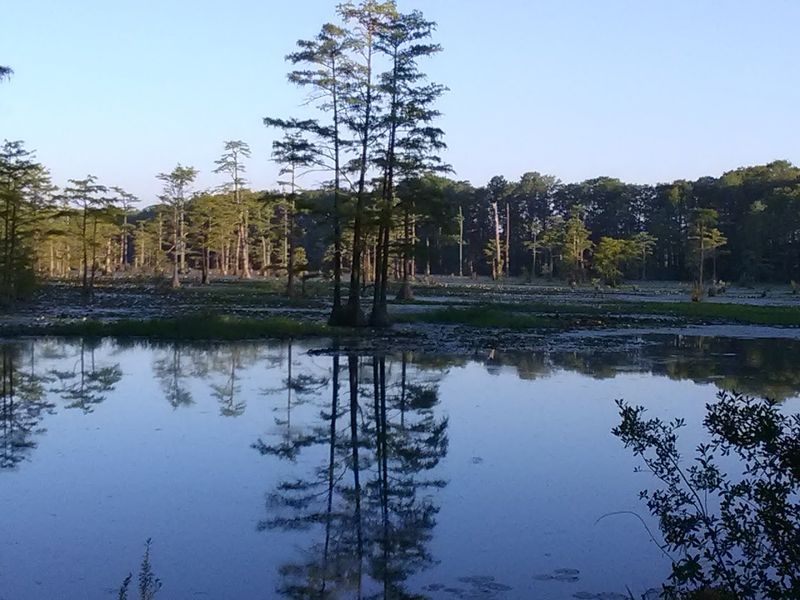
A distinctive natural feature gave this community its earliest sense of identity, helping it stand out among the many small settlements that dotted rural North Carolina.
Interest in the local spring grew steadily as stories circulated about its unusual qualities, drawing newcomers eager to experience the site for themselves.
Rather than developing around grand resort traditions, the area evolved through gradual growth supported by commerce, agriculture, and seasonal travel.
Merchants, property owners, and local entrepreneurs benefited from increased attention, creating connections between the spring and the broader development of the town.
Community gatherings often brought residents and visitors together, reinforcing the location’s reputation as a welcoming place where social life and outdoor recreation naturally overlapped.
Generations passed down stories about the spring, preserving its place in local memory even as transportation, medicine, and tourism changed dramatically over time.
Cultural significance ultimately became just as important as any belief associated with the water itself. The site’s legacy reflects the influence natural landmarks once had on community growth and local life.
White Sulphur Springs – Warren County
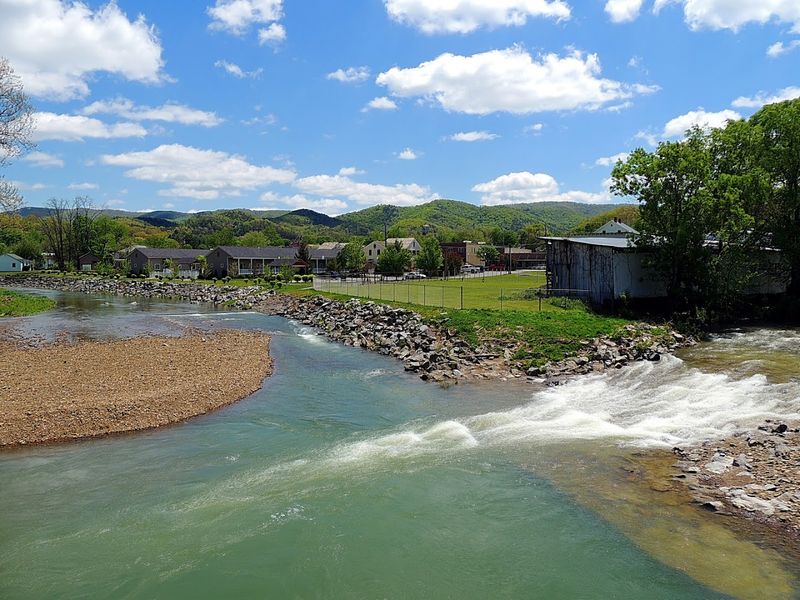
Nineteenth-century spring tourism came with its own code of conduct, and this place embodied those customs with unusual clarity.
Extended stays encouraged routines that balanced rest with sociability, creating a world where daily habits mattered almost as much as the water.
Breakfast hours, walks before the heat, time on shaded porches, prescribed bathing, and carefully observed meal schedules helped structure each day.
Social etiquette shaped interactions, from calling on fellow guests to dressing for dinner and navigating the subtle hierarchies of a shared seasonal retreat.
Such routines made spring travel feel orderly and purposeful, especially for families seeking both refinement and relief from urban pressures.
Operators understood that atmosphere depended on manners, predictability, and enough comfort to keep guests in residence for weeks. In that setting, the spring became the center of a temporary society with expectations everyone could read.
Its history offers a vivid glimpse of health travel before modern spa culture, when people pursued restoration through ritual, company, and environment as much as through any cup or bath.
The appeal lay in living differently for a while, according to a schedule that promised balance, decorum, and calm.
Buffalo Lithia Springs – Buffalo Springs
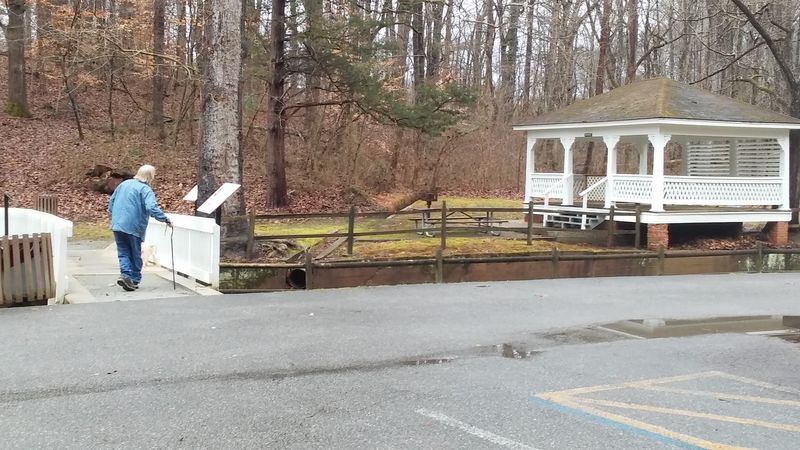
Public enthusiasm for lithia water helped transform this location into a recognized stop along North Carolina’s network of spring destinations during the late nineteenth century.
Advertisements, newspaper mentions, and personal recommendations encouraged curious travelers to visit, convinced that mineral-rich waters offered benefits unavailable elsewhere.
Rural surroundings strengthened the appeal, creating an environment where fresh air and quiet landscapes became part of the experience.
Boarding houses and local businesses adapted to seasonal demand, welcoming guests who often remained for extended stays rather than brief visits.
Social life developed naturally around shared meals, evening conversations, and daily routines that reflected contemporary ideas about rest and well-being.
Unlike larger resort communities that relied on grand architecture, this location cultivated a reputation through consistency and word-of-mouth praise.
Returning guests helped sustain interest across generations, creating traditions that linked the spring with relaxation and renewal.
Economic activity generated by tourism supported the surrounding area while reinforcing the importance of natural resources in local development.