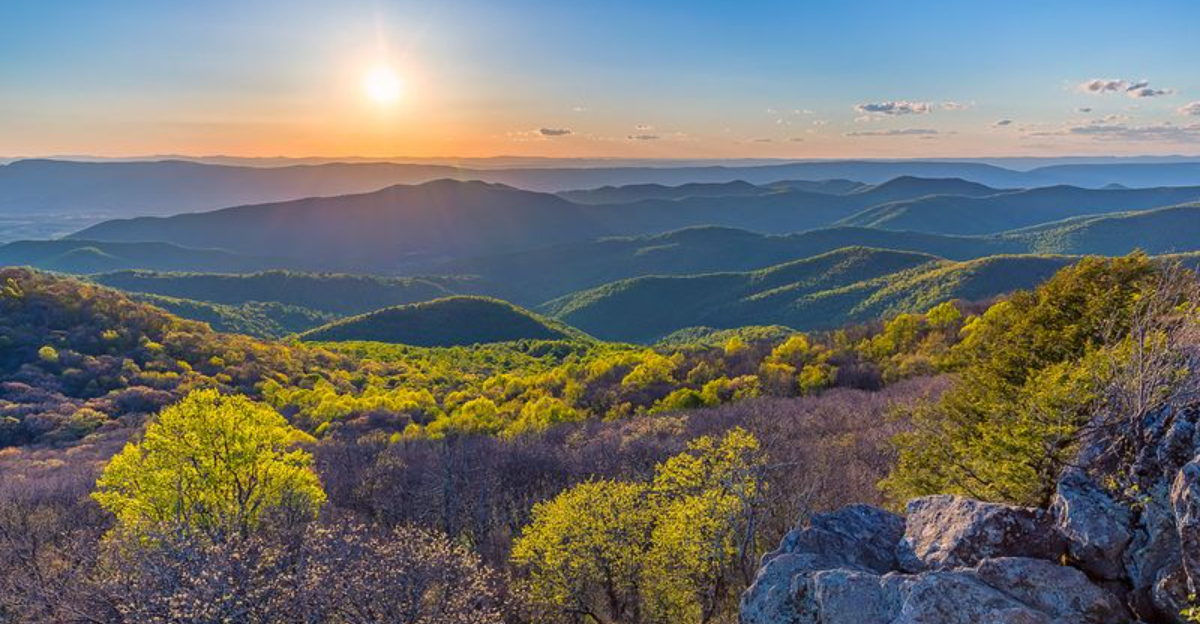
Virginia doesn’t do small views.
It throws mountains at you, pushes cliffs into the sky, and dares you not to stop and stare.
One minute you’re climbing a trail with trees crowding the path. The next, you’re standing at the edge of a rocky overlook with ridge after ridge rolling into the distance like waves frozen in place.
These are the spots where phones suddenly come out, camera storage disappears, and people say, “Just one more picture” at least ten times.
Sunrises glow, sunsets catch fire, and even a quick snapshot starts looking frame-worthy.
Grab your hiking boots and charge your camera. Virginia’s clifftop views are ready to steal your attention and leave your camera roll working overtime.
McAfee Knob
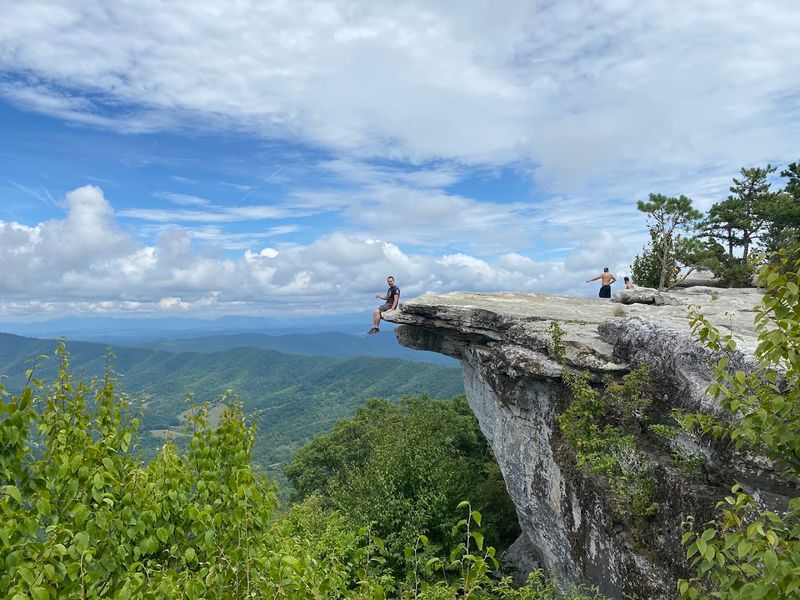
Photographers from across the country make the pilgrimage here for one simple reason: this iconic rock ledge delivers every single time. The jutting platform creates a natural stage where earth meets sky, and the valleys below stretch out like a painted canvas.
Your best bet for crowd-free shooting? Arrive before sunrise when soft morning light paints the ridgelines in shades of amber and rose.
The early start means sharing the ledge with just a handful of dedicated photographers instead of dozens of day hikers. Bring a wide-angle lens to capture the sweeping panorama.
The exposed rock platform gives you multiple composition options. Try shooting from different angles along the ledge, or include fellow hikers for scale against the vast backdrop.
Midweek visits offer even more solitude than weekends.
Plan for a moderate hike covering roughly eight miles round trip. The trail gains significant elevation but rewards your effort with Virginia’s most recognized clifftop scene.
Pack layers since temperatures drop at elevation, and always check weather before heading out.
Morning fog occasionally adds mysterious atmosphere to your shots, transforming familiar scenes into something magical and unexpected.
Tinker Cliffs
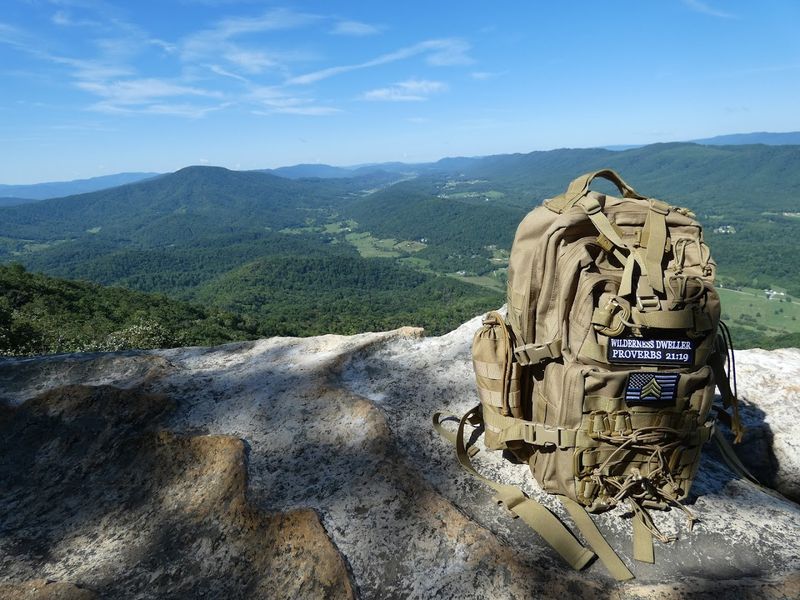
Standing along this extended cliff line feels completely different from cramped overlooks where everyone jockeys for position. Space spreads out generously here, giving photographers room to explore various vantage points without bumping into other visitors.
The openness itself becomes part of your composition.
Sunset transforms these cliffs into something extraordinary. Golden hour bathes the rocky faces in warm light while shadows deepen across distant peaks, creating natural layers in your frame.
The extended cliff formation means you can walk along seeking your perfect angle as light conditions evolve.
Wide landscape shots work beautifully here thanks to unobstructed sightlines stretching for miles. Experiment with foreground elements like weathered rocks or hardy mountain plants to add depth.
The rugged texture of the cliff face itself provides strong leading lines.
Reaching these cliffs requires commitment since the trail stretches over seven miles one way from the typical starting point. Most hikers combine this destination with nearby viewpoints for a longer adventure.
Bring plenty of water and snacks for sustained energy.
Spring and fall offer comfortable temperatures, though summer evenings deliver spectacular storm light when weather cooperates safely.
Dragon’s Tooth
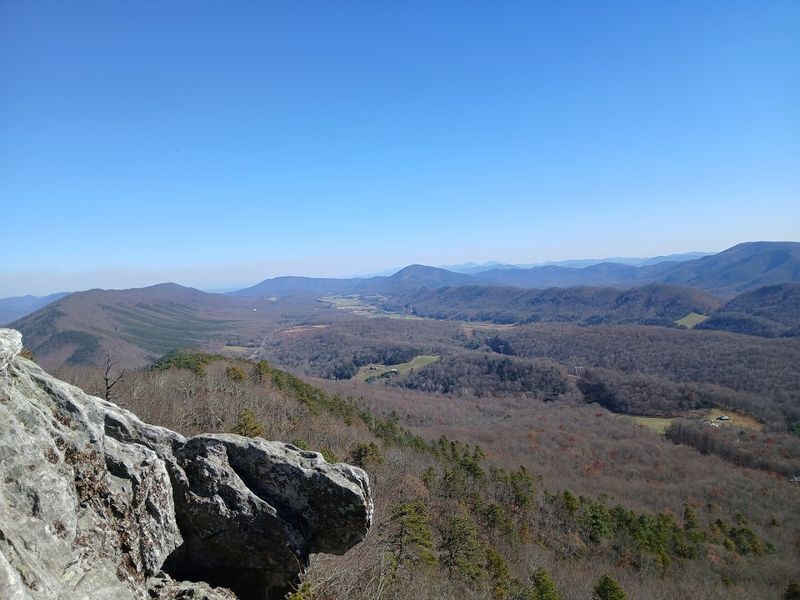
This isn’t your typical mountain overlook. A massive stone spire thrusts skyward from the summit, creating one of Virginia’s most distinctive natural sculptures.
The unusual formation draws photographers seeking something different from standard vista shots.
Climbing onto the tooth-shaped rock requires basic scrambling skills and careful footing, but the elevated perspective rewards your effort. From this natural pedestal, views open across surrounding peaks in every direction.
The dramatic rock itself becomes both your viewing platform and your photo subject.
Creative compositions abound here. Shoot upward to emphasize the spire’s impressive height against sky, or position yourself to include it as foreground interest with mountains beyond.
Other hikers scaling the formation add human interest and show the tooth’s impressive scale.
The moderate trail covers about four and a half miles round trip with rocky, technical sections near the summit. Sturdy hiking boots with good grip matter more here than on gentler trails.
Avoid attempting this hike in wet conditions when rocks become dangerously slippery. Clear days provide the sharpest distant views, though interesting cloud formations can add drama.
Arrive early on popular weekends to photograph the spire without crowds clustered around.
Hawksbill Mountain
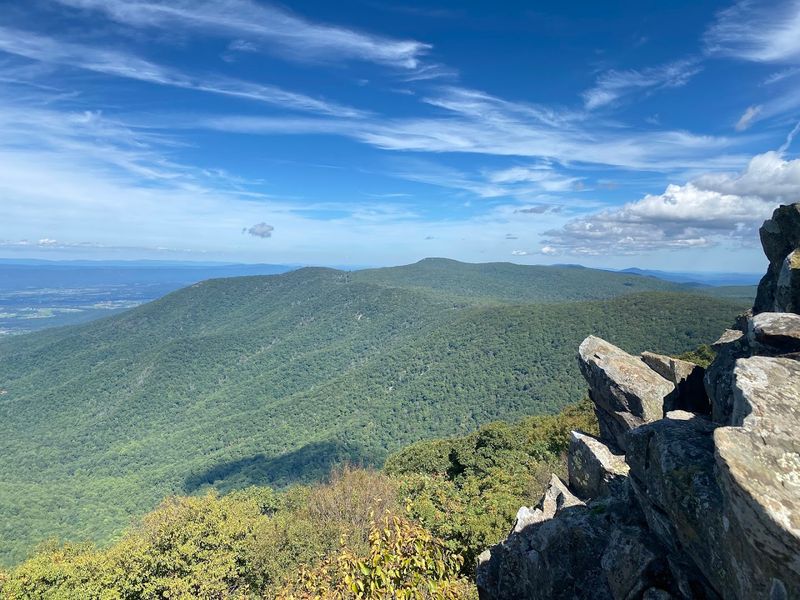
Claiming the title of Shenandoah’s highest point, this summit serves up views that photographers chase through changing seasons. Autumn brings the most dramatic color show when hillsides explode in orange, red, and gold that seems to glow under proper lighting.
Early morning offers magic that midday visits can’t match. Watch mist rise from valleys below as first light touches the layered ridgelines, creating depth through atmospheric perspective.
The elevation gain means you’re often shooting above the haze that obscures lower viewpoints.
Multiple observation platforms give you options for framing your shots. The open rock areas provide 360-degree access, so walk around seeking angles where light and landscape align perfectly.
During peak color season in mid-October, vibrant foliage fills your frame in every direction.
Two trail options lead here, with the shorter route climbing just over a mile from Skyline Drive. The longer approach offers more solitude but demands greater effort.
Either way, the summit rewards you handsomely. Winter occasionally transforms this peak into a snow-covered wonderland, though icy conditions require proper gear and caution.
Spring wildflowers and summer’s deep greens offer seasonal variety beyond the famous fall display that brings crowds in October.
Bearfence Mountain
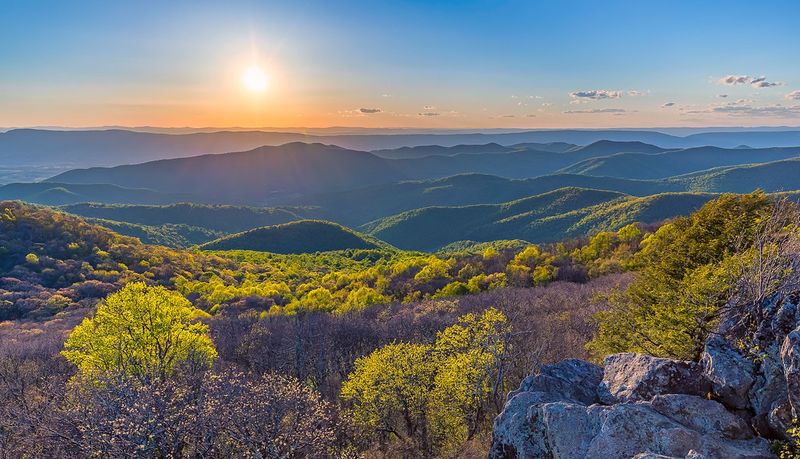
Ready for something more adventurous than a simple walk-up viewpoint? This short but exciting scramble over exposed rock leads to one of Virginia’s most rewarding summit experiences.
Your hands and feet both get involved as you navigate boulder fields to reach the top.
Once you’ve pulled yourself onto the summit rocks, prepare for visual overload. Nearly complete 360-degree views surround you with mountain scenery in every direction.
The exposed position creates a thrilling sense of being suspended above the landscape, perfect for dramatic photography perspectives.
The rock scrambling itself offers photo opportunities beyond just the vista. Capture fellow hikers navigating interesting boulder problems or shoot across the rugged summit terrain toward distant peaks.
Late afternoon light brings out texture in the weathered rock surfaces.
Don’t let the short distance fool you into thinking this is easy. The loop trail covers barely over a mile but packs plenty of challenge into that compact distance.
Families with younger children often attempt this hike, making it surprisingly popular despite the scrambling requirement. Avoid this destination during storms or when rocks are wet and slippery.
The exposed summit leaves you vulnerable to lightning and makes footing treacherous in poor conditions.
Sharp Top Mountain
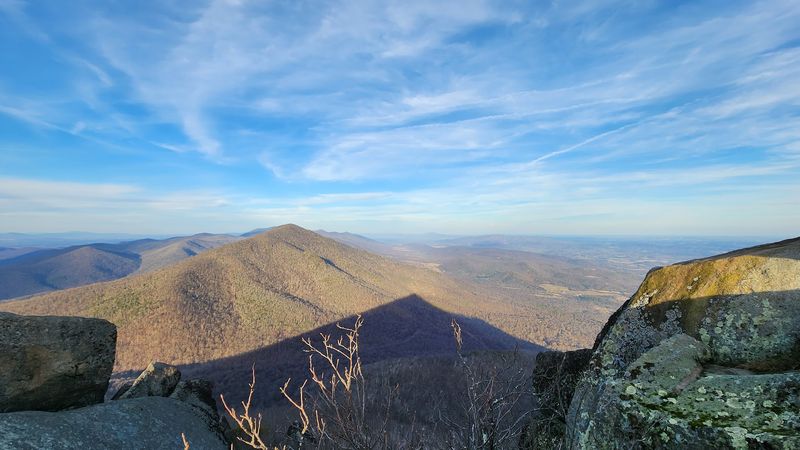
Few Virginia summits deliver such recognizable profiles. Sharp Top rises distinctively above its neighbors, and those steep mountain drops create the kind of layered drama that makes landscape photographers practically giddy with excitement.
Golden hour photography reaches its peak potential here. Watch as horizontal light rakes across the ridgelines below, emphasizing every fold and valley in the terrain.
The summit’s prominence means you’re shooting down and across at other mountains rather than simply looking at distant peaks.
Position yourself carefully along the rocky summit area to find compositions where those gorgeous layered ridges stack up perfectly. Include the foreground rocks and vegetation to add depth, or zoom in tighter on the abstract patterns created by repeating mountain forms.
Spring’s green growth and fall’s color changes both enhance the natural layering effect.
The climb demands respect with its steep sections and rocky footing, covering about three miles round trip with significant elevation gain. Bus service from the visitor center offers an easier option for those unable or unwilling to tackle the challenging trail.
Either way, reaching this distinctive summit delivers views worth every bit of effort expended.
Summer thunderstorms build quickly here, so start early and monitor weather carefully throughout your visit.
Humpback Rocks
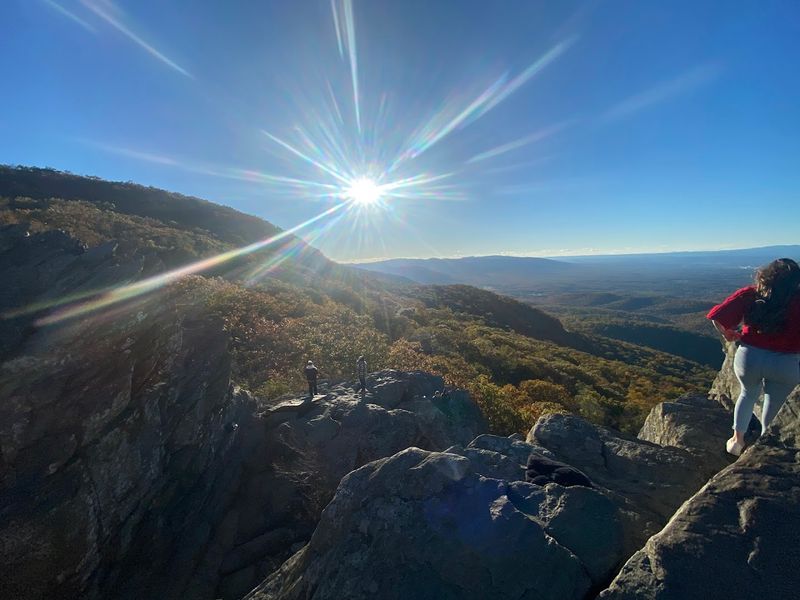
Something about standing on these exposed ledges makes you feel properly perched above the world below. The rocky foreground elements practically beg to be included in your compositions, creating that classic sense of height and drama landscape photographers crave.
Valley views spread out beneath you in a way that emphasizes the vertical drop. Use those prominent foreground rocks strategically to anchor your images and guide viewers’ eyes toward distant scenery.
The elevated perspective lets you shoot across the valley rather than just looking down into it.
Blue Ridge classics shine here during any season. Autumn color provides obvious appeal, but don’t overlook summer’s lush green valleys or winter’s stark beauty when bare trees reveal landscape structure usually hidden by leaves.
Morning and evening light both work well depending on weather patterns and seasonal sun angles.
Getting here means tackling a steep but relatively short trail, roughly four miles round trip with steady climbing. Many hikers combine this destination with the nearby historic farm site, making a longer loop.
The popularity means expect company, especially on pleasant weekend days. Weekday visits or off-peak seasons provide more solitude for photography.
Always stay back from cliff edges, especially in windy conditions or when rocks are wet from recent rain or morning dew.
Ravens Roost Overlook
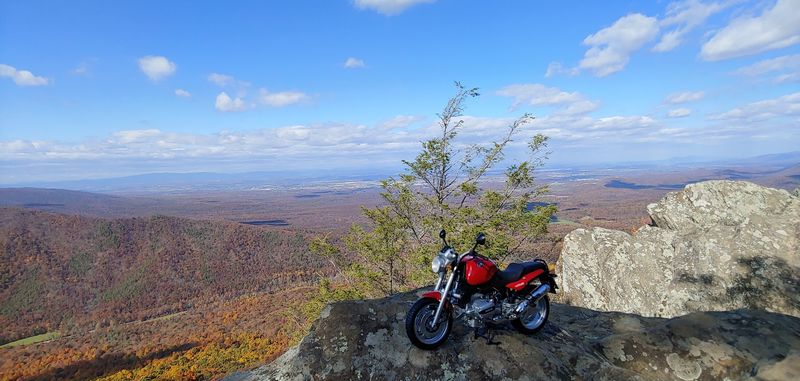
Not every amazing view requires hours of hiking. This roadside overlook proves that accessibility and beauty aren’t mutually exclusive.
Pull off the parkway and within steps, you’re framing shots of rolling mountain layers that look especially stunning as daylight fades.
Sunset seekers flock here for good reason. The western orientation means you’re shooting directly into evening color shows when conditions cooperate.
Clouds enhance rather than ruin the scene, catching and reflecting brilliant oranges, pinks, and purples across the sky.
The overlook’s elevation provides that essential separation between viewing platform and distant ridges. Those atmospheric layers of mountains fading into blue distance create natural depth in your images without requiring any fancy techniques.
Simply compose and shoot as the light evolves.
Arrive well before sunset to claim your spot and set up properly. Popular overlooks fill quickly on clear evenings, particularly during peak foliage season or summer weekends.
The easy access means photographers of all mobility levels can capture these views without challenging trails or long walks. Winter brings its own magic when low-angle sun creates long shadows across the landscape.
Just remember that parkway sections close seasonally in harsh weather, so check road status before planning winter visits to this convenient but weather-dependent location.
The Channels
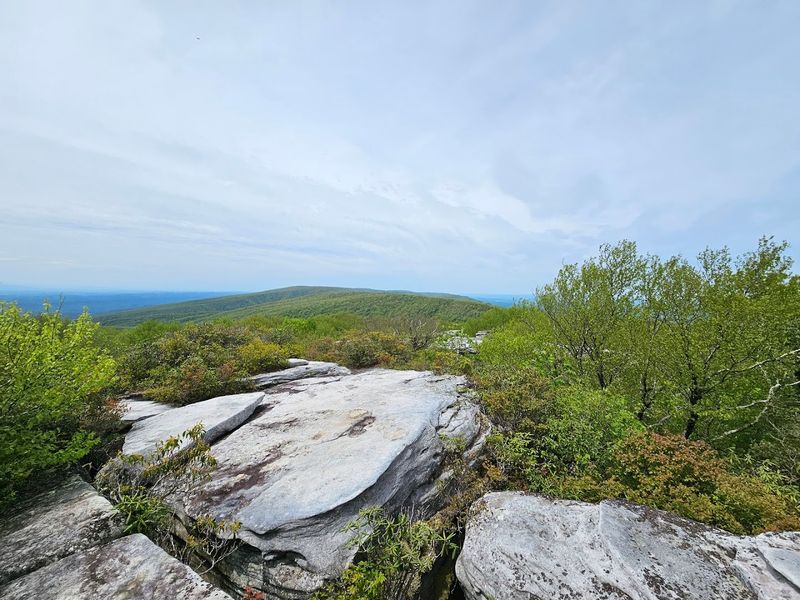
Forget traditional overlooks for a moment and explore something genuinely different. These sandstone formations create a maze of narrow passages and towering rock walls that transform landscape photography into adventure documentation.
The unusual terrain practically begs for creative shooting angles.
Yes, views exist here, but the real photographic gold lies in the channels themselves. Walk between cliff walls that rise dramatically on both sides, creating natural frames and leading lines.
The texture of weathered sandstone, the play of light filtering through narrow gaps, and the sense of exploration all contribute to compelling images.
Wide shots capturing the rugged landscape work alongside intimate details of rock patterns and formations. Include people navigating the channels to show scale and add human interest.
The combination of geological oddity and physical challenge makes every photo more interesting than standard vista shots.
Reaching The Channels requires commitment since it sits in a remote area with limited trail markings. Navigation skills matter here more than on well-maintained park trails.
The terrain demands careful footing as you scramble over and between rock formations. This isn’t a quick photo stop but rather a half-day adventure for those seeking something beyond typical mountain overlooks.
Bring plenty of water, wear sturdy boots, and consider downloading offline maps before venturing into this less-traveled landscape.
Reddish Knob
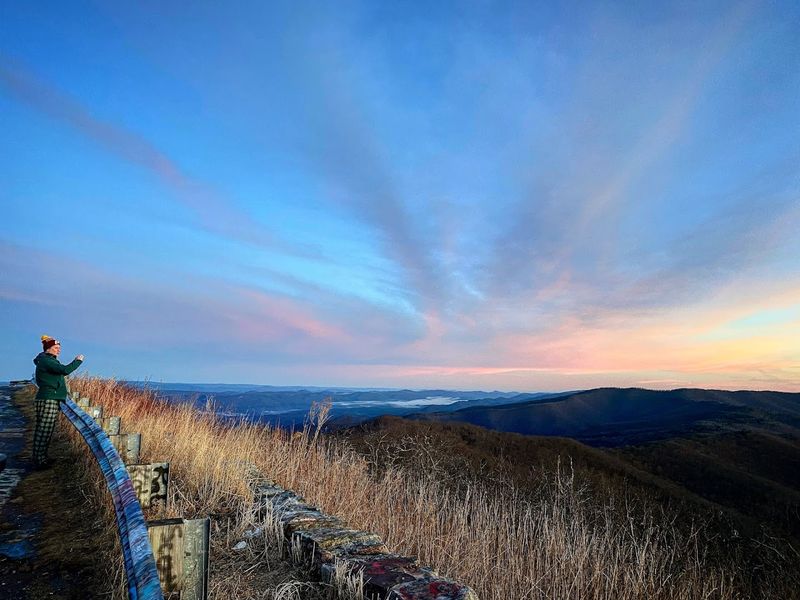
Drive to the second-highest point you can reach by vehicle in Virginia and discover views that shift dramatically with weather conditions. Clear days provide obvious appeal, but photographers who embrace moody skies often capture this location’s most memorable images.
The exceptional elevation creates a sense of standing above the surrounding landscape rather than simply within it. Multiple ridgelines march away in the distance, creating that coveted layered effect that adds depth to mountain photography.
Clouds rolling through add dynamic interest as they catch and reveal different sections of terrain.
Broad panoramic compositions work naturally here thanks to the expansive viewshed. The high vantage point also means you’re often shooting across interesting weather phenomena like fog banks, storms building in the distance, or dramatic light breaking through clouds.
These conditions transform ordinary mountain views into something special.
The gravel road accessing the summit handles most vehicles in good weather but can deteriorate after storms or during winter. Check conditions before attempting the drive, especially in shoulder seasons when ice or mud might create problems.
The summit area includes space for multiple vehicles, though popular times can still fill available parking.
Morning light often brings particularly dramatic conditions as temperature inversions trap fog in valleys below while the summit basks in clear air and sunshine above the weather.