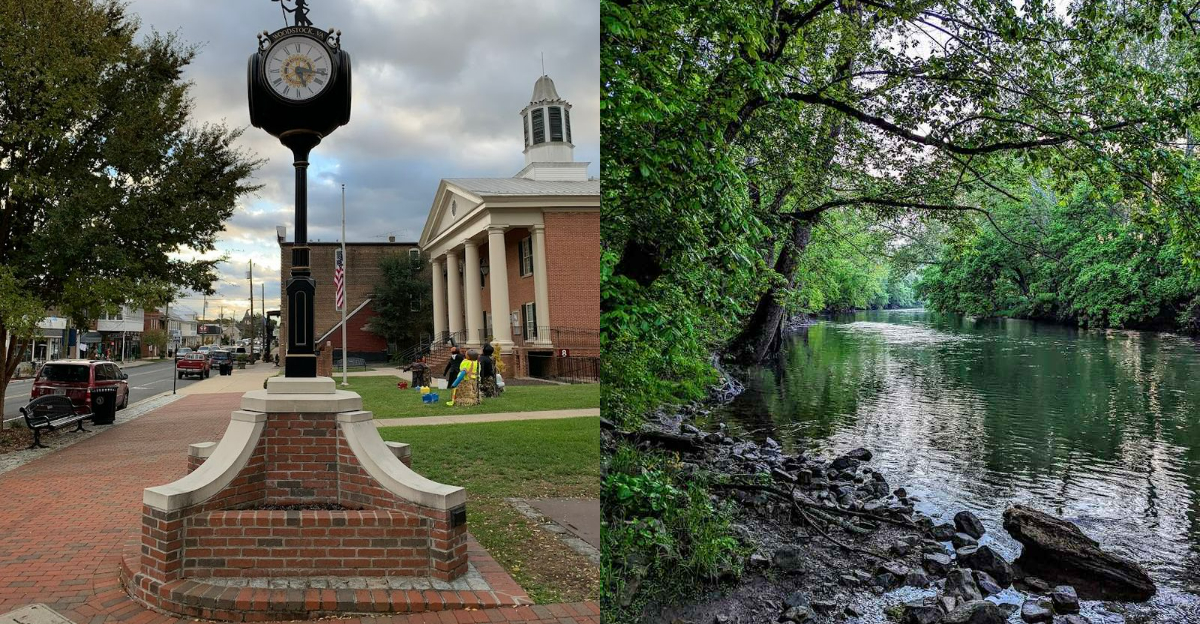
If your idea of retirement includes mountain views, walkable streets, and a daily pace that never feels rushed, Woodstock, Virginia, is hard to ignore. Tucked into the Shenandoah Valley, this small town blends deep history with practical comforts in a way that feels unusually livable.
You get the charm people chase on vacations, but with the kind of routine that can actually support everyday life. That balance is exactly why so many people are giving this quiet Virginia town a serious second look.
The Valley Calm That Changes Your Pace

Before you even park in Woodstock, the setting starts doing something to your shoulders. The town sits in the Shenandoah Valley between mountain ranges, and that wide-open geography creates a natural sense of exhale.
You are not stepping into a place that demands speed, noise, or constant decisions.
What makes it memorable is how ordinary life seems designed for breathing room. Streets feel manageable, distances feel short, and the surrounding scenery keeps nudging your attention away from screens and back toward the ridgelines.
If retirement is supposed to feel less cluttered, this landscape quietly supports that goal every day.
I think that is part of Woodstock’s pull for so many people. It offers mountain beauty without isolating you, and calm without making life feel empty.
For anyone craving a gentler rhythm, this town makes slowing down feel less like a sacrifice and more like a long overdue upgrade to daily living.
A Main Street With 1761 Still In It
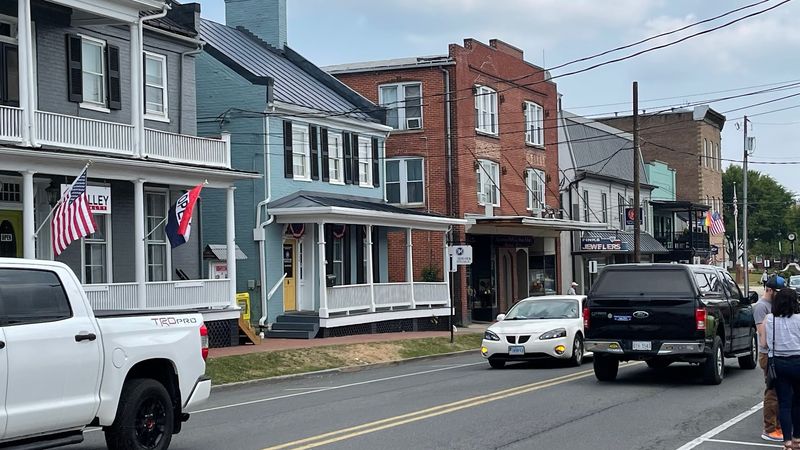
Woodstock’s Main Street does not feel manufactured for visitors. Its story reaches back to 1761, and that age still shows in the bones of downtown, from long-standing churches to civic buildings that make the center feel grounded rather than decorative.
When you walk here, you are moving through a place with real continuity.
That matters more than you might expect, especially if you are imagining retirement somewhere new. A historic core gives daily errands a little texture, and even a quick walk can feel connected to generations of local life.
The town has been the county seat since 1772, so its center was built for staying power, not passing trends.
You notice that stability in subtle ways. Storefronts, sidewalks, and public buildings all suggest a town that knows what it is.
Instead of trying to reinvent itself every season, Woodstock lets its history carry the mood, and that creates a kind of confidence many people find deeply reassuring.
The Courthouse That Makes Time Feel Solid
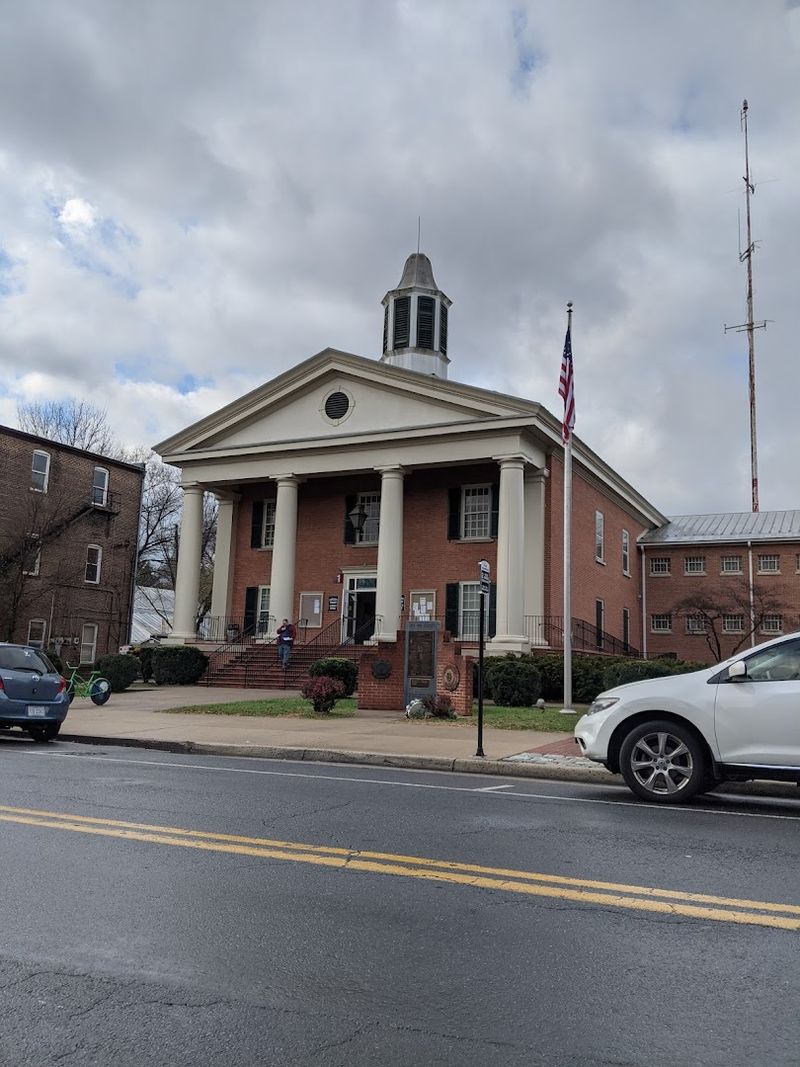
Every town has a landmark, but Woodstock has one that feels especially anchoring. Its courthouse, built in 1795 and tied to Thomas Jefferson by local tradition, is often described as the oldest continuously used courthouse west of the Blue Ridge Mountains.
That is not just trivia you repeat to guests – it changes how the whole town feels.
There is comfort in a place where an important building has stood through centuries of change. Even now, the historic courthouse works as a museum, visitor center, event space, and still supports court functions in the old courtroom.
Instead of becoming a frozen relic, it remains part of living town life.
If you are looking at Woodstock as a retirement destination, that kind of permanence can be surprisingly persuasive. It suggests continuity, stewardship, and a community that values what lasts.
In a world full of throwaway development, this courthouse gives Woodstock a steady center you can actually feel on foot.
Downtown Wandering As A Legitimate Daily Plan
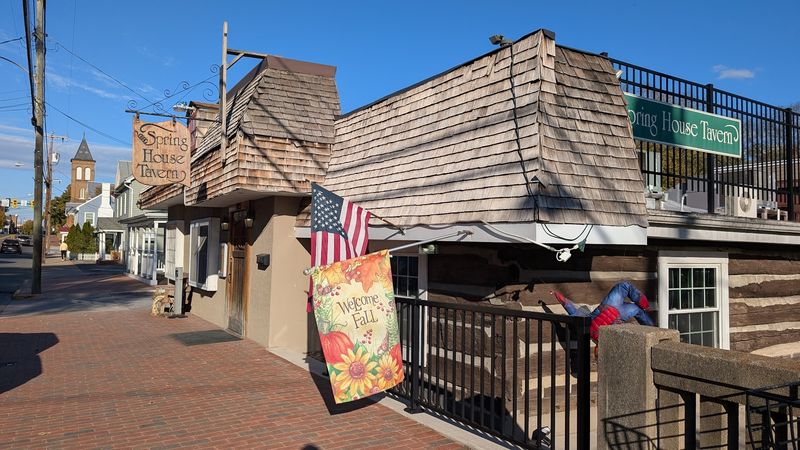
Some downtowns are nice for a single visit, then feel repetitive. Woodstock works differently because wandering through it can be both useful and enjoyable, which is exactly what many people want from everyday retirement life.
Renovated buildings, improved parking, and a compact layout make the center easy to navigate without stress.
You can walk for coffee, browse a shop, handle a small errand, and still feel like you spent the morning doing something pleasant instead of merely productive. Restored storefronts and old brick add character, but the town also supports the practical side with public improvements and a business mix that serves local routines.
That balance is hard to fake.
I like that Woodstock’s downtown does not ask you to stage a special occasion before it becomes worth exploring. It invites small, repeatable pleasures.
Over time, that may be more important than splashier attractions, because the places you love in retirement are often the ones you can enjoy on an ordinary Tuesday.
Antiques, Gift Shops, And The Joy Of Browsing Slowly
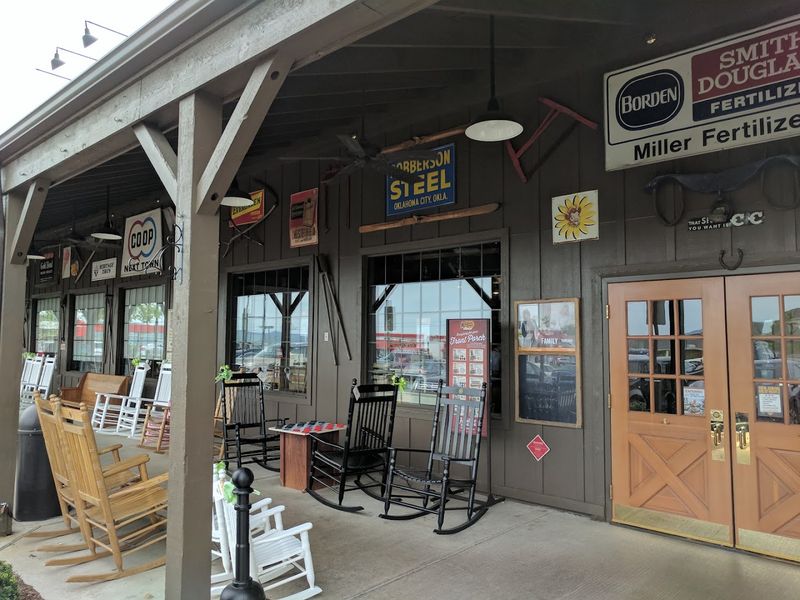
Woodstock understands that shopping in a small town is not always about efficiency. Sometimes it is about giving yourself permission to drift between antiques, locally made foods, gifts, home decor, and art until an ordinary outing turns into something unexpectedly satisfying.
Downtown has that layered, browse-friendly feeling that makes you stay longer than planned.
You are not walking through a corridor of identical chain displays. Instead, you get shelves with personality, objects with stories, and the occasional item that feels as if it waited for exactly the right person to notice it.
Places like antique stores and local gift shops help the town feel lived in rather than curated only for tourists.
For retirees, that kind of shopping scene can matter more than people admit. It creates low-pressure entertainment close to home and gives daily life a little texture.
Even if you buy nothing, the experience still counts. In Woodstock, a simple errand can turn into an unhurried treasure hunt with mountain-town charm built right in.
A Food Scene That Covers Ordinary Tuesdays And Long Lunches

A retirement town does not need hundreds of restaurants, but it does need enough variety to keep life comfortable. Woodstock delivers more range than many people expect, with nearly thirty dining options that span quick meals, casual cafes, taverns, and sit-down restaurants.
You can keep things simple or make a meal feel like an outing.
That variety matters because food is part convenience and part quality of life. On some days, you want a fast, familiar stop without overthinking it.
On others, you want a longer lunch, a local favorite, or dinner in a place where you can actually hear the person across from you. Woodstock manages both without losing its small-town personality.
The result is a town that feels easier to live in over time. American, Asian, Italian, Mexican, and classic diner options help prevent routine from becoming dull.
If you are imagining retirement here, it is reassuring to know that everyday dining can be both practical and pleasantly local, not a culinary compromise.
Seven Bends State Park, Your Nearby Reset Button

One of Woodstock’s biggest advantages is that meaningful outdoor time does not require a complicated plan. Seven Bends State Park sits just a few miles from historic downtown, offering trails, picnic areas, and river access that are close enough to become part of normal life.
That proximity changes the way you think about free time.
Instead of waiting for a special weekend, you can head out for a walk, a short bike ride, or a quiet lunch outdoors with very little effort. The park includes about nine miles of hiking and biking trails across a large natural area, so it gives you room to reset without feeling remote or hard to reach.
Convenience is part of the appeal.
If you are considering Woodstock for retirement, this is the kind of feature that keeps paying off. Nature is not just scenery you admire from town.
It becomes something you can enter regularly, whether you want exercise, solitude, or a gentle reminder that a good day does not have to be busy to feel full.
Living Beside A River That Softens Everything

The North Fork of the Shenandoah River is not just a nearby attraction in Woodstock. It is part of the town’s emotional weather, adding water, open views, and a gentle sense of movement to everyday life.
Even when you are not standing at the riverbank, the surrounding landscape carries its influence.
At Seven Bends State Park and nearby access points, the river invites all kinds of low-pressure recreation. You can paddle, fish, tube, or simply walk near it and let the sound and light do their work.
Because the water is woven into the geography rather than staged as entertainment, the experience feels natural and repeatable.
That consistency is part of why Woodstock leaves such a strong impression on people seeking a calmer place to live. Mountain towns can be beautiful, but a river adds another layer of ease.
Here, the Shenandoah is not background decoration. It actively shapes the relaxed mood that makes the town feel softer, steadier, and easier to call home.
History Here Comes In Layers, Not Labels
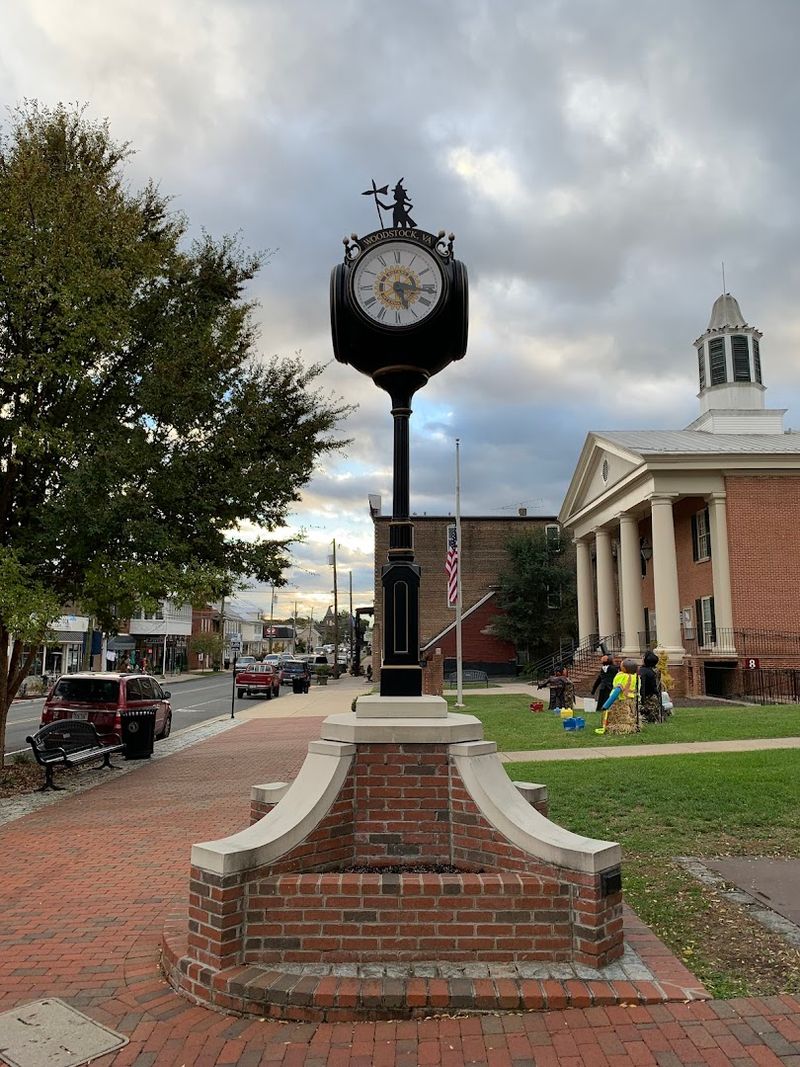
Some historic towns rely on one headline fact and repeat it forever. Woodstock feels richer than that because its past comes in layers – early settlement, Revolutionary-era stories, church history, county government, and later Civil War connections all remain part of the town’s identity.
The effect is depth rather than nostalgia.
You can sense that depth in the local landmarks and in the stories attached to them. Figures like John Peter Gabriel Muhlenberg give Woodstock a vivid Revolutionary connection, while the town’s role as county seat ties daily civic life to a much older timeline.
History here is not boxed off in one building. It spills gently across the place.
For someone thinking about retirement, that can make a real difference. A town with historical layers tends to feel more rooted, more remembered, and more confident in itself.
Woodstock does not come across like a blank canvas waiting for identity. It already has one, and that gives newcomers something substantial to join rather than merely observe.
Day Trips That Keep Quiet Living From Feeling Small

Woodstock feels peaceful, but it does not feel cut off. That is a crucial difference if you are picturing retirement, because calm is best when it comes with options.
The wider Shenandoah County area gives you easy outings to places like Shenandoah Caverns and the Route 11 Potato Chip Factory, which add a little novelty without requiring a major travel production.
You can enjoy quiet evenings in town and still wake up with somewhere interesting to go after breakfast. Regional attractions, scenic drives, and accessible roads make Woodstock a comfortable home base rather than a place that asks you to choose between simplicity and exploration.
Even practical access to larger routes helps the town feel connected to the wider region.
I think this flexibility is part of Woodstock’s secret strength. Retirement does not have to mean staying still, and small-town life does not have to feel limited.
Here, you can keep your routines grounded while still having enough nearby adventures to make the week feel open, varied, and pleasantly unfinished.
The Everyday Rhythm That Makes People Stay
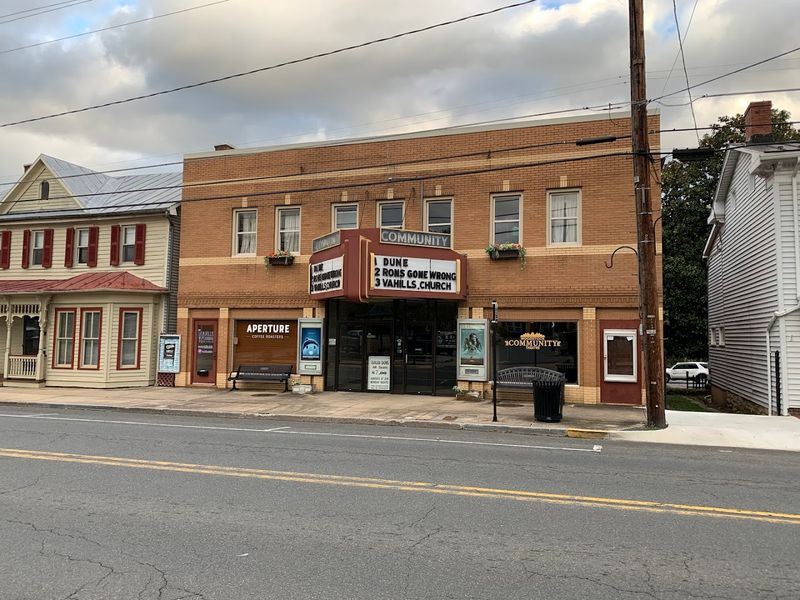
In the end, Woodstock’s appeal is less about one spectacular attraction and more about how well the pieces fit together. History, dining, walkability, mountain scenery, outdoor access, and small-town scale all overlap in a way that makes everyday life feel manageable.
That is often what people are really searching for when they talk about a dream retirement town.
You can picture the routine almost immediately: coffee downtown, a browse through local shops, lunch somewhere relaxed, an afternoon drive or river walk, and mountains in view without needing to chase them. With a population just over 5,800, Woodstock stays small enough to feel personal while still offering the services and variety that keep life comfortable.
Nothing feels inflated beyond what the town can carry.
That steady rhythm is what turns interest into attachment. Woodstock does not overwhelm you with promises.
It simply offers a place where life can feel grounded, scenic, and welcoming on a regular basis, which may be the most convincing luxury of all.