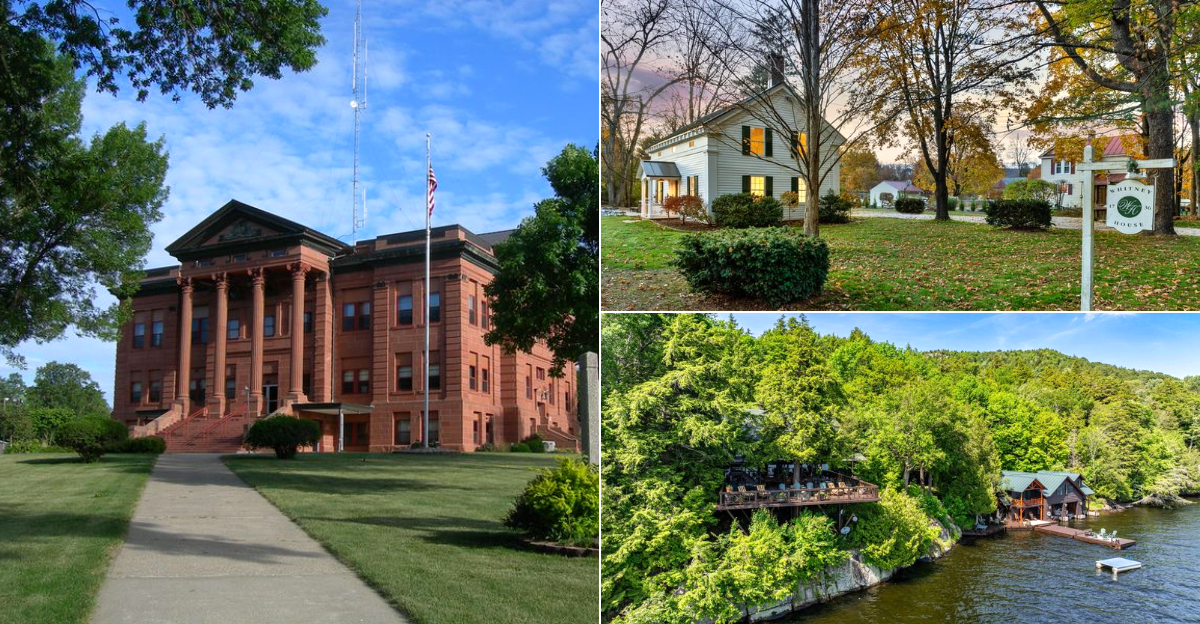
Massachusetts is one of the few places in America where a simple walk down the street can feel like a journey through several centuries of history.
Across the state, historic roads lined with colonial homes, maritime landmarks, brick storefronts, churches, inns, and civic buildings reveal stories that helped shape both Massachusetts and the nation itself.
Some streets date back to the earliest days of European settlement, while others reflect the prosperity of whaling ports, industrial towns, and thriving cultural centers.
The architecture often tells its own story, with every doorway, façade, and cobblestone stretch offering a glimpse into a different era.
Together, these Massachusetts streets showcase the remarkable character and rich heritage that continue to define the Commonwealth.
1. Acorn Street – Boston, Suffolk County
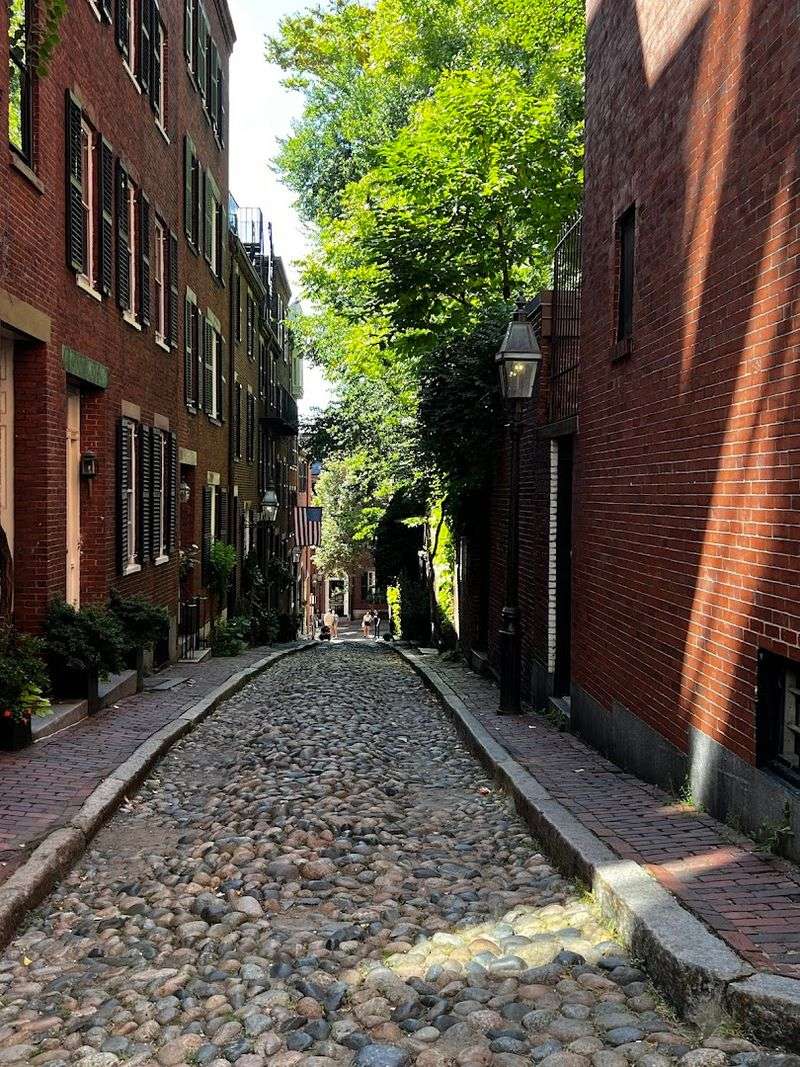
Morning light catches the uneven cobblestones first, turning a short lane into something almost theatrical.
You feel the hush immediately, as if the city agreed to lower its voice for one preserved block.
That feeling reaches its peak on Acorn Street in Boston’s Beacon Hill, where every brick facade seems carefully placed between memory and myth.
Built largely in the early nineteenth century, the houses reflect Federal style restraint, yet nothing here feels plain.
Iron railings, shuttered windows, and polished doors create a rhythm that makes you slow down and study details.
Even the stones underfoot tell a story, worn smooth by residents, workers, carriage wheels, and generations of curious visitors.
Service alleys and modest residential passages rarely become icons, yet this one reveals how everyday urban life once looked.
Standing here, you can imagine Beacon Hill before traffic dominated the city, when walking home by lamplight shaped the neighborhood’s nightly routine.
Today, Acorn Street remains one of Massachusetts’ most photographed places, though its appeal is deeper than postcard beauty.
It captures Boston’s gift for compressing class history, architecture, and atmosphere into a tiny, unforgettable stretch.
2. Essex Street – Salem, Essex County
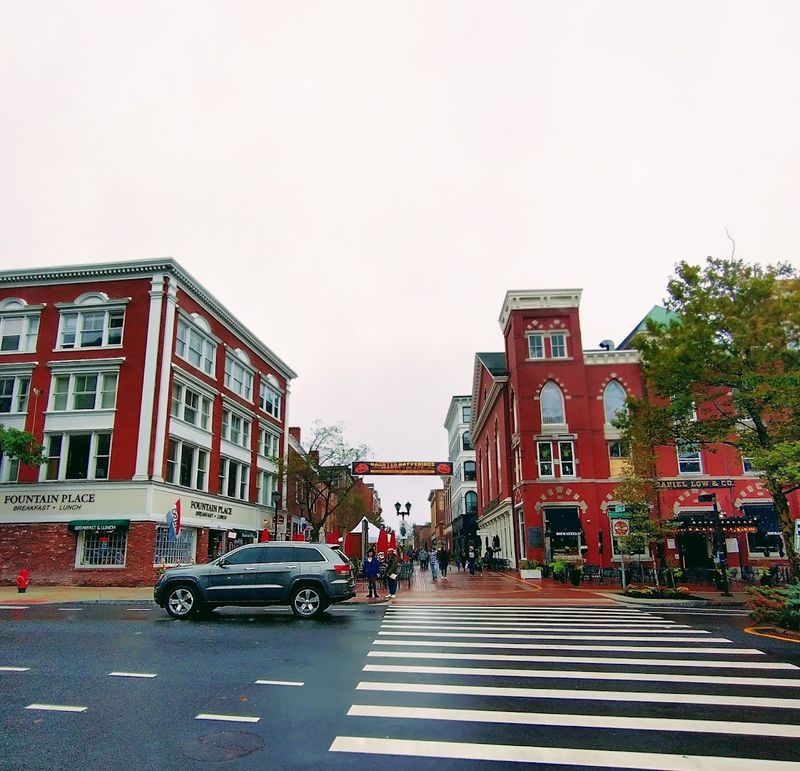
Few places balance spectacle and substance quite like a street that has learned to live with its own legends.
Storefront windows, old brickwork, and shifting crowds create an energy that feels both theatrical and deeply rooted.
That tension defines Essex Street in Salem, where tourism, trade, and local history have been sharing the same stage for generations.
Walk a few blocks and you move through layers of mercantile Salem, literary Salem, and the ever-present Salem of popular imagination.
Pedestrian-friendly sections invite you to notice carved lintels, church spires in the distance, and commercial buildings adapted over time.
The architecture does not belong to one neat period, which is exactly why the street feels so alive.
This was long a civic and retail spine, connected to a port city that once reached far beyond New England.
Merchants, mariners, reformers, and curious visitors all left traces in the buildings that line the route today.
Even when crowds gather for seasonal festivities, the older story remains visible in cornices, masonry, and street alignment.
Essex Street works because it never reads like a frozen museum set.
3. North Street – Pittsfield, Berkshire County
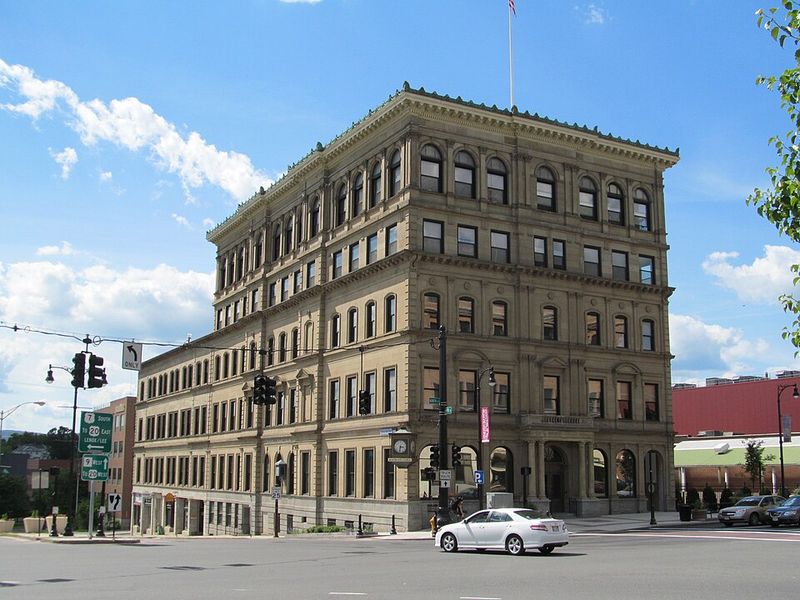
Some streets announce themselves with polish, while others earn your attention through scale, grit, and accumulated civic ambition.
Wide sidewalks, substantial brick blocks, and the sense of an older downtown economy give this corridor unusual presence.
That character defines North Street in Pittsfield, where Berkshire County’s largest city reveals itself building by building.
The architecture here reflects waves of prosperity tied to manufacturing, finance, entertainment, and regional commerce.
You notice sturdy commercial facades, upper-story windows that once housed offices or apartments, and theaters that hint at busier nights.
Instead of a single preserved era, the street offers a layered record of urban adaptation in western Massachusetts.
North Street also tells a larger story about small cities that once carried enormous confidence.
Its blocks suggest investment, public life, and the expectation that downtown would remain the social and economic heart of the region.
Even where storefronts have changed, the bones of that vision remain visible in cornices, masonry, and the street’s generous width.
Walking here feels different from strolling a quaint village center, and that difference is the appeal.
4. Merrimac Street – Newburyport, Essex County
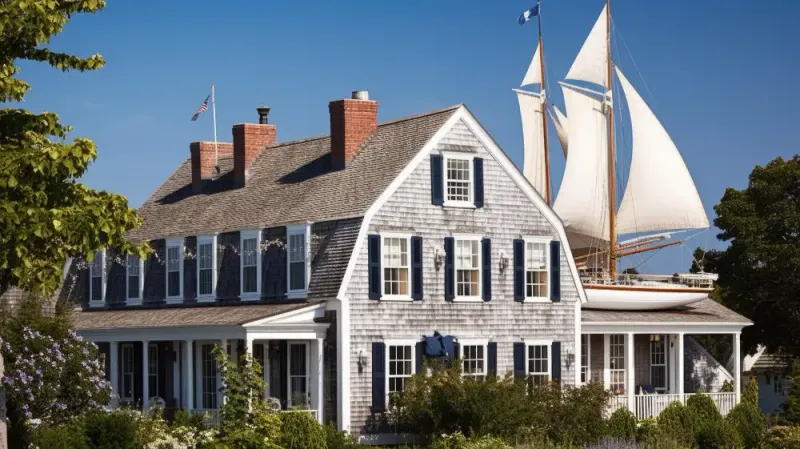
Salt air seems to linger even when you are a few steps from the waterfront, mixing with the polished calm of a restored downtown.
Brick sidewalks, handsome storefronts, and elegant proportions suggest a place rebuilt with unusual care.
That impression settles in on Merrimac Street in Newburyport, where maritime wealth and modern revival meet in remarkably convincing fashion.
Newburyport’s history as a port and shipbuilding center shaped the confidence you can still read in these buildings.
Federal era influences, later commercial updates, and well-kept facades create a street that feels prosperous without becoming stiff.
You can imagine merchants discussing cargo, insurance, and distant markets while the harbor economy pulsed just beyond sight.
What stands out today is how comfortably the street bridges old and new.
Restaurants, galleries, and independent shops occupy spaces that still retain the scale and craftsmanship of earlier centuries.
Rather than flattening history into decoration, Merrimac Street lets everyday business continue inside buildings that clearly remember previous roles.
You notice lintels, brickwork, and storefront rhythm almost without trying, and the overall effect feels quietly refined.
5. Main Street – Stockbridge, Berkshire County
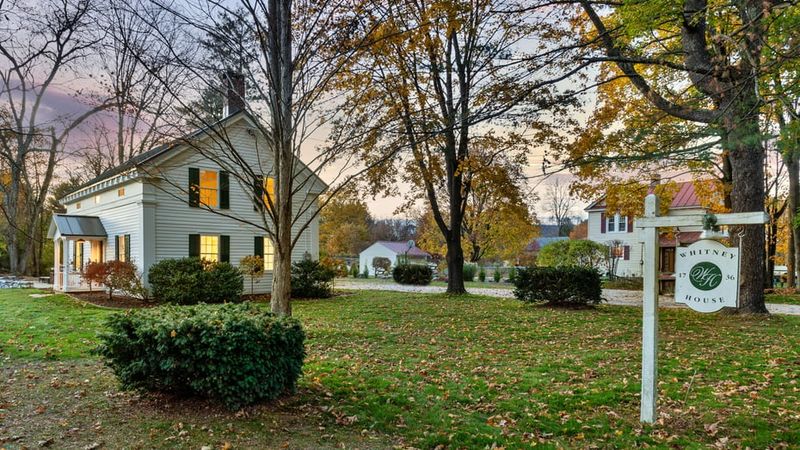
There are streets that feel famous before you even identify them, because the proportions seem almost too perfectly American.
White facades, tidy storefronts, and a church steeple rising nearby create a scene that feels familiar in the best way.
That lasting image comes into focus on Main Street in Stockbridge, a Berkshire village center long associated with idealized small-town New England.
The appeal is not just postcard symmetry, though there is plenty of that.
The buildings reflect centuries of adaptation, with inns, shops, civic spaces, and homes arranged in a way that still serves community life.
You can sense how the street developed gradually, shaped by travel, trade, and the rhythms of a village that valued continuity.
Stockbridge is often linked to art and nostalgia, especially through Norman Rockwell’s famous view of the town.
Yet the street’s power comes from more than representation, because the place itself remains textured and real when you walk it.
Historic inns, restrained signage, and mature trees soften the commercial core without erasing its working purpose.
Main Street rewards anyone willing to look past the charming first impression.
6. Main Street – Nantucket, Nantucket County
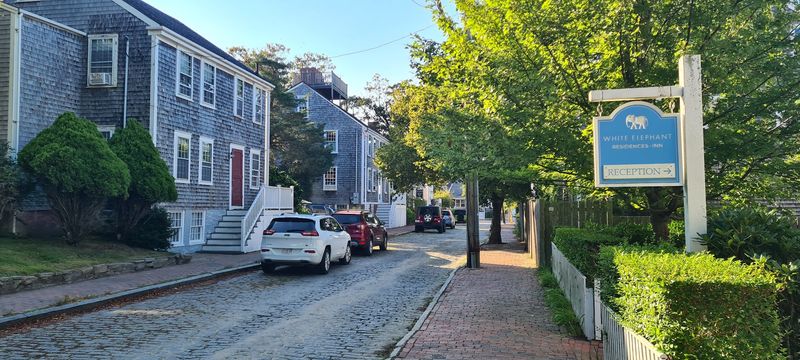
Wind, light, and weathered wood give some streets an island tempo that feels instantly distinct from the mainland.
Cobblestones underfoot and gray-shingled buildings create a scene shaped by trade, wealth, storms, and disciplined local taste.
That singular atmosphere belongs to Main Street on Nantucket, where the island’s whaling past still informs nearly every view.
The buildings along this route reflect prosperity earned during the eighteenth and nineteenth centuries, when Nantucket mattered globally.
Merchant houses, storefronts, and institutional structures carry a quiet authority rather than flashy grandeur.
Their scale feels human, but the accumulated effect is powerful because materials, setbacks, and preservation practices remain remarkably coherent.
Walking here, you sense how geography affected architecture and daily life.
An isolated harbor town required durability, practical elegance, and close relationships between commerce, worship, and home.
Main Street captures that balance beautifully, revealing a community shaped by Quaker restraint, maritime enterprise, and a continuing commitment to stewardship.
What keeps the street from feeling precious is its ongoing usefulness.
People still shop, meet, and move through it, allowing the historic fabric to function instead of merely posing.
7. Commercial Street – Provincetown, Barnstable County
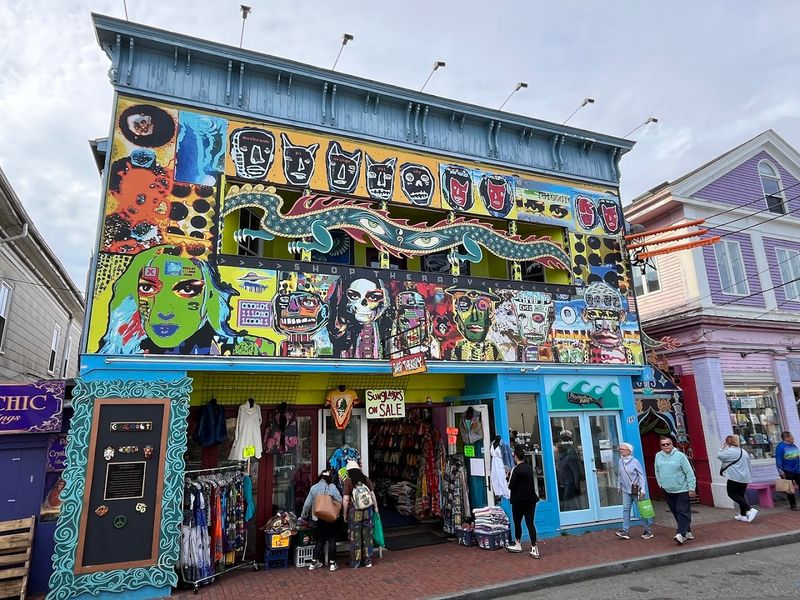
Color, salt air, and a slightly offbeat confidence give this street a pulse unlike anywhere else in Massachusetts.
The buildings sit close to one another, as if the town learned long ago that land was precious and community was public.
That vivid energy runs through Commercial Street in Provincetown, where fishing village roots, artistic freedom, and tourism all share the same narrow stage.
Architecturally, the street is less about monumental landmarks than about texture, variation, and adaptation.
Former cottages, shops, inns, and working structures have evolved with the town, creating facades that feel personal rather than uniform.
You notice porches, signs, bay windows, and weathered materials that speak to both maritime survival and imaginative reinvention.
Provincetown has long drawn people seeking edge, openness, and possibility.
Commercial Street records that history in physical form, showing how a remote harbor could become a center for fishing, art, performance, and LGBTQ life.
Every block suggests arrival stories, whether by boat, by necessity, or by the hope of finding room to live differently.
What makes the street memorable is its refusal to separate heritage from personality.
8. Pleasant Street – Worcester, Worcester County
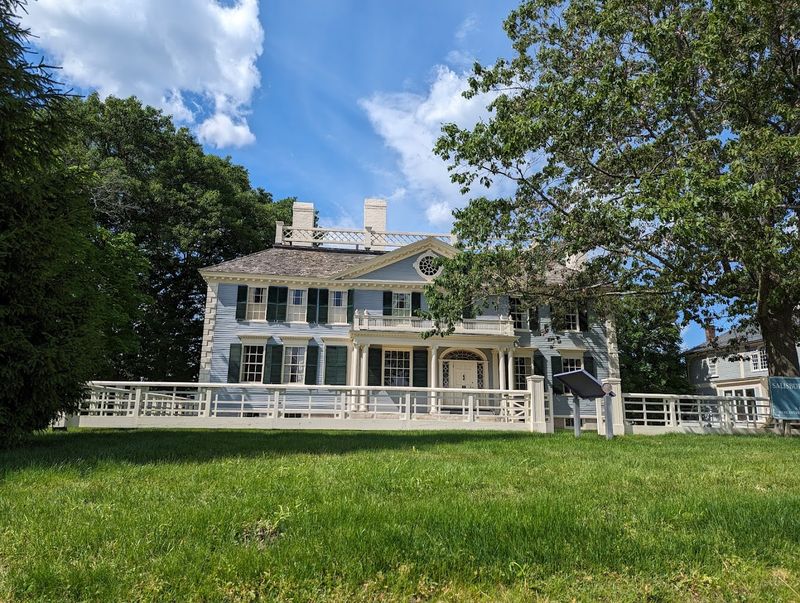
Some streets reveal themselves gradually, asking you to notice fragments before the larger narrative clicks into place.
A theater facade here, an older storefront there, and the unmistakable scale of a city corridor shaped by many reinventions.
That layered effect defines Pleasant Street in Worcester, where architecture reflects the city’s industrial growth, immigrant life, and changing cultural ambitions.
Worcester developed as a manufacturing powerhouse, educational center, and transportation hub, and this street absorbed those roles over time.
Its buildings show commercial confidence without excessive ornament, often favoring practicality enriched by occasional flourishes.
As you walk, you can read periods of expansion, adaptation, and survival in masonry details, storefront proportions, and varied rooflines.
Pleasant Street also carries the energy of institutions, entertainment, and neighborhood movement.
Older venues and business blocks hint at nights when downtown streets stayed busy with workers, students, and audiences heading somewhere important.
It does not rely on perfect preservation to tell its story, because wear, reuse, and contrast are part of Worcester’s history too.
Even where uses have changed, the physical setting preserves a sense of expectation, as though the next act could begin at any corner.
9. Center Street – Northampton, Hampshire County
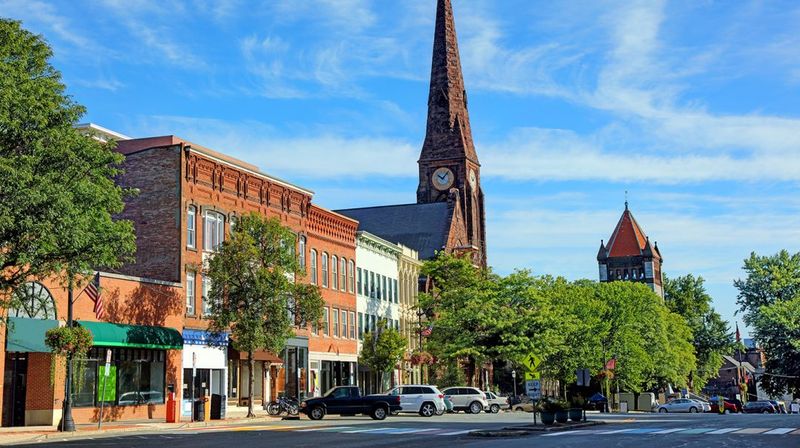
Creative energy can change a street, but the best places never let new life erase older foundations.
Bookstores, cafes, brick facades, and upper floors that have watched decades pass create a downtown atmosphere both lively and rooted.
That balance is easy to feel on Center Street in Northampton, where commercial history and contemporary culture meet with unusual ease.
The street serves as a social spine for a city shaped by education, activism, retail, and regional connection.
Historic mixed-use buildings line the route, their ground floors open to public life while upper stories preserve an older urban rhythm.
You can sense how Northampton grew confidently enough to build substantial blocks without sacrificing walkability or local character.
Center Street works because it has not been reduced to one fixed identity.
It is collegiate, artistic, political, and practical all at once, and the architecture holds those roles together.
Cornices, window patterns, and storefront spacing make the street readable as a historic place, even while each business adds a fresh layer.
There is also a welcoming looseness here that invites lingering.
10. Water Street – Newburyport, Essex County

The best waterfront streets hold onto working memories even after the busiest ships are gone.
Brick commercial blocks, broad views toward the harbor, and the sense of business conducted close to the tide create a distinct mood.
That mood shapes Water Street in Newburyport, where maritime commerce once dictated the pace and appearance of the entire district.
Unlike inland main streets built around crossroads or greens, this one was organized by the harbor’s demands.
Warehouses, offices, and mercantile buildings developed with practicality in mind, yet many still carry a restrained elegance.
Their proportions remind you that seaport wealth often favored durable confidence over unnecessary display.
As Newburyport evolved, Water Street also changed, absorbing decline, recovery, and a strong preservation ethic.
Today, reused buildings support restaurants, shops, and public life, but their massing still evokes cargo, counting rooms, and waterfront negotiation.
You can almost picture clerks, ship captains, and laborers moving between doorways while maritime fortunes rose and fell nearby.
What makes the street memorable is how clearly location shaped identity.
The harbor is not just scenery here – it is the reason the architecture looks, feels, and functions the way it does.
11. Court Street – Plymouth, Plymouth County
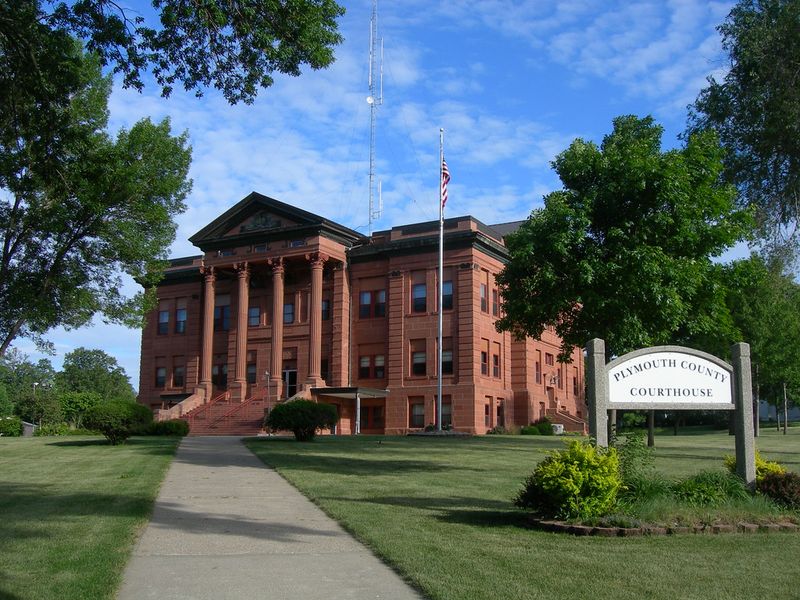
Streets near old civic centers often carry a special kind of gravity, where daily movement overlaps with ceremonial memory.
You notice mature trees, institutional facades, and a pace that feels measured rather than hurried.
That atmosphere defines Court Street in Plymouth, where one of Massachusetts’ most historically resonant towns continues to organize public life around enduring spaces.
The buildings along this route reflect Plymouth’s long evolution from colonial settlement to county seat and modern destination.
Churches, civic structures, homes, and commercial properties coexist in ways that reveal changing priorities without breaking continuity.
As you walk, the street feels less like a single exhibit and more like a record of how authority, community, and tradition met over time.
Visitors often arrive looking for early colonial associations, yet the surrounding architecture tells later stories too, including nineteenth-century growth and the development of local institutions.
Those additions matter because they show how historic towns survive by building upon their origins rather than simply reenacting them.
What stays with you here is the sense of accumulated public meaning.
The street has hosted ordinary errands, official business, worship, and remembrance, all leaving marks on the built environment.
12. High Street – Newburyport, Essex County
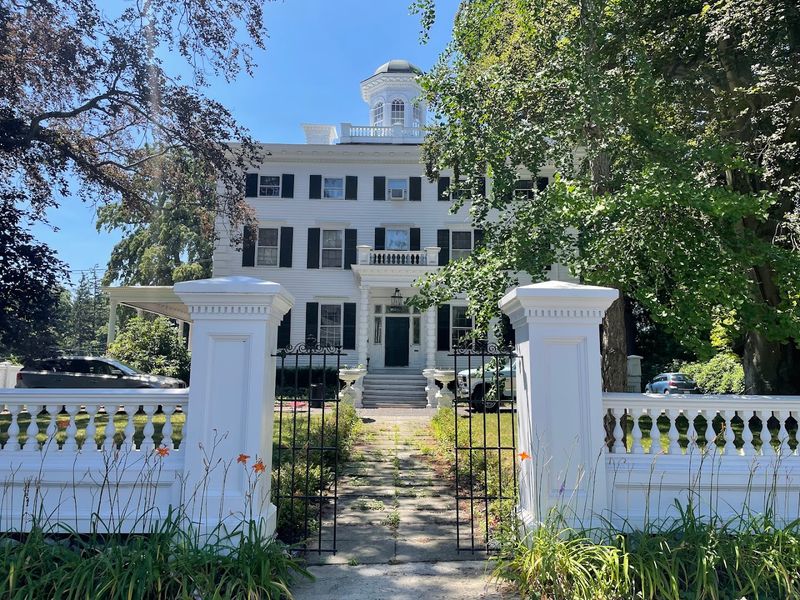
Grandeur feels different on a residential street, where ambition is expressed through doorways, symmetry, and the confidence of entire house fronts.
Tall trees, generous setbacks, and stately facades create an avenue that reads almost like a catalog of New England refinement.
That striking effect belongs to High Street in Newburyport, where prosperous merchants and shipowners once translated success into architecture of lasting distinction.
Many homes here display Federal elegance, later additions, and the kind of craftsmanship that rewards slow observation.
Fanlights, delicate trim, balanced windows, and formal entrances suggest owners who wanted status communicated through taste rather than excess.
High Street tells an important story about domestic architecture in a thriving seaport community.
Commercial success near the waterfront found its residential expression here, away from the busiest mercantile activity but never disconnected from it.
Walking the avenue, you can sense how wealth, family life, and civic reputation became visible in brick, wood, and carefully maintained landscape.
House after house contributes to a broader narrative of confidence, preservation, and the enduring appeal of proportion.