Hollywood has been hiding one of its biggest secrets in plain sight. Some of your favorite movies weren’t filmed where you think they were… they were filmed in North Carolina.
This state has spent years pulling off one of cinema’s greatest tricks. One minute it’s standing in for a sleepy Southern town.
The next, it becomes a mountain retreat, a haunted setting, or a place straight out of a blockbuster adventure.
North Carolina can shape-shift like a movie star changing costumes between scenes.
Mountains, beaches, forests, and charming streets suddenly become somewhere else entirely, and audiences never suspect a thing.
The wild part? You’ve probably watched these films more than once without realizing the real star quietly sitting in the background was North Carolina all along.
The Hunger Games
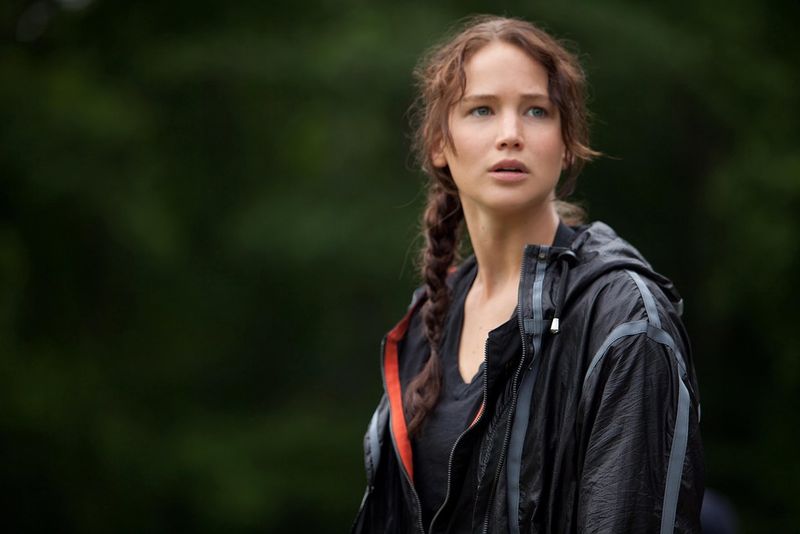
When Katniss Everdeen ran through those haunting forests, she was actually sprinting through North Carolina’s wilderness. The filmmakers needed authentic-looking rural areas to represent District 12, and the state delivered perfectly.
Mountains, small mining towns, and untouched woodlands became the dystopian backdrop that felt both familiar and frightening.
DuPont State Forest near Brevard was one major filming spot. The crew transformed these real locations into Panem’s oppressive world.
Charlotte also hosted many indoor scenes, with local facilities becoming Capitol interiors and training centers.
What makes this so surprising is how well North Carolina’s actual landscape matched the fictional setting. The poverty of District 12 needed to feel real and lived-in, not like a movie set.
Abandoned areas and struggling communities gave the film genuine emotion that CGI alone couldn’t create.
Most viewers assumed these scenes were filmed on soundstages or out West. Instead, the Appalachian region provided everything the story needed.
North Carolina essentially became a character itself, helping audiences believe in Panem’s harsh reality while never breaking the illusion.
Dirty Dancing
Nobody puts Baby in a corner, and nobody filmed this iconic romance where you’d expect. Although the story supposedly happens in New York’s Catskill Mountains, the actual filming took place at Lake Lure and Mountain Lake in North Carolina.
The resort scenes that made you want to learn the mambo were shot right here.
Lake Lure Inn and the surrounding area became Kellerman’s Resort for the summer. Patrick Swayze and Jennifer Grey danced across North Carolina landscapes while audiences believed they were in New York.
The famous lake scene where they practiced lifts? That’s Lake Lure, with its gorgeous mountain reflections.
The choice wasn’t random. North Carolina offered similar mountain scenery but with better weather and filming conditions.
The state’s natural beauty required minimal set decoration. What you see on screen is mostly real, from the forests to the waterfront.
Even today, fans visit Lake Lure to recreate movie moments. The connection between this location and the film remains strong.
North Carolina’s mountains proved they could play any region convincingly while maintaining their own Southern charm and hospitality throughout production.
Iron Man 3

Marvel’s explosive third Iron Man installment brought Tony Stark to North Carolina, though you’d never guess it from watching. Wilmington became the production hub for major action sequences and dramatic scenes.
The state proved it could handle massive Hollywood blockbusters with complex special effects and stunts.
One particularly memorable location was the Oak Island area, which stood in for Rose Hill, Tennessee during key plot moments. North Carolina’s coast provided versatile backdrops that could transform into anywhere the story needed.
Local crews worked alongside Marvel’s team to create movie magic.
Why did such a high-tech movie choose North Carolina? The state offered generous film incentives, experienced local crews, and diverse locations within short distances.
From beaches to military installations, filmmakers found everything necessary without constant travel. This efficiency saved both time and money during the demanding production schedule.
The film’s success here helped prove North Carolina wasn’t just for romantic dramas or period pieces anymore. Big-budget action movies could thrive in this environment.
Iron Man 3 showcased the state’s ability to support modern filmmaking at the highest level possible.
The Last of the Mohicans
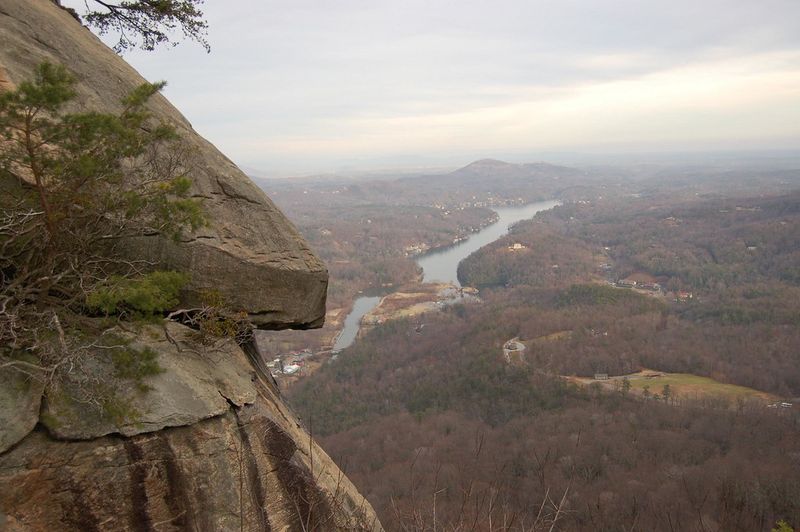
Daniel Day-Lewis charging through those breathtaking wilderness scenes? That happened in North Carolina’s mountains.
Chimney Rock State Park and the surrounding areas became 18th-century colonial America for this historical epic. The dramatic landscapes needed to feel wild, dangerous, and completely untamed by civilization.
The famous waterfall scene was filmed at Hickory Nut Falls in Chimney Rock. This stunning natural feature required no special effects to look impressive on camera.
The sheer cliffs and rushing water created instant drama that fit perfectly with the story’s intensity and historical scope.
Filming in actual wilderness presented real challenges. Cast and crew hiked difficult terrain carrying heavy equipment.
The physical demands matched the movie’s authentic approach to depicting frontier life. Nothing about this production took shortcuts, and the rugged North Carolina environment reinforced that commitment.
Many viewers assume the film was shot out West or in Canada. Instead, North Carolina’s own mountain ranges provided everything necessary.
The state’s geography has remained remarkably similar to colonial times in some areas. This authenticity helped the film win an Oscar for sound.
Talladega Nights: The Ballad of Ricky Bobby
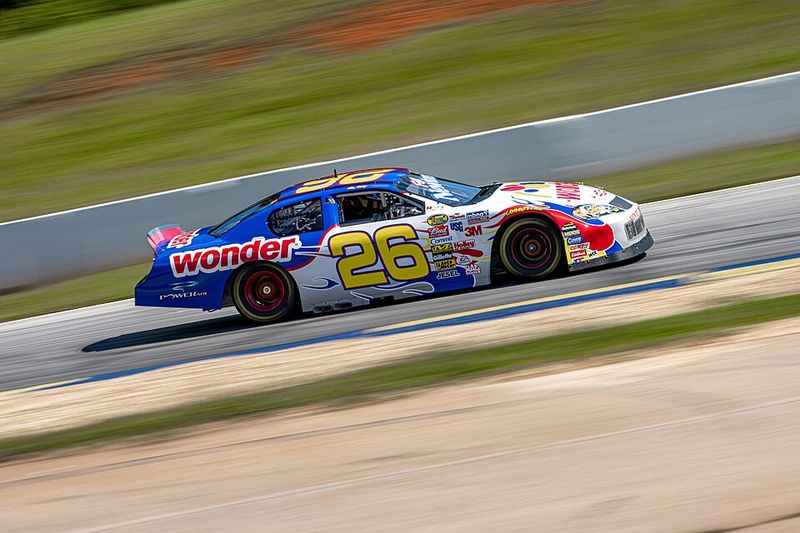
Shake and bake! This NASCAR comedy couldn’t have picked a better home than North Carolina.
Charlotte Motor Speedway and surrounding areas hosted much of the filming. The state’s deep racing culture made it the obvious choice for a story about stock car drivers and Southern speed.
Will Ferrell and John C. Reilly raced through Charlotte’s streets and tracks while the local community embraced the production.
Real racing fans appeared as extras, bringing genuine enthusiasm to crowd scenes. That authenticity shows in every frame, making the comedy feel grounded despite its ridiculous plot.
North Carolina isn’t just associated with NASCAR—it’s practically the sport’s birthplace. Many real teams are headquartered here.
The film benefited enormously from this connection, accessing real equipment, tracks, and expertise that couldn’t be faked elsewhere.
Charlotte’s downtown also became various story locations. The city’s willingness to accommodate major filming helped create seamless transitions between racing and daily life scenes.
Everything flowed naturally because the real environment already matched what the script required perfectly.
Blue Velvet

David Lynch’s disturbing masterpiece found its seemingly normal small-town setting in Wilmington. The director needed a place that looked perfectly ordinary on the surface, hiding darkness underneath.
North Carolina’s coastal city provided that innocent facade while supporting the film’s twisted psychological journey.
Wilmington’s quiet neighborhoods became the movie’s unnamed town. Regular houses and streets gained sinister undertones through Lynch’s lens.
The contrast between peaceful suburban life and the horrifying story worked because the location felt genuinely lived-in, not artificial or staged for cameras.
Local residents watched their everyday surroundings transform into something unsettling. That’s the magic of this filming location—nothing needed dramatic changes.
The ordinariness itself became essential to the film’s themes. What you see is real North Carolina, reimagined through a dark, surreal vision that questions surface appearances.
Wilmington’s film industry grew significantly after Blue Velvet’s success. The city proved it could support complex independent productions with artistic ambitions.
This wasn’t just another commercial movie—it was challenging cinema that needed the right environment and North Carolina delivered that environment completely.
Bull Durham
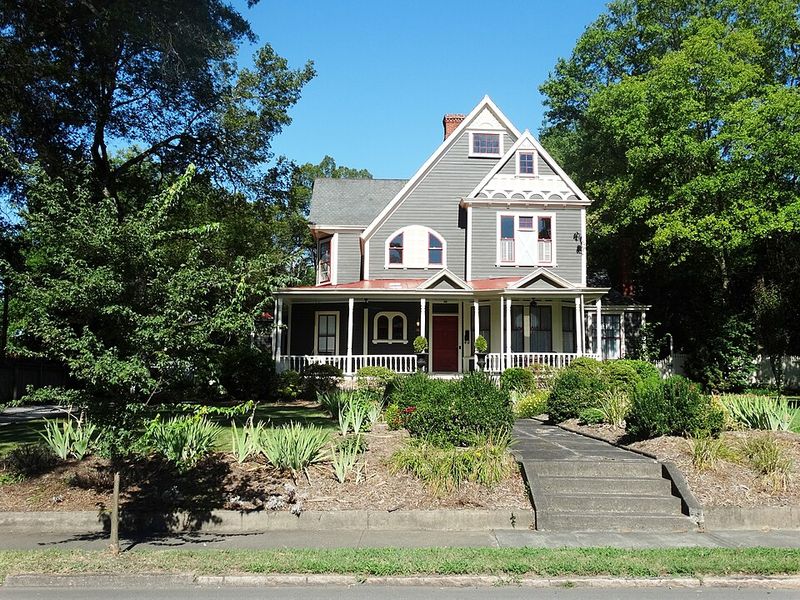
America’s favorite baseball movie was born right here in North Carolina. Durham Athletic Park became the home of the Durham Bulls for this romantic sports comedy.
The minor league baseball culture wasn’t manufactured for Hollywood—it was captured directly from real life in North Carolina’s baseball-loving communities.
Kevin Costner, Susan Sarandon, and Tim Robbins brought charm to a story deeply rooted in the state’s actual baseball traditions. The film used real locations throughout Durham, making everything feel authentic rather than manufactured.
Local fans served as extras, bringing genuine passion to every game scene shown on screen.
Why does Bull Durham feel so real? Because it captured actual minor league atmosphere perfectly.
The struggles, dreams, and small-town dedication to baseball weren’t exaggerated. North Carolina’s relationship with the sport provided ready-made material that screenwriters couldn’t have invented more convincingly if they tried harder.
The movie revitalized interest in minor league baseball nationally. Durham benefited tremendously from this attention.
Even today, the connection between film and city remains strong. North Carolina’s sports culture became Hollywood-famous through one perfect romantic comedy.
The Conjuring
This terrifying horror film supposedly takes place in Rhode Island, but North Carolina provided the actual scares. Wilmington hosted the production, with local historic properties becoming the haunted house that traumatized audiences worldwide.
The state’s old buildings offered genuine creepiness that set designers enhanced rather than created from scratch.
Finding the right atmosphere for horror requires authentic-feeling locations. North Carolina’s older architecture provided aged, lived-in spaces perfect for supernatural stories.
The production team added period details, but the bones of these buildings already suggested dark histories and ghostly presences without excessive work.
Filming horror in North Carolina made practical sense beyond appearances. The state offered experienced crews familiar with creating tension and managing complex technical requirements.
Local support services understood exactly what horror productions needed, from lighting specialists to sound engineers who could capture every terrifying moment perfectly.
The Conjuring’s success launched multiple sequels and spin-offs. That first film’s effectiveness came partly from choosing locations that felt genuinely unsettling.
North Carolina’s contribution to modern horror cinema continues growing as more scary movies discover what this state offers filmmakers.
A Walk to Remember

Mandy Moore and Shane West’s heartbreaking love story unfolded across Wilmington and Beaufort. These coastal North Carolina towns provided the perfect small-town atmosphere for Nicholas Sparks’ emotional tale.
Every pier, church, and street corner contributed to the film’s authentic Southern coastal setting that audiences remember fondly.
Beaufort’s historic downtown became particularly important for key romantic scenes. The waterfront areas offered natural beauty requiring minimal enhancement.
North Carolina’s coast has this timeless quality that works perfectly for romantic dramas. The locations felt both specific and universal—viewers could imagine similar towns existing anywhere.
What makes this filming choice significant is how well it captured the book’s spirit. Sparks writes extensively about North Carolina because he lives here and knows these communities intimately.
Using actual locations added layers of authenticity that honored the source material while creating cinematic magic simultaneously.
Many emotional movie moments happened against real North Carolina sunsets and ocean views. The natural environment elevated the story’s impact.
Wilmington especially benefited from this production, as the film showcased the city’s charm to audiences who might never have considered visiting before seeing it on screen.
Teenage Mutant Ninja Turtles
Cowabunga! The Heroes in a Half-Shell invaded North Carolina for their 1990 live-action debut.
Wilmington and surrounding areas hosted major production work, creating the gritty urban environment where these pizza-loving turtles fought crime. The state’s versatile locations could transform into New York City with strategic filming angles and set dressing.
This choice surprised many people then and still surprises viewers learning about it today. North Carolina seemed an unlikely place for ninja turtle adventures.
However, the production found everything needed here—from sewers to rooftops to back alleys perfect for martial arts sequences. Local crews handled the complex costumes and stunts professionally.
The film’s success proved North Carolina could support family-friendly action movies with demanding technical requirements. Animatronic turtles, elaborate fight choreography, and creature effects all came together smoothly.
The state’s growing film infrastructure made ambitious projects increasingly feasible regardless of genre or target audience.
Teenage Mutant Ninja Turtles remains one of the more unexpected entries on North Carolina’s filming resume. It demonstrates the state’s remarkable range beyond romantic dramas and historical pieces.
From superheroes to mutant reptiles, North Carolina keeps proving it can handle whatever Hollywood dreams up next.