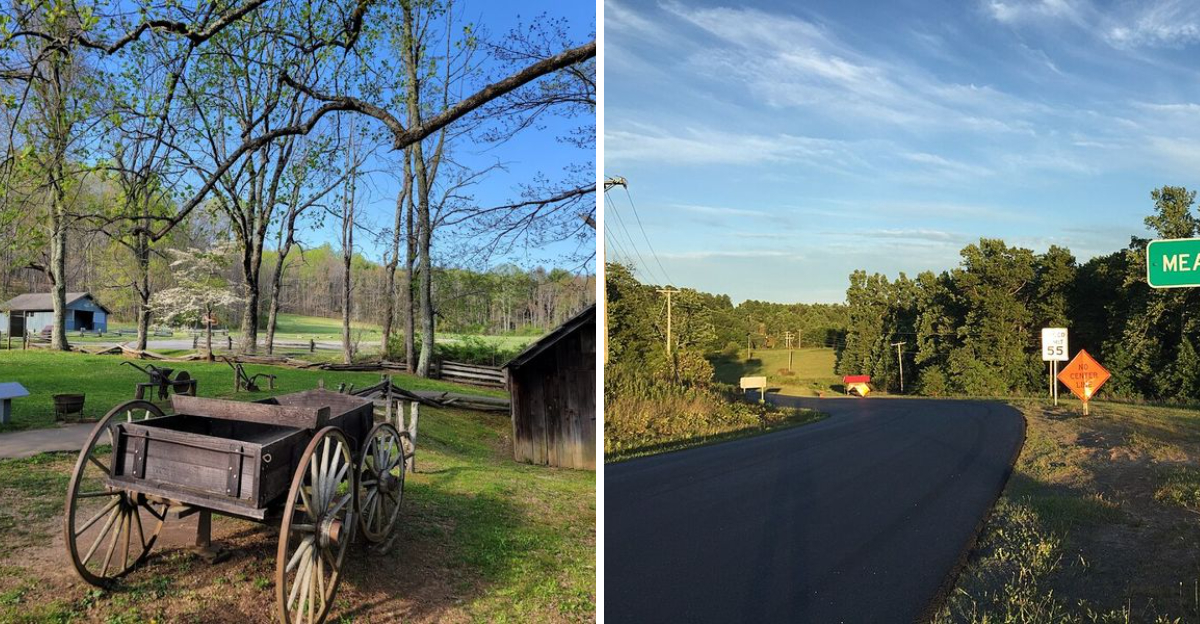
Some places don’t just help you escape — they make you feel like you’ve vanished completely.
Tucked high in Virginia’s mountains, Meadows of Dan feels less like a town and more like a secret the world forgot to tell everyone else about. Blink while driving through, and you might miss it.
Stay a little longer, and you’ll wonder why anyone rushes through life at all.
The noise starts disappearing first. Then the traffic.
Then the constant feeling that you need to be somewhere five minutes ago. Suddenly it’s just mountain air, quiet roads, and a pace that seems to laugh at deadlines.
Meadows of Dan doesn’t beg for attention. It simply sits in the highlands, calm and unbothered, waiting for anyone ready to trade chaos for a little breathing room.
The Tiny Mountain Community That Feels Forgotten by Time
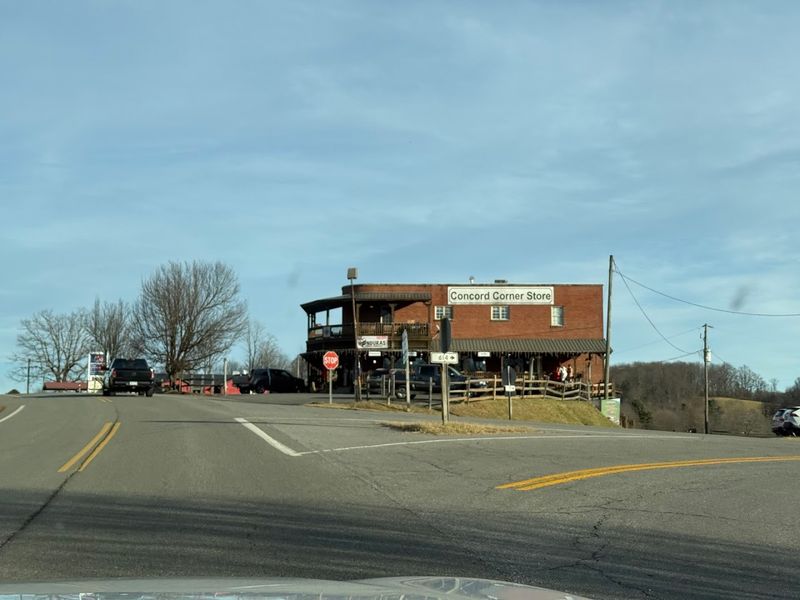
Only a few dozen people call Meadows of Dan home permanently. Walking through its center, you won’t find chain stores, traffic lights, or the usual buzz of busy towns.
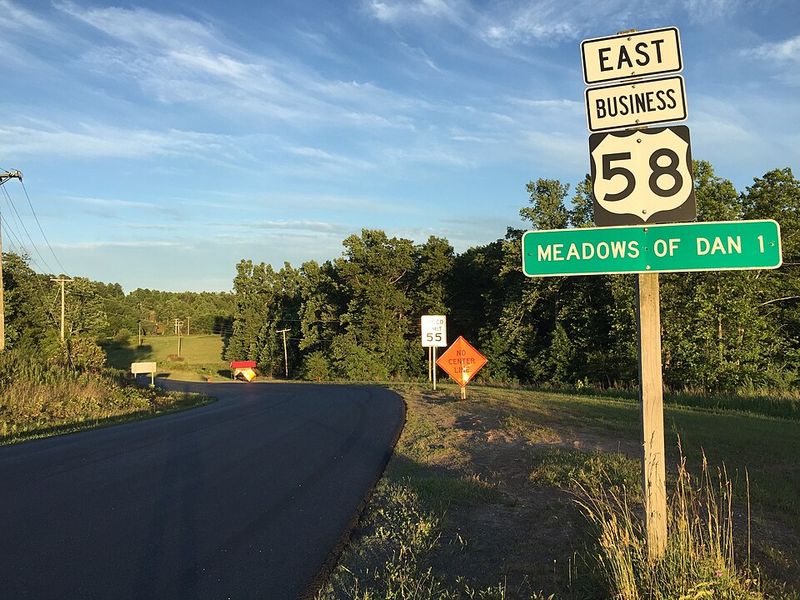
The community itself has chosen to stay small and unhurried. Signs around town proudly declare it “A simpler place in time,” and that’s not marketing speak.
Neighbors know each other by name, front porches serve as gathering spots, and daily routines follow the sun rather than packed schedules.
Buildings look weathered in the best way, telling stories of decades past. There’s no pressure to rush anywhere because, frankly, there’s nowhere urgent to go.
The post office, a handful of shops, and local eateries form the town’s heartbeat.
First-time visitors often notice the absence more than the presence: no honking horns, no crowds pushing past, no neon signs demanding attention. Instead, what remains is mountain air, genuine conversation, and a feeling that the outside world’s chaos can’t quite reach this particular valley.
For many travelers, that absence becomes the main attraction.
The Blue Ridge Parkway Creates the Town’s Dreamlike Setting
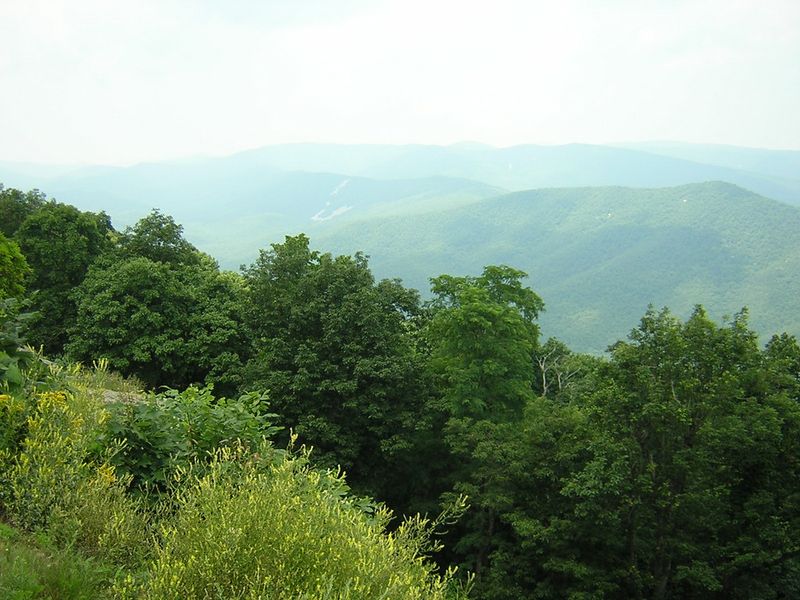
Meadows of Dan sits directly along Milepost 177 of the Blue Ridge Parkway, one of America’s most celebrated scenic drives. This positioning shapes everything about the town’s atmosphere.
The Parkway itself was designed for beauty rather than speed, with curves that follow mountain contours and overlooks positioned to showcase endless ridgelines. No commercial trucks rumble through, no billboards interrupt the views, and speed limits encourage drivers to actually notice their surroundings.
Rolling into town from either direction feels cinematic. Forests hug both sides of the road, occasionally opening to reveal valleys stretching toward distant peaks.
Morning fog settles into hollows, creating layers of blue-gray mystery that inspired the mountain range’s name.
Being located right on this famous route means isolation with accessibility. You can reach Meadows of Dan easily, yet the journey itself starts the disconnection process.
Each mile along the Parkway strips away a bit more urgency until arrival feels natural.
The Parkway isn’t just near the town—it defines the town’s character, bringing visitors who seek beauty over entertainment, quiet over excitement.
Why Silence Feels Different Here
City dwellers notice it first: the quality of quiet here registers differently than simple absence of noise. Your ears actually adjust, picking up sounds normally drowned out by urban life.
Traffic is so minimal that hearing a car approach becomes an event rather than constant background static. Between vehicles, what fills the space is wind moving through countless trees, creating a rushing whisper that changes pitch with the breeze strength.
Birds become the dominant soundtrack—not just chirping but actual conversations between species, territorial calls, and the flutter of wings overhead. In spring and summer, insects add their hum.
During winter, snow muffles even these gentle sounds, creating stillness that feels almost physical.
People speak quieter here instinctively, as if shouting would violate some unspoken agreement. The silence isn’t uncomfortable or eerie; it’s restorative.
Your nervous system begins unwinding without conscious effort.
Standing outside at night reveals even more: the absence of light pollution means you hear nocturnal animals moving, owls calling, and sometimes absolutely nothing at all. That nothingness becomes something precious, a sensory reset button most modern lives lack completely.
The Famous Mill That Looks Frozen in Another Era
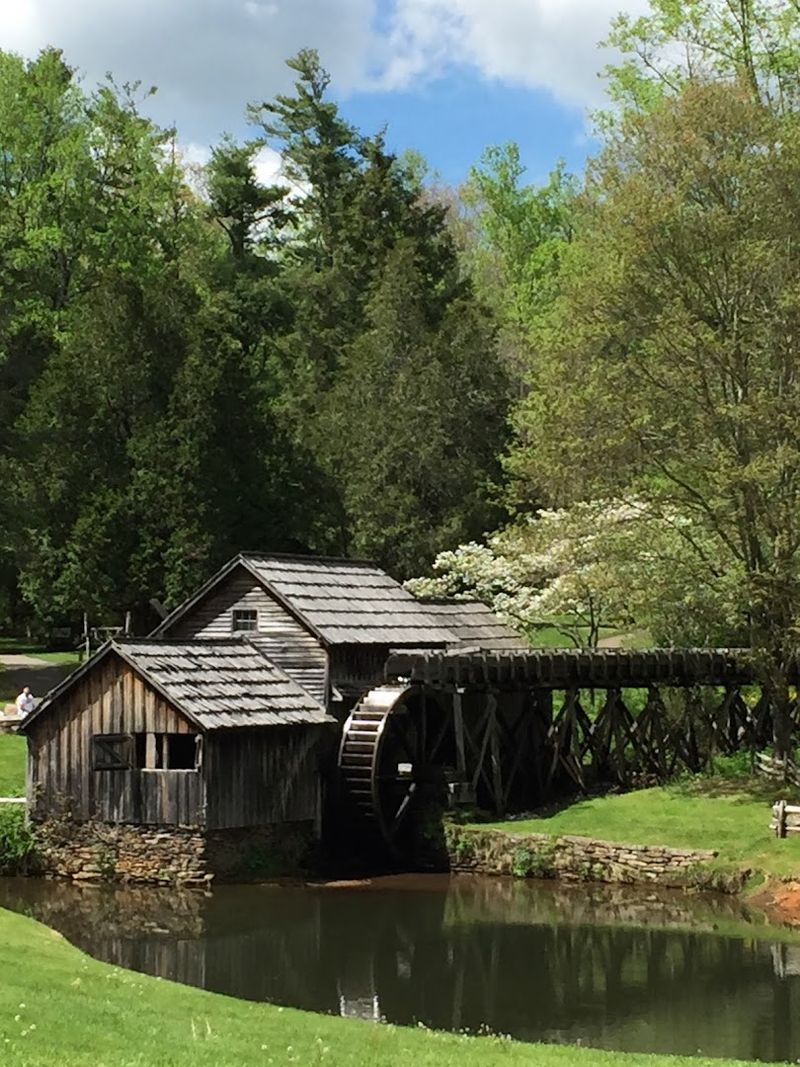
Mabry Mill ranks among the most photographed sites along the entire Blue Ridge Parkway, and five minutes there explains why. Built in 1910, this wooden grist mill sits beside a still pond with its massive water wheel turning slowly, exactly as it did over a century ago.
Ed Mabry constructed the mill to grind corn and saw lumber for his mountain community. The structure looks impossibly picturesque—weathered wood, stone foundation, the wheel’s rhythmic splashing creating both motion and sound that anchor you firmly in the present moment while simultaneously transporting you backward.
The site includes a blacksmith shop, whiskey still, and other historic buildings demonstrating traditional Appalachian crafts. During warmer months, costumed interpreters show visitors how mountain people actually lived and worked.
Buckwheat pancakes served at the on-site restaurant follow recipes from that same era.
Photographers arrive before sunrise to catch mist rising from the millpond. Families spread picnics on the grounds.
Everyone lingers longer than planned because leaving feels like abandoning something authentic.
The mill isn’t a reconstruction or theme park version—it’s the real thing, lovingly preserved, proving that some places genuinely can pause while the world rushes past.
Mountain Roads That Seem Made for Wandering
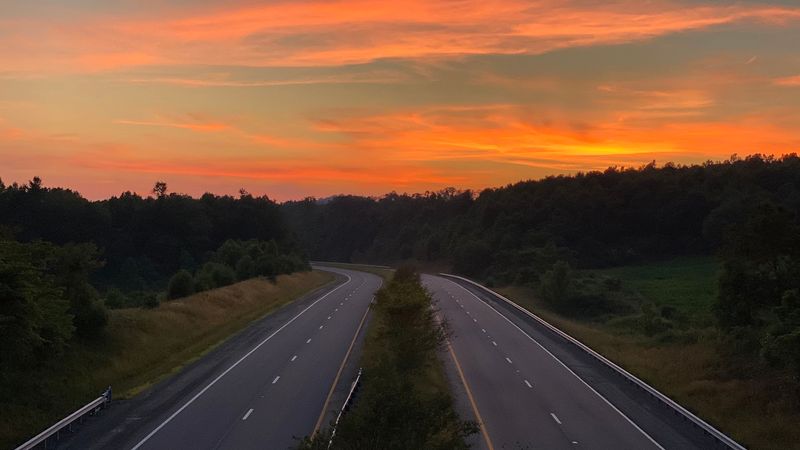
Driving becomes the destination itself around Meadows of Dan. Routes through these mountains don’t prioritize efficiency—they’re designed for discovery and the simple pleasure of movement through beautiful landscape.
Secondary roads branch off the Parkway, leading to places with names like Groundhog Mountain and Fancy Gap. Each curve reveals something new: a weathered barn framed against ridgelines, sudden valley views, or wildflower meadows that gave the town its name.
You’ll find yourself pulling over constantly, not because you’re lost but because the scenery demands acknowledgment.
Overlooks appear regularly, offering spots to stop, breathe, and simply look. No entrance fees, no crowds jostling for photos—just turnouts where you can park and gaze across layers of mountains fading into blue distance.
Local roads maintain their rural character: narrow, occasionally unpaved, passing homesteads where chickens scratch in yards. GPS sometimes fails, but that becomes part of the charm.
Getting slightly lost here feels adventurous rather than stressful.
The journey matters more than the destination when every mile offers visual rewards. Speed limits seem generous because nobody wants to rush anyway.
These roads invite wandering, and wandering reveals the region’s true character.
Old Appalachian Traditions Still Feel Alive Here
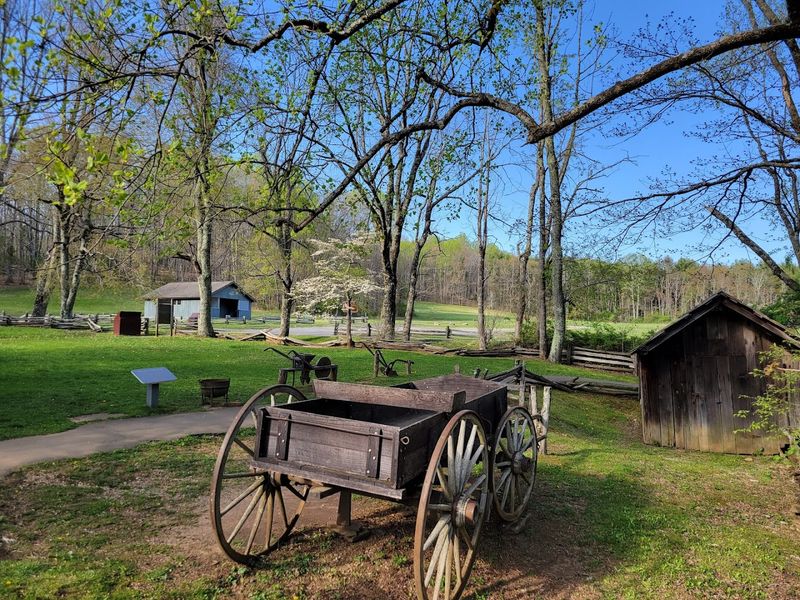
Mountain culture here isn’t performed for tourists—it’s genuinely lived and passed down through generations. Walk into certain shops or attend local events, and you’ll encounter traditions that never stopped, they just continued quietly while the outside world changed.
Blacksmithing demonstrations at Mabry Mill show techniques unchanged for centuries. Craftspeople still weave baskets using white oak splits, whittle wooden toys, and create pottery with local clay.
These aren’t historical reenactments; they’re skills people actually use and teach their children.
Folk music remains central to community identity. Bluegrass, old-time string bands, and ballads brought from Scotland and Ireland centuries ago still echo from porches and small venues.
Instruments like dulcimers and banjos aren’t museum pieces—they’re played regularly at gatherings.
The food reflects mountain resourcefulness: cornbread, beans cooked with pork, stack cakes made with dried apples, and preserves from whatever fruit grew abundantly that year. Local restaurants serve these dishes not as novelties but as everyday staples.
Language even retains older patterns—phrases and pronunciations that linguists find fascinating. This cultural continuity creates authenticity that draws people seeking connections to simpler times and proven ways of living.
The Hiking Trails That Replace Crowded Attractions
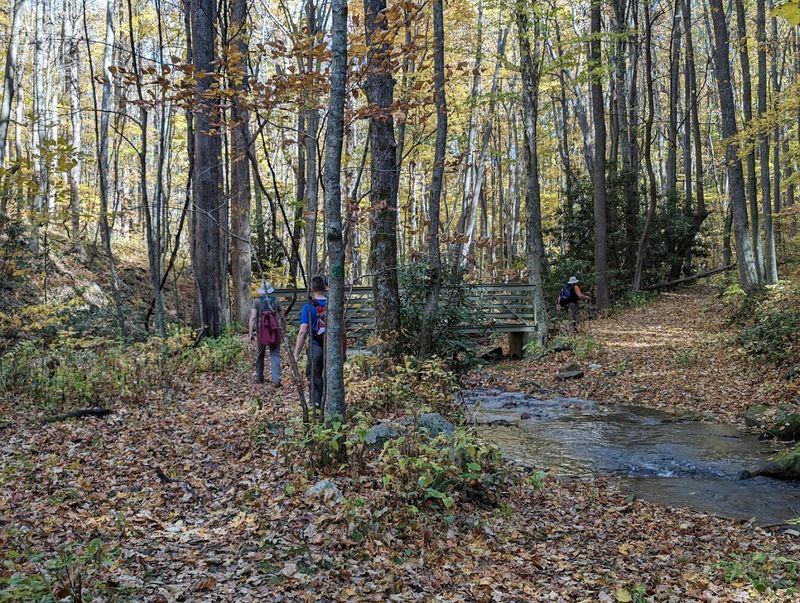
Forget standing in line or jostling through crowds—trails near Meadows of Dan offer natural beauty without the battle for space. These paths attract fewer hikers than famous destinations, meaning you might have entire stretches to yourself.
The easy loop around Mabry Mill combines scenery with history, perfect for families or anyone wanting gentle exercise. The path follows the millrace, crosses wooden bridges, and circles back through woods where interpretive signs explain mountain ecology and settlement history.
Groundhog Mountain offers slightly more challenge with rewards worth the effort: panoramic views from observation towers, wildflower meadows in spring and summer, and relatively short distances that don’t require serious athletic ability. You can complete most hikes in an hour or two.
Nearby Rocky Knob Recreation Area provides more extensive trail networks for those wanting longer adventures. Still, even these see moderate traffic compared to national park mob scenes.
The real luxury isn’t necessarily the trails themselves—it’s experiencing natural beauty without navigating crowds, waiting for photo opportunities, or hearing constant chatter from other visitors. Solitude enhances the connection with landscape.
Here, nature still feels like nature rather than an outdoor theme park, and that makes all the difference.
Why Fall Might Be the Most Magical Time to Visit
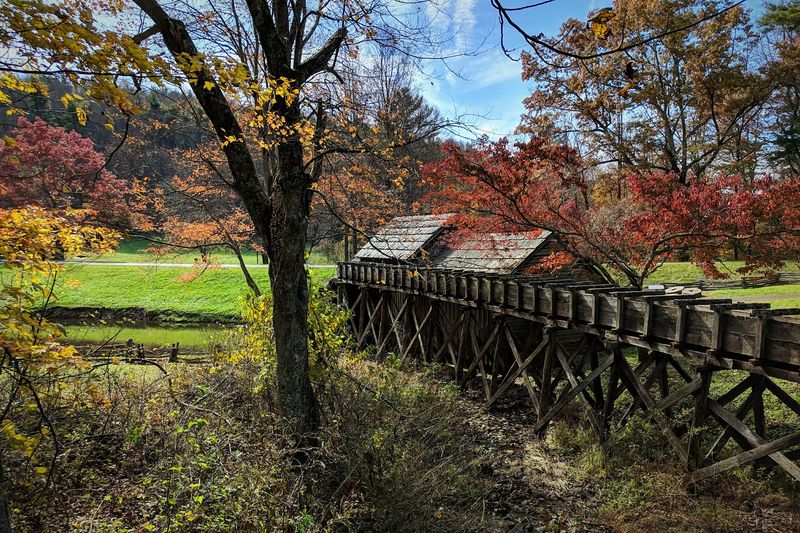
Come October, these mountains transform into something that seems almost unreal, like someone adjusted nature’s color saturation settings. The Blue Ridge becomes a painter’s palette of scarlet, orange, gold, and burgundy stretching endlessly in every direction.
Timing matters significantly—peak color typically arrives in mid-to-late October, though exact dates shift with weather patterns. When conditions align perfectly, the display rivals anything found in more famous fall destinations, but with far fewer leaf-peepers competing for space.
Mabry Mill becomes especially photogenic during autumn, with the old wooden structure reflected in pond water surrounded by blazing maples. Photographers arrive before dawn, hoping to capture the mill wrapped in morning mist and fall color.
The images look almost too perfect to be real.
Temperatures cool enough for comfortable hiking without summer’s humidity. Clear blue skies provide striking contrast to warm-hued foliage.
Roadside stands sell apple cider, pumpkins, and local honey.
The combination—stunning natural beauty, pleasant weather, and relative quiet compared to New England’s autumn crowds—makes fall the season when Meadows of Dan shows its absolute best face. Every overlook becomes a postcard, every drive a moving exhibition of nature’s artistry.
Simple Pleasures Matter More in Meadows of Dan
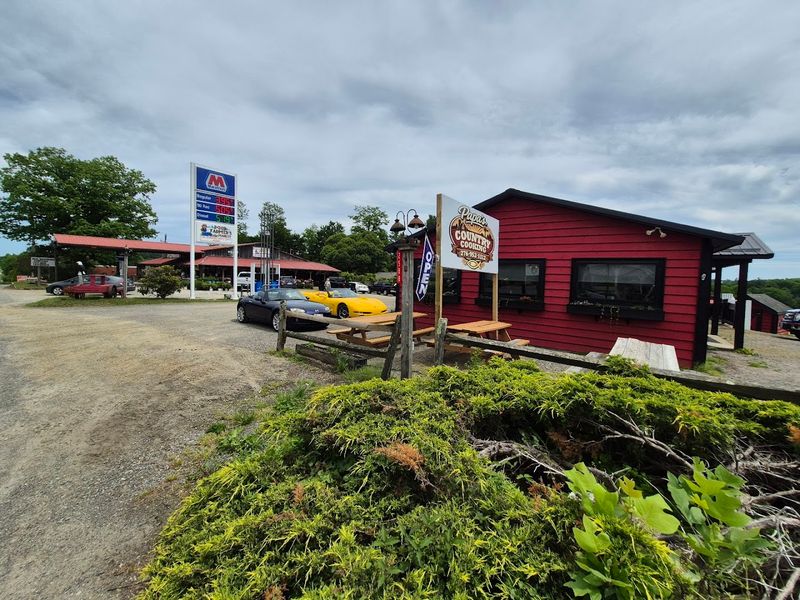
Entertainment here doesn’t require advance tickets or packed schedules. Instead, satisfaction comes from activities that modern life often dismisses as too ordinary: sitting on a porch watching clouds move across mountain peaks, browsing small shops selling handmade items and local honey, or striking up conversations with strangers who become temporary friends.
Country stores carry goods that actual residents need rather than tourist trinkets exclusively. You’ll find practical items alongside regional specialties—apple butter, sourwood honey, homemade jams.
Owners chat while ringing up purchases, sharing local knowledge freely.
Meals emphasize comfort over sophistication: biscuits with gravy, fried chicken, green beans cooked long and slow, fruit cobblers served warm. No reservations needed, no dress codes, just honest food that tastes like someone’s grandmother cooked it.
Evenings might involve watching sunset colors paint the mountains, listening to crickets start their nightly chorus, or simply sitting still without screens demanding attention. These small moments accumulate into something surprisingly profound.
The pleasure isn’t about what you do but how you feel while doing it—unhurried, present, content with simplicity. Meadows of Dan reminds visitors that sometimes the best experiences cost nothing and require only slowing down enough to notice them.
Why Leaving Feels Like Returning to Reality
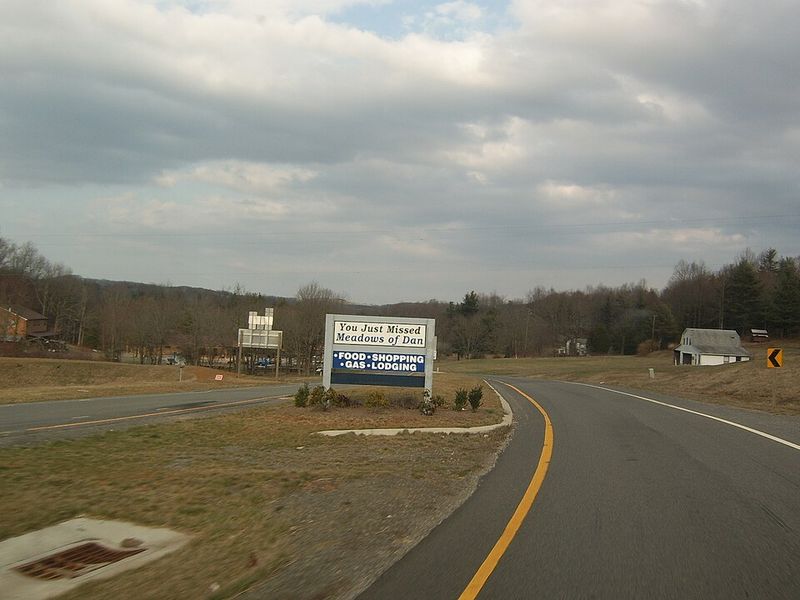
Something shifts emotionally when you finally drive away from Meadows of Dan, turning back onto the Parkway heading toward wherever normal life resumes. The transition feels abrupt and surprisingly difficult, like waking from a particularly good dream.
Within miles, your phone starts buzzing again as cell service returns—messages, emails, notifications reclaiming your attention. The digital world you’d forgotten about rushes back in, demanding immediate engagement.
Traffic increases, road signs multiply, and the visual clutter of modern life reasserts itself.
You realize how much mental noise had actually quieted during your visit. Shoulders that had unknowingly relaxed start tensing again.
The chronic low-level anxiety that passes for normal in contemporary life creeps back as you approach cities and their familiar chaos.
Many visitors report feeling oddly disoriented upon leaving, as if they’d spent much longer than they actually did in the mountains. Time operated differently there—measured by daylight and weather rather than clocks and appointments.
This jarring return proves the town’s real gift: it doesn’t just offer temporary escape; it reveals by contrast exactly how much constant stimulation and hurry have become accepted as unavoidable. Leaving Meadows of Dan means facing that reality again, but perhaps with slightly different perspective.