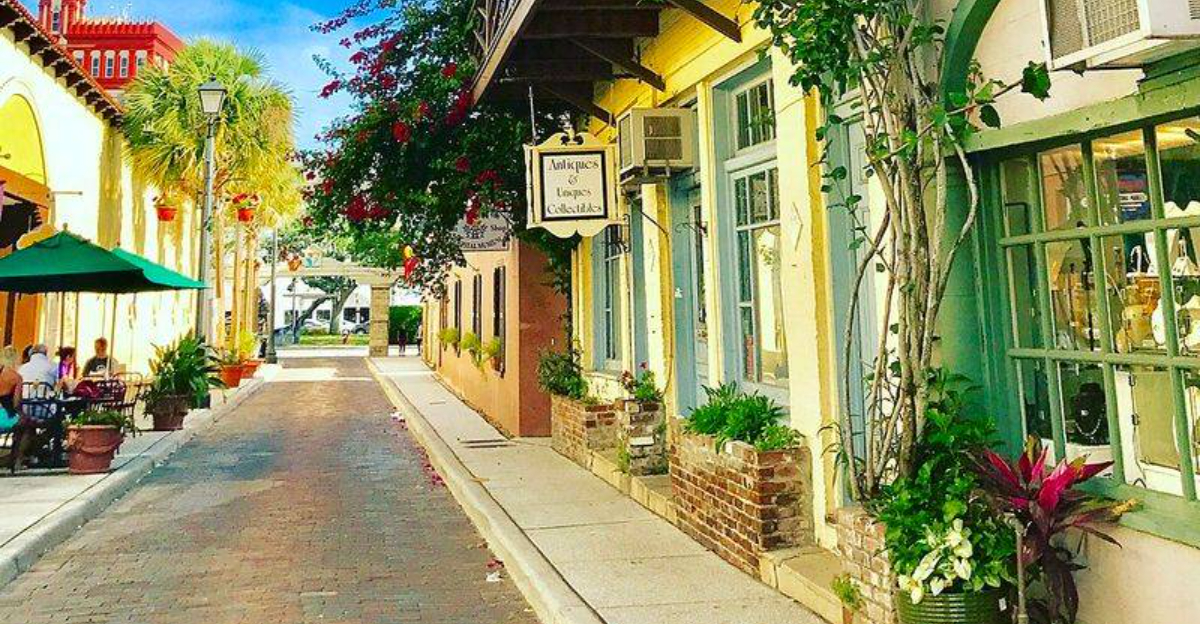
Walking down a quiet street in Florida, you might feel like you’ve been transported to a Spanish village from centuries ago.
Aviles Street in St. Augustine stands as the oldest continuously occupied street in America, with roots stretching back over 450 years.
This narrow, brick-paved lane offers visitors something truly rare: a genuine piece of European history right in the Sunshine State.
From its Spanish colonial buildings to its artistic culture, Aviles Street proves that some places hold onto their history in the most beautiful ways.
America’s Oldest Street Feels Surprisingly European
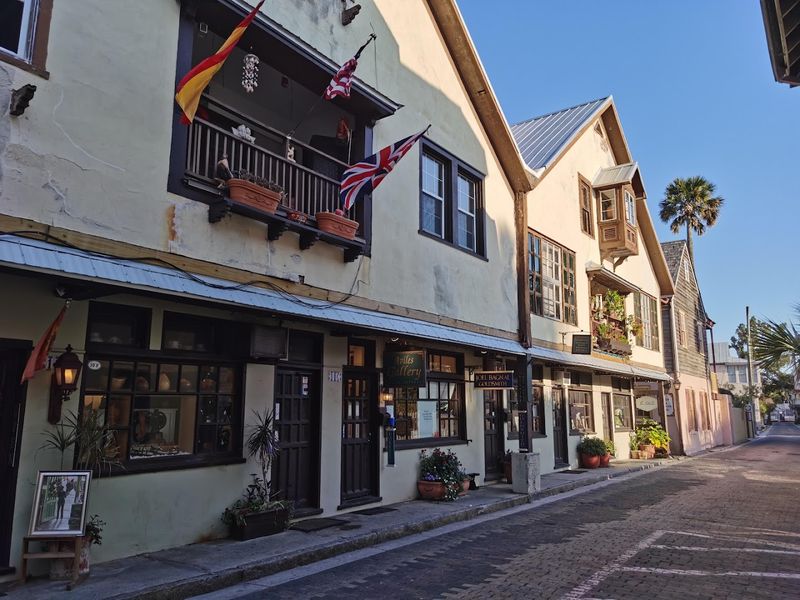
Most travelers expect Florida to feel distinctly American, with palm trees and beach vibes dominating the scenery. But stepping onto Aviles Street creates an immediate sense of displacement—suddenly, the architecture looks Spanish, the narrow pathways feel medieval, and the atmosphere whispers of old-world Europe.
Coquina stone walls rise alongside the walkway, iron fixtures decorate doorways, and shaded courtyards peek through arched entryways.
This surprising contrast makes Aviles Street one of St. Augustine’s most memorable experiences. The street stretches just a few blocks, yet every step reveals architectural details borrowed from Spain’s colonial era.
Weathered stucco facades, hand-crafted wooden doors, and small plaza spaces create an intimate feeling that large American streets rarely capture.
Visitors often describe the sensation as stepping back in time or crossing an ocean without leaving Florida. That authentic European character isn’t accidental—it’s the result of centuries of preservation and Spanish influence that shaped this remarkable street.
Walking here feels less like touring a historical site and more like wandering through a living piece of international history that somehow found its home in America’s oldest continuously occupied city.
The Story Behind Aviles Street’s Historic Origins
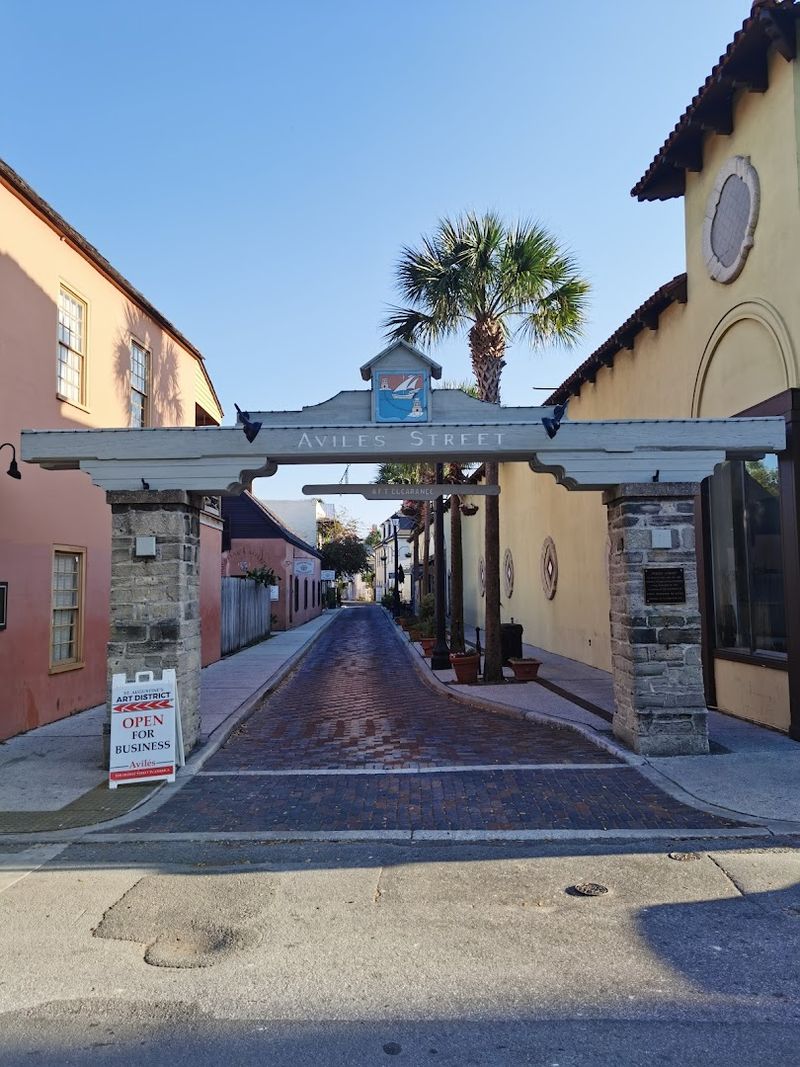
When Spanish explorers arrived in 1565, they quickly established a strategic settlement that would become St. Augustine. Among the first pathways laid down was the street now known as Aviles, serving as a vital connection within the growing colonial outpost.
Pedro Menendez de Aviles, the Spanish admiral who founded the city, lent his name to this historic corridor that has witnessed over four and a half centuries of human activity.
The street’s earliest days saw Spanish soldiers, Native American inhabitants, and European settlers sharing the same dusty paths. Simple wooden structures gradually gave way to more permanent buildings constructed from coquina, a local shellstone that proved remarkably durable.
As St. Augustine grew from military outpost to established town, Aviles Street remained central to daily life.
Through ownership changes—from Spanish to British to Spanish again, and finally to American control—this street survived. Natural disasters, fires, and conflicts threatened its existence multiple times, yet the basic footprint remained intact.
Today’s brick paving covers pathways that countless generations walked before, creating a tangible connection between modern visitors and colonial-era residents who traveled these exact routes centuries ago.
Why It’s Considered the Oldest Street in the United States
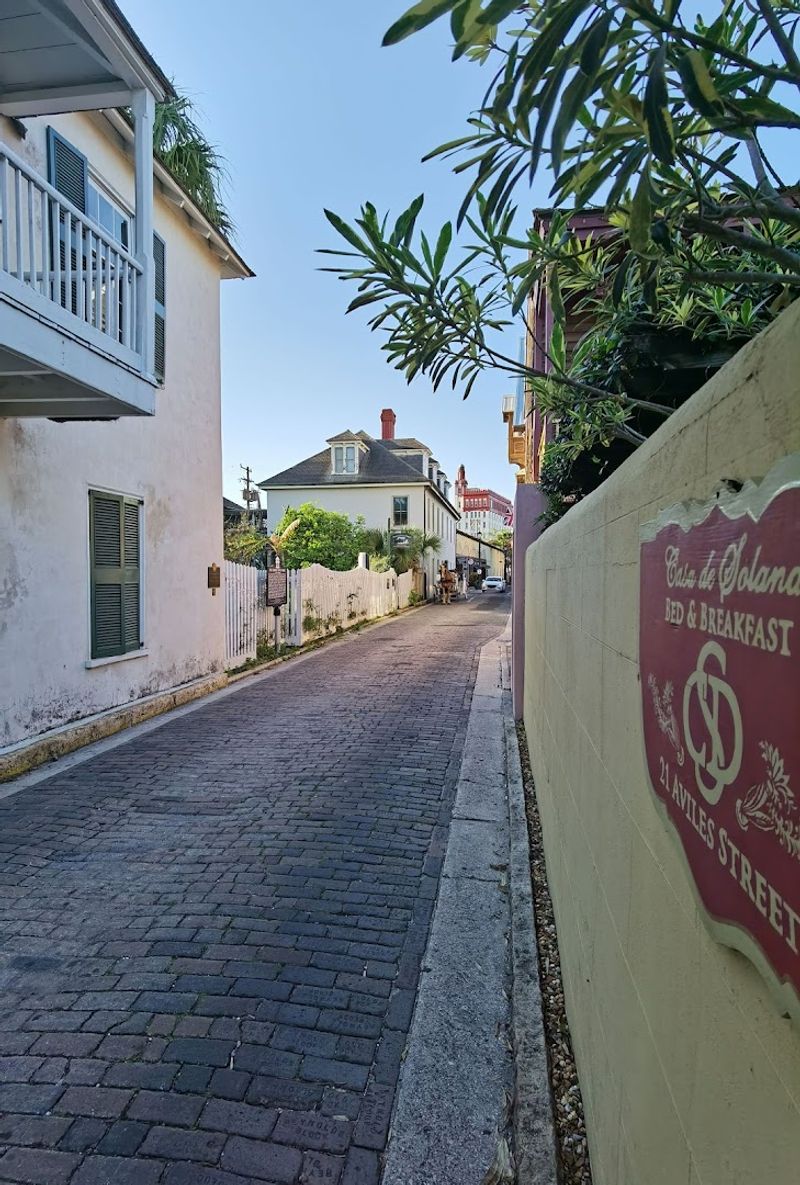
Historical claims require solid proof, and Aviles Street has plenty. Archaeological excavations conducted beneath the current brick surface revealed layers of occupation dating back to the 1500s, with artifacts confirming continuous use since St. Augustine’s founding.
Pottery shards, building foundations, and everyday items discovered during these digs established the street’s legitimate claim to being America’s oldest.
What makes this street unique isn’t just age—it’s continuous occupation. Many early American sites exist as ruins or reconstructions, but Aviles Street never stopped being an active part of city life.
People lived, worked, and traveled this route for over four centuries without interruption, making it a genuinely living historical artifact rather than a preserved museum piece.
The archaeological evidence impressed historians enough to officially recognize Aviles Street’s status. Researchers found remnants of the original shell-based roadway beneath later improvements, proving the street’s layout remained remarkably consistent through Spanish, British, and American periods.
These discoveries transformed Aviles from a charming historic street into a documented piece of America’s oldest continuously inhabited European settlement, giving visitors confidence that they’re truly walking the nation’s most ancient maintained thoroughfare.
Spanish Colonial Roots That Still Shape the Street Today
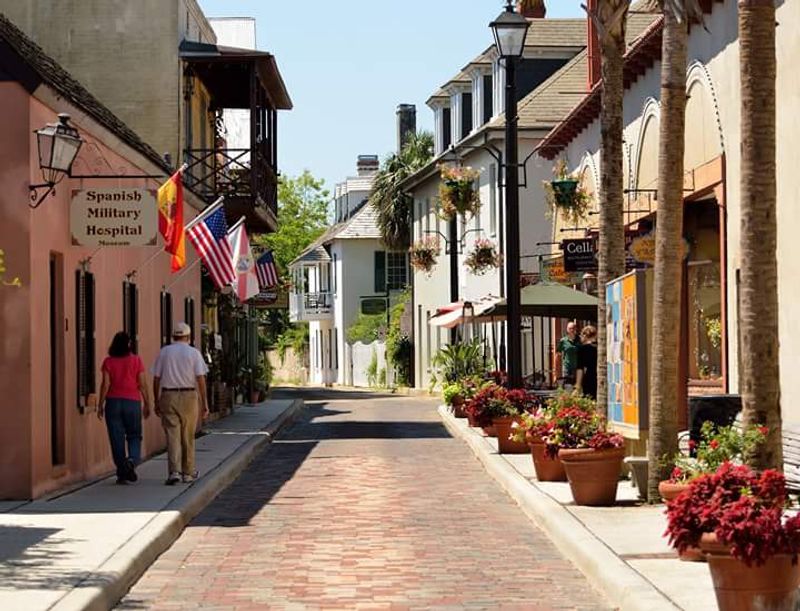
Spain’s architectural fingerprints appear everywhere along Aviles Street, from building materials to design philosophy. Coquina stone, harvested from nearby Anastasia Island, creates the distinctive walls that give structures their warm, textured appearance.
Colonial Spanish builders favored this shellstone because it absorbed cannonball impacts rather than shattering—practical defense that became beautiful architecture.
The street’s narrow width reflects Spanish urban planning traditions imported directly from the Iberian Peninsula. Mediterranean influences show in the shaded courtyards, covered walkways, and buildings positioned close together to create cooling shadows.
Wrought-iron balconies, wooden shutters, and second-story overhangs all follow Spanish colonial patterns that worked well in hot climates.
Even the color palette speaks to Spanish heritage. Earth tones, whitewashed walls, and terracotta accents dominate the visual landscape, creating cohesion that makes the street feel transported from Spain.
These weren’t random choices—Spanish colonial governors issued specific building codes requiring certain materials and designs, standards that shaped Aviles Street’s development for centuries. Modern preservation efforts maintain these Spanish characteristics, ensuring the street retains its authentic colonial character despite being surrounded by a bustling modern city, keeping centuries-old architectural traditions alive for contemporary visitors to experience firsthand.
Brick Paths, Courtyards, and Old-World Architecture
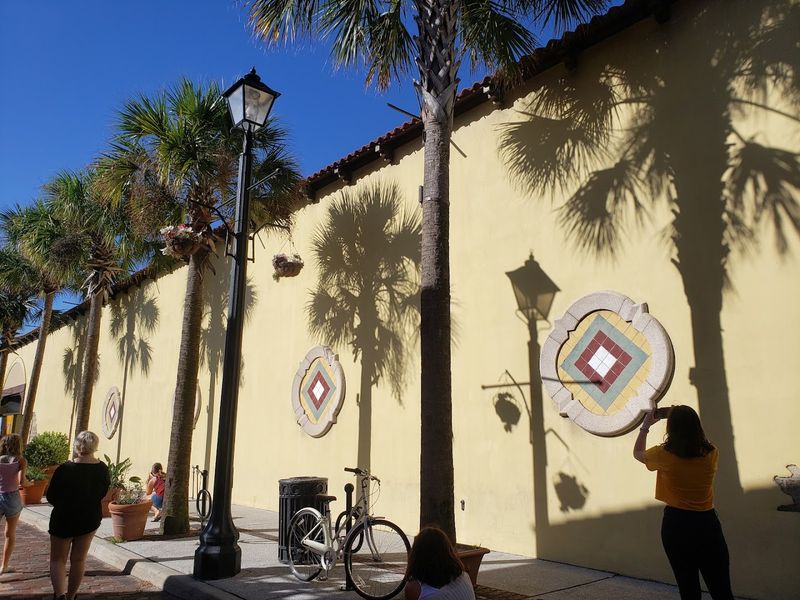
Physical details create Aviles Street’s European magic. The brick paving beneath your feet follows the original street’s footprint, each stone worn smooth by countless footsteps.
These aren’t modern decorative bricks—they’re traditional pavers laid in patterns that echo colonial-era construction techniques, creating an authentic vintage feel.
Hidden courtyards represent some of the street’s greatest treasures. Small wooden doors and arched passages open into private garden spaces where fountains trickle and tropical plants thrive in quiet seclusion.
These intimate outdoor rooms follow Spanish patio traditions, offering cool retreats from Florida’s heat while maintaining privacy.
Coquina walls dominate the architectural landscape, their rough-textured surfaces showing age and weathering that machine-made materials can’t replicate. Iron fixtures—lanterns, hinges, decorative grilles—add functional beauty with hand-forged details that mass production never achieved.
Building facades lean slightly, rooflines vary in height, and windows sit at irregular intervals, creating the organic, imperfect character that distinguishes genuinely old streets from planned historical recreations. Overhead, balconies project into the narrow space, their wooden railings and posts showing repairs and replacements across multiple centuries.
Every architectural element works together to transport visitors away from modern Florida into a preserved piece of colonial Spanish townscape.
From Hospital Street to a Cultural Landmark
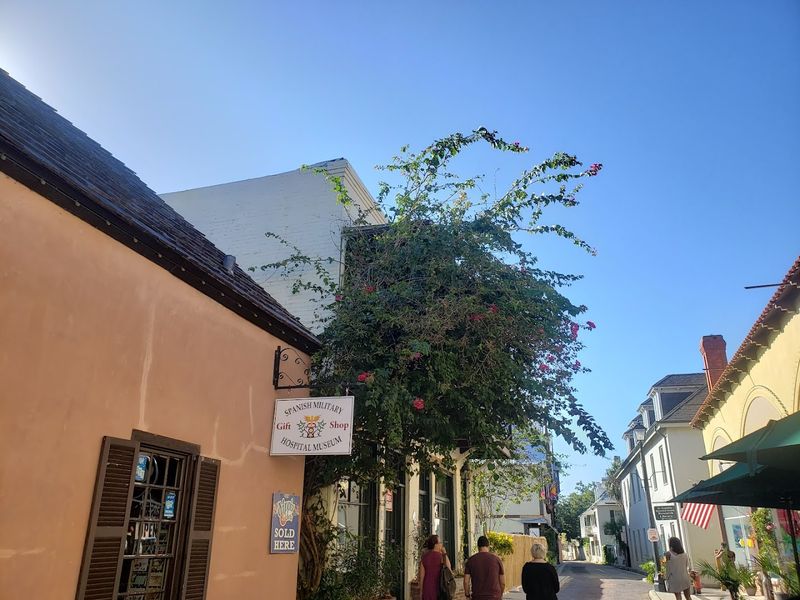
Before becoming known as Aviles Street, locals called this corridor Hospital Street—a name reflecting its most important institutional resident. During Spanish colonial times, the Royal Hospital stood here, serving soldiers, settlers, and occasionally indigenous people who needed medical care.
This facility played a crucial role in keeping St. Augustine’s population healthy through centuries of challenges.
The hospital’s presence shaped the street’s character and reputation. Religious orders operated the medical facility, bringing their architectural preferences and organizational skills to the area.
Buildings constructed to house staff, store supplies, and accommodate patients still stand today, though serving different purposes.
As St. Augustine evolved, Hospital Street’s identity shifted from purely institutional to residential and commercial. The name eventually changed to honor the city’s founder, but the street’s legacy as a place of community importance remained.
Former hospital buildings became private homes, shops, and museums, yet the atmosphere of purposeful service persisted. Today’s cultural institutions—museums, galleries, and educational spaces—continue Hospital Street’s tradition of serving the public good, just in different ways.
The transition from colonial medical center to modern cultural landmark shows how historic streets can adapt their functions while maintaining their essential character and importance within the community.
Historic Museums That Bring the Past to Life
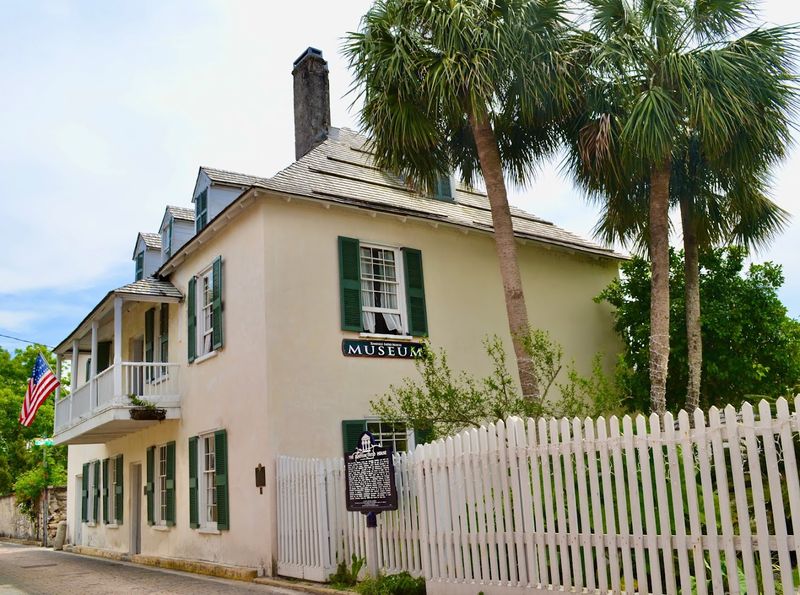
Two remarkable museums anchor Aviles Street’s educational offerings. The Spanish Military Hospital Museum recreates colonial medical practices with startling authenticity, showing visitors the surprisingly advanced—and sometimes cringe-inducing—treatments doctors administered centuries ago.
Costumed interpreters explain surgical techniques, herbal remedies, and daily hospital operations, transforming abstract history into tangible reality.
Just steps away, the Ximenez-Fatio House Museum preserves a different slice of past life. Originally constructed as a merchant’s home and later operating as a boarding house, this building witnessed St. Augustine’s evolution through multiple governments and cultural influences.
Period furnishings fill the rooms, while guided tours explain how ordinary residents lived, worked, and socialized during the 18th and 19th centuries.
Both museums occupy genuinely historic structures rather than modern recreations, adding authenticity to every exhibit. Walking through their doors means entering actual spaces where colonial-era people experienced real life—eating meals, recovering from illness, conducting business, and making history.
The museums’ proximity lets visitors experience different aspects of historic Aviles Street life within minutes, creating a comprehensive understanding of how this remarkable street functioned across centuries of continuous occupation, making history feel immediate and personal rather than distant and abstract.
How Aviles Street Became St. Augustine’s Arts District
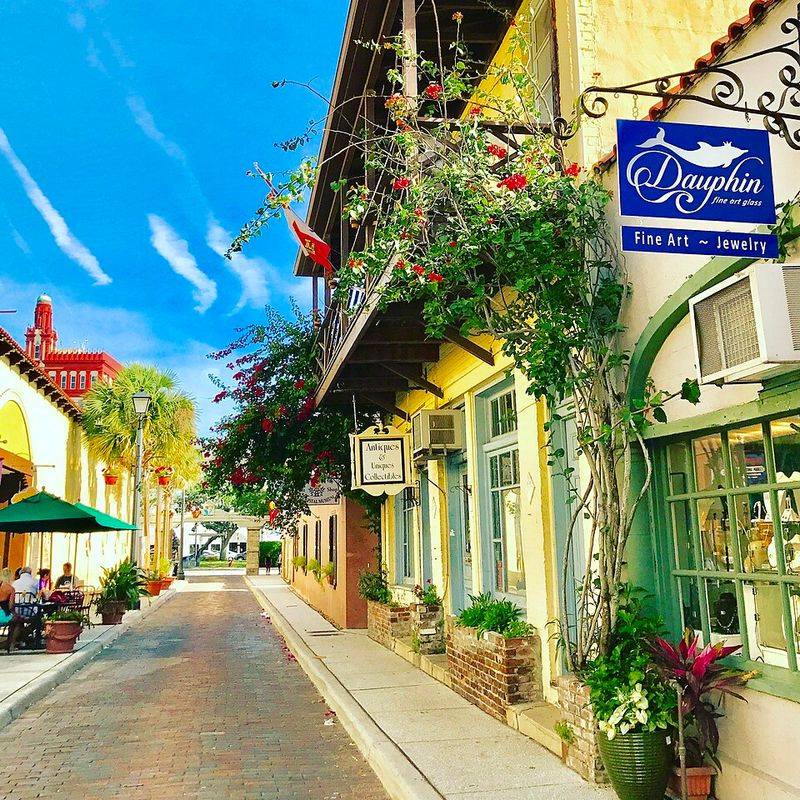
Historic preservation and artistic creativity forged an unexpected partnership on Aviles Street. During the mid-20th century, as historic districts faced uncertain futures nationwide, artists recognized the street’s potential.
Affordable rent in old buildings attracted painters, sculptors, and craftspeople who needed studio space, and their presence gradually transformed the corridor’s identity.
The artists didn’t just occupy the street—they celebrated it. Galleries opened in former residences, outdoor sculptures appeared in small plazas, and creative businesses brought fresh energy to historic structures.
The combination worked beautifully: art enhanced the street’s visual appeal while historic architecture provided unique exhibition spaces that modern buildings couldn’t match.
St. Augustine officially recognized this organic development by designating Aviles Street as its arts district. The title encouraged more galleries, performance spaces, and cultural events, creating a self-reinforcing cycle of artistic activity.
Today, monthly art walks draw crowds who explore studios, meet working artists, and purchase original creations in spaces where colonial residents once lived and worked. The transformation shows how historic streets can gain new relevance without losing authenticity, proving that old and new can coexist when both respect the other’s contributions to creating vibrant, meaningful urban spaces worth visiting.
The Cafés, Shops, and Hidden Corners Worth Exploring
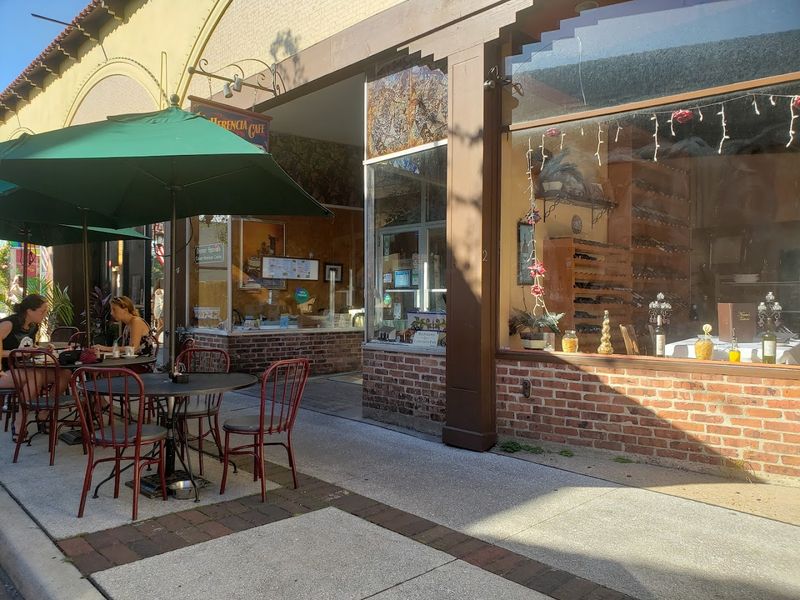
Wandering Aviles Street rewards those who resist rushing. Small cafes serve coffee in shaded courtyards where conversation flows easily and time seems negotiable.
Local roasters supply the beans, and baristas who know regulars by name create a neighborhood atmosphere rare in tourist areas. Grabbing a beverage and finding a quiet corner becomes a mini-vacation from sightseeing schedules.
Boutique shops occupy spaces that once served as colonial homes or merchant stores. Handcrafted jewelry, locally made art, vintage finds, and unique gifts fill the small retail spaces, offering alternatives to chain-store predictability.
Shop owners often create or curate their merchandise personally, making every purchase feel more meaningful than typical tourist transactions.
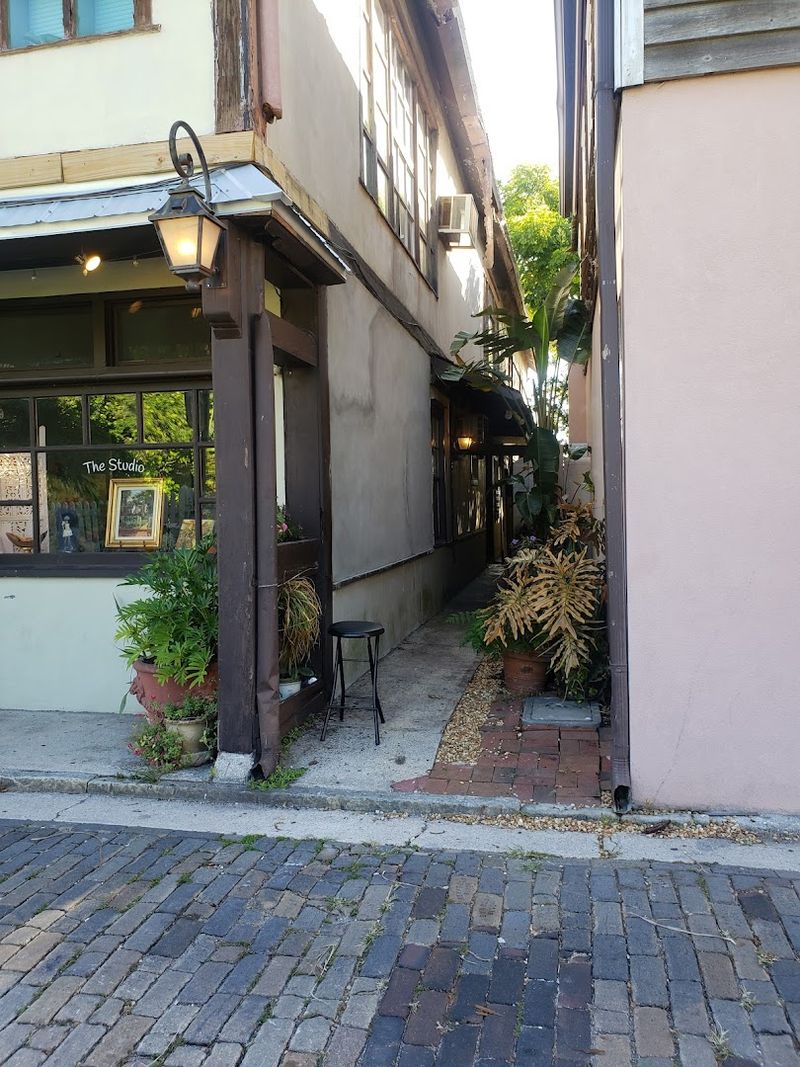
Hidden passages and unmarked doorways lead to surprises—a tiny garden, an unexpected gallery, a historic marker explaining some fascinating detail about the building you’re passing. Unlike streets designed for maximum visibility, Aviles Street keeps some treasures tucked away, rewarding curious explorers who peek through gates or venture down side paths.
The layout encourages slow discovery rather than efficient sightseeing, letting visitors create their own experiences rather than following predetermined routes. Every visit reveals something previously missed, making return trips worthwhile and giving the street a depth that superficial touring can’t capture.
Why Aviles Street Belongs on Every Florida Travel List
Florida’s reputation focuses on beaches, theme parks, and modern attractions—places built for entertainment rather than historical significance. Aviles Street offers something completely different yet equally valuable: authentic connection to America’s oldest European settlement.
Walking this street isn’t just sightseeing—it’s touching centuries of layered history that few American destinations can match.
The street delivers multiple experiences simultaneously. Architecture enthusiasts study colonial building techniques, history buffs explore museums, art lovers visit galleries, and casual tourists simply enjoy the atmosphere.
This versatility makes Aviles Street appeal to diverse interests while maintaining coherent identity, something difficult for manufactured attractions to achieve.
Perhaps most importantly, Aviles Street feels real. No theme park recreated these buildings, no Hollywood set designers planned the layout, and no corporate committees decided what visitors should experience.
The street evolved organically across 450 years, accumulating authentic character that money can’t buy and shortcuts can’t replicate. Standing on the oldest continuously occupied street in the United States, surrounded by Spanish colonial architecture and contemporary culture, visitors experience something genuinely rare: a place where American history began, preserved and living rather than reconstructed and static, making every visit meaningful beyond typical vacation memories.