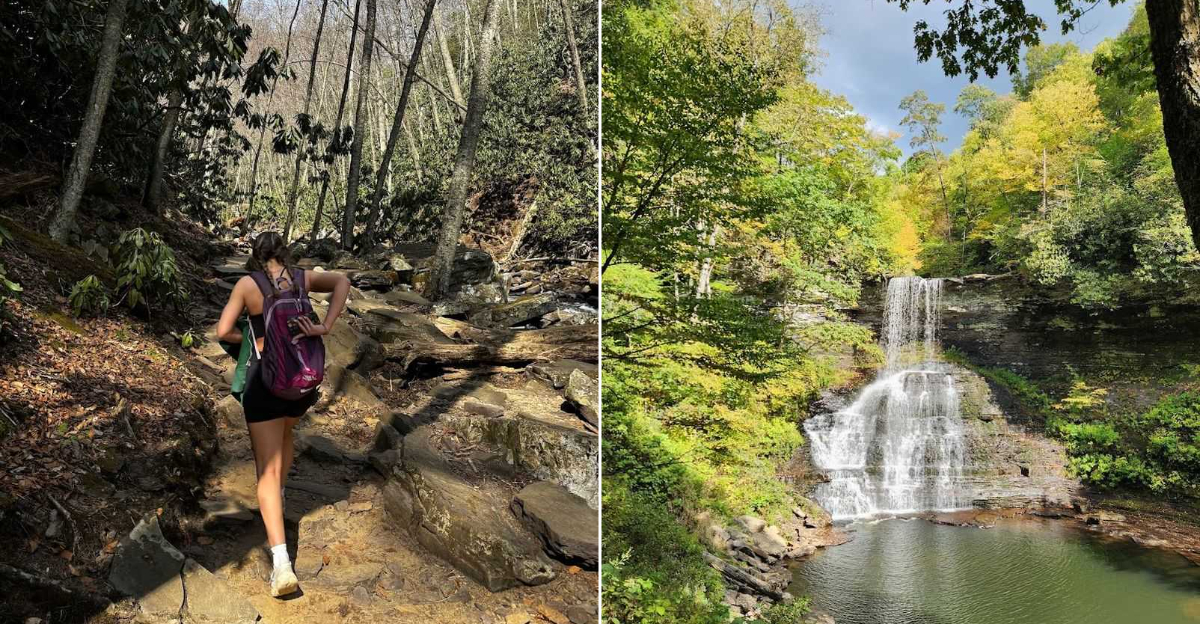
Tucked deep within Jefferson National Forest, the walk to Cascade Falls feels like stepping into a quieter rhythm of Virginia. In spring, the forest softens with new leaves, the creek runs fuller over smooth stone, and the air carries that clean, cool scent of mountain water and earth waking up again.
The trail moves gently alongside Cascades Creek, where sunlight filters through tall hardwoods and moss clings to boulders like it has been there forever. Every turn feels unhurried—wooden bridges, rushing water, and the steady sound of the falls growing closer with each step.
It is the kind of place where conversation fades naturally, replaced by footsteps and flowing water.
Here’s what makes this forest trail one of Virginia’s most rewarding outdoor escapes.
The Lower Trail Adventure
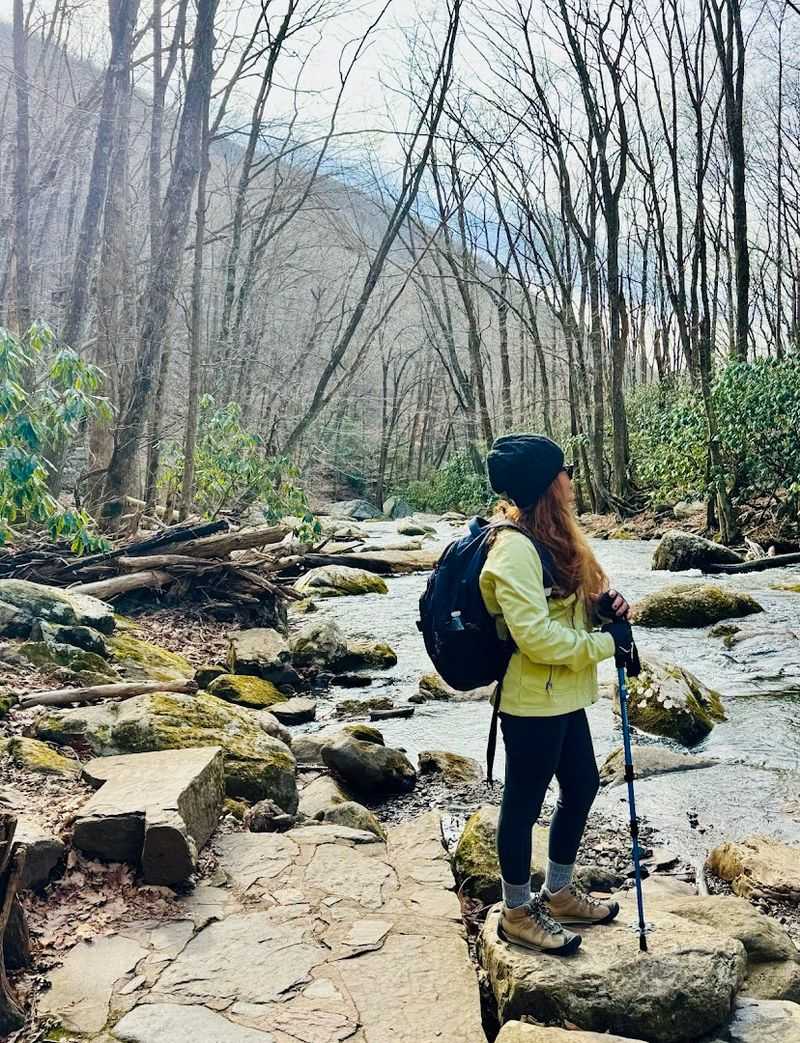
Water rushes over smooth stones as sunlight filters through the canopy, creating dancing shadows on the forest floor. The lower trail follows Little Stony Creek so closely you can almost reach out and touch the water from certain vantage points.
This route has earned its reputation as the more scenic option, offering constant companionship from cascading rapids and miniature waterfalls.
Stone steps carved into the hillside guide your feet upward through narrow gorges where ferns cling to rocky walls. Wooden walkways bridge the most challenging sections, allowing you to traverse terrain that would otherwise require serious scrambling.
These thoughtful trail features make the journey feel like an adventure through a storybook forest.
The moderate to strenuous difficulty level comes mainly from navigating uneven rocks and climbing steady elevation. Sturdy hiking boots become your best friend on this path, gripping wet stones and providing ankle support through rocky sections.
Most hikers complete the two-mile ascent in about an hour, though photographers often linger much longer.
Children as young as five have successfully tackled this trail with proper footwear and supervision. The constant stream views keep young adventurers engaged, turning potential complaints into excited discoveries of tiny waterfalls and interesting rock formations along the way.
The Upper Trail Return Route
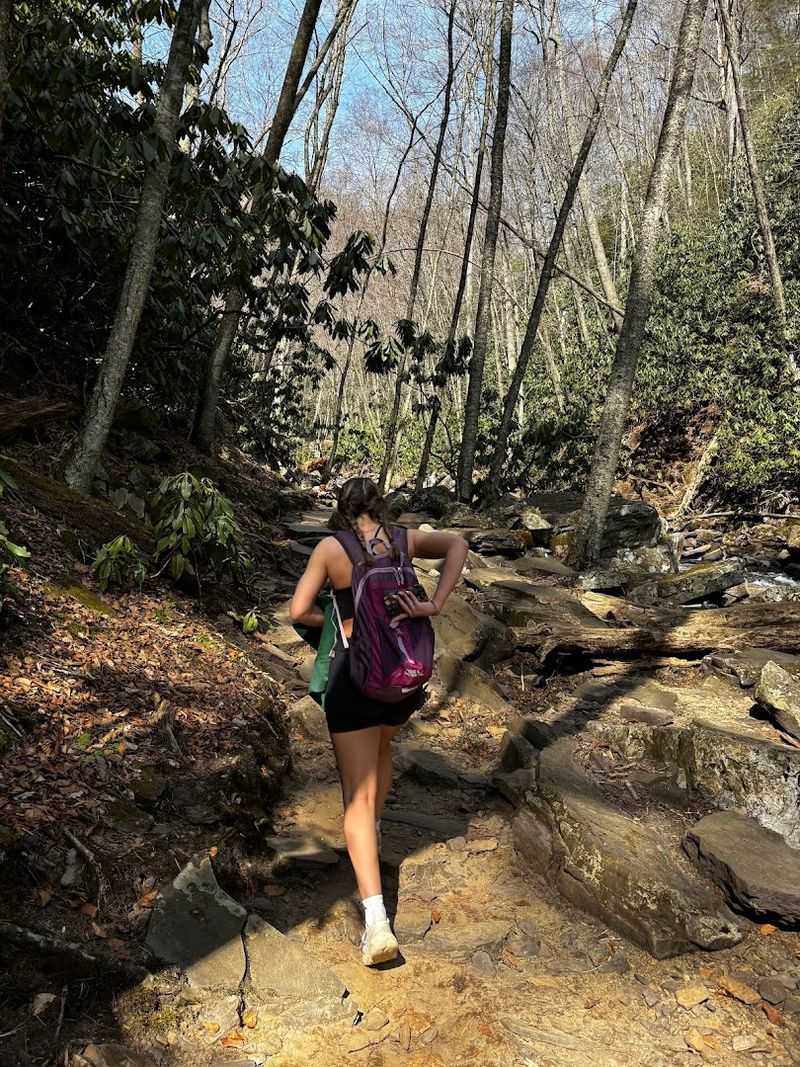
Tall trees stretch skyward as the trail winds through quieter woodland sections away from the creek’s constant soundtrack. Many experienced hikers recommend saving this path for your return journey when tired legs appreciate the gentler, more forgiving terrain.
The upper trail offers respite from rock-hopping while still delivering beautiful forest scenery.
This wider path maintains a more consistent grade, eliminating the constant up-and-down motion of the lower route. Families with limited mobility or those hiking with energetic dogs often choose this trail for both directions.
The smooth dirt surface and fewer obstacles make conversation easier, perfect for catching up with hiking companions.
Occasional breaks in the canopy provide aerial views of the gorge below, offering perspective on the landscape you just traversed. These overlook moments remind you of the dramatic terrain carved by Little Stony Creek over countless years.
The forest feels different up here, more contemplative and peaceful.
The upper trail covers the same two-mile distance but in roughly forty-five minutes for most hikers. This time difference isn’t insignificant when you’re already tired from reaching the waterfall.
Smart trail planning means enjoying spectacular creek views on fresh legs and choosing the easier path when fatigue sets in.
The Magnificent 69-Foot Waterfall
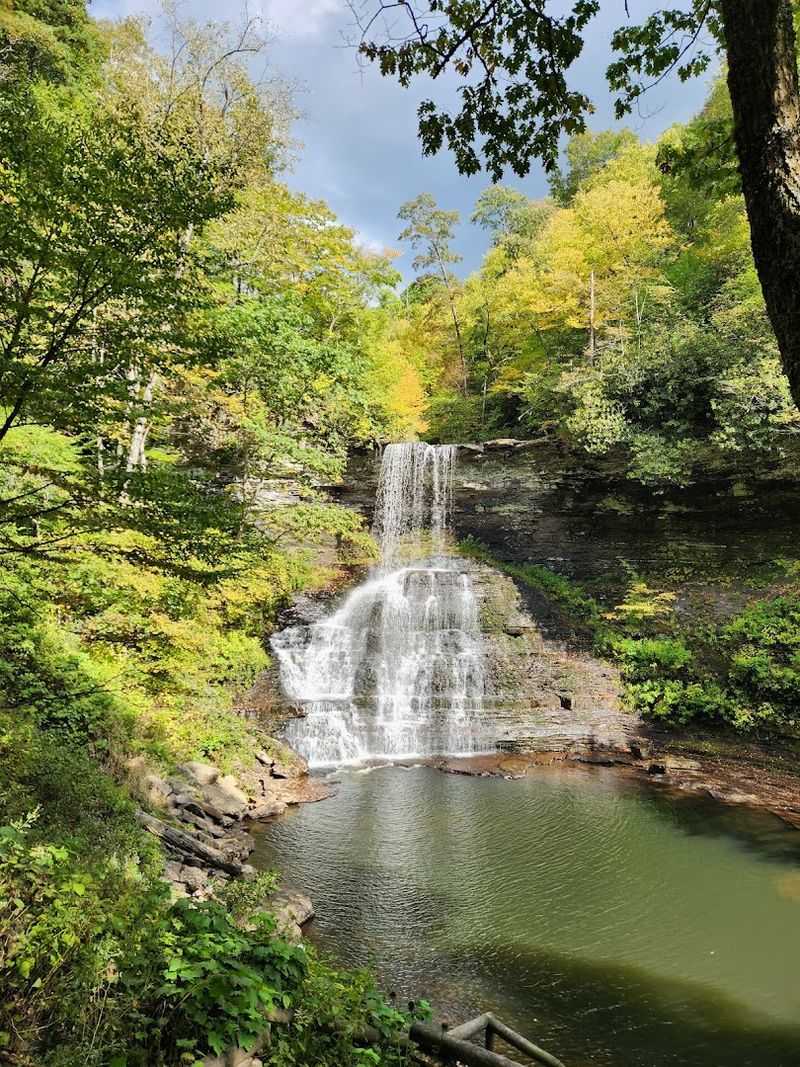
The roar grows louder with each step until suddenly the forest opens to reveal nature’s grand finale. Water plunges sixty-nine feet down a rocky cliff face, creating a misty spray that cools your face even from a distance.
This is the moment that makes every challenging step absolutely worthwhile.
Large boulders near the base provide natural seating where hikers rest and absorb the spectacular view. The waterfall’s power varies with seasonal rainfall, transforming from a thunderous cascade after spring storms to a gentler curtain during drier months.
Each visit offers a slightly different experience, making return trips just as exciting as the first.
Many visitors spend thirty minutes or more at this natural amphitheater, simply watching the water dance over ancient rock. The pool below tempts swimmers, though the cold mountain water and rocky terrain require caution.
Park guidelines advise against swimming due to unpredictable currents and slippery surfaces.
Photographers find endless compositions here, from wide-angle shots capturing the full height to close-ups of water patterns on stone. Morning light creates the best conditions, illuminating the mist with golden rays.
The surrounding cliffs and vegetation frame the waterfall perfectly, creating that postcard-worthy image every visitor hopes to capture.
Little Stony Creek Companion
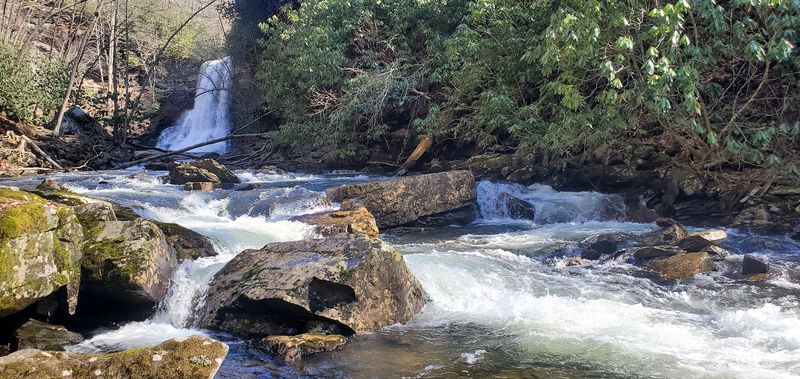
Crystal-clear water tumbles over weathered stones, creating an endless symphony that accompanies your entire journey. Little Stony Creek serves as both guide and entertainer, constantly changing character as it navigates the mountain terrain.
Sometimes it whispers gently through wide sections, other times it roars through narrow passages.
The creek has spent millennia carving this gorge, wearing away solid rock to create the dramatic landscape hikers enjoy today. Small pools form behind natural dams where water pauses before continuing its downhill rush.
These mini-cascades appear every few hundred feet, ensuring visual interest throughout the lower trail.
During spring runoff, the creek swells with snowmelt and rain, transforming into a powerful force that fills the gorge with sound. Summer brings lower water levels, revealing more rock formations and creating opportunities to hop across stones.
Fall’s colorful leaves float downstream like tiny boats on a grand voyage.
The creek’s presence makes this trail special compared to purely forest hikes in the region. Its constant motion and sound create a meditative quality that helps hikers disconnect from daily worries.
Even novice nature observers spot fascinating details like water-sculpted rocks and tiny cascades hidden among the boulders.
Engineered Trail Features
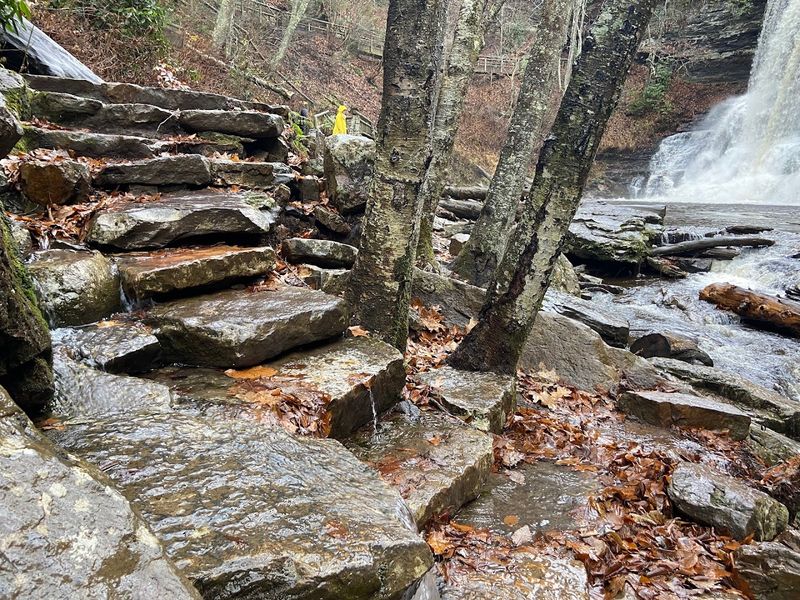
Clever construction transforms what could be an impossible scramble into an achievable adventure for most fitness levels. Trail designers have worked magic here, installing stone staircases exactly where you need them most.
These aren’t crude steps but carefully placed rocks that blend seamlessly with the natural landscape.
Wooden bridges span the trickiest creek crossings, their sturdy railings providing confidence on potentially nerve-wracking sections. Some bridges are simple planks, others elaborate structures that seem to float above rushing water.
Each crossing offers a unique perspective on the creek’s power and beauty.
Walkways hug cliff faces in spots where the gorge narrows dramatically, creating that exhilarating feeling of being suspended between rock and water. These engineered sections required significant effort to build and maintain, showcasing the dedication to making this natural wonder accessible.
Without them, this trail would challenge even experienced climbers.
The infrastructure here represents a perfect balance between preservation and access, allowing thousands of visitors annually without destroying the landscape’s integrity. Regular maintenance keeps these features safe despite constant exposure to moisture and heavy foot traffic.
Hikers should appreciate these improvements while treading carefully to extend their lifespan for future adventurers.
The Perfect Loop Configuration
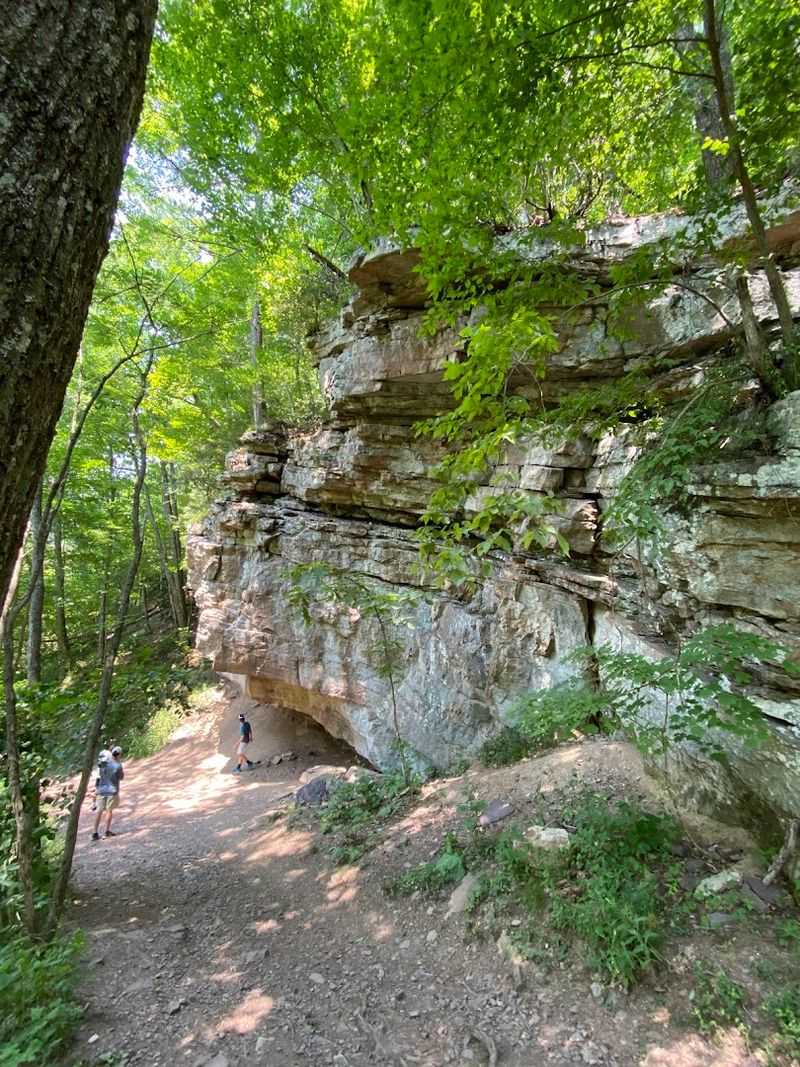
Two distinct paths create a circular journey that never retraces the same ground, maximizing variety and minimizing boredom. The four-mile loop takes most hikers between two and three hours, including time spent marveling at the main waterfall.
This distance hits the sweet spot for families with elementary-aged children and adults seeking moderate exercise.
Starting from the trailhead, hikers face an immediate decision: turn right onto the lower trail or left toward the upper path. Most experienced visitors recommend the lower trail ascending and upper trail descending.
This strategy places the most challenging terrain when energy levels are highest while reserving the easier return for tired muscles.
The loop design eliminates that deflating feeling of simply turning around and retracing your steps back to the parking area. Each direction offers completely different perspectives on the same landscape.
The upper trail shows you what you might have missed from the gorge bottom, while the lower trail reveals secrets hidden from above.
Directional signs at key intersections prevent confusion, though the trail’s popularity means you’re rarely alone long enough to feel lost. The well-marked path welcomes both confident solo hikers and larger family groups.
This thoughtful layout makes planning easy and execution enjoyable.
Forest Cathedral Experience
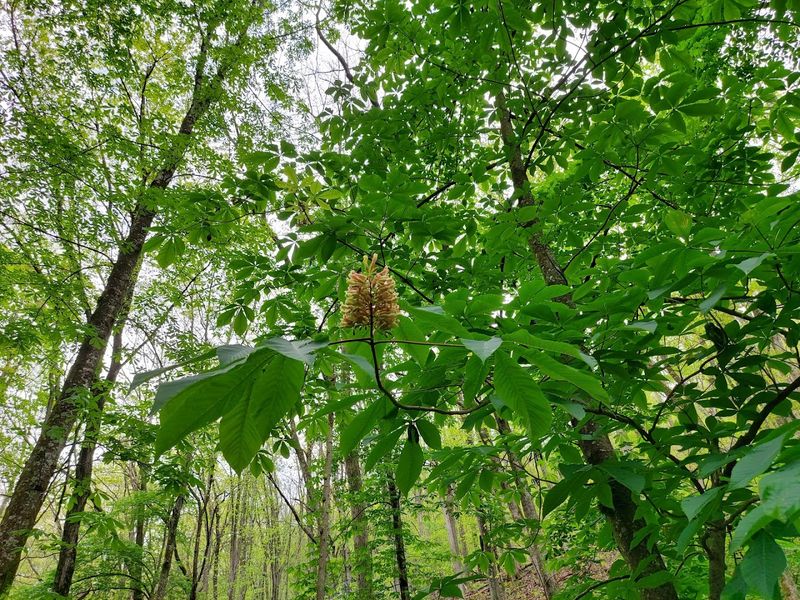
Ancient hardwoods tower overhead like columns in nature’s cathedral, their branches forming a living ceiling that shifts and sways with mountain breezes. The forest here represents classic Appalachian woodland, with species that have thrived in these mountains for centuries.
Depending on season, the canopy might explode with spring’s fresh green, summer’s deep shade, or autumn’s spectacular color show.
Understory plants fill gaps between the massive trunks, creating layers of vegetation that support diverse wildlife. Rhododendrons cluster near wetter areas, their glossy leaves providing year-round greenery.
Ferns unfurl from rocky crevices, adding delicate texture to the rugged landscape.
The forest’s maturity means thick leaf litter underfoot, nature’s carpet that cushions steps and releases earthy scents with each footfall. Fallen logs in various stages of decay serve as nurse logs for new growth, demonstrating the forest’s continuous cycle.
Moss blankets cover north-facing rocks, adding splashes of vibrant green even in winter.
Bird calls echo through the trees, from cheerful songbirds to the occasional drumming of woodpeckers. Squirrels chatter warnings about intruders while busy with their acorn gathering.
This living community surrounds hikers with constant subtle activity, rewarding those who pause to observe. The forest feels protective and welcoming simultaneously, creating that magical atmosphere promised in the trail’s reputation.
Swimming Holes and Wading Spots
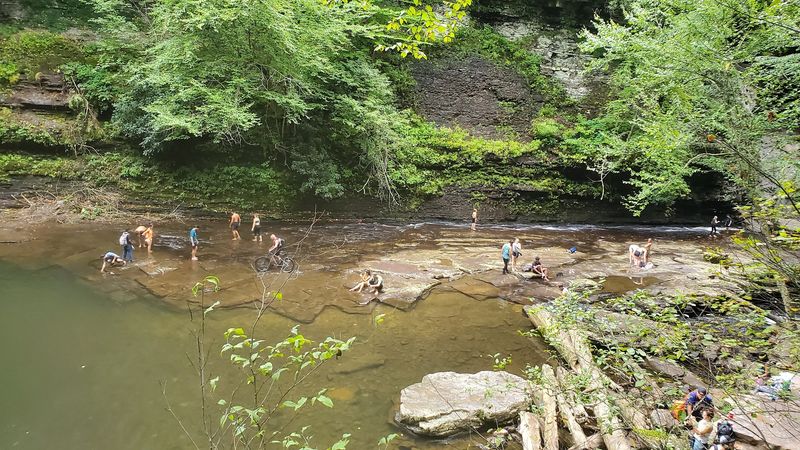
Natural pools formed by the creek’s course tempt overheated hikers with their clear, inviting water during warm months. These swimming holes vary in size and depth, some barely ankle-deep while others might reach chest height.
The water maintains its mountain-spring coldness even in July, providing instant refreshment after the uphill climb.
Smooth boulders surrounding these pools serve as natural diving boards and sunbathing spots, though caution is essential. The rocks stay slippery even when they appear dry, and underwater obstacles hide beneath deceptively clear water.
Children particularly love wading in the shallower sections, though adult supervision remains crucial given the uneven rocky bottom.
Swimming at the main waterfall receives official discouragement due to unpredictable currents and dangerous underwater rocks. The smaller pools along the trail offer safer alternatives for cooling off without the same risks.
Many hikers simply dip tired feet rather than fully immersing, finding this enough to revive energy for the return journey.
Water temperatures rarely exceed the low sixties, even during peak summer, so full swimming suits brave souls willing to endure the initial shock. Smart visitors bring quick-dry towels and remember that wet feet make hiking boots less comfortable.
The temptation is real, but respecting personal limits prevents accidents and ensures everyone enjoys their adventure safely.
Photographer’s Paradise
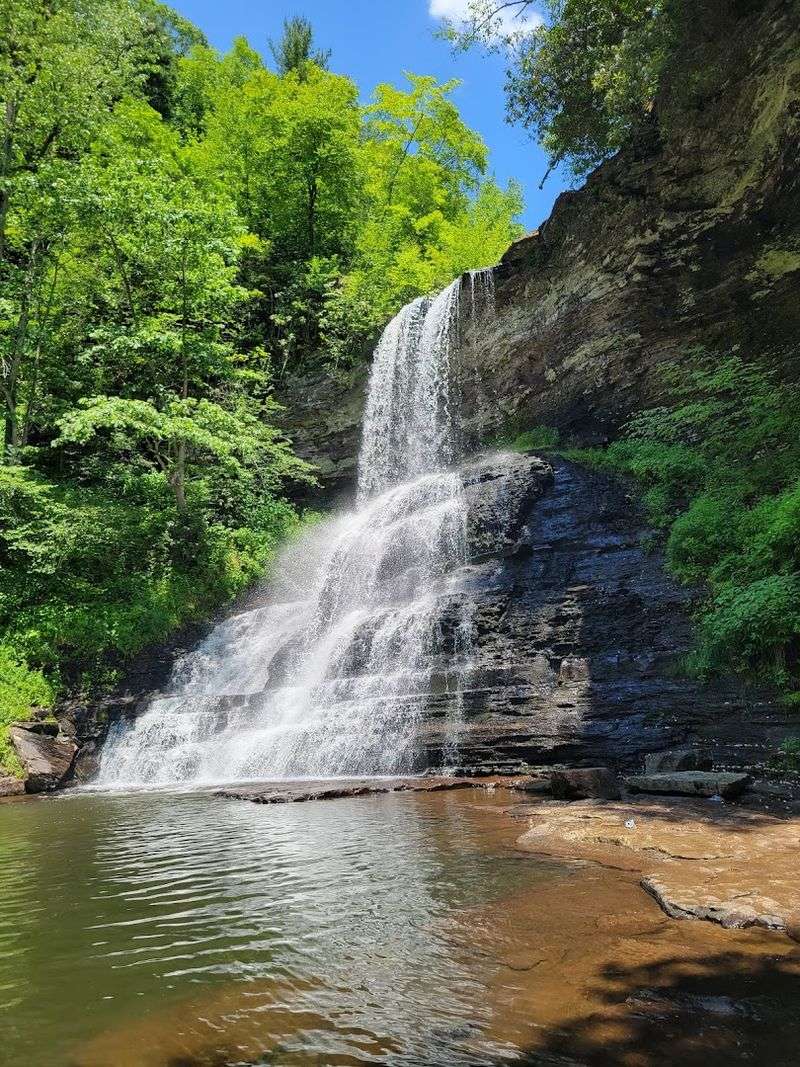
Every turn reveals another frame-worthy scene, making this trail a favorite among landscape photographers throughout the region. Long exposure shots of the creek create that silky water effect, while faster shutter speeds capture individual droplets frozen mid-splash.
The variety of subjects means photographers rarely run out of creative options.
Morning golden hour brings magical light filtering through the forest canopy, creating dramatic rays that illuminate mist rising from the creek. These conditions don’t last long, encouraging early arrivals who want to capture that perfect ethereal glow.
Afternoon light works better at the waterfall itself, where the sun angle illuminates the falling water directly.
Moss-covered boulders provide brilliant foreground elements for waterfall compositions, while fallen logs create natural leading lines toward focal points. Autumn transforms the entire trail into an explosion of color, though this peak season also brings maximum crowds.
Patient photographers wait for gaps between hiking groups to capture people-free scenes.
The constant moisture means lens fog becomes a real issue when moving between temperature zones. Bringing protective bags and lens cloths saves the day when conditions turn challenging.
Tripods prove invaluable for long exposures, though narrow trail sections sometimes require handheld shooting. Dedicated photographers allocate extra time, knowing the images captured here will become portfolio highlights worth the investment.
Family-Friendly Accessibility
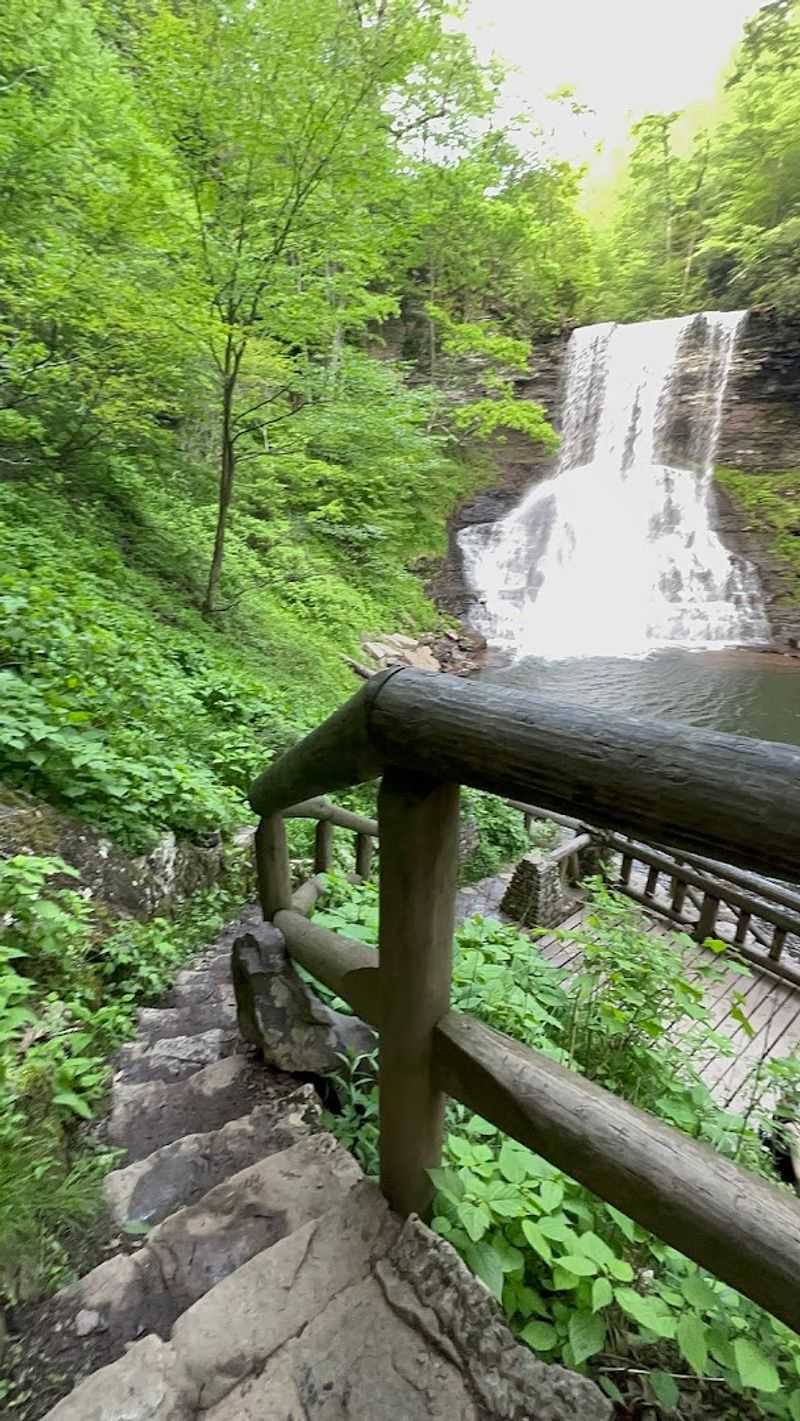
Parents regularly bring elementary-aged children on this adventure, creating cherished family memories in Virginia’s beautiful outdoors. The four-mile total distance sits right at that threshold where kids feel accomplished without becoming completely exhausted.
Frequent natural stopping points mean rest breaks happen organically rather than feeling forced.
The trail’s popularity creates a reassuring atmosphere for families attempting their first significant hike together. Other groups pass regularly, offering encouragement and reducing any isolation anxiety.
Well-maintained facilities at the trailhead include restrooms, though none exist beyond that initial stop.
A modest three-dollar parking fee keeps the area maintained and accessible, a small price for the experience delivered. Arriving early secures easier parking spots, especially on pleasant weekend days when the lot fills quickly.
The short walk from car to trailhead means even toddlers too young for the full hike can enjoy the first few hundred feet.
Dogs on leashes are welcome, making this a perfect outing for four-legged family members who need exercise too. The trail width accommodates passing without awkward maneuvering in most sections.
Kid-friendly benchmarks like counting bridges or spotting specific tree types turn the hike into an engaging game. Families who choose the lower trail ascending appreciate that children’s natural enthusiasm tackles the harder sections first.