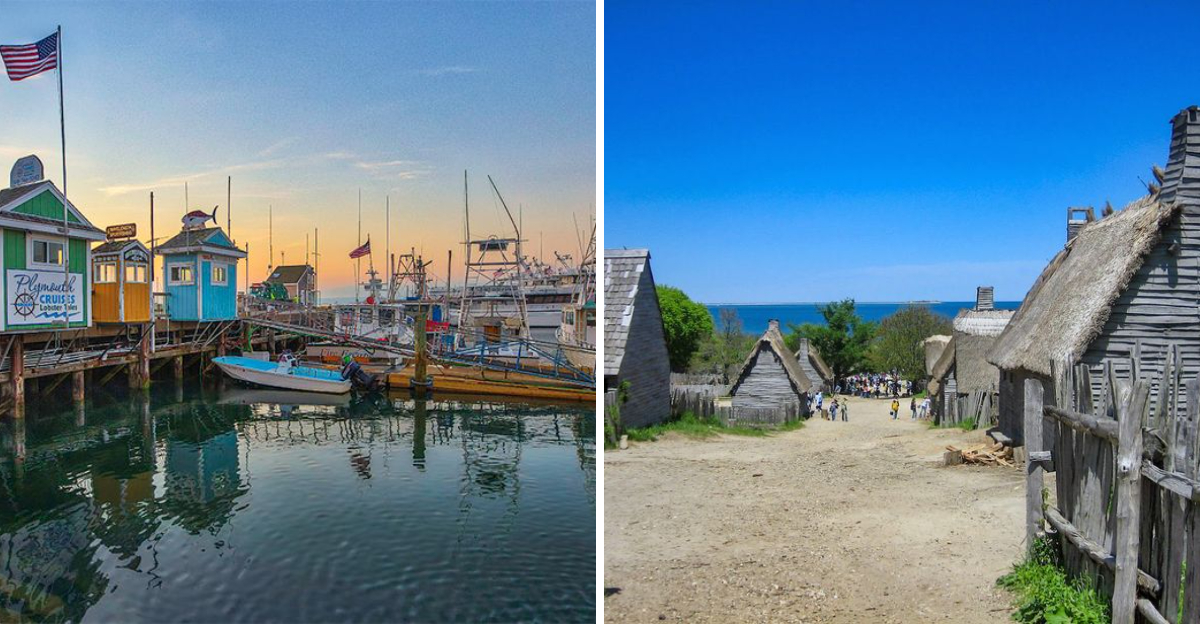
This is where time slows down without asking permission.
Plymouth sits quietly between Boston’s noise and Cape Cod’s summer rush, but it doesn’t feel like a stop between anything. It feels like its own story unfolding on salt air and weathered streets.
History lingers here, not behind glass, but in the wind, the docks, and the worn edges of the shoreline.
Walk the harbor and you’ll hear boats creak and gulls argue over the tide. Turn inland and pine forests swallow the noise whole, leaving only soft trails and still water.
From storied landmarks to hidden stretches of coast, Plymouth pulls you into a rhythm that feels older, slower, and hard to leave behind.
A Coastal Town Between Boston and Cape Cod
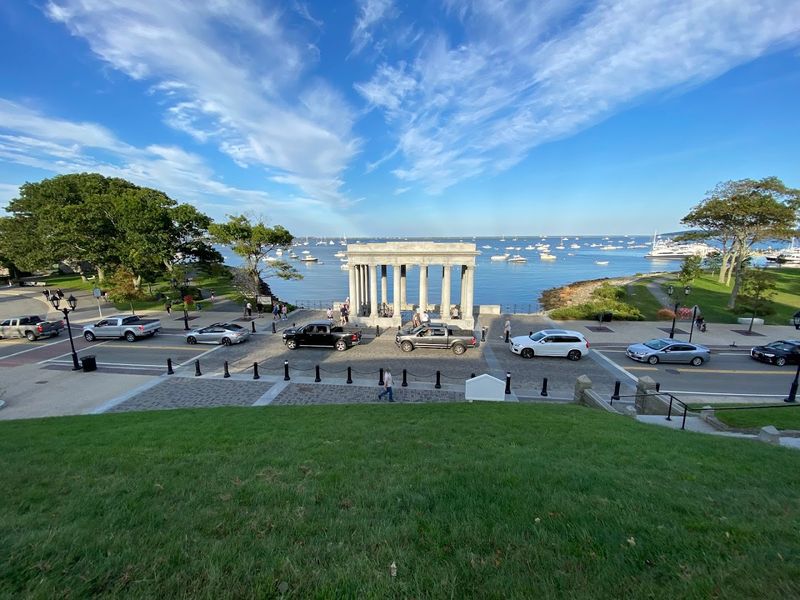
Plymouth sits in that rare in-between space—close enough to Boston for an easy trip, yet far enough south to feel like you’ve slipped into a slower coastal rhythm. Known as America’s Hometown, it blends deep colonial history with rugged shoreline, working harbors, and quiet natural escapes.
From iconic landmarks to windswept beaches and forest trails, Plymouth offers far more than a single story. It’s a layered destination where history and nature share the same coastline.
You can walk past 400-year-old foundations in the morning and kayak through salt marshes by afternoon.
Unlike the packed tourist corridors found elsewhere, Plymouth retains an authentic feel. Fishing boats still operate from the harbor.
Local bakeries serve regulars alongside visitors. The town doesn’t just preserve history—it lives alongside it, creating a place that feels both timeless and refreshingly real.
Whether you’re seeking educational landmarks, peaceful beach walks, or forested trails away from crowds, this coastal community delivers without pretense or hustle.
Plymouth Rock
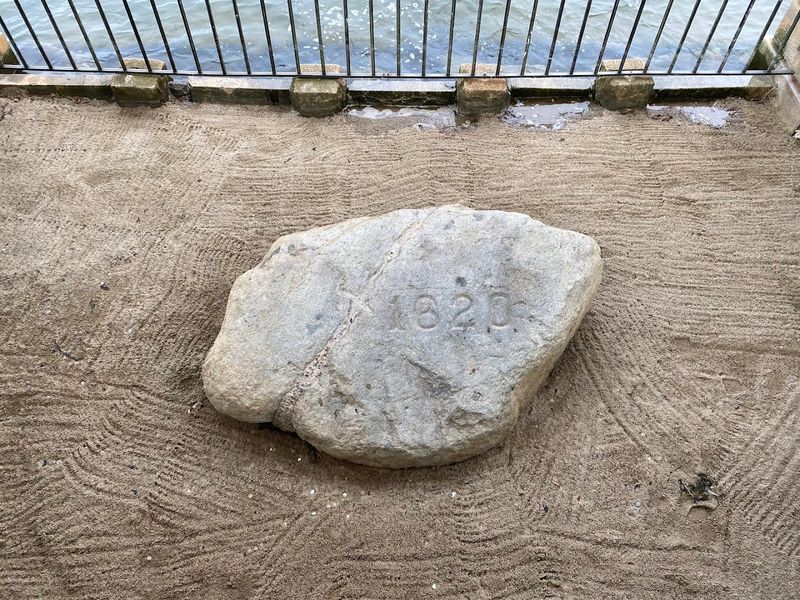
A modest granite boulder sits beneath a columned portico along the waterfront, marking where English colonists supposedly first stepped ashore in 1620. While historians debate its exact authenticity, Plymouth Rock remains one of New England’s most recognizable symbols.
The stone itself is smaller than most visitors expect—roughly the size of a coffee table—yet its cultural weight exceeds its physical dimensions.
Carved with the year 1620, the rock draws curious travelers year-round. Standing beside it feels like touching a chapter from every American history textbook.
The surrounding plaza offers harbor views and interpretive panels that explain both the landing’s significance and the rock’s complicated journey through centuries of myth-making.
Visiting takes only minutes, but most people linger longer than planned. Something about seeing this weathered landmark in person shifts it from abstract lesson to tangible artifact.
Early morning visits offer quieter moments for photos and reflection before tour groups arrive.
Located right along Water Street, the site combines easily with waterfront walks and nearby museums.
Plimoth Patuxet Museums
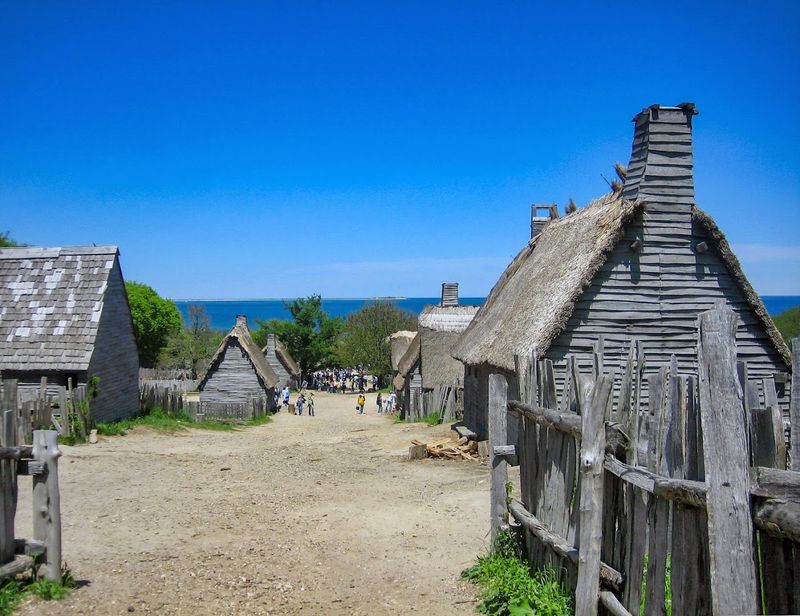
Step into 1627 and watch history unfold through the eyes of those who lived it. Costumed interpreters inhabit both an English colonial settlement and a Wampanoag homesite, speaking in period dialects and demonstrating daily tasks from cooking over open fires to traditional crafts.
This isn’t a static display—it’s history in motion.
The English village features thatched-roof homes, gardens, and livestock that recreate the Pilgrims’ early years. Meanwhile, the Indigenous homesite honors Wampanoag culture with traditional structures, storytelling, and perspectives often missing from conventional narratives.
Together, these spaces offer a fuller, more honest account of contact and coexistence.
Kids especially love the hands-on nature of the experience. They can ask interpreters questions, watch blacksmiths work, and see how colonists ground corn by hand.
Unlike rope-lined exhibits, this museum invites active participation and genuine curiosity.
Plan for at least half a day to explore both sites thoroughly. The museum also hosts special programs throughout the year, from harvest festivals to Indigenous cultural events that deepen understanding beyond textbook summaries.
Mayflower II
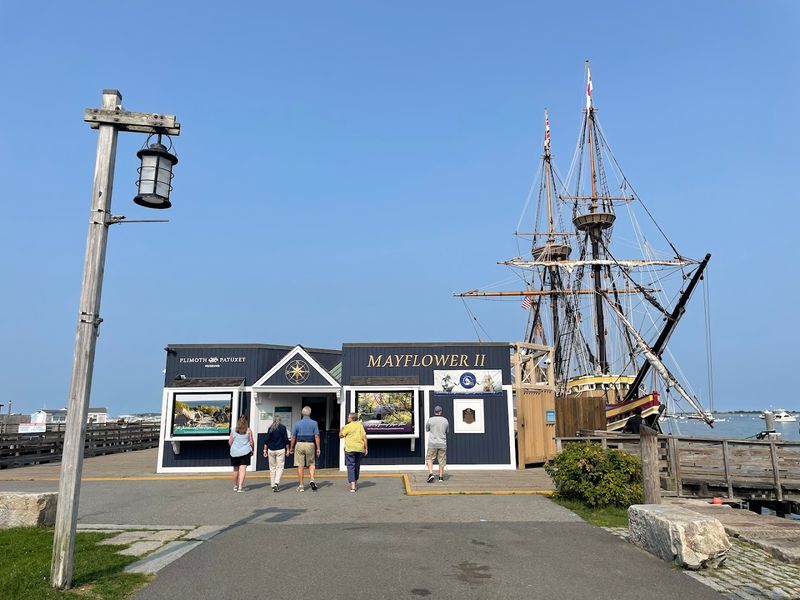
Climbing aboard this full-scale replica instantly shrinks your understanding of what 102 passengers endured crossing the Atlantic in 1620. The Mayflower II rocks gently in Plymouth Harbor, its cramped quarters and steep ladders revealing just how grueling that 66-day voyage must have been.
Reproduction cannons, coiled ropes, and wooden barrels fill the deck, recreating the ship’s working environment.
Interpreters in period clothing answer questions and share details about navigation, food storage, and life at sea. Below deck, the dim, low-ceilinged spaces where families huddled feel impossibly tight.
Modern visitors often emerge grateful for fresh air and dry land after just minutes inside.
The ship underwent extensive restoration recently, making it more historically accurate than ever. Experts consulted maritime records and archaeological evidence to ensure authenticity down to the rigging and paint colors.
What emerges is both museum piece and memorial—a wooden testament to desperation, courage, and survival.
Visiting complements the Plimoth Patuxet experience beautifully, showing the journey’s beginning before exploring how settlers built their new community.
Plymouth Harbor
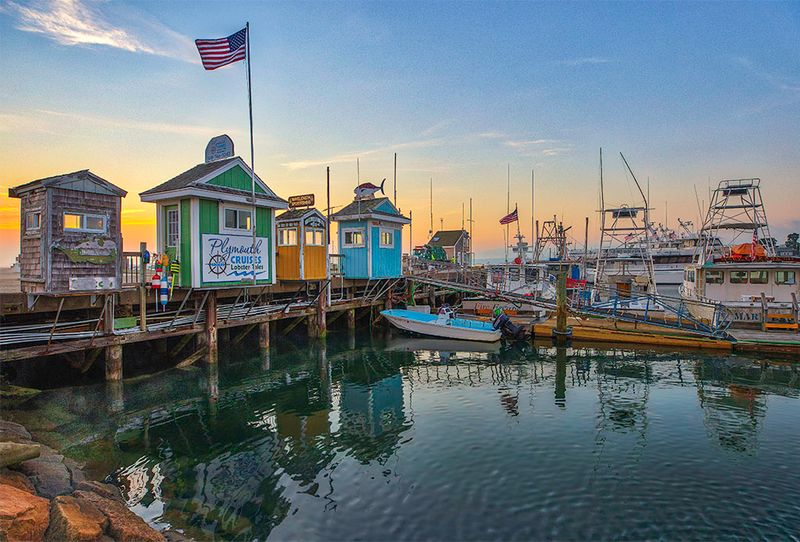
Working harbors carry a different energy than tourist marinas. Plymouth’s waterfront hums with activity as fishing boats unload catches, ferries shuttle passengers, and sailboats drift past historic landmarks.
The scent of salt air mixes with diesel and fish—honest smells that signal a harbor still earning its keep rather than just posing for postcards.
A harborwalk stretches along the shore, perfect for morning jogs or sunset strolls. Benches face the water at intervals, inviting people to sit and watch boats navigate in and out.
Local restaurants cluster nearby, many serving seafood pulled from these very waters hours earlier.
The harbor also serves as departure point for whale watching tours and fishing charters. Summer brings added activity with waterfront festivals and outdoor concerts.
But even on quiet weekday mornings, there’s something peaceful about watching a working waterfront do what it’s done for centuries.
Unlike manufactured coastal experiences, Plymouth Harbor feels genuine. Lobstermen check traps.
Gulls fight over scraps. The ocean keeps its own schedule, and the town adjusts accordingly—just as it always has.
Plymouth Long Beach
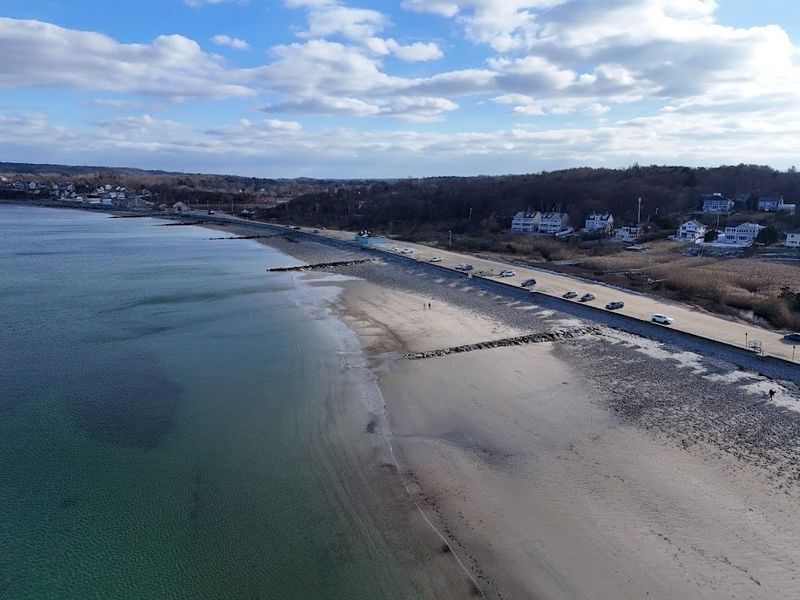
Soft sand stretches for nearly three miles along Cape Cod Bay, offering one of Plymouth’s best-kept secrets. Unlike the heavily trafficked beaches closer to Cape Cod proper, Plymouth Long Beach maintains a quieter, more local feel.
Families spread blankets across the wide shore while kids splash in the gentle waves that lap this protected bay.
The beach faces west, making it ideal for spectacular sunset views. As evening light turns the water golden, the distant Cape Cod shoreline creates a hazy backdrop.
Calm waters make swimming safe for younger children, and the gradual slope means you can wade out quite far before losing your footing.
Parking requires a seasonal pass or daily fee, but costs remain reasonable compared to more famous coastal destinations. Facilities include bathrooms and a snack bar during summer months.
Early mornings attract walkers and shell collectors who comb the tideline for treasures washed ashore overnight.
Bring umbrellas for shade, as natural cover is limited. The beach can get breezy—perfect for kite flying but worth remembering when setting up camp for the day.
Ellisville Harbor State Park
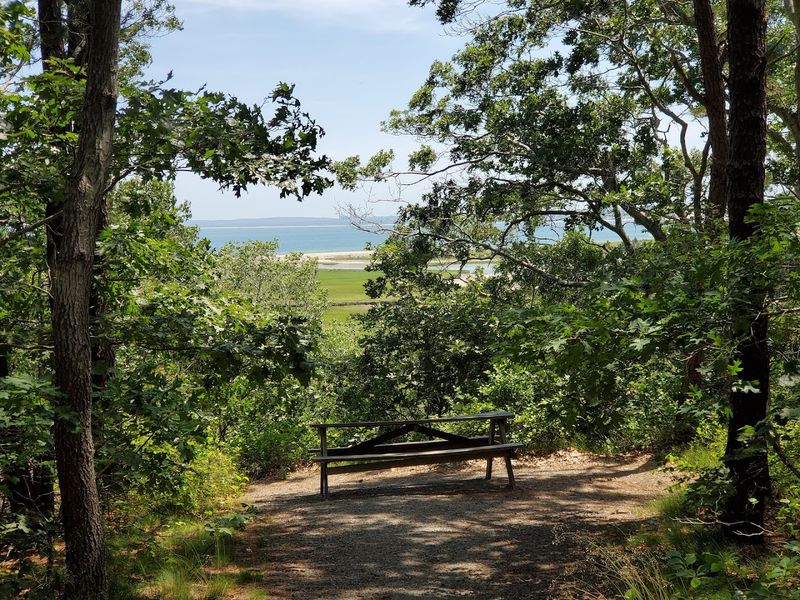
Rugged beauty defines this coastal preserve where rocky shores meet tidal marshes and scrubby vegetation. Ellisville Harbor State Park feels worlds away from developed beaches—no snack bars, no lifeguards, just raw coastline shaped by wind and waves.
Trails wind through the landscape, offering views of the harbor’s protected waters and the open ocean beyond.
Birdwatchers flock here year-round to spot shorebirds, waterfowl, and seasonal migrants. Low tide reveals expansive mudflats where herons stalk carefully and sandpipers race along the water’s edge.
The park’s relative obscurity means you might have entire sections of trail to yourself, even on pleasant weekends.
Stone walls and cellar holes hint at the area’s agricultural past, when farms occupied what’s now protected land. These remnants add historical texture to natural exploration.
Photographers love the dramatic interplay of light on water, especially during golden hour when marsh grasses glow.
Wear sturdy shoes for rocky, uneven terrain. Bring binoculars for wildlife viewing and layers for changeable coastal weather.
This isn’t a beach day destination—it’s a place for observing nature with minimal human interference.
Myles Standish State Forest
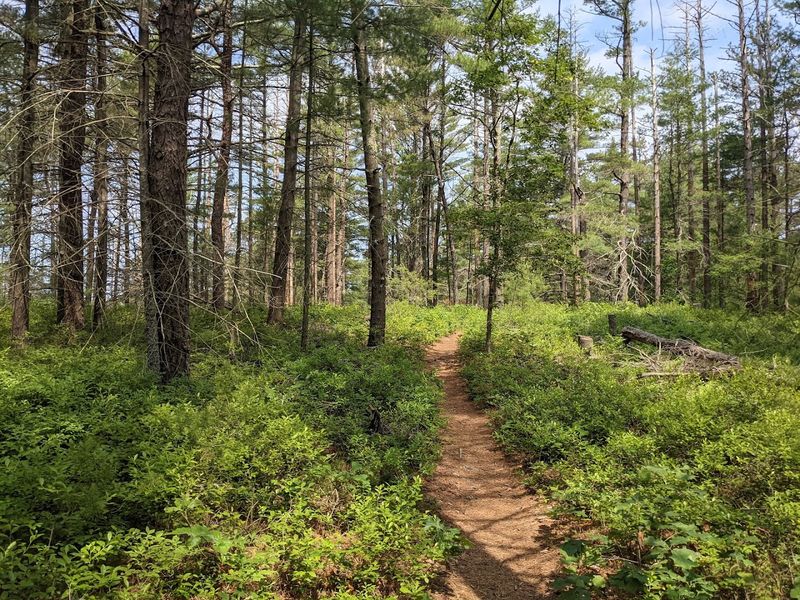
Escape inland to discover over 12,000 acres of pitch pine forest, kettle ponds, and sandy trails perfect for hiking, mountain biking, and peaceful retreat. Myles Standish State Forest ranks among Massachusetts’ largest publicly owned recreation areas, yet it often flies under the radar compared to coastal attractions.
That oversight works in visitors’ favor—the forest rarely feels crowded.
Glacial kettles formed these crystal-clear ponds thousands of years ago. Several allow swimming during summer months, offering refreshing alternatives to saltwater beaches.
College Pond and Fearing Pond feature designated swimming areas with sandy shores and picnic facilities. The water stays cool even in July, fed by groundwater rather than warming in the sun.
Miles of trails crisscross the forest, ranging from easy loops to longer backcountry routes. Mountain bikers appreciate the varied terrain and well-maintained paths.
In fall, the forest transforms as scrub oaks turn crimson and blueberry bushes add gold to the understory. Spring brings wildflowers and migrating warblers.
Campsites accommodate both tents and RVs for those wanting to extend their stay. Just remember to bring insect repellent—mosquitoes thrive near those pretty ponds.
National Monument to the Forefathers
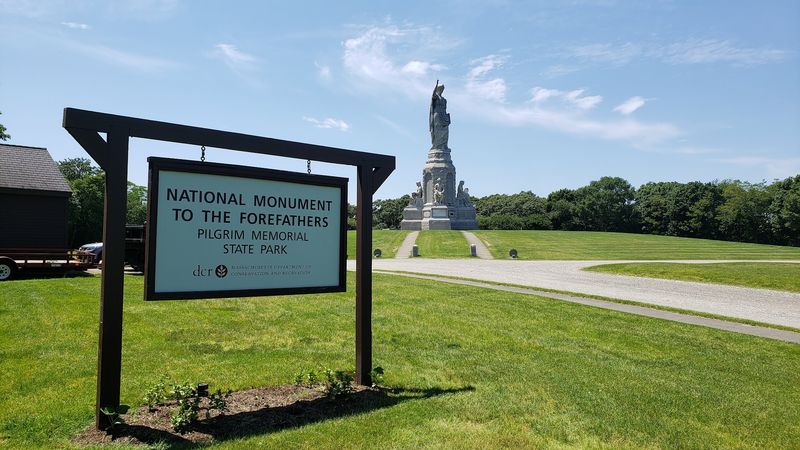
Rising 81 feet into the sky, this colossal granite monument honors Pilgrim values through allegorical sculpture on a scale that surprises first-time visitors. Dedicated in 1889, it ranks among the largest solid granite monuments in America, yet somehow remains relatively unknown beyond local circles.
The central figure of Faith stands atop a pedestal surrounded by Liberty, Morality, Law, and Education—virtues the monument’s Victorian-era creators deemed essential to the Pilgrim legacy.
The monument’s hilltop location provides sweeping views of Plymouth and the surrounding landscape. Climbing the stairs to the base requires some effort, but the perspective rewards you with sight lines stretching to the coast.
Interpretive panels explain the symbolism embedded in every statue and relief panel.
Unlike busy waterfront sites, this monument sees fewer visitors, creating opportunities for quiet contemplation. The scale becomes more impressive the longer you look—individual figures stand multiple stories tall, carved with intricate detail despite their massive size.
Photographers appreciate how the monument’s white granite catches changing light throughout the day.
Located about a mile from the harbor area, it requires a short drive but absolutely deserves inclusion in any thorough Plymouth exploration.
Jenney Grist Mill
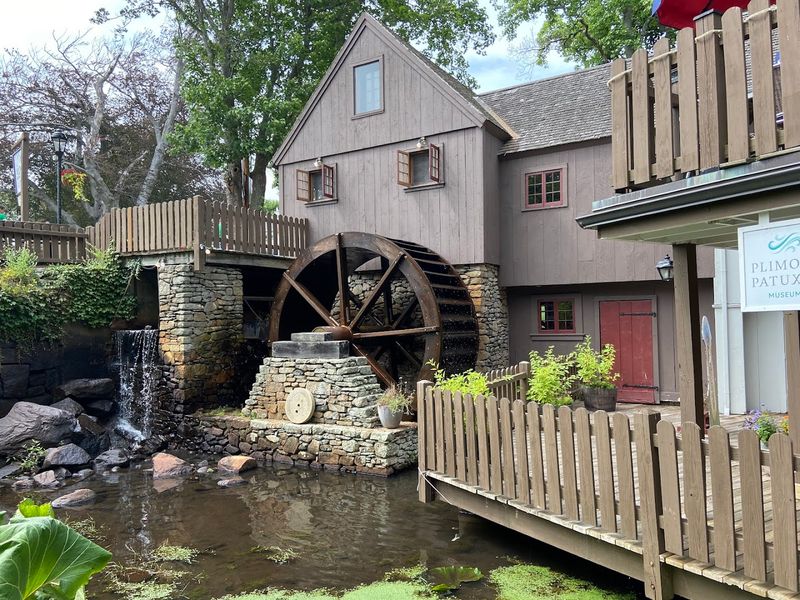
Water rushes past a working reproduction of Plymouth’s first grist mill, demonstrating how colonists ground corn into meal beginning in the 1630s. Located along Town Brook where the original mill once stood, this reconstruction brings early industrial life into sharp focus.
The wooden structure creaks and groans as its massive wheel turns, powered by flowing water just as it would have been four centuries ago.
Costumed millers explain the grinding process while massive millstones crush corn kernels into usable flour. Visitors can purchase stone-ground cornmeal to take home—a tangible connection to methods that sustained early Plymouth.
The mill’s mechanisms, all visible and accessible, reveal the ingenuity required to harness water power for daily needs.
Surrounding the mill, Town Brook flows through a small park perfect for picnicking or quiet walks. Herring still run up this stream each spring, just as they did when Indigenous peoples and early colonists relied on them as a seasonal food source.
Interpretive signs trace the brook’s ecological and historical significance.
The site operates seasonally, typically from spring through fall. It’s small enough to visit in under an hour but rich enough in detail to engage curious minds of all ages.