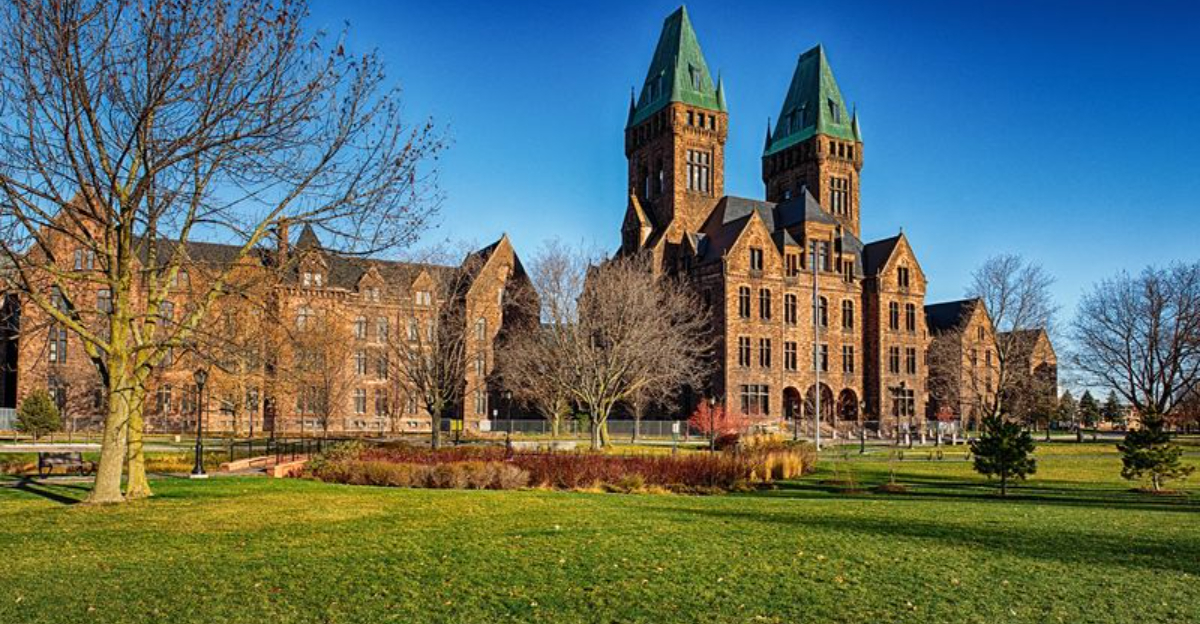
Upstate New York in October doesn’t feel real—it feels staged for a film you accidentally drove into. Every bend in the road hits you with another wave of red, gold, and burning orange trees that seem almost too perfect to be natural.
I kept pulling over longer than I planned. Small towns appeared out of nowhere—quiet main streets, old brick storefronts, and cafés glowing like warm lanterns against the cold air.
Some were wrapped around glassy lakes. Others sat tucked into valleys where the hills looked like they were on fire with color.
Each stop felt like it deserved a whole day, not a passing glance.
These are ten towns that stayed with me long after the drive ended—and ones I already know I’ll go back to when there’s more time to get lost in them.
Ithaca
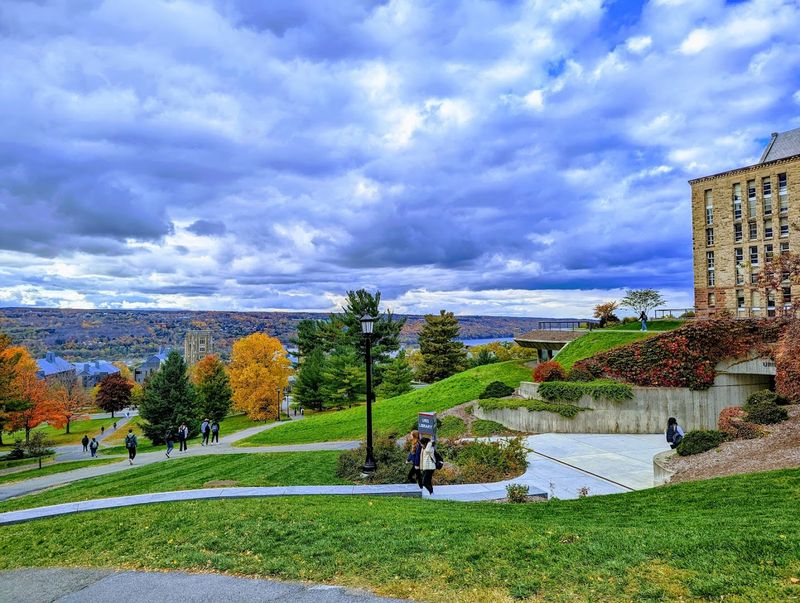
Walking through one of Ithaca’s gorges felt like stepping into a living painting. Buttermilk Falls poured down layers of rock while trees blazed orange and red on both sides, creating this natural theater effect that made me completely forget about my schedule.
The sound of rushing water mixed with leaves crunching underfoot.
Cornell’s campus sits high above the town, and the college energy spills into downtown cafés and bookstores that stayed open late into the evening. Food trucks lined up near the Commons, and every restaurant seemed to be serving something made from local ingredients.
The whole place hummed with this creative, outdoorsy vibe.
Taughannock Falls State Park sits just north of town, where a 215-foot waterfall drops into a gorge deeper than Niagara. I barely scratched the surface of the trail system here.
Between the Finger Lakes wine routes starting nearby and endless hiking options, Ithaca earned itself a spot on my return list without even trying.
Skaneateles
The water here is so clear you can see straight to the bottom, even from the public dock in the center of town. Skaneateles Lake reflected every shade of autumn color from the surrounding hills, doubling the impact of the season.
It felt almost too perfect, like someone had staged the whole scene for a postcard.
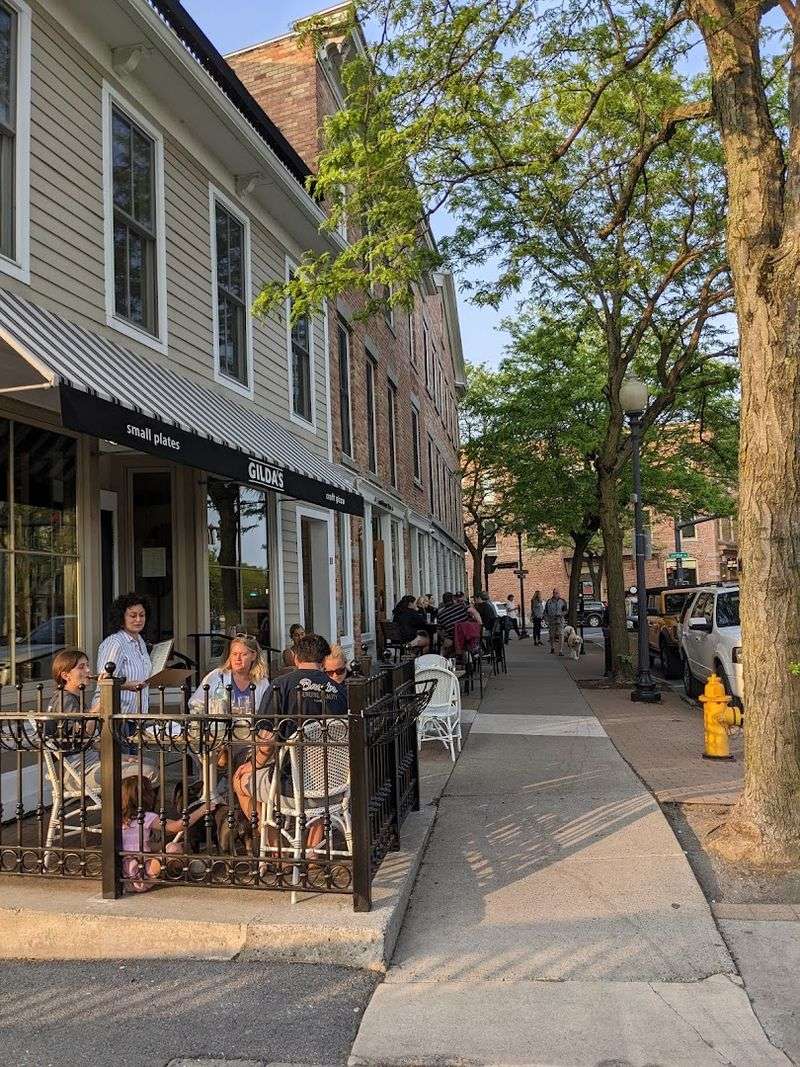
I walked down Genesee Street past boutiques, galleries, and historic inns that looked like they belonged in a different century. Everything moved at half speed compared to city life.
People sat on benches eating ice cream despite the cool October air, and sailboats drifted across the lake without any apparent destination.
The village barely stretches a few blocks, but each building felt carefully preserved and thoughtfully maintained. Local restaurants served fresh fish and farm produce, and the waterfront park offered sunset views that made me linger way past my planned departure time.
Next time I visit, I’m booking one of those historic lakeside inns and staying at least two nights to properly explore the shoreline trails.
Cooperstown
Baseball history saturates this town, but the natural setting steals the show in fall. Lake Otsego stretches out beyond Main Street like a mirror reflecting gold and crimson hillsides that roll into the distance.
Even people who couldn’t care less about sports find themselves drawn to the peaceful waterfront and historic architecture.
The Hall of Fame brings crowds during summer, but October felt quieter and more intimate. I wandered through the museum at my own pace, then walked down to the lake where a few boats bobbed near the shore.
The air smelled like woodsmoke and fallen leaves.
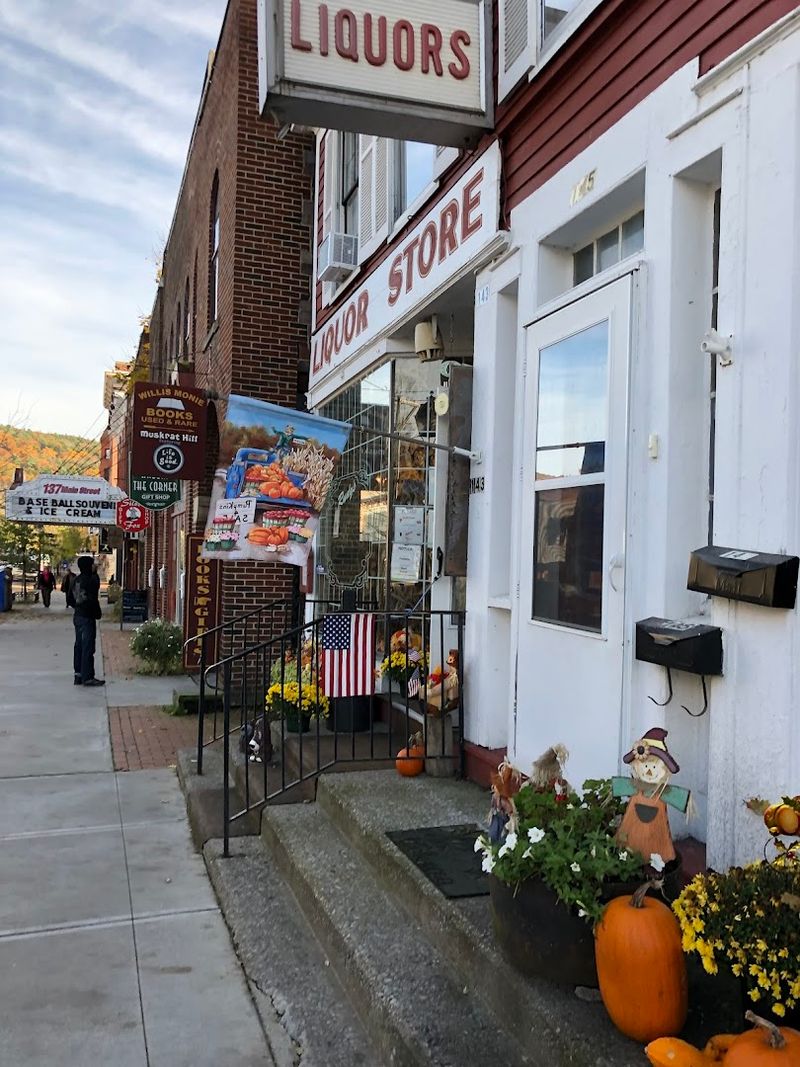
Small shops and cafés line the streets with that timeless small-town charm that feels increasingly rare. Everything closes early here, which forces you to slow down and pay attention to your surroundings.
I drove around the lake before leaving and spent an hour just watching light change across the water. The whole area deserves at least a full weekend, maybe during peak foliage season when those surrounding hills truly ignite with color.
Lake Placid
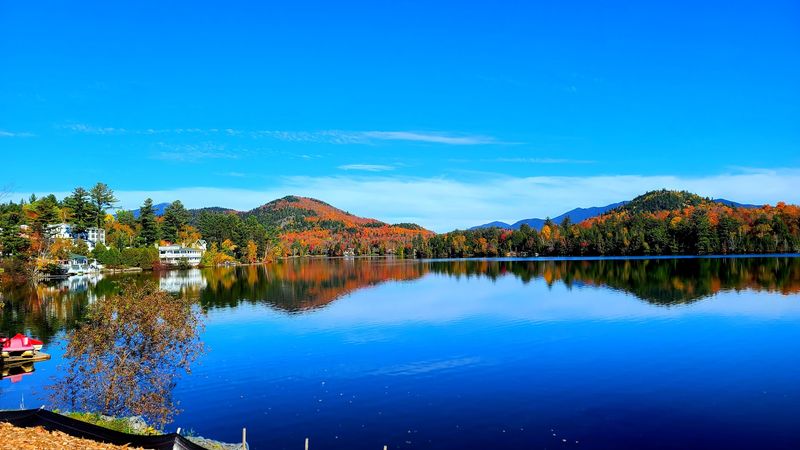
Mirror Lake lives up to its name, especially on a calm October morning when the High Peaks reflect perfectly across its surface. The whole town sits cradled between mountains that feel impossibly close and dramatic.
Olympic history runs through the architecture, but nature dominates the experience here in a way that makes you forget about human achievements.
I drove the Whiteface Mountain Veterans Memorial Highway and watched forests transition from gold to orange to crimson as the road climbed higher. Every switchback revealed another jaw-dropping view.
The summit offered 360-degree panoramas of the Adirondacks stretching endlessly in all directions, peak after peak fading into blue distance.
Downtown buzzes with outdoor gear shops, restaurants, and a surprising number of chocolate shops. The Olympic facilities still operate, and you can tour the ski jumps and skating rinks that once hosted world-class athletes.
But honestly, the main attraction here is stepping outside and breathing that crisp mountain air while surrounded by some of the most stunning autumn scenery in the Northeast. I barely explored the endless trail network before I had to leave.
Saranac Lake
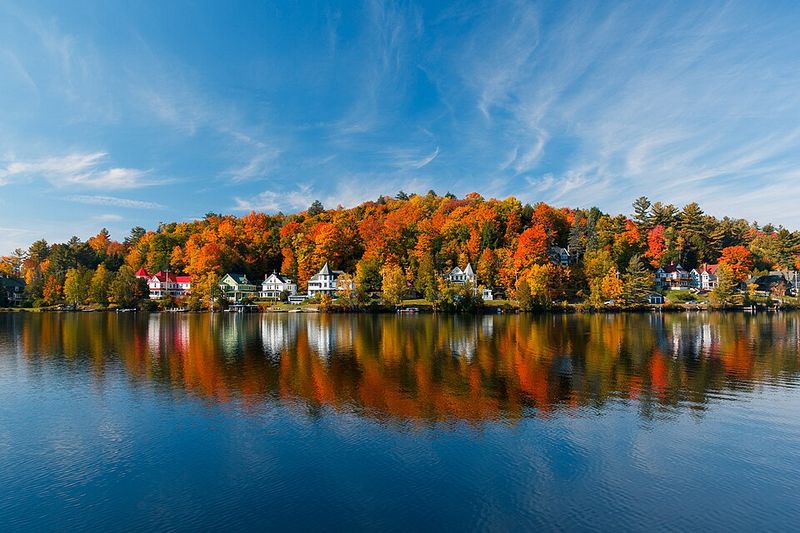
Where Lake Placid feels polished and tourist-ready, Saranac Lake keeps things refreshingly real. The downtown stretches along a bend in the river with locally-owned shops, dive bars, and restaurants that serve hearty portions without pretense.
Fall colors spread across the surrounding lakes and forests in every direction, but without the crowds that pack into nearby resort towns.
Three connected lakes wrap around the village, creating endless opportunities for kayaking and quiet waterfront exploration. I drove some of the winding backroads that circle these waterways and barely saw another car for miles.
The autumn reflections on calm water created those perfect mirror images that make you pull over and stare.
Historic cure cottages dot the hillsides, remnants of when tuberculosis patients came here for fresh mountain air treatment in the early 1900s. Many have been converted into homes and bed-and-breakfasts that add character to the residential streets.
The whole place feels lived-in and authentic rather than designed for tourists. I wish I had carved out time to paddle one of those quiet lakes and explore the island campsites that locals seem to treasure.
Ellicottville
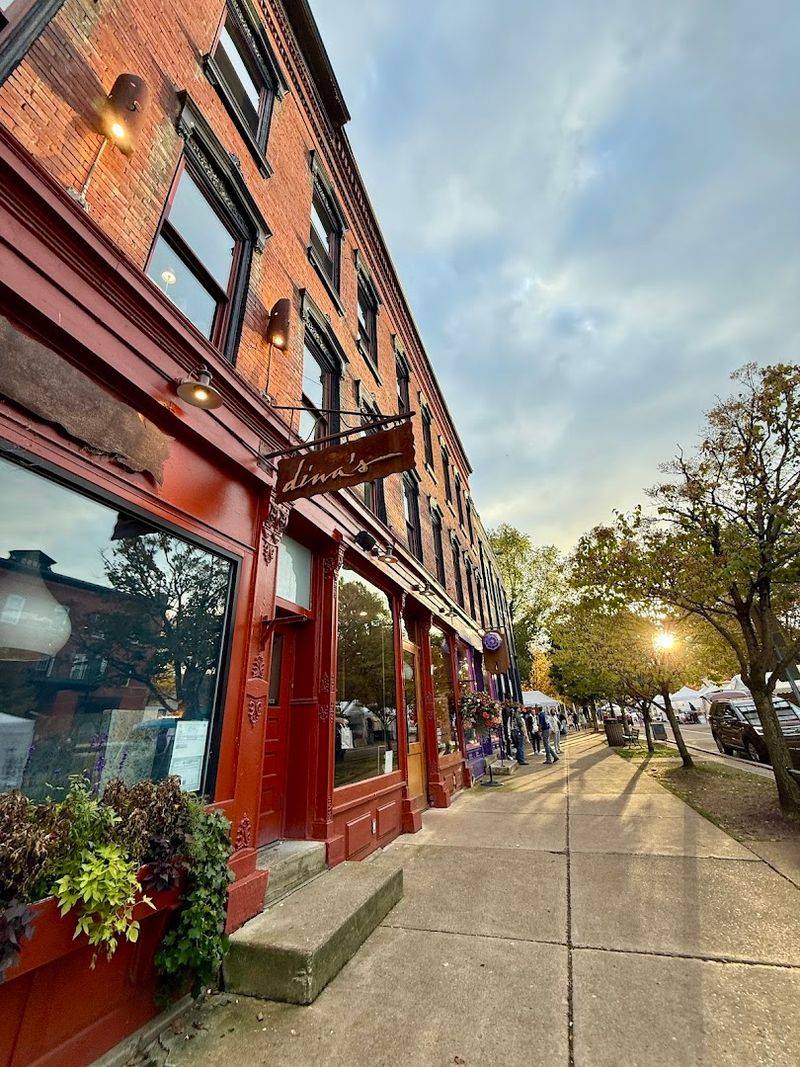
This tiny village tucked into the Allegheny foothills transforms into a foliage destination every October. The ski slopes that dominate winter sit quiet and green in fall, while the surrounding hills explode with color that rivals anywhere in New England.
Washington Street runs through the center of town lined with cafés, breweries, and shops that spill out onto sidewalks.
I grabbed lunch at a local brewery that served creative comfort food and local craft beers. The patio overlooked hills that rolled away in waves of orange and gold.
People were friendly in that Western New York way, striking up conversations easily and offering recommendations for scenic drives without being asked.
The whole village covers maybe six blocks, but it packs in an impressive number of restaurants and specialty shops for such a small footprint. Fall festivals and seasonal events draw weekend crowds from Buffalo and beyond.
Nearby state parks offer hiking trails through those same colorful hills I kept staring at. I drove through on my way elsewhere and immediately regretted not planning to stay overnight.
Next time I’ll book a room at one of the Victorian inns and properly explore the surrounding countryside.
Buffalo
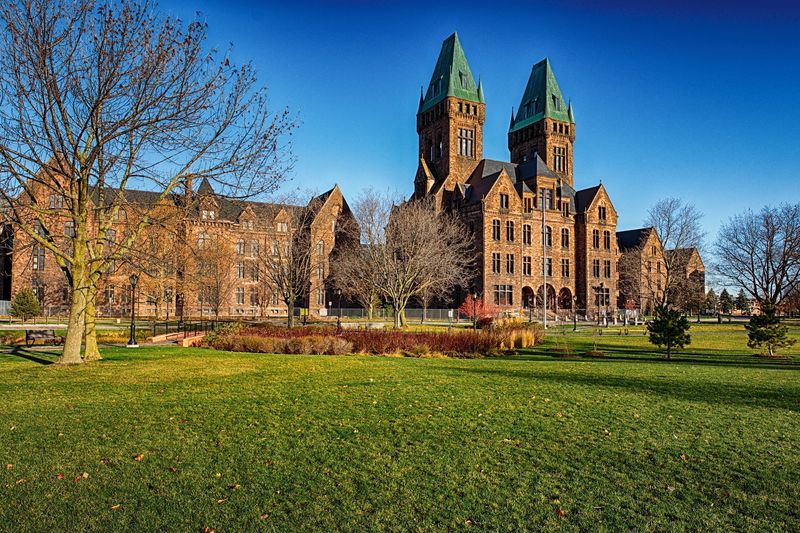
Most people skip Buffalo on fall foliage trips, which means they miss some surprisingly beautiful urban autumn scenery. Frederick Law Olmsted designed a whole system of tree-lined parkways here, and in October they create these golden tunnels of color that rival any rural country road.
Delaware Park and the Olmsted Park system offer miles of paths through mature forests right in the middle of the city.
The waterfront along Lake Erie has been completely transformed in recent years. I walked along Canalside and the Outer Harbor, watching sailboats navigate through fall colors reflected in the water.
Architecture buffs go crazy here for Frank Lloyd Wright buildings and historic mansions lining residential streets.
The food scene caught me completely off guard in the best way possible. Buffalo wings originated here obviously, but the city offers incredible Polish food, Italian delis, and innovative farm-to-table restaurants that take advantage of Western New York agriculture.
Neighborhoods like Allentown and Elmwood Village feel walkable and vibrant. I spent maybe four hours here when I should have blocked out a full weekend to properly explore the parks, architecture, and surprisingly dynamic food culture.
Rochester
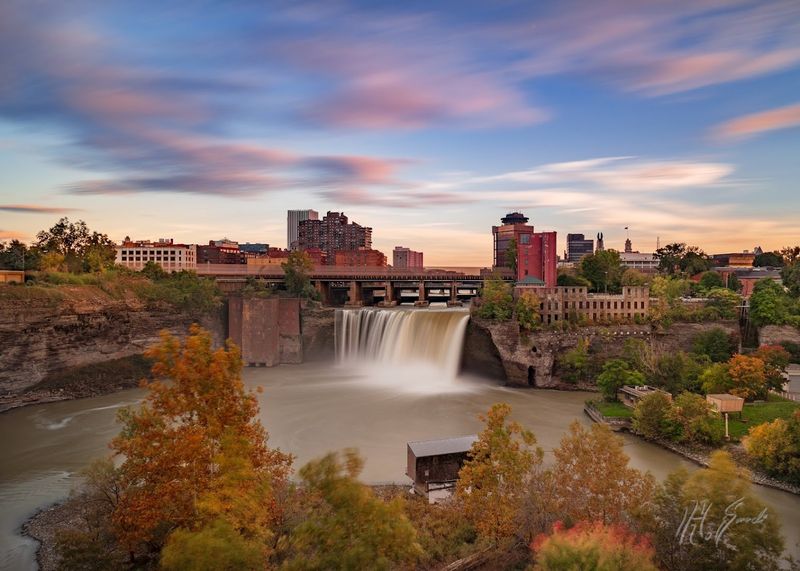
A 96-foot waterfall crashes through downtown Rochester, which feels like something that shouldn’t exist in the middle of a city. High Falls sits in a deep gorge surrounded by autumn colors and historic mill buildings that now house restaurants and breweries.
The walking paths along the rim offer multiple viewpoints where you can watch the Genesee River plunge into mist and spray.
Rochester sits perfectly positioned between the Finger Lakes and Lake Ontario, making it an ideal base for exploring both regions. I could reach Letchworth State Park in less than an hour, where waterfalls cascade through a gorge so dramatic they call it the Grand Canyon of the East.
Wine country stretches south and west from the city limits.
The Park Avenue neighborhood surprised me with independent shops, vintage stores, and cafés that stayed busy into the evening. Strong Towns Museum and Art Gallery held impressive collections.
The whole city felt more compact and manageable than I expected. Fall color spreads through residential streets lined with mature trees and public parks.
I drove through heading elsewhere and kicked myself for not planning at least one overnight stay to properly explore the gorges and nearby Finger Lakes wine trails.
Watkins Glen
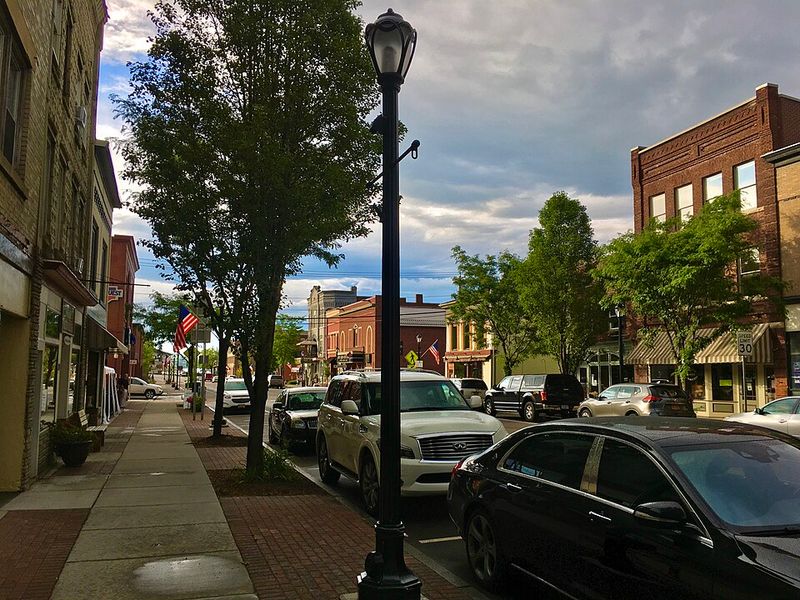
Nineteen waterfalls pour through a narrow stone gorge in less than two miles of trail. The gorge walls rise so high and close together that walking through Watkins Glen State Park feels like entering a natural cathedral carved by water over thousands of years.
In autumn, trees lean over the rim and drop leaves that swirl in the mist from constant cascades.
The trail follows stone stairs and bridges built right into the gorge, passing behind waterfalls and through spray that soaks everything. Rainbow Pool, Cavern Cascade, and Cathedral Falls each offer different perspectives on how water shapes rock.
October crowds thin out compared to summer, giving you room to stop and stare without feeling rushed.
The village itself sits small and quiet at the southern tip of Seneca Lake. Wine tasting rooms line nearby routes where you can sample Rieslings and other varietals that thrive in this microclimate.
I hiked the main gorge trail in about ninety minutes, but multiple rim trails and connecting paths could easily fill a full day. The visual intensity of autumn colors combined with constant water makes this one of those places that photographs can’t fully capture.
You need to stand in the gorge and feel the mist to understand the impact.
Syracuse
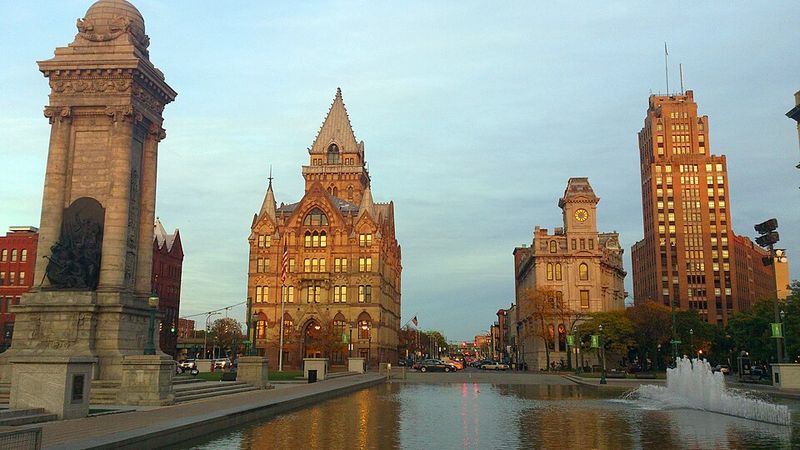
Syracuse works better as a launching pad than a destination, but that positioning makes it incredibly useful for exploring Upstate New York in fall. The city sits at the geographic center of the state with Finger Lakes wine country spreading south and west, the Adirondacks stretching north, and historic Erie Canal towns dotting routes in every direction.
You can reach most major autumn attractions within an hour’s drive.
The city itself offers some surprising discoveries. The Armory Square district downtown packs restaurants and breweries into renovated historic buildings.
Clinton Square and the Everson Museum provide cultural stops worth a few hours. But honestly, Syracuse shines brightest as a convenient base camp where you can sleep affordably and wake up ready to explore surrounding regions.
I drove through heading toward the Finger Lakes and barely paused, which I now realize was a mistake. The Erie Canal Museum tells fascinating stories about how this waterway transformed American commerce.
Parks like Green Lakes State Park offer stunning autumn hiking just minutes from the urban core. Next time I’ll book a downtown hotel and use Syracuse as my home base for multiple day trips into wine country, lake drives, and canal town exploration throughout peak foliage season.