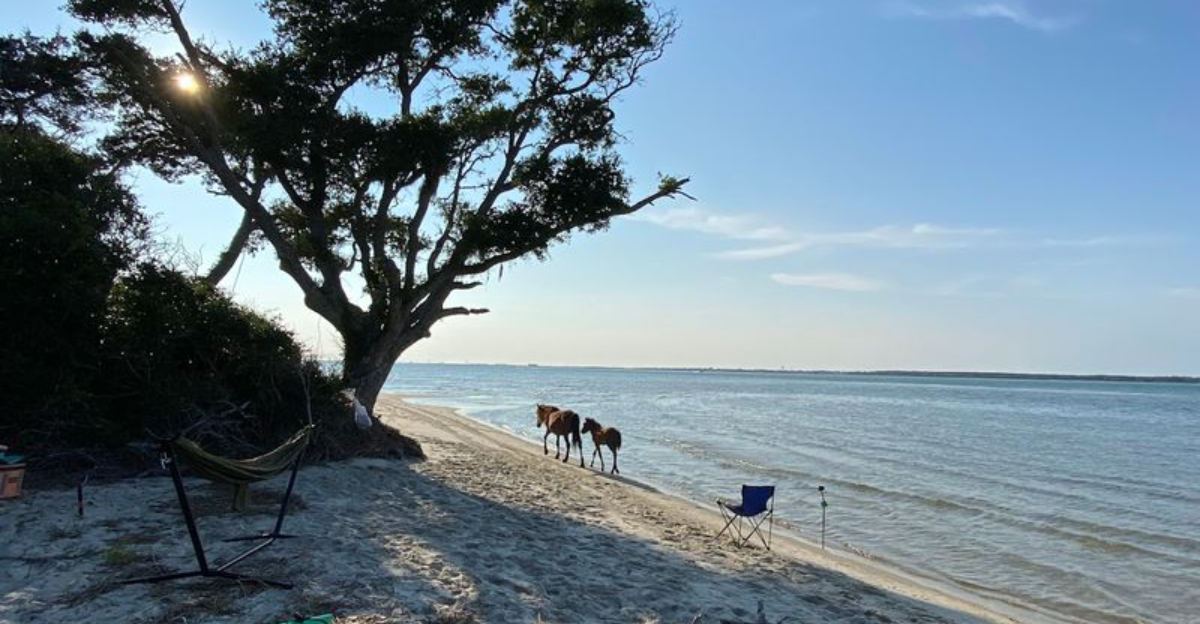
Some places along the North Carolina coast feel untouched by time, and Shackleford Banks is one of them. Just offshore, beyond the busy beaches and waterfront towns, stretches a barrier island where salt breezes sweep across wide dunes and waves roll onto miles of undeveloped shoreline.
Late spring and early summer are especially beautiful here. Sea oats sway in the wind, shorebirds move along the water’s edge, and the Atlantic sparkles under long, bright afternoons.
Then, if you’re lucky, you’ll spot them—the wild horses that have called this island home for generations, wandering the sand with a quiet confidence that feels almost impossible in the modern world.
There are no boardwalks, resorts, or crowded attractions competing for attention. Instead, Shackleford Banks invites visitors to slow down, watch the landscape unfold, and appreciate a piece of the coast that remains remarkably wild.
It’s the kind of place that stays with you long after the ferry ride back to shore.
The Legendary Wild Horses
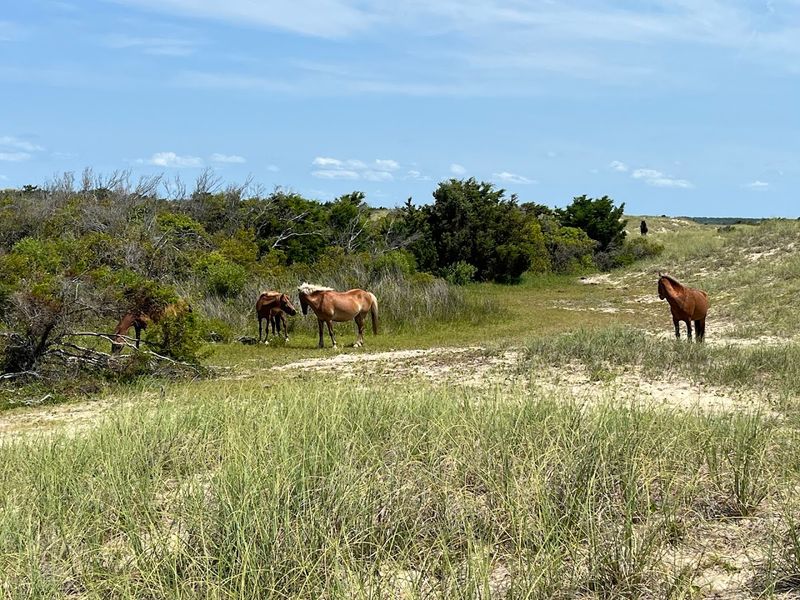
Imagine stepping onto an island where horses run completely free, living as their ancestors did centuries ago. These magnificent creatures graze on sea oats and salt marsh grasses, their coats weathered by ocean winds.
Visitors often spot them wandering through tall grasses or standing majestically along the shoreline, creating picture-perfect moments you’ll never forget.
The herd consists of about 100 horses descended from Spanish mustangs that either swam ashore from shipwrecks or were left by early settlers. They’ve adapted remarkably to island life, surviving hurricanes and harsh conditions for over 400 years.
Watching them roam freely across the dunes offers a glimpse into what coastal North Carolina looked like long before modern development arrived.
While horse hunting is a favorite activity, maintaining a respectful distance of at least 50 feet is crucial for both your safety and theirs. These animals are wild, not domesticated, so never attempt to feed or touch them.
Bring binoculars or a good camera with zoom capabilities to capture their beauty.
Many visitors walk several miles inland searching for horses, and patience usually rewards them with multiple sightings. The eastern end near the ferry drop-off tends to have frequent horse activity, making it an excellent starting point for your adventure.
Pristine Barrier Island Beaches
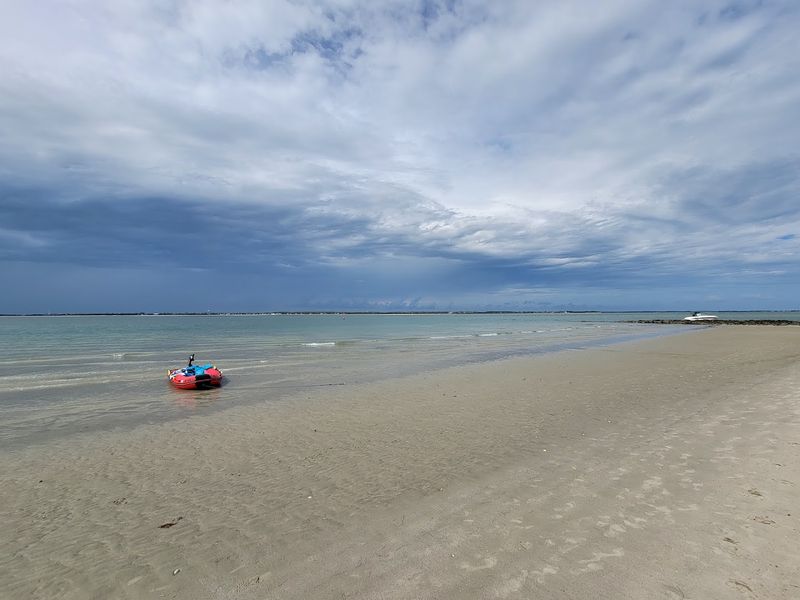
Stretching nine miles along the Crystal Coast, this barrier island offers some of the most unspoiled coastline you’ll find anywhere. The beaches here remain untouched by development, with no buildings, boardwalks, or paved paths interrupting the natural landscape.
Soft white sand meets impossibly clear water that sparkles in shades of turquoise and emerald green.
The island’s unique geography creates two distinct beach experiences. On the sound side facing inland, calm shallow waters extend far from shore, perfect for families with young children who can wade out 50 meters while still standing knee-deep.
The Atlantic-facing side features rolling waves and stronger breezes, ideal for those seeking more dramatic coastal scenery and better shell deposits.
Because there are no lifeguards on duty, swimmers should exercise caution and stay aware of changing conditions. The remote nature means you’ll often have long stretches of beach entirely to yourself, a rare luxury in today’s crowded coastal destinations.
Pack everything you need since there are absolutely no facilities or vendors anywhere on the island.
Photographers particularly love the golden hour here when sunlight bathes the untouched shoreline in warm hues. The absence of artificial light pollution also makes stargazing spectacular during overnight camping trips.
Shell Collector’s Paradise
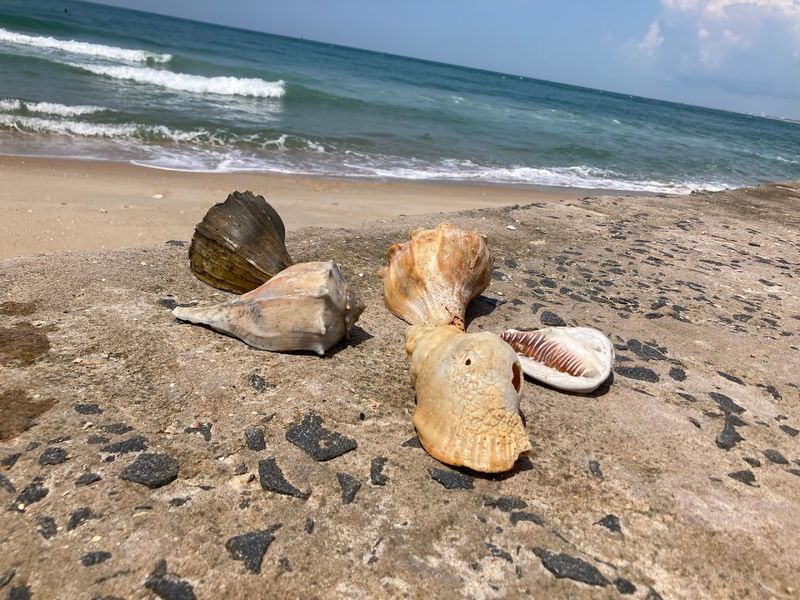
Walking along these beaches feels like exploring nature’s treasure chest, with shells of every size and shape waiting to be discovered. From tiny twirly spirals to massive conch shells as big as your head, the variety here exceeds what you’ll find at most commercial beaches.
The Atlantic side particularly delivers impressive finds after storms push new deposits onto the sand.
Early morning arrivals typically score the best specimens before other visitors arrive. Low tide reveals even more treasures as the receding water exposes fresh shell beds along the shoreline.
Many collectors report finding dozens of perfect specimens in just a few hours, including olive shells, whelks, sand dollars, and colorful scallops.
Serious shellers recommend bringing a mesh bag or bucket to collect your finds, along with water shoes to protect your feet while wading. The combination of pristine conditions and strong wave action creates ideal circumstances for shell accumulation.
Unlike picked-over tourist beaches, Shackleford’s remote location ensures consistent replenishment of beautiful specimens.
Some visitors even discover rare sea glass smoothed by decades of tumbling in the surf. Remember to check regulations about what you can legally collect and leave live shells containing creatures for the ecosystem’s health and balance.
Ferry Access and Island Transportation
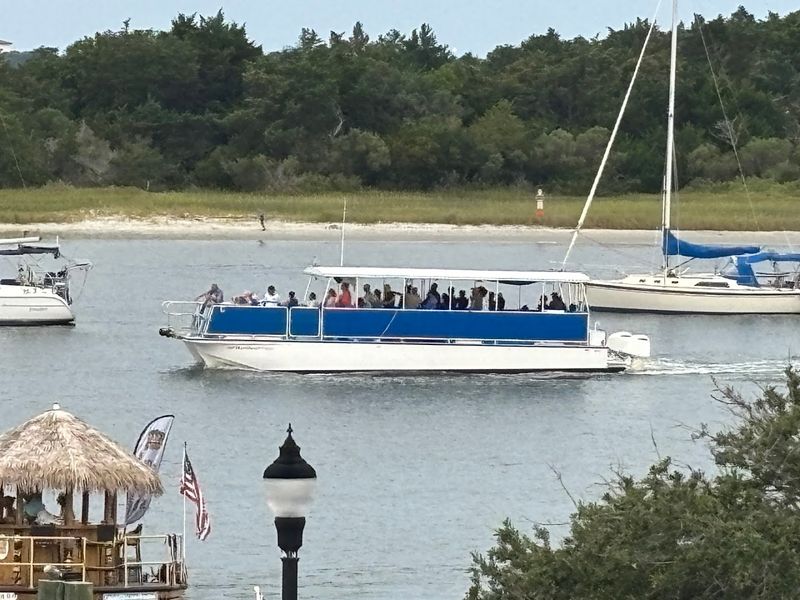
Getting to this remote paradise requires a short ferry ride from Harkers Island, typically costing around thirty dollars for a round-trip ticket. Island Express Ferry operates regular hourly pickups, giving you flexibility to stay as long as you want without feeling rushed.
The journey itself offers beautiful views of the sound and opportunities to spot dolphins playing in the boat’s wake.
Unlike many tourist destinations, there’s no dock or formal landing area here. The ferry pulls right up to the beach, and you’ll step off directly onto the sand, immediately immersing you in the island’s natural character.
This approach keeps the environment pristine and prevents the development that would diminish the island’s wild appeal.
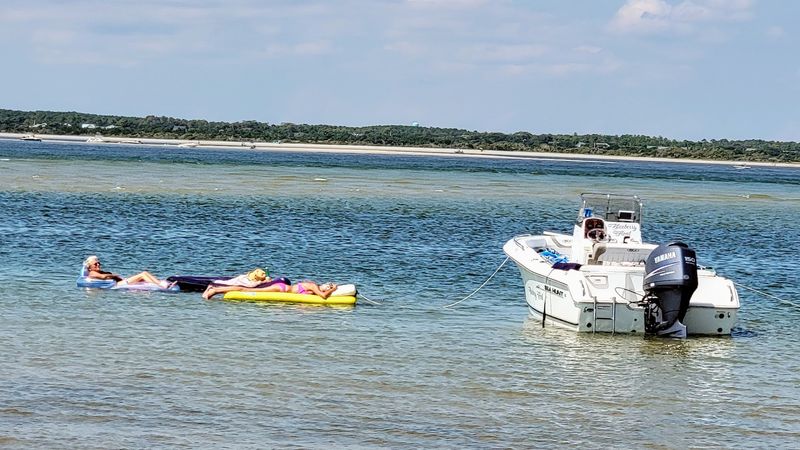
Some adventurous visitors arrive by private boat or kayak, anchoring offshore and wading in. However, ferry service remains the most practical and popular option for day-trippers and families.
The ferry operators provide helpful advice about which direction to walk for horse sightings or best swimming spots.
Plan your day carefully since missing the last ferry means an unexpected overnight stay without supplies or shelter. Check current schedules before visiting, as weather conditions can occasionally affect departure times and availability throughout the year.
Untouched Natural Environment
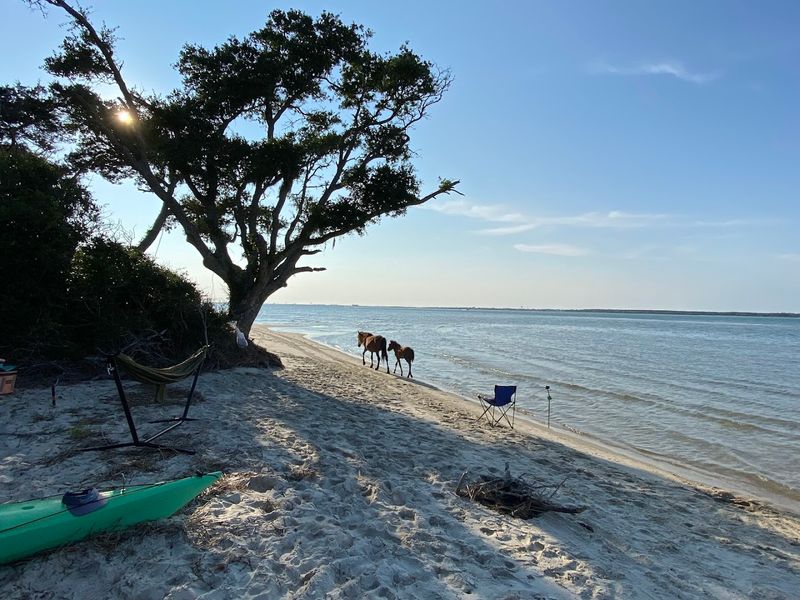
Stepping onto this nine-mile stretch feels like traveling back in time to when all coastal areas existed in their natural state. No buildings, roads, or utility lines mar the landscape, allowing nature to function exactly as it has for thousands of years.
Maritime forests, rolling dunes, salt marshes, and beach habitats all thrive here without human interference or development pressures.
The National Park Service protects this entire barrier island as part of Cape Lookout National Seashore, ensuring it will remain wild for future generations. This protection status means strict regulations about what visitors can and cannot do, but the result is an ecosystem functioning at its healthiest.
Sea oats wave in the breeze, anchoring dunes that shift and change with each storm season.
Birdwatchers find exceptional opportunities here since the undisturbed habitat attracts numerous shorebird species. Ghost crabs scuttle across the sand at dusk while loggerhead sea turtles nest along quiet stretches during summer months.
The complete absence of artificial lighting allows natural rhythms to continue uninterrupted.
This wilderness experience comes with responsibilities though. Visitors must pack out everything they bring in, leaving absolutely no trace of their presence behind for the next adventurers to enjoy.
Cape Lookout Lighthouse Views
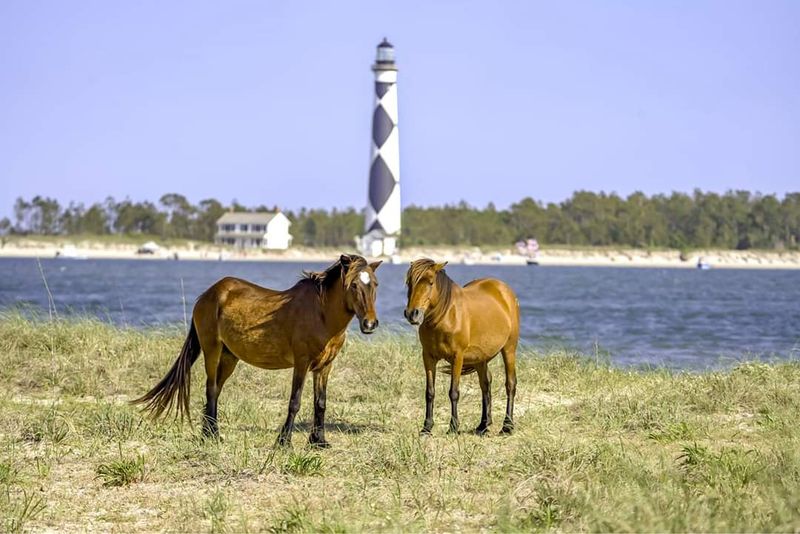
From various points along the shore, you’ll spot the iconic black-and-white diamond-patterned beacon standing tall across the water. Cape Lookout Lighthouse has guided mariners since 1859, and its distinctive pattern makes it instantly recognizable from miles away.
The views create perfect photo opportunities, especially during golden hour when warm light enhances the dramatic coastal scenery.
Many visitors combine their trip here with a separate excursion to Cape Lookout itself, making a full day of exploring both barrier islands. The lighthouse stands 163 feet tall, and climbing to the top offers panoramic views of the entire area.
However, simply viewing it from Shackleford’s beaches provides plenty of satisfaction without the extra ferry ride.
The juxtaposition of wild horses in the foreground with the lighthouse in the background creates quintessential North Carolina coastal images. Professional photographers and casual smartphone users alike capture stunning compositions here.
Early morning mist rising off the water adds ethereal quality to these scenes.
At night during camping trips, the rotating beacon sweeps across the darkness, reminding you of centuries of maritime history surrounding these islands. The lighthouse’s presence connects modern visitors to the brave keepers who once maintained this vital navigational aid through countless storms and hardships.
Wildlife Encounters and Marine Life
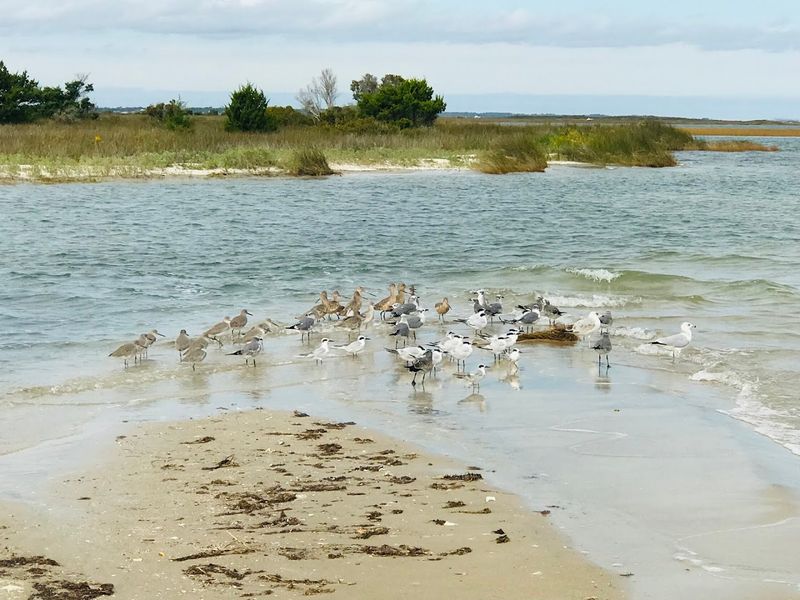
Beyond the famous horses, this island teems with wildlife that delights nature enthusiasts and casual observers alike. Dolphins frequently swim close to shore, sometimes approaching within yards of beachgoers and creating magical moments that leave lasting memories.
Their playful antics and graceful movements remind visitors why protecting these natural habitats matters so much.
Overhead, various seabird species wheel and dive, including pelicans, terns, and gulls hunting for fish in the clear waters. Patient observers might spot ospreys clutching fish in their talons or herons stalking through shallow pools.
Ghost crabs emerge from their burrows at dusk, scuttling sideways across the sand in entertaining displays.
During summer months, lucky visitors might witness loggerhead sea turtles crawling ashore to nest, though these encounters happen primarily at night. The pristine waters also support abundant fish populations, making the area popular with anglers casting from the surf.
Stingrays sometimes glide through the shallows, their distinctive shapes visible in the transparent water.
Remember that all wildlife here deserves respectful observation from safe distances. Never chase or harass animals for photos, as this stresses them and can result in dangerous situations or fines from park rangers patrolling the area regularly.
Camping and Overnight Adventures
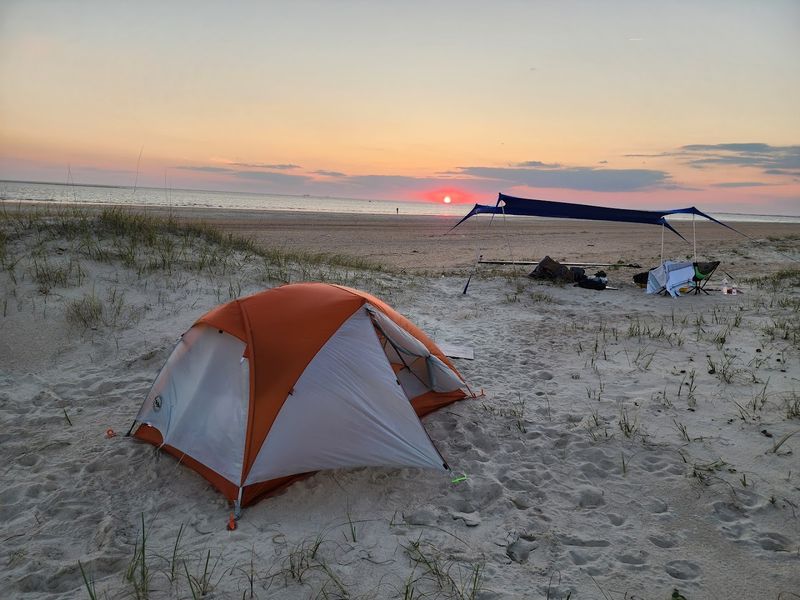
For those seeking the ultimate wilderness experience, overnight camping transforms a day trip into an unforgettable adventure. Imagine falling asleep to gentle waves and waking to horses wandering past your tent at sunrise.
Permits from the National Park Service allow primitive camping along the beach, though absolutely no facilities exist, making this truly backcountry camping.
Campers must pack in everything needed for their stay, including plenty of water since none is available on the island. Tents should be staked securely as ocean breezes can be strong, especially overnight when weather conditions change.
Bringing shade structures proves essential since trees large enough for shelter are scarce on this exposed barrier island.
The solitude after day-trippers depart on the last ferry creates a peaceful atmosphere rare in today’s busy world. Stargazing here ranks among the best on the East Coast due to minimal light pollution.
Campfires are allowed below the high-tide line using only driftwood, creating cozy evening gatherings.
Pack extra supplies since weather can delay ferry pickups unexpectedly. Previous campers emphasize bringing mosquito protection as bugs can be intense, particularly in vegetated areas away from ocean breezes.
Despite the challenges, many describe camping here as a bucket-list experience worth every bit of preparation required.
Interior Trails and Dune Exploration
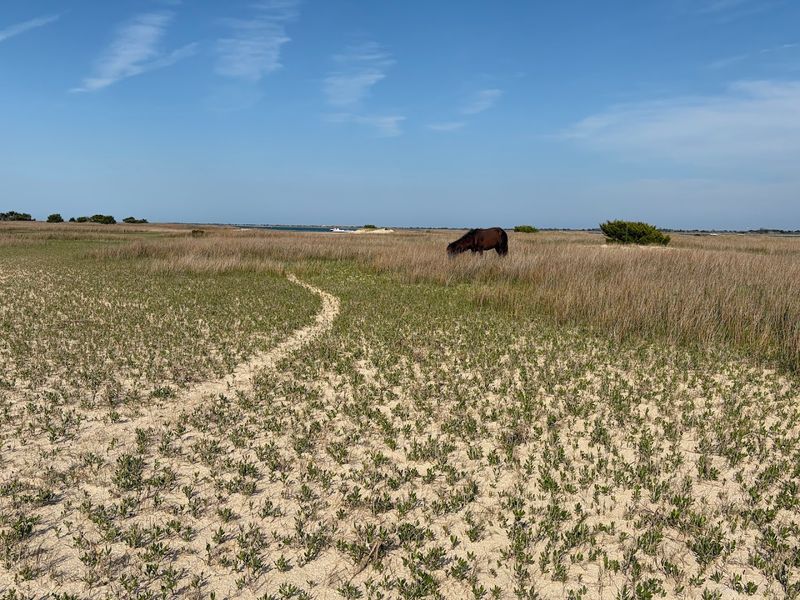
Venturing inland from the beach reveals a completely different landscape of rolling dunes, maritime forests, and grassy meadows where horses frequently graze. These interior areas require more effort to navigate but reward adventurous hikers with the best wildlife viewing opportunities.
Trails aren’t formally marked, so visitors create their own paths through the vegetation following horse tracks.
Walking through these areas demands proper preparation since the terrain can be surprisingly challenging. Dunes that look small from a distance often prove steep and exhausting to climb in the loose sand.
Long pants and sturdy shoes protect against prickly pear cacti scattered throughout the grasslands—their spines cause painful injuries if you step on them wearing flip-flops.
The interior stays significantly hotter than the breezy beach since vegetation blocks cooling ocean winds. Bring plenty of water and take breaks in whatever shade you can find.
Horse manure covers the trails extensively, so wear shoes you don’t mind getting dirty and watch your step constantly.
Despite these challenges, the interior offers the most authentic wilderness experience on the island. Spotting horses in their natural habitat, munching sea oats in the dunes, creates more intimate encounters than beach sightings allow.
Essential Island Survival Tips
Success on this remote island depends entirely on proper preparation since absolutely nothing is available for purchase once you arrive. Water tops the essentials list—bring far more than you think necessary because dehydration happens quickly in the hot sun and salty air.
Many experienced visitors pack a gallon per person for day trips, plus extra in coolers.
Sunscreen and hats are non-negotiable since shade is virtually nonexistent on the beaches and sparse inland. Bug spray proves equally critical, particularly DEET-based formulas that effectively repel the notorious mosquitoes inhabiting vegetated areas.
Several reviews specifically mention visitors covered in bites who wished they’d brought protection.
Footwear choice significantly impacts your experience—water shoes or sturdy sneakers work best for exploring inland areas, while flip-flops suffice only for beach lounging. Prickly pear cacti and rough terrain make barefoot walking unwise beyond the surf zone.
Long socks provide extra protection when hiking through tall grass searching for horses.
Pack all food and snacks for the day in a cooler since no options exist for purchasing anything. The composting toilet near the ferry drop-off provides the only facilities, so plan accordingly.
Most importantly, respect the last ferry time religiously unless you’re prepared for an unplanned overnight stay.