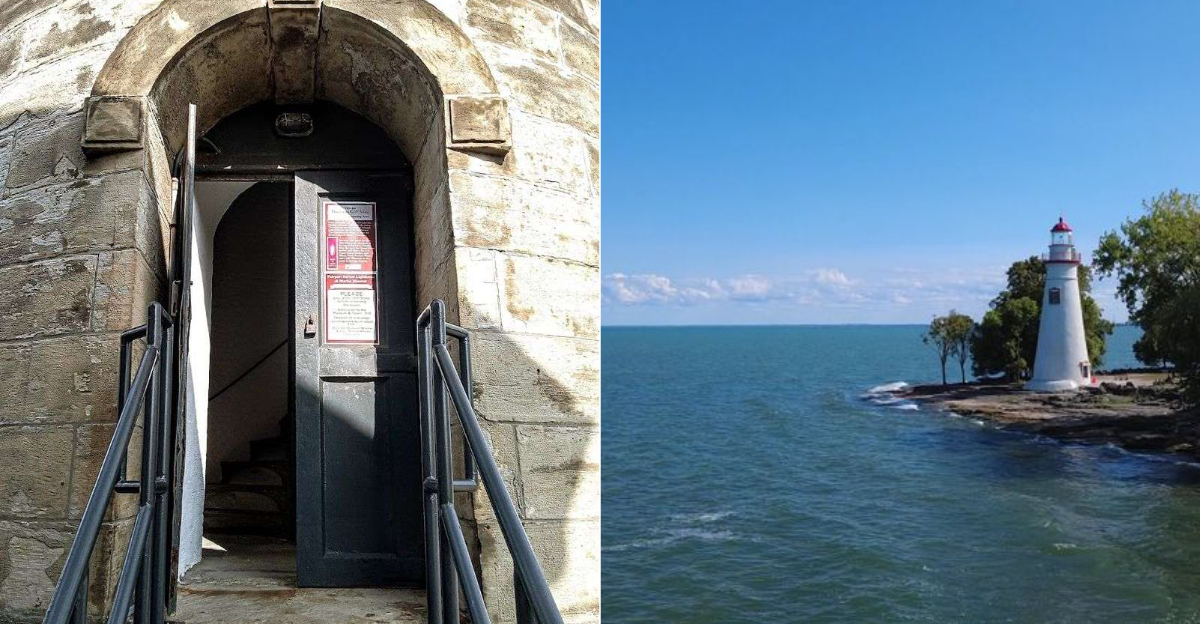
At Marblehead Lighthouse State Park, located at 110 Lighthouse Dr, Marblehead, OH 43440, visitors can find one of Ohio’s most recognizable waterfront landmarks overlooking Lake Erie.
The site stands out for its historic 1821 architecture, exposed limestone shoreline, and panoramic viewpoints that change dramatically with shifting weather conditions.
The complex serves as an active monument to Great Lakes maritime history while providing direct access to a distinctive Midwestern coastal landscape.
Beyond its photogenic setting, however, the site contains lesser-known historical details and unique natural features that many casual visitors often overlook.
A Historic Beacon On Lake Erie
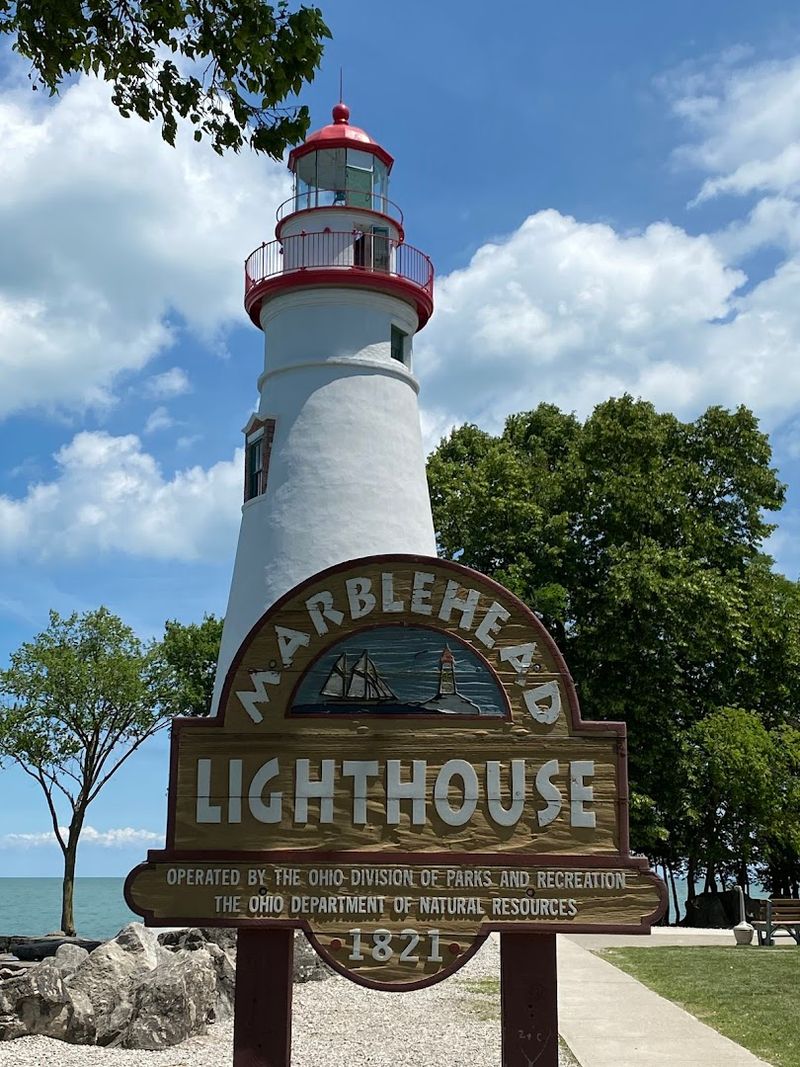
The lighthouse began operating in 1822, making it one of the oldest continuously working lighthouses on the Great Lakes.
Its location on the Marblehead Peninsula gave ships a reliable point of reference near reefs, islands, and busy lake routes.
The structure was built from local limestone, which connects it directly to the geology of the surrounding shore.
Over time, the light helped guide commercial traffic, passenger vessels, and local boats moving through western Lake Erie.
The tower changed with improvements in lighting technology, but its central purpose remained the same.
It served as a safety feature in a region where weather could shift quickly and shoreline hazards were common.
Today, the building is recognized for both function and age. It stands as a visible reminder of how navigation worked before modern electronics became standard on the water.
For many visitors, its continued operation gives the site unusual historical value because this is not just a preserved monument, but an active part of Great Lakes maritime infrastructure today.
Panoramic Views Across Open Water
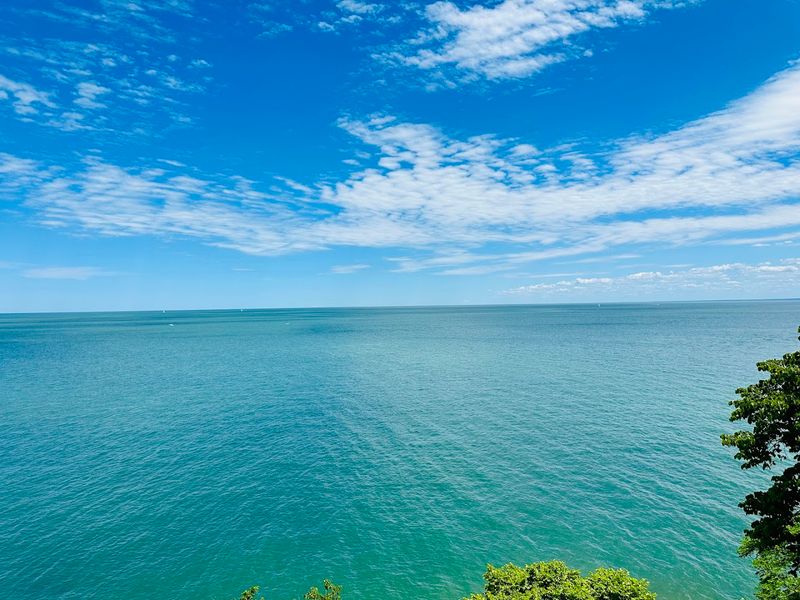
From the shoreline and lawn, the view stretches across open water with very little obstruction.
On clear days, distant landmarks appear across the lake, including the outline of Cedar Point and nearby island traffic.
The openness of the setting makes small changes in cloud cover, wind, and wave height easy to notice.
This is one of the reasons photographers return in different seasons.
Morning light can make the stone tower appear brighter, while afternoon sun sharpens the contrast between rock, grass, and water.
When storms move across the lake, the horizon becomes more dramatic without needing any special vantage point.
The visual appeal is also practical for casual visitors because the scenery is immediate.
There is no long hike required to reach the best overlooks, and several areas near the parking and paths provide strong sightlines.
That accessibility helps explain why the waterfront here is often described as one of the most memorable public views along Ohio’s Lake Erie coast for first-time and repeat visitors alike.
Walking The Rocky Limestone Shore
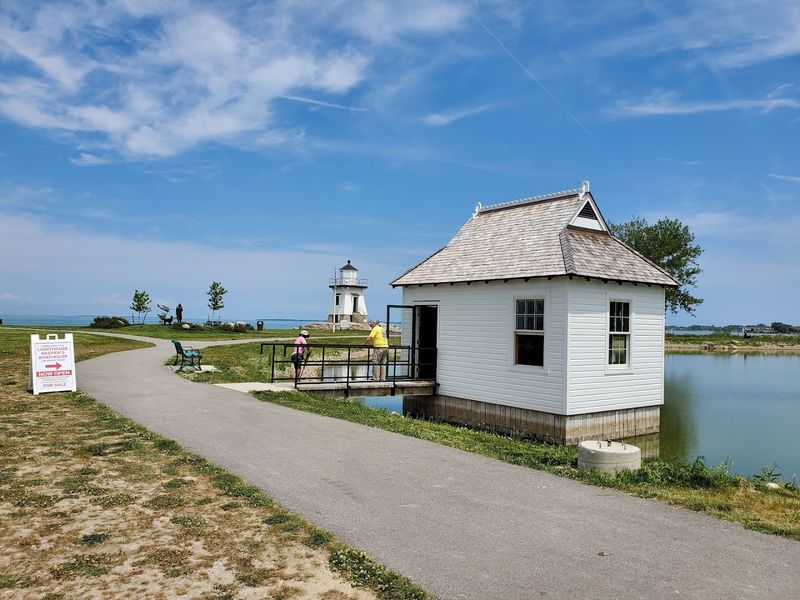
The shoreline here is defined by flat limestone shelves, fractured rock surfaces, and narrow edges where water meets stone.
Walking near the shore gives visitors a closer look at the peninsula’s geology and explains why navigation in this part of the lake demanded caution.
The ground can be uneven, so the experience feels more like shoreline exploration than a simple lakeside stroll.
At water level, the sounds of waves striking rock become more noticeable than they are from the lawn above.
Small pools can form between the stone surfaces, and changing lake levels alter how much of the shelf is exposed.
On windy days, spray and stronger wave action make the edge feel very different from calm summer mornings.
This section of coast is part of what sets the site apart from sandy beach destinations.
It offers direct contact with the physical character of Lake Erie rather than a resort atmosphere.
Visitors interested in natural features, photography, or simply hearing water move across rock often spend as much time along this edge as they do near the tower itself.
Why The Landmark Still Draws Crowds
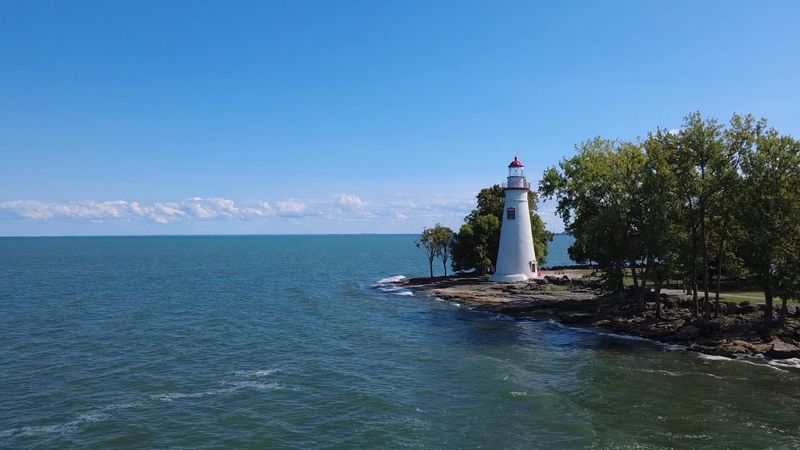
The site continues to attract visitors because it combines several interests in one stop.
It appeals to travelers looking for history, lake views, family-friendly outdoor space, and a recognizable Ohio landmark.
Few public places offer all of those elements within such a compact area.
Its reputation also matters.
Many people know the lighthouse from state imagery, travel guides, regional history, or previous trips to the peninsula.
That familiarity gives the location cultural weight, while the well-maintained grounds make it easy for first-time visitors to spend time there without much planning.
Public reviews often mention clean facilities, short walks from parking, and the ability to enjoy the setting even without a tower climb.
That broad accessibility helps explain the site’s staying power. Some visitors come for a quick stop and photographs, while others stay longer for interpretation, shoreline viewing, or a picnic.
The landmark remains relevant not because it has been turned into something modern.
Its original role, physical setting, and public access still feel meaningful to travelers across generations and seasons.
Inside Ohio’s Maritime Past
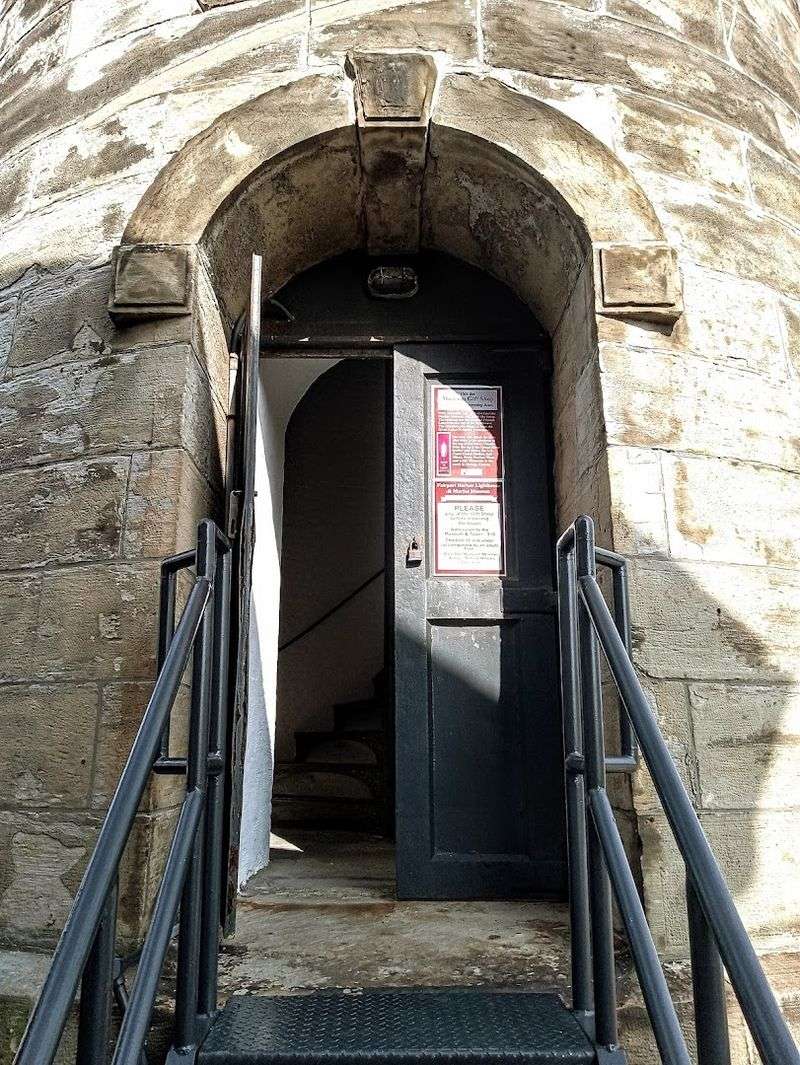
When tours are available, climbing the tower gives visitors a clearer sense of how lighthouse work once operated.
The narrow interior, controlled ascent, and elevated viewing area make the structure feel functional rather than decorative.
Historical interpretation adds context about keepers, lighting systems, and the challenges of navigation on the Great Lakes.
Nearby museum exhibits help explain the broader story.
They place the tower within regional shipping networks and show how commerce, settlement, and water travel shaped the peninsula.
This makes the visit more educational than simply viewing an isolated historic building from outside.
For families and casual travelers, that interpretive element can be the difference between a short photo stop and a deeper experience.
Learning how the light guided vessels through shallow areas and changing weather makes the surrounding water easier to understand.
The tower, museum, and surviving historic structures work together to show how maritime safety once depended on people, equipment, and local knowledge.
Long before radar and digital navigation, those elements helped guide vessels across Lake Erie and other major inland waters.
Front-Row Seats For Lake Erie Sunsets
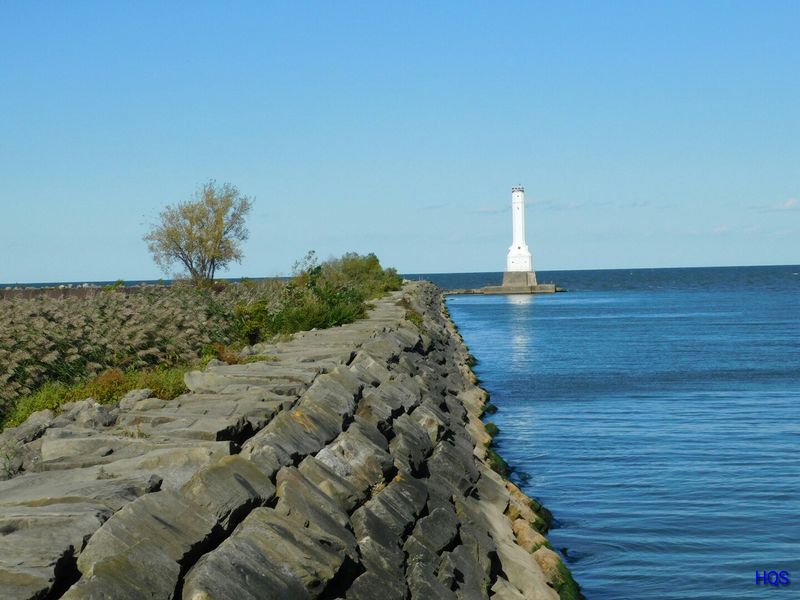
Evening is one of the most rewarding times to visit because the western lake horizon remains open and unobstructed.
As the sun lowers, the color of the water shifts from blue to gray, silver, or orange depending on cloud cover.
The lighthouse and shoreline stone pick up that changing light in ways that are easy to see from several parts of the grounds. Season matters here.
Summer sunsets can draw larger crowds and extend visiting time with long daylight hours, while autumn often brings cooler air and clearer visibility.
In colder months, the lower sun angle can make late afternoon views feel sharper and more subdued.
What stands out most is how direct the experience is.
Visitors do not need to reserve anything or walk far to watch the light change over the lake. Benches, grassy areas, and rock edges all provide good viewing points.
The setting remains simple and public, which is part of its appeal.
A sunset here feels tied to the geography of the peninsula, the open lake, and the long history of people gathering at this shore to watch conditions change.
Watching Ships And Ferries Cross The Water

The waters around the peninsula remain active, so the view is not limited to scenery alone.
Recreational boats, ferries, fishing craft, and larger commercial vessels can all appear depending on the day and season.
Watching that traffic helps connect the historic light with the modern movement of people and goods across Lake Erie.
This activity also gives visitors a better sense of regional geography.
Routes link mainland ports, nearby islands, and broader shipping corridors that extend across the Great Lakes system.
Even with GPS and advanced navigation equipment, visible shoreline markers still contribute to how mariners understand position and approach.
For casual observers, ship watching adds motion to the visit without requiring any special program. Different vessel sizes and travel patterns reveal how mixed lake use has always been in this area.
A passing ferry suggests tourism and island access, while a larger freighter points to commercial infrastructure beyond the immediate park setting.
The experience shows that the water in front of the lighthouse is not just scenic background, but part of a living transportation network that continues to shape the coast.
Green Space, Amenities, And Seasonal Change
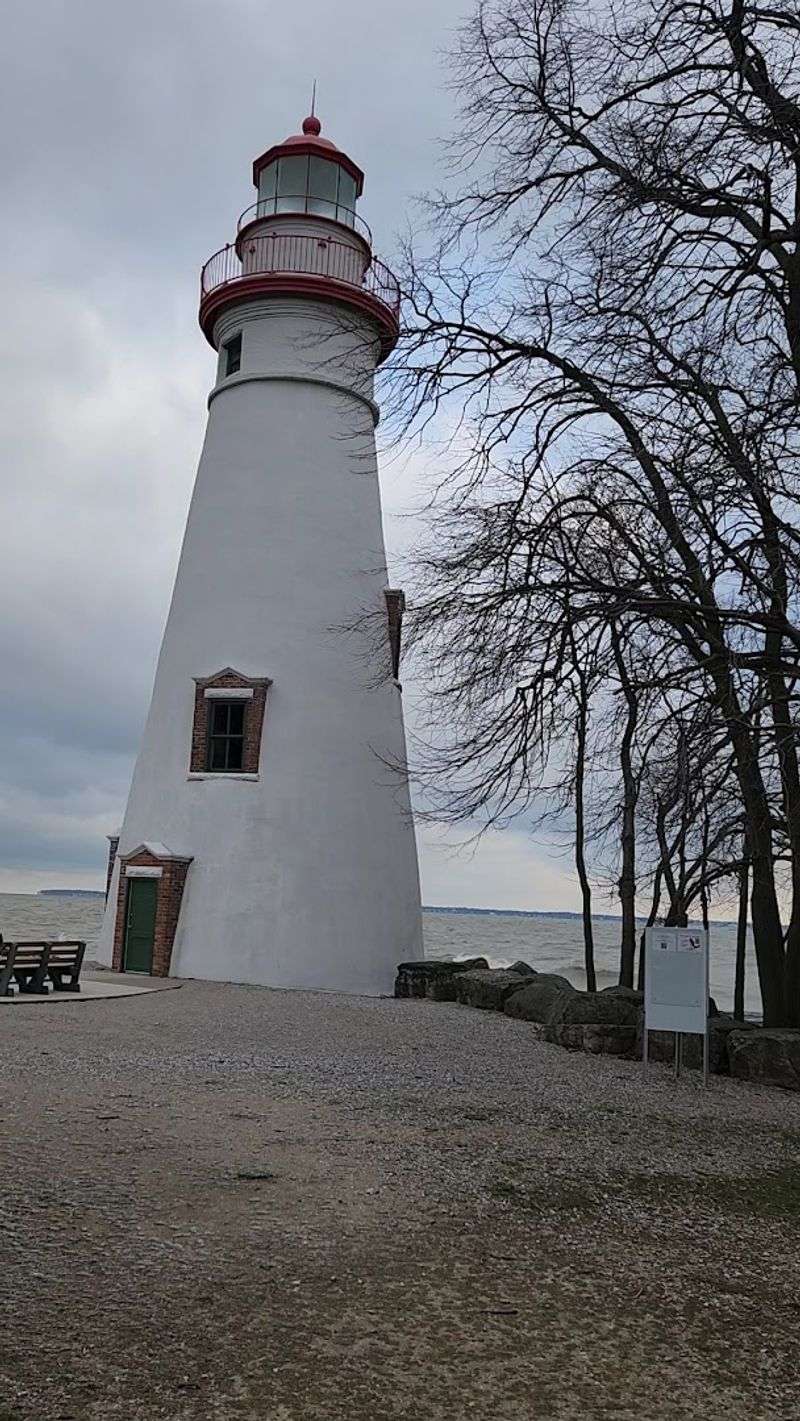
The surrounding park adds comfort and flexibility to the visit.
Maintained lawns, picnic tables, paved paths, restrooms, and nearby interpretive areas make the site easy to navigate for many types of travelers.
These features allow people to treat the stop as more than a quick roadside viewpoint.
The landscape also changes noticeably through the year.
Summer brings greener grounds, heavier visitation, and more boat activity, while fall introduces cooler air and different light across the lake.
Winter can make the shore appear harsher and more exposed, and spring often highlights wind, shifting clouds, and changing water conditions.
Because of those differences, repeat visits do not feel identical.
The same tower and shoreline can present a quieter off-season experience or a busy warm-weather afternoon with families and photographers spread across the grounds.
Seasonal variation affects color, visibility, crowd levels, and even how the rock edge sounds under wave action.
That range gives the park lasting value as a public space.
It supports picnics, short walks, historical learning, and lakeside views while remaining grounded in the natural and working character of Ohio’s northern shore.