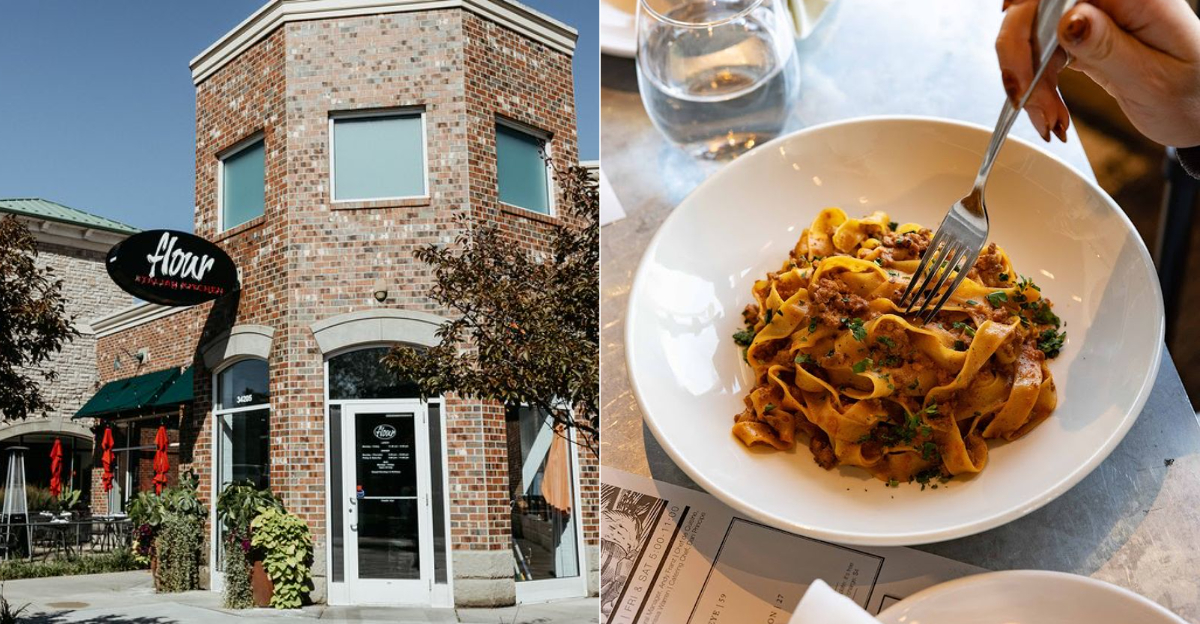
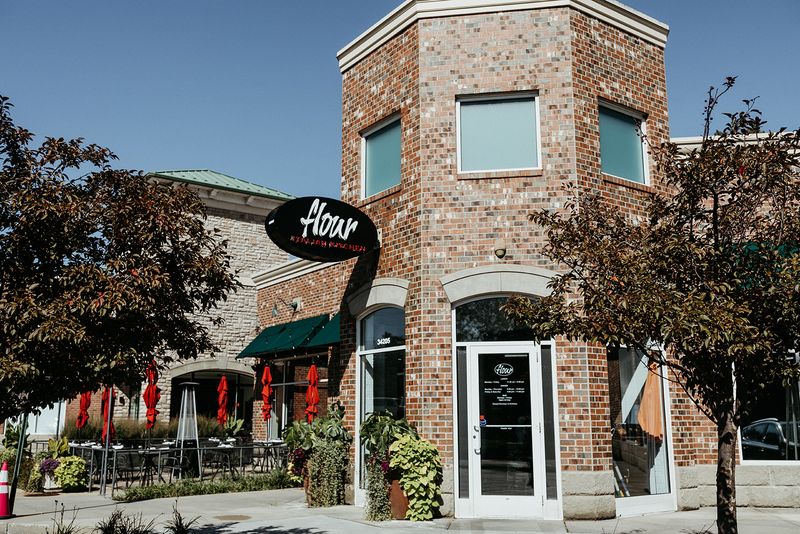
Flour Restaurant, located at 34205 Chagrin Blvd, Moreland Hills, OH 44022, has built a strong reputation as one of the area’s most impressive destinations for Italian cuisine, combining a refined atmosphere with food that feels carefully considered.
The restaurant stands out for its distinctive industrial-chic interior, steady energy, and a menu that reinterprets traditional culinary concepts through contemporary techniques.
The overall experience is shaped by the combination of architectural design, professional service, and thoughtfully paced dining that directly influences how each dish is perceived.
Understanding why every meal here feels like a special occasion, however, requires looking beyond the restaurant’s most popular menu favorites.
A dining room designed for relaxation
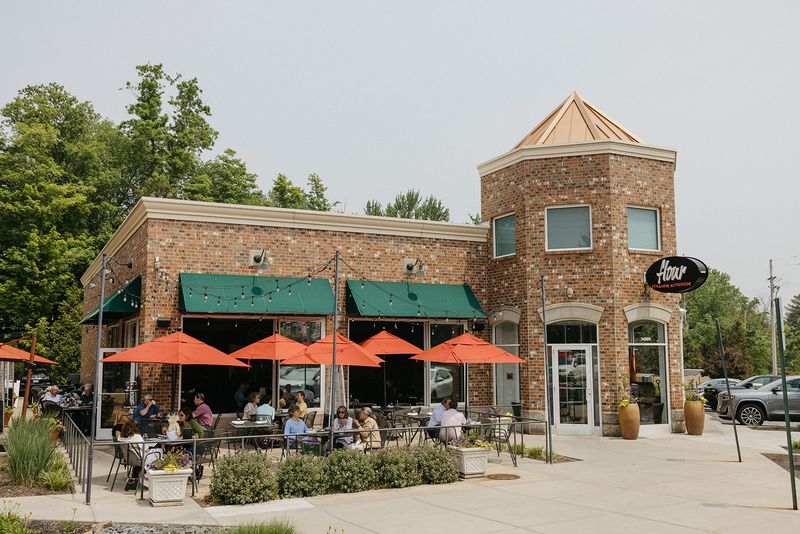
The dining room is built to feel polished without becoming stiff. Industrial details give the space structure, while warm lighting softens the edges and keeps the room from feeling cold.
Seating appears arranged with comfort in mind, so couples, families, and small groups can settle in without feeling crowded.
Noise levels can rise when the room is full, which is common in popular places, yet the overall design still encourages people to stay awhile.
The visual balance between exposed materials and refined finishes gives the restaurant a current look that avoids trendiness for its own sake.
Nothing about the room feels accidental, from the spacing between tables to the way the bar anchors the space.
That atmosphere matters because it sets the pace of the meal before any food reaches the table.
Guests arrive expecting something a little more composed than a quick casual dinner, but not overly formal. The result is a setting that supports conversation, rewards lingering, and makes an ordinary weeknight feel more considered.
Italian tradition with a contemporary approach
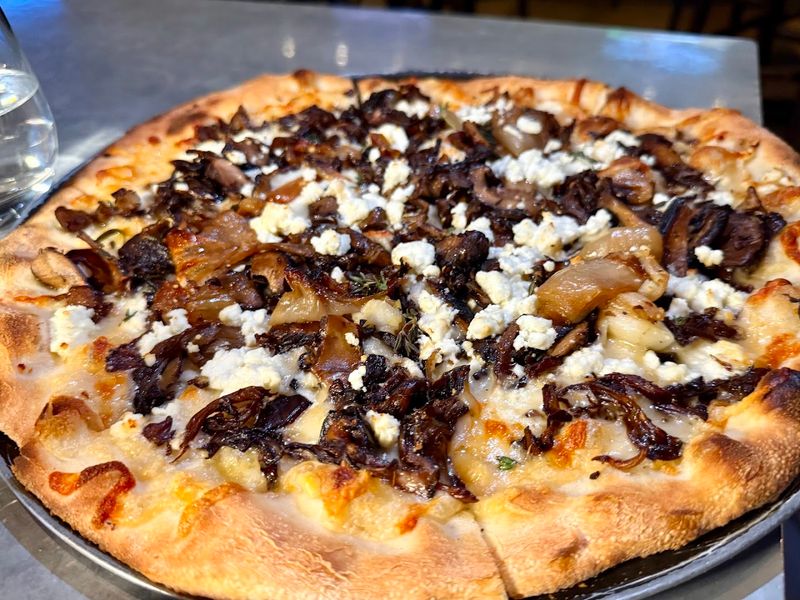
The kitchen draws clearly from Italian tradition, but it does not seem interested in copying old formulas exactly.
Familiar categories remain in place, including pasta, seafood, salads, and wood-fired pizza, yet the execution aims for a cleaner and more current style.
That approach gives the menu a sense of continuity without making it feel fixed in the past.
Instead of relying on heavy sauces or oversized portions to signal indulgence, the cooking appears to favor definition and structure.
Reviews often mention variety and thoughtfulness, which suggests a menu designed around balance rather than excess.
Specials also seem to play an important role, allowing the kitchen to explore seasonal or regional ideas without losing the restaurant’s identity.
This kind of modern Italian cooking works best when restraint is treated as a strength.
Here, the impression is that tradition provides the framework, while contemporary decisions shape texture, plating, and pacing.
Guests are offered food that feels grounded in recognizable influences but still relevant to how many people want to eat now.
Handmade pasta at the center of the menu
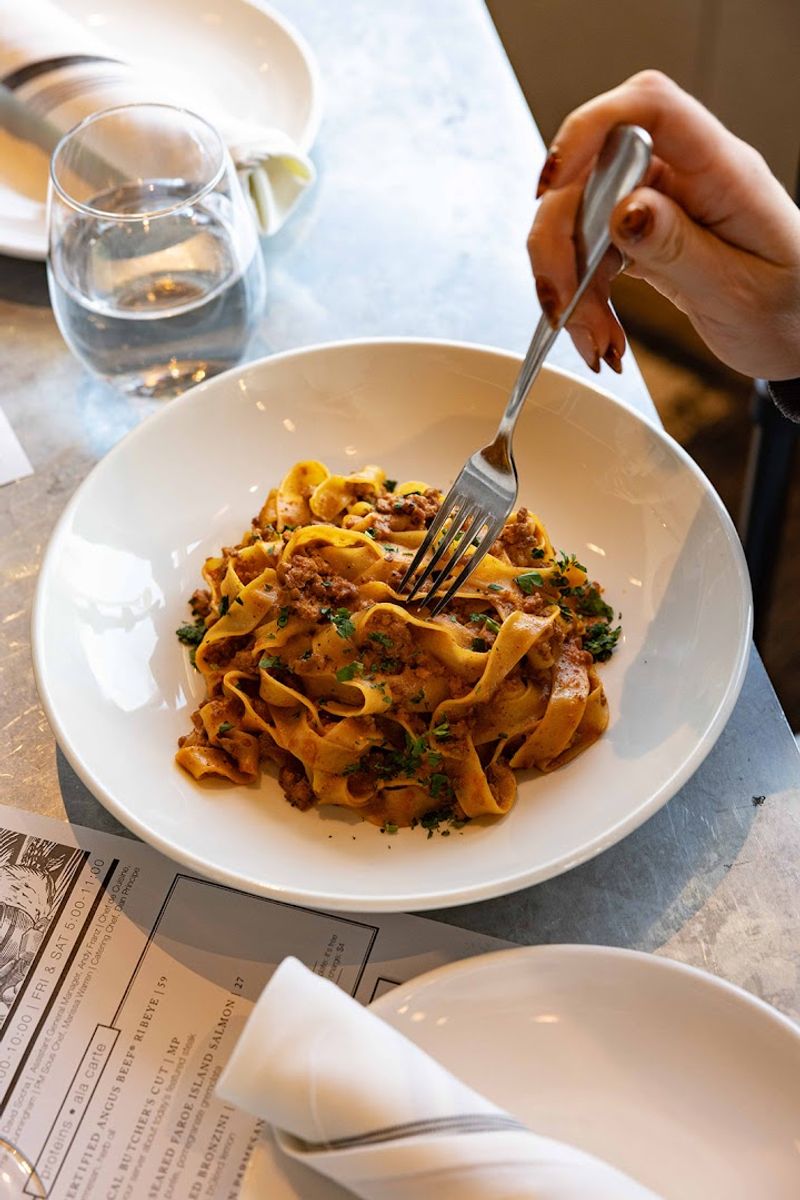
Pasta appears to be one of the clearest ways the kitchen expresses its standards. House-made noodles bring a different texture from dried pasta, and that difference matters once sauce and garnish are added.
The bite can stay firmer, the surface can hold flavor more evenly, and the finished plate can feel more integrated.
Several guest comments point to pasta dishes as memorable parts of the meal, especially when the balance between sauce and noodle is handled well.
A successful plate here seems less about drama and more about control, with the dough, cooking time, and finishing all working together.
When pasta is fresh, even simple preparations gain more depth because the base itself contributes flavor and structure.
That focus places pasta near the center of the restaurant’s identity rather than treating it as one option among many.
It also helps explain why meals can feel more deliberate than rushed.
Fresh pasta requires timing, careful handling, and consistency, and those demands often reveal how seriously a kitchen approaches the fundamentals.
Attention to ingredients makes the difference
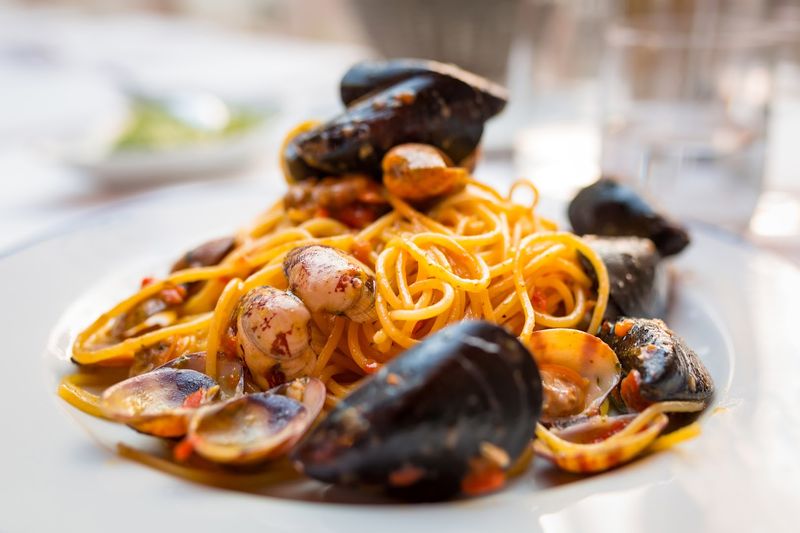
Ingredient quality seems to be one of the main reasons this restaurant has developed a loyal following. Reviews regularly point to fresh greens, tender seafood, good olive oil, and carefully prepared sides, all of which suggest that the kitchen pays attention to what goes into each plate before technique takes over.
That attention often separates a respectable meal from one that feels complete.
Seasonal specials reinforce the same point because they depend on ingredients being worth highlighting. When a menu changes with availability, the kitchen has to choose products that can stand on their own, whether in a composed entrée or a simpler starter.
This creates a dining experience that feels more responsive and less mechanical than a menu built only for repetition.
Quality, however, also raises expectations, and some mixed reviews show how noticeable inconsistency becomes when standards are set high.
Temperature, seasoning, and execution matter even more when ingredients are clearly chosen with care.
At its best, the restaurant shows that solid sourcing is not a luxury detail. It is the base on which the entire meal depends.
More than just a destination for special occasions
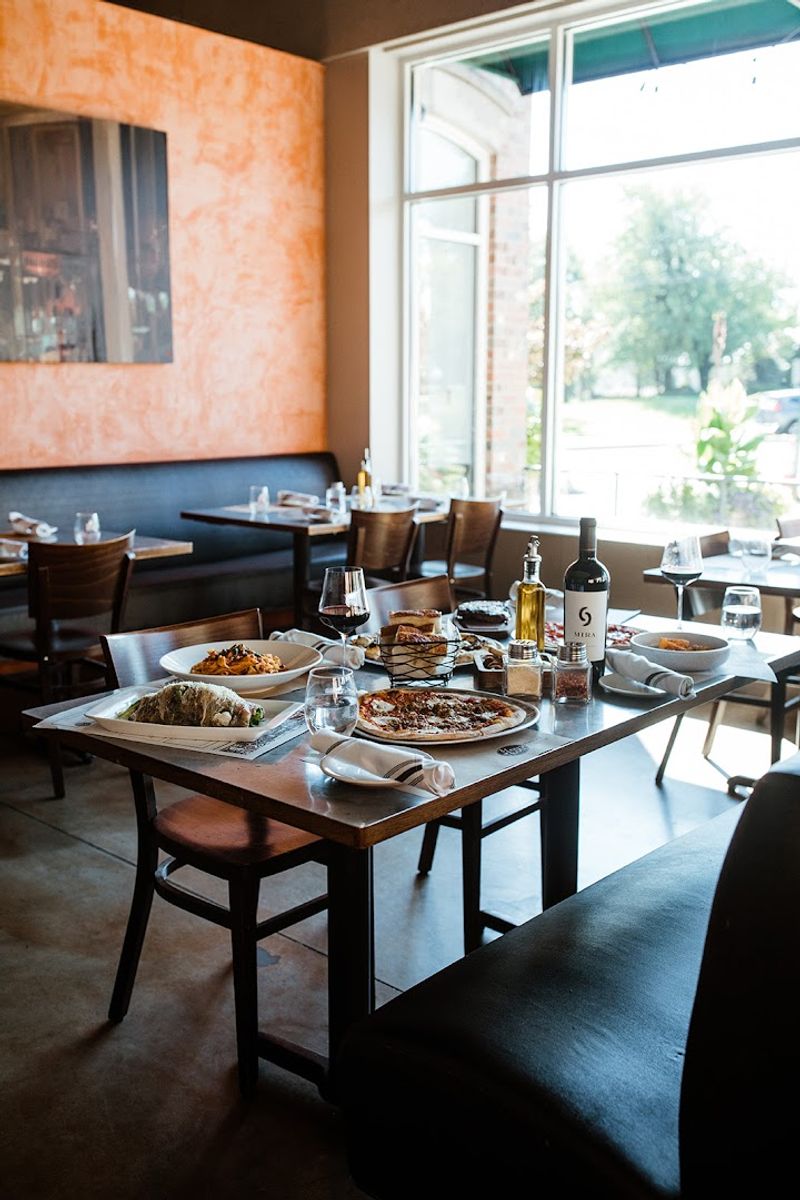
The room, menu, and service style all suggest a place suited to birthdays, anniversaries, and date nights, yet the restaurant does not operate as if celebration is its only purpose.
Lunch service, happy hour interest, and repeat neighborhood visits indicate a broader role in local dining habits.
That flexibility makes the experience feel less exclusive and more usable in everyday life.
Price matters in this equation.
At a midrange level, the restaurant occupies a space where guests can justify a polished dinner without treating it as a rare event, even if some reviewers feel certain items stretch that value.
The setting is refined enough to feel elevated, but familiar enough that guests do not need to prepare for an overly formal evening.
This balance is probably one reason the dining room stays lively.
People can arrive for a practical lunch, a casual weeknight meal, or a more personal celebration and still feel appropriately placed.
That range gives the restaurant durability. Instead of serving one narrow occasion, it fits several versions of how people actually like to dine out.
A menu built around balance and simplicity
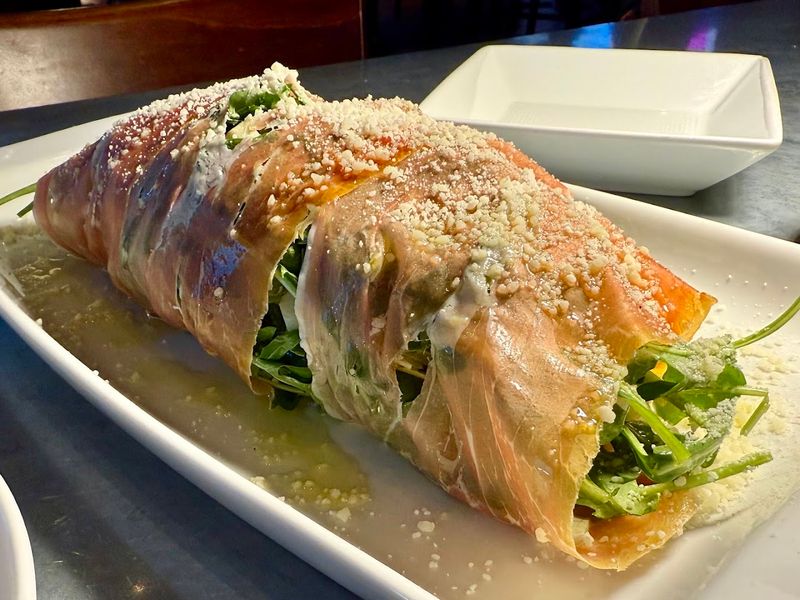
The menu appears to work best when it avoids unnecessary complication.
Italian cooking often depends on a few elements being handled well, and that principle seems to guide many of the stronger dishes here.
Fresh greens, wood-fired pizza, seafood preparations, and pasta all benefit from a style that lets core flavors remain distinct rather than buried.
Balance shows up in several ways.
Rich items are often paired with brighter notes, starches are supported by acidity or bitterness, and garnishes seem intended to complete a plate rather than decorate it.
Even when guests disagree on specific dishes, the overall menu structure suggests a kitchen that understands restraint as part of flavor, not a limit on it.
Simplicity can be harder to sustain than complexity because there is less room to hide errors in seasoning or temperature.
That may explain why the best meals leave a clear impression of precision. A focused menu does not need constant surprise to remain interesting.
It only needs ingredients, technique, and judgment to align often enough that guests trust the next order.
A service that shapes the experience
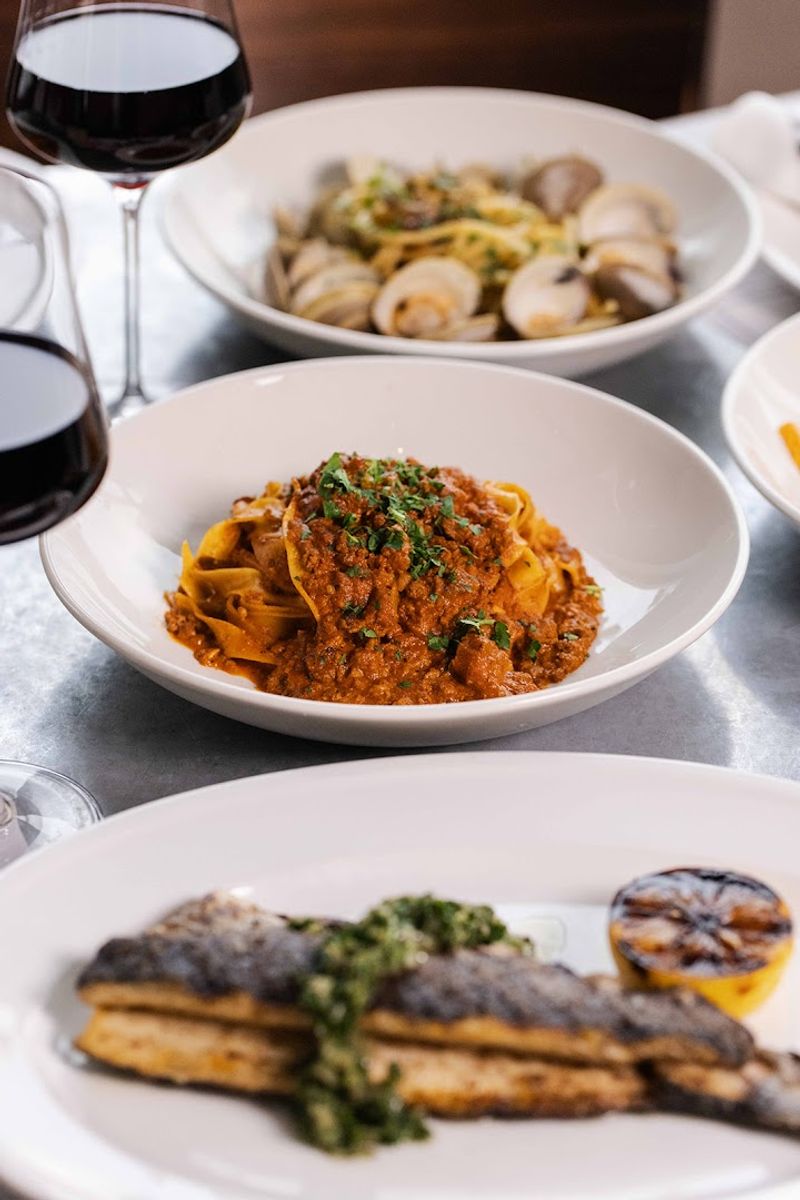
Service has a strong effect on how this restaurant is experienced, perhaps more than at a purely casual place. In a room that signals polish, guests tend to notice timing, attentiveness, and tone immediately.
Reviews reflect that clearly, with some praising warm, efficient servers and others describing long waits or uneven attention.
That contrast shows how hospitality can shape the entire impression of the meal. Good service here seems to involve more than friendliness.
It includes pacing courses correctly, checking in without interrupting, answering questions with confidence, and making guests feel guided rather than managed.
When that happens, the setting and food make more sense together, and the evening feels coherent.
Even mixed feedback suggests that strong team members can rescue difficult moments, which points to a service culture that is capable, if not always consistent.
In a restaurant positioned between neighborhood comfort and occasion dining, that consistency becomes especially important.
Guests are not only paying for food.
They are also paying for steadiness, professionalism, and a sense that their time is being handled with care.
Why guests keep coming back
Repeat visits usually happen for practical reasons, and this restaurant appears to have several.
The location serves a suburban audience looking for a dependable place that feels more polished than a standard chain.
A broad menu, recognizable Italian foundations, and a stylish room make it easy for different kinds of diners to agree on it.
Consistency is part of the story, even if not every meal lands the same way.
Many guests describe return visits, favorite servers, or go-to dishes, which suggests the restaurant has become part of their regular rotation rather than a one-time novelty.
That kind of loyalty usually develops when people believe a place will deliver a familiar atmosphere and a mostly reliable standard.
There is also the simple appeal of a meal that invites people to slow down.
Bread, drinks, pasta, pizza, and conversation fit naturally into a longer evening, and the room supports that rhythm.
For local diners, that combination matters.
It offers an experience that feels a little dressed up, still approachable, and dependable enough to revisit when another occasion comes along.