
At D’Agnese’s Italian Restaurant, located at 1100 W Royalton Rd, Broadview Heights, OH 44147, families find a dining room that feels familiar from the very first visit.
Over the years, the restaurant has developed a distinctive place within the local community, serving as a culinary gathering spot where consistency and unpretentious hospitality are passed from one generation to the next.
While restaurant trends in the surrounding area continue to change, the menu remains firmly rooted in traditional Italian standards that work equally well for Sunday family meals and spontaneous weeknight dinners.
What has sustained this lasting connection between guests and the kitchen for decades, however, extends beyond the food itself and can be found in the subtle, often unseen rituals of hospitality that shape the dining experience.
A Dining Room Made for Gathering
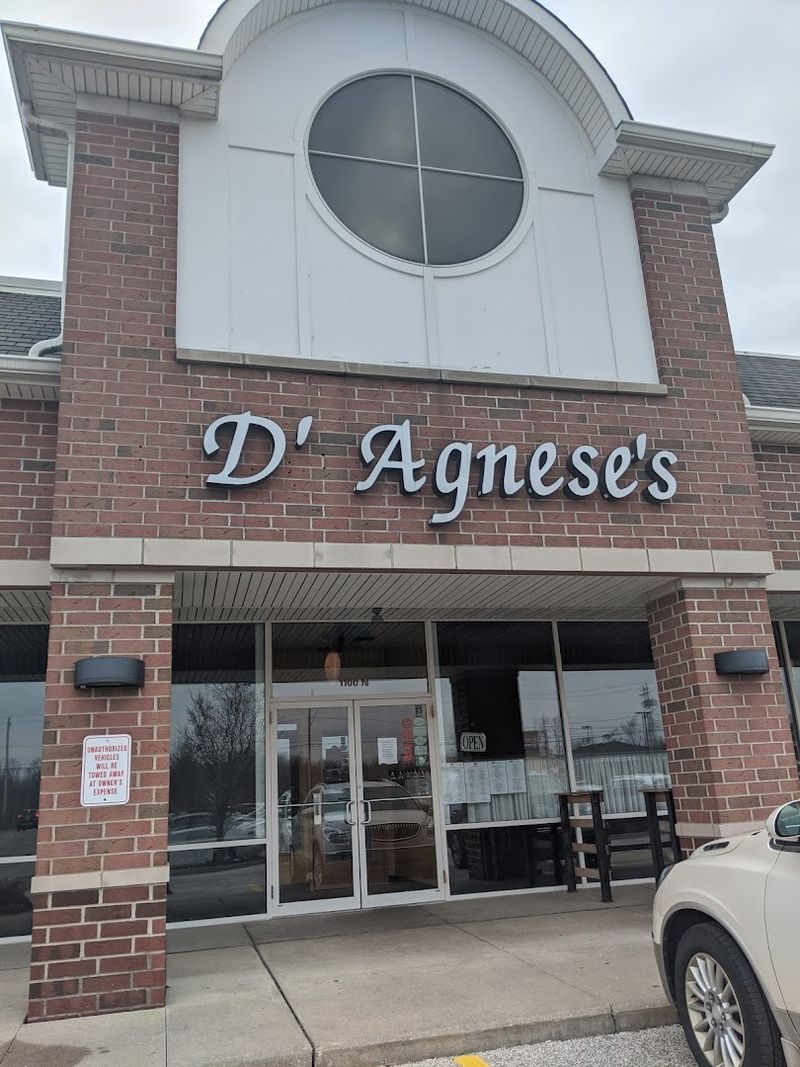
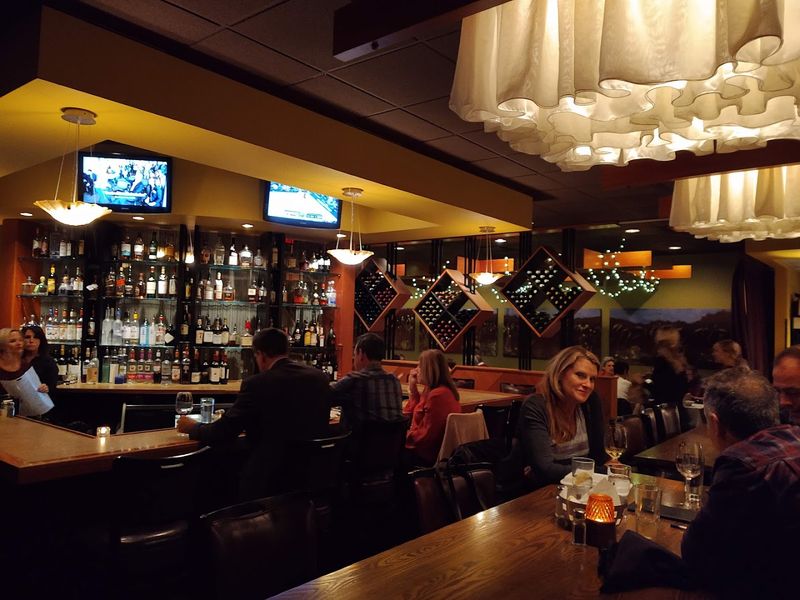
The dining room supports the kind of meal that works best when people stay awhile. Tables are spaced for conversation, and larger groups can settle in without feeling rushed.
That matters to families who want dinner to feel like time together instead of a quick stop between errands.
The room carries a polished but approachable look, with enough warmth to make weeknight dinners feel easy.
Reviews often mention manageable noise levels, even when the restaurant is busy. For older relatives, parents, and children at one table, that detail can shape the whole evening.
Seating choices also help the place serve different kinds of gatherings.
Couples can sit comfortably, while groups celebrating with grandparents and teenagers can find a setup that fits.
The atmosphere does not rely on trends or gimmicks, which may explain why returning guests often describe it as familiar.
That sense of comfort becomes part of the meal itself. Shared bread, passing plates, and steady conversation fit naturally into the room.
Over time, the setting gives families a dependable place to meet, talk, and mark another ordinary or meaningful day.
Italian Traditions That Still Matter
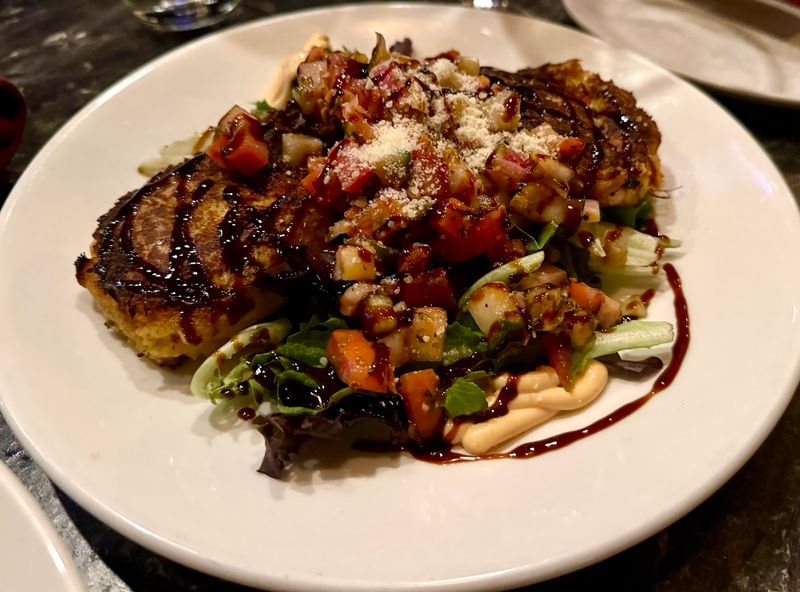
The menu reflects an Italian American approach that many guests already understand before they sit down. Familiar sauces, pasta dishes, seafood, and meat entrees give the restaurant a clear identity.
That kind of continuity matters to families who return because they know what style of meal to expect.
Traditional influence shows up less as nostalgia and more as structure.
Guests see a menu built around recognizable combinations instead of novelty for its own sake.
For longtime diners, that can make the experience easier to share with children, visiting relatives, and older family members.
Online reviews often point to signature sauces and classic preparations as reasons for repeat visits.
Even when opinions differ on specific dishes, the broader style remains consistent and easy to place.
It feels rooted in a dining tradition that has long been part of suburban family celebrations.
That heritage also gives the restaurant a sense of purpose.
The food is meant to be satisfying, recognizable, and suitable for groups with varied tastes.
Families returning over many years often value that kind of culinary identity because it helps each generation feel included at the same table.
Large Portions and Familiar Favorites
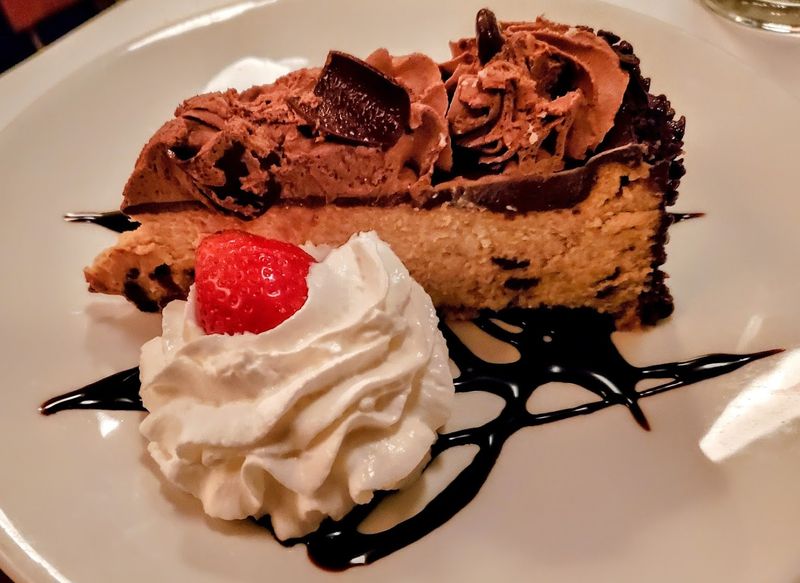
Portion size is one of the most repeated details in customer feedback, and it helps explain the restaurant’s staying power.
Several guests mention leaving with leftovers, which adds practical value to a meal out. For families watching both budgets and appetites, generous plates can matter as much as flavor.
Large servings also support the comfort food role the menu plays.
A substantial bowl of pasta or a filling entree meets expectations for a family dinner in a way that smaller plates often do not. The meal feels complete, and diners are less likely to leave thinking they paid for style over substance.
Familiar favorites encourage people to return with confidence. Instead of studying an unfamiliar menu each visit, guests can revisit dishes they already know suit their tastes.
That reliability is especially useful when a group includes children, selective eaters, or older relatives who prefer recognizable options.
The result is a restaurant that fits real household routines.
One visit can cover a night out and lunch the next day.
That kind of practical satisfaction may not sound glamorous, but it often becomes a strong reason families keep choosing the same place again.
The Importance of Consistency
For repeat customers, consistency often matters more than novelty.
Families who have been visiting for years usually want a meal that feels dependable from one visit to the next.
Reviews frequently describe the service and food quality as reliable, even though not every experience is identical.
That expectation of steadiness shapes loyalty over time.
Guests know the atmosphere, understand the pace, and recognize the kind of meal they are likely to receive.
In a family setting, predictability can reduce stress, especially when the table includes multiple generations with different needs.
Consistency also creates trust around special outings.
A birthday dinner or anniversary meal carries more pressure than a casual lunch.
When a restaurant has established a familiar pattern, families are more willing to choose it for occasions where disappointment would be felt by the whole group.
Customer reviews show that some visits have fallen short, particularly around timing or preparation.
Still, many longtime patrons describe those moments as exceptions rather than the rule.
That broader record of dependable experiences appears to be one of the main reasons guests continue returning year after year.
A Menu That Appeals to Generations
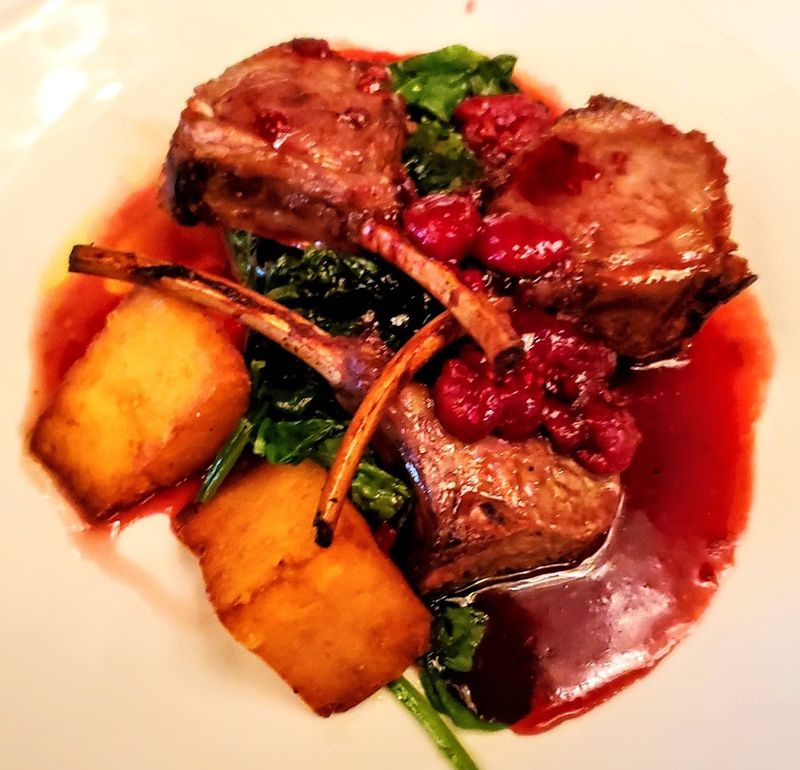
One reason families keep choosing this restaurant is the range of meals that can satisfy different age groups at one table.
The menu gives enough variety that children, parents, and grandparents can each find something familiar. That reduces the negotiation that often comes with planning a group dinner.
Some guests come for pasta, while others prefer seafood, chicken, or lighter combinations with vegetables. The presence of small plates, desserts, and drinks also broadens the appeal for mixed groups.
A family does not need identical tastes for the meal to work well.
This variety becomes especially useful during gatherings where not everyone dines out often.
Older relatives may want traditional options, while younger adults may look for something slightly different. Because the menu covers a broad middle ground, it can serve both preferences without making either side feel overlooked.
That flexibility helps the restaurant function as a repeat choice rather than a one time novelty.
Families can come back for different reasons and with different combinations of people.
Over the years, a menu that accommodates changing tastes becomes part of what keeps a dining tradition in place.
Hospitality Beyond Food
Service plays a major role in how families describe their visits, and many reviews emphasize that point as much as the food.
Specific staff members are often praised for being friendly, attentive, and knowledgeable.
Those details suggest that guests remember the way they were treated, not just what was served.
Good hospitality matters even more in a restaurant that attracts repeat diners over many years.
Returning customers want to feel recognized and comfortable asking questions or making requests.
A skilled server can help a large table move smoothly, keeping the meal organized without making it feel mechanical.
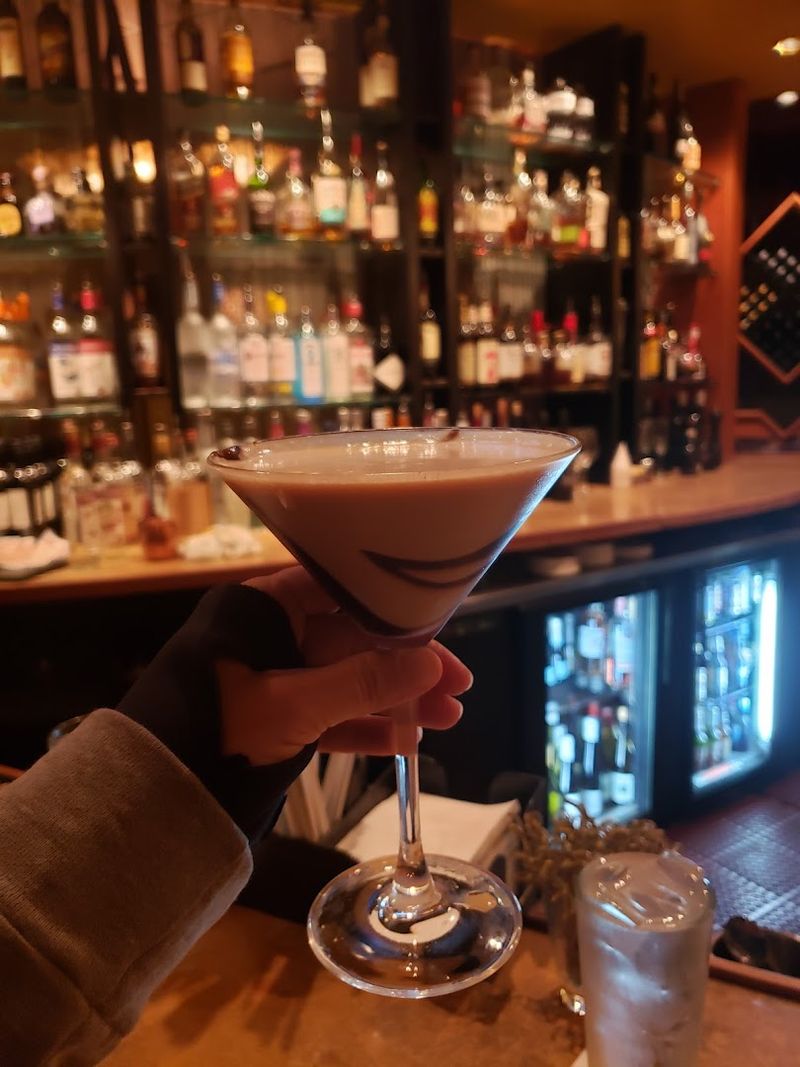
The host stand and bar also contribute to that impression.
Reviews mention helpful hosts, capable bartenders, and a general sense that staff know how to guide the evening.
For families arriving with different expectations, that steady front of house presence can make the entire visit easier.
Hospitality becomes especially visible when something needs correction.
Replacing an item, answering concerns, or adjusting to a guest’s preference can shape whether a family returns.
Over time, responsive service helps build trust, and trust often matters as much as the menu in long standing customer loyalty.
Celebrations, Milestones, and Everyday Meals

Some restaurants are reserved only for birthdays or anniversaries, while others work best for ordinary dinners after work.
This one appears to handle both roles, which helps explain its long term appeal. Families can choose it for a milestone and still feel comfortable returning for a more routine meal.
That range matters because loyalty often grows from repetition, not just one memorable night.
A restaurant becomes part of family life when it can host a celebration, a reunion, or a simple dinner with relatives in town. Over years, those visits accumulate into a shared history.
Customer comments reflect that pattern clearly.
Diners describe outings with friends, dinners with older relatives, and meals that became part of lasting memories.
The setting is formal enough to feel special, yet not so rigid that everyday guests seem out of place.
This balance gives families practical reasons to return.
They do not need to save the restaurant only for rare events, and they do not feel underdressed on a normal evening.
Because it fits several kinds of occasions, it remains useful across changing schedules, budgets, and family milestones.
A Restaurant That Feels Like Part of the Community
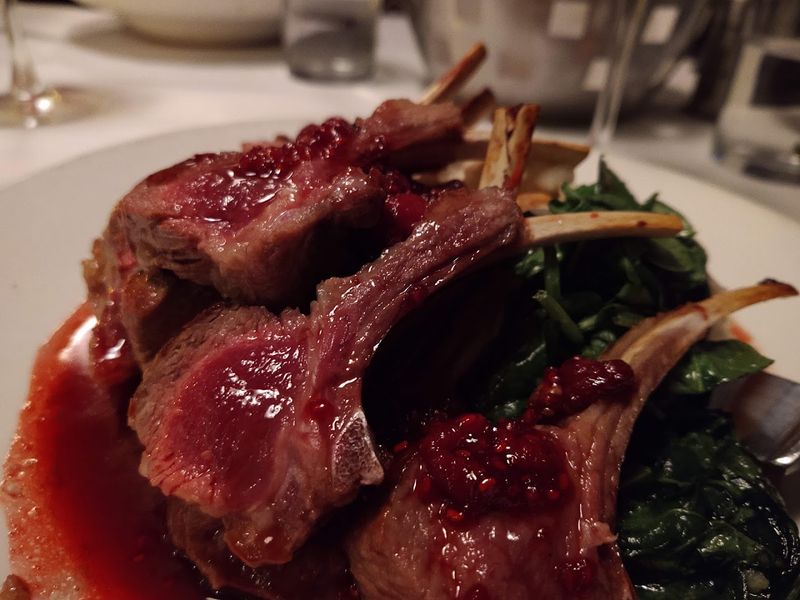
Longstanding popularity usually depends on more than food alone.
A restaurant becomes part of community life when local families think of it naturally for dinner plans, visiting relatives, or a meal after an event nearby.
That kind of familiarity cannot be created quickly, and it tends to build through years of repeated use.
Reviews point to many return visits, introductions from one family member to another, and memories shared across decades.
Those details suggest a place woven into local routines rather than one driven only by destination diners. The restaurant serves as a neighborhood reference point, especially for people who value tradition and predictability.
Its moderate pricing, established style, and broad appeal also help support that role.
Guests can treat it as a comfortable option for regular dining while still considering it suitable for company. This middle ground often strengthens a restaurant’s connection to the surrounding area.
When families keep returning over many years, they are not only responding to one meal.
They are returning to a place that has been present during different stages of life.
That enduring neighborhood presence is a major reason loyalty has lasted as long as it has.