When it comes to Buffalo wings, the difference between an average meal and a memorable specialty often comes down to detail and culinary discipline.
Across Virginia, a number of restaurants have built their reputations by elevating this classic dish beyond its standard form and turning it into a defining part of their identity.
Rather than following fast-food trends, these establishments rely on consistent preparation methods, careful seasoning, and close attention to quality in every batch they serve.
Their long-standing popularity has been built on the trust of local communities that recognize the difference between mass-produced food and a more deliberate approach to cooking.
The following fourteen restaurants demonstrate how consistency in the kitchen and commitment to proven recipes can transform Buffalo wings into a genuine culinary tradition.
The Dirty Buffalo – Norfolk
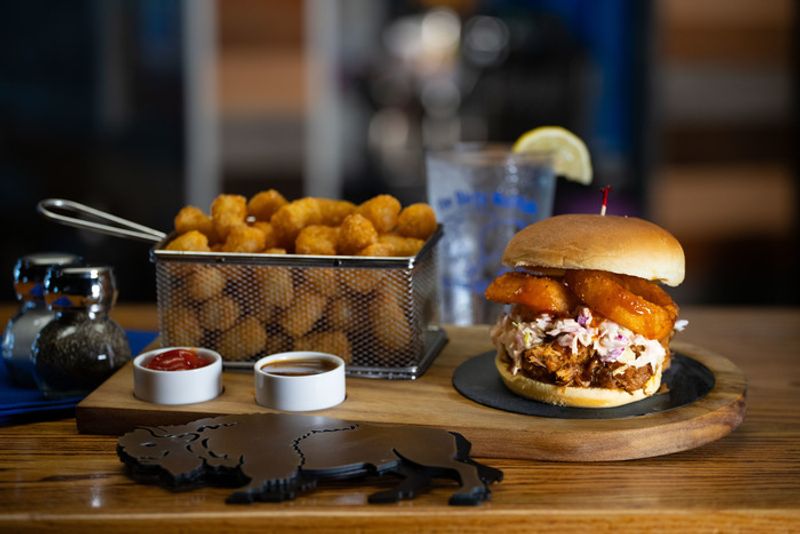
At this spot, the menu treats wings as the center of the experience rather than an add-on.
The kitchen leans into Buffalo tradition with a clear respect for crisp texture, proper saucing, and the balance between heat, fat, and acidity.
That focus gives diners a sense that every choice, from flats or drums to spice level, matters to the final plate.
The variety stands out because it is organized around wing culture, not novelty for its own sake.
Sauces range from familiar mild and hot profiles to richer house options, yet the base preparation stays consistent enough for comparison.
A good wing place earns trust by getting the fundamentals right first, and that discipline is evident in how evenly the pieces are cooked.
The room also contributes to the reputation.
Guests arrive expecting a meal built around sharing, debate over favorites, and repeat visits to test another flavor.
Over time, that combination of tradition, specialization, and consistency has helped make the wings memorable far beyond a single order.
Buffalo Wing Factory – Ashburn
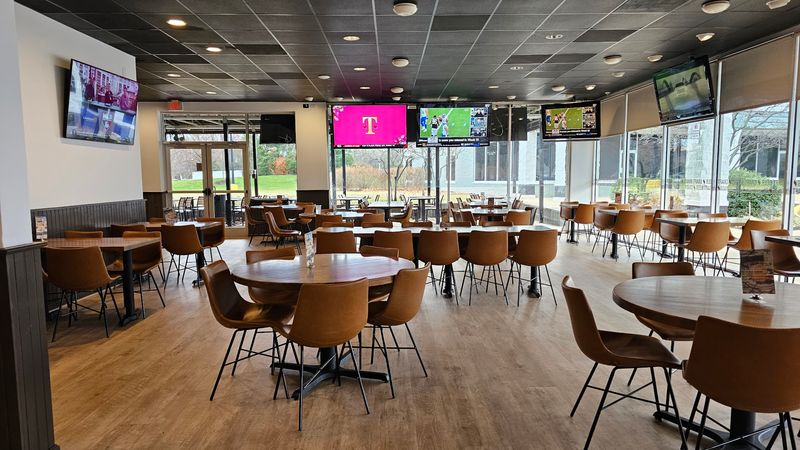
This restaurant approaches wings with the mindset of a specialist.
Instead of limiting diners to a small set of expected flavors, it builds interest through extensive customization, giving regulars a reason to keep refining their order.
That flexibility matters because people often return for a personal combination rather than a single standard plate.
The kitchen supports that model by keeping preparation disciplined.
Wings need enough crunch to hold sauce without turning soggy, and they must arrive hot enough for the flavor to stay sharp from first bite to last.
When a place offers many options, consistency becomes the real test, and that is where this operation has earned much of its local support.
The dining culture reflects a neighborhood favorite that serves families, groups of friends, and habitual takeout customers with equal ease.
Guests often talk about preferred heat levels and dry rub pairings the way others discuss pizza toppings. That kind of familiarity turns wings from casual bar food into a dependable local ritual with staying power.
Jimmy’s Old Town Tavern – Herndon
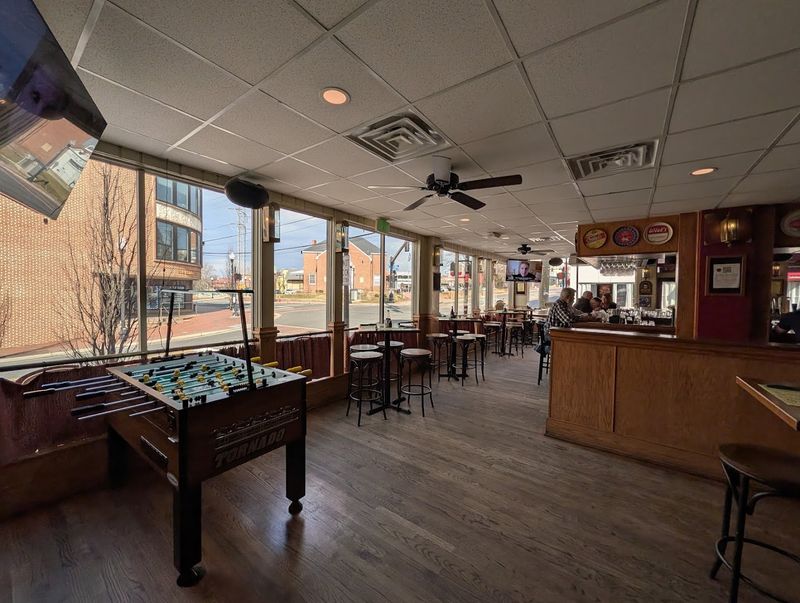
The appeal here begins with the tavern itself.
A room shaped by regulars, familiar service, and steady routines gives the wings a context that feels rooted in neighborhood life rather than trend chasing.
People come for a plate that fits naturally with a pint, a game on television, and the comfort of knowing what to expect.
The preparation stays close to classic Buffalo ideals.
The pieces are cooked to emphasize a crisp exterior, then coated in sauce with enough restraint to keep the skin from disappearing beneath it.
That old-school approach matters because the best version of this dish is often about proportion and timing, not constant reinvention.
What makes the wings memorable is the way they reinforce the identity of the place.
They suit a tavern built on repetition, conversation, and local attachment.
In that setting, a dependable plate becomes part of the social fabric, and loyalty grows not from spectacle but from years of solid execution that regular customers can count on.
Bear Branch Tavern – Vienna
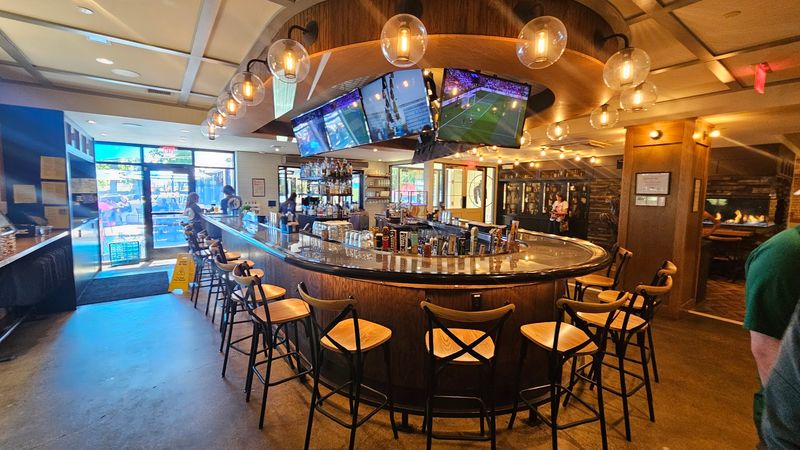
Here, wings stand out because the cooking method shifts the flavor profile before sauce even enters the picture.
Grilling introduces char, rendered fat, and a firmer bite that separates the dish from standard fried bar wings.
That extra contact with flame gives the skin a layered texture, with crisp edges and a subtle smokiness that develops naturally.
The result feels especially suited to a tavern influenced by outdoor cooking traditions.
Instead of relying on heavy coating alone, the kitchen lets browning and caramelization do part of the work, so each bite carries savory depth beneath the seasoning.
Diners notice that the flavor continues after the heat fades, which is often the mark of careful technique rather than simple intensity.
The setting supports that style well.
A relaxed crowd, comfortable pacing, and an atmosphere tied to gathering over food make the wings feel substantial rather than incidental.
Their reputation comes from distinction in method, and from the way that method creates a plate people remember for texture, smoke, and balance as much as sauce.
Schmidt’s Barbecue – Leesburg
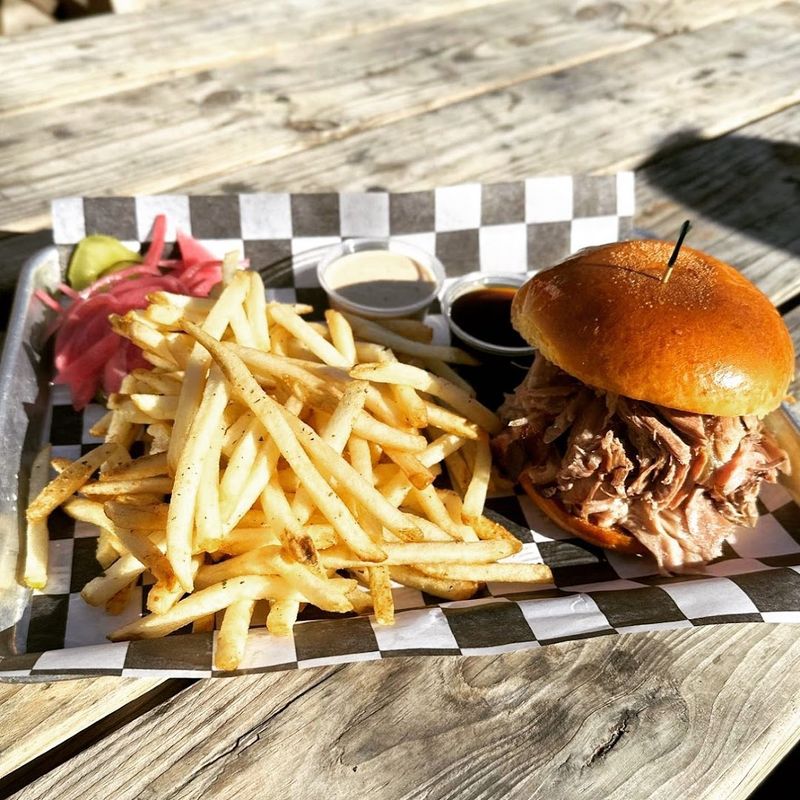
In a barbecue setting, wings take on a different identity.
Instead of being defined only by fryer timing and hot sauce, they benefit from the patient influence of smoke and the habits of pit cooking.
That approach gives the meat a deeper savory character and ties the dish to the broader rhythm of a restaurant built around live fire and slow preparation.
The best versions here reflect barbecue priorities.
Smoke reaches the flesh, the skin develops color with a firmer chew, and seasoning supports rather than hides the natural richness of the chicken.
Regional flavor cues often appear through rubs, finishing sauces, or a balance of sweet, tangy, and peppery notes that feels linked to the pit rather than copied from a standard wing template.
That distinction is why the wings have built a following.
They appeal not only to wing fans but also to diners who judge food through smoke quality, bark, and the control of heat over time.
In that environment, wings become another expression of barbecue craft, not a separate side attraction.
Glory Days Grill – Midlothian
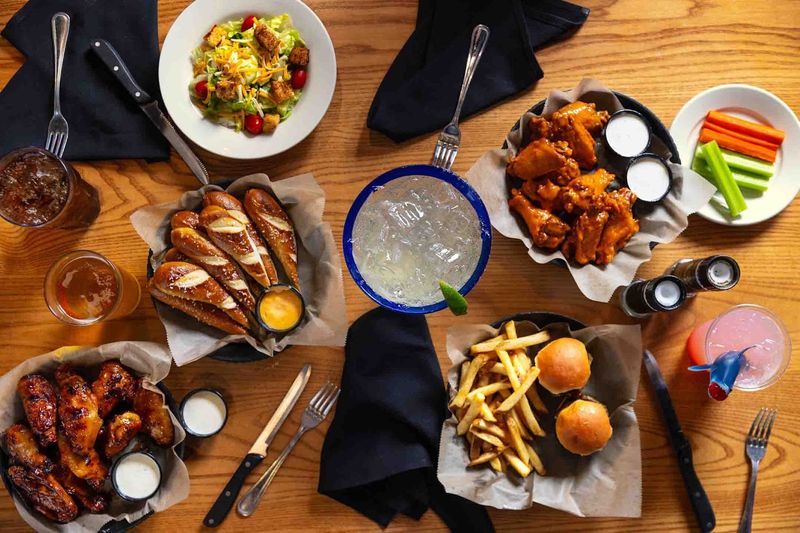
At a large sports grill, wings gain importance through ritual.
They are tied to kickoff times, shared tables, and the familiar pattern of ordering something reliable while a game unfolds across multiple screens.
That environment gives the dish a social role, turning it into part of the event rather than a simple menu choice.
The kitchen supports broad appeal by balancing consistency with accessibility.
Wings need enough crispness and seasoning to satisfy serious fans, but they also have to fit comfortably into a menu that serves many ages and tastes at once.
That balance matters in a busy dining room where one table might want a straightforward snack while another treats wings as the centerpiece of a full game day spread.
What keeps people coming back is that the dish works within a larger tradition of casual gathering.
Guests know the setting can handle groups, repeated visits, and the steady rhythm of sports season after sports season.
Memorable wings emerge from dependable execution and from the role they play within a long-standing tradition of communal dining and shared game-day experiences.
Moe’s Original BBQ – Charlottesville
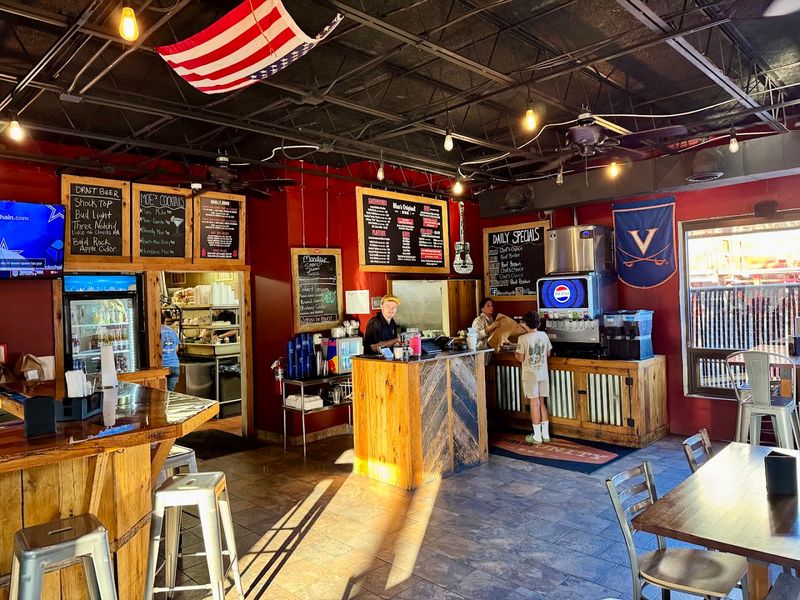
These wings are shaped by Southern barbecue habits first.
Smoke, seasoning, and patience define the dish more than a quick fry-and-toss routine, giving the meat a flavor that feels integrated from the bone outward.
That method changes the eating experience because the wing carries the identity of a barbecue plate even before any finishing sauce is added.
Alabama influences help set the profile apart.
The seasoning tends to favor savory depth and smoke over sharp heat alone, and the final flavor often feels measured rather than aggressive.
When that approach is done well, diners notice the texture of the meat as much as the exterior, since proper smoking can keep the inside juicy while building color and character on the surface.
The overall atmosphere reinforces the connection between wings and barbecue culture.
People arrive expecting trays, casual service, and food meant to be eaten without ceremony.
Southern smoking techniques give the wings a distinctive identity, demonstrating how barbecue traditions can reshape a familiar menu staple.
The Tailgate Sports Pub – Virginia Beach
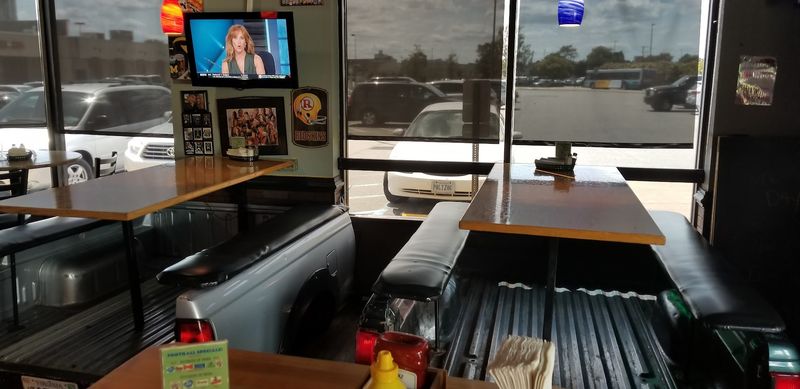
The draw here comes from the close link between wings and shared sports viewing.
In a true game day setting, the food has to hold up through long conversations, crowded tables, and the natural stop-and-start pace of watching a match.
Wings fit that role perfectly when they arrive hot, sturdy, and easy to pass around without interrupting the action.
This kind of pub builds reputation through repetition.
Regular customers want a plate that tastes the same on a busy Sunday as it does on a quiet weekday, and that demand for steadiness often separates respected neighborhood spots from less dependable competitors.
Good wings in this context are not only flavorful but also practical, arriving with the right texture for a relaxed but active room.
Community matters as much as seasoning.
People return because the place functions as a gathering point, where familiar faces, team loyalties, and casual conversation shape the meal.
The wings become memorable by serving that social purpose well, acting as the dependable centerpiece of a local sports tradition that has staying power.
BaddPizza – Falls Church

In a pizzeria, wings compete with one of the most established comfort foods in casual dining.
That setting changes expectations, because diners often order them alongside pies, salads, and pitchers, judging how well the whole spread works together.
The wings stand out here by matching that larger-format meal, offering size, substance, and a style that suits group ordering.
The bigger pieces create a different eating rhythm.
More meat on each wing shifts attention toward texture and roasting or frying quality, since the kitchen has to cook thoroughly without drying the interior.
That challenge can produce a memorable plate when the exterior stays properly browned and the seasoning reaches beyond the surface instead of sitting only in the sauce.
Local appeal also grows from the ease of the place.
People can stop in casually, combine familiar favorites, and leave feeling they ordered a full, uncomplicated meal.
The wings succeed by complementing the restaurant’s broader comfort-food appeal while maintaining an identity strong enough to stand on their own.
Firebrew Bar & Grill – Virginia Beach
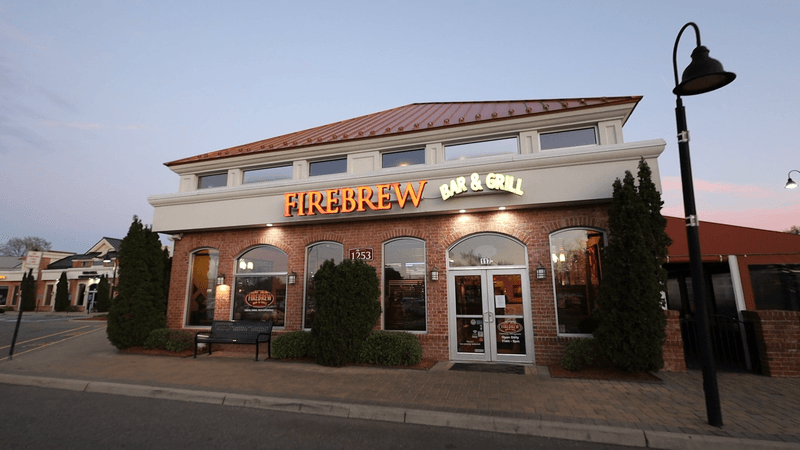
Wings become more interesting in a restaurant that pays attention to beer as carefully as food.
Flavor has to work on two tracks at once, with enough seasoning to satisfy on its own and enough balance to pair well with different styles on tap.
That demands restraint, since excessive sweetness, heat, or salt can flatten both the beer and the wing.
The strongest plates here likely succeed through that balance.
Crisp skin, measured sauce application, and a finish that leaves room for malt, hops, or citrus notes from the glass can make a familiar dish feel more considered.
Instead of treating wings as generic bar food, the kitchen positions them within a broader casual dining culture where pairing matters and guests notice the relationship between bite and sip.
The room supports that approach without becoming formal.
Diners can settle in for a relaxed meal, compare beers, and treat the wings as something worth discussing rather than mindlessly finishing.
Their reputation comes from harmony, showing how careful preparation and beverage awareness can give a standard comfort dish a more distinctive local identity.
Tortugas Cafe – Virginia Beach

A coastal restaurant gives wings a different backdrop from the usual inland tavern or sports bar.
The atmosphere tends to be looser, the pace more relaxed, and the meal shaped by beach-town habits that favor informal comfort.
In that setting, wings can feel especially natural, offering something familiar that still reflects the local mood of easygoing dining.
What makes them memorable is not simply sauce selection but the way the dish fits its surroundings.
A lighter touch in seasoning, a clean fry, or a flavor profile that sits comfortably beside seafood and other casual fare can help the wings belong to the menu rather than interrupt it.
Diners often remember that sense of fit, where the food matches the room and the room matches the neighborhood.
Local character plays a large role as well.
A place with steady regulars and a clear sense of community often turns simple dishes into signature orders through repetition and trust.
Here, the wings gain status by feeling tied to everyday coastal dining life, dependable enough for frequent visits and distinctive enough to be worth recommending.
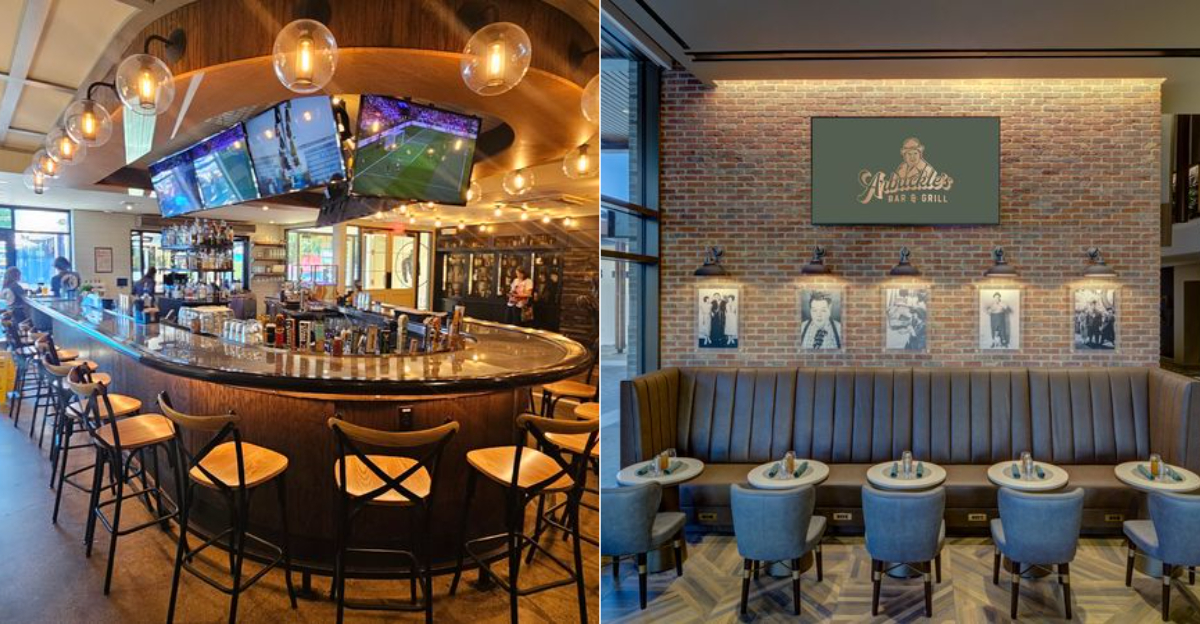
Arbuckle’s Bar & Grill – Virginia Beach
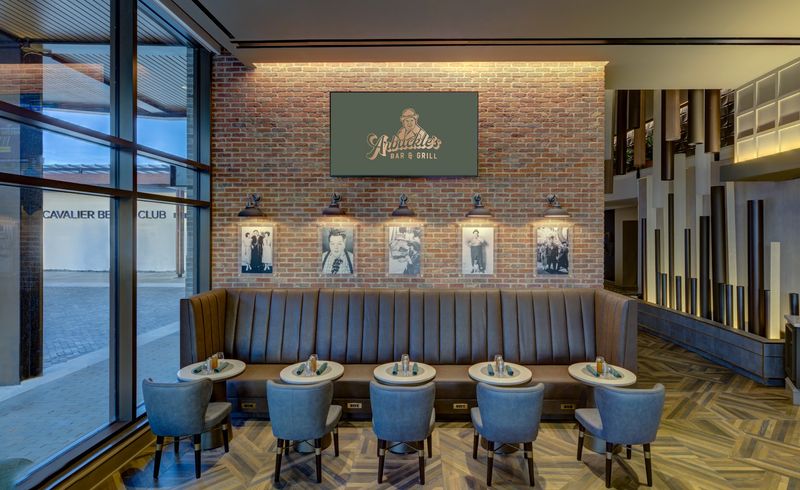
Some wing reputations are built less on novelty than on years of dependable service.
In a long-standing neighborhood bar and grill, diners often value predictability above all else, especially when they return regularly with friends, coworkers, or family.
The wings become important because they deliver the same familiar satisfaction across ordinary nights, busy weekends, and every season in between.
Consistency is harder than it sounds.
The kitchen has to maintain fry quality, seasoning balance, and portion standards even when the room fills up and orders stack quickly.
Customers notice those details, and over time they reward places that rarely miss, turning a simple plate into a trusted staple of local dining habits.
Loyalty also grows from hospitality.
When staff know returning guests, understand usual orders, and keep the room feeling comfortable, the food gains emotional weight beyond technique alone.
That is how memorable wings can emerge from a neighborhood setting: not through constant change, but through a reputation for steadiness that convinces people the plate will be right every time they sit down.
First Down Sports Bar – Arlington
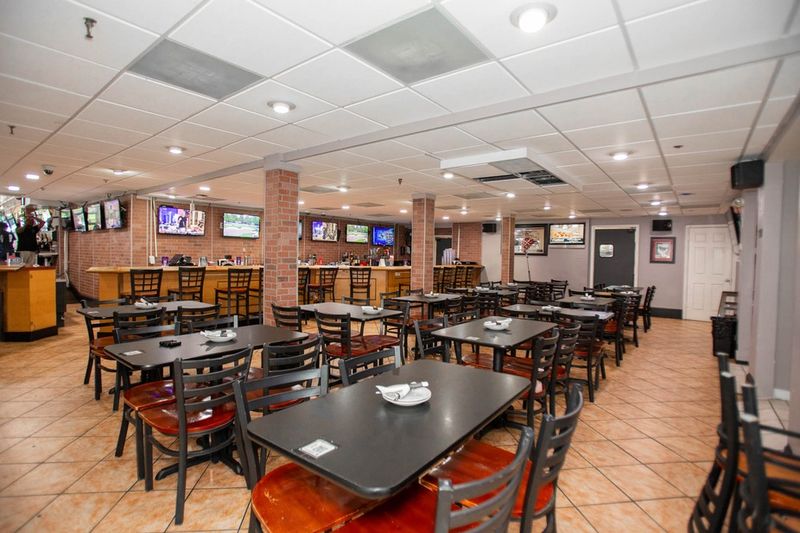
This is the kind of sports bar where wings are not secondary to burgers, nachos, or drink specials.
The dish sits close to the center of the identity, reflecting a commitment to Buffalo-style preparation that values crisp skin, tangy heat, and the straightforward pleasure of eating with a stack of napkins nearby. That heritage gives the plate a sense of purpose.
Traditional execution matters because the style leaves little room to hide mistakes.
If the fry is off, the texture suffers. If the sauce balance slips, either butter or vinegar takes over.
A respected wing-focused bar earns its following by staying close to the model while delivering enough consistency that customers trust the standard order without needing constant variation.
The surrounding sports bar culture reinforces the appeal.
Diners want a place where the televisions are active, the room is engaged, and the food arrives built for sharing between plays and conversations.
Strong execution and respect for classic preparation methods continue to distinguish the wings in a crowded field of sports-bar favorites.
Hard Times Cafe – Alexandria
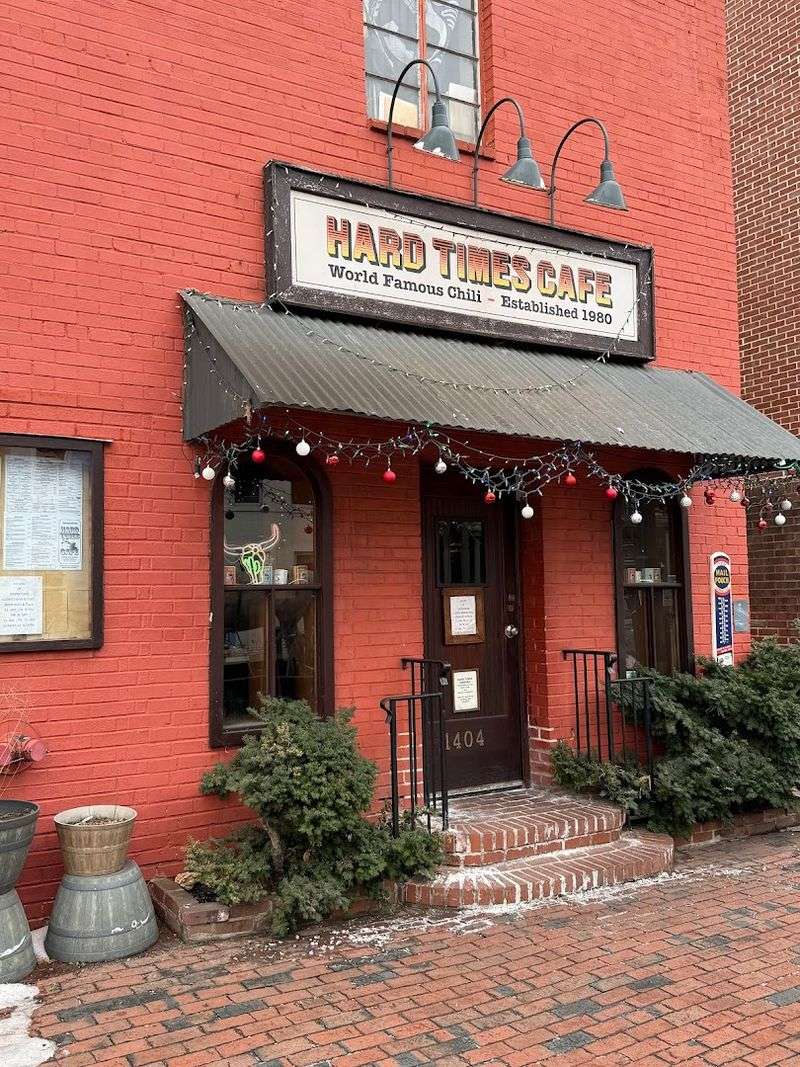
An old-school pub builds trust by doing familiar things well for a long time.
Wings fit naturally into that tradition because they belong to the same comfort food culture as chili, sandwiches, and other durable standards that regulars expect to taste the same year after year.
In that context, the dish gains value from continuity as much as flavor.
The preparation does not need to chase trends to stay relevant.
A solid fry, a well-made sauce, and a portion that feels honest can be enough when the room itself suggests reliability.
Diners often remember places like this because the food seems settled into routine, shaped by repetition and practice rather than by attempts to reinvent what already works.
That enduring reputation matters in a region with constant turnover and many dining options.
A pub that remains part of local habit develops a kind of authority over simple comfort dishes.
The wings become memorable because they are supported by that history, served in a setting where consistency, straightforward hospitality, and the reassurance of established tradition still carry real weight.