Forget everything you think you know about dinner—some meals don’t begin when the food hits the table. They begin the second you walk through the door and feel like you’ve slipped into another time.
Hidden beneath the streets of Hamtramck, Polish Village Cafe doesn’t make a quiet first impression.
You head downstairs, leave the outside world behind, and suddenly you’re surrounded by warm wood, old-world charm, and the kind of atmosphere that pulls you in fast.
This place has been serving authentic Polish cooking since 1979, but the story here goes far beyond pierogi and stuffed cabbage.
Every corner feels packed with history, every table seems to hold a family memory, and every visit carries a little bit of magic.
Come hungry. Leave with a full stomach and a story you’ll want to tell people.
The Hidden Gem Beneath Hamtramck
Most restaurants greet you at eye level. This one makes you work for it—just a little.
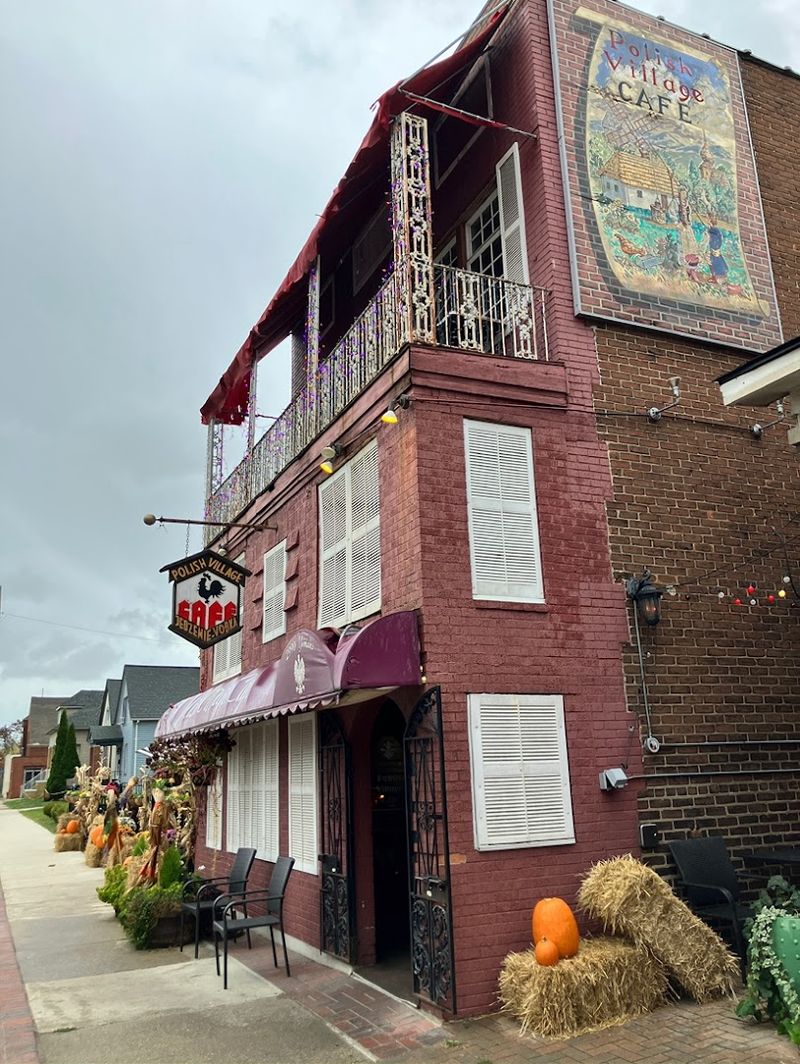
Walking down the concrete steps from Yemans Street, you leave behind modern Hamtramck and enter something altogether different.
The descent itself builds anticipation. Each step down creates a sense of discovery, as though you’re being let in on a secret that only locals know about.
Natural light fades behind you while warm interior glow beckons from below.
First-time visitors often pause at the doorway, surprised by what they find. The space opens wider than expected, revealing dining rooms that stretch back farther than the modest entrance suggests.
It’s not flashy or pretentious—just genuinely welcoming.
That feeling of stumbling upon something special never quite leaves, even on return visits. Regular patrons still get a little thrill from that initial descent.
There’s something inherently charming about a restaurant that doesn’t advertise itself at street level, that requires you to literally step down into its world.
The experience begins before you even see a menu.
A Family Story That Spans Decades
Back in 1979, the Kujawski family had a vision. They wanted to bring authentic Polish cooking to Michigan in a way that honored their heritage while welcoming everyone through the door.
What began as a modest family operation quickly became something much larger.
Over four decades later, multiple generations have kept that original promise alive. Recipes passed down through family lines still guide the kitchen.
The same commitment to quality and authenticity remains central to every decision.
Family members continue working in various roles throughout the restaurant. You might find cousins prepping pierogi in the kitchen or siblings managing the dining room.
This isn’t corporate efficiency—it’s genuine family pride.
The longevity itself tells a story. Surviving and thriving for over forty years in the restaurant business requires more than good food.
It demands dedication, adaptation, and an unwavering connection to why you started.
Polish Village Cafe demonstrates all three while maintaining the warmth that only family-run establishments can truly deliver.
Why Hamtramck Is the Perfect Home for It
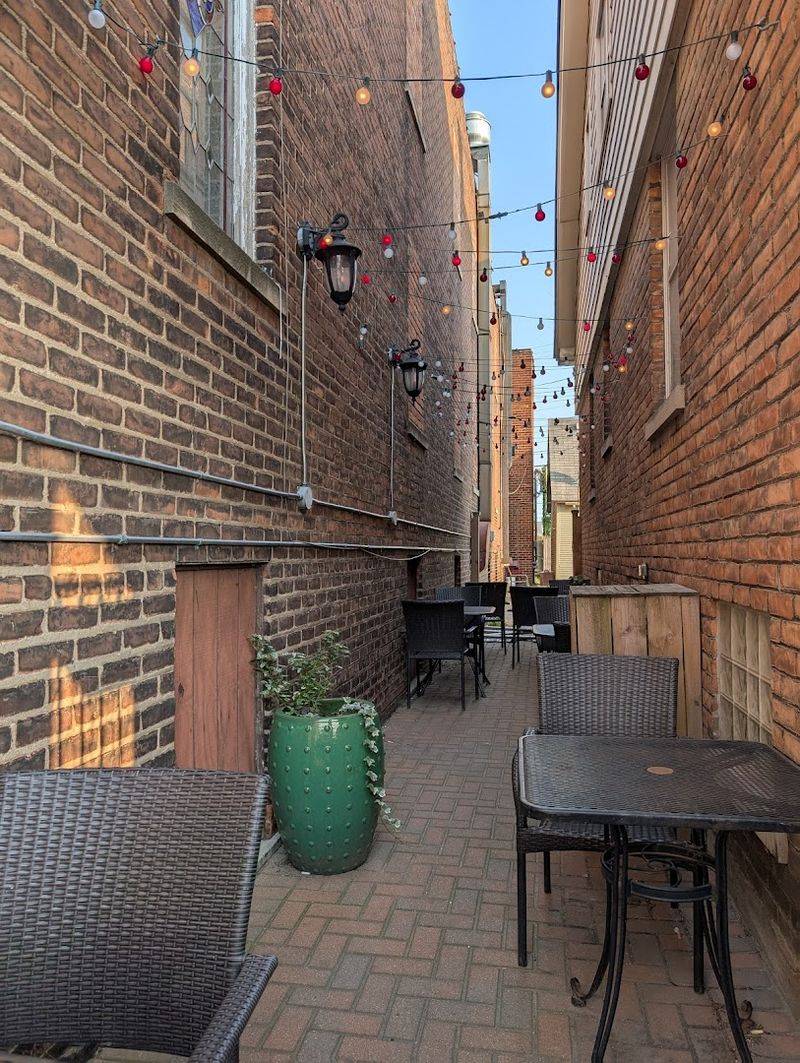
Hamtramck’s Polish roots run deep. During the early 1900s, Polish immigrants flooded into this Detroit enclave to work in auto factories.
They brought their language, traditions, and food with them, transforming the city into Michigan’s Polish heart.
Today, Hamtramck represents something even more remarkable. While Polish heritage remains visible through churches, festivals, and businesses like Polish Village Cafe, the city has evolved into one of America’s most diverse communities.
Bengali, Yemeni, and Bosnian residents now call it home alongside Polish families.
This cultural layering makes the restaurant feel like a living museum. Diners from dozens of backgrounds gather here to experience Polish traditions.
The restaurant bridges old Hamtramck and new, offering continuity in a constantly changing neighborhood.
Location matters tremendously for restaurants claiming cultural authenticity. Polish Village Cafe isn’t pretending or appropriating—it grew organically from the community it represents.
Being rooted in Hamtramck gives it credibility that couldn’t exist anywhere else.
The restaurant and city grew together, each shaping the other’s identity.
Stepping Inside Feels Like Traveling Back in Time
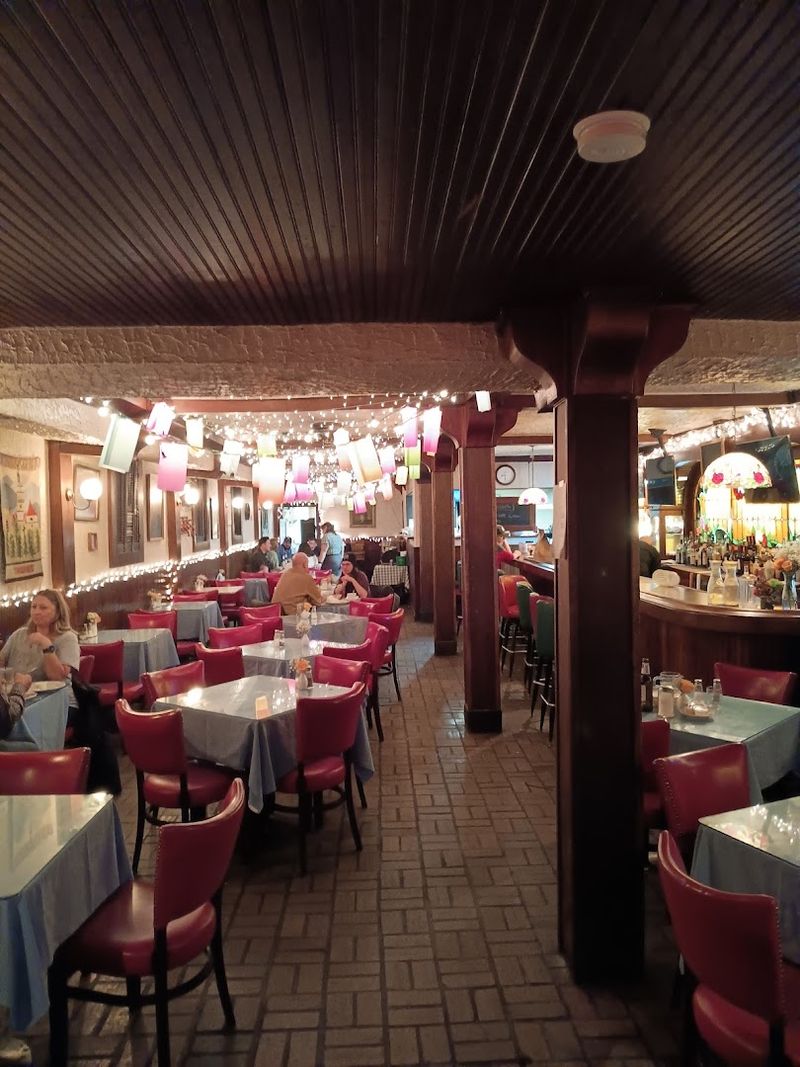
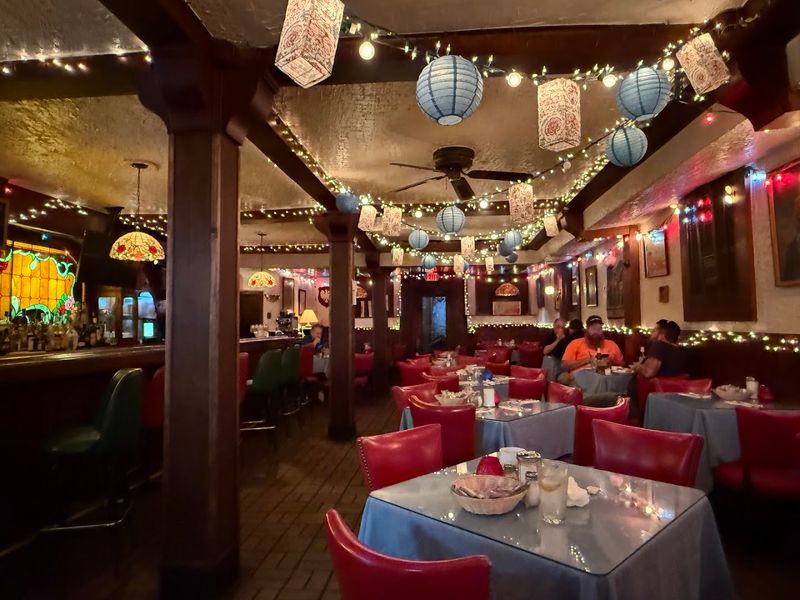
Dark wood paneling lines the walls. Overhead, traditional decorations hang from the ceiling—the kind grandparents might display in their dining rooms.
Lighting stays deliberately dim, creating intimate pockets throughout the space.
The basement setting contributes significantly to the atmosphere. Low ceilings and close walls create a rathskeller feel, reminiscent of European basement taverns where communities gathered for centuries.
Everything feels purposefully worn-in rather than artificially aged.
Multiple dining rooms branch off from the main area. Some feel almost cave-like in their coziness, perfect for private conversations or family celebrations.
Others accommodate larger groups without losing that intimate quality.
Nothing here chases modern design trends. No exposed Edison bulbs, no reclaimed barn wood with Instagram-worthy hashtags painted across it.
Instead, you get genuine Old World charm that existed before such things became trendy. The décor doesn’t try to transport you—it just does.
Time moves differently in these rooms, slowing to match the pace of traditional cooking and unhurried conversation.
You can almost forget what decade you’re in.
The Kind of Menu Built Around Comfort
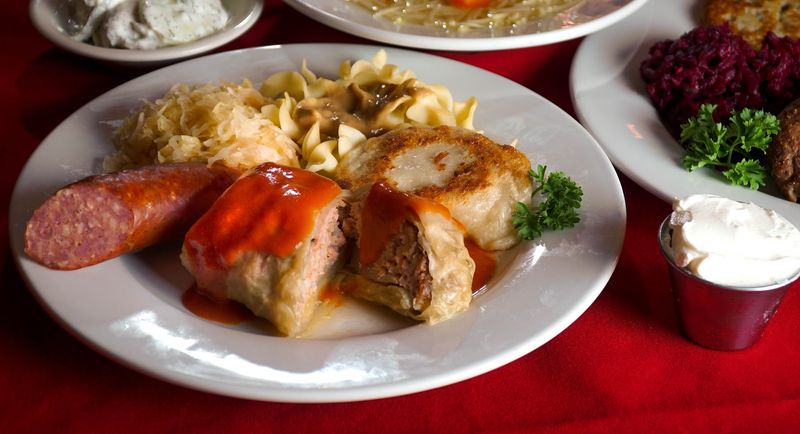
Polish cooking never apologizes for substance. Meals here arrive heavy, warm, and deeply satisfying—the kind that stick to your ribs and demand you loosen your belt a notch.
This isn’t delicate cuisine or experimental fusion.
Every dish connects to family traditions spanning generations. Grandmothers taught mothers who taught daughters, preserving techniques that modernization hasn’t touched.
The menu reads like a family recipe box rather than a chef’s creative portfolio.
Portion sizes reflect old-country generosity. You don’t leave hungry—that would be considered failure.
Plates overflow with food meant to fuel hard-working people through long days, even if most diners now work behind desks instead of factory lines.
The menu hasn’t chased food trends or seasonal ingredient sourcing. What worked in 1979 still works today because comfort food operates outside fashion cycles.
You won’t find deconstructed anything or foam made from unexpected vegetables. Just honest, straightforward cooking that prioritizes flavor and fullness over novelty.
Sometimes the best innovation is refusing to innovate, letting tradition speak for itself through proven recipes.
The Signature Dishes Everyone Talks About
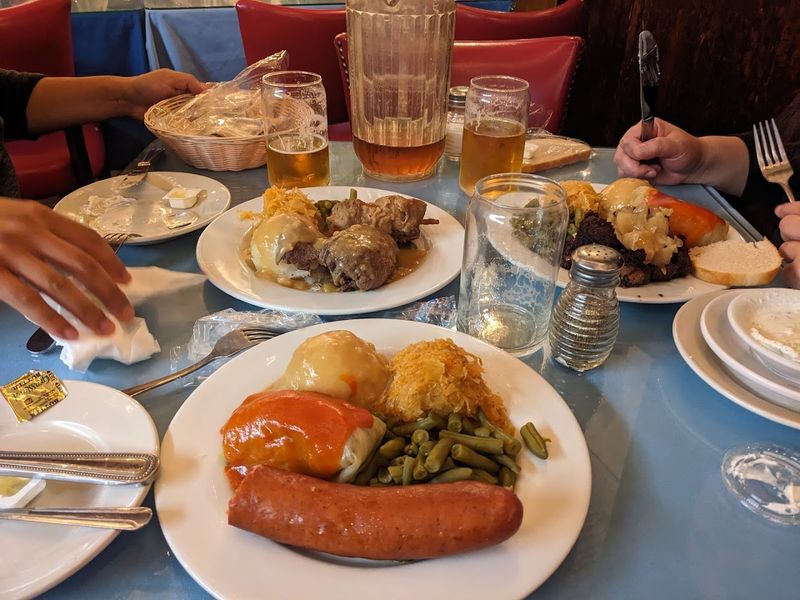
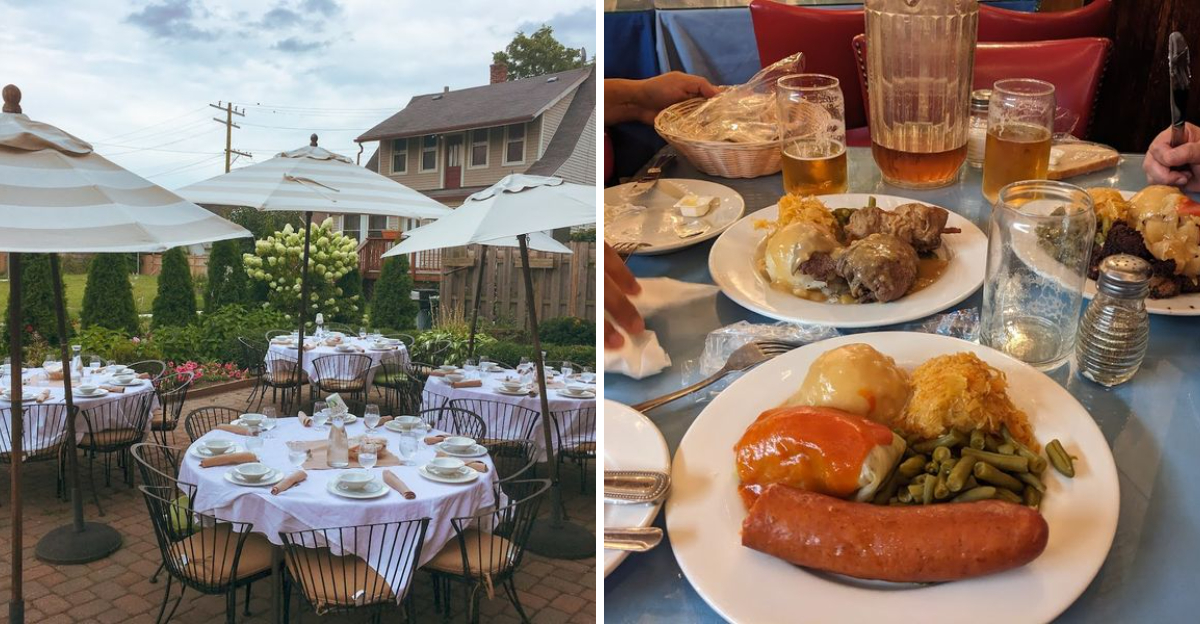
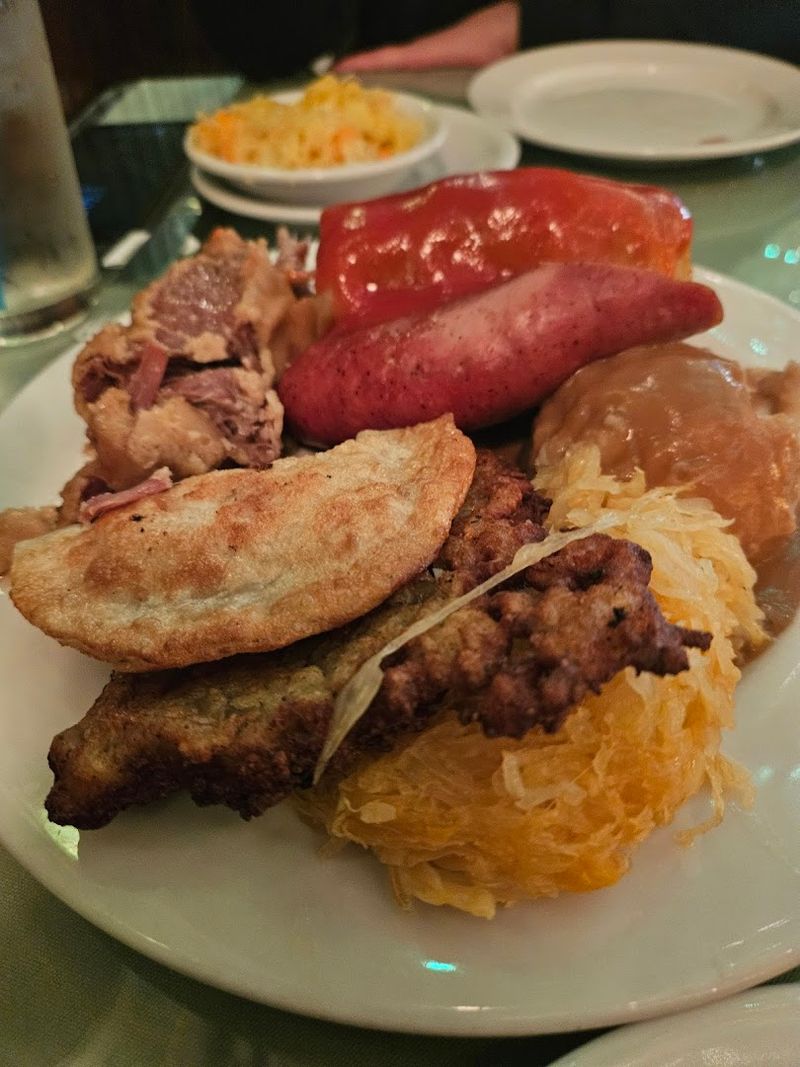
Pierogi dominate countless conversations. These dumplings—stuffed with potato and cheese, sauerkraut, or meat—arrive pan-fried to golden perfection.
They’re not delicate; they’re substantial, satisfying, and utterly crave-worthy.
Kielbasa comes grilled with proper char and snap. Served alongside sauerkraut and mustard, it represents Polish cooking at its most straightforward and delicious.
No complicated preparation needed when you start with quality ingredients.
Potato pancakes earn devoted fans. Crispy on the outside, tender within, they come topped with sour cream and applesauce.
Simple components elevated through proper technique and generous portions.
Dill pickle soup surprises first-timers. The combination sounds unusual until that first spoonful hits—tangy, creamy, comforting in unexpected ways.
Golabki, stuffed cabbage rolls swimming in tomato sauce, offer another classic that regulars order repeatedly.
Hungarian pancakes finish meals on a sweet note. Thin, delicate, filled with farmer’s cheese and topped with fruit or cream, they provide the perfect counterpoint to savory abundance.
These dishes appear repeatedly in reviews because they deliver consistency alongside authenticity.
Dinner Here Comes With a Sense of Tradition
Certain restaurants become woven into family rituals. Birthdays happen here, anniversaries, holiday celebrations, Sunday dinners spanning decades.
The meal becomes secondary to the gathering itself, though the food certainly matters.
Traditions create emotional connections that transcend taste. Children grow up eating here, then bring their own children, establishing multi-generational patterns.
The restaurant serves as constant backdrop while families change and grow around it.
Polish families particularly treasure this continuity. For those maintaining cultural identity across American generations, Polish Village Cafe offers tangible connection to heritage.
Speaking Polish with servers, ordering dishes by their proper names, sharing meals prepared the old way—these acts preserve something precious.
Even non-Polish visitors feel tradition’s weight. The atmosphere carries it.
You sense that meals here mean more than simple fuel, that food connects us to places, people, and times we’ve never personally experienced. Eating becomes an act of participation in something larger than individual appetite.
The restaurant doesn’t just serve dinner—it serves belonging, memory, and continuation.
Why Locals and First-Time Visitors Keep Returning
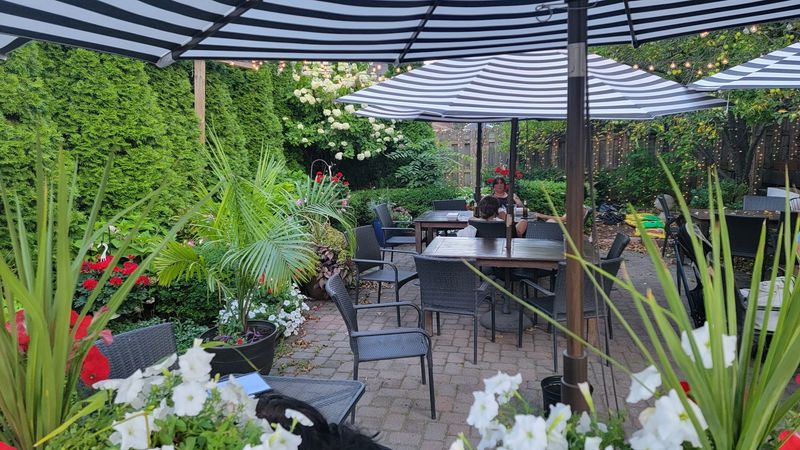
Walk in on any given evening and you’ll witness interesting dynamics. One table holds a family that’s been coming here for thirty years.
Next to them sits a couple consulting their phones, clearly first-timers navigating the menu with excitement and slight confusion.
Regulars bring nostalgia—memories of parents, grandparents, younger selves. They order without looking at menus, greet servers by name, occupy preferred tables.
Their presence provides authenticity and continuity that newer restaurants can’t manufacture.
First-time visitors bring fresh energy and curiosity. They photograph everything, taste tentatively, ask questions, discover favorites.
Their enthusiasm reminds regulars why this place matters, why it deserves preservation and celebration.
These two groups coexist beautifully. Regulars don’t resent newcomers; they welcome them into the tradition.
First-timers respect the established culture rather than demanding it bend to their preferences. This balance creates unique atmosphere where discovery and familiarity share space comfortably.
Everyone belongs, whether they’ve come a hundred times or never before.
The restaurant doesn’t choose between locals and tourists—it embraces both equally.
More Than a Restaurant — A Michigan Experience
Polish Village Cafe transcended typical restaurant status years ago. It appears on Michigan bucket lists, gets featured in food television programs, earns mentions in travel guides highlighting essential Detroit-area experiences.
It’s become an institution.
Food culture operates through shared knowledge and collective agreement about what matters. Somehow, through decades of consistent quality and authentic atmosphere, this basement restaurant earned a spot in Michigan’s culinary identity.
People travel specifically to eat here.
The recognition extends beyond Polish communities. Food enthusiasts generally, travelers seeking authentic experiences, and media outlets covering regional cuisine all point to Polish Village Cafe as something special.
It represents Detroit-area dining culture as validly as any upscale downtown establishment.
This elevation matters for preservation. Restaurants achieving this status gain protective layers of support and attention.
Communities rally around them, ensuring they survive challenges that close lesser establishments. Polish Village Cafe isn’t just serving dinner anymore—it’s preserving culture, creating memories, and representing an entire region’s food heritage.
That’s considerably more pressure and considerably more purpose than typical restaurants ever shoulder.
Visitor Information and Helpful Tips
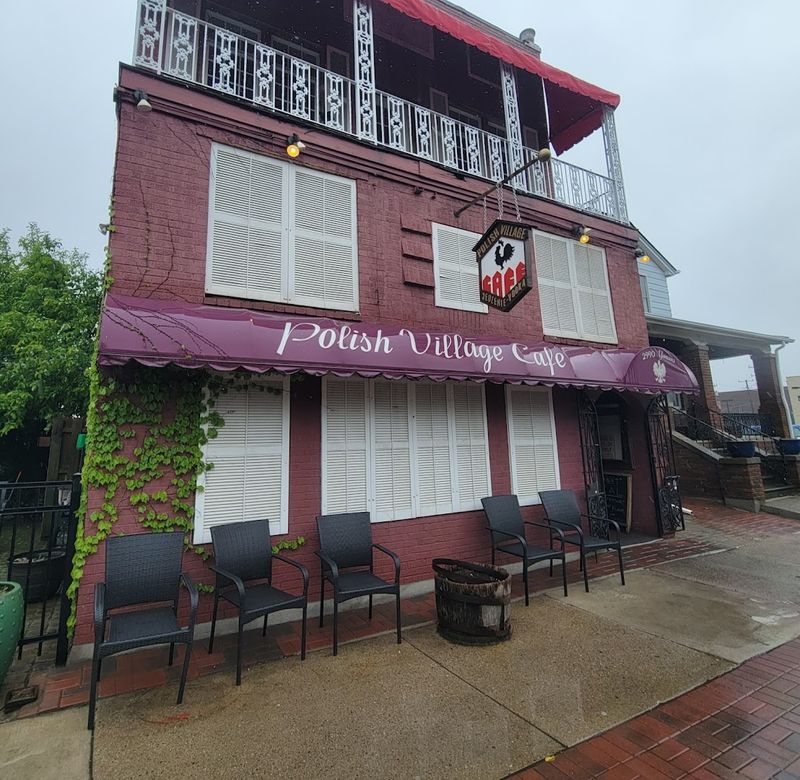
Finding the restaurant is straightforward: 2990 Yemans Street in Hamtramck, Michigan. Phone reservations can be made at 313-874-5726.
Their menu and additional information appear at polishvillagecafe.us.
Timing matters significantly. Weekend evenings and holidays bring crowds that can mean substantial waits.
Arriving earlier, particularly on weekdays, offers better chances of immediate seating. Groups should definitely call ahead.
Parking exists on surrounding streets but fills quickly during busy periods. Plan for a short walk and arrive with patience.
The neighborhood feels safe and walkable, particularly during dinner hours.
First-timers should consider combination platters that offer taste variety without overwhelming commitment. The pierogi platter provides excellent introduction to the restaurant’s strengths.
Don’t skip potato pancakes or dill pickle soup—both represent Polish Village Cafe at its distinctive best.
After eating, explore Hamtramck itself. The small city packs remarkable diversity into a few square miles.
Polish bakeries, Middle Eastern markets, Bengali restaurants, and unique shops all exist within walking distance.
Make dinner part of a larger Hamtramck adventure rather than an isolated stop.