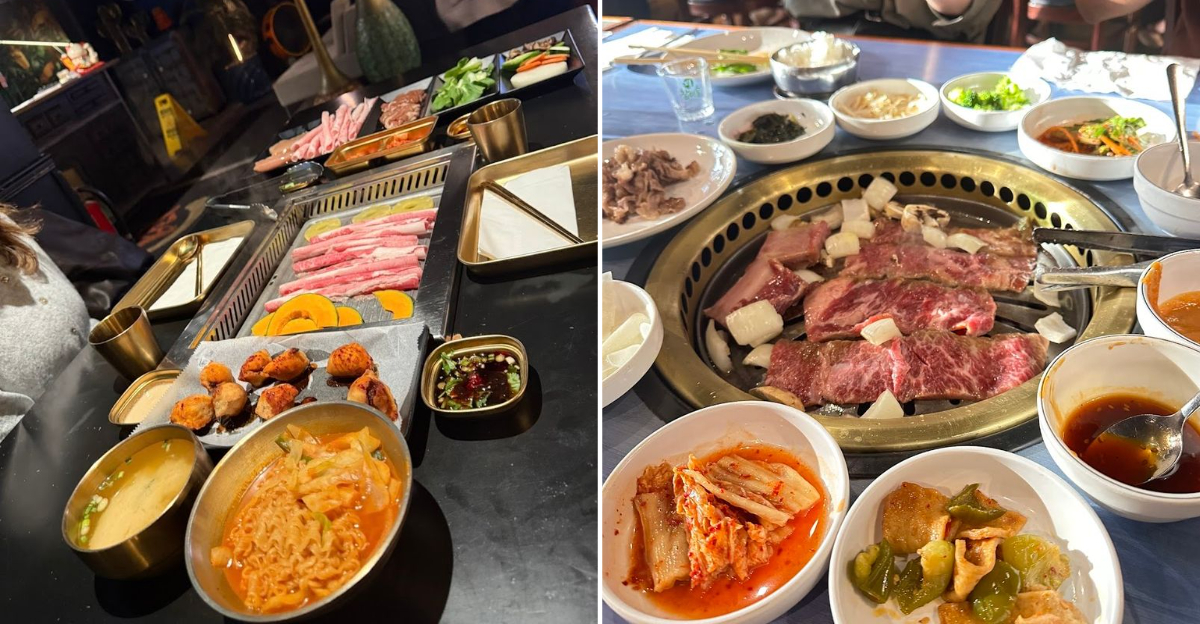
Smoke rising from a tabletop grill has a way of slowing a meal down in the best possible way. The sound of marinated beef sizzling, the aroma of garlic and sesame drifting through the room, and a table filled with colorful banchan turn dinner into something meant to be shared and savored.
Across Massachusetts, Korean BBQ has become one of the most exciting parts of the dining scene. From bustling neighborhoods in Boston and Cambridge to growing food destinations in Quincy, Burlington, and Worcester, these restaurants are introducing more people to the warmth, tradition, and community that make Korean cuisine so memorable.
Spring is an especially good time to explore them, when longer evenings invite lingering meals with friends and family. Whether you are a longtime fan or trying Korean BBQ for the first time, these spots offer plenty to discover.
Here are 15 Massachusetts Korean BBQ restaurants helping shape the state’s evolving Asian dining scene.
SURA Korean BBQ
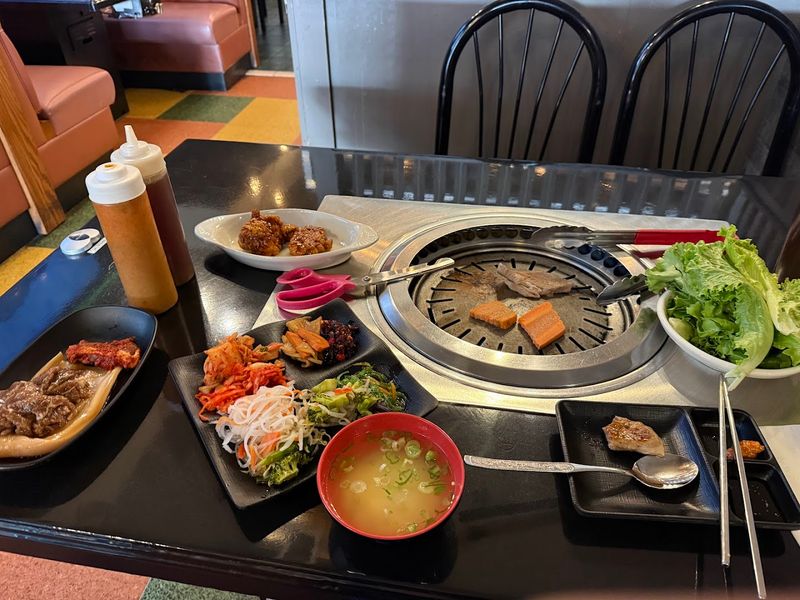
The best Korean BBQ meals make you slow down, talk longer, and leave smelling faintly of the grill in the most satisfying way. That is exactly the kind of experience many diners seek out here, where sizzling meats and generous side dishes set the tone for a social night out.
The energy feels built for groups, but the menu stays approachable enough for anyone trying Korean barbecue for the first time.
In Medford, SURA Korean BBQ has become one of the better-known names north of Boston for that reason. Tabletop grilling is the draw, yet the appeal goes beyond the fire, with classics like japchae, kimchi stew, and other comfort dishes rounding out the meal.
That variety helps make the restaurant useful for mixed groups who want both barbecue excitement and familiar Korean staples.
Its Riverside Avenue location also matters because it expands strong Korean dining beyond the city core. You can feel how it serves families, students, date-night diners, and local regulars rather than only destination seekers.
That broad audience says a lot about how mainstream Korean food has become in Greater Boston.
If you want a spot that balances popularity, accessibility, and the full communal spirit of Korean BBQ, this is an easy place to start. The meal feels festive without being intimidating.
More importantly, it shows how suburban edges of Boston are helping carry the state’s Asian dining scene forward.
BAB Korean Bistro
Not every Korean restaurant leans heavily into smoke, steel, and all-you-can-eat abundance. Some win people over with a cleaner, more contemporary mood that still delivers the comfort and excitement you want from the cuisine.
That polished approach can be especially effective for diners who love bold flavors but also appreciate a modern, neatly designed setting.
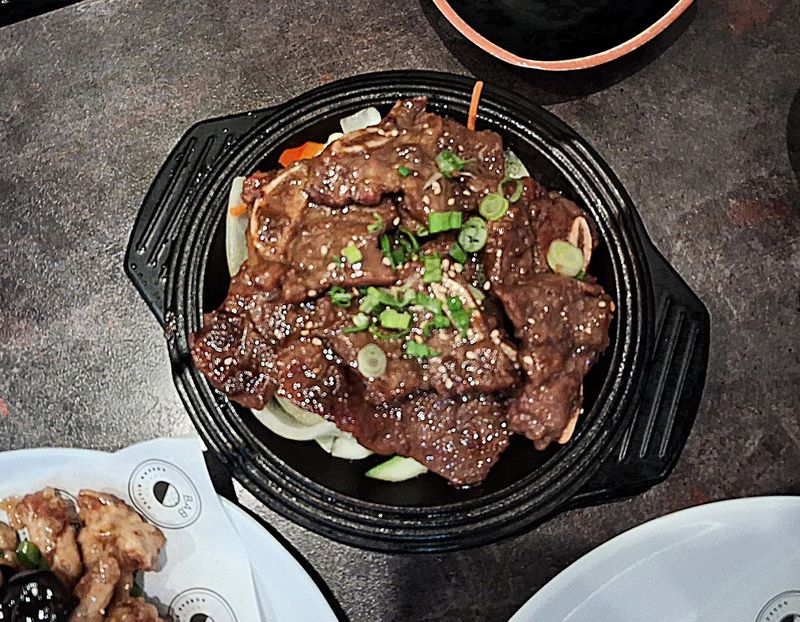
BAB Korean Bistro in Brookline fits that lane nicely. While barbecue is part of the attraction, the menu also gives equal attention to bibimbap, fried chicken, and other dishes that present Korean comfort food in a fresh, visually appealing way.
The result feels current without seeming watered down, which is a tricky balance many restaurants never quite achieve.
That matters in a town like Brookline, where diners often expect both style and substance. BAB helps show that Korean food can thrive not only as a specialist grill experience, but also as a polished neighborhood meal that feels easy to revisit.
It widens the category by making Korean cuisine feel flexible, contemporary, and naturally part of the local dining mix.
If you are looking for a place that bridges tradition and trend, this is a compelling stop. The menu invites first-time visitors in, yet still gives returning fans plenty to order.
More broadly, BAB reflects how Korean restaurants in Massachusetts are evolving past old stereotypes and claiming space in everyday upscale-casual dining.
Koreana Restaurant
Long-running restaurants often tell the deepest story about how a cuisine settles into a city. They serve generations of students, neighborhood families, visiting relatives, and curious newcomers, gradually turning unfamiliar dishes into beloved standards.
In that process, a dining room becomes more than a business, it becomes part of the local food memory.
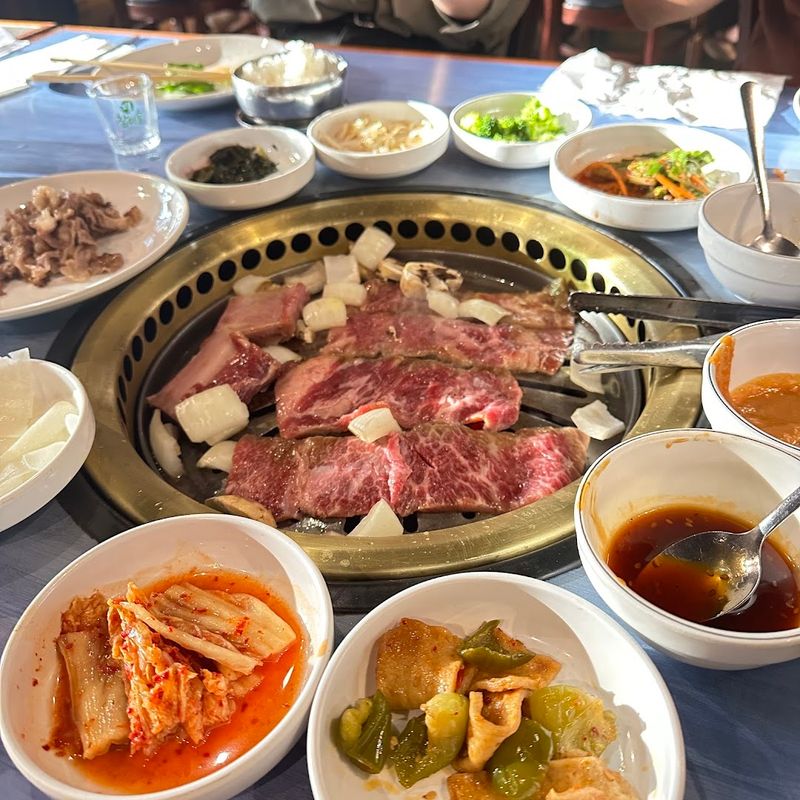
Koreana Restaurant in Cambridge has played that role for years. Known as a longtime local institution, it has introduced plenty of people to Korean BBQ as well as traditional dishes that reward repeat visits.
For many diners, a first experience with grilling meat at the table or sharing banchan may well have happened here.
Its staying power matters because Cambridge is full of fast-moving trends and constant restaurant turnover. A place that remains relevant over time suggests genuine community trust, not just novelty.
Near students, professionals, and longtime residents, Koreana has helped fold Korean cuisine into the mainstream rhythm of the city’s dining culture.
If you want to understand how Massachusetts built its appetite for Korean food, this is one of the clearest examples. The experience feels rooted, reliable, and quietly influential.
Rather than chasing flash, Koreana represents the kind of steady excellence that makes a cuisine feel permanent, familiar, and essential within a broader Asian dining scene.
Seoul Soulongtang
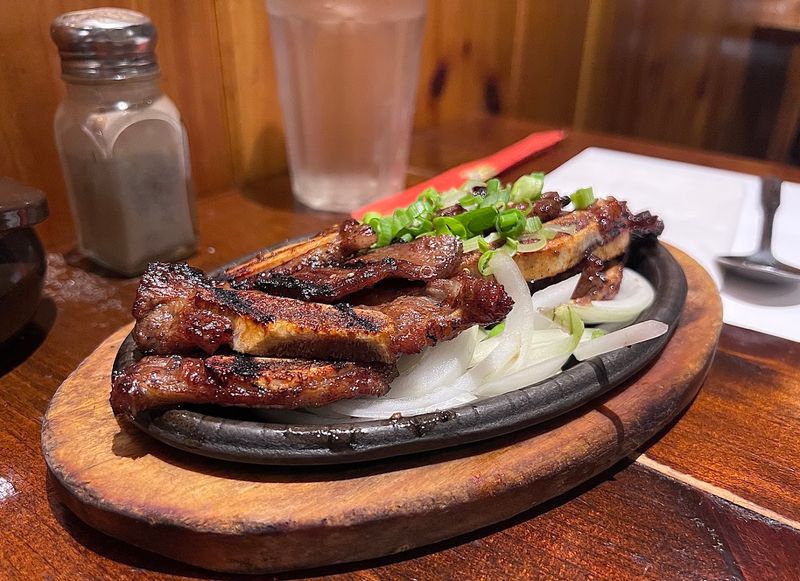
Some places draw you in with spectacle, while others win you over through warmth, routine, and the kind of food that feels restorative. A restaurant can become essential when it offers both comfort and enough variety to satisfy different moods in one visit.
That balance is part of what makes Korean dining so appealing, especially when rich soups and barbecue share the menu.
In Allston, Seoul Soulongtang is best known for its deeply comforting ox-bone soup, but that is only part of the story. The restaurant also serves Korean BBQ and a range of classic dishes that make it approachable for both Korean diners and first-time visitors.
Because the atmosphere feels casual rather than ceremonial, newcomers can explore the cuisine without pressure.
That accessibility matters in a neighborhood like Allston, where students, longtime residents, and food-focused visitors constantly cross paths. Places like this help move Korean food from special-occasion territory into the everyday dining rotation.
They also show that barbecue culture thrives best when it exists alongside soups, rice dishes, and comforting staples.
If you are mapping the spread of Korean cuisine in Massachusetts, this restaurant deserves attention for its breadth and ease. It invites you in with familiarity and keeps you there with depth.
More than a single signature dish, Seoul Soulongtang represents how Korean comfort food and Korean BBQ can strengthen each other.
Naksan Korean BBQ
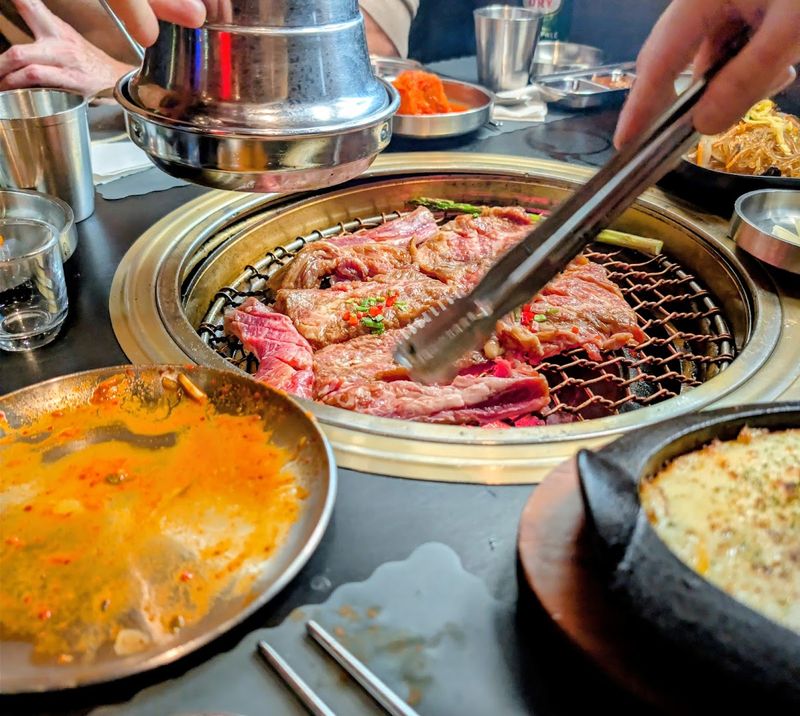
You can usually tell when a restaurant is built around the grill before the first plate even lands. There is a hum to the room, a rhythm of servers moving out banchan, and the unmistakable excitement of meat hitting heat right in front of you.
For people who want Korean BBQ as the main event, that focused energy matters.
Naksan Korean BBQ in Allston leans directly into that experience. Marinated meats, tabletop cooking, and a full spread of sides sit at the center of the meal, creating the kind of dinner that feels interactive from start to finish.
Rather than treating barbecue as one option among many, the restaurant gives the grill the attention it deserves.
Its presence in Allston is also significant. The neighborhood already serves as one of Massachusetts’ densest clusters of Asian eateries, and Naksan strengthens that identity by anchoring a strong Korean BBQ option within the area’s nightlife and student traffic.
In practical terms, it helps keep Korean dining visible, social, and highly repeatable.
If you are after a place that captures the excitement many people imagine when they think of Korean barbecue, Naksan is an easy standout. The experience feels lively without becoming chaotic.
More importantly, it reinforces how Allston continues to act as one of the most influential gateways for Korean food in the state.
Kaju Tofu House
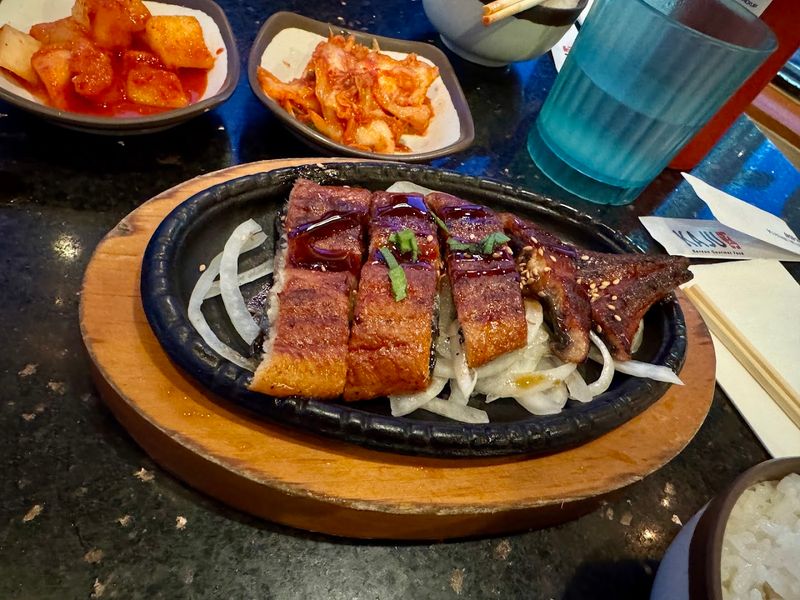
Late-night restaurants often become cultural anchors in ways flashier places never do. They feed students after long study sessions, friends after concerts, and neighborhood regulars who want something deeply comforting when most kitchens are winding down.
In Korean dining, that comfort can look like bubbling stew one night and grilled meat the next.
Kaju Tofu House in Allston is famous first for soft tofu stew, and deservedly so. Still, its Korean BBQ dishes and classic sides deserve attention because they help broaden the restaurant’s role beyond a single signature item.
For many diners, that combination makes it less of a niche stop and more of a dependable all-purpose Korean restaurant.
Its steady popularity near Boston University says a lot. Student neighborhoods help shape future food habits, and a reliable place like this can turn casual visitors into lifelong Korean food fans.
When a restaurant becomes part of someone’s weekly routine rather than an occasional adventure, it quietly expands the reach of the cuisine.
If you want to see how Korean food embeds itself into everyday Massachusetts life, Kaju is a strong example. The atmosphere feels practical, welcoming, and lived-in.
That consistency matters, because the growth of the state’s Asian dining scene is not powered only by trend-driven openings, but also by trusted spots people return to constantly.
Gopchang Story BBQ
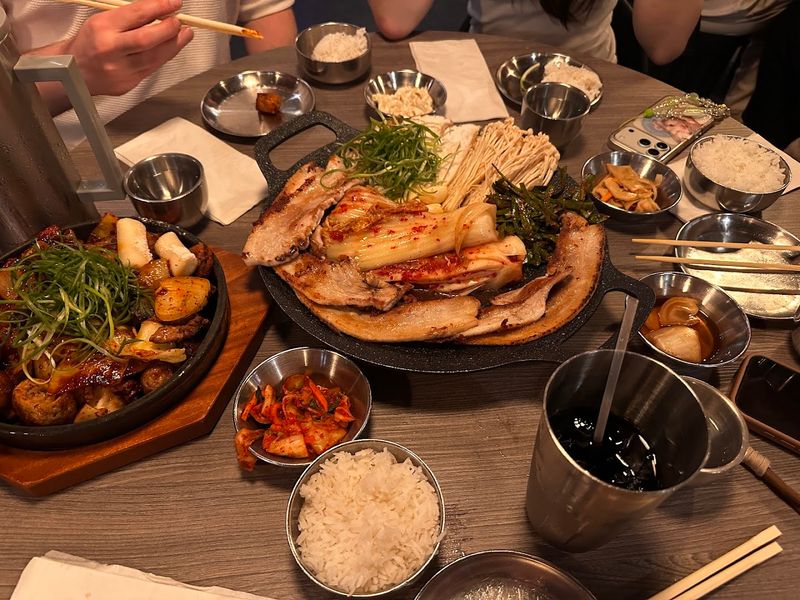
The most exciting food scenes grow when they move past the safest, most familiar dishes and make room for regional specialties. That is when a cuisine starts to be understood on its own terms rather than flattened into a handful of crowd-pleasing standards.
In Korean barbecue, few examples show that better than restaurants devoted to offal and specialty cuts.
Gopchang Story BBQ in Allston brings that deeper tradition into Massachusetts with a focus on Korean-style grilled intestines and other less common barbecue choices. For adventurous diners, it offers an experience closer to a specific Seoul niche than to a generic grill house.
For everyone else, it expands the local conversation about what Korean BBQ can include.
This kind of restaurant matters because it challenges the idea that Korean food in America has to be simplified to succeed. By serving a more specialized style, Gopchang Story helps broaden local understanding of Korean regional tastes and dining customs.
In a neighborhood already central to Boston’s Asian food identity, that specialization adds real depth.
If you are interested in where the Massachusetts scene is heading, this is one of the more important spots to notice. It is not merely popular because it is different.
It matters because it proves the audience for Korean cuisine here is maturing, growing more curious, and ready for traditions beyond the standard barbecue script.
Bonchon Harvard Square
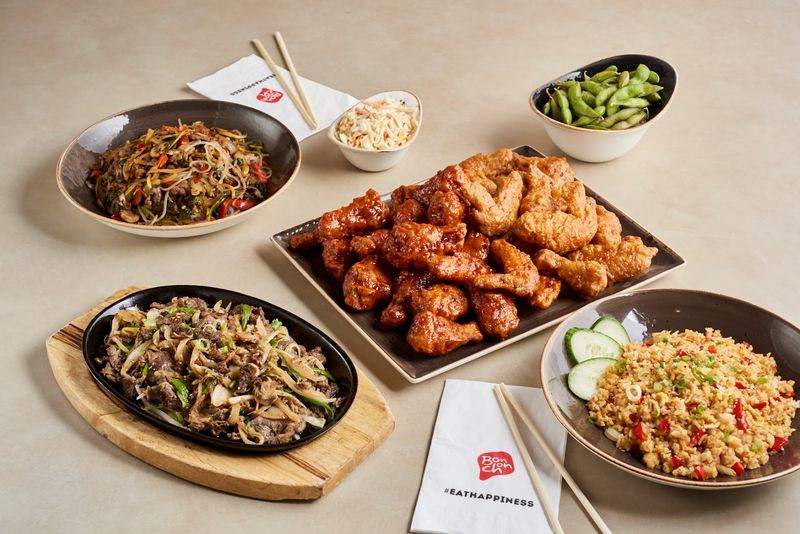
Not every restaurant shaping Korean dining in Massachusetts does it through tabletop grills. Sometimes the biggest cultural shift comes from a dish that feels instantly craveable, easy to share, and simple for first-timers to understand.
Korean fried chicken has played that role across the country, and its influence has opened plenty of doors for the rest of the cuisine.
Bonchon in Harvard Square is a strong example of that effect. Though best known for its crisp, sauce-lacquered chicken, the restaurant has helped introduce Korean flavors to a very broad audience in one of the state’s busiest pedestrian hubs.
For many diners, a first positive Korean food experience starts with something familiar in format but distinct in flavor, texture, and style.
That kind of mainstream visibility matters. In Cambridge, where students, tourists, and local professionals all circulate heavily, a recognizable name like Bonchon can normalize Korean cuisine as part of everyday eating rather than an occasional specialty choice.
Once that comfort level is established, people are often more willing to explore deeper menus elsewhere, including dedicated barbecue spots.
If you are looking at the wider story rather than only strict Korean BBQ houses, this restaurant earns its place. It expands the audience, builds comfort, and strengthens demand.
In practical terms, that means places like Bonchon help create the diners who eventually seek out more traditional and specialized Korean meals across Massachusetts.
Westborough Korean Restaurant
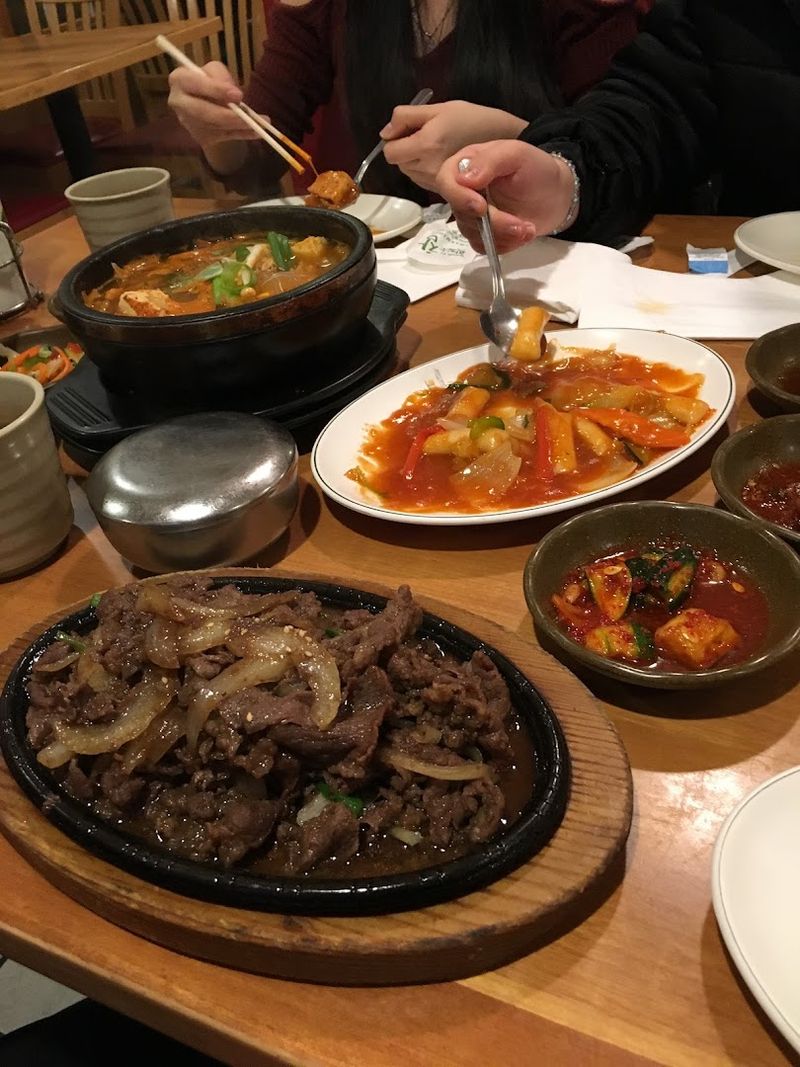
Suburban restaurants often reveal where food trends have become lasting habits. When Korean barbecue and traditional Korean dishes gain traction outside urban enclaves, it suggests the audience is broadening in a meaningful way.
Families, commuters, and longtime residents start making the cuisine part of their normal dining rotation, and that changes the regional landscape.
Westborough Korean Restaurant plays that role for MetroWest. With Korean BBQ alongside hearty family-style dishes, it serves diners who may want the fun of grilling at the table one visit and more comforting soups or rice plates the next.
That flexibility makes the restaurant especially useful in an area where mixed-age groups and repeat neighborhood traffic matter.
Its presence in Westborough is important because it shows Korean food succeeding where convenience, consistency, and community loyalty often matter as much as novelty. Restaurants in suburban corridors do not rely solely on destination buzz.
They survive by earning repeat business, and that says a lot about how deeply the cuisine has been embraced.
If you want to understand the full expansion of Korean dining in Massachusetts, you have to look beyond Boston and Cambridge. Spots like this demonstrate real geographic reach.
They help transform Korean food from an occasional city excursion into a practical, local option for MetroWest diners who increasingly expect strong Asian dining close to home.
Hanmaru Restaurant
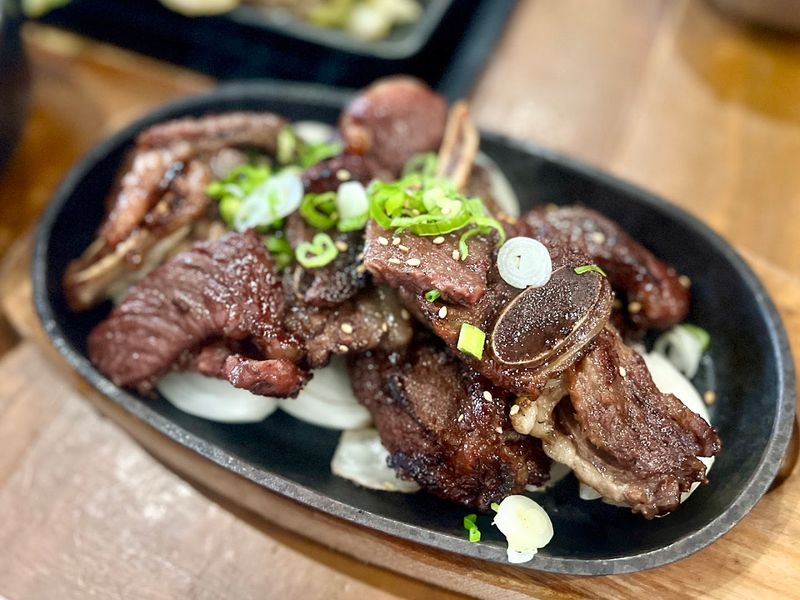
Sometimes what keeps a food scene healthy is not novelty, but dependability. A straightforward restaurant with a classic menu and neighborhood rhythm can be just as important as trendier places because it gives diners a stable, repeatable connection to the cuisine.
In Korean dining, that often means traditional dishes, unfussy service, and a room full of people who already know what they like.
Hanmaru Restaurant in Allston fits that description well. It serves Korean BBQ and traditional dishes in a setting that feels grounded and community-focused rather than theatrical.
For diners seeking a more classic Korean restaurant atmosphere, that simplicity can actually be the biggest draw.
Allston benefits from having places like this alongside flashier concepts. The neighborhood’s reputation as a Korean dining destination is stronger when it includes both specialized barbecue houses and dependable everyday restaurants where the food speaks for itself.
Hanmaru helps preserve that balance, giving locals and returning visitors a solid option that feels rooted in routine and familiarity.
If you are tracing how Korean cuisine expands while keeping its core intact, this spot deserves space on the list. It may not be the loudest restaurant in the scene, but it performs an essential role.
Hanmaru reminds you that growth is most meaningful when it includes continuity, tradition, and places where authenticity feels lived-in rather than staged.
K Restaurant
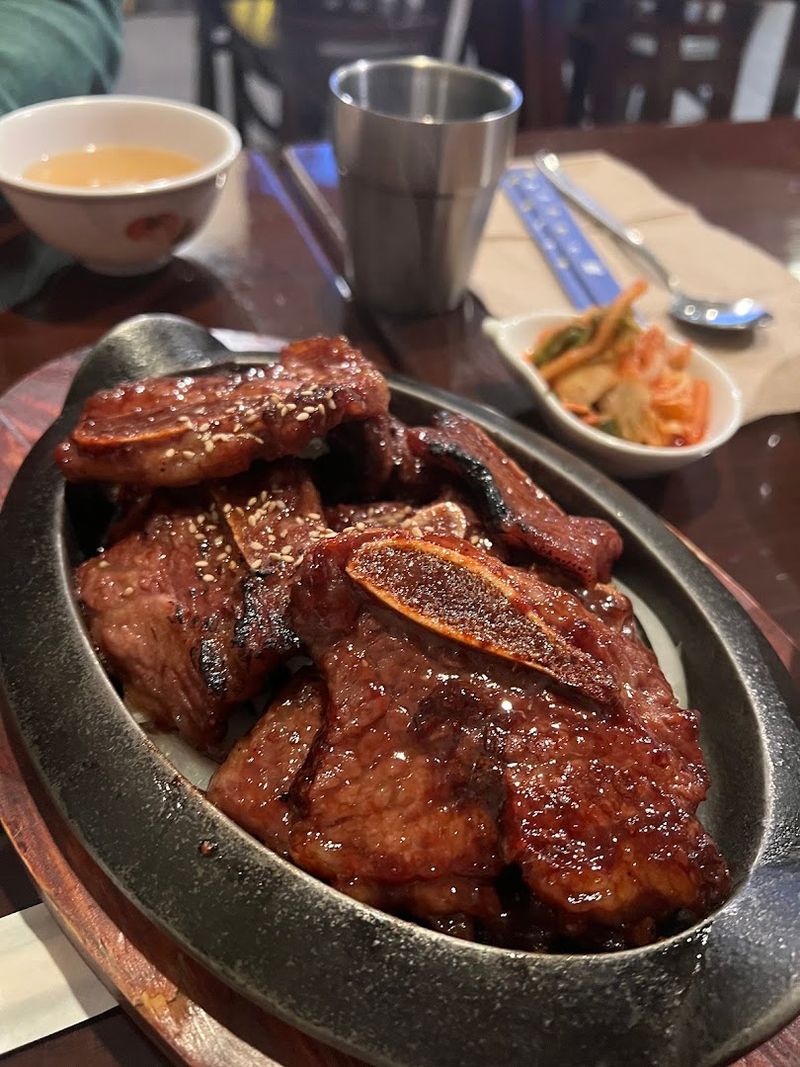
Located at 100 Lynn Street in Peabody, Massachusetts, this family-owned Korean restaurant has become a favorite on the North Shore for diners looking for authentic Korean flavors without traveling into Boston. Established in 2016, the restaurant focuses on traditional Korean cooking, with recipes prepared by a chef who brings decades of experience to the kitchen.
The atmosphere is casual and welcoming, making it approachable for both Korean food enthusiasts and first-time visitors.
While K Restaurant is not a traditional tabletop Korean BBQ restaurant where guests grill their own meat, its Korean Grill menu showcases many of the classic flavors associated with Korean barbecue. The signature LA Ribs (LA Galbi) feature thin-cut beef short ribs marinated in the restaurant’s house sauce before being grilled until caramelized and tender.
Other popular barbecue selections include Grilled Beef (Bulgogi) made with marinated ribeye, Spicy Grilled Pork, Grilled Chicken, and Premium Pork Ribs, each served with rice and kimchi. These dishes highlight the sweet, savory, and smoky flavors that define Korean BBQ.
The LA Galbi is particularly noteworthy because it represents one of Korea’s most beloved barbecue preparations. The beef is sliced across the bone, allowing the marinade to penetrate deeply and creating a rich balance of sweetness, garlic, soy sauce, and char from the grill.
Served sizzling and paired with traditional sides, it delivers a Korean BBQ experience even though the cooking is done in the kitchen rather than at the table.
For diners exploring Korean cuisine on Massachusetts’ North Shore, K Restaurant offers an accessible introduction to Korean barbecue through expertly grilled meats, generous portions, and authentic Korean accompaniments.
New Jang Su BBQ Restaurant
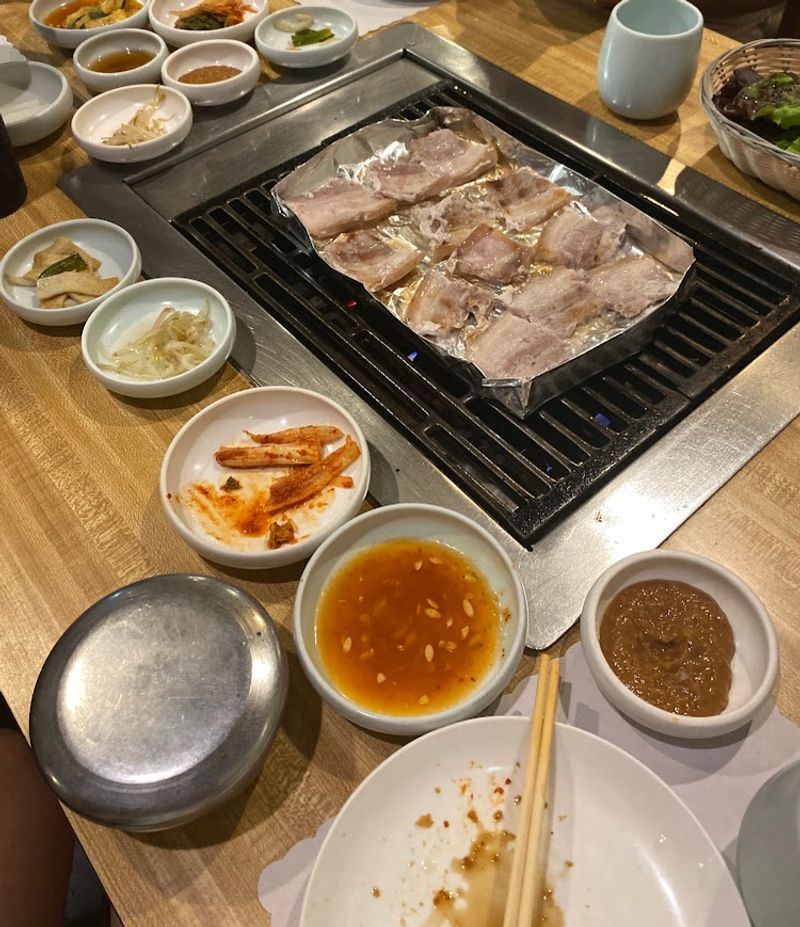
There is something especially telling about a full Korean BBQ experience thriving in the suburbs. It means diners are willing to seek out tabletop grilling, banchan spreads, and traditional side dishes well outside the urban neighborhoods where many first discover the cuisine.
That kind of demand signals more than curiosity, it suggests sustained enthusiasm.
New Jang Su BBQ Restaurant in Burlington captures that suburban momentum. Known for Korean BBQ and a broad selection of meats with traditional sides, it offers the kind of expansive grill-focused meal that encourages sharing and repeat visits.
For diners north of Boston, it provides a destination that feels substantial enough to justify the trip.
Its Burlington location is part of the story. Positioned away from the city’s main Korean dining clusters, the restaurant shows how the appetite for Korean barbecue has spread into car-friendly commercial corridors and family-oriented suburbs.
That broader geographic reach helps normalize Korean dining as part of the state’s regular restaurant mix rather than an occasional urban specialty.
If you are interested in where the scene is heading, places like this are impossible to ignore. They prove Korean BBQ can anchor a successful restaurant far beyond Boston proper.
More importantly, they show that Massachusetts diners increasingly expect strong Asian dining options wherever they live, work, and gather for celebratory group meals.
Hungry Pot Korean BBQ & Hot Pot
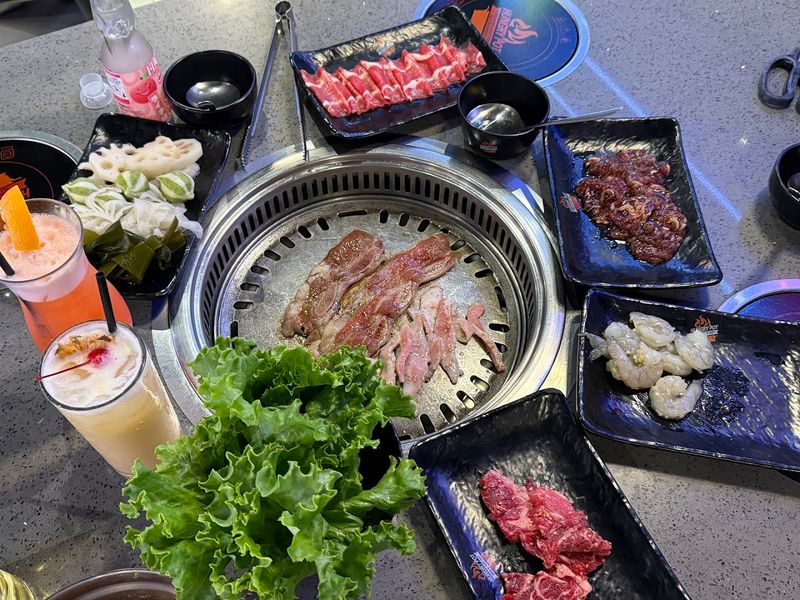
Hungry Pot Korean BBQ & Hot Pot is a modern all-you-can-eat Korean dining concept located in Manchester, Connecticut, designed around the interactive experience of cooking at the table. The restaurant combines two popular Asian dining styles—Korean BBQ grilling and hot pot cooking—allowing guests to choose between sizzling meats on built-in tabletop grills or simmering ingredients in flavored broths.
This dual setup makes it especially popular for groups who want a hands-on, customizable meal experience.
The Korean BBQ side of the menu features a wide selection of marinated meats such as beef bulgogi, spicy pork, short ribs, chicken, and seafood options, all brought raw to the table for guests to grill themselves. The grilling process is central to the experience, with diners controlling doneness and flavor while pairing meats with dipping sauces and banchan (Korean side dishes).
The restaurant also provides a sauce bar where guests can mix flavors ranging from soy-garlic to spicy gochujang-based blends.
Beyond BBQ, Hungry Pot is also known for its hot pot offerings, where ingredients are cooked in boiling broth right at the table, creating a communal and interactive dining style. The restaurant’s atmosphere is lively and social, often busy during peak hours, and it is especially popular for birthdays, group dinners, and casual celebrations.
Overall, it delivers a hybrid Korean BBQ experience that focuses on variety, interactivity, and shared dining energy, rather than a traditional sit-down meal.
ROYAL HOTPOT KOREAN BBQ SUSHI & BAR
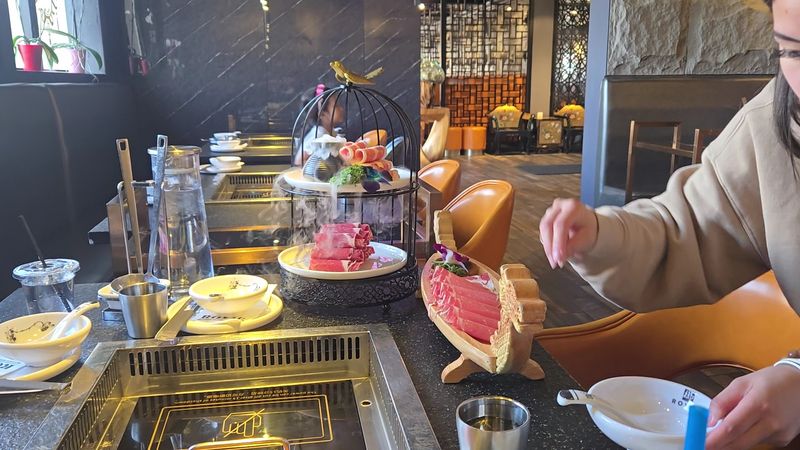
Royal Hotpot Korean BBQ Sushi & Bar is a modern multi-concept Asian dining restaurant located in Quincy, Massachusetts at 227 Parkingway. It combines Korean BBQ, hot pot, and sushi under one roof, making it a hybrid dining space focused on variety and shared, interactive meals.
The Korean BBQ experience here is centered on tabletop grilling, where diners cook their own meats directly at the table using built-in grills. The menu typically includes classic BBQ options such as marinated beef bulgogi, LA galbi (short ribs), pork belly, and chicken, all served raw and grilled fresh during the meal.
This setup emphasizes the social and hands-on nature of Korean BBQ, where cooking becomes part of the dining experience rather than something done in the kitchen.
What makes Royal stand out is its fusion format. Alongside BBQ, guests can switch to hot pot cooking, where meats, seafood, vegetables, and noodles are simmered in flavored broths at the table, or enjoy a full sushi menu for a lighter option.
This flexibility makes it especially popular for groups with different preferences, since everyone can share the same table but choose different cooking styles.
The atmosphere is designed to feel lively and social, with a modern interior, bar service, and late-night hours that encourage longer dining sessions. Overall, Royal delivers a full Korean BBQ experience in an all-in-one, interactive format, making it a destination for both casual meals and group celebrations.
Jason’s Korean BBQ & Hot Pot
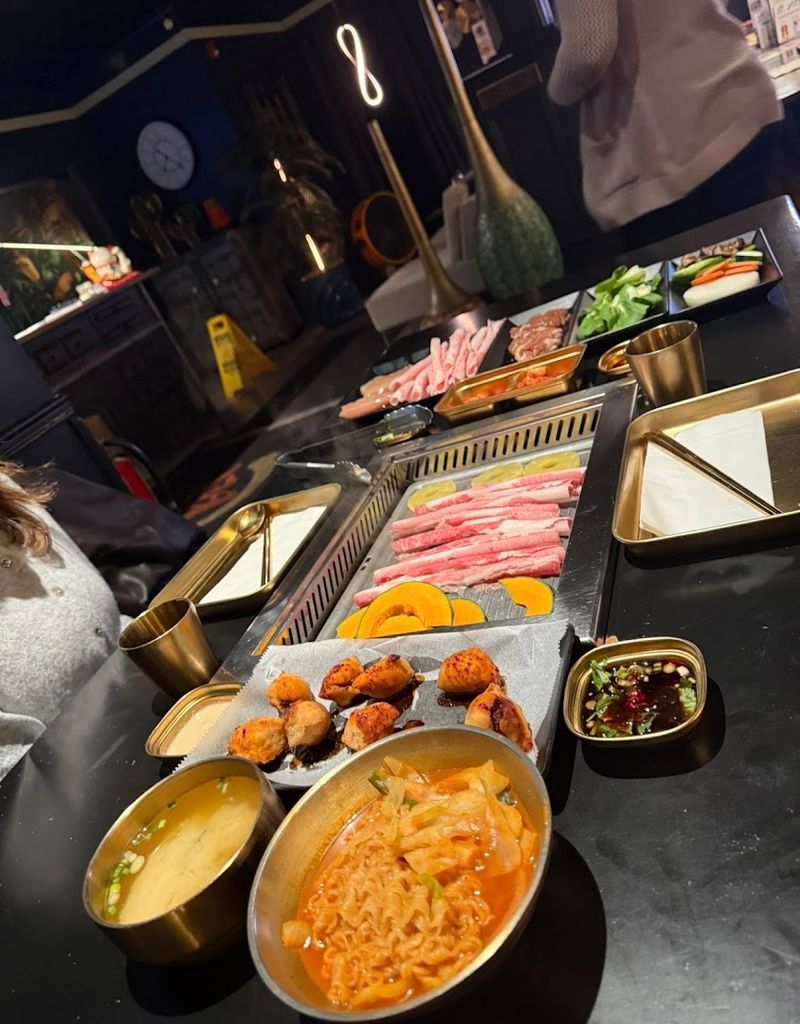
Jason’s Korean BBQ is a modern Korean BBQ and hot pot restaurant located in Lawrence, Massachusetts, offering a full interactive tabletop grilling experience. The restaurant is designed around the Korean BBQ tradition of shared dining, where guests cook marinated meats directly at their table using built-in grills, making the meal social, hands-on, and highly customizable.
The menu focuses on classic Korean BBQ staples such as beef bulgogi, LA galbi (short ribs), pork belly, spicy pork, chicken, and assorted seafood options, all served raw for grilling. This allows diners to control cooking time and flavor intensity, which is a defining feature of authentic Korean BBQ culture.
Alongside the meats, guests are typically served banchan (Korean side dishes) like kimchi, pickled vegetables, and dipping sauces that enhance each bite.
A standout feature of Jason’s is its all-you-can-eat BBQ format combined with hot pot options, giving guests the flexibility to switch between grilling and simmering dishes in flavorful broths. This hybrid model has become increasingly popular in modern Korean dining because it supports group sharing and longer, more interactive meals.
The atmosphere is lively and social, often attracting groups celebrating birthdays, gatherings, and casual nights out. With its focus on hands-on cooking, bold marinades, and shared dining energy, Jason’s Korean BBQ delivers a contemporary take on Korean barbecue while staying rooted in traditional grilling techniques.