Forget the white tablecloths and trendy menus. Some of Illinois’ best food is hiding behind old signs, crowded parking lots, and dining rooms where the regulars already know the server’s name.
These are the places where pie slices look almost ridiculous in size, breakfast plates arrive heavy enough to test your table, and recipes have survived long enough to become local legends. One bite in and suddenly every expensive restaurant starts feeling a little too serious.
Across Illinois, family-owned restaurants still do things the old-fashioned way. The food comes out hot, the coffee keeps getting poured, and nobody is trying to turn dinner into a performance.
From Route 66 classics to small-town gems tucked off busy roads, these are the places locals head when they want food that feels less like a meal and more like coming home.
Lou Mitchell’s — Chicago
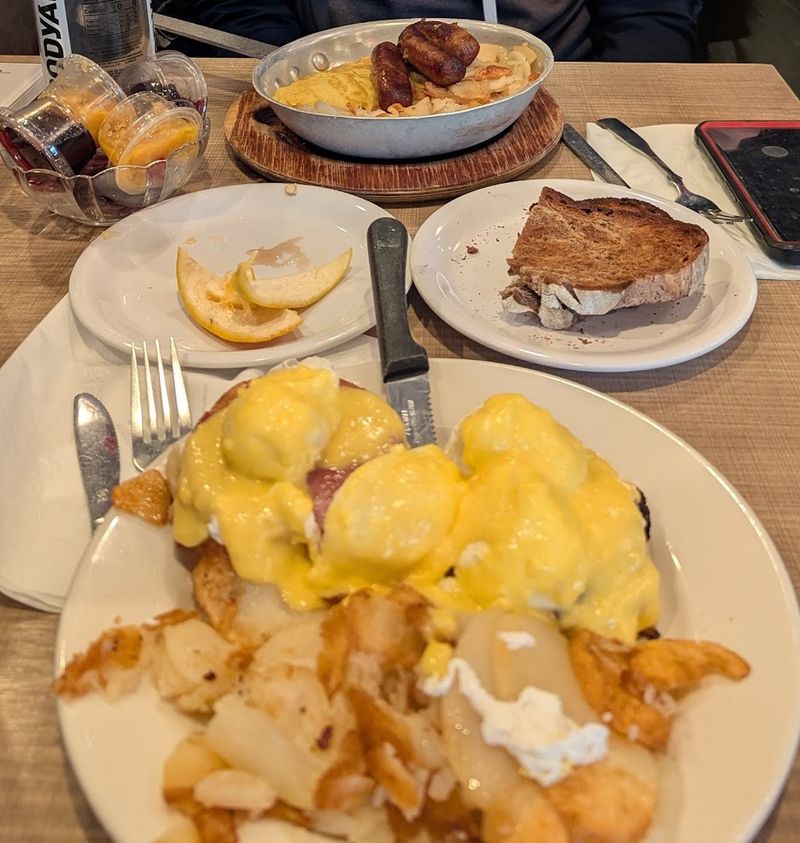
Since 1923, this Chicago breakfast institution has been serving the kind of morning meals that make people set their alarms earlier. Walking through the door feels like stepping into a time capsule where waitresses still hand out Milk Duds and donut holes while you wait for a table.
The oversized omelets arrive fluffy and generously filled, the kind that require both hands and genuine hunger to finish. Pancakes come thick and golden, with that perfect balance between crispy edges and soft centers that most modern brunch spots can’t seem to master.
Everything tastes like it was made by someone who actually cares whether you leave satisfied.
Route 66 travelers have been stopping here for generations, but the real testament to Lou Mitchell’s is the number of Chicago locals who consider it their regular spot. The service moves quickly without feeling rushed, and somehow the place manages to feel both historic and welcoming rather than stuffy.
When a restaurant survives this long in a city full of options, the food has to earn it every single day.
Dell Rhea’s Chicken Basket — Willowbrook
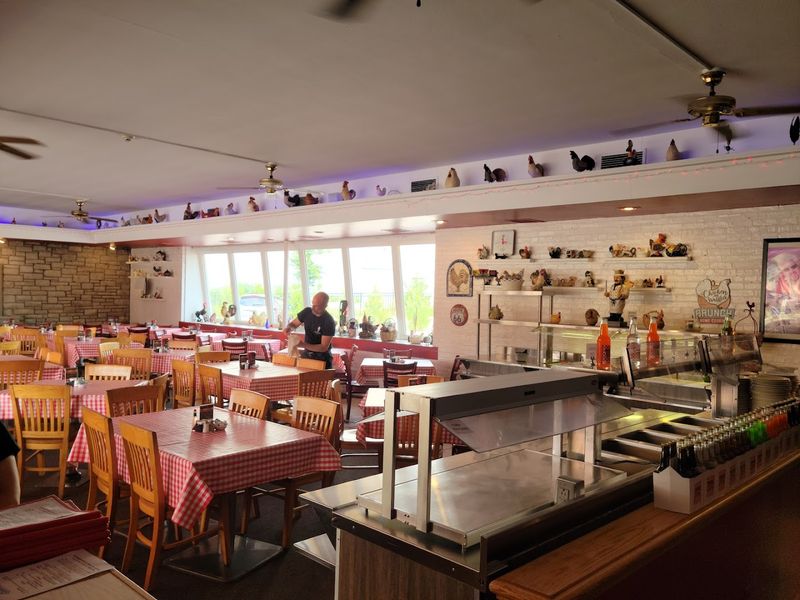
Back when Route 66 was the main road west, Dell Rhea turned a simple fried chicken recipe into a reason to pull over. That was 1946, and somehow the place still packs tables with people who could eat anywhere but choose to come here instead.
The fried chicken arrives crispy on the outside with meat that stays tender and flavorful inside, seasoned just enough to taste intentional without overwhelming the chicken itself. It’s not trying to be fancy or reimagined—just properly made fried chicken the way it should taste.
The sides lean heavily into Midwestern comfort territory, and nothing on the plate feels like an afterthought.
Sure, the nostalgia factor plays a role in the experience, but nostalgia alone doesn’t keep a restaurant alive for nearly eighty years. People return because the food still delivers on the promise the sign makes from the road.
The building looks like it belongs in a different era, which somehow makes the whole meal taste more authentic. Sometimes the best restaurants are the ones that figured out what worked decades ago and simply refused to mess with it.
Paradise Pup — Des Plaines
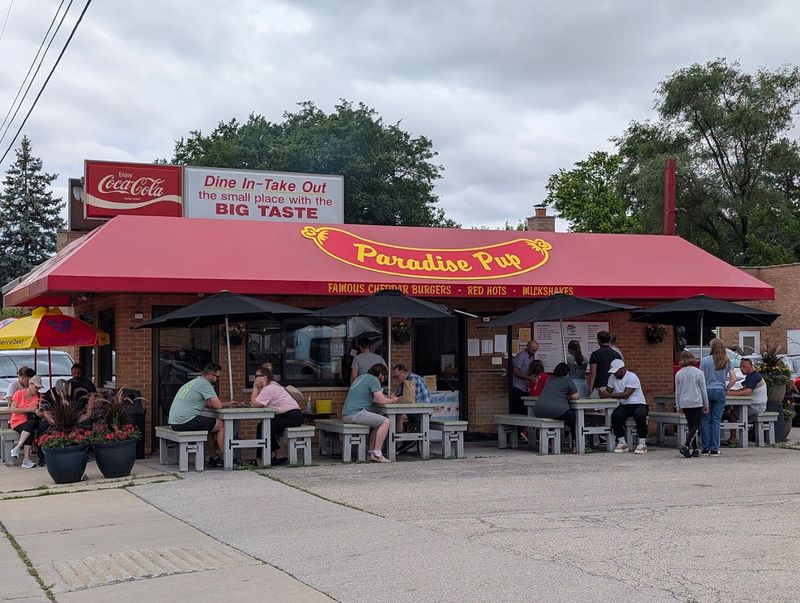
You could easily drive past this tiny burger stand without noticing, which makes it all the more remarkable that people travel specifically to find it. Paradise Pup operates out of a space barely bigger than some food trucks, but the burgers coming off that char-grill have built a reputation that reaches far beyond Des Plaines.
These aren’t the towering, Instagram-ready burgers stacked with unusual toppings. They’re straightforward char-grilled patties with that distinctive smoky crust that only comes from cooking over real flames.
The beef tastes like beef, the char adds depth without turning bitter, and the whole thing comes together in a way that reminds you why people loved burgers before they became complicated.
There’s no indoor seating, no fancy ambiance, no server who asks how everything is tasting. You order at the window, you wait, you eat, and you understand why this place has a cult following.
Some restaurants succeed by doing dozens of things well, but Paradise Pup proves you can build something memorable by doing one thing exceptionally well and refusing to overthink it.
Ariston Café — Litchfield
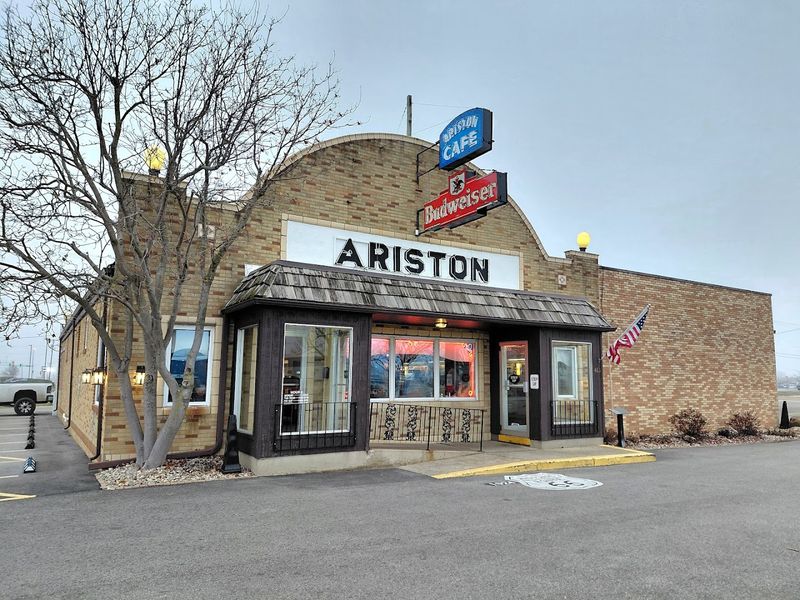
Litchfield sits along old Route 66, and the Ariston Café has been feeding travelers since 1924, making it one of the oldest continuously operating restaurants on the entire route. The building itself looks like the kind of place road-trippers hope to discover by accident, with that authentic historic charm that can’t be manufactured.
Inside, the menu leans into traditional comfort dishes that have kept multiple generations of customers coming back. The food tastes like someone’s grandmother is cooking in the back, with proper seasoning and portions that acknowledge people drove here hungry.
Nothing tries to be trendy or modern, which seems to be exactly the point and exactly what people want when they walk through the door.
Local families treat it like their regular spot, which tells you everything about whether the food holds up beyond the nostalgia factor. Route 66 tourists stop for the history, but they remember the meal itself, which is probably why the place has survived nearly a century in a small town.
When a family-run restaurant makes it this long, you can trust that shortcuts weren’t part of the strategy.
Yoder’s Kitchen — Arthur
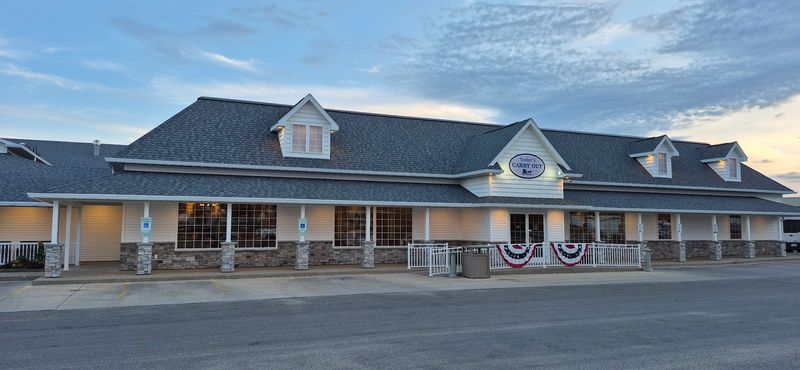
Arthur sits in the heart of Illinois Amish country, and Yoder’s Kitchen serves the kind of cooking that Amish families have been making for generations. Walking in feels less like entering a restaurant and more like being invited to someone’s kitchen table, if that someone happened to be an exceptionally talented cook.
The homemade bread arrives warm and substantial, with that dense texture that comes from real ingredients mixed by hand rather than machines. Fried chicken gets the same careful attention, cooked until the crust turns golden and crispy while the meat stays juicy underneath.
Then there are the pies—fruit pies with flaky crusts and fillings that taste like actual fruit, cream pies that don’t rely on artificial flavoring to make an impression.
Everything on the menu carries that same from-scratch quality, the kind of cooking that takes time and skill rather than shortcuts. Portions come generous without feeling excessive, and the prices reflect small-town values rather than tourist markup.
You won’t find fusion cuisine or trendy ingredients here, just honest Midwestern cooking done the way it should be done, by people who learned these recipes from family rather than culinary school.
Jack’s Cafe — Le Roy
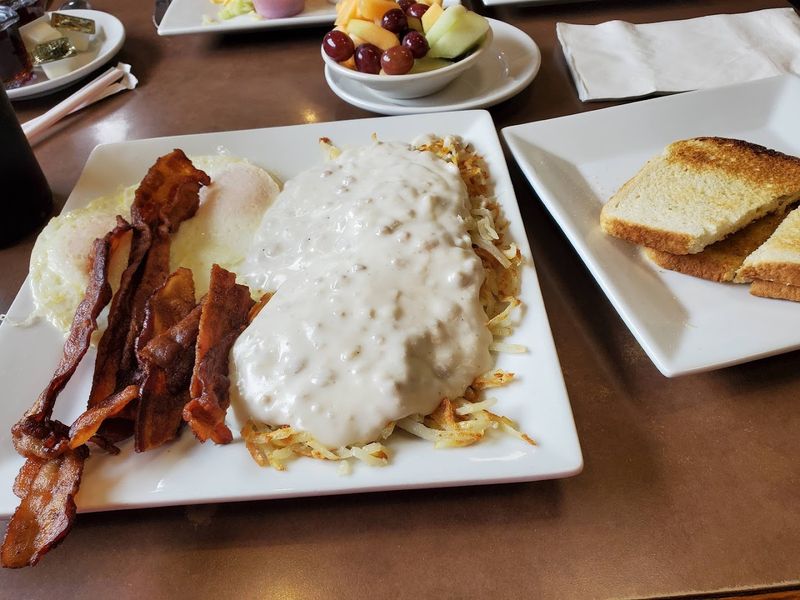
Le Roy isn’t the kind of town where tourists accidentally end up, which means Jack’s Cafe survives purely on whether locals choose to eat there. Judging by the number of regulars who treat it like a second dining room, the food clearly passes that test.
The menu focuses on the kind of comfort meals that small-town diners built their reputations on—properly made soups that taste homemade because they are homemade, meat and potato combinations that satisfy without trying to impress, and daily specials that change based on what makes sense rather than what’s trendy. Portions come large enough that leaving hungry would require genuine effort.
What sets Jack’s apart isn’t any particular dish but rather the overall feeling that you’re eating in someone’s home rather than just another restaurant. The service carries that personal touch where waitresses remember your usual order and ask about your family.
In bigger cities, restaurants try to manufacture that neighborhood feeling with careful design and training, but in Le Roy, it simply happens naturally because everyone actually knows each other. Sometimes the best food comes from places where the cook genuinely cares whether you liked your meal, not because of Yelp reviews but because they’ll see you at the grocery store tomorrow.
Old Route 66 Family Restaurant — Dwight
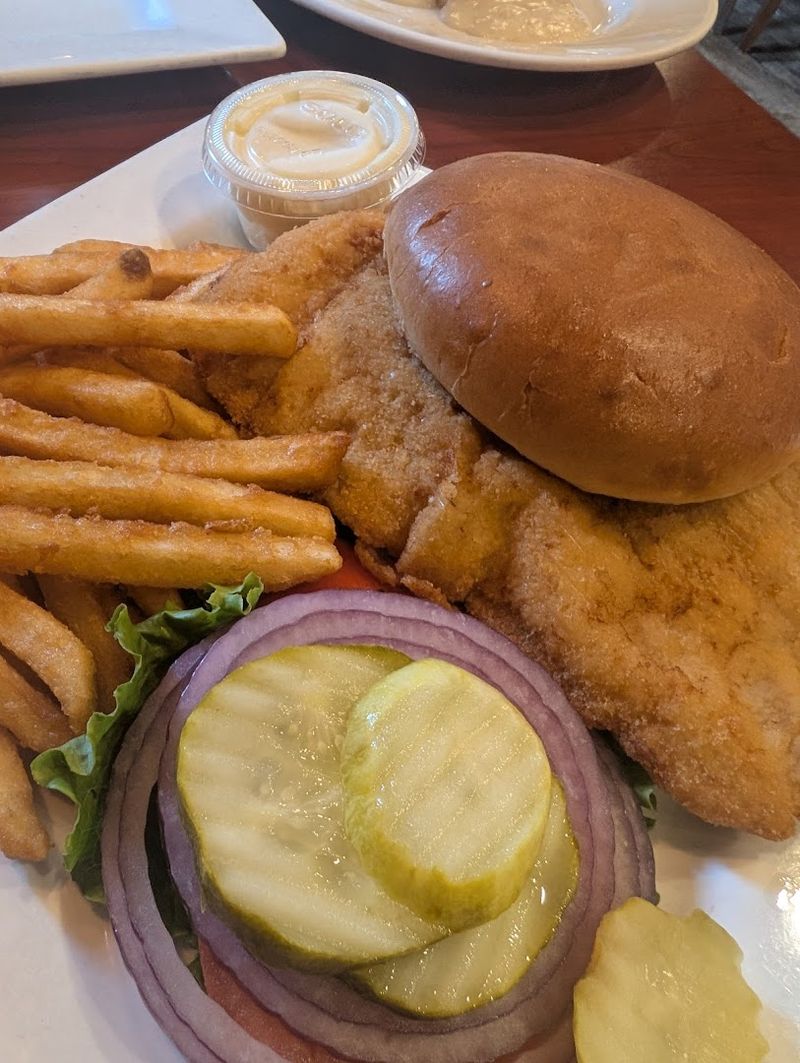
Dwight positions itself proudly along historic Route 66, and this family restaurant leans into that vintage roadside atmosphere without turning it into a gimmick. The building looks like it belongs to another era, and the menu reads like something travelers would have ordered decades ago when this route actually mattered.
Breakfast runs heavy on the classics—eggs cooked however you want them, hash browns with actual crispy edges, toast that comes buttered and hot. The diner plates for lunch deliver meat, potatoes, vegetables, and bread in combinations that never go out of style because they work.
Nothing arrives trying to be Instagram-worthy, just properly portioned and cooked like someone’s mom made it.
Route 66 brings in tourists looking for authentic stops along the historic highway, but local traffic tells the real story about whether the food holds up. The restaurant stays busy with people who have dozens of other options but choose to eat here anyway.
That vintage atmosphere enhances the experience, but the reason people return has more to do with consistent quality than nostalgic decor. Good diner food never really goes out of style—it just becomes harder to find as more places try to reinvent what didn’t need reinventing.
Busy Corner — Goodfield
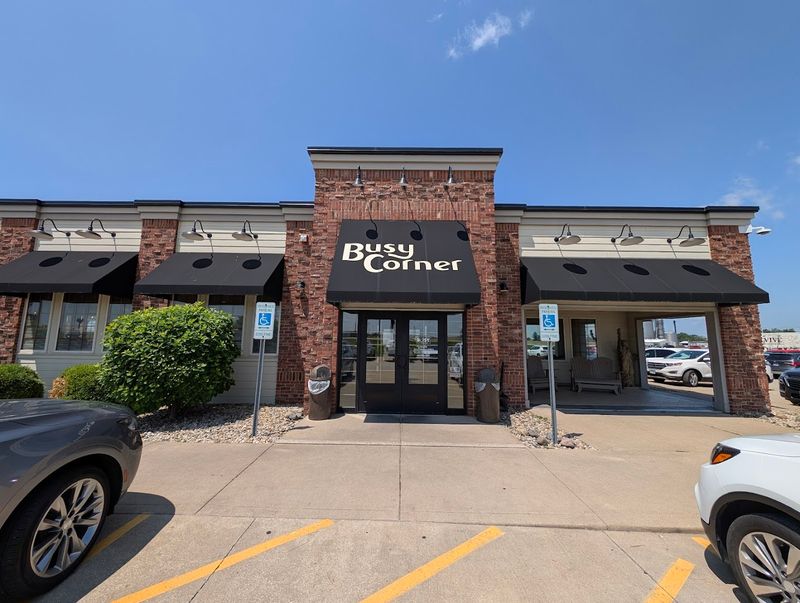
The name Busy Corner undersells what this Goodfield restaurant has quietly accomplished—building a loyal following in a town where word-of-mouth matters more than advertising ever could. People drive from surrounding areas specifically for breakfast here, which says plenty about whether the food justifies the trip.
Those giant cinnamon rolls deserve their reputation, arriving warm and generously sized with frosting that hasn’t been skimped on. Breakfast skillets come loaded with eggs, potatoes, meat, cheese, and vegetables all cooked together in portions that require real appetite to finish.
Everything tastes made-from-scratch rather than assembled from pre-made components, and you can tell the difference in every bite.
The restaurant operates with small-town values where generous portions and fair prices matter more than trendy ingredients or fancy presentation. Regulars fill the tables most mornings, creating that comfortable buzz of conversation that happens when people eat somewhere they genuinely enjoy rather than somewhere they’re just trying.
In a world where chain restaurants dominate breakfast, places like Busy Corner prove that independent operations can still thrive by simply cooking well and treating customers right. Sometimes that’s all it takes, though executing it consistently requires more skill than people realize.
Charlie Parker’s Diner — Springfield

That distinctive Quonset-style building catches attention from the road, but the giant pancakes and breakfast horseshoes keep people coming back long after the architectural novelty wears off. Springfield has plenty of breakfast options, yet Charlie Parker’s consistently packs tables with locals who’ve eaten here hundreds of times.
The pancakes genuinely earn the descriptor “giant,” arriving as substantial rounds that hang over the plate edges and require strategic syrup distribution to cover properly. Breakfast horseshoes—Springfield’s contribution to regional comfort food—come loaded with eggs, meat, fries, and cheese sauce in portions that make sharing seem wise even if you arrived hungry.
Everything tastes made-from-scratch rather than reheated, with that quality that comes from cooking that takes actual skill rather than just following corporate recipes.
The retro feel adds atmosphere, but atmosphere alone doesn’t create lines on weekend mornings. Charlie Parker’s succeeds because the food consistently delivers on generous, well-made comfort dishes without pretension or inflated prices.
In a state capital with diverse dining options, the fact that this family-run diner remains a local favorite speaks to quality that outlasts trends. Good breakfast cooking never goes out of style when someone takes the time to do it right.
Sunrise Family Restaurant — Loves Park
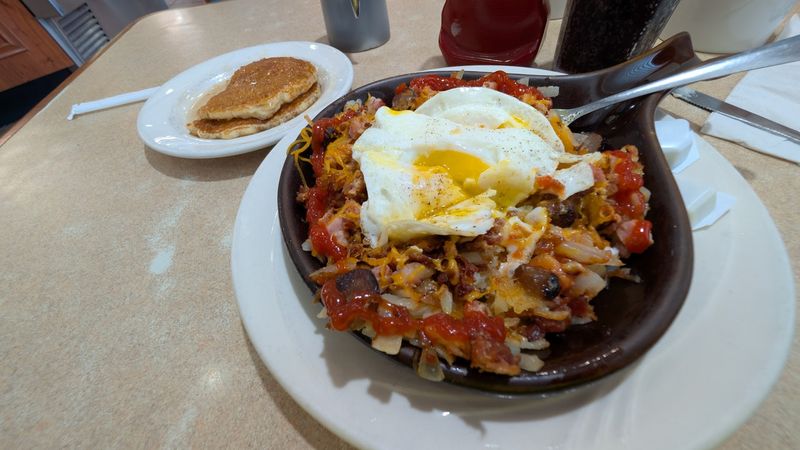
Loves Park’s Sunrise Family Restaurant doesn’t try to be the trendiest spot in town or the most Instagrammable brunch destination. Instead, it focuses on the fundamentals—generous portions, dependable comfort dishes, and service that makes customers feel welcome rather than rushed through their meal.
The menu covers expected family restaurant territory with breakfast plates, lunch combinations, and dinner entrees that lean heavily into Midwestern preferences. Pancakes, omelets, burgers, sandwiches, and daily specials arrive in portions that acknowledge people came to actually eat, not just sample.
Nothing tries to reinvent comfort food or add unnecessary complexity to dishes that work precisely because they’re straightforward.
What keeps regulars coming back isn’t any signature dish or unique specialty, but rather the overall reliability of getting a good meal at a fair price in a comfortable setting. The restaurant succeeds by doing dozens of menu items competently rather than banking everything on one standout dish.
In suburbs filled with chain restaurants that offer similar menus, independent family operations like Sunrise survive by executing consistently and treating customers like neighbors rather than transactions. Sometimes the best restaurants are simply the ones that cook well, price fairly, and create an atmosphere where people genuinely want to spend their meal time.
Country House Restaurant — Alsip
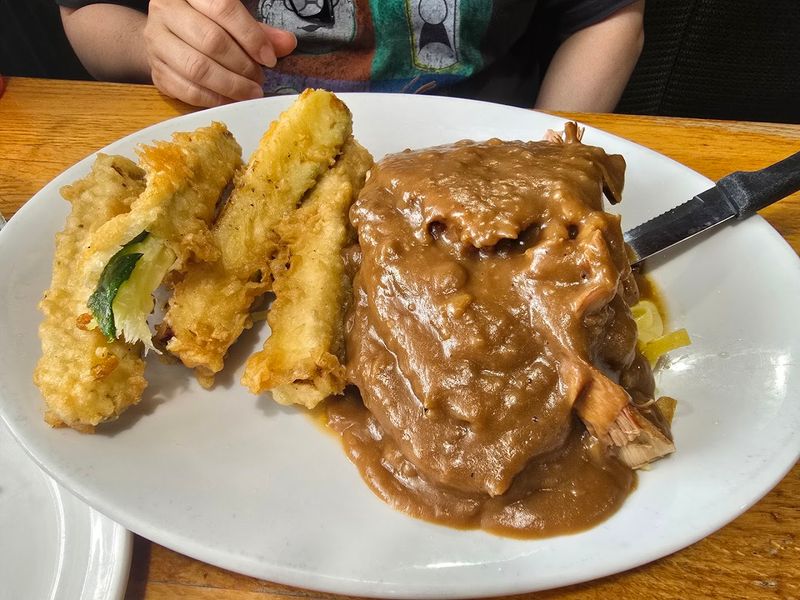
Alsip’s Country House Restaurant has been serving the community long enough that multiple generations have memories of eating here, which creates a comfortable familiarity that new restaurants simply cannot manufacture. The longevity tells you something important—places don’t survive this long in competitive suburban markets unless they’re consistently giving people reasons to return.
The menu runs broad rather than specialized, covering comfort food territory from breakfast through dinner with enough variety that families with different preferences can all find something appealing. Daily specials rotate based on what makes sense seasonally rather than following trendy food movements.
Portions come appropriate for the price point without feeling stingy or wastefully excessive.
Service carries that distinctive quality where waitresses make customers feel like regulars even on first visits, remembering drink preferences and checking in without hovering. The restaurant functions as a neighborhood gathering place where locals run into people they know, creating that community atmosphere that chain restaurants try to replicate through corporate design choices.
Country House achieves it naturally through years of actually being part of the community. When suburbanites have endless dining options but keep choosing the same family-owned spot, you can trust the food and experience deliver on whatever promises the restaurant makes.