South Carolina’s coastline didn’t always look like this.
It used to be a stretch of small beach towns where summer meant slow mornings, empty sand, and familiar faces on every corner.
Now the same roads lead past glowing condo towers, packed rental houses, and parking lots that never seem to empty.
Locals who grew up here talk about it like a different place entirely—old diners gone, quiet streets replaced by a nonstop flow of visitors chasing the shore.
The ocean is still the same, but everything around it feels rewritten.
These ten beach towns show just how far the Carolina coast has drifted from its sleepy past.
Myrtle Beach
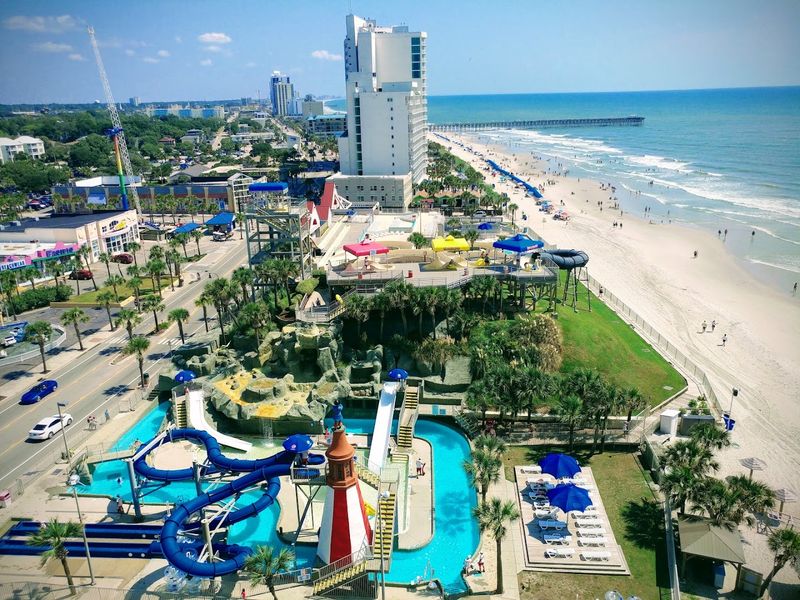
Walking down Ocean Boulevard today feels nothing like the quiet seaside retreat locals remember from decades past. The skyline now bristles with towering resort hotels that cast afternoon shadows across beaches once bathed in uninterrupted sunshine.
Massive entertainment complexes have replaced the small motels and seafood shacks that gave Myrtle Beach its original character.
Tourist season now stretches nearly year-round, bringing millions of visitors who pack restaurants, clog roadways, and fill every available parking space. The once-manageable summer crowds have exploded into relentless waves of vacationers seeking miniature golf, dinner shows, and beachfront selfies.
Local families who used to claim their favorite beach spots now arrive at dawn just to find a patch of sand.
Development shows no signs of slowing down either. New condo towers break ground regularly, while older properties get demolished for grander replacements.
The transformation from sleepy beach town to full-blown tourist destination is complete, leaving longtime residents nostalgic for simpler times when everyone knew their neighbors and traffic jams were rare.
North Myrtle Beach
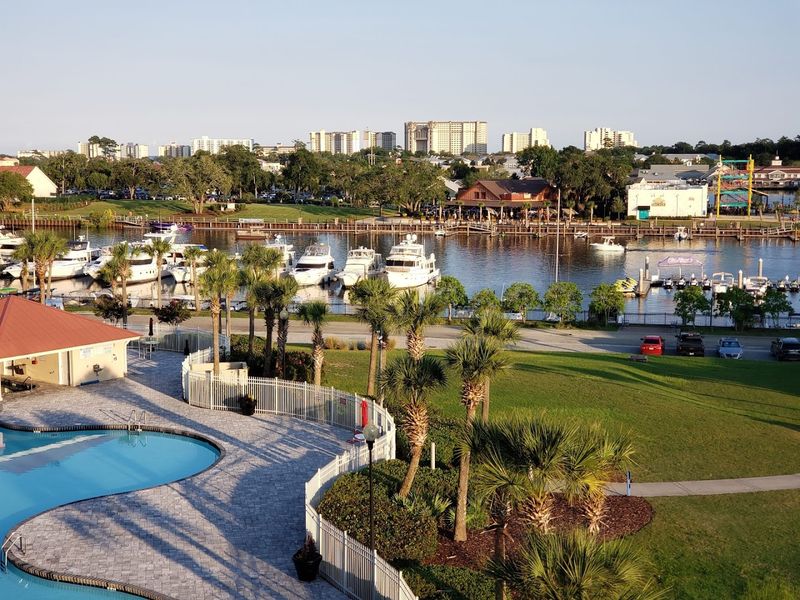
Driving through North Myrtle Beach reveals layers of change that have accumulated over thirty years. Where marshland and maritime forest once bordered the highway, continuous strips of shopping centers and condo complexes now line every available lot.
The roadways that handled modest traffic now experience gridlock during peak season, with rental turnover days creating particularly chaotic conditions.
Retirees seeking affordable coastal living fueled much of the initial expansion during the 1990s and early 2000s. Their arrival brought golf courses, chain restaurants, and medical facilities that transformed the area’s infrastructure.
What began as modest growth accelerated into aggressive development as investors recognized the profit potential in vacation rentals and second homes.
The beaches themselves remain beautiful, but accessing them requires navigating crowded parking areas and competing with thousands of weekly renters. Long-term residents miss the days when they could walk to the shore without encountering traffic or when local restaurants weren’t perpetually overbooked.
The shag dancing culture that once defined the community still exists but feels overshadowed by generic resort amenities targeting tourists rather than locals.
Folly Beach
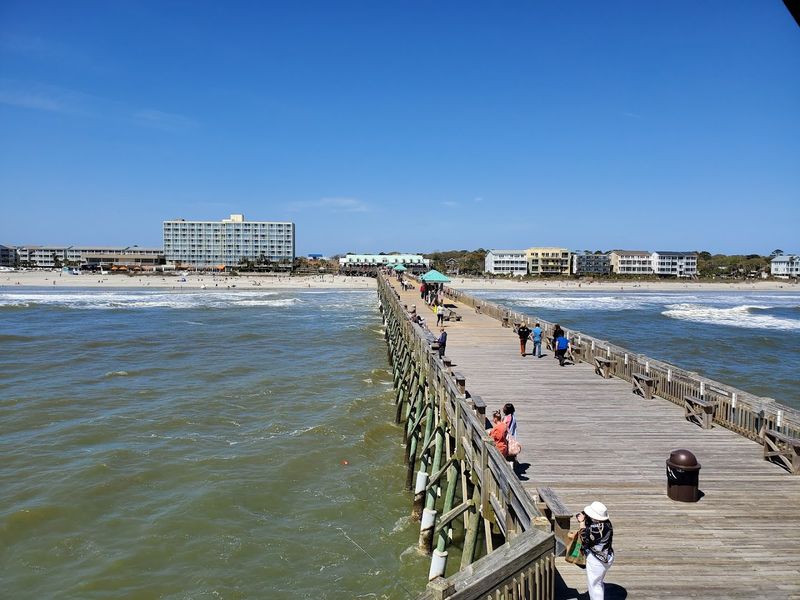
Folly Beach built its reputation as a bohemian surf haven where artists, musicians, and wave-riders created a laid-back island culture. That identity hasn’t completely vanished, but it’s definitely fading beneath the pressure of Charleston’s explosive growth.
Property values have skyrocketed to levels that push out the creative types who once gave Folly its distinctive character.
Short-term vacation rentals have fundamentally changed neighborhood dynamics across the island. Houses that once sheltered year-round families now turn over weekly, filling streets with unfamiliar faces who treat the area like a temporary party destination.
Local businesses struggle to maintain authentic island vibes while catering to tourists expecting polished resort experiences rather than quirky beach town charm.
Weekend invasions from Charleston bring bumper-to-bumper traffic across the connector bridge, making even simple errands frustrating for residents. The relaxed pace that defined island life has been replaced by perpetual hustle and congestion.
Longtime locals watch helplessly as their beloved surf town morphs into another upscale beach destination where affordability and authenticity become increasingly rare commodities in the relentless march toward commercialization.
Isle of Palms
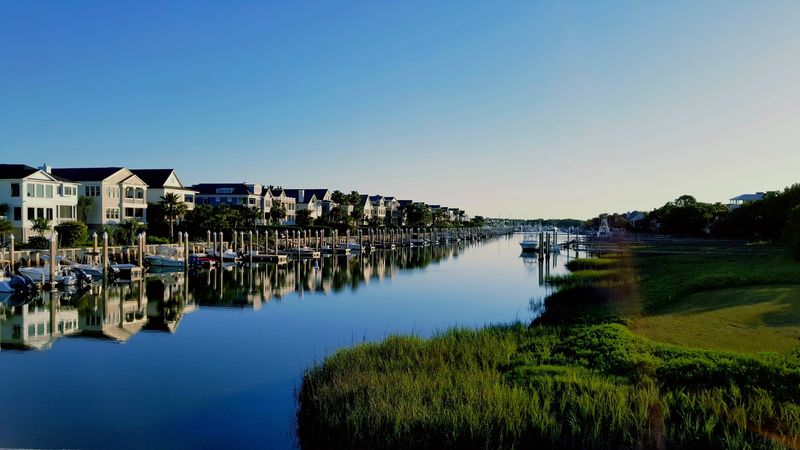
Luxury has become the defining characteristic of Isle of Palms, transforming what was once an accessible family beach into an exclusive coastal enclave. Multimillion-dollar homes now dominate the oceanfront, their architectural grandeur announcing wealth and status to anyone driving past.
The shift toward high-end development has priced out middle-class families who spent generations vacationing here.
Wild Dunes Resort expanded its footprint considerably, bringing championship golf courses, tennis facilities, and upscale dining that cater to affluent visitors. The resort’s growth fueled surrounding development, with luxury rental properties multiplying rapidly throughout the island.
What began as a collection of modest beach cottages evolved into a showcase of coastal opulence.
Charleston’s proximity and economic boom accelerated Isle of Palms’ transformation into a premier destination for wealthy second-home buyers. Local businesses increasingly target this affluent demographic, with boutique shops and high-end restaurants replacing the casual spots that once served regular island families.
The democratization that once allowed diverse visitors to enjoy these shores has given way to economic segregation, where only those with substantial means can afford extended stays or property ownership in this rarefied coastal atmosphere.
Surfside Beach
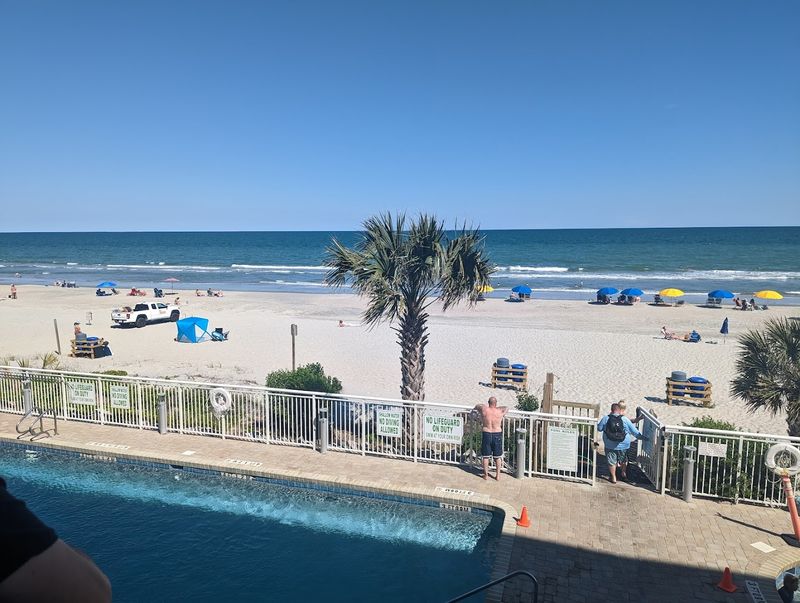
Families used to choose Surfside Beach specifically because it offered tranquility that neighboring tourist hotspots couldn’t provide. That peace has largely evaporated under the weight of vacation rental proliferation and seasonal population explosions.
Summer months now bring overwhelming crowds that strain the town’s infrastructure and eliminate the calm atmosphere that once made it special.
The rental market dominates the local economy now, with property owners converting year-round residences into weekly vacation units at remarkable rates. This shift means fewer permanent neighbors and more transient vacationers who lack investment in maintaining community standards.
The consistent small-town feeling that residents treasured has been replaced by unpredictable seasonal chaos followed by eerily quiet off-seasons.
Did you know Surfside Beach was nicknamed the Family Beach? That reputation still appears on promotional materials, but reality tells a different story.
Traffic congestion during peak weeks rivals much larger beach towns, while parking problems frustrate both visitors and locals alike. The quiet stretches of sand where children once played freely now accommodate dense crowds of tourists seeking affordable alternatives to pricier Grand Strand destinations, fundamentally altering the town’s original family-friendly character.
Garden City Beach
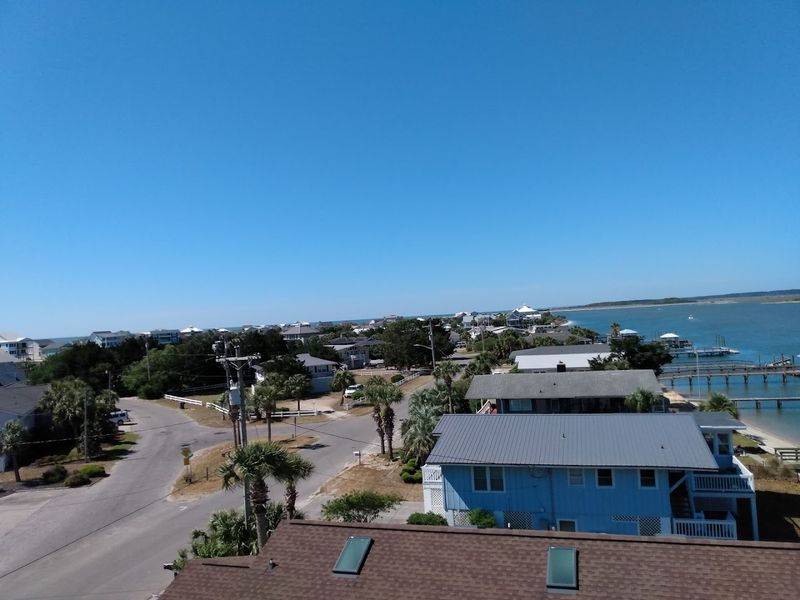
Storm damage and subsequent rebuilding cycles have fundamentally reshaped Garden City Beach’s physical landscape and community character. Each hurricane or significant storm event brought opportunities for property owners to rebuild bigger and more profitable structures.
The modest beach cottages that survived decades of storms couldn’t compete economically with modern rental behemoths designed to accommodate large groups.
Vacation rental investment dominates Garden City now, with property management companies controlling significant portions of available housing stock. This corporate approach to beach property transforms neighborhoods into commercial zones where community connections struggle to develop.
The personal touches that once made each cottage unique have been replaced by standardized rental decor designed for durability rather than charm.
The famous Garden City Pier remains a beloved landmark, but everything surrounding it has changed dramatically. Where local families once maintained modest second homes for generations, investors now calculate rental income potential and plan renovations for maximum occupancy.
Redevelopment has created a community that looks newer and more uniform but feels less authentic to those who remember when Garden City had genuine neighborhood character rather than serving primarily as vacation rental inventory.
Hilton Head Island
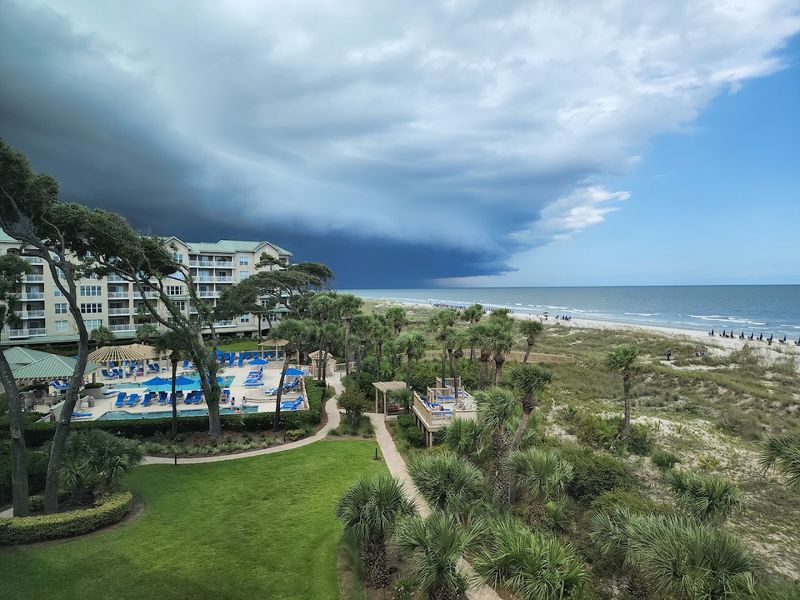
International recognition brought prosperity to Hilton Head Island but fundamentally altered its character from rustic barrier island to manicured resort destination. The gated plantation communities that define much of the island create exclusivity that contrasts sharply with the accessible beaches locals once enjoyed.
Golf courses, tennis complexes, and resort amenities now dominate landscapes where maritime forests and untouched beaches once thrived.
Tourism infrastructure expanded exponentially to accommodate millions of annual visitors seeking world-class vacation experiences. This growth brought economic benefits but erased much of the natural simplicity that made Hilton Head special before developers recognized its potential.
The Gullah community that maintained deep historical roots here has been increasingly marginalized as property values soar beyond reach for most long-term residents.
Preservation efforts have protected some natural areas, but they feel like isolated patches rather than the continuous wilderness that once characterized the entire island. The transformation into a premier resort destination succeeded by nearly every economic measure, yet something intangible was lost in the process.
Older residents remember when Hilton Head felt like a remote escape rather than a carefully managed destination where every experience comes with premium pricing and manicured perfection.
Edisto Beach
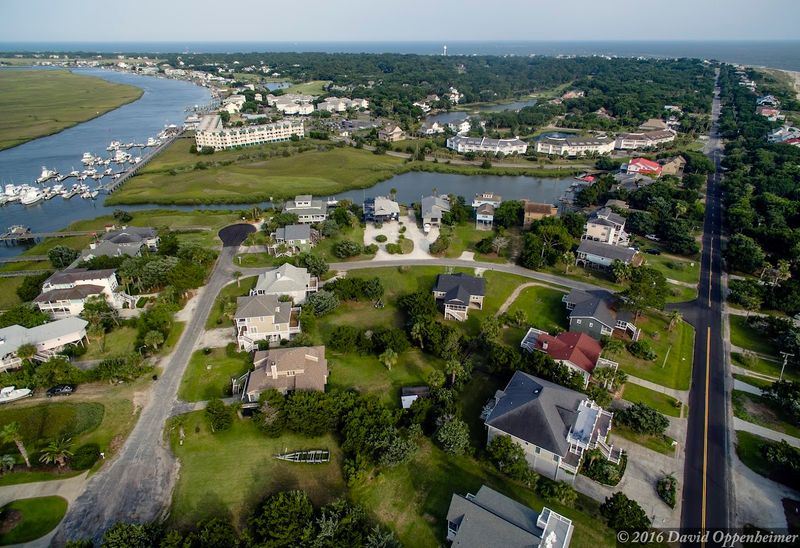
Edisto Beach has resisted the aggressive development that consumed neighboring coastal communities, but even here, changes are unmistakable to longtime visitors and residents. The island’s relative remoteness provided natural protection from tourism booms that transformed more accessible beaches.
However, increasing seasonal demand has begun chipping away at the isolated, undiscovered feeling that made Edisto special.
Vacation home construction has accelerated in recent years as people seek alternatives to overdeveloped beach towns. These new properties tend to be larger and more luxurious than the modest cottages that once dominated the island.
While development remains comparatively restrained, each new construction project slightly diminishes the wild, natural character that defines Edisto’s appeal.
The beaches still offer remarkable solitude compared to bustling tourist destinations up the coast. Shelling remains productive, sea turtle nesting continues undisturbed in many areas, and traffic jams are virtually nonexistent by Grand Strand standards.
Yet locals notice subtle shifts in atmosphere as seasonal visitors increase and property turnover accelerates. Edisto stands at a crossroads, still retaining much of its authentic coastal character while facing mounting pressure from those who’ve discovered its charms and want their own piece of this increasingly rare coastal simplicity.
Pawleys Island
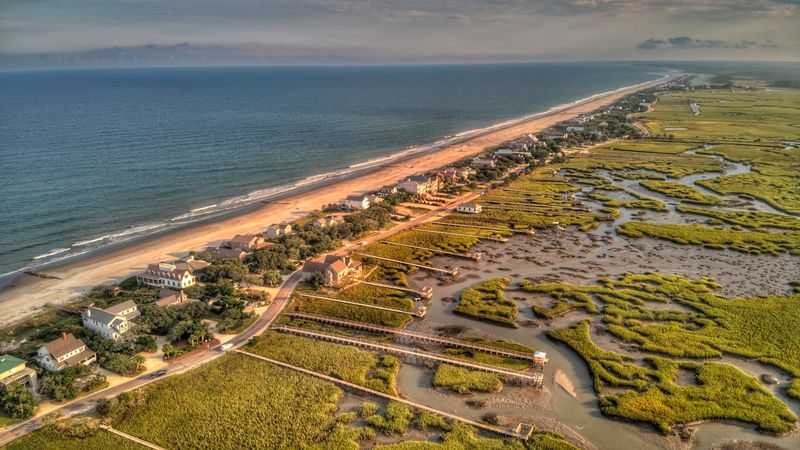
Historic Pawleys Island has been welcoming visitors since before the Civil War, making it one of America’s oldest seaside resorts. Its proud tradition of understated simplicity earned it the motto Arrogantly Shabby, celebrating purposefully rustic cottages and rejection of pretentious development.
That philosophy faces increasing challenges as real estate values climb and modernization pressures mount from new property owners expecting contemporary amenities.
Tourism interest has grown considerably despite the island’s intentional lack of commercial development and entertainment options. This attention brings both economic opportunity and threats to the deliberate simplicity that made Pawleys Island special.
Property sales increasingly involve buyers unfamiliar with the island’s traditions, some viewing the arrogantly shabby aesthetic as outdated rather than charming.
The famous Pawleys Island rope hammocks still symbolize the area’s laid-back philosophy, but maintaining that relaxed atmosphere grows harder each season. Neighboring developments and increased beach traffic from day visitors create pressures that test the community’s commitment to preservation.
While Pawleys remains more understated than most South Carolina beaches, the gradual erosion of its primitive coastal character worries those who value its historical authenticity and resistance to typical beach town commercialization.
Seabrook Island
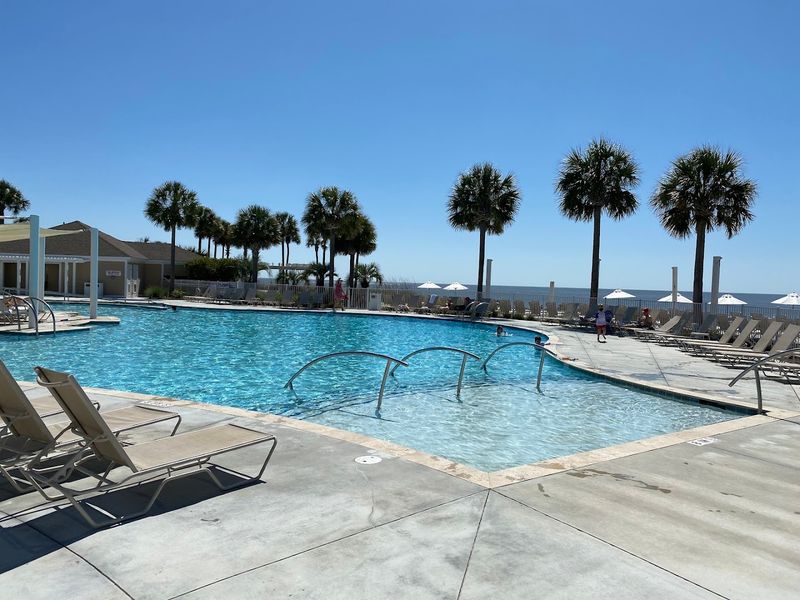
Exclusivity defines the modern Seabrook Island experience, with gatehouse security and private ownership creating barriers that transform a natural barrier island into a controlled residential resort. The transition from accessible beach to exclusive enclave represents a different kind of transformation than tourist-driven commercialization affecting other South Carolina shores.
Here, privacy and privilege replaced the open access that characterized earlier generations.
The private community model brings environmental protections and careful development planning that preserve natural beauty in ways uncontrolled growth cannot achieve. Residents enjoy pristine beaches, world-class golf courses, and extensive amenities without dealing with day-tripper crowds.
However, this highly managed environment feels fundamentally different from the wild barrier island that once existed here.
Gated communities inherently change coastal character by limiting who can experience these environments and under what circumstances. Seabrook’s transformation into a private paradise means fewer people can enjoy its beaches and natural areas compared to when the island was more accessible.
The community succeeded in avoiding tacky commercialization and overdevelopment, but at the cost of becoming an exclusive haven available only to those who can afford property ownership or guest privileges within the gates, fundamentally altering its identity from natural coastal landscape to managed residential resort.