Modern cinema is now primarily experienced in enclosed multiplexes or through home streaming platforms that offer fast and highly individualized entertainment.
Yet the true charm of watching films collectively can still be found in a slower rhythm, one that begins with arriving before sunset and securing the perfect view beneath an open sky.
That classic summer tradition continues to thrive at Capri Drive-In Theater, an iconic outdoor cinema located at 119 West Chicago Road in Coldwater, Michigan 49036.
For decades, this venue has remained one of the Midwest’s most respected surviving drive-in destinations, offering visitors a familiar atmosphere and a return to simpler forms of entertainment.
Turn off the headlights and tune in to the designated radio frequency as the story unfolds of a place where the magic of summer movies under the stars continues with remarkable consistency.
A Tradition That Refused to Disappear
Decades of change have closed most outdoor theaters, yet this one still operates with a confidence that comes from serving the same seasonal need year after year.
Shrinking numbers elsewhere make its survival more meaningful, because visitors are not just buying tickets, they are stepping into a format that once shaped American weekends.
Persistence matters here, especially when so many entertainment businesses have been pushed toward convenience, speed, and private viewing.
History gives the place weight, but routine gives it life.
Generations have learned that a visit includes waiting for darkness, listening through the car radio, and staying long enough to settle into the evening rather than rush through it.
Survival has depended on practical adaptation, steady maintenance, and a clear understanding that nostalgia alone cannot keep gates open.
That combination of memory and function helps explain why the theater continues to attract families, couples, and longtime moviegoers who want something more tangible than pressing play at home.
Why the Drive-In Still Feels Different
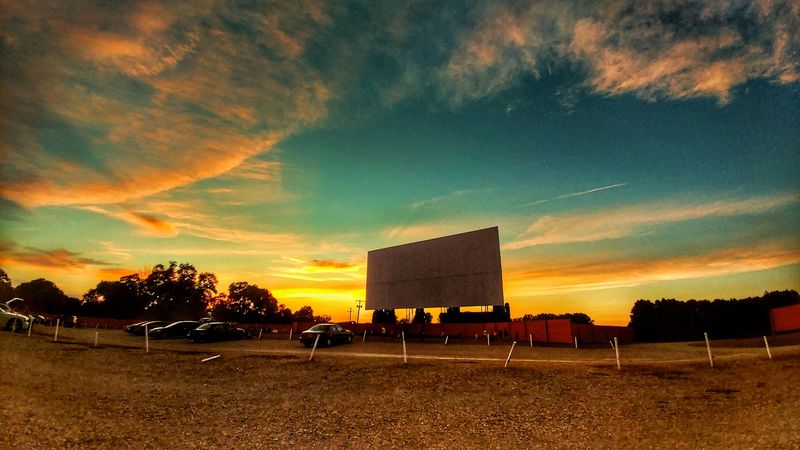
Unlike an indoor auditorium, the setting never fully separates a movie from the surrounding world.
Breezes move through open windows, distant conversations drift across the lot, and the gradual shift from sunset to darkness becomes part of the show before the first scene fully takes hold.
Context changes the pace, making the experience feel less sealed off and more connected to the season itself.
Comfort also works differently in this format.
Viewers can stay inside the vehicle, sit in portable chairs, or stretch out with blankets while still following the screen and audio in a way that feels relaxed rather than rigid.
Flexibility makes the evening appealing to people who want a film without the stricter expectations of a standard theater.
That freedom helps explain why the outing often feels easier for families and more social for groups.
The experience also tends to be more memorable for anyone who enjoys entertainment unfolding within a real landscape rather than behind closed walls.
The Experience Starts Before the Movie Starts
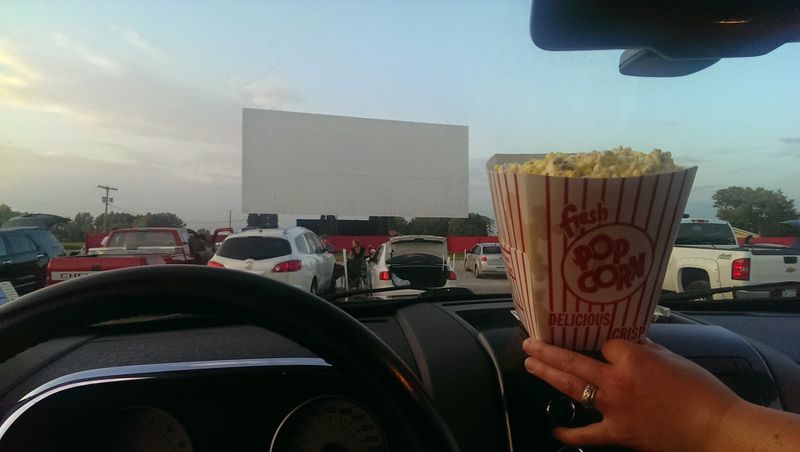
Because arrival is part of the entertainment, the evening begins well before opening credits appear on the screen.
Drivers enter, choose their space, adjust seating, test the radio sound, and decide whether to remain in the car or set up chairs on the grass.
Preparation turns a simple movie trip into a small event with its own rhythm and expectations.
Anticipation builds gradually instead of all at once.
Children notice nearby vehicles, adults sort out snacks and blankets, and the fading light gives everyone a natural countdown that feels more satisfying than waiting in a dark hallway.
Staff guidance and clear rules also shape the mood by helping traffic move smoothly and protecting sightlines once parking fills in.
That organization matters, since the best outdoor experiences depend on cooperation as much as atmosphere.
By the time previews begin, visitors have already invested attention, time, and a bit of effort, which makes the first moments on screen feel earned rather than automatic.
Huge Canvases Under the Open Sky
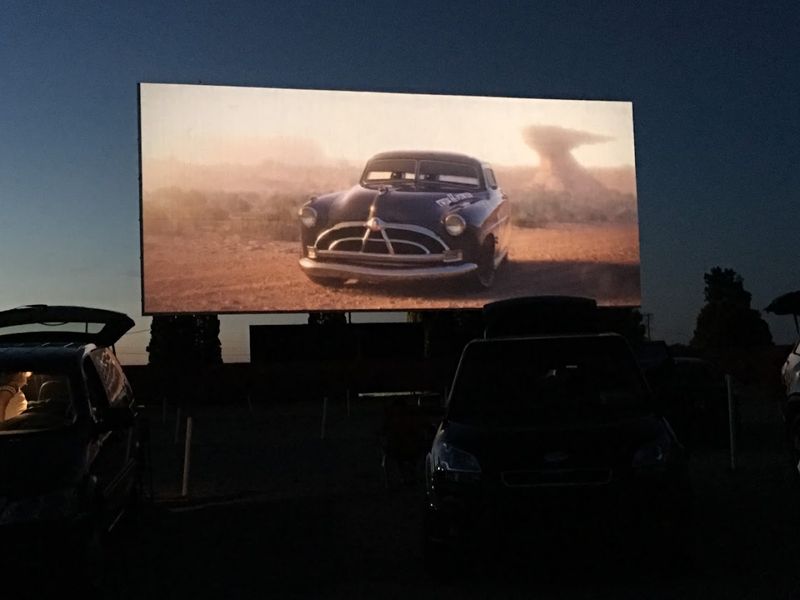
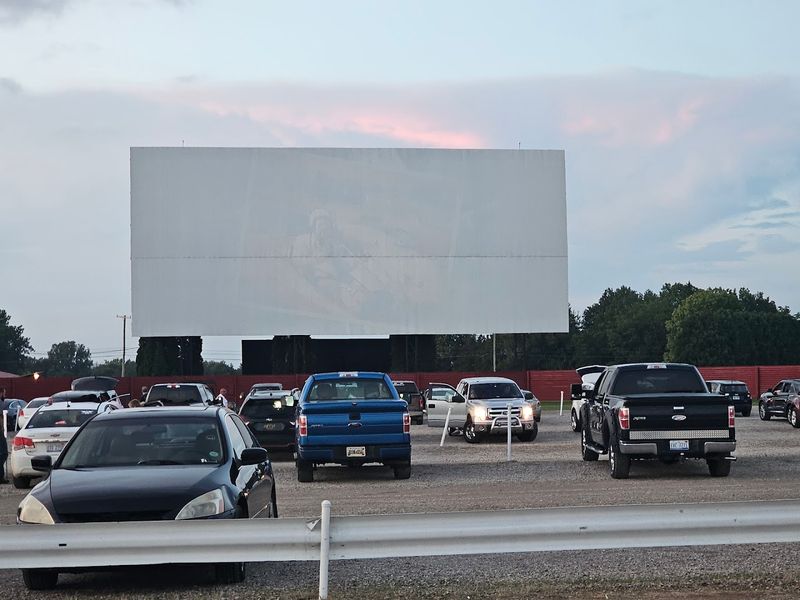
Across the lot, the scale of the screens defines the entire property and gives the venue its unmistakable visual identity.
Large images rise above rows of parked vehicles, reminding visitors that outdoor cinema was designed to be seen from a distance without losing its communal feeling.
Size matters here not for spectacle alone, but for legibility, comfort, and the ability to create a shared focal point across a wide open space.
Double features and multiple viewing options add another layer to the appeal.
Separate screens allow different choices, which broadens the audience and makes the theater useful for mixed groups who may not agree on a single film.
Variety also reflects a practical understanding of current moviegoing habits, since flexibility helps seasonal venues stay relevant.
Once darkness settles in, the contrast between the illuminated screen and the surrounding night creates a viewing environment that no living room can duplicate.
That visual effect is simple, direct, and central to why outdoor movies still hold attention.
Family Fun Through the Generations
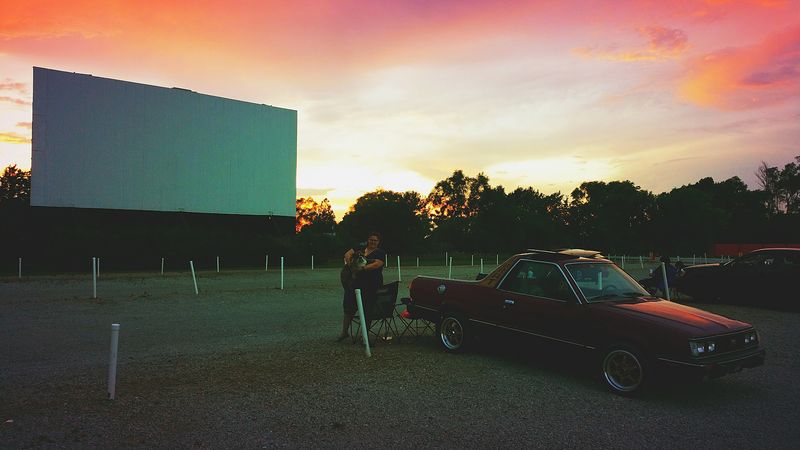
Longtime fans often describe visits in terms of family milestones rather than single films.
Parents bring children who later return as adults, and grandparents recognize familiar routines that have changed far less than most forms of public entertainment.
Continuity gives the outing a special value, since shared habits are easier to pass down when the setting remains approachable and recognizable.
Movement is another reason families keep choosing this format.
Younger viewers are not confined to a narrow seat for hours, while adults can manage snacks, blankets, and breaks with less stress than they would face inside a conventional auditorium.
Patience comes more naturally when everyone has room to settle in on their own terms.
Affordability also plays a role, especially when a night out can include more than one movie.
That balance of flexibility and value helps explain why the audience often includes toddlers, teenagers, date-night couples, and older regulars at the same time.
Few entertainment spaces accommodate such a broad mix with equal ease.
Concessions as Part of the Ritual
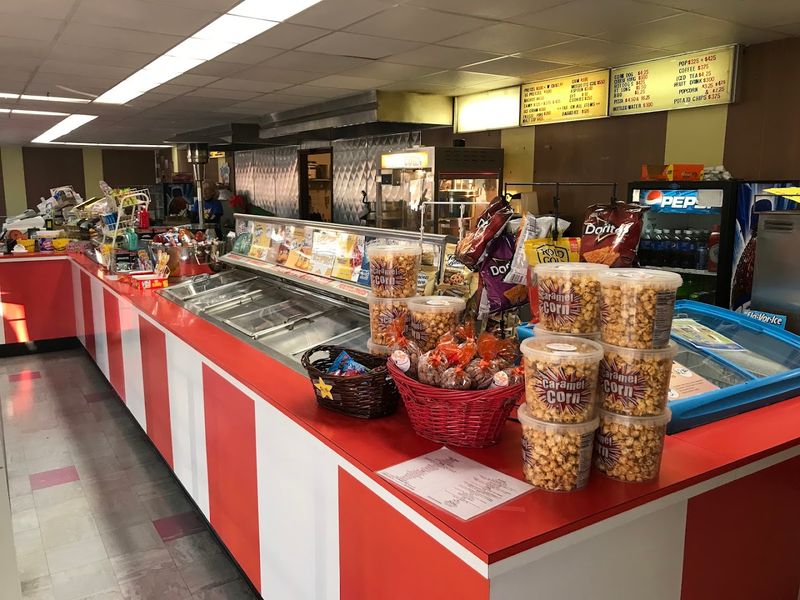
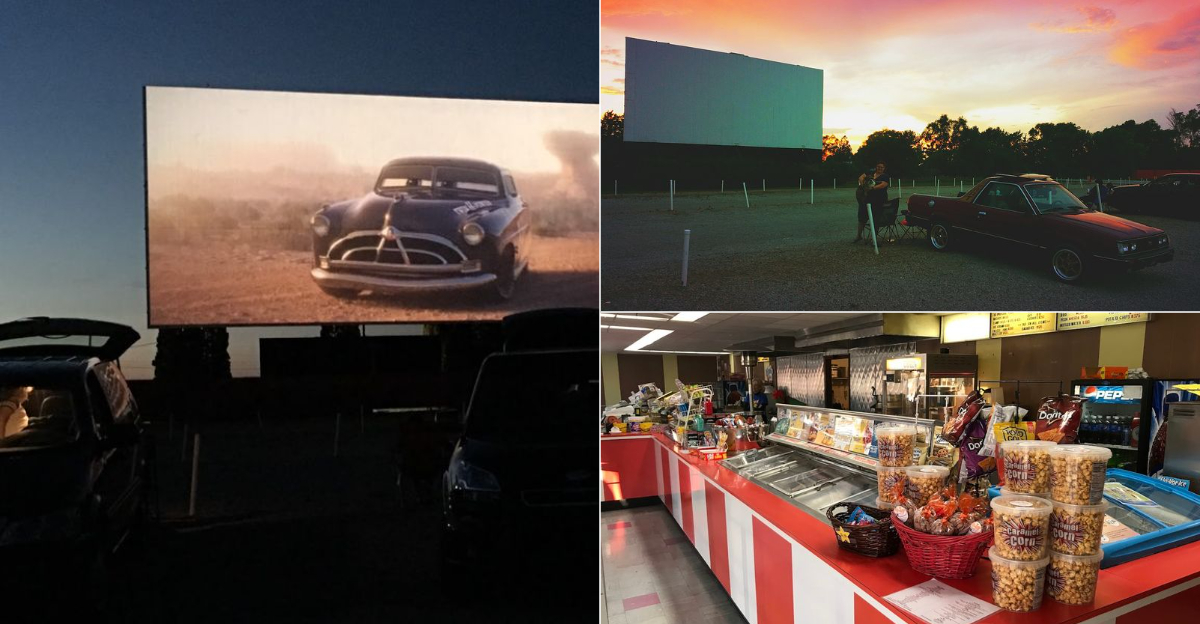
Inside the snack bar, the experience shifts from open-air anticipation to a familiar cinema ritual centered on food.
Popcorn, hot items, candy, and drinks are not secondary details, because concessions have long been part of how drive-ins sustain business during a short operating season.
Purchases also reinforce the sense that the evening is an outing, not just a screening viewed from a parking space.
Nearby restrooms, radio rentals, and quick counter service add practical support to the nostalgic setting. Visitors may debate favorite menu choices, but the larger point is that the concession area functions as a hub where people stretch their legs, regroup between features, and take a break from the car.
Convenience matters more in an outdoor venue, where comfort depends on small decisions being easy to manage.
During busy weekends, that stop becomes part of the rhythm of the night, linking appetite, conversation, and moviegoing in a way that feels distinctly old-fashioned without seeming outdated.
The ritual endures because it remains useful as well as enjoyable.
Summer Evenings and Community Gatherings
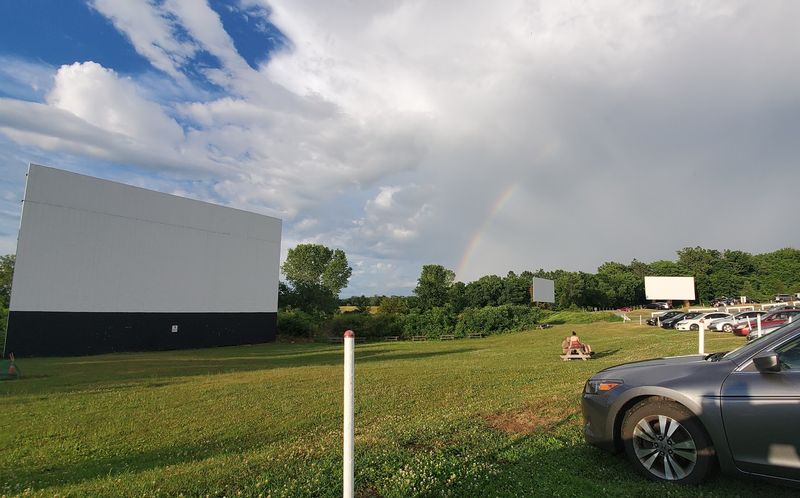
Beneath the practical side of tickets and parking, the theater also works as a gathering place.
Friends meet there, couples choose it for dates, and local families treat it as a recurring summer tradition that marks weekends and school breaks.
Social value helps explain its staying power, because the outing offers both entertainment and a shared public setting without requiring formal planning.
Local reviews often highlight friendly staff, orderly supervision, and a crowd that generally understands the rules of mutual respect.
Those details may seem small, yet they shape whether an outdoor venue feels welcoming or frustrating once the lot fills and darkness settles in.
Community depends on that balance between freedom and structure.
Seasonal businesses especially rely on goodwill, repeat visits, and the sense that people are participating in something worth preserving.
When children play before the feature, adults chat beside their vehicles, and groups stay for a second film, the atmosphere becomes more than a commercial transaction.
It starts to resemble the neighborhood leisure culture that many towns have gradually lost.
How Technology Changed While the Atmosphere Stayed the Same
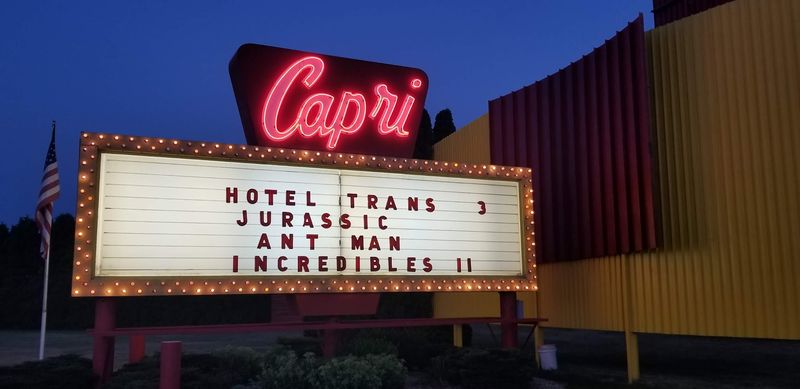
Digital projection has updated the technical side of outdoor moviegoing without erasing the traditional character that people expect.
Clearer images, reliable scheduling, online ticket options, and sound delivered through vehicle radios show how the venue has adapted to modern standards while keeping the familiar structure intact.
Innovation succeeds here because it supports the experience rather than replacing it.
Yet the strongest impression still comes from elements that technology cannot fully manufacture.
Darkness falls slowly, headlights are managed carefully, and visitors settle into a temporary neighborhood of cars, chairs, snacks, and conversation before attention returns to the screen.
Atmosphere remains rooted in behavior and setting more than equipment.
Privacy is part of the appeal as well, since each vehicle creates a small personal space within a larger crowd.
Combined with contemporary projection and organized operations, that intimacy makes the theater feel current without losing its historical identity.
Outdoor cinema survives when it respects modern expectations for quality while protecting the slower, more communal habits that made it popular in the first place.