Modern food trends increasingly move away from fixed concepts and favor formats that allow customers to shape their own experience.
In that sense, frozen yogurt has evolved from a simple grab-and-go treat into a creative ritual that fits easily into a weekly routine.
Across Connecticut’s dining scene, self-serve destinations provide a setting where each visit can feel completely different from the last.
A wide range of choices, from rotating bases and fresh fruit to crunchy toppings and sauces, transforms the building process into an enjoyable habit and a reflection of the moment’s preferences.
Explore this selection of ten standout froyo bars across the state that use this simple format as the foundation for an endless variety of flavor combinations.
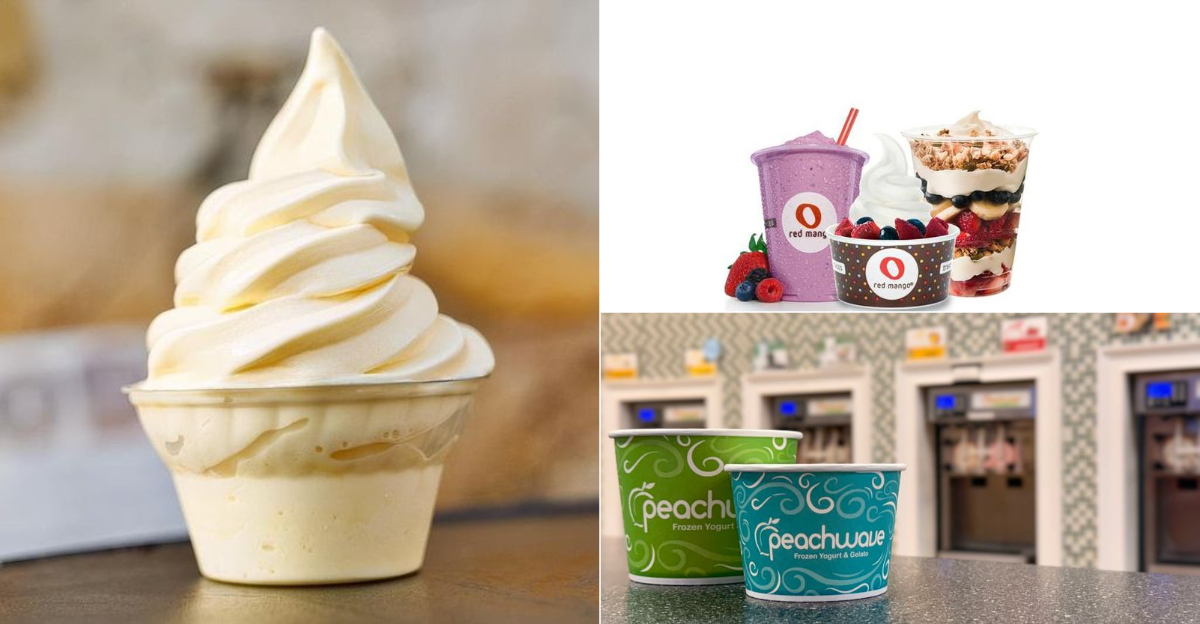
Zack’s Frozen Yogurt – Connecticut

Longevity matters in this category because habits form slowly, then become part of everyday life.
Regular customers return for consistency, familiar service, and a setup that feels dependable without becoming boring.
Over time, a strong business earns trust by making each visit easy, satisfying, and worth repeating.
Routine is the real achievement here.
Morning errands, after school stops, and casual evening walks can all end with a quick visit that feels natural rather than planned.
Familiar faces behind the counter often strengthen that pattern, giving the store a reliable presence in local schedules.
Customer loyalty usually comes from many small details instead of one dramatic feature.
Balanced portions, steady quality, and a comfortable pace help people know exactly what kind of experience they will get.
Successful destinations in this space often last because they become less of an occasional indulgence and more of a dependable rhythm that fits neatly into ordinary weeks.
That kind of staying power says something important.
A business does not remain relevant for years unless it keeps meeting expectations while still feeling pleasant enough to revisit often.
Peachwave Frozen Yogurt – Connecticut
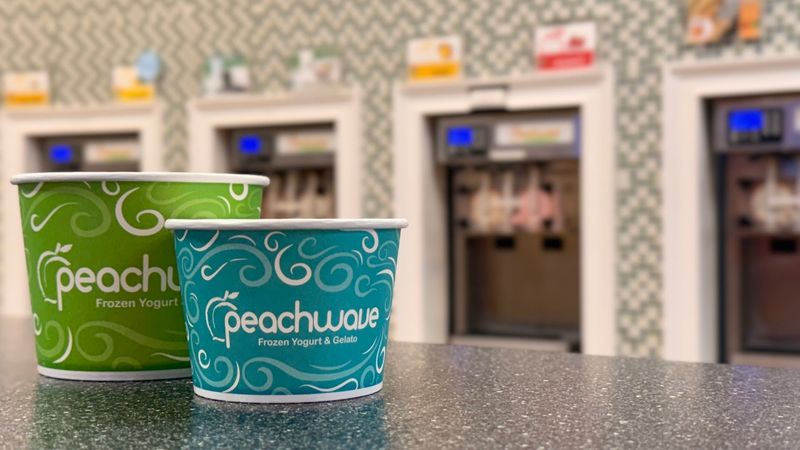
Rotating options create anticipation before anyone even reaches the machines.
A changing menu keeps repeat visits interesting because familiar preferences must compete with new arrivals each time.
That small uncertainty adds energy to the experience and gives customers a reason to check back often.
Novelty works best when it feels approachable rather than gimmicky.
Seasonal releases, limited offerings, and occasional surprises can shift the mood of a visit without making the process confusing.
People who enjoy variety appreciate a place where decisions feel fresh, yet the overall format still stays simple.
Excitement also comes from comparison.
One week might encourage a classic choice, while another invites a risk that would not have seemed appealing before.
That sense of change turns a casual stop into a low pressure experiment, especially for anyone who likes noticing what is new.
Shops built around rotating selections often become conversation starters.
Friends ask what is available now, families compare recent favorites, and return visits gain a natural purpose beyond convenience alone.
sweetFrog Premium Frozen Yogurt – Connecticut
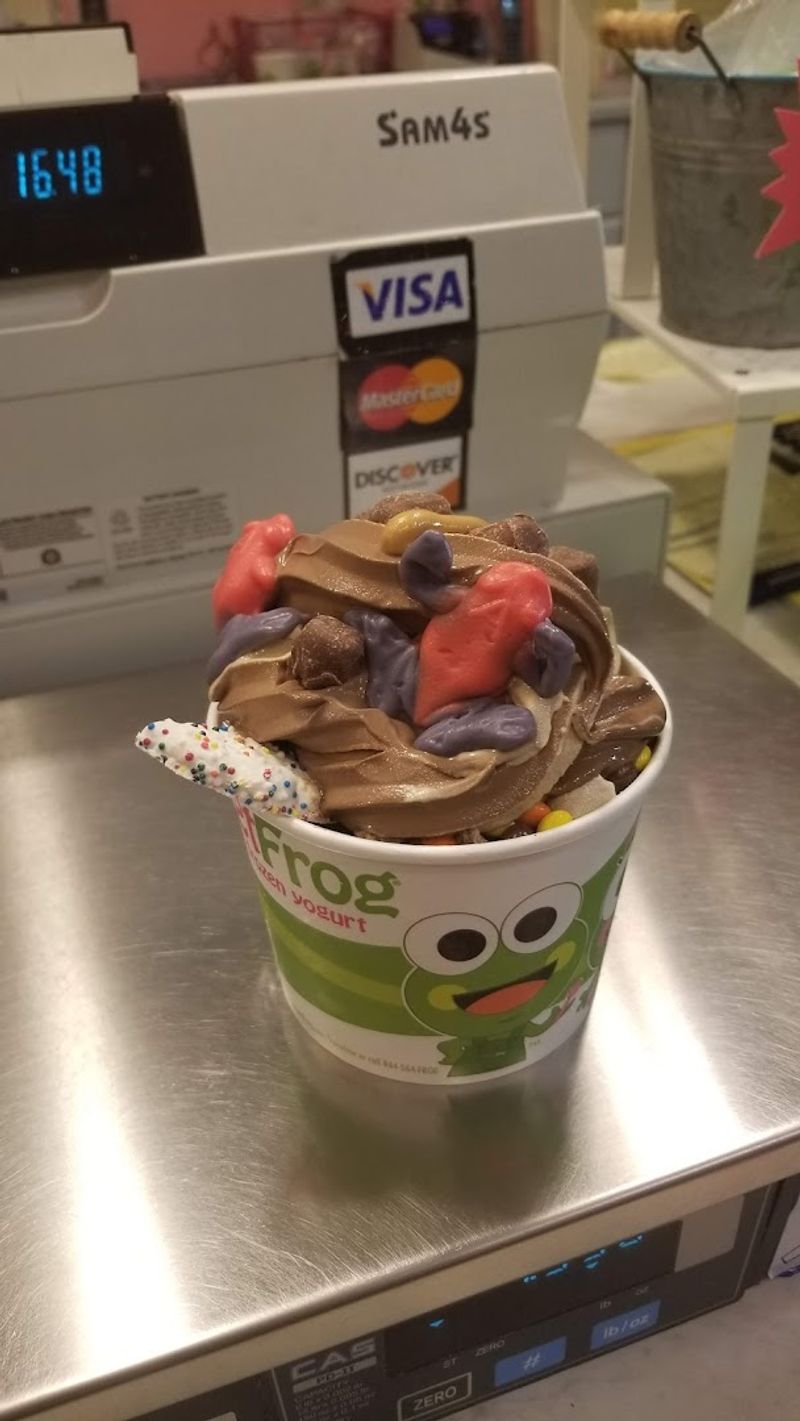
Family friendly places stand out when different age groups can enjoy the same visit in different ways. Younger kids often head straight toward bright colors and familiar candy, while older guests may build something more balanced and deliberate.
That contrast makes the outing feel personal for everyone without requiring separate stops.
Energy matters in a store like this.
A welcoming room, easy layout, and relaxed tone can make parents feel comfortable while children stay entertained by the process.
Teenagers often treat the experience as social, turning the station into a chance to compare choices and debate what looks best.
Adults usually approach customization with more restraint.
Fresh fruit, nuts, lighter portions, and simpler finishes often appeal to people who want something satisfying without going overboard.
Grandparents may choose familiar flavors and skip the extras entirely, proving that the same destination can suit very different preferences.
It becomes a reliable option after sports practices, weekend errands, or multigenerational gatherings because nobody feels left out of the format.
Instead of serving one narrow audience, the experience adapts naturally to changing tastes, ages, moods, and occasions throughout the year.
16 Handles – Connecticut

Experimentation is the real draw at a place built around bold possibilities.
Multiple dispensers encourage people to stop thinking in standard pairings and start treating each visit like a small test. Instead of choosing one safe option, customers can explore how unexpected mixes behave together.
Tart notes can meet rich ones, fruit driven picks can sit beside dessert inspired varieties, and a tiny sample can lead to a surprisingly good result.
Because portions are adjustable, trying something unusual feels low risk and easy to justify.
Creative destinations often succeed by making experimentation feel normal.
A person might combine something familiar with one wildcard addition, then return later with more confidence to push further.
That gradual willingness to play keeps repeat visits from becoming repetitive, even for customers who thought they had settled preferences.
Unusual pairings also invite conversation.
Friends compare strange successes, laugh about combinations that did not work, and trade ideas for the next round.
A business with this spirit turns selection into participation, which matters more than simple convenience. People return not just to eat something cold, but to see what kind of result they can invent next.
Pinkberry – Connecticut
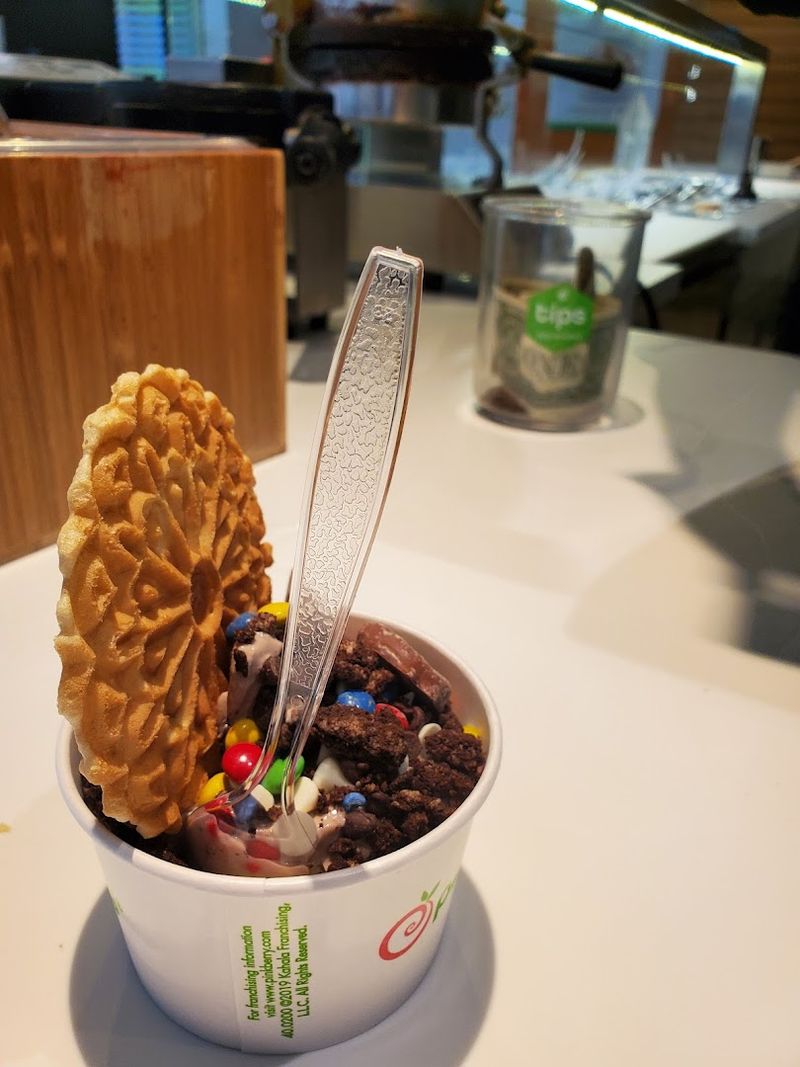
Fresh produce changes the tone of the experience immediately.
Bright berries, sliced citrus, and other clean additions create a more polished result than a pile of candy ever could.
That approach appeals to customers who want their snack to feel crisp, balanced, and visually neat.
Refinement often comes from restraint.
A carefully built bowl with a few well chosen elements can feel more satisfying than something overloaded with every available extra.
Texture becomes easier to notice, the base stays present, and fruit adds contrast without making the final result feel heavy.
Presentation matters more in this style of dessert bar.
Neat layering, color balance, and thoughtful pairings turn customization into something closer to assembly than excess.
People who enjoy cleaner flavors usually appreciate a business that supports simple choices instead of pushing quantity as the main attraction.
That more composed format can still feel creative.
Deciding between tart fruit, softer pieces, crunchy accents, or a light finish gives customers enough control without creating visual chaos.
Red Mango – Connecticut
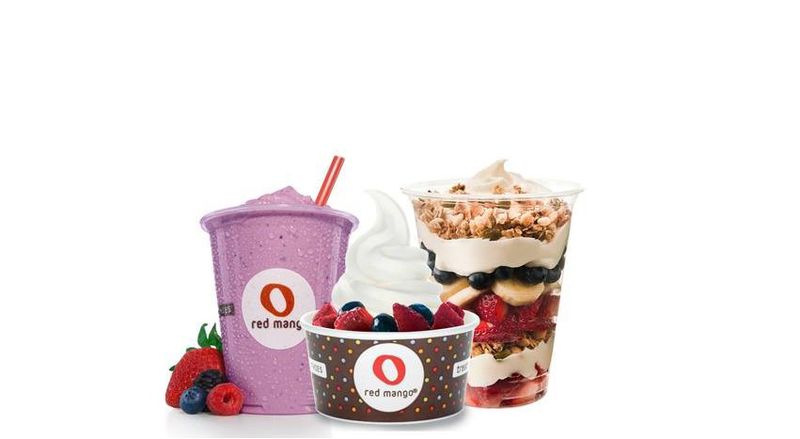
Lighter options have a clear place in this category because many people want something refreshing rather than filling.
A business that leans toward balance can satisfy a craving without leaving customers with the heaviness of richer alternatives.
That makes it especially appealing during busy days when a full dessert feels excessive.
Portion control plays an important role here.
Smaller servings, cleaner finishes, and less sugary additions help the experience feel manageable, even for people who usually skip dessert altogether.
Instead of chasing indulgence alone, the format supports a middle ground between restraint and enjoyment.
Appeal also comes from flexibility.
Some visitors want a simple afternoon cool down, while others add enough extras to make the stop feel more indulgent without crossing into something overwhelming.
A balanced destination handles both goals well, which broadens its usefulness throughout the week.
That practical quality can turn occasional interest into habit.
When a store offers something that feels satisfying yet not too rich, customers are more likely to stop by after work, between appointments, or during errands.
Repeated visits become easier to justify because the experience fits comfortably into normal routines instead of demanding a special occasion.
Louie’s Top This Frozen Yogurt – Connecticut

Self serve design gives customers direct control over nearly every decision.
From the first pull of the handle to the final measured weight, the process belongs to the person building the bowl.
That independence is a major reason the experience feels engaging instead of routine in a dull way.
Control changes how people approach the visit.
Some move carefully and build with precision, while others adjust on impulse after spotting a last minute addition they want to include.
Because the format does not rely on a preset menu, each stop can reflect a different mood, appetite, or level of patience.
Freedom also makes the result feel earned.
Choosing exactly how much base to add, when to stop, and which finishing touches matter most creates a stronger sense of ownership than simply ordering from a board.
Customers often enjoy the process as much as the final product.
That hands on structure can make a business memorable. People return because they like shaping the experience themselves and knowing the outcome depends on their own decisions.
FroyoWorld – Connecticut
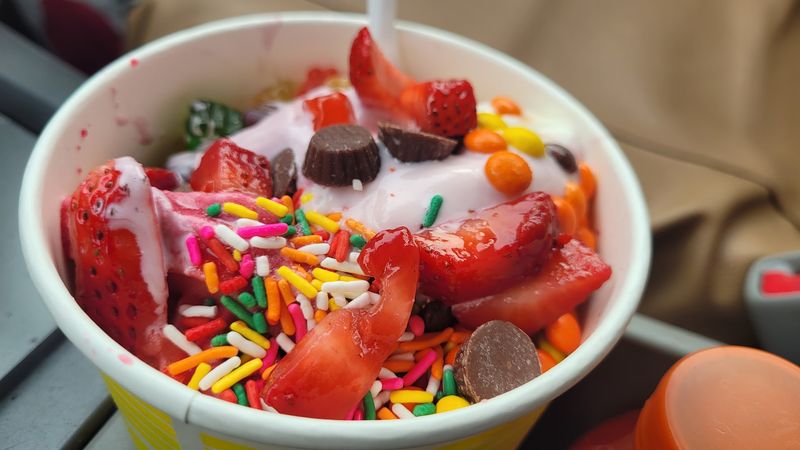
Variety can be both the attraction and the challenge.
A store with extensive options invites excitement, but it also forces customers to narrow their choices with more care than expected.
That tension makes the visit feel active, because deciding what to leave out becomes almost as important as deciding what to include.
Selection fatigue is not necessarily a bad thing in this setting.
Looking across a long lineup encourages comparison, second guessing, and the occasional last minute change of plan.
People often arrive thinking they know what they want, then leave with something completely different after scanning every possibility.
Large assortments also reward repeat visits.
One trip cannot cover everything, so customers naturally begin returning with unfinished ideas and new plans.
A business with deep variety creates its own momentum by suggesting there is always another route worth trying on the next stop.
Instead of being known for one signature item, it becomes memorable for the sheer scope of available choices and the challenge of shaping order from them.
For indecisive customers, that can be mildly stressful, but it is also part of the fun that keeps them coming back.
Berry Chill – Connecticut
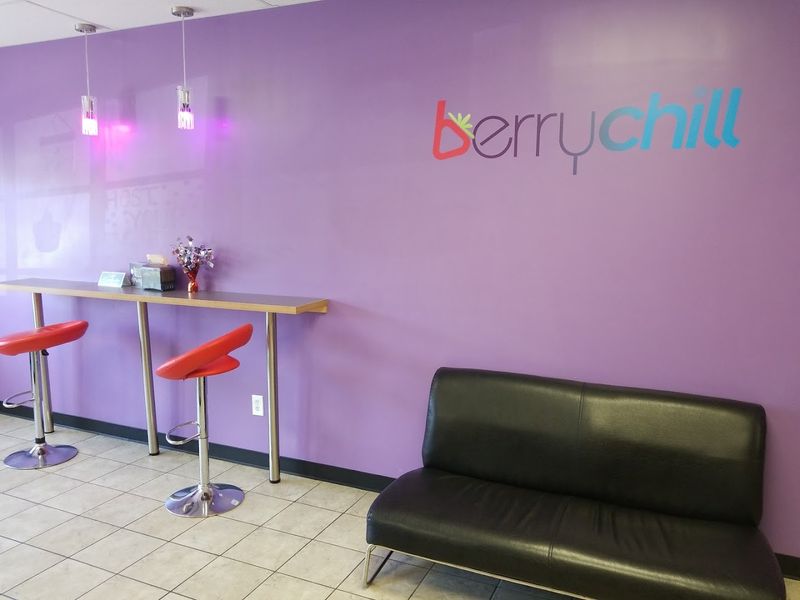
Some places succeed because they fit neatly into ordinary life.
Rather than feeling like a destination reserved for celebrations, a well placed dessert bar can become part of a normal afternoon or evening rhythm.
That everyday usefulness often matters more than novelty when building a loyal customer base.
Convenience supports that pattern, but so does familiarity.
People stop in after grocery runs, before heading home, or during a short break because the experience feels easy and low pressure.
A dependable business in this category becomes less about special planning and more about adding a pleasant pause to the day.
Routine visits can still feel satisfying without becoming dramatic.
Predictable quality, approachable pricing, and a comfortable pace give customers permission to return often without treating the stop like a splurge.
Over time, the store earns a place in weekly habits simply by being consistently enjoyable and accessible.
That everyday role is more important than it may sound.
When frozen snacks move into the category of regular comfort, they stop competing with major desserts and start filling a different need altogether.
Rosie’s Frozen Yogurt – Connecticut

Independent businesses often bring a different kind of appeal to this category.
Local character shows up in the service style, the pace, and the way staff interact with returning customers who clearly know the place well.
That familiarity can make a simple stop feel connected to the surrounding neighborhood rather than interchangeable with any chain.
Community connection matters because people notice when a store feels rooted.
Nearby schools, local events, and regular foot traffic can shape the customer mix, giving the destination a recognizable identity within daily life.
Visitors often respond to that atmosphere because it feels specific, grounded, and genuinely tied to its area.
Smaller operations also tend to feel more personal.
Details in the decor, conversation at the counter, and the overall tone can reflect independent decision making rather than a standardized formula.
Customers who value that individuality often return because the experience feels human, not merely efficient.
That sense of place is the real advantage here.
A business with local personality offers more than a customizable snack.
It gives residents a spot they can support and recognize as part of the community fabric.