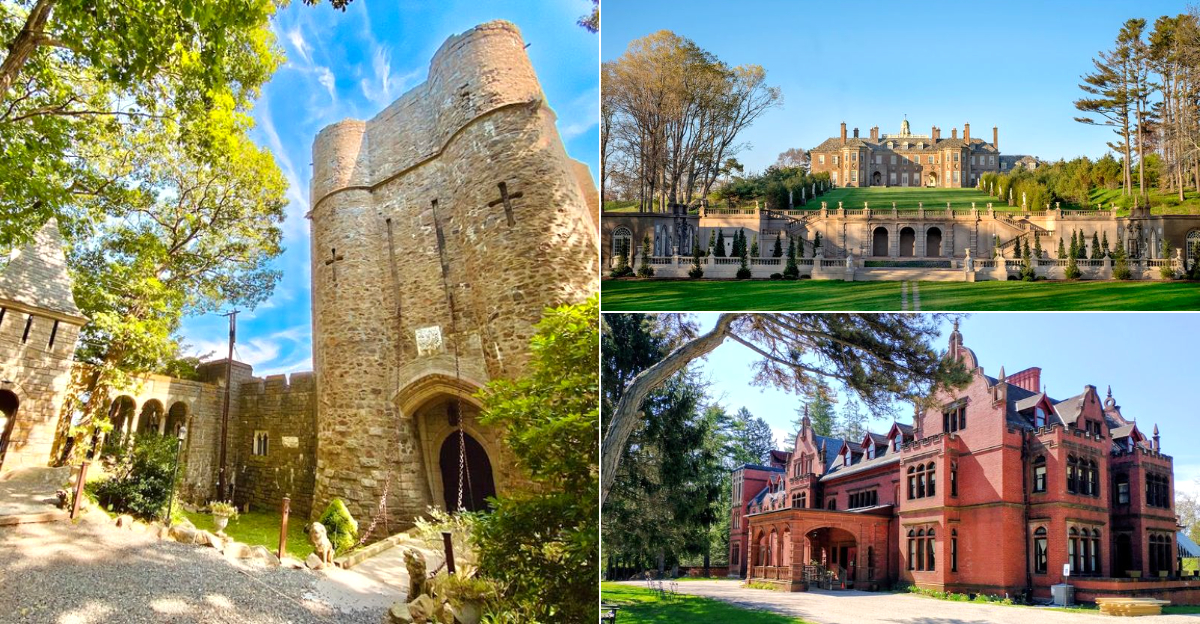
Massachusetts is a state where colonial history and Gilded Age extravagance sit side by side in the most unexpected places.
From foggy seaside towns to quiet inland valleys, grand estates and whimsical towers rise above the landscape like pages pulled from a storybook.
Some were built by wealthy industrialists chasing European elegance, while others came from the imaginations of eccentric collectors and visionary architects.
Each one carries its own story, shaped by the families, fortunes, and ambitions behind its walls.
Wander through stone towers, sprawling manors, and halls filled with art and history, and you will discover a side of New England rarely seen.
So get ready to explore eleven of Massachusetts’s most captivating castles, each one brimming with character and charm.
1. The Mount (Edith Wharton’s Estate), Lenox, Berkshire County
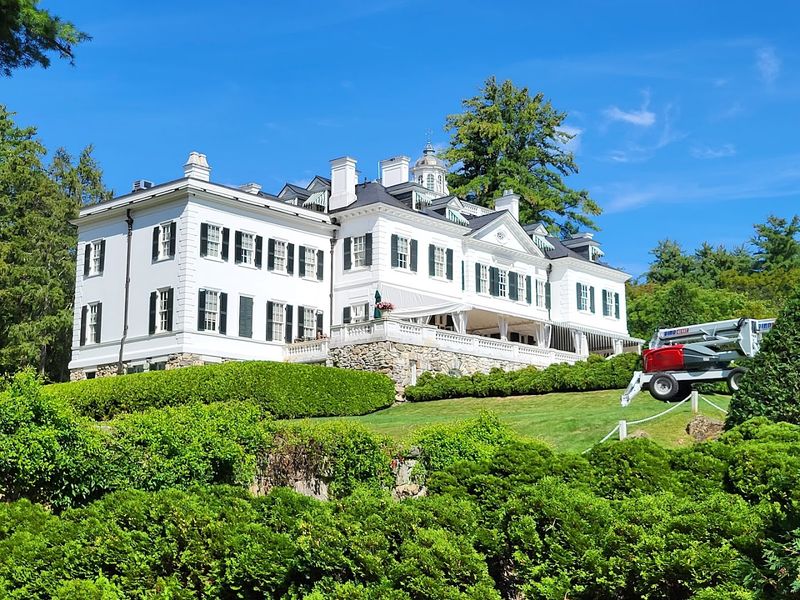
Graceful rather than imposing, this Berkshire estate wins you over with intelligence, proportion, and a strong sense of personality.
In Lenox, The Mount is best known as Edith Wharton’s home, but the property also stands as a remarkably complete expression of her ideas about architecture, gardens, and domestic life.
Completed in 1902, it became the place where one of America’s great writers worked, entertained, and shaped a setting that reflected her exacting taste.
The house is more villa than fortress, yet its formal grounds and commanding presence give it a castle-like dignity.
Wharton collaborated closely on the design, drawing from European influences while favoring order, symmetry, and rooms meant for comfort as well as beauty.
That personal involvement makes the estate feel unusually intimate, even with all its refinement.
Visitors often come for literary history, but the grounds deserve equal attention.
Terraced gardens, woodland trails, and carefully framed views create a calm rhythm that encourages you to slow down and notice details.
Special programs, performances, and exhibitions also keep the site feeling active instead of purely memorial.
You are not just touring a beautiful estate, you are entering the creative world of someone who thought deeply about space, culture, and how a home should function.
Among Massachusetts landmarks, The Mount feels elegant, thoughtful, and deeply memorable.
2. Stonehurst (Robert Treat Paine Estate), Waltham, Middlesex County
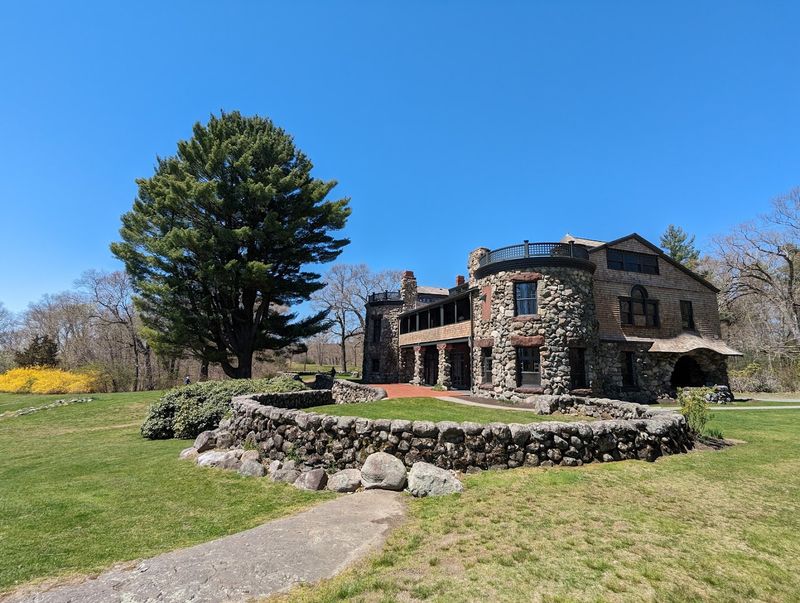
Wooded paths, rough stone, and a quiet hilltop setting give this place a more rugged kind of romance.
In Waltham, Stonehurst feels less like a formal palace and more like a thoughtful retreat shaped to belong to its landscape.
The estate was created in the late nineteenth century for Robert Treat Paine Jr., with Henry Hobson Richardson designing the house and Frederick Law Olmsted helping shape the grounds.
That pairing alone makes the site special.
Richardson’s design uses heavy masonry, broad arches, and natural materials to create a mansion that feels substantial without ever becoming showy.
Olmsted’s landscape approach complements it beautifully, allowing the surrounding meadows, woods, and circulation routes to feel integrated rather than decorative.
Inside, the craftsmanship speaks softly but confidently.
Rooms emphasize texture, comfort, and strong architectural lines, offering a different experience from the gilded excess found at some other Massachusetts estates.
Because the property has remained unusually intact, it gives you a powerful sense of how house and land were meant to work together.
Its charm rests in restraint.
Stonehurst does not dazzle with towers or ocean drama, yet the estate rewards anyone who appreciates design, preservation, and the beauty of a house that seems to grow naturally from the earth.
3. Bancroft Tower, Worcester, Worcester County
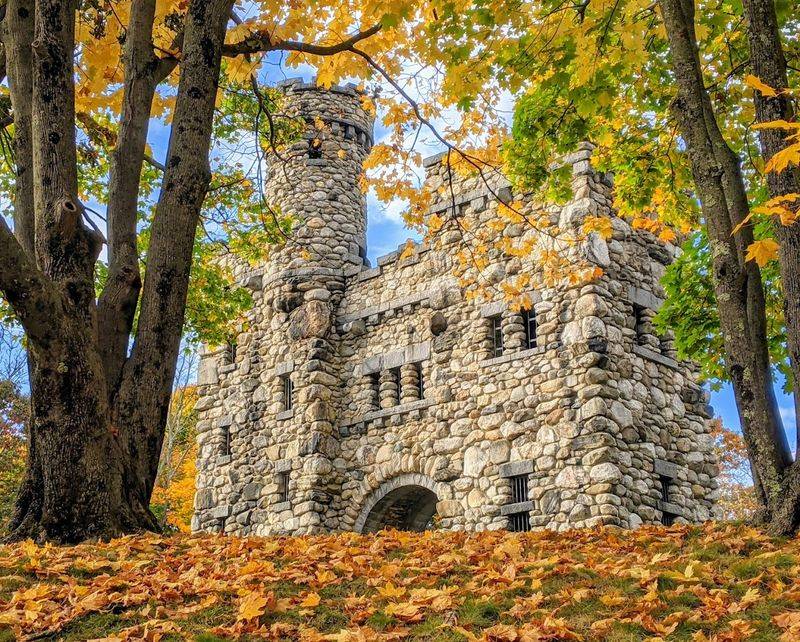
High on a Worcester hillside, this granite tower feels both defensive and ceremonial, like a small castle built to guard memory.
Bancroft Tower was completed in 1900 as a memorial to George Bancroft, the historian, diplomat, and Worcester native whose life connected local pride to national significance.
Its elevated setting and fortified appearance give it a dramatic presence far beyond its modest size.
The design draws openly from medieval forms.
Battlements, rough stone, and a commanding perch create the impression of an old watchtower, even though the structure is purely commemorative.
That bit of architectural theater makes it especially appealing if you enjoy landmarks that blend symbolism with scenic views.
Unlike sprawling estates, Bancroft Tower offers a compact experience.
You come here as much for atmosphere as for interiors, and the surrounding parkland helps frame the tower as a place of reflection rather than display.
It also speaks to a period when monuments were meant to inspire civic identity through beauty, permanence, and historical association.
The charm lies in how unexpectedly romantic it is.
This is not a castle in the residential sense, but it absolutely delivers the visual thrill of one, especially in changing weather or autumn light.
Bancroft Tower truly offers a memorable stop with real character and a strong sense of place.
4. House of the Seven Gables, Salem, Essex County
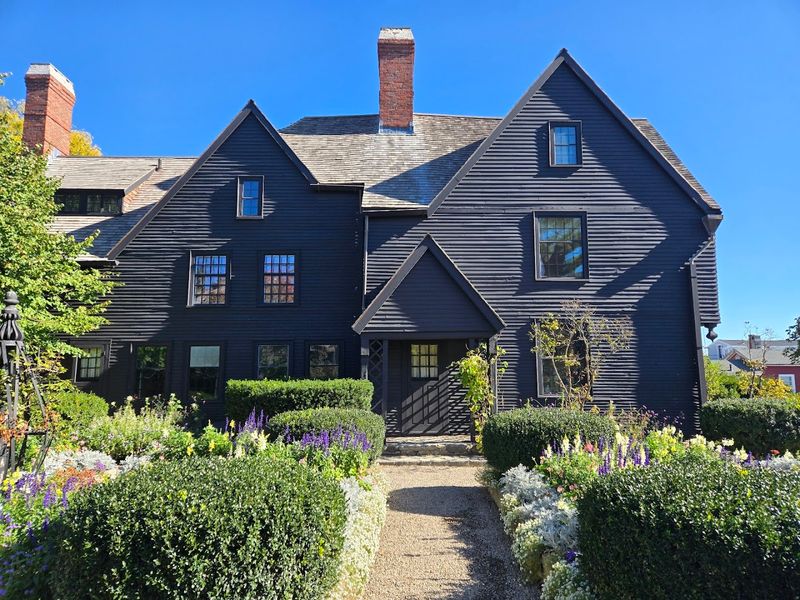
Shadowy gables, narrow stairways, and literary legend give this Salem landmark an atmosphere that stays with you.
Long before you notice specific architectural details, the House of the Seven Gables draws you in with its layered sense of mystery, age, and storytelling.
Built in 1668 for merchant John Turner, it later became immortalized through Nathaniel Hawthorne’s famous novel inspired by the property and its past.
The house you tour today reflects both colonial history and early preservation efforts.
Twentieth-century restorer Caroline Emmerton helped shape the site into a museum while highlighting its seventeenth-century roots, hidden spaces, and waterfront setting.
That means a visit offers not just one era, but a conversation between the original structure, literary fame, and changing ideas about what should be saved.
Inside, the rooms feel intimate rather than grand, which makes the experience more personal.
You can imagine the lives of merchants, families, servants, and visitors moving through these creaking interiors over centuries of Salem history.
Gardens and harbor views soften the darker reputation, adding beauty to a place often associated only with brooding imagery.
Its charm comes from complexity.
This is a castle-like stop in spirit more than scale, but the gables, age, and atmosphere earn it a place on any list of storied Massachusetts landmarks.
5. Castle Hill on the Crane Estate, Ipswich, Essex County
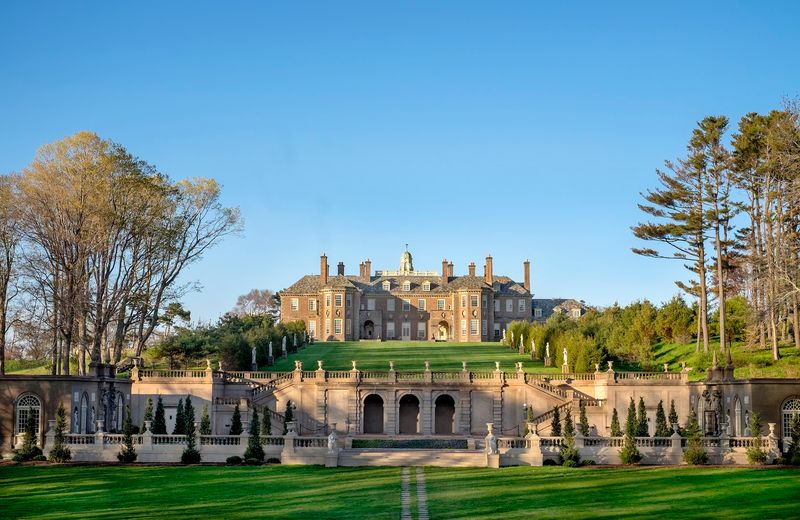
Perched above rolling lawns and ocean views, this estate feels designed for dramatic entrances and slow, memorable walks.
You can sense the ambition in every terrace, staircase, and carefully framed vista before Castle Hill on the Crane Estate in Ipswich fully comes into view.
Built for industrialist Richard T. Crane Jr. in the 1920s, the house became one of Massachusetts’ most striking examples of an English-inspired country seat.
The mansion was designed by architect David Adler, while the surrounding landscape drew on the talents of the Olmsted Brothers.
Inside, elegant rooms reflect wealth, taste, and the entertaining culture of the early twentieth century without losing a lived-in warmth.
Outside, the Grand Allée creates one of New England’s most iconic approaches, pulling your attention toward the sea and reminding you how intentionally this place was composed.
Even if you only know the estate from films, visiting in person feels richer, quieter, and more atmospheric.
Seasonal tours, events, and concerts help bring the property to life, while the grounds invite wandering at your own pace.
The combination of architecture, gardens, and coastline gives it a rare scale that never feels impersonal.
You are not just looking at a mansion here, you are stepping into a complete landscape vision shaped by privilege, artistry, and coastal beauty.
Among Massachusetts castles, it remains one of the most unforgettable places to explore.
6. Hammond Castle Museum, Gloucester, Essex County
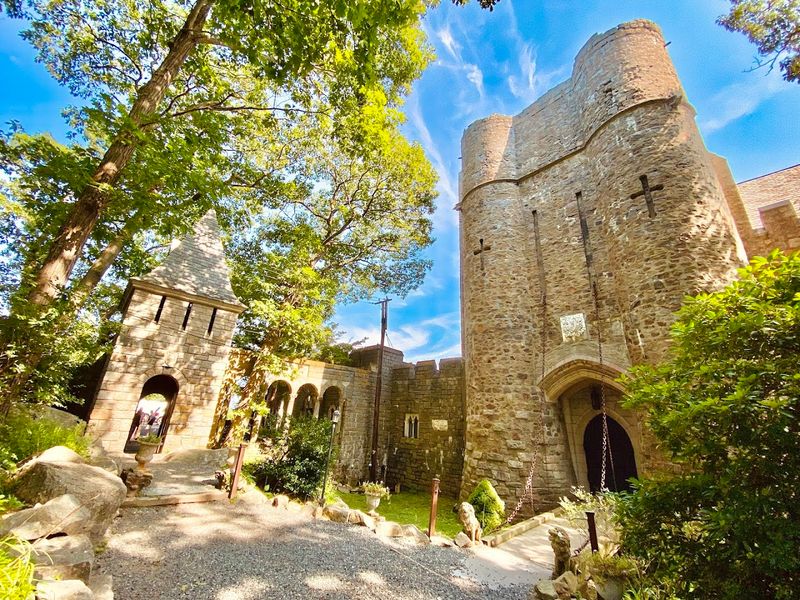
Waves, stone walls, and a hint of old-world fantasy make this coastal landmark feel unlike anything else in Massachusetts.
Set above the Atlantic in Gloucester, Hammond Castle Museum blends medieval European inspiration with early twentieth-century innovation in a way that instantly grabs your attention.
Inventor John Hays Hammond Jr. built it as both a home and a showcase for his eclectic collections and scientific work.
The result is wonderfully theatrical.
You move through cloisters, a great hall, and a courtyard that seem borrowed from another continent, yet the castle remains rooted in New England’s rocky shoreline.
Architectural fragments, stained glass, and carved details create a layered atmosphere that feels romantic, curious, and a little eccentric.
Part of the charm comes from Hammond himself, often called the Father of Radio Control.
His castle was never just a fantasy retreat, because it also held laboratories where real experimentation took place.
That mixture of scholarship, invention, and medieval revival style gives the property a personality you do not find at more conventional historic homes.
Sea air moves through the site, the stone seems to glow differently with every shift in weather, and the interiors invite you to linger over unusual objects and views.
If you want a Massachusetts castle with drama, intellect, and unmistakable character, this one absolutely delivers.
7. Ventfort Hall Mansion and Gilded Age Museum, Lenox, Berkshire County
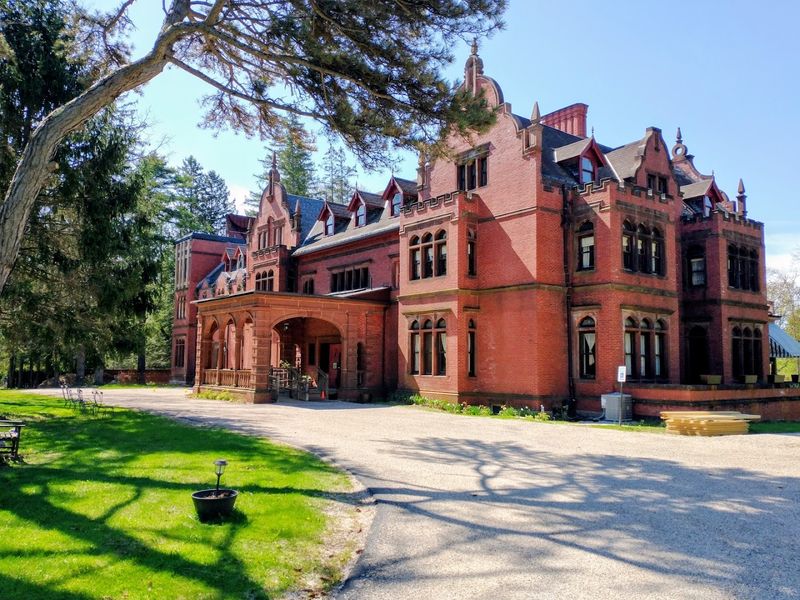
Grandeur arrives quickly here, with ornate stonework, sweeping rooms, and the unmistakable confidence of the Gilded Age.
Standing in Lenox, Ventfort Hall Mansion and Gilded Age Museum feels like a place built to impress, yet its survival story adds another layer of fascination.
Constructed in 1893 for George and Sarah Morgan, the Jacobean Revival mansion reflected the scale and social ambition that defined Berkshire summer life for wealthy families.
The house later faced decline, fire damage, and serious uncertainty, which makes its restoration especially compelling.
Today, museum exhibits help connect visitors to the broader world of Gilded Age culture, from domestic service to elite leisure and changing American tastes.
That educational mission keeps the mansion from feeling frozen, because it actively interprets the society that produced it.
Architecturally, the exterior has a castle-like confidence that fits beautifully among Berkshire estates.
Inside, woodwork, staircases, and period rooms give you enough splendor to imagine formal gatherings, long weekends, and the rituals of seasonal high society.
At the same time, the house’s near loss creates a sense of fragility beneath all that elegance.
What I find most charming is that mix of glamour and resilience.
Ventfort Hall is not simply a relic of privilege, but a restored landmark that invites you to look closely at ambition, excess, and preservation in one setting.
8. Gore Place, Waltham, Middlesex County
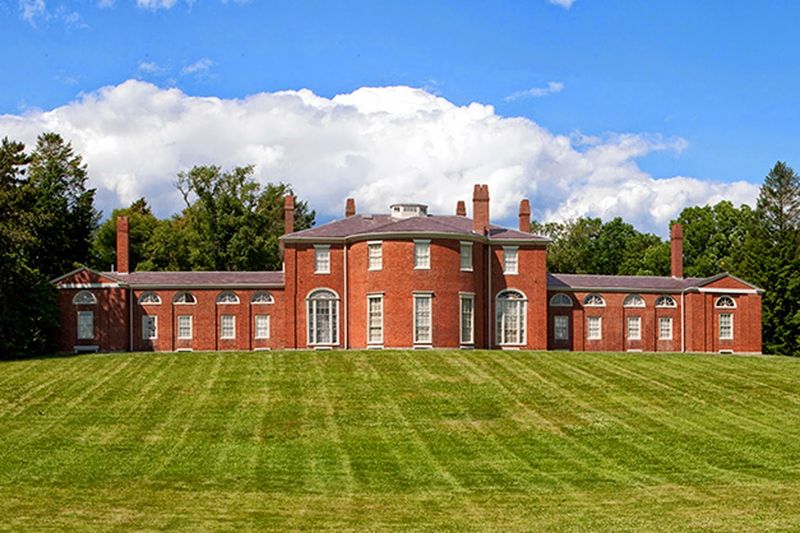
Open lawns and refined symmetry create an immediate sense of calm at this early national estate.
Located in Waltham, Gore Place may not look like a fairy-tale fortress, yet its scale, history, and stately grounds give it a noble presence that earns its place among Massachusetts’ most character-filled historic sites.
The mansion was built in 1806 for Christopher Gore, a prominent statesman, and his wife Rebecca, who developed the property as both residence and working farm.
The architecture is notably sophisticated.
Its Federal style emphasizes balance and elegance, while the interior reveals oval rooms, fine plasterwork, and details that reflect cosmopolitan taste in the early republic.
One especially memorable feature is the surviving carriage house, often celebrated as one of the grandest in the country.
What makes the estate charming is how many stories overlap here.
You can explore not only elite domestic life, but also agriculture, labor, transportation, and the broader political world that shaped the Gores’ era.
That wider lens helps the place feel grounded instead of distant or overly polished.
The house sits with quiet confidence, inviting you to imagine both formal entertaining and the daily rhythms of a large estate on the edge of growing Boston.
For visitors who enjoy history with elegance and substance, Gore Place is an easy recommendation.
9. Lawson Tower, Scituate, Plymouth County
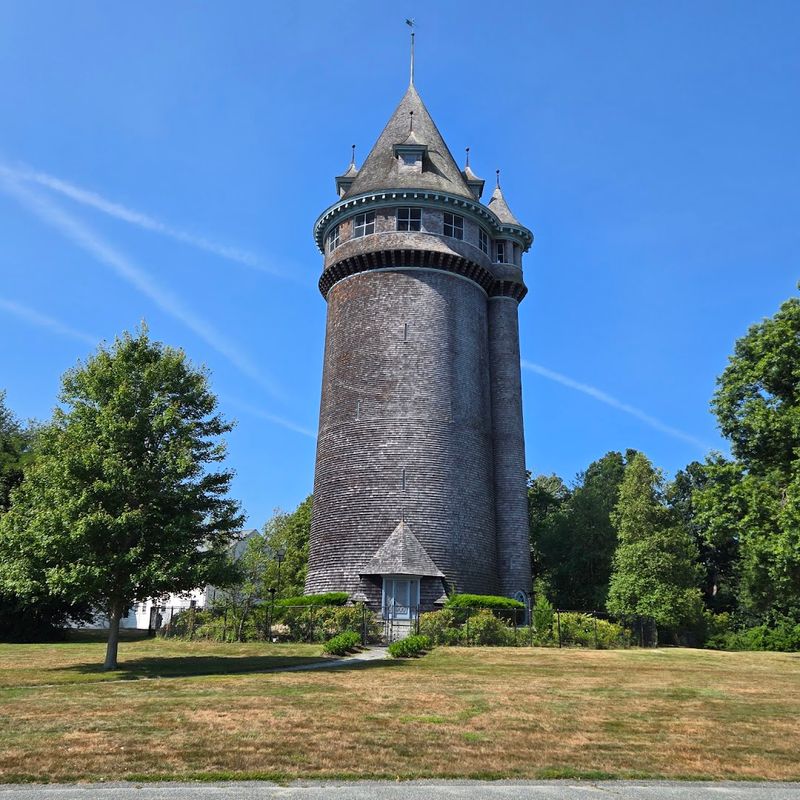
Rising unexpectedly above a quiet coastal neighborhood, this tower has the kind of presence that makes you stop and stare.
In Scituate, Lawson Tower looks like a fragment of a European castle transplanted into Massachusetts, even though it began life with a practical purpose.
Built in 1902 as a water tower for Thomas W. Lawson’s sprawling Dreamworld estate, it later became one of the South Shore’s most distinctive landmarks.
The structure combines utility and fantasy in a surprisingly memorable way.
Its stone exterior, turrets, and dramatic vertical form create a romantic silhouette, especially when seen against changing coastal light.
Although the vast Lawson estate is gone, the tower remains as a vivid reminder of Gilded Age ambition and spectacle.
Because it is smaller and more singular than many mansion museums, Lawson Tower feels delightfully unexpected.
You are not touring endless formal rooms here, but engaging with a landmark whose charm lies in imagination, location, and survival.
Its very existence suggests a moment when even infrastructure could be designed to impress.
What I love most is how local and legendary it feels.
The tower stands as a visual anchor in Scituate, connecting present-day streets to a vanished estate culture that once aimed to astonish.
10. The Castle at Park Plaza, Boston, Suffolk County
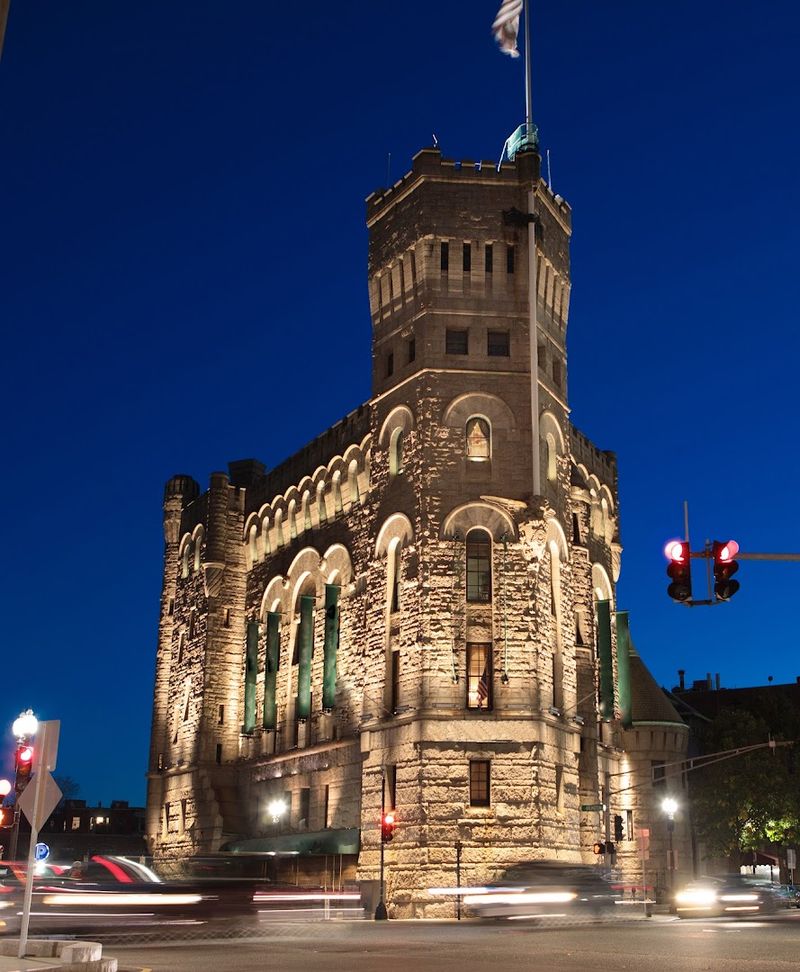
In the middle of downtown Boston, this landmark delivers a different kind of castle experience – urban, ornate, and unmistakably theatrical.
The Castle at Park Plaza began in the 1890s as the headquarters of the Massachusetts Charitable Mechanic Association, and its Gothic Revival design still commands attention in a city filled with historic architecture.
You notice pointed arches, carved stone, and ceremonial scale almost immediately.
What makes the building stand out is its adaptability.
Over time, it has served civic, social, and event functions, proving that historic architecture can remain relevant without losing its visual identity.
Even if you encounter it during a conference or wedding rather than a formal tour, the setting still communicates grandeur and layered Boston history.
The castle-like quality comes from mood as much as form.
Inside, large halls and decorative details create an atmosphere that feels both public and intimate, which is not an easy balance to achieve.
Its central location also gives it a special energy, surrounded by traffic, hotels, and the constant movement of the city.
That contrast is part of the charm.
This is a historic structure that does not sit apart from daily life, but remains woven into Boston’s ongoing story in a very visible way.
11. Boston University Castle, Boston, Suffolk County
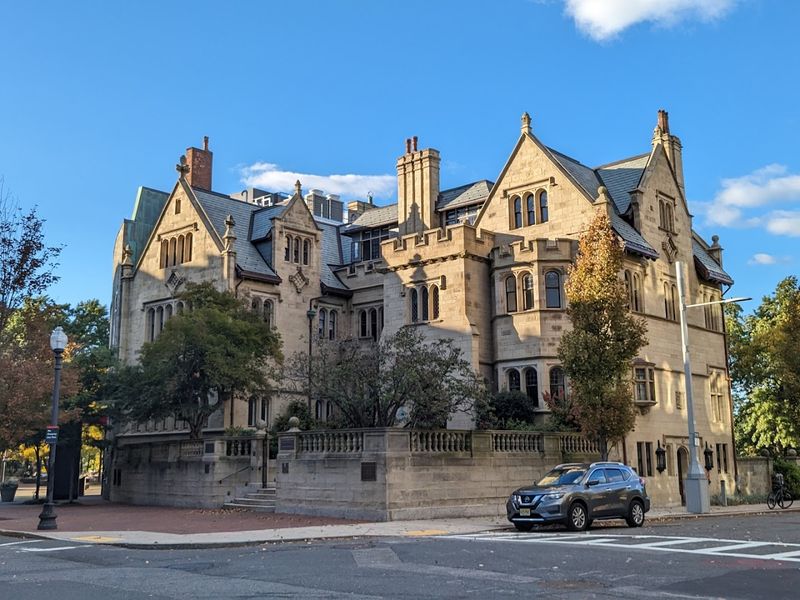
Tucked beside a busy avenue, this academic landmark feels like a storybook interruption in the middle of city life.
Boston University Castle, originally built in the early twentieth century as a private residence for merchant William Lindsey, brings Tudor Revival character and old-world texture to the university’s urban campus.
Its stone facade, steep rooflines, and intimate scale make it instantly appealing.
Unlike larger estates set apart from everyday activity, this castle remains woven into a living environment.
Students pass by it, events animate its rooms, and the building continues to serve as a social and institutional space rather than a frozen historical exhibit.
That ongoing use gives it an energy many preserved houses struggle to maintain.
Architecturally, the details do much of the work.
Leaded windows, carved wood, and richly textured interiors create warmth, while the exterior still hints at the romantic language of medieval revival design.
Because the castle sits within a university setting, it also reflects how historic homes can gain fresh relevance through adaptive use.
You are not expecting a castle-like residence to appear along Commonwealth Avenue, which makes the discovery feel all the more delightful.
For visitors exploring Boston’s lesser-known historic architecture, Boston University Castle offers personality, beauty, and a wonderfully distinctive sense of place.