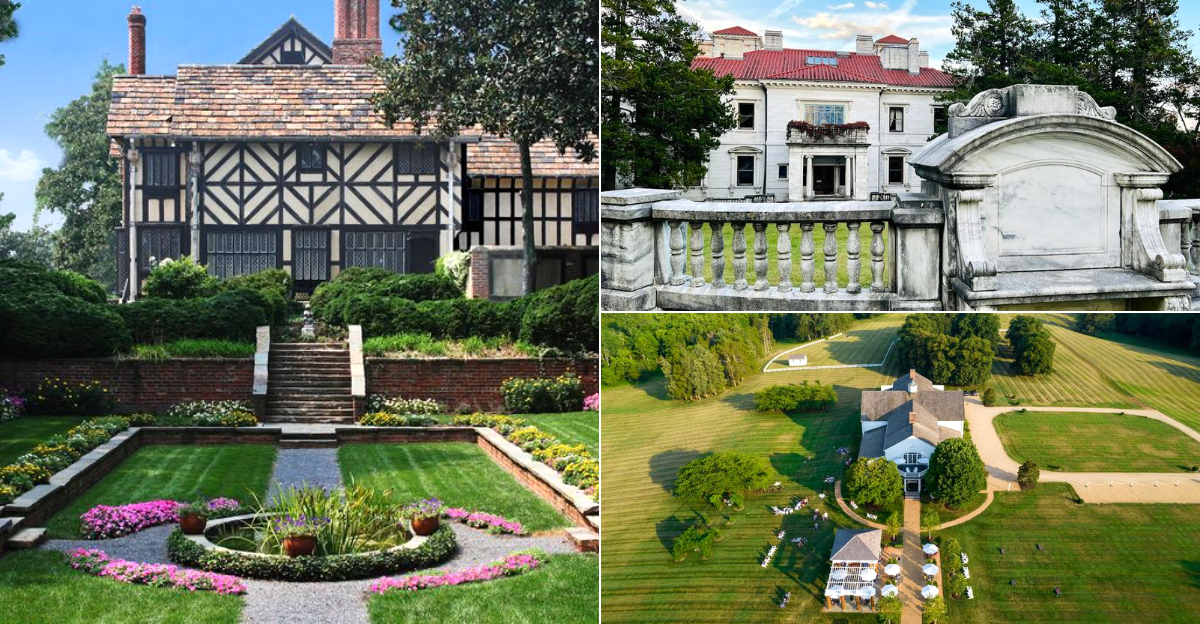
Virginia is a state where colonial charm and aristocratic grandeur blend together in the most unexpected corners.
From quiet riverside towns to rolling Blue Ridge foothills, grand mansions and storybook towers rise above the landscape like scenes from a European postcard.
Some were built by wealthy planters and industrialists chasing old-world elegance, while others sprang from the imaginations of eccentric dreamers and visionary architects.
Each one carries its own story, shaped by the families, fortunes, and history behind its walls.
Wander through stone turrets, sprawling gardens, and halls filled with art and memory, and you will discover a side of Virginia rarely seen.
So get ready to explore eleven of Virginia’s most captivating castles, each one brimming with character and charm.
1. Maymont (Maymont Mansion), Richmond, City of Richmond
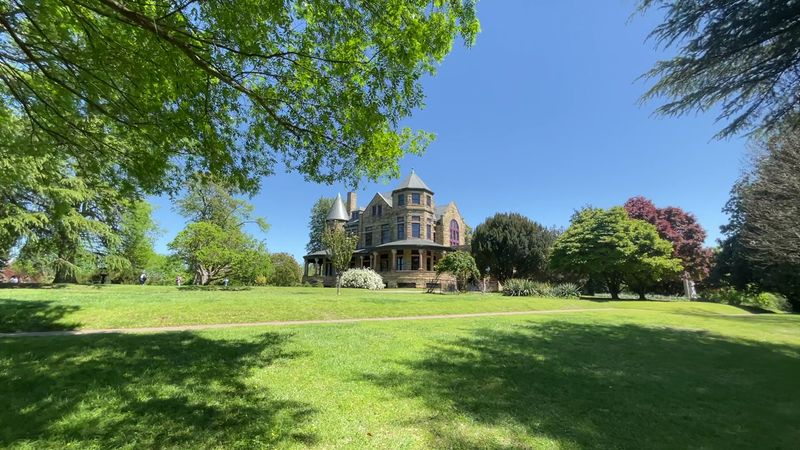
Winding paths, ornamental gardens, and a hilltop mansion set the tone before you even step inside this Richmond favorite.
The estate feels theatrical in the best way, with Romanesque details, carved stone, and interiors that glow with Gilded Age confidence.
At the center of it all sits Maymont Mansion, a lavish 1893 home created by James and Sallie Dooley as both residence and statement.
While it is not a medieval fortress, the building carries enough old world drama to satisfy any fairytale-seeking traveler.
Inside, preserved rooms reveal stained glass, rich woodwork, silk wall coverings, and decorative objects collected to impress guests and reflect elite tastes.
You move from room to room feeling the contrast between refined elegance upstairs and the working spaces that supported household life below.
The broader estate adds another layer of magic, especially if you wander through the Japanese and Italian gardens, the carriage collection, and the nature areas.
That mix of mansion grandeur and landscaped fantasy makes the property feel larger than a typical historic house visit.
It is easy to picture a European inspired romance unfolding here, even with Richmond traffic waiting beyond the gates.
Come for the architecture, but stay long enough to appreciate how the grounds shape the mood as much as the mansion itself.
2. Bacon’s Castle, Surry, Surry County
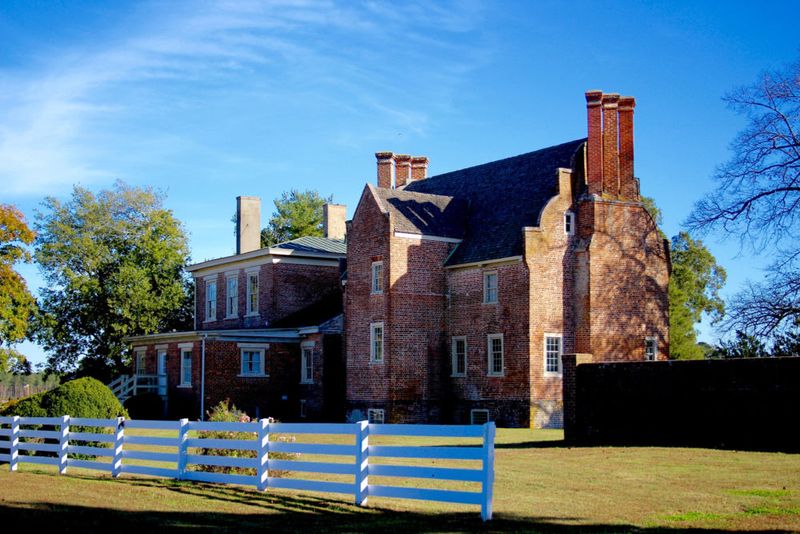
Steep gables rising above the countryside give this landmark an instantly transported feeling, as if a fragment of old England landed in coastal Virginia.
The silhouette alone is memorable, especially because so few surviving American homes look remotely like it.
Known today as Bacon’s Castle, this 1665 brick manor is the oldest documented dwelling in the United States built in the Jacobean style.
The house was constructed for planter Arthur Allen and later became linked, somewhat inaccurately, to Bacon’s Rebellion through local tradition.
What makes it spellbinding is not a tale of knights and battles, but the rare architecture – shaped gables, tall chimneys, and patterned brickwork.
You can feel how unusual it must have appeared in seventeenth century Virginia, where few structures aimed for such overt display.
Inside, historic rooms and period interpretation help connect the grand exterior to the realities of colonial life.
The surrounding grounds, gardens, and rural setting deepen the sense of remove, making the house feel wonderfully detached from modern noise.
That quiet isolation is part of the charm, especially if you like your fairytale destinations touched with age and mystery.
Among Virginia’s castle-like places, this one stands apart because its drama is grounded in architectural rarity rather than later romantic imitation.
3. Pythian Castle, Norfolk, City of Norfolk
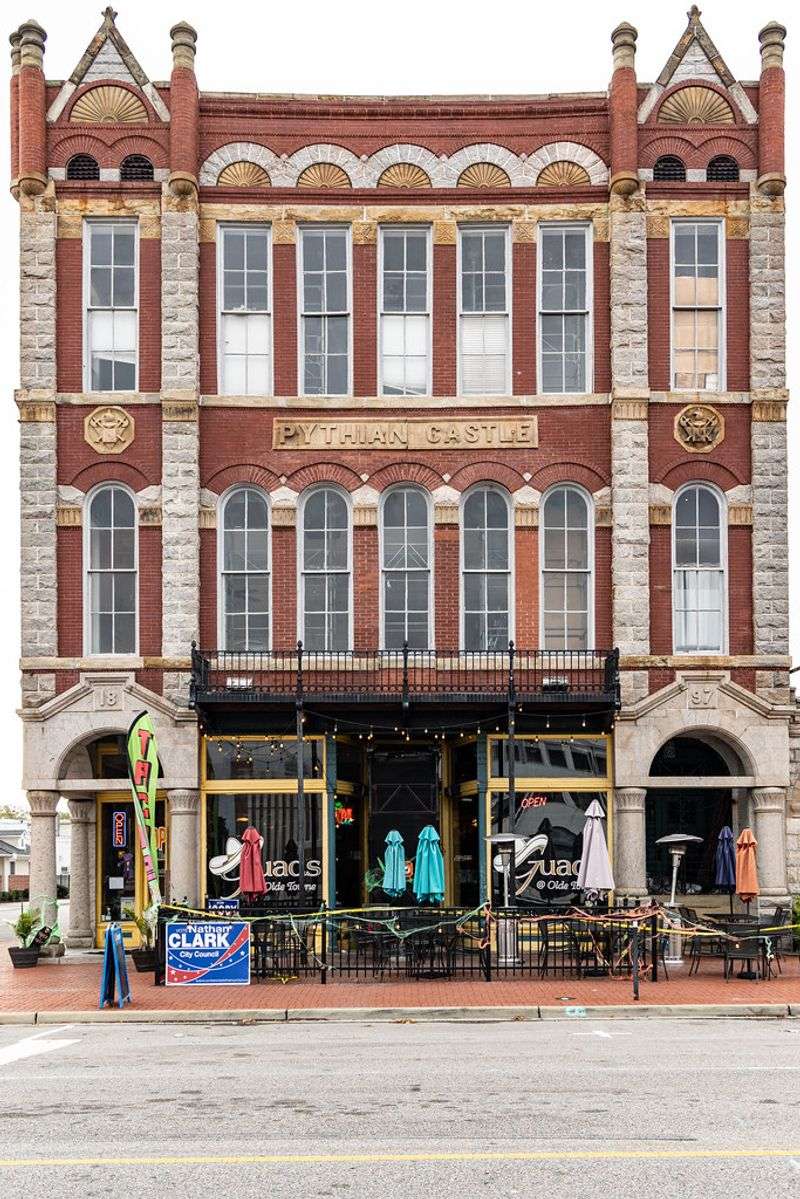
Turrets, pointed details, and an urban sense of mystery make this Norfolk landmark feel like it belongs in a gothic novel.
You notice its dramatic profile quickly, especially against the surrounding cityscape where ordinary buildings fade beside it.
That storybook quality comes from Pythian Castle, a striking structure built in 1907 for the Knights of Pythias.
The design embraces medieval revival styling, turning a fraternal meeting place into something that looks unusually theatrical for downtown Norfolk.
Its castle-like facade reflects an era when organizations used architecture to project ideals of fellowship, prestige, and permanence.
Even if you know the practical purpose behind it, the building still encourages your imagination to wander toward secret chambers and torchlit halls.
Because it sits in a coastal city with layers of military, maritime, and commercial history, the castle appearance feels even more unexpected.
That surprise is part of its appeal, giving you a fairytale visual in a place many visitors do not immediately associate with romantic revival architecture.
This is the kind of destination best appreciated by people who love overlooked landmarks with strong personality.
For a quick jolt of old world fantasy mixed with local history, Pythian Castle proves Norfolk can do dramatic charm very well.
4. Melrose Castle, Casanova, Fauquier County
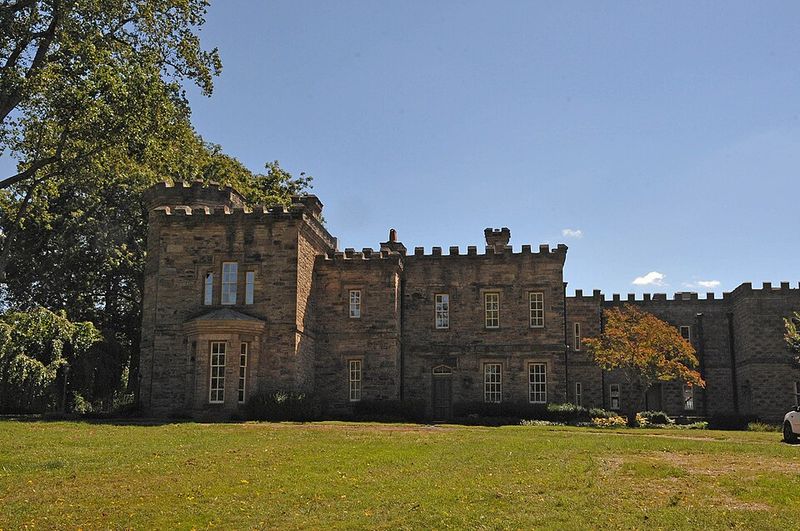
Hidden among the rolling landscapes of Fauquier County, this place feels like the sort of discovery you are almost afraid to mention too loudly.
The scenery is already dreamy, with horse country elegance and quiet roads that prime you for something unusual.
Then Melrose Castle appears in Casanova, delivering towers, stonework, and a surprisingly convincing old world silhouette.
Built in the late nineteenth century, the residence reflects the era’s fascination with romantic revival design and aristocratic fantasy.
It was never a medieval stronghold, of course, yet it succeeds because it captures the mood so effectively.
You look at the massing, the textures, and the rural setting together, and suddenly Virginia feels much farther from ordinary East Coast expectations.
Part of the allure here is its relative obscurity compared with bigger name historic attractions.
That lesser-known status makes the castle feel more personal, almost like a whispered secret among architecture lovers and scenic drive enthusiasts.
Even from the outside, its presence adds a fairytale punctuation mark to one of the state’s most beautiful pastoral regions.
The roads, farms, and gently elevated views around Casanova create a fitting approach for a house designed to stir imagination.
Melrose Castle may not be the easiest stop on a standard itinerary, but that is exactly why it leaves such a lingering impression.
5. Pratt’s Castle, Petersburg, City of Petersburg
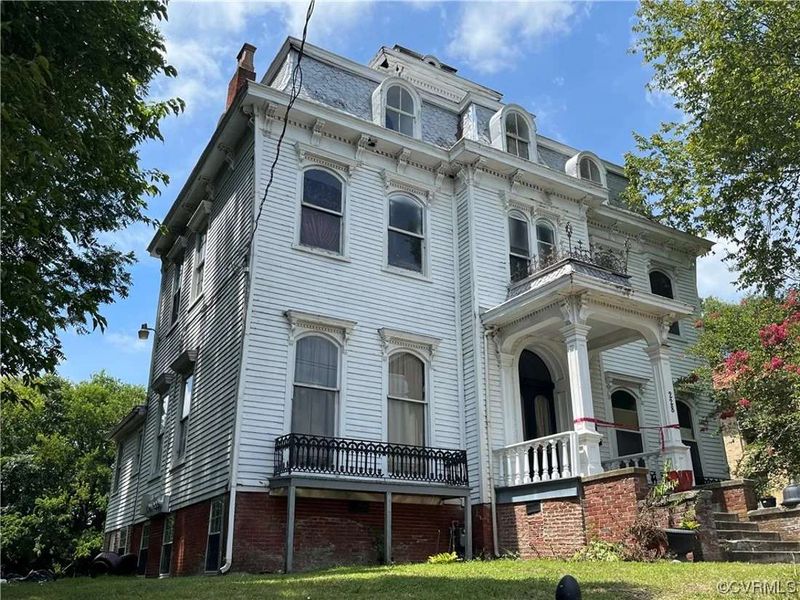
A touch of fantasy can transform an ordinary street, and that is exactly what happens when this Petersburg landmark comes into view.
The building breaks from its surroundings with an almost playful confidence, using vertical accents and decorative drama to command attention.
Locally known as Pratt’s Castle, it is one of those structures that instantly sparks curiosity about who built it and why.
The house dates to the nineteenth century and is admired for its High Victorian Gothic character, which naturally lends itself to castle comparisons.
Its towered profile and ornate detailing create the kind of picturesque eccentricity that fairytale-minded travelers love.
Rather than feeling severe or defensive, the architecture comes across as expressive, ambitious, and deeply tied to its era’s taste for visual richness.
Petersburg is already a city layered with history, from commerce to war to preservation, so this building fits into a broader story of architectural survival.
That context makes it more than a novelty, because it reflects the city’s past aspirations and stylistic experimentation.
When you see it in person, you get both the whimsy of a castle image and the texture of a real historic neighborhood.
Pratt’s Castle offers a compact dose of drama, individuality, and historic charm that lingers well after you leave Petersburg.
6. Highland (Ash Lawn-Highland), Charlottesville, Albemarle County
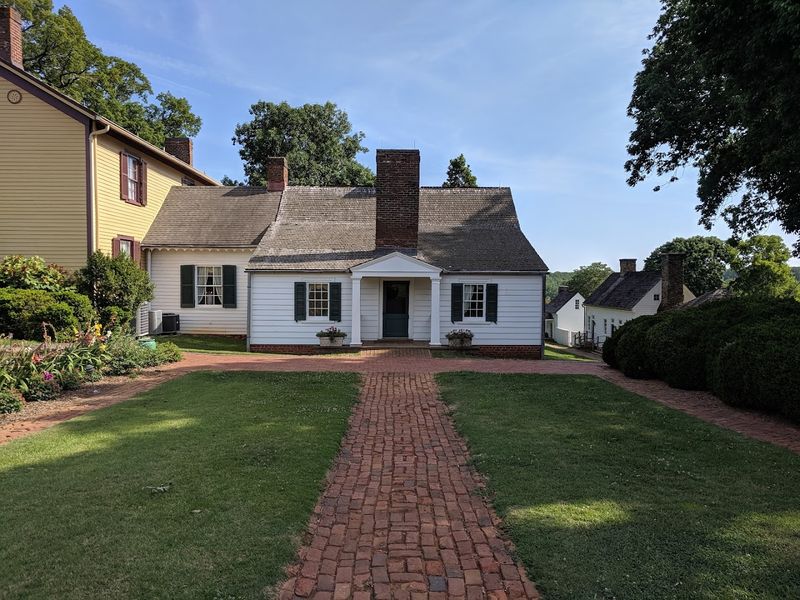
Quiet hills, weathered buildings, and presidential history create a gentler kind of fairytale at this Albemarle County estate.
Instead of towering battlements, you get atmosphere shaped by landscape, memory, and the suggestion of an older rural world.
That understated magic defines Highland, the home associated with James Monroe near Charlottesville.
Originally known as Ash Lawn-Highland, the property does not resemble a classic castle in a literal sense.
Still, it earns a place on this list because its historic setting and manor-like presence evoke the romantic qualities travelers often seek in old European estates.
There is something deeply appealing about the way the grounds unfold, with paths, open views, and structures that feel connected to a long, lived-in story.
The site also stands out for its layered interpretation, including Monroe’s life, plantation history, and archaeological discoveries that have reshaped understanding of the estate.
That complexity gives the destination more depth than a quick exterior glance might suggest.
You are not just visiting a pretty historic house, but engaging with a place where elegance and difficult history coexist.
Its beauty comes from setting and significance rather than visual spectacle alone.
By the time you leave, the soft hills and long historical echoes can feel just as transporting as any turreted fantasy elsewhere in Virginia.
7. Swannanoa Palace, Afton, Nelson County
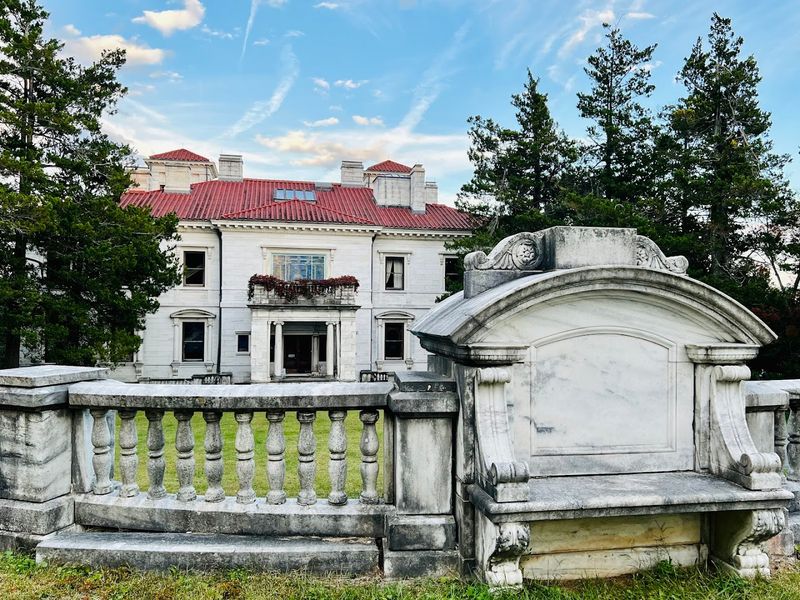
Perched high above the Blue Ridge with commanding views, this mountaintop estate feels almost unreal the first time you see it.
The approach builds suspense, and the reveal delivers pale stone grandeur that looks more European fantasy than rural Virginia.
That unforgettable landmark is Swannanoa Palace, completed in 1912 by railroad executive James H. Dooley for his wife, Sallie May.
Though technically a palace rather than a castle, it absolutely belongs in any fairytale roundup because of its dramatic setting and opulent ambition.
The mansion was built of Georgia marble and inspired by Italian Renaissance design, giving it a formal elegance unlike anything nearby.
Inside, famous details have included Tiffany windows, elaborate decoration, and memorial symbolism tied to the couple’s love story.
Even when the building’s condition and access have changed over time, the atmosphere remains powerful.
The mountain air, the sweeping vistas, and the isolated grandeur create the sense of a dream residence suspended above the everyday world.
If your idea of a fairytale destination requires scenery as much as architecture, this one may be the most cinematic stop in Virginia.
Swannanoa lingers in your memory because it combines beauty, ambition, and altitude in a way few historic estates can match.
8. Glen Burnie Historic House and Gardens, Winchester, City of Winchester
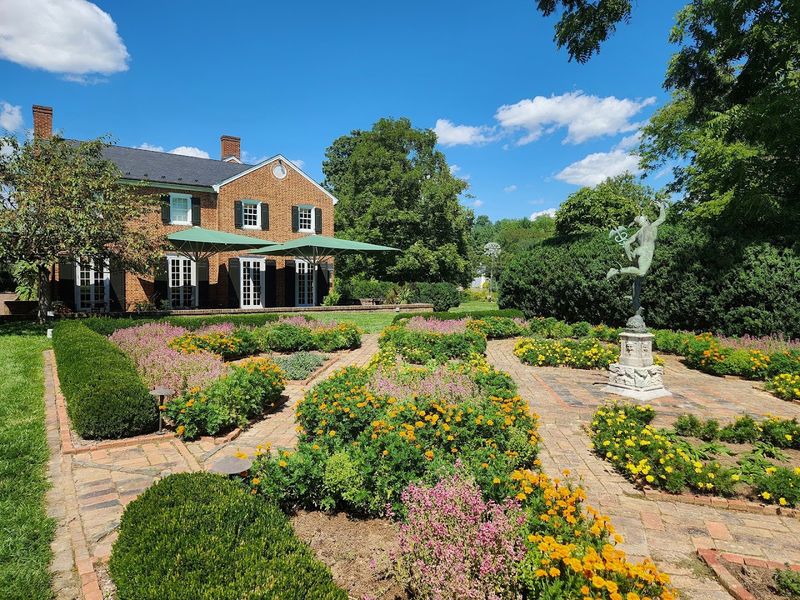
Garden walls, clipped hedges, and a sense of cultivated quiet make this Winchester property feel like a secret retreat from another century.
The effect is less fortress-like and more storybook manor, where beauty unfolds gradually instead of demanding attention all at once.
That measured charm defines Glen Burnie Historic House and Gardens, a treasured stop in the northern Shenandoah Valley.
The house itself dates to the late eighteenth century, while the surrounding gardens add layers of romance that elevate the whole experience.
Visitors often remember the landscape design as much as the architecture, thanks to formal plantings, woodland sections, and seasonal color.
That combination creates the feeling of entering an estate where every turn was intended to shape mood and perspective.
Because Winchester has such deep colonial and Civil War era roots, Glen Burnie also fits naturally into a broader historical itinerary.
Yet it stands apart by offering a softer, more lyrical atmosphere than many battlefield-associated attractions nearby.
If you are chasing fairytale energy, the gardens do much of the storytelling, wrapping the property in an almost enchanted calm.
This is an especially satisfying destination for travelers who want architecture, horticulture, and history in the same visit.
Glen Burnie proves that a fairytale destination does not need towers to feel magical when the setting is this gracefully composed.
9. Point of Honor, Lynchburg, City of Lynchburg
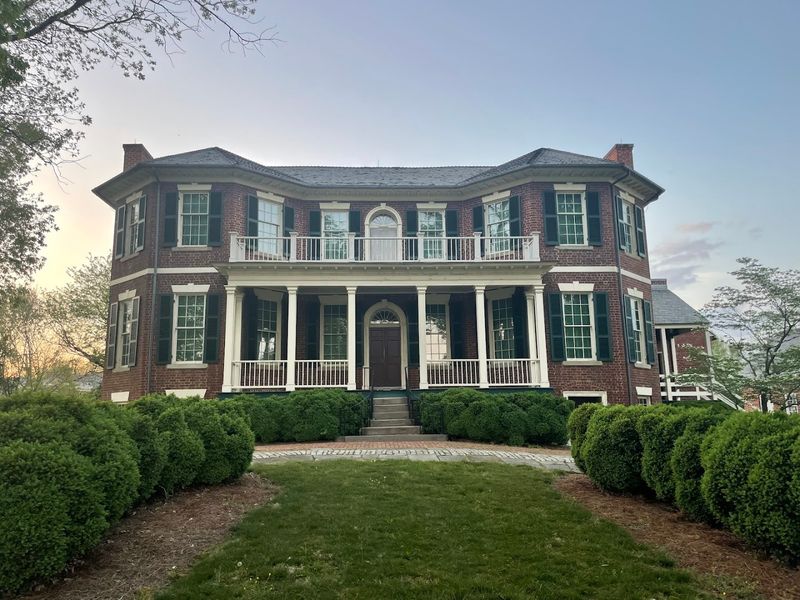
High above the James River, a hilltop setting gives this Lynchburg landmark an immediate sense of drama and old-world poise.
The view does much of the enchanting work, opening the landscape in a way that makes the estate feel elevated from ordinary time.
That memorable place is Point of Honor, a Federal era mansion with both elegance and a remarkably strong sense of presence.
Built in the early nineteenth century for Dr. George Cabell, the house is not a castle by design, but it still carries manor-house energy.
Its proportions, commanding siting, and layered history create the kind of romantic atmosphere many travelers associate with European estates.
You can imagine it as a refined overlook where politics, family life, and river commerce once intersected in fascinating ways.
Interpretation at the site helps uncover stories tied not only to the Cabell family, but also to enslaved people whose labor sustained the household.
That broader context adds necessary depth and keeps the visit grounded in reality rather than nostalgia alone.
If you are building a Virginia castle-themed route, Point of Honor offers a quieter form of fairytale appeal.
Sometimes that is enough to make a place unforgettable, especially when river views, historic architecture, and layered storytelling come together this gracefully.
10. Agecroft Hall and Gardens, Richmond, City of Richmond
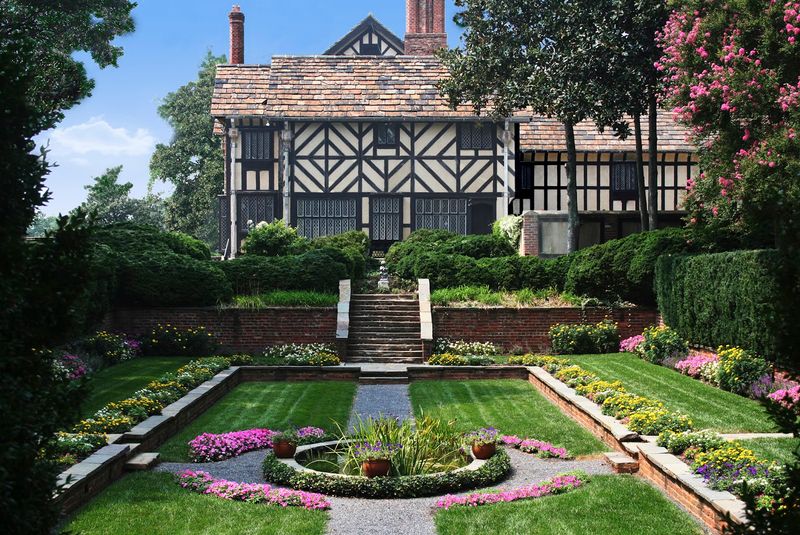
Few places in Virginia deliver an English manor fantasy as convincingly as this remarkable house above the James River.
The moment you see the timbered facade and formal gardens, it feels less like a regional attraction and more like an architectural time portal.
That impression is exactly what makes Agecroft Hall in Richmond such a satisfying fairytale destination.
The structure is especially fascinating because it is not merely inspired by Tudor England – parts of it were actually brought from Lancashire and reconstructed here in the 1920s.
That unusual origin gives the house a transatlantic authenticity that most revival buildings cannot claim.
Walking the grounds, you get the rare sensation of encountering a genuinely old English manor adapted to a Virginia setting.
Inside, exhibits and period rooms help connect the building’s Elizabethan style to broader cultural history.
Outside, the gardens frame the house beautifully, creating the sort of composed estate environment that invites unhurried wandering and plenty of photographs.
The entire property feels curated for mood, with enough detail to please both casual visitors and serious architecture enthusiasts.
It combines visual impact, historical intrigue, and a polished visitor experience.
Agecroft Hall proves that fairytale travel does not require leaving Virginia when Richmond can suddenly feel this close to old England.
11. Castle Hill, Cismont, Albemarle County
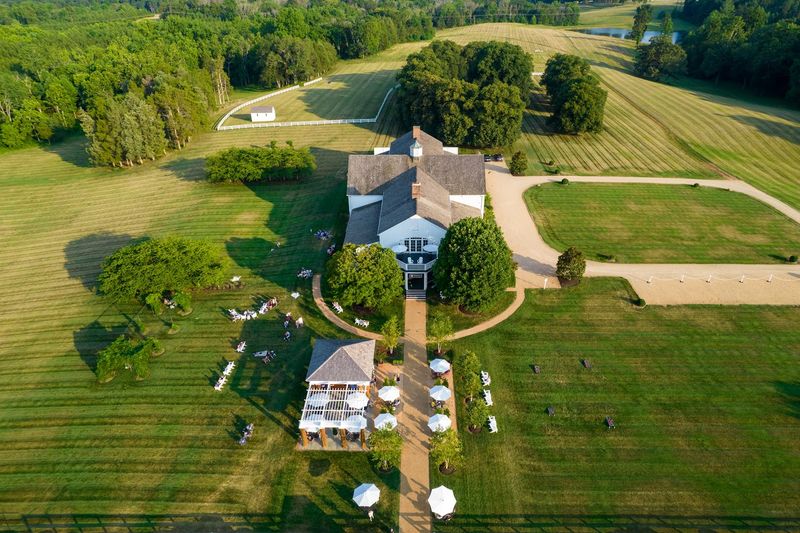
Long drives, open countryside, and a name that instantly stirs expectation give this Albemarle County estate an advantage before you even arrive.
The mood here is patrician and pastoral, more ancestral manor than defensive castle, yet the effect is undeniably romantic.
That distinctive blend comes together at Castle Hill in Cismont, one of Virginia’s notable historic estates.
The property traces its origins to the eighteenth century and became associated with a prominent Virginia family, including connections to revolutionary era figures.
Its architecture and grounds reflect generations of growth rather than a single theatrical design moment, which gives the estate a grounded authenticity.
You feel that continuity in the landscape, where old trees, broad lawns, and the house itself suggest a long and evolving story.
Although not generally operated like a large public museum destination, Castle Hill still holds a strong place in conversations about Virginia’s manor-like landmarks.
Its appeal lies in atmosphere, lineage, and setting as much as in strict visual resemblance to a European castle.
For travelers who love the idea of noble country estates, that distinction may actually make the experience more compelling.
Castle Hill earns its place on a fairytale themed list by proving that old Virginia elegance can feel every bit as transporting as a turreted fantasy.