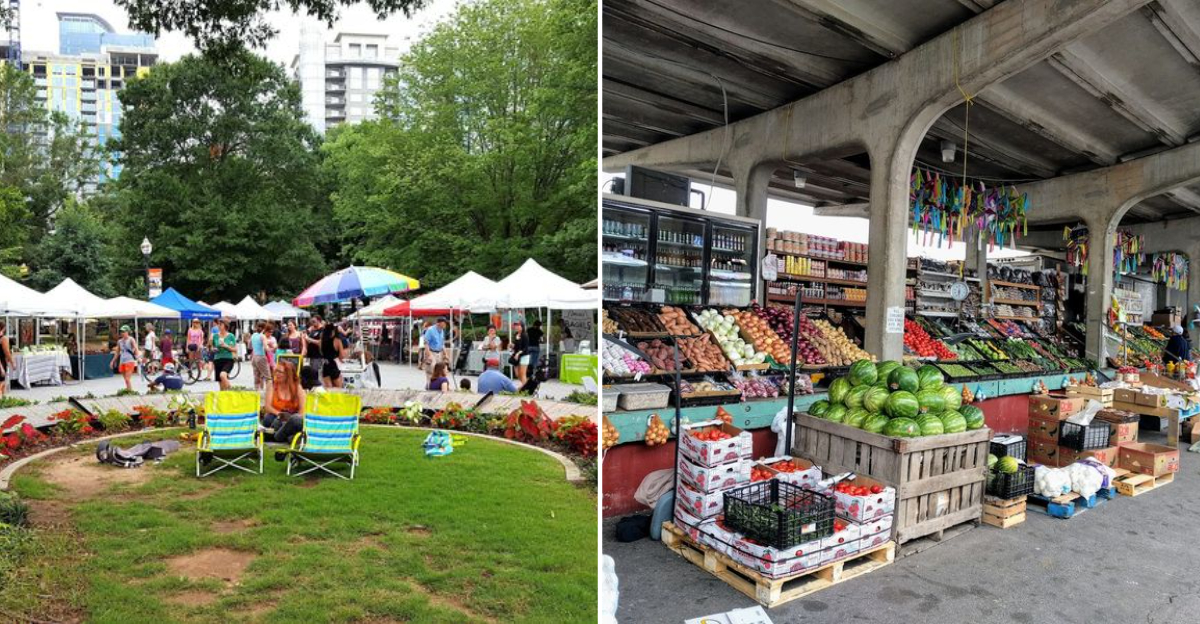
Spring in Georgia has a way of softening everything it touches. Morning light settles over roadside fields, peach blossoms drift through warm air, and small-town streets slowly wake up as tables are set with crates of just-picked produce.
Tomatoes still carry the warmth of the sun, herbs smell sharper in the breeze, and the whole experience feels grounded in something simple and familiar.
Farmers markets across the state turn that season into something you can walk through. From busy city corners to quiet county squares, they offer a rhythm that feels slower than the grocery aisle and more connected to where food actually begins.
Conversations happen across folding tables, recipes get swapped without effort, and baskets fill up in a way that feels both practical and satisfying.
It’s an easy time to explore them, especially when fresh food still feels like something you should linger over. These 11 Georgia farmers markets bring together value, freshness, and local character in a way that makes every visit feel worth the trip.
Atlanta State Farmers Market
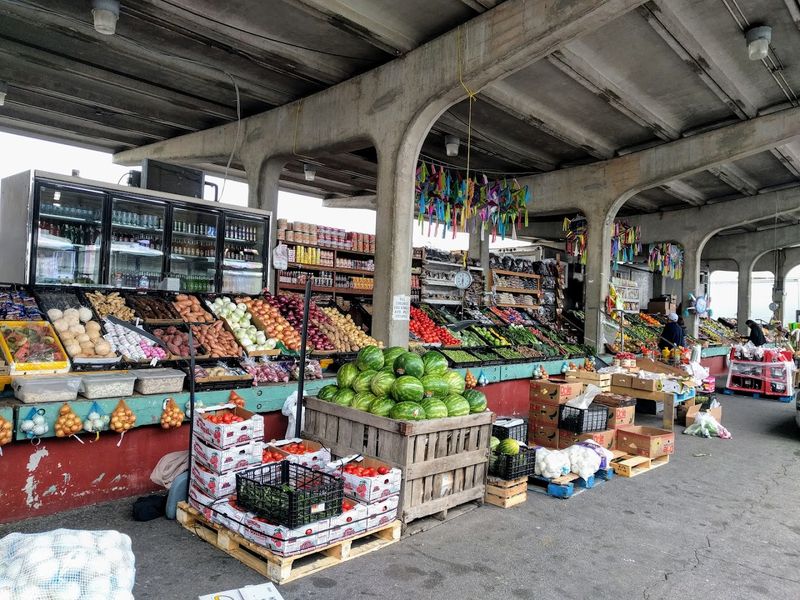
Long rows of produce, the hum of forklifts, and prices that still make you do a double take set the tone here. This is the kind of place where you can shop like a household cook or think like a restaurant buyer, depending on how much trunk space you have.
In Forest Park, the Atlanta State Farmers Market delivers that rare combination of scale, freshness, and bargains.
Run by the Georgia Department of Agriculture, it is one of the largest state-run produce markets in the country and operates year-round. That size matters because competition between vendors often helps keep prices reasonable, especially on seasonal produce and bulk purchases.
You will also find wholesalers, retail stalls, and an energy that feels more working market than curated weekend outing.
Shopping smart here means comparing tables, asking about case pricing, and staying flexible about what is in peak season. Peaches, greens, onions, tomatoes, melons, and peppers regularly show up in quantity, and many shoppers come prepared to preserve or split purchases with family.
If you cook often, the savings can add up quickly.
What makes this market especially useful is its direct-from-grower feel despite its enormous footprint. You get access to Georgia produce at a point in the supply chain that often cuts out extra markup.
For value, variety, and year-round reliability, it is hard to beat.
Augusta State Farmers Market
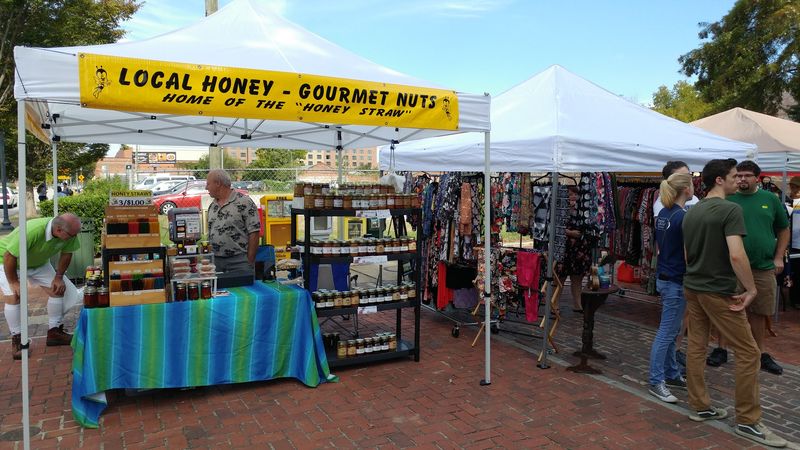
History and practicality meet in a market where the produce feels local and the prices still respect your budget. You can sense that this is not a place built around trendiness but around feeding people well.
In Augusta, the Augusta State Farmers Market has been serving that role since 1942.
Its long-running presence gives it a dependable, everyday quality that many shoppers appreciate. Rather than feeling like a special event, it works as a regular source for fruits, vegetables, baked goods, and seasonal staples that reflect the region.
Because it blends retail and wholesale activity, shoppers often benefit from a pricing structure rooted in volume and movement instead of boutique margins.
That matters when you are buying for a family, planning a cookout, or simply trying to eat more fresh food without overspending. The best deals usually come from shopping what is abundant, asking vendors which items arrived freshest, and keeping an eye out for larger quantities.
During peak harvest periods, those choices can stretch your money surprisingly far.
There is also something reassuring about a market with this kind of staying power. It has adapted without losing its purpose, which is helping Georgia-grown food reach everyday shoppers.
If you want a market that balances local flavor, useful variety, and solid value, this one belongs on your list.
Macon State Farmers Market
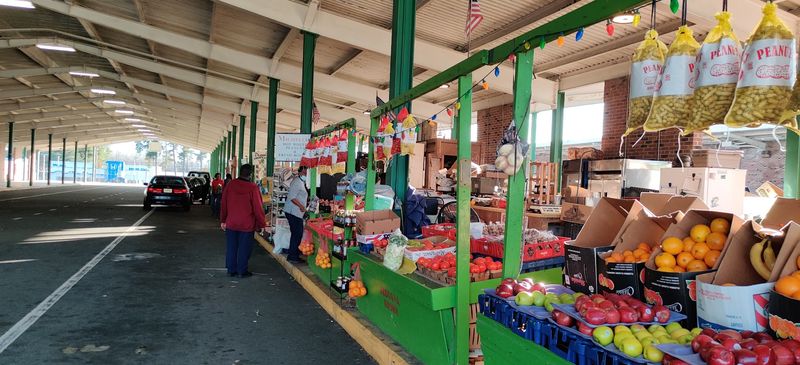
The best budget markets are the ones that feel useful the minute you arrive, and this one does exactly that. There is no need for a special occasion when fresh vegetables, fruit, and pantry staples are priced for regular life.
In central Georgia, the Macon State Farmers Market stands out as a year-round option with real everyday value.
Multiple produce vendors give shoppers a chance to compare quality and cost without driving all over town. That setup is especially helpful if you are trying to build meals around what is freshest rather than sticking to a rigid grocery list.
Bulk buying is part of the appeal here too, making it a smart stop for big families, home canners, or anyone splitting produce with neighbors.
Beyond the fruits and vegetables, the market also features on-site bakery options and local food vendors, which adds convenience without losing the market’s practical focus. You can pick up ingredients for the week and still leave room for bread or a treat.
That mix makes the stop feel efficient rather than scattered.
What I like most is how grounded the market feels in the rhythm of actual food shopping. It rewards flexibility, seasonal thinking, and a willingness to ask questions.
If you want dependable produce access in middle Georgia without paying premium grocery prices, this market earns serious consideration.
Savannah State Farmers Market
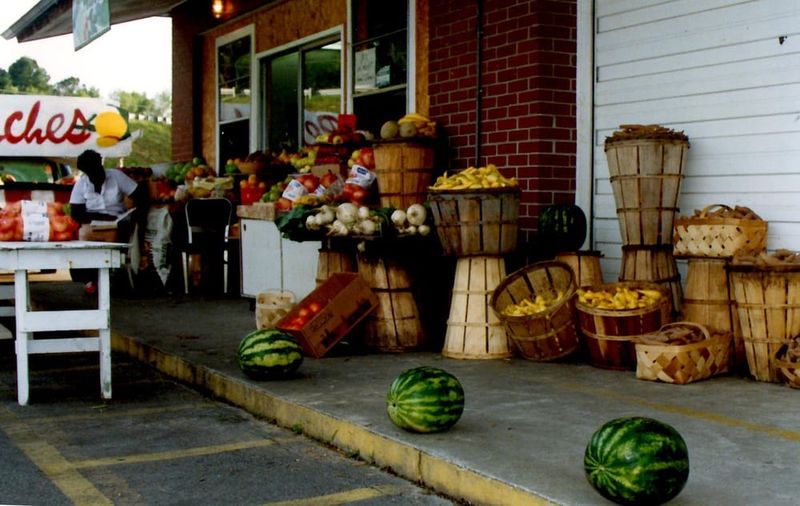
Coastal shopping often brings to mind high prices and tourist markups, which is why this market feels like such a pleasant surprise. The mood is relaxed, the selection is practical, and the value keeps regulars coming back.
In Savannah, the Savannah State Farmers Market offers year-round access to fresh food without the inflated feel of more visitor-focused stops.
Its broad mix is part of the draw. Alongside local produce, you can often find plants, seasonal goods, and seafood, which makes the market especially useful for shoppers trying to cover several needs in one trip.
That convenience matters, but so does the market’s reputation for budget-friendly prices near the coast, where savings can sometimes be harder to find.
Shopping seasonally is the easiest way to make the most of it, especially when local fruits and vegetables are coming in strong. Flexible meal planning helps too, because vendors may have the best deals on what is abundant rather than what is expected.
If you keep an open mind, the market tends to reward you.
What stands out most is how accessible it feels for everyday cooking. This is not just a scenic stop but a genuinely useful place to stock up.
For Savannah shoppers who want freshness, variety, and manageable prices, it remains one of the smartest local options.
Thomasville State Farmers Market
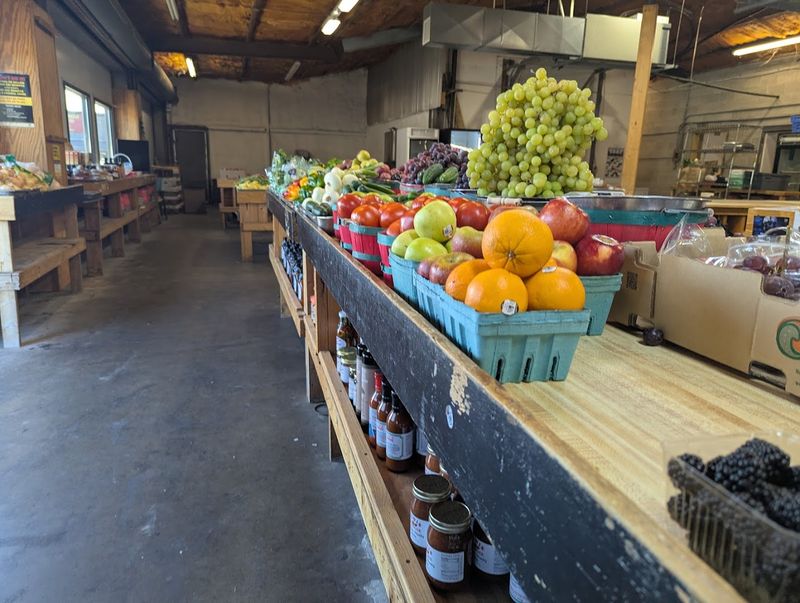
When a market manages to feel both old-fashioned and practical, it usually earns a loyal following. You can shop for dinner ingredients, pantry basics, and local specialties without feeling like every item comes with a premium for being artisanal.
That balance is a big part of the appeal at the Thomasville State Farmers Market.
Located in one of South Georgia’s most food-conscious communities, this market offers Georgia-grown produce, meats, and shelf-stable goods at competitive prices. The combination matters because it turns a produce run into a more complete shopping stop.
Retail storefronts and food vendors also help broaden the experience without distracting from the core value of affordable local food.
This is a great place to build meals from what looks freshest rather than from a rigid shopping list. Seasonal vegetables, fruit, and regional staples can often be found at prices that encourage cooking at home more often.
If you compare vendors and ask what came in recently, you are likely to leave with better food for less money.
The market succeeds because it feels rooted in function, not performance. It serves shoppers who care about quality but also need their dollars to go further.
In Thomasville, that combination of freshness, variety, and fair pricing still feels refreshingly intact.
Grant Park Farmers Market
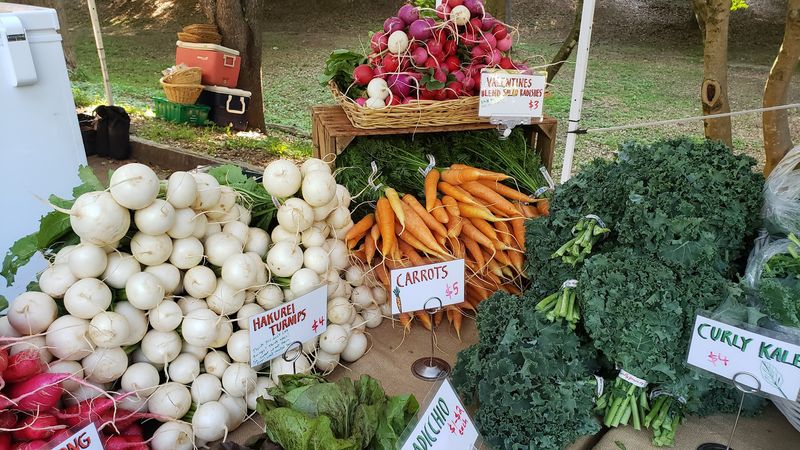
City markets can sometimes lean stylish before they lean affordable, but this one manages to do both with real substance. The crowd is lively, the produce is local, and there is a clear effort to make fresh food more reachable for a wide mix of shoppers.
That is why Grant Park Farmers Market remains one of Atlanta’s most useful weekly stops.
Set in one of the city’s most beloved neighborhoods, the market brings together local farms, prepared food vendors, and artisan sellers without losing sight of produce access. Programs that support SNAP shoppers help strengthen its affordability, and that commitment matters in a major city where local food can otherwise feel exclusive.
The result is a market that feels community-centered rather than purely curated.
You can shop here for seasonal vegetables, fruit, breads, and specialty items, but the strongest value usually comes from buying what local farms have in abundance. Prices are not always the absolute lowest in metro Atlanta, yet the freshness, direct farmer sales, and access programs make the overall equation compelling.
For many households, that combination is worth it.
What makes this market special is the sense that affordability and quality are being pursued together, not treated as opposites. It feels welcoming, practical, and rooted in neighborhood life.
If you want a city market that still prioritizes real food access, this one stands out.
Freedom Farmers Market at The Carter Center
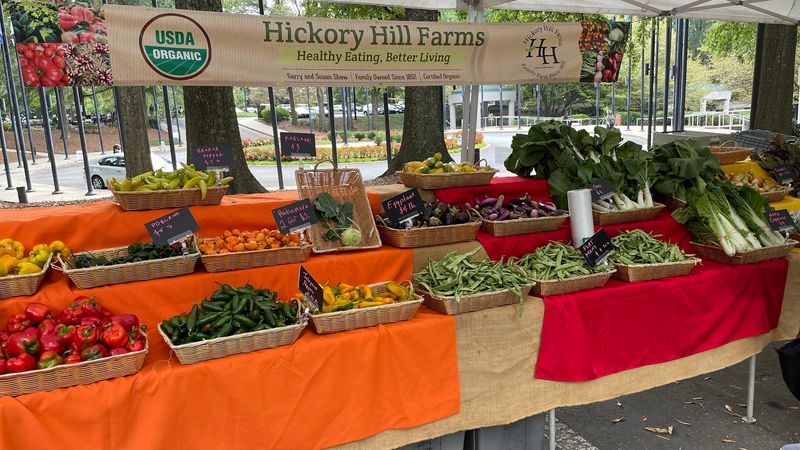
There is a calmer, more community-minded feel here that makes shopping feel less transactional and more connected. You notice people talking with growers, asking questions, and building meals around what is in season instead of what is heavily marketed.
That spirit defines Freedom Farmers Market at The Carter Center in Atlanta.
The market is known for regional farms, direct farmer sales, and a strong lineup of produce that often appeals to shoppers looking for freshness and transparency. Organic options and responsibly grown food are part of the draw, but the market also works to keep the experience educational and community-focused rather than intimidating.
That matters if you want to eat better without feeling like local food is only for a narrow audience.
Prices can vary depending on the vendor and the season, so shopping smart is key. The best values usually come from peak-season produce, bundle deals, and talking directly with farmers about what is most plentiful that week.
When supply is strong, you can do surprisingly well for quality this high.
What stands out is the market’s ability to combine thoughtful programming with real-world usefulness. It is not only about beautiful vegetables, though you will certainly find those.
For Atlanta shoppers who want regional food, direct relationships, and a community-oriented approach to affordability, this market is an excellent fit.
Morningside Farmers Market
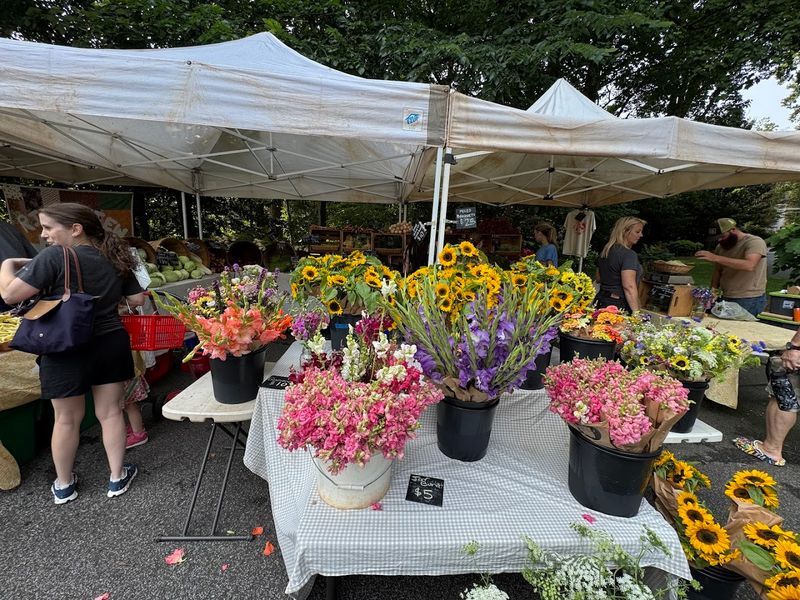
Some neighborhood markets feel like they have grown up alongside the people who shop there, and this one has exactly that kind of lived-in credibility. The atmosphere is friendly, established, and focused on food you can actually use throughout the week.
In Atlanta, Morningside Farmers Market has earned a reputation as one of the city’s older and more dependable local options.
Its longevity matters because markets that survive for years usually do so by staying relevant to regular shoppers, not only occasional browsers. Seasonal fruits and vegetables anchor the experience, but meats and baked goods add enough range to make the trip feel worthwhile.
That combination helps turn a Saturday outing into a practical food run.
The market is not necessarily defined by bargain-basement pricing, yet there is still value in shopping directly from regional producers and focusing on what is in season. Items at peak harvest often offer the best balance of cost and quality, and vendors can usually tell you what is especially good that week.
That kind of guidance is part of the advantage.
What I appreciate most is the consistency. You know you are walking into a market with roots, standards, and a real connection to Atlanta’s food culture.
For shoppers who want fresh produce, local goods, and a neighborhood rhythm that feels genuine, this market continues to deliver.
Peachtree Road Farmers Market
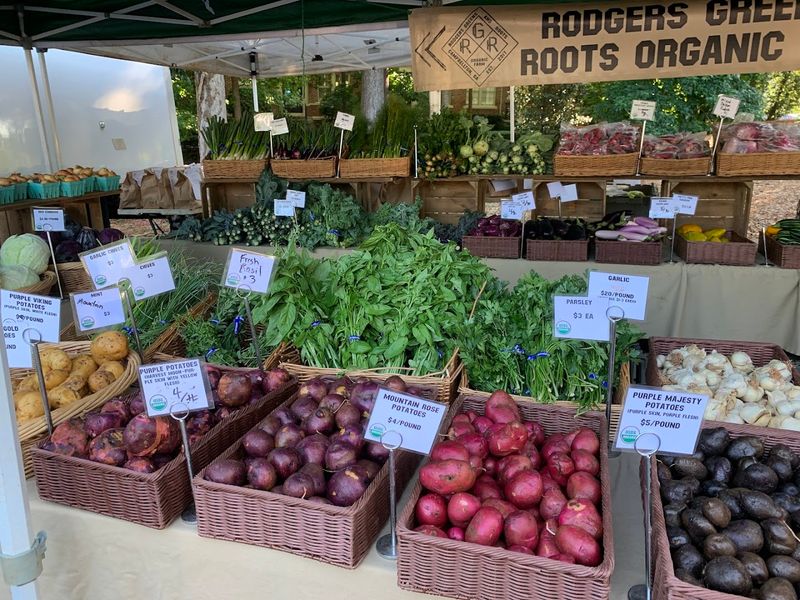
Even in a part of Atlanta often associated with upscale shopping, you can still find a market grounded in direct farm sales and useful weekly staples. The tone is polished but not detached, and the best vendors keep the focus where it belongs, on fresh food.
That is the draw of Peachtree Road Farmers Market in Buckhead.
Held on Saturdays, this market is known for farm-direct produce and specialty foods that attract a loyal neighborhood following. While some shoppers come for unique prepared items, the strongest reason to visit is still access to Georgia-grown ingredients sold close to the source.
That direct connection can translate into fresher purchases and a better sense of where your money is going.
To keep the trip budget-conscious, it helps to prioritize produce first and treat specialty goods as optional extras. Seasonal fruits, greens, root vegetables, and herbs often offer the best value, especially when vendors have abundant stock.
Shopping with a meal plan in mind can help you avoid the temptation to overspend on beautiful but unnecessary additions.
What makes this market worth noting is that it brings serious local food culture into a high-demand part of the city. It proves that farm access can exist in places better known for luxury.
For shoppers seeking freshness, consistency, and a solid Saturday market routine, it remains a strong choice.
Green Market at Piedmont Park
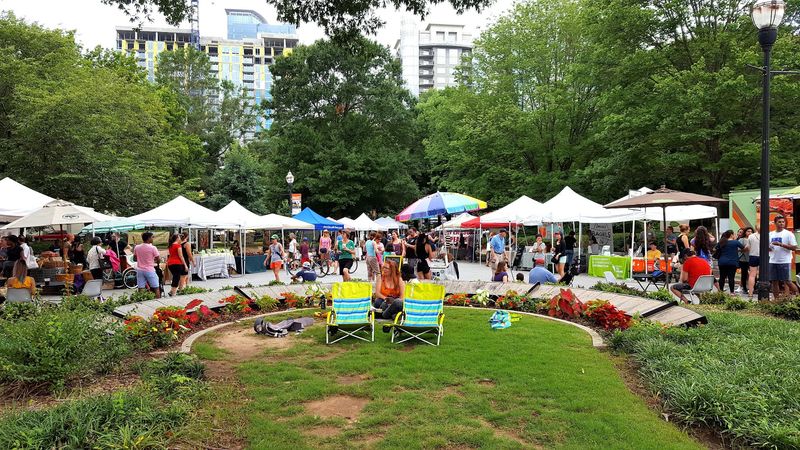
Fresh food somehow feels even more inviting when it is set against one of Atlanta’s most recognizable green spaces. The atmosphere is open, social, and easy to enjoy, but there is real substance behind the scenery.
Green Market at Piedmont Park combines a central location with access to regional farms and practical shopping opportunities.
That central setting helps bring local produce to a broad mix of city residents, which is part of why the market matters. Rather than requiring a long drive to find farm-grown vegetables and seasonal goods, shoppers can browse an accessible in-town option with a reputation for affordable fresh produce.
In a city where convenience often increases cost, that balance is valuable.
The best way to shop here is to lean into the season and buy what regional growers are bringing in volume. Tomatoes, greens, squash, berries, herbs, and other rotating crops can offer strong quality for the price when timing is right.
A simple plan helps, but flexibility usually pays off more than a strict list.
What stands out is how well the market fits into everyday city life. It does not feel isolated from the community around it, and that helps local food feel more normal and attainable.
For shoppers who want a scenic but genuinely useful Atlanta market, this one earns its popularity.
Forsyth Farmers’ Market
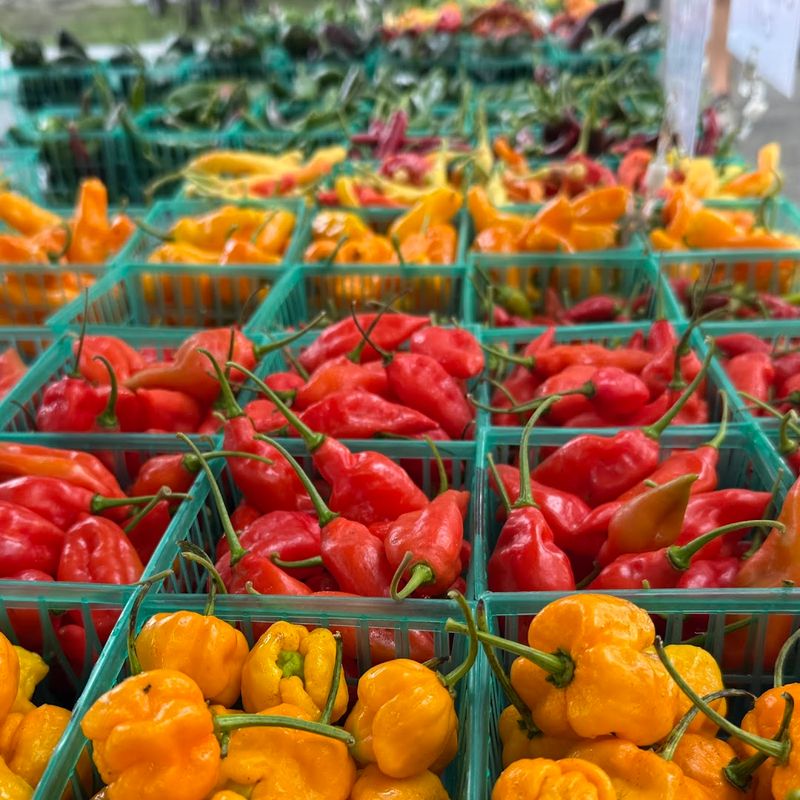
Weekend markets feel different when they become part of a city’s shared routine, and this one clearly has that role. The scale is impressive, but the atmosphere still feels local, approachable, and rooted in the idea that fresh food should be widely available.
In Savannah, Forsyth Farmers’ Market has built that reputation over time.
With more than 70 farmers and vendors on many Saturdays, the market offers serious variety without losing its community focus. Produce is a major draw, but so are the programs tied to nutrition, food access, and education, which help keep affordability part of the conversation.
That commitment makes the market more meaningful than a simple shopping event.
Because there are so many sellers, comparison shopping is one of the smartest strategies here. You can often find strong deals by walking the full market before buying, then returning for the best-looking produce or best bundle offers.
Seasonal abundance usually shapes the value, so flexibility gives you an advantage.
What I like most is how the market blends energy with purpose. It feels vibrant without becoming overwhelming, and mission-driven without losing the joy of buying good food outdoors.
For anyone in Savannah hoping to stretch their budget while still supporting regional agriculture, this is one of the strongest places to start.