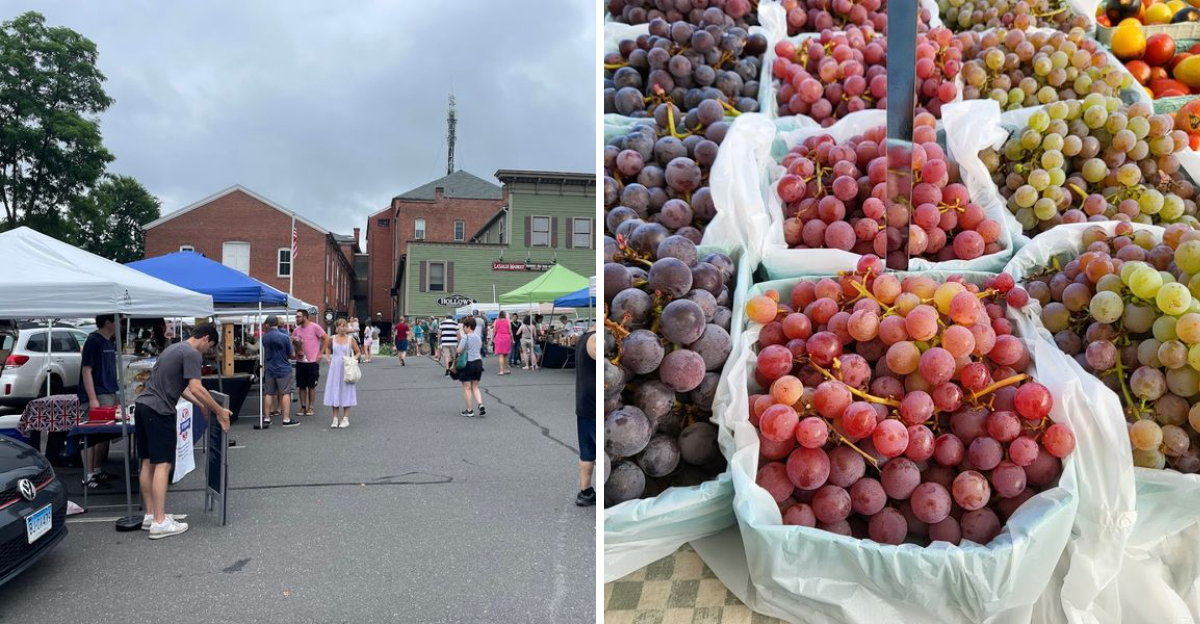
Connecticut’s freshest treasures aren’t hiding in grocery store aisles — they’re waiting under tents, beside baskets of just-picked tomatoes, and down rows packed with the smell of baked bread and sweet berries.
Farmers markets turn an ordinary shopping trip into something that feels like a small adventure. One minute you’re grabbing lettuce for dinner, the next you’re walking away with fresh peaches, homemade jam, and a dessert you never planned to buy.
There’s a special kind of energy in these places. Kids run toward colorful fruit stands, neighbors stop for conversations, and growers proudly hand over food picked only hours earlier.
Fresh food suddenly feels closer, warmer, and far more personal.
Connecticut has plenty of these local gems scattered across the state. These 13 farmers markets make it easier to fill your bags with fresh ingredients while supporting the people growing them right in your backyard.
Coventry Farmers Market — Coventry
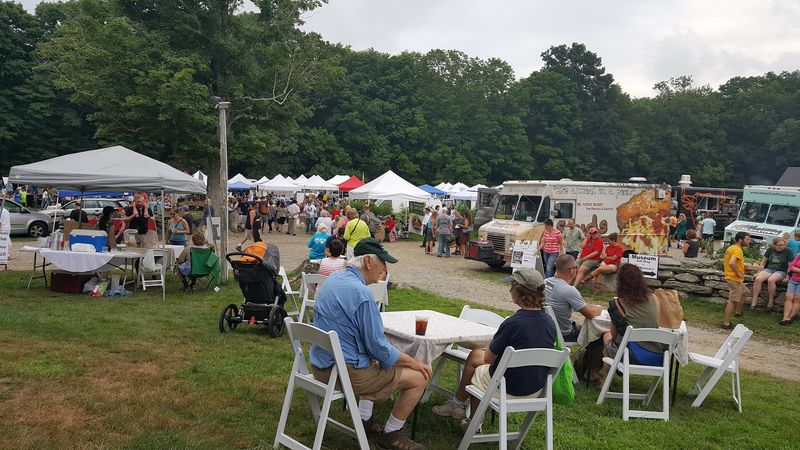
Walking through this well-established market feels like stepping into Connecticut’s agricultural heartland. Vendors arrive early each week with crates full of just-picked vegetables, homemade jams, fresh-baked bread, and specialty foods crafted by local artisans.
The variety here goes beyond basic produce to include unique items you won’t find in regular grocery stores.
What makes this market stand out is its commitment to building relationships between farmers and families. Shoppers get to ask growers questions about growing practices, recipe ideas, and what’s coming into season next.
This direct connection helps people understand where their food comes from and how it reaches their table.
The community atmosphere draws neighbors together every market day. Kids learn about different vegetables while parents discover new favorites from rotating vendors.
Whether you’re searching for heirloom tomatoes, farm-fresh eggs, or handcrafted cheeses, the welcoming environment makes shopping here an experience rather than just an errand.
CitySeed Wooster Square Farmers Market — New Haven
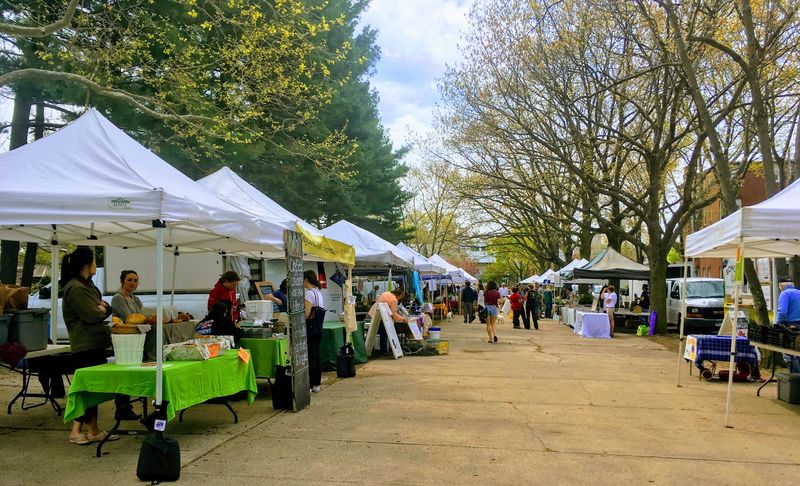
City living meets farm-fresh food at this vibrant urban marketplace. Situated right in the Wooster Square neighborhood, this market was designed specifically to tackle food access challenges facing New Haven residents.
Programs here help families afford fresh produce through nutrition incentive programs that stretch grocery budgets further.
Local growers travel from surrounding farmland to sell directly to city shoppers who might not have easy transportation to rural farm stands. The selection rotates with the seasons, from spring greens and strawberries to fall squash and apples.
Everything sold here comes from regional producers committed to sustainable growing practices.
Beyond just selling vegetables, the market hosts cooking demonstrations and nutrition education workshops. These free events teach families how to prepare unfamiliar produce and make the most of seasonal ingredients.
The organization behind this market believes everyone deserves access to healthy food, and their programs work hard to make that vision real for New Haven’s diverse neighborhoods.
Ellington Farmers Market — Ellington
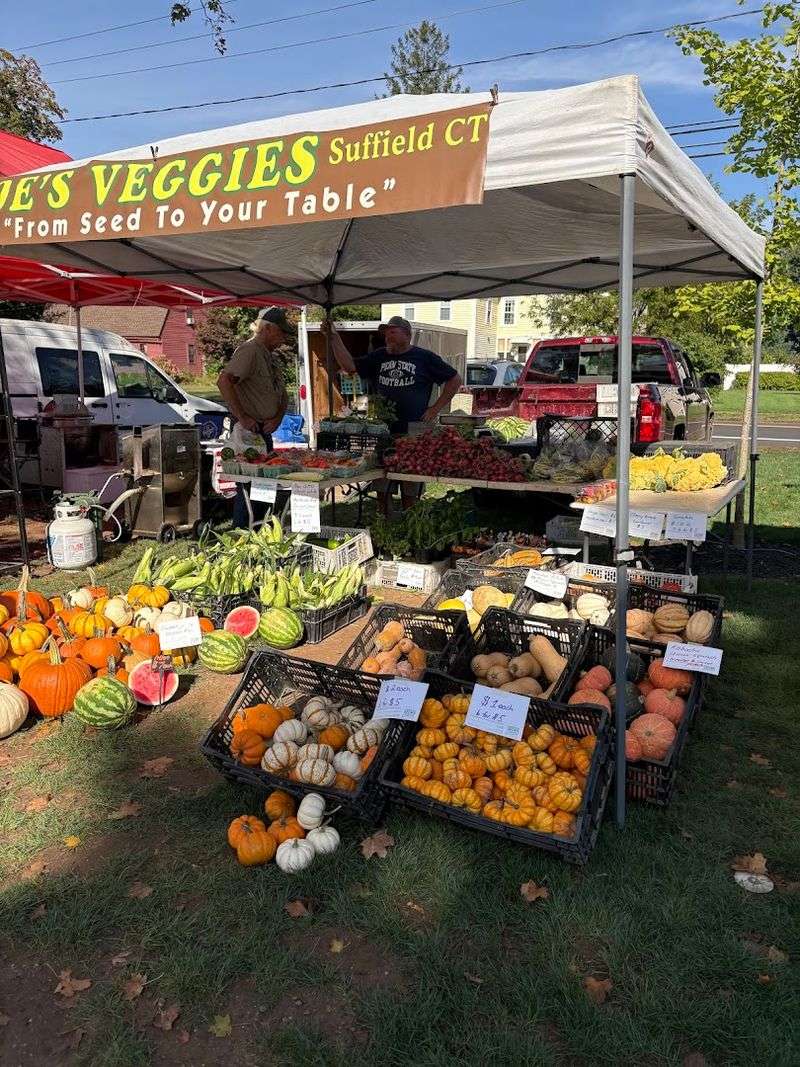
Ellington’s market thrives on partnerships between local farms and community organizations that share resources and knowledge. Small family farms that might struggle to reach customers on their own find support here through collaborative marketing and shared customer bases.
This teamwork approach strengthens both the agricultural community and food access for residents.
Shopping here means meeting the actual people who grow your food. Farmers share stories about their land, explain their farming methods, and offer tips for storing and preparing different vegetables.
These conversations build trust and help shoppers feel confident about the quality of what they’re buying for their families.
The market operates on a schedule that works for working families, with convenient hours and a central location that’s easy to reach. Regular customers develop favorite vendors and look forward to seasonal specialties like sweet corn in summer or pumpkins in autumn.
This consistency and reliability make healthy eating habits easier to maintain throughout the year.
West End Farmers Market — Hartford
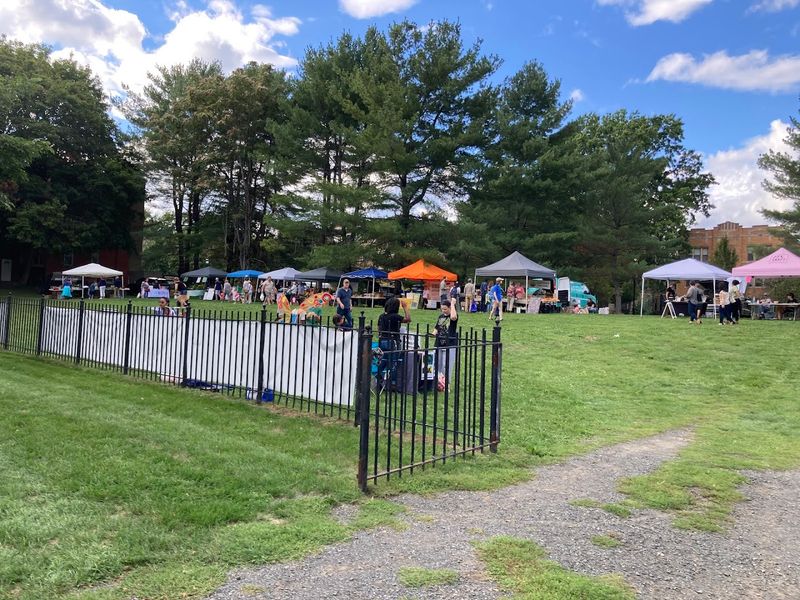
Hartford’s West End neighborhood buzzes with activity when market day arrives. Vendors set up stands filled with colorful produce right where people live, work, and gather.
This location choice eliminates transportation barriers that often prevent city residents from accessing fresh, locally grown food.
The market reflects the diversity of the neighborhood it serves. You’ll find traditional Connecticut farm produce alongside specialty items that appeal to the area’s multicultural population.
Vendors learn what their customers want and adjust their offerings accordingly, creating a truly responsive marketplace.
Families appreciate being able to walk to the market instead of driving miles to find fresh vegetables. Children come along and learn to pick out ripe produce while parents chat with neighbors and farmers.
The relaxed pace contrasts sharply with rushed grocery store trips, turning food shopping into a pleasant social experience that strengthens community bonds and encourages healthier eating habits for everyone involved.
New Canaan Farmers Market — New Canaan
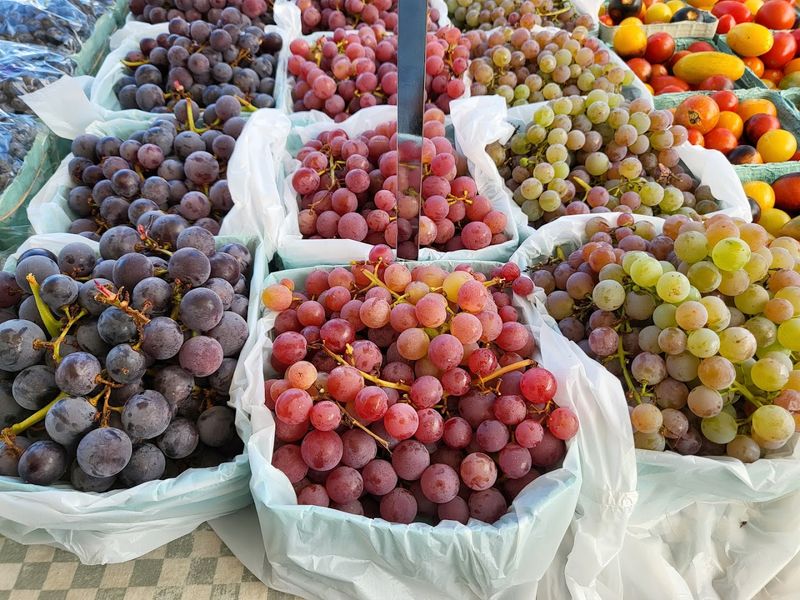
Education takes center stage at this thoughtfully organized market. Beyond buying tomatoes and zucchini, shoppers learn about seasonal eating patterns, nutritional benefits of different vegetables, and how local farming supports environmental sustainability.
Information displays and vendor conversations turn every visit into a learning opportunity.
Local farms bring their best seasonal offerings, from early spring asparagus to late-season root vegetables. The changing inventory throughout the year teaches shoppers to eat with the seasons rather than expecting strawberries in December.
This approach connects people more closely to natural growing cycles and Connecticut’s agricultural calendar.
Children especially benefit from the market’s educational focus. Some vendors let kids see how vegetables grow or explain pollination when bees visit flower stands.
These hands-on experiences create lasting impressions that help young people understand food systems. Parents find the market’s emphasis on health and sustainability aligns with values they want to teach their families about making good food choices.
Stonington Farmers Market — Stonington

Coastal breezes and farm-fresh food combine at this seaside market location. Stonington’s position on Connecticut’s shoreline brings together farmers from inland areas with local seafood vendors and specialty food artisans.
This unique mix creates shopping opportunities you won’t find at markets further from the coast.
Regional farms make the trip here because they know Stonington shoppers appreciate quality and variety. You’ll discover heirloom vegetables, grass-fed meats, artisan cheeses, and baked goods alongside seasonal fruits and herbs.
The selection changes week by week as different crops reach peak ripeness on participating farms.
Access to fresh, regional ingredients inspires home cooks to try new recipes and experiment with unfamiliar produce. Vendors gladly share preparation ideas and cooking suggestions when customers ask.
The friendly atmosphere encourages questions and conversation, making even novice cooks feel comfortable exploring new ingredients. Regular shoppers build relationships with favorite vendors and often plan meals around what looks best at the market each week.
Manchester Spruce Street Farmers Market — Manchester
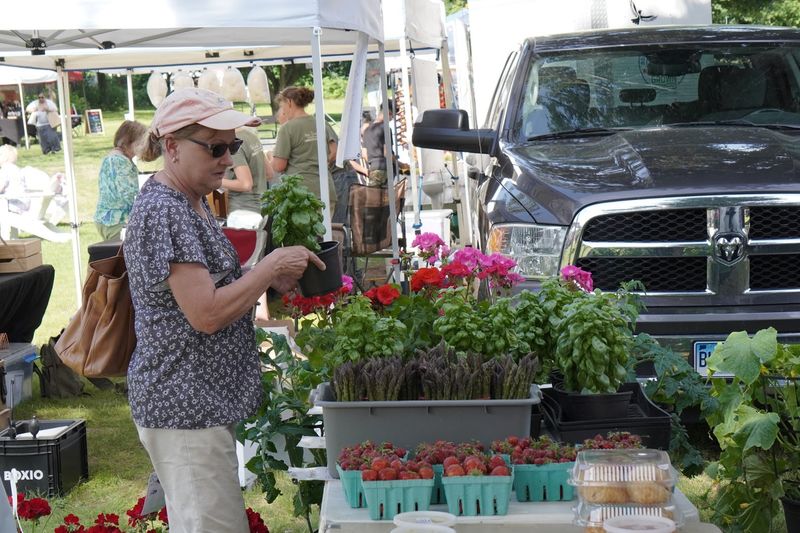
Convenience drives everything about this neighborhood-centered marketplace. Located right on Spruce Street where residents already shop and run errands, the market eliminates the hassle of special trips to distant farms or specialty stores.
This strategic placement makes buying local food as easy as stopping at any other neighborhood business.
Local agricultural products fill vendor tables from opening to closing time. Farmers bring whatever is currently thriving in their fields, ensuring peak freshness and flavor.
Shoppers can count on finding staples like lettuce, tomatoes, and cucumbers during growing season, plus rotating specialties as different crops mature.
The market fits naturally into weekly routines for Manchester families. Some stop by after work while others make it a weekend tradition with kids in tow.
This regular attendance helps vendors predict demand and bring appropriate quantities, reducing waste while ensuring popular items don’t sell out too quickly. The predictable schedule and reliable location turn healthy shopping habits into effortless routines that last all season long.
Canton Main Street (Collinsville) Farmer’s Market — Collinsville
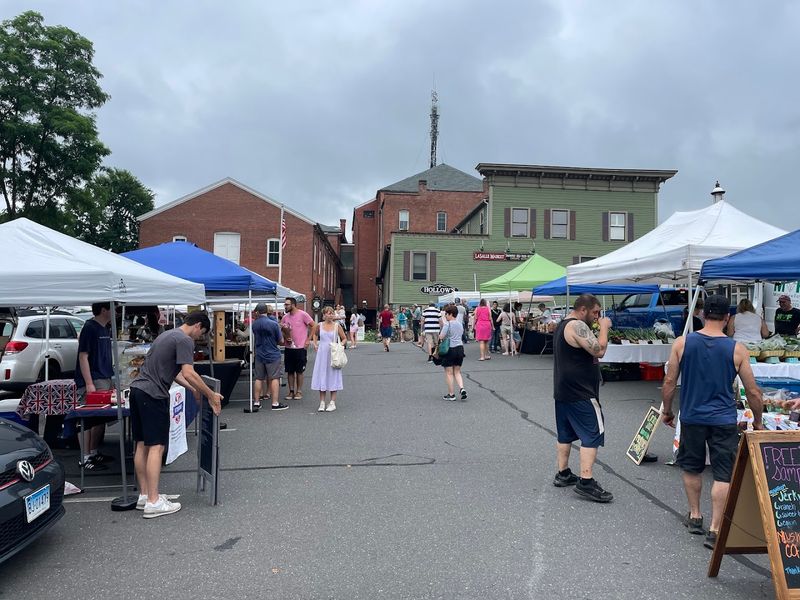
Collinsville’s Main Street transforms into a vibrant gathering spot when the farmers market opens. Nearby farms bring their harvest directly to this central village location, creating short supply chains that benefit both growers and shoppers.
The close proximity means vegetables picked that morning arrive at market tables by afternoon.
Strengthening connections between local food producers and community members drives this market’s mission. Shoppers develop personal relationships with the farmers who grow their food, learning about challenges like weather conditions and pest management.
These insights help people appreciate the hard work behind every bunch of carrots or basket of apples.
Easy access makes participation simple for Collinsville residents and visitors from surrounding areas. Ample parking and a walkable downtown location accommodate different transportation options.
The festive atmosphere encourages lingering and socializing rather than hurried shopping. Many families turn market visits into social outings, meeting friends while supporting local agriculture.
This combination of convenience, quality, and community spirit keeps customers returning throughout the growing season.
Middletown Farmers Market — Middletown
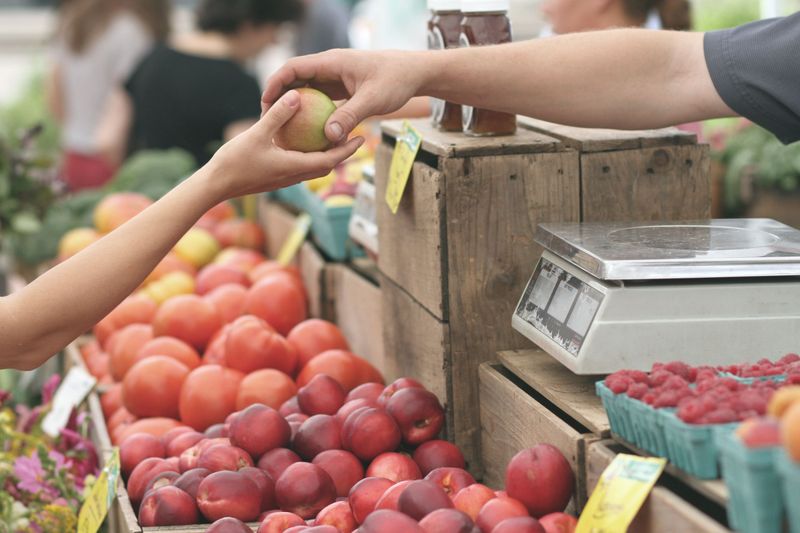
Middletown residents have found their go-to source for locally grown produce at this accessible community market. Positioned to serve the city’s diverse neighborhoods, the market removes obstacles that often make fresh food difficult to obtain.
No long drives to rural farms or expensive specialty stores required—everything you need arrives right in town each market day.
Seasonal variety keeps the shopping experience interesting from spring through fall. Early season brings tender greens and radishes, summer explodes with berries and sweet corn, and autumn offers squashes and storage crops.
Following this natural rhythm helps families eat fresher food while supporting Connecticut farmers during their peak harvest times.
The market fosters connections beyond simple transactions between buyers and sellers. Regular shoppers recognize familiar faces among both vendors and fellow customers.
Children grow up attending the market and develop early appreciation for fresh vegetables and where food originates. These experiences shape lifelong attitudes about nutrition, cooking, and supporting local economies through conscious purchasing decisions.
Orange Farmers Market — Orange
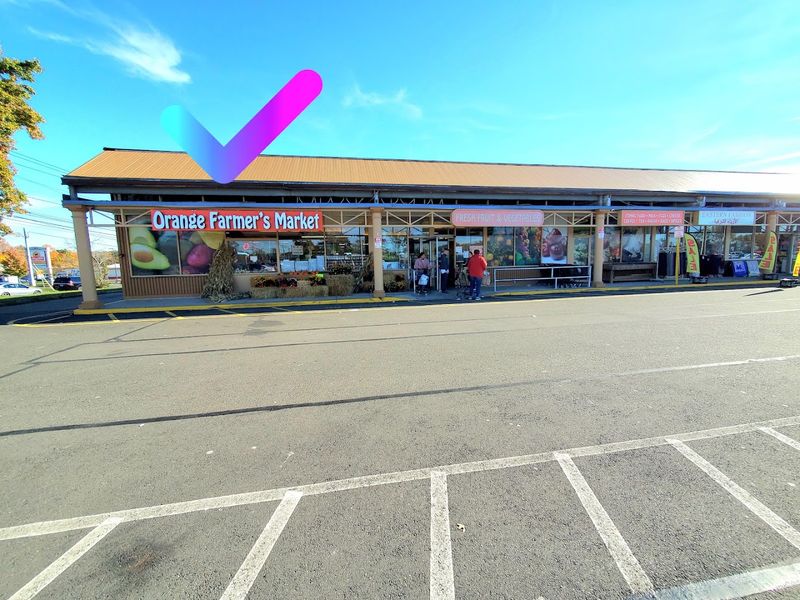
Community engagement powers this thriving neighborhood market. Beyond providing shopping opportunities, the market creates space where neighbors connect, families learn about nutrition, and local farms find steady customers.
This focus on building relationships makes the market feel less like a store and more like a weekly celebration of local food.
Expanding access to regional farm products remains a core priority here. Vendors travel from Connecticut farms to offer produce that reflects the state’s agricultural diversity.
From certified organic vegetables to pasture-raised meats and farm-fresh dairy, the selection represents various farming philosophies and practices. Shoppers can choose products that match their values and dietary preferences.
The welcoming environment encourages newcomers to explore unfamiliar produce and ask questions without feeling intimidated. Vendors patiently explain how to select, store, and prepare different vegetables.
Some even share favorite recipes or cooking methods. This educational approach helps people expand their cooking skills and dietary variety, making healthy eating more appealing and sustainable for the long term.
Litchfield Farmers Market — Litchfield
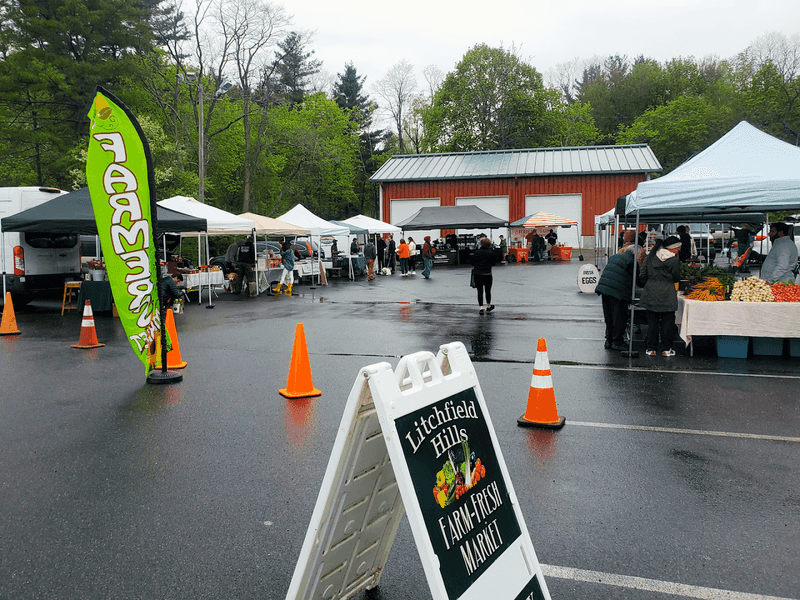
Agricultural heritage runs deep in Litchfield County, and this market celebrates that rich tradition. Multi-generational farms that have worked the same land for decades bring products that reflect centuries of Connecticut farming knowledge.
The connection to history adds meaning beyond just buying groceries—it’s about preserving agricultural traditions.
Seasonal offerings rotate as Connecticut’s growing calendar progresses through the year. Spring markets feature seedlings and early greens, summer brings peak vegetable abundance, fall showcases harvest crops and preserves for winter.
This rotation helps shoppers understand how farming works and what thrives in New England’s climate and soil.
The market location in historic Litchfield draws visitors from surrounding towns who appreciate both quality and atmosphere. Shopping here feels like stepping into Connecticut’s pastoral past while supporting its agricultural future.
Regular customers return not just for produce but for the experience of connecting with farmers, seeing friends, and participating in a tradition that benefits the entire region’s food system and rural economy.
Shelton Farmers Market — Shelton
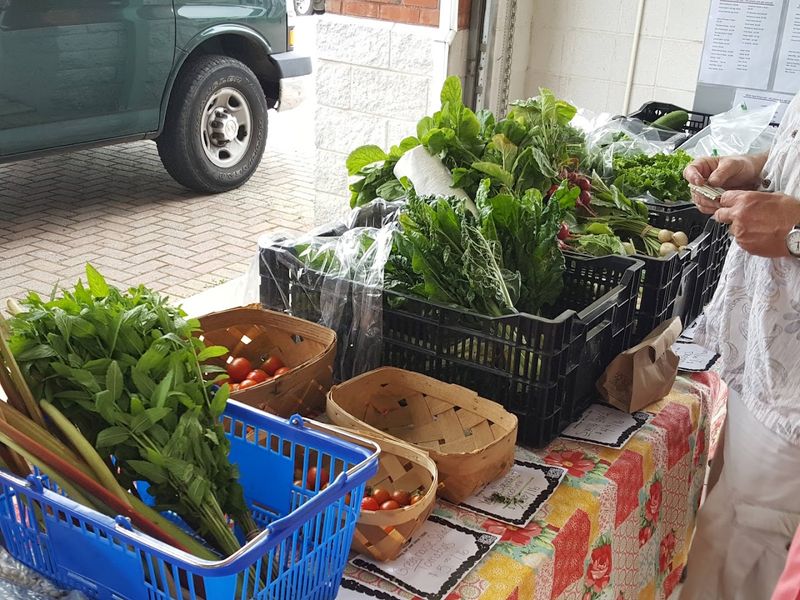
Small food businesses and local farms share space at this inclusive community marketplace. The mix creates diverse shopping options beyond basic produce, including prepared foods, baked goods, and specialty items crafted by local entrepreneurs.
This variety appeals to different tastes and dietary needs while supporting Connecticut’s broader food economy.
Making fresh products available within the community drives the market’s operations. Shelton residents can purchase local food without traveling to distant farms or searching specialty stores.
The convenience factor encourages more people to choose local options over conventional grocery shopping, increasing access to fresher, more nutritious ingredients.
Support for participating vendors goes beyond simple sales transactions. Customers build loyalty to favorite stands and spread word-of-mouth recommendations.
Farmers and food artisans gain steady income that helps their businesses survive and grow. The economic impact ripples through the local community as successful vendors hire help, reinvest in equipment, and expand their offerings.
Everyone benefits when local food systems thrive—producers earn fair prices while consumers access quality ingredients at reasonable costs.
South Windsor Farmers Market — South Windsor
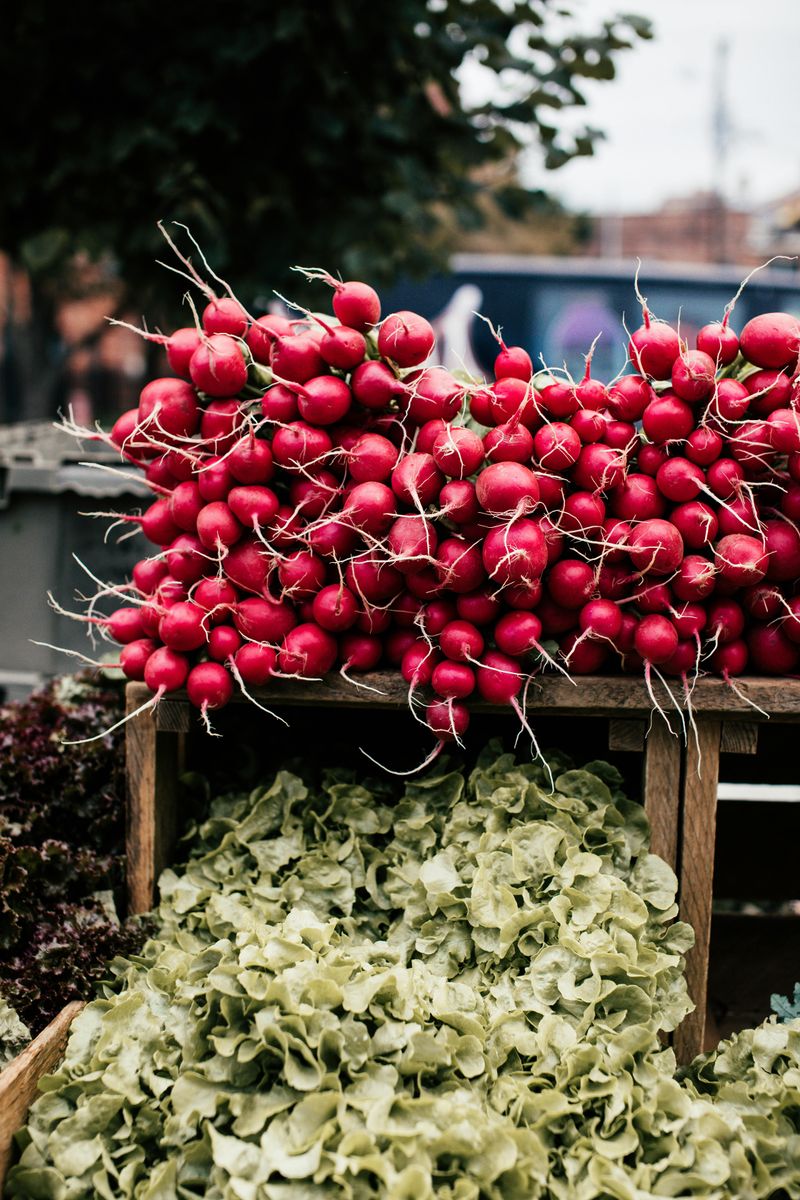
Accessibility defines the South Windsor market experience from start to finish. Located where residents already live and travel, the market eliminates distance barriers that discourage local food shopping.
Families can quickly stop by during regular errands rather than planning special trips, making fresh food purchases fit seamlessly into busy schedules.
Supporting nearby farms while purchasing fresh food creates a win-win situation for everyone involved. Farmers gain reliable customers and predictable income, reducing financial uncertainty that plagues many agricultural operations.
Shoppers get peak-quality produce picked at optimal ripeness, ensuring better flavor and nutrition compared to grocery store alternatives shipped from distant locations.
The close-to-home convenience encourages consistent participation throughout the growing season. Kids grow up attending the market and develop comfort with fresh vegetables and seasonal eating patterns.
Parents appreciate the short travel time and family-friendly atmosphere that makes healthy shopping feel easy rather than burdensome. These positive experiences build lasting habits that benefit both individual health and the broader local food economy for years to come.