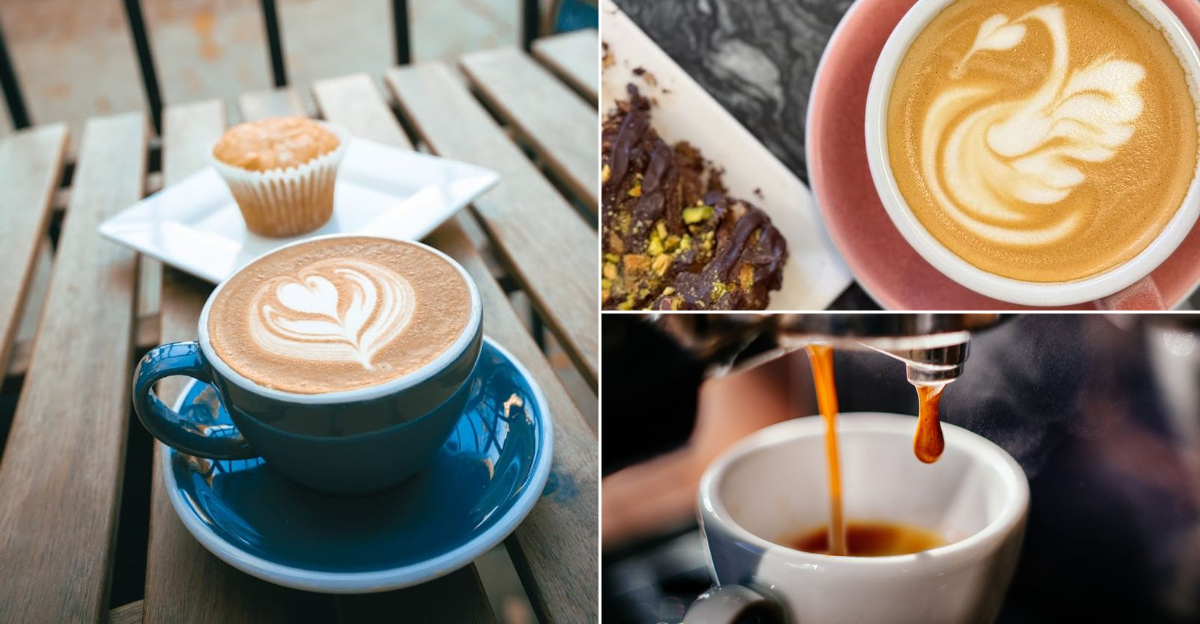
Coffee culture in modern society has long evolved beyond the need for a quick dose of caffeine and into a search for places that offer an authentic local identity.
The true value of independent cafés lies in their ability to function as everyday gathering spaces that connect people through shared routines and conversation.
Across Connecticut’s urban centers and coastal communities, this culture continues to develop through a blend of traditional lifestyles and a serious commitment to craft hospitality.
Establishments that stand out do far more than serve beverages, actively educating customers, collaborating with local producers, and reflecting the distinct character of their neighborhoods.
Below, we highlight fourteen exceptional cafés that demonstrate how a carefully prepared cup can deliver both outstanding quality and a strong sense of community.
Story and Soil Coffee – Hartford
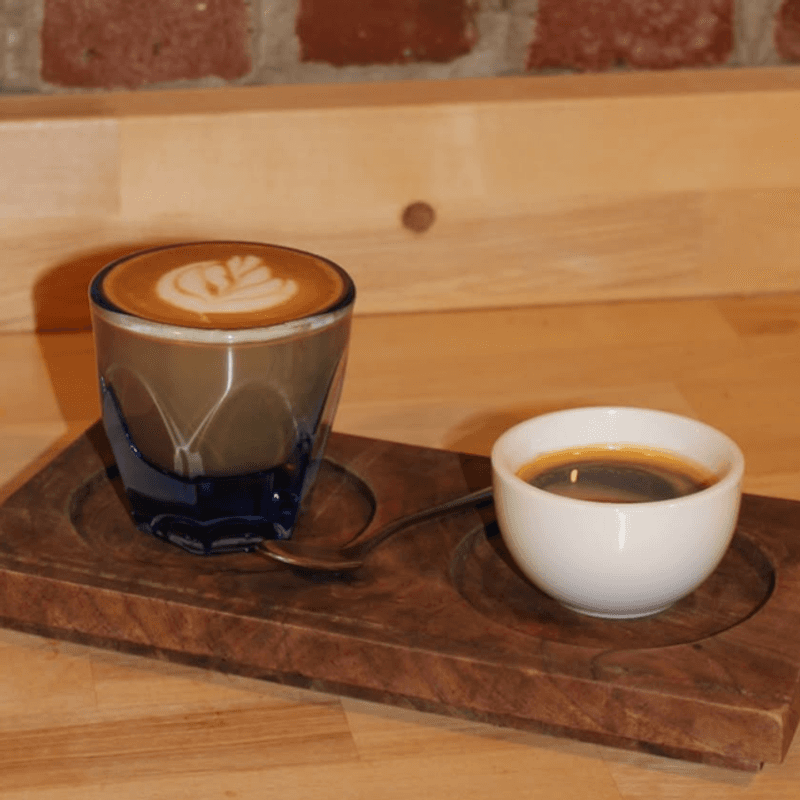
Unlike shops built around speed alone, this one puts conversation and learning at the center of the experience.
Baristas regularly explain brew methods, flavor notes, and processing styles in a way that feels inviting rather than technical.
Guests can taste a carefully prepared espresso one visit, then return for a guided pour over recommendation that builds real confidence about what they are drinking.
Beyond the cup, the room works as a neighborhood meeting point where students, remote workers, and longtime residents comfortably mix throughout the day.
Community events, local partnerships, and an emphasis on hospitality give the space a civic role that extends well past coffee service.
Instead of feeling transactional, each visit reflects a business that treats specialty coffee as a tool for connection, curiosity, and shared local identity.
That approach helps explain why people keep using it as both a daily stop and a reliable social anchor.
## Silk City Coffee – Manchester
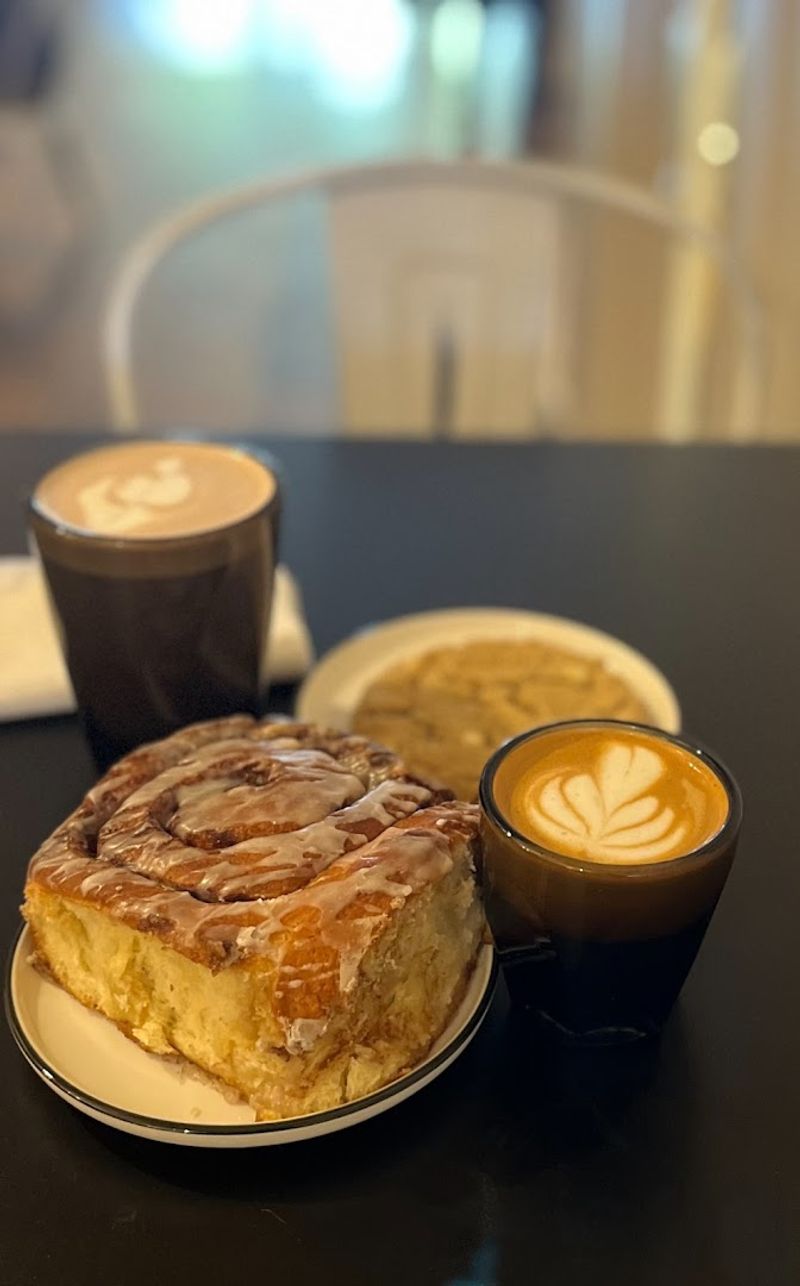
Precision defines the experience here, starting with careful green bean sourcing and continuing through roasting decisions that highlight clarity, sweetness, and balance.
Small batch production allows close monitoring of development time, airflow, and temperature, which matters when subtle differences can flatten or elevate a coffee.
Customers taste that discipline in cups that feel clean, consistent, and thoughtfully built rather than rushed through a generic profile.
Recognition within the specialty coffee world reflects more than branding, because quality control remains visible from roast to final brew.
Staff attention to freshness, bean rotation, and brewing standards helps preserve the work done earlier in the roasting process.
Craftsmanship becomes the main attraction, showing how technical expertise behind the scenes directly shapes aroma, body, and finish.
Many loyal regulars trust the operation because it demonstrates how roasting skill can transform raw ingredients into a more expressive daily cup.
Lorca Coffee Bar – Stamford
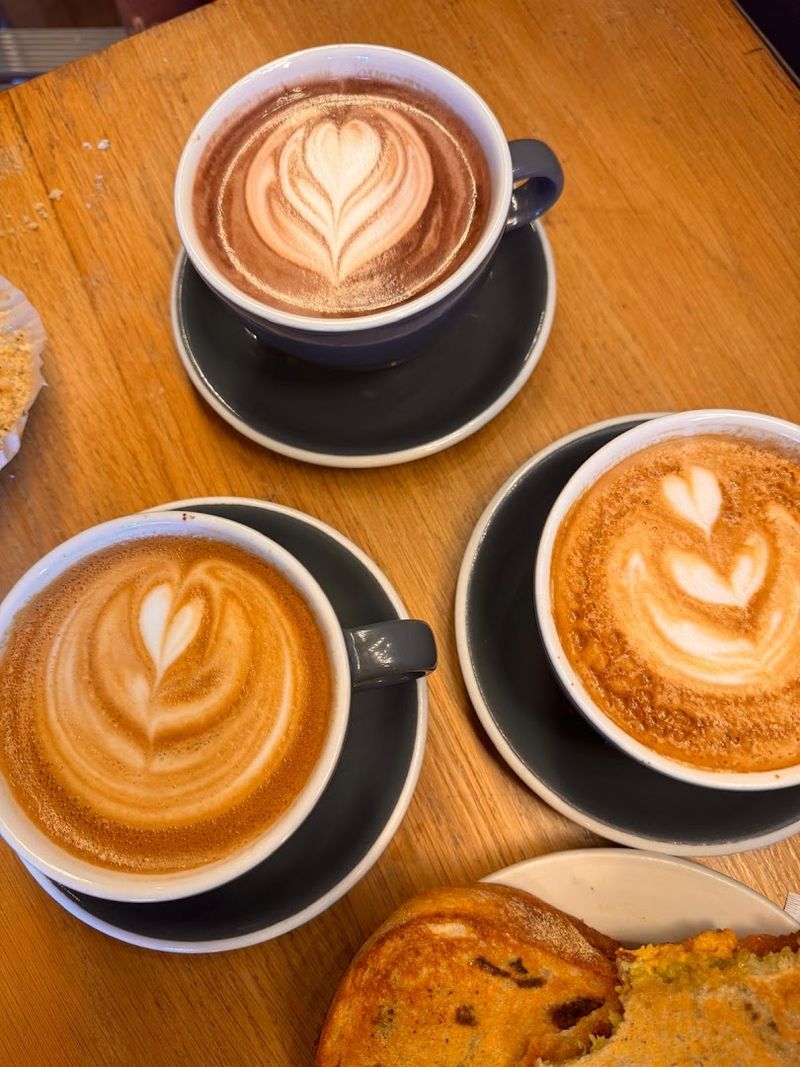
Spanish influence gives the menu a clear identity, especially when espresso is paired with house pastries that encourage people to slow down and stay awhile.
Churros draw obvious attention, yet the larger appeal comes from how sweet and savory offerings are designed to support coffee rather than distract from it.
Traditional café habits from Europe shape the rhythm of service, making the visit feel structured around enjoyment, conversation, and everyday ritual.
Modern touches keep the experience from feeling nostalgic or rigid, since specialty drinks and polished presentation sit comfortably beside familiar classics.
Seating, pacing, and menu design invite customers to treat coffee as part of a broader break instead of a quick transaction between errands.
That balance of old world influence and current café standards helps the shop stand apart.
Pastry craft, thoughtful espresso, and a measured atmosphere work together without turning the place into a themed imitation of another culture.
Giv Coffee – Canton
Direct relationships with producers shape the company’s identity, giving customers a clearer sense of where coffee comes from and who benefits from each purchase.
Transparency is not treated like a slogan, because sourcing information, pricing principles, and long term partnerships are central to how the business explains its work.
Ethical buying becomes easier to understand when the café connects flavor quality with farming practices, environmental responsibility, and shared economic value.
Roasting philosophy also supports that mission by aiming to reveal character instead of forcing every coffee into the same familiar profile.
Sustainability enters the experience through decisions about packaging, purchasing, and operational priorities that show unusual consistency across the brand.
Anyone stopping in can feel that the cup carries more than good taste.
The business links sensory pleasure with accountability, creating a model for specialty coffee that respects producers and invites informed customers.
Ultimately, the operation demonstrates that values-based commerce can remain disciplined, transparent, and genuinely appealing.
## Perkatory Coffee Roasters – Middletown

Bold branding immediately sets a playful tone, yet the business holds attention because the coffee program backs that image with serious roasting and broad beverage skill.
Signature drinks, seasonal specials, and classic espresso options give customers many entry points without making the menu feel scattered.
Fans often return for something inventive, then stay loyal because the underlying coffee quality remains strong across the board.
Roasting gives the operation credibility in a crowded market where style alone rarely keeps people interested for long.
Variety matters here, especially for groups with different tastes, since someone can order a straightforward black coffee while another chooses a flavored specialty drink.
Customer loyalty grows from that range, along with dependable execution and an atmosphere that feels current without becoming exclusive.
Those qualities help explain why the shop stands out in Connecticut’s coffee scene.
Creativity, consistency, and accessibility reinforce one another rather than competing for attention.
## Klekolo World Coffee – Middletown
Fair trade coffee and organic ingredients have long shaped the identity of this café, giving its menu a values based foundation that regulars recognize immediately.
Local art on the walls and live music in the room expand the experience beyond food and drink, turning an ordinary visit into participation in a wider cultural routine.
Longstanding community traditions give the space unusual depth, especially in a market where many cafés chase trends more than continuity.
Neighborhood significance comes from years of serving as a meeting place for conversations, performances, and informal gatherings that connect many kinds of people.
Food choices and coffee standards support that role by staying approachable while still reflecting care about sourcing and quality.
Cultural importance is what truly distinguishes the café.
Customers are not simply buying a beverage there but stepping into an established local institution.
Commerce, art, music, and community memory continue to reinforce one another in a way newer businesses rarely achieve.
Ashlawn Farm Coffee – Old Saybrook
Farm roasting gives this business a strong point of difference because customers can connect freshness directly to the place where production happens.
The process feels more tangible here, from bean handling and roast timing to packaging and final retail presentation.
Quality becomes easier to trust when the path from roaster to cup is short, transparent, and clearly tied to a family run operation.
Family business values influence the experience in ways that go beyond marketing language, especially through steady service and close attention to product standards.
Freshness matters not only for aroma and flavor but also for customer confidence, since people know the coffee has not traveled through a long chain before reaching them.
That connection between roasting and experience defines the shop’s appeal.
Production decisions made behind the scenes directly shape satisfaction at the counter.
Those choices strengthen loyalty over time and give everyday coffee drinkers a clearer sense of craftsmanship.
## Essex Coffee & Tea Company – Essex
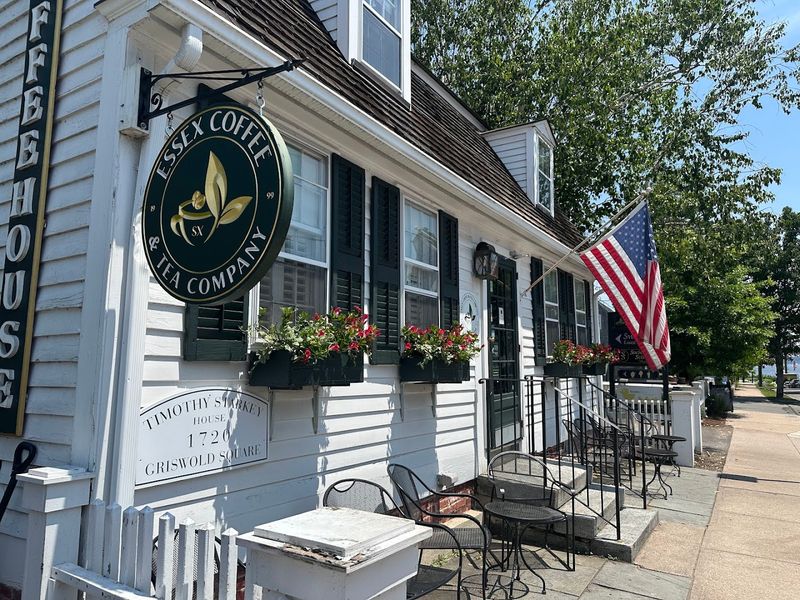
Tea and coffee receive equal respect here, which broadens the appeal for visitors who want more than a standard espresso stop.
The menu gives both categories real range, making it easy to move from a strong brewed coffee to a carefully chosen tea without feeling like one side is an afterthought.
Baked goods add another layer of comfort, encouraging a slower visit in a setting that matches the pace of the surrounding historic district.
Artwork by local creators strengthens the atmosphere without overwhelming it, helping the room feel connected to community life rather than detached from it.
Relaxed seating and a calm service style make the café useful for conversation, reading, and unhurried breaks between errands.
That combination of beverage variety, visual character, and neighborhood function explains its staying power.
Customers can rely on it as a casual social space that welcomes a wide range of visitors.
Coffee drinkers, tea drinkers, locals, and day trippers all find a place that feels grounded in the town around it.
Sound Coffee – Bridgeport
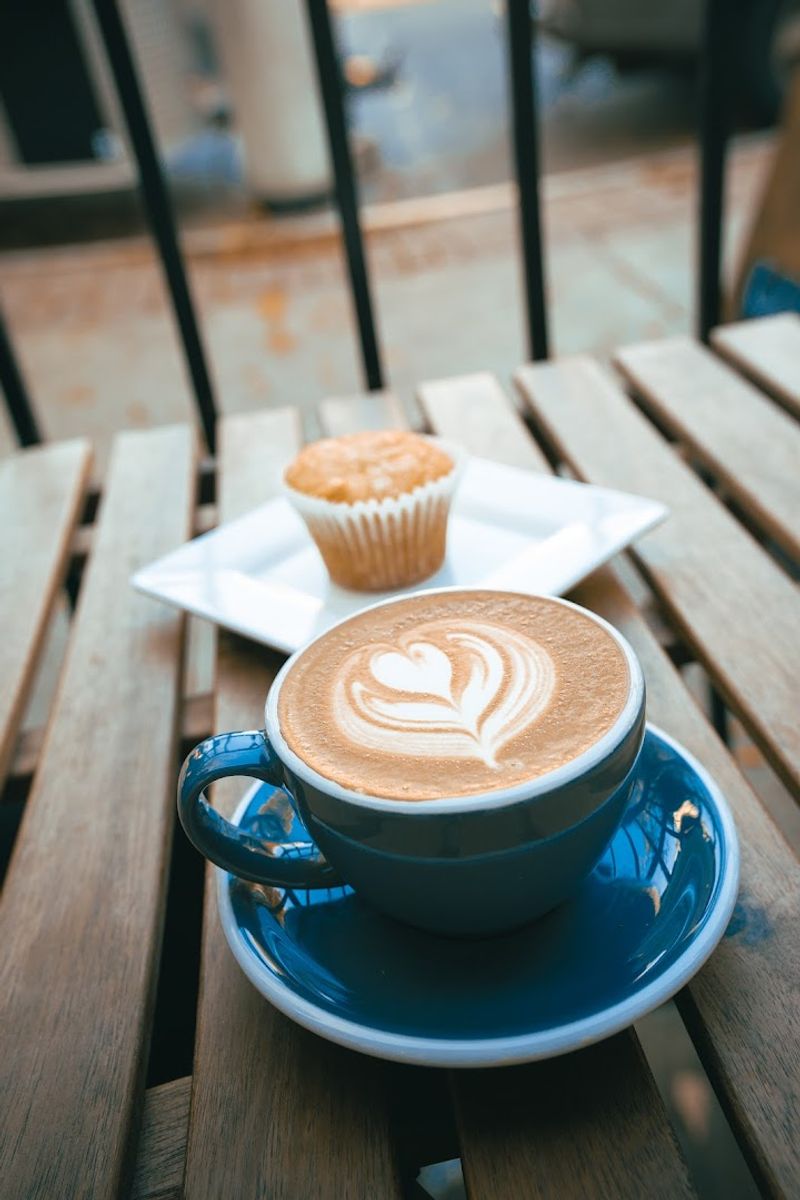
Attention to detail shapes the experience from the first glance at the menu to the final taste of the drink in hand.
Brewing methods are treated seriously, whether the order is espresso, drip, or a manual preparation that highlights clarity and texture.
Specialty roasting supports that focus by giving baristas beans with enough character to reward careful extraction and consistent technique.
Modern coffee culture is visible in the design and service style, yet the place never feels disconnected from its neighborhood.
Quality driven operations show up in small choices, including equipment standards, workflow, and the way staff guide customers toward drinks that fit their preferences.
Urban appeal comes from balancing polish with approachability.
That balance allows dedicated coffee followers and casual passersby to share the same room comfortably. The mix helps explain why the café has become a reliable local stop for people who want serious coffee without any unnecessary performance around it.
## Daybreak Coffee Roasters – Glastonbury
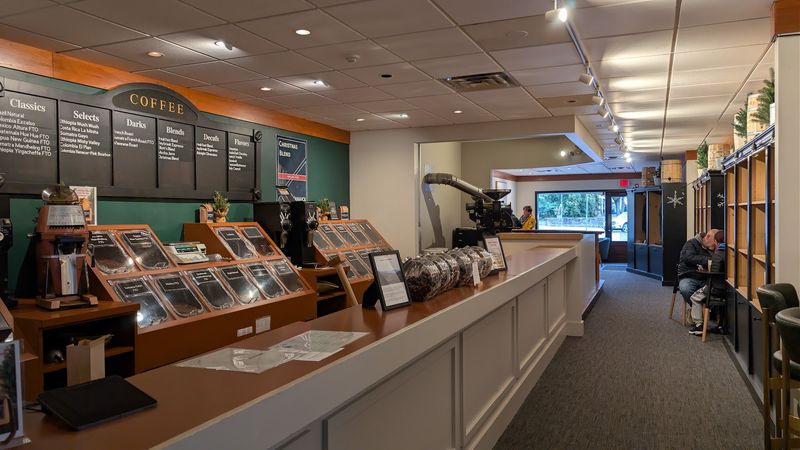
Roasting expertise forms the backbone of the business, and that matters because consistency is often what separates trusted coffee companies from merely interesting ones.
Bean selection appears deliberate, with an emphasis on coffees that can perform well across different brew methods while still expressing distinct origin character.
Customers benefit from that discipline through cups that taste intentional day after day, not dependent on luck or novelty.
Education strengthens customer trust by making quality easier to recognize and discuss without turning the café into a lecture hall.
Staff communication about flavor, roast style, and brewing helps people refine their preferences while feeling comfortable asking simple questions.
Commitment to quality is therefore more than a claim.
The company builds it into sourcing, roasting, and service all at once.
Regular visitors benefit from that reliability, while newcomers gain a clearer understanding of what specialty coffee is capable of delivering when sourcing, roasting, and service are treated with equal importance.
Dom’s Coffee – Avon
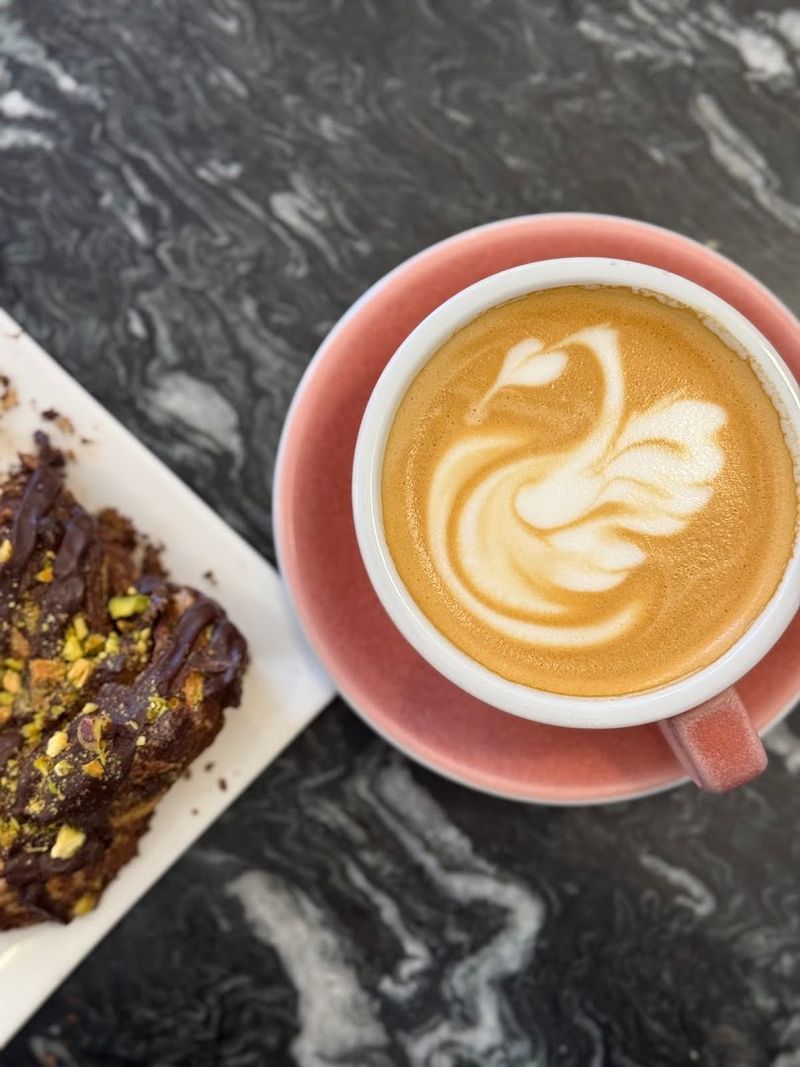
Breakfast service broadens the appeal here by giving coffee a strong food partner rather than treating meals as an afterthought.
The menu supports morning routines with options substantial enough for regular dining, which changes how customers use the space throughout the week.
Coffee remains important, but its role is strengthened by being part of a fuller hospitality experience that includes attentive pacing and practical comfort.
Neighborhood appeal comes from that balance between café and restaurant functions, allowing the place to serve commuters, casual meetups, and longer sit down breakfasts equally well.
Service matters because customers notice when a business can move efficiently without making the room feel rushed or impersonal.
Food and drink work together in a way that keeps the operation versatile.
That balance shows a café does not need to choose between serious coffee and satisfying breakfast.
Both parts of the experience contribute to loyalty, convenience, and a dependable local identity.
Café Dolce – Norwalk
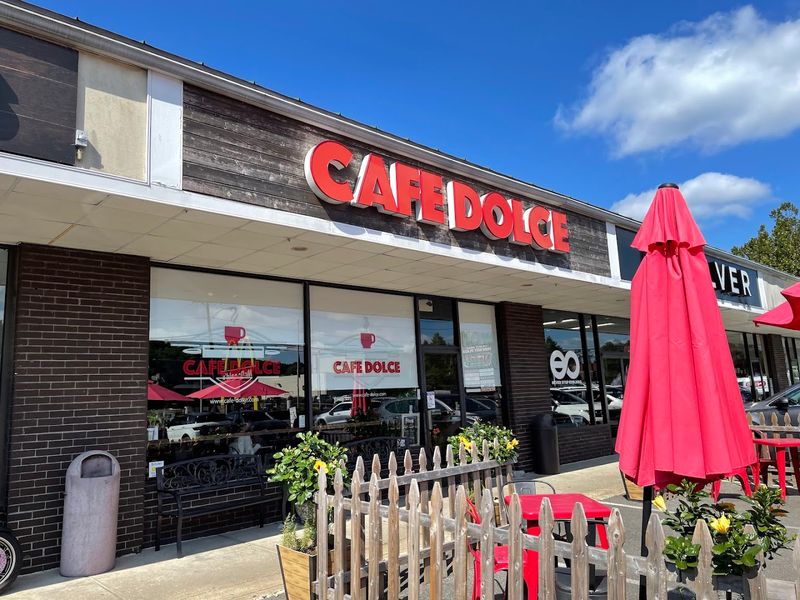
European influence appears most clearly through desserts and pastries that give the coffee service a strong culinary identity.
Traditional recipes matter because they create a sense of continuity, offering baked goods that feel rooted in established café habits rather than designed only for visual impact.
Espresso drinks benefit from that approach, since the food menu encourages thoughtful pairings instead of separating sweets from the coffee experience.
Café culture here is built around lingering with a drink and something from the pastry case, not simply grabbing caffeine on the run.
Texture, sweetness, and portion choices all play a role in how customers move through the menu, making baked goods central to the visit rather than decorative extras.
That emphasis helps the shop stand out.
Dessert craftsmanship deepens the coffee service by shaping atmosphere, pacing, and customer expectations.
The combination appeals especially to people who value a café where pastry traditions and beverage quality feel equally important from the first order to the last bite.
## Norwalk Art Space Café – Norwalk
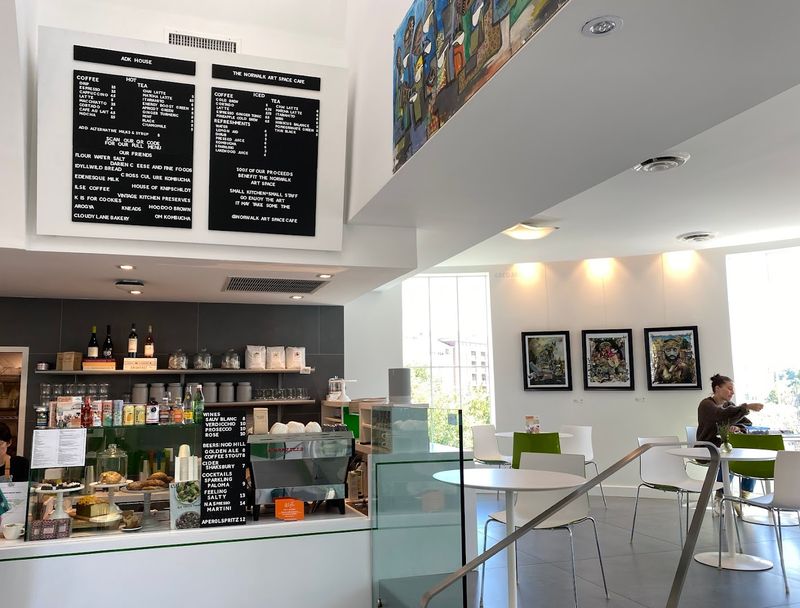
Art changes the experience here from the moment customers walk in, because coffee is presented within a setting shaped by exhibitions, creative energy, and public culture.
The café feels connected to something larger than routine service, with visual work around the room influencing how people sit, talk, and spend time.
Cultural programming adds another layer by giving the space an ongoing reason to remain active and relevant beyond the daily coffee line.
Community impact comes from that overlap between hospitality and the arts, which invites visitors who might arrive for either purpose and stay for both.
Exhibitions create movement and conversation, while the café atmosphere keeps the environment accessible rather than intimidating.
Distinctive ambience is therefore the main draw.
The setting shows how coffee can support cultural participation in a direct and practical way.
That approach leaves a stronger impression than a standard café by making refreshment part of a broader experience of local creativity, learning, and shared public life.
Willoughby’s Coffee & Tea – New Haven
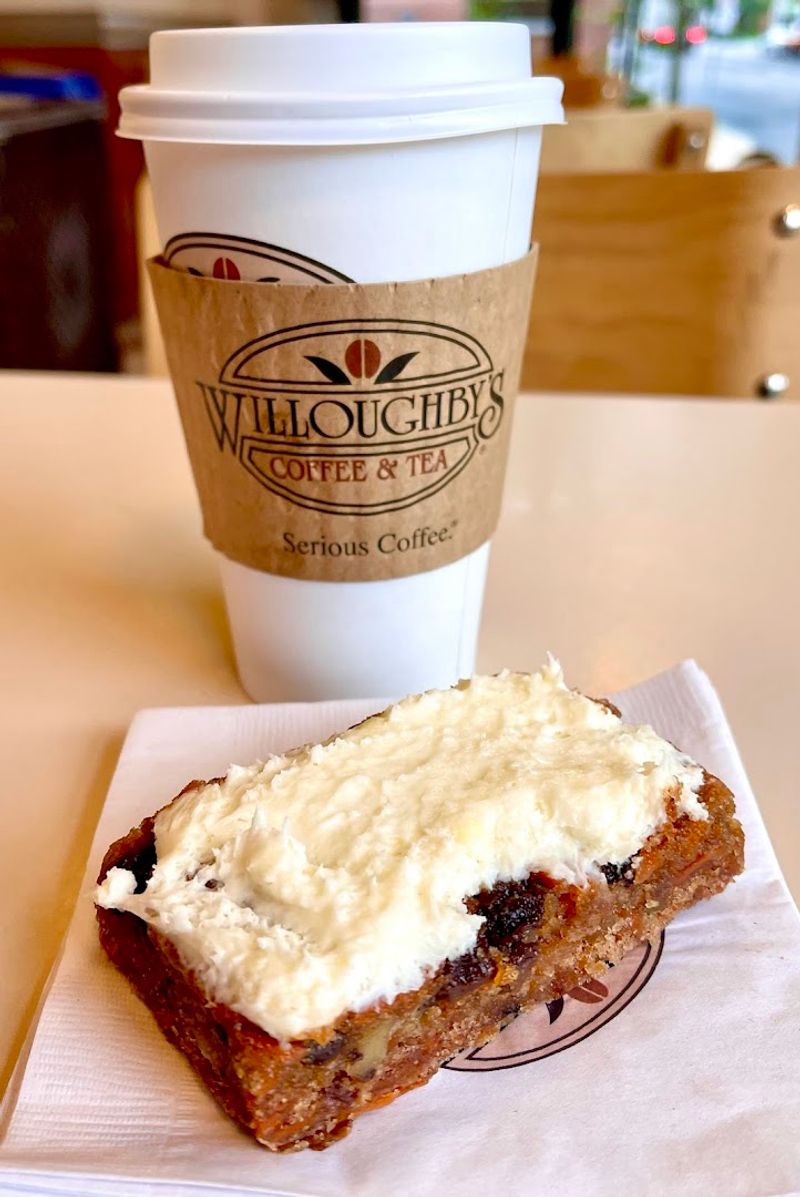
Decades of experience give this company unusual authority, especially in a state where coffee trends have changed repeatedly over the years.
Roasting history matters because it reflects long practice, customer feedback, and a refined understanding of how to serve both everyday drinkers and more particular buyers.
Tea expertise also contributes to the brand’s reach, allowing the menu to feel broad without becoming unfocused.
Product diversity supports loyalty by giving regulars many ways to stay engaged, from different origins and roast styles to a strong range of teas.
Longtime customers often treat the business as part of their routine, which says as much about trust as it does about taste.
Influence on Connecticut coffee culture remains significant.
The company helped establish expectations around independent roasting, knowledgeable service, and beverage variety.
That legacy continues to matter for people who want a café experience shaped by experience and consistency.
A genuine understanding of how customer preferences evolve over time remains part of its lasting appeal.