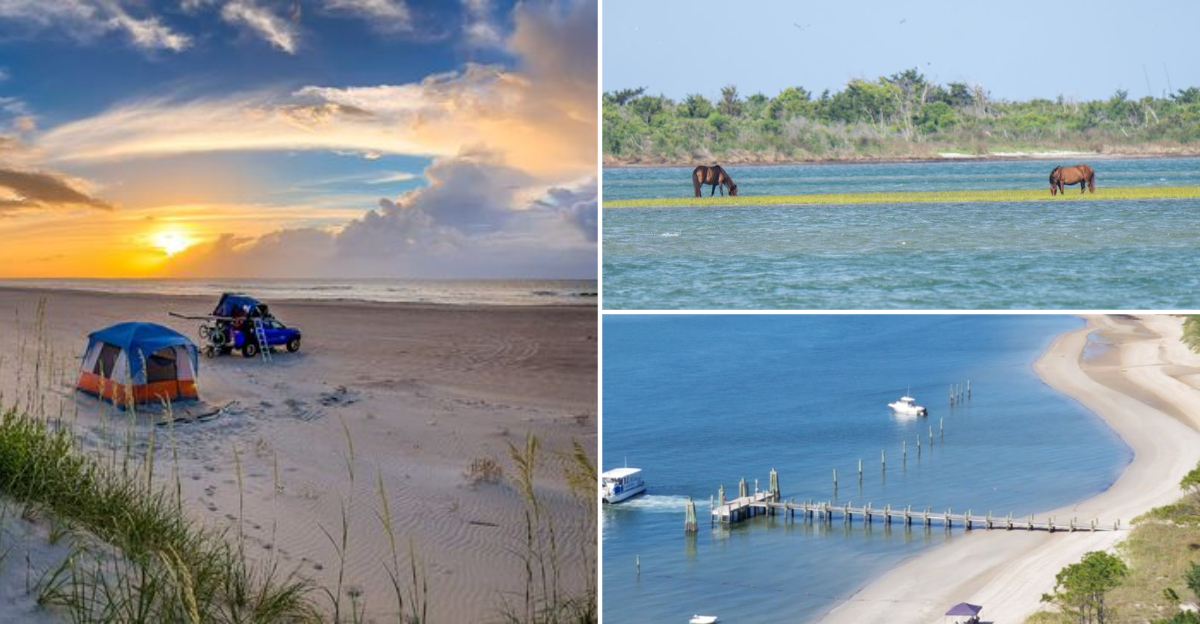
Along North Carolina’s coast, there are still places where the landscape feels wonderfully untouched. At Cape Lookout National Seashore, long stretches of sandy shoreline meet rolling dunes, sea oats sway in the breeze, and the sound of waves often outnumbers the sound of people.
It’s a setting that invites you to slow down and take in the simple beauty around you.
Spring is an especially lovely time to visit. Mild temperatures, bright coastal skies, and blooming vegetation bring fresh energy to the islands while keeping their peaceful character intact.
Then, almost unexpectedly, you may spot them—the wild horses that have wandered these shores for generations.
Watching these graceful animals move across the beach and marshes feels like stepping into another era, one shaped more by nature than by schedules. Their presence is a reminder of how much of this coastline remains beautifully unchanged.
Let’s explore what makes Cape Lookout and its famous wild horses such a memorable coastal escape.
Wild Horses Running Free on Shackleford Banks
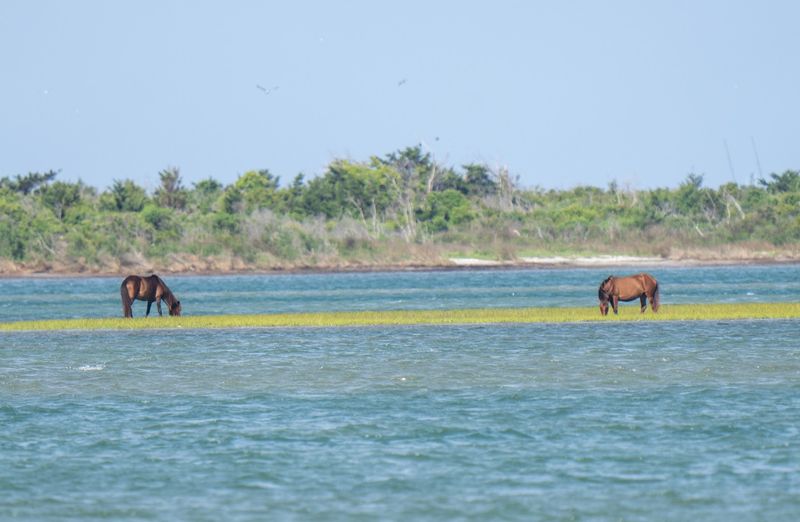
Morning mist rolls across the dunes as hoofbeats echo along the shore. Descendants of Spanish mustangs and colonial workhorses, these magnificent creatures have made Shackleford Banks their home for over 400 years.
They live completely wild, with no human intervention beyond occasional health monitoring by park rangers.
The herd numbers around 100 horses that roam freely across the island’s 3,000 acres. You’ll spot them grazing on sea oats, splashing through tidal pools, or resting beneath maritime forests.
Their coats range from bay and chestnut to striking pintos and palominos, each animal displaying unique markings that researchers use for identification.
The best viewing happens during ferry rides between islands or while walking the beaches near Beaufort Inlet. Keep a respectful distance of at least 50 feet, as these are truly wild animals that can kick or bite if threatened.
Early morning and late afternoon offer prime opportunities when horses emerge from the maritime forests to feed along the shoreline.
Photographers treasure the golden hour light illuminating these powerful animals against endless ocean backdrops. The horses symbolize freedom and endurance, having survived hurricanes, harsh winters, and centuries of coastal change while maintaining their wild spirit completely intact.
Climbing the Iconic Diamond-Patterned Lighthouse
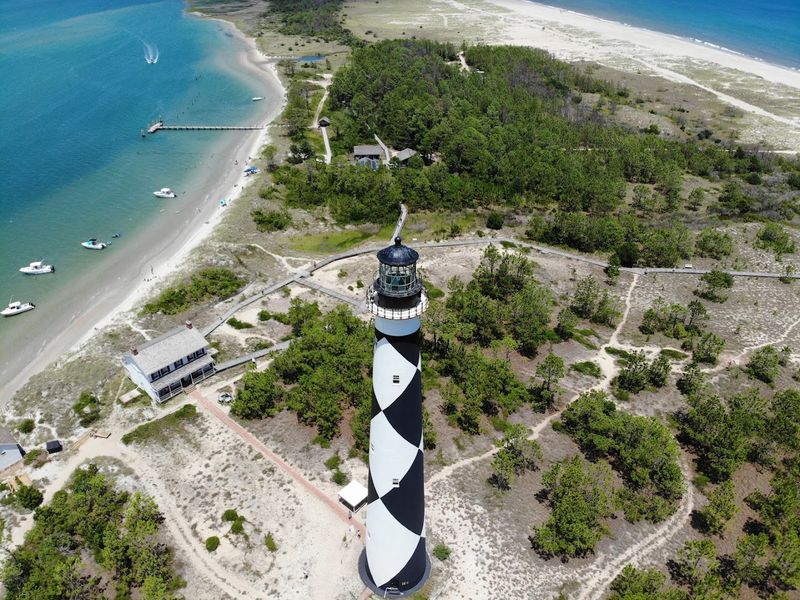
Black and white diamonds spiral upward into the sky, marking one of America’s most recognizable lighthouses. Built in 1859, this 163-foot tower has guided sailors through treacherous Lookout Shoals for over 160 years.
Its unique checkerboard pattern makes it instantly distinguishable from any other lighthouse along the coast.
Climbing the 207 iron steps takes determination, but rewards visitors with breathtaking 360-degree views. From the top, you’ll see wild horses as tiny dots on Shackleford Banks, fishing boats navigating the inlet, and endless Atlantic waves stretching to the horizon.
Rangers stationed throughout the climb share fascinating stories about lighthouse keepers who tended the beacon through storms and isolation.
The lighthouse grounds include restored keeper’s quarters that now serve as a museum. Inside, you’ll discover antique Fresnel lenses, historical photographs, and accounts of families who lived here when the lighthouse required constant human attention.
Interactive exhibits explain how the light’s distinctive pattern helped sailors identify their exact location.
Tours operate seasonally with limited daily capacity, so arrive early during summer months. The climb isn’t recommended for anyone with mobility issues or heart conditions, but those who make it celebrate reaching the lantern room with unforgettable photographs and memories.
Ferry Adventures to Isolated Barrier Islands
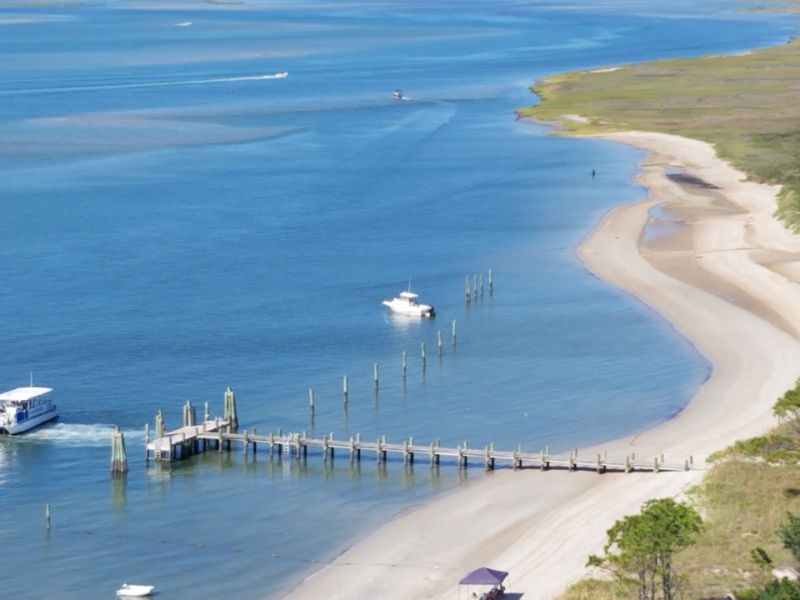
Water sprays gently across the bow as your ferry departs from Harkers Island’s quiet marina. The 20-minute journey feels like traveling through a time portal, leaving modern civilization behind for windswept shores that remain unchanged for centuries.
Passenger ferries run daily from spring through fall, carrying beachgoers, campers, and adventurers to places cars simply cannot reach.
Island Express Ferry Service operates regular trips to both Cape Lookout and Shackleford Banks. Captains often slow down when spotting dolphins or wild horses, turning simple transportation into unexpected wildlife encounters.
The open-air boats let you feel ocean breezes and smell salt air while pelicans glide alongside.
Vehicle ferries accommodate trucks and ATVs for serious campers planning extended stays. These larger vessels depart from Davis and Atlantic, costing more but enabling beach driving adventures impossible via passenger service.
Reservations fill quickly during peak season, especially for weekend departures.
Return trips operate on published schedules, though weather can occasionally delay service. Pack everything you need since no stores exist on the islands—food, water, sunscreen, and emergency supplies become essential.
The ferry ride itself provides perfect opportunities for photography, with lighthouses, seabirds, and pristine coastlines creating memorable compositions before you even step onto the sand.
Primitive Beach Camping Under Starlit Skies
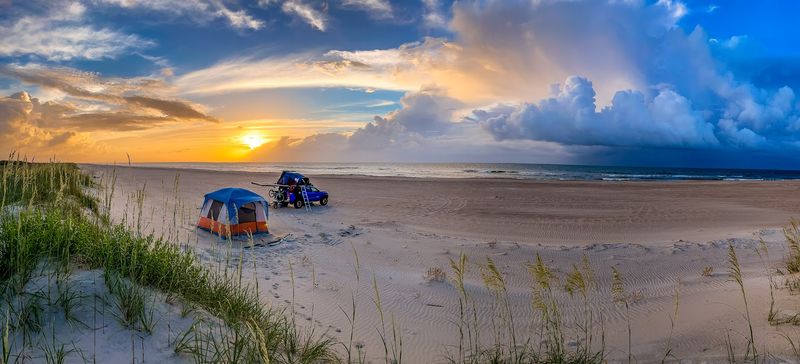
Stars blanket the sky without a single streetlight to diminish their brilliance. Cape Lookout offers something increasingly rare—truly primitive camping where your tent sits directly on beach sand with ocean waves as your nighttime soundtrack.
No designated campsites exist here; you simply choose your spot along miles of undeveloped shoreline.
Campers arrive via vehicle ferry, driving trucks or ATVs loaded with gear across firm sand near the tideline. You’ll need everything: tents designed for high winds, plenty of fresh water, all your food, and shade structures for daytime protection.
The island provides only basic amenities—vault toilets and freshwater spigots near the lighthouse.
Securing your tent requires creativity since traditional stakes won’t hold in sand. Many campers bury firewood or fill bags with sand, tying guy lines around these makeshift anchors.
Strong winds blow constantly, making sturdy shelters essential. Some visitors bring portable generators, though many prefer experiencing complete disconnection from electricity and technology.
Nights bring incredible solitude and natural beauty. Phosphorescent plankton glow in breaking waves, ghost crabs scurry across moonlit sand, and meteor showers appear with stunning clarity.
Morning arrives with spectacular sunrises over the Atlantic, dolphins feeding offshore, and the peaceful realization you’re camping in one of America’s last truly wild coastal places.
Shell Collecting at Cape Point’s Treasure Beaches
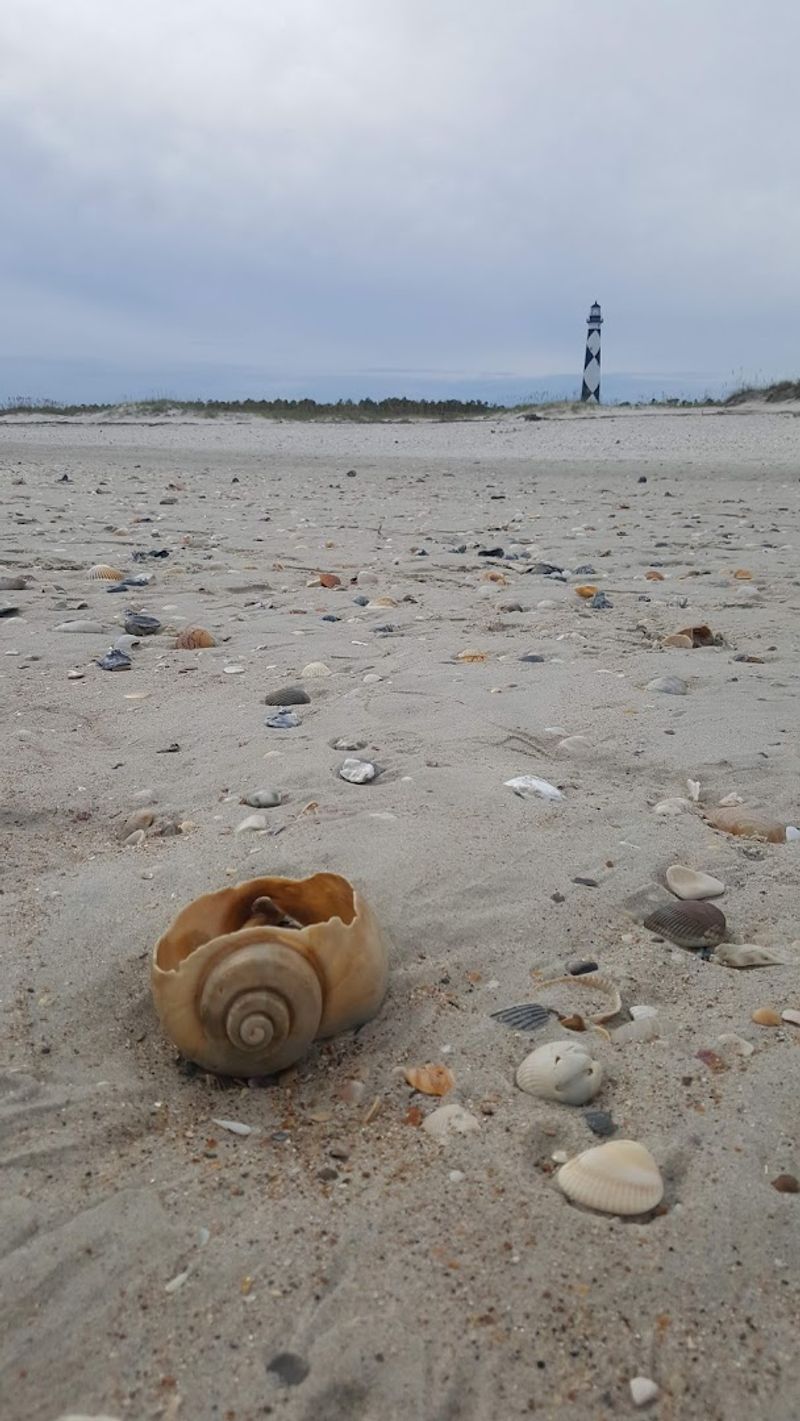
Dawn reveals treasures scattered like jewels across wet sand. Cape Point, where two currents collide, creates one of North Carolina’s premier shell collecting destinations.
The convergence of ocean and sound waters deposits incredible variety—everything from delicate angel wings to massive whelks and perfectly preserved sand dollars.
Serious collectors arrive at low tide when retreating waves expose fresh shells. Look for Scotch bonnets, North Carolina’s state shell, recognizable by their spotted patterns and smooth surfaces.
Lightning whelks spiral counterclockwise unlike most shells, making them prized finds. Shark teeth occasionally appear mixed among shells, especially after storms churn up the ocean floor.
The point itself extends dramatically into the Atlantic, creating a natural collection zone. Walk both the ocean side and sound side for different discoveries—calm sound waters yield fragile species while the Atlantic delivers robust specimens tumbled smooth by waves.
Bring mesh bags for carrying your haul and consider protective footwear since sharp shells and hidden stingrays sometimes lurk in shallow water.
Regulations protect live shells, so take only empty specimens. Many visitors enjoy identifying their finds using shell guides available at the visitor center.
Some collectors return year after year, building extensive collections while enjoying the meditative rhythm of searching these pristine shores for nature’s artwork.
Beach Driving Adventures Along Endless Shorelines
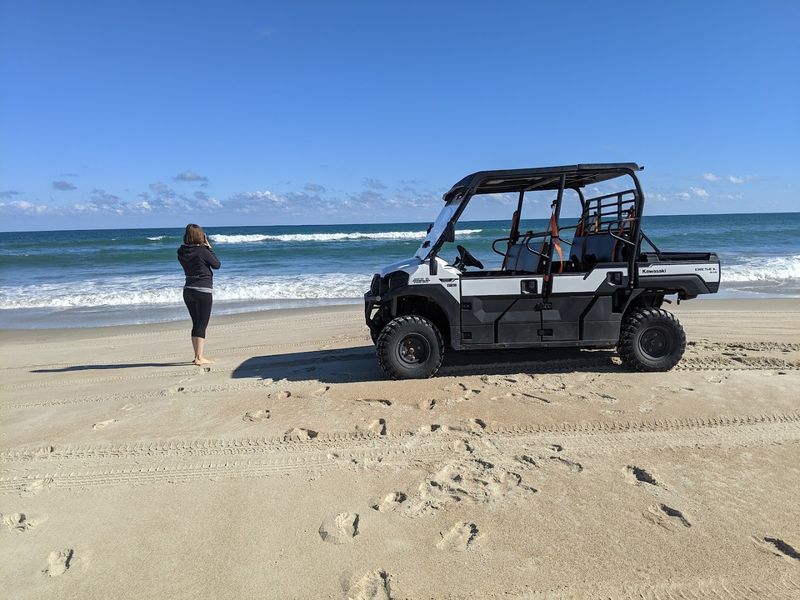
Engine rumbling, tires crunching through sand, you’re suddenly driving where most people never imagine vehicles can go. Cape Lookout permits beach driving along designated areas, creating adventures that feel like exploring another planet.
The experience requires proper equipment—four-wheel drive, aired-down tires, and recovery gear—but delivers access to the seashore’s most remote and beautiful sections.
Vehicle ferries from Davis or Atlantic transport trucks, jeeps, and ATVs to the islands. Once there, firm sand near the waterline becomes your highway, though constantly changing tides and soft spots demand attention.
Experienced drivers monitor tide charts carefully, knowing high tide can trap vehicles or block passages to certain areas.
Rangers provide helpful guidance about current conditions and regulations. Speed limits keep everyone safe while protecting nesting birds and sea turtles.
Many families make annual pilgrimages, hauling campers and gear for week-long beach camping adventures. They fish from their trucks, explore miles of coastline, and discover secret spots known only to regular visitors.
Airing down tires to 15-20 PSI dramatically improves traction in soft sand. A portable air compressor becomes essential for reinflating before returning to the ferry.
Getting stuck happens occasionally, but fellow beach drivers typically offer assistance, creating a unique community spirit among those who appreciate these rare driving privileges along America’s vanishing wild coastlines.
Swimming and Fishing in Crystal-Clear Waters
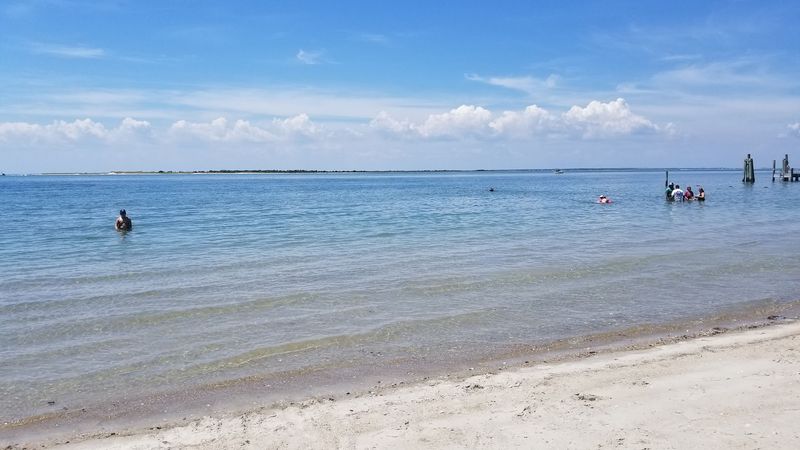
Waves lap gently against your legs as you wade into some of the clearest water along the Carolina coast. Cape Lookout’s beaches offer swimming without crowds, lifeguards, or designated areas—just pristine ocean and personal responsibility.
The remoteness means you’ll often have entire stretches to yourself, though always swim with companions since no rescue services patrol these shores.
Water temperatures climb comfortable for swimming from May through October. Sandbars create calm, shallow pools perfect for families with children.
The inlet areas feature stronger currents requiring caution, but excellent opportunities exist for experienced swimmers. Many visitors bring floats, snorkel gear, or bodyboards, spending hours playing in the clean Atlantic waters.
Surf fishing attracts serious anglers year-round. Red drum, flounder, bluefish, and pompano run seasonally, with autumn bringing spectacular catches.
You’ll see fishermen’s trucks lined along the beach, rods positioned in sand spikes, waiting for that telltale bite. No fishing license is required in ocean waters, making it accessible for visitors wanting to try their luck.
Spring and fall offer the best fishing, though summer provides warmer swimming. Bring all your tackle and bait since no shops exist on the islands.
Many families combine both activities, swimming while waiting for fish to bite, creating perfect beach days that blend relaxation with the excitement of catching your dinner from pristine coastal waters.
Witnessing Spectacular Sunsets Over the Sound
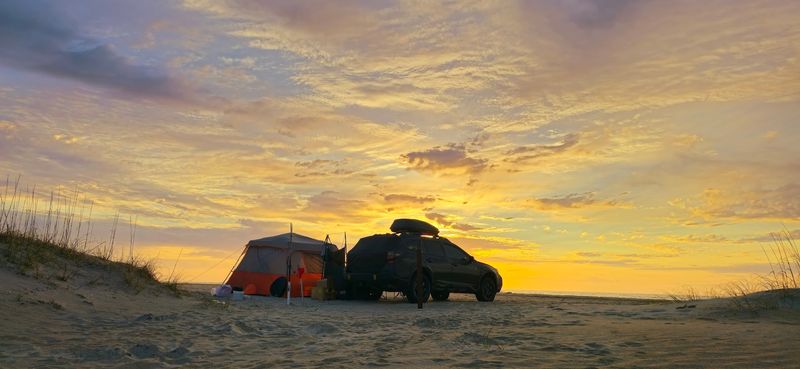
Colors explode across the western horizon as the sun melts into Pamlico Sound. While many beaches showcase impressive sunrise views over the Atlantic, Cape Lookout offers something special—stunning sunsets over calm sound waters on the islands’ western shores.
The protected sound side provides mirror-like reflections impossible on the wave-churned ocean side.
Photographers arrive early claiming prime positions near the lighthouse or along sound beaches. The lighthouse silhouette against fiery skies creates iconic images shared across social media.
Clouds enhance displays, scattering light into purples, oranges, and reds that seem almost unreal. These moments feel especially magical knowing you’re experiencing them from such a remote, undeveloped location.
The sound remains incredibly peaceful during golden hour. Unlike crowded mainland beaches where sunset watchers jostle for position, here you might share the moment with only a handful of others.
Wading birds stalk shallow waters, dolphins occasionally surface, and the lighthouse begins its nightly beacon rotation as daylight fades.
After sunset, twilight lingers beautifully over the islands. Many visitors stay for the transition into night when stars begin emerging and the lighthouse beam sweeps across darkening waters.
Campfires dot the beaches as the temperature drops comfortably. These extended evening experiences, watching day transform into night on these preserved islands, create memories that last far beyond typical beach vacations.
Birding and Wildlife Watching in Pristine Habitats
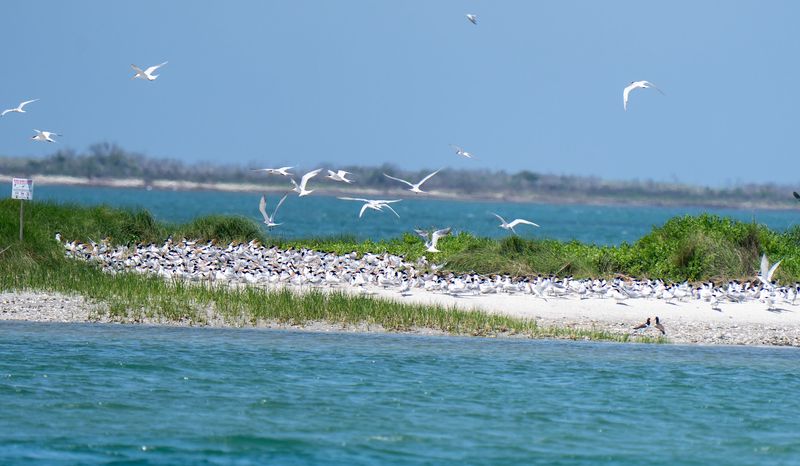
Binoculars reveal a brown pelican’s prehistoric profile as it plunges for fish offshore. Cape Lookout’s undeveloped ecosystems support incredible bird diversity, attracting ornithologists and casual observers alike.
Over 200 species visit these barrier islands during migration or nesting seasons, making every visit potentially deliver surprising avian encounters.
Piping plovers and least terns nest directly on beaches, their eggs camouflaged perfectly against sand. Park rangers close sections during breeding season, protecting these threatened species.
Watching parent birds defend tiny chicks from ghost crabs and gulls reveals nature’s constant drama. Black skimmers skim the surface catching fish with remarkable lower mandibles extended into the water.
Maritime forests shelter migrating warblers, thrushes, and tanagers during spring and fall. The sound side marshes host herons, egrets, and ibis stalking shallow waters.
Ospreys maintain massive stick nests atop channel markers, raising young while dive-bombing the water for fish. Serious birders keep extensive lists, hoping to spot rare vagrants blown off course by coastal storms.
Besides birds, other wildlife thrives here. Sea turtles nest on beaches during summer nights, with hatchlings making perilous journeys toward the ocean.
Dolphins hunt cooperatively in the inlet, sometimes herding fish onto shore. River otters play in tidal creeks, while countless ghost crabs emerge at dusk.
This wildlife abundance exists because development never arrived, preserving Cape Lookout as true wilderness.