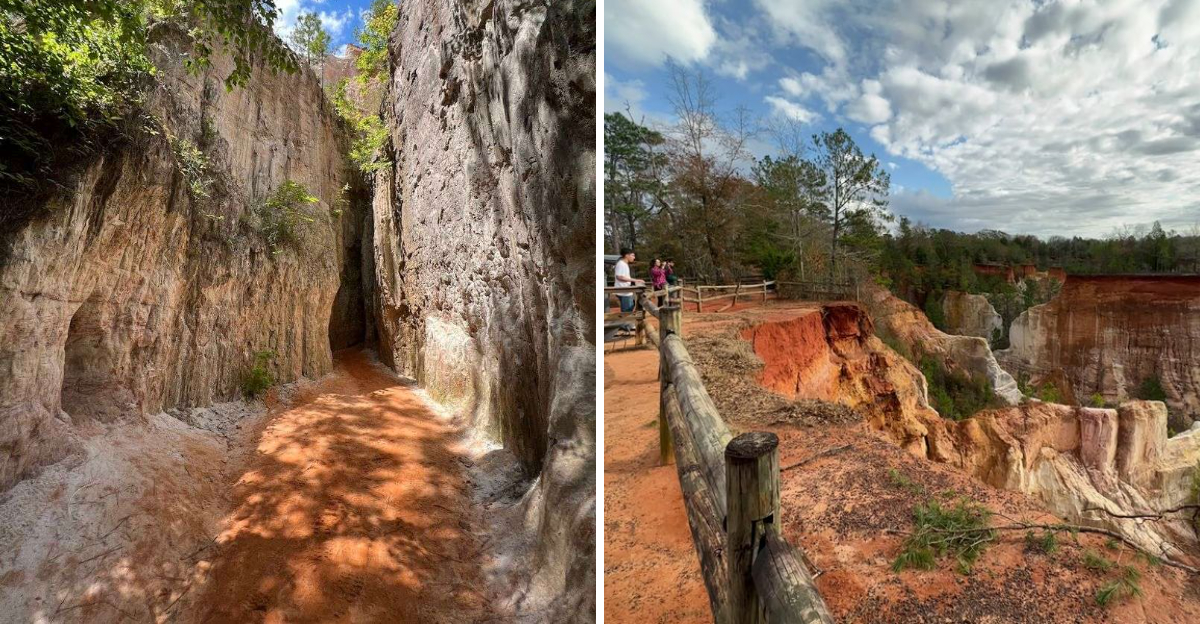
This place looks like Georgia cracked open and spilled out a piece of Arizona.
Hidden near Lumpkin, Providence Canyon stuns first-time visitors with giant walls of red, orange, and pink clay slicing through the earth like a painted desert. It feels wild, strange, and completely out of sync with the pine trees and farmland around it.
But here’s the twist.
This jaw-dropping canyon wasn’t shaped by ancient rivers or shifting earth over millions of years. It was born from farming mistakes in the 1800s, when poor land practices sent rainwater tearing through the soil and carving massive gullies that kept growing.
Now, what started as a disaster has turned into one of Georgia’s most unbelievable sights—a place where every trail feels like stepping into another world, and every turn makes you stop and stare.
Why They Call It Georgia’s “Little Grand Canyon”
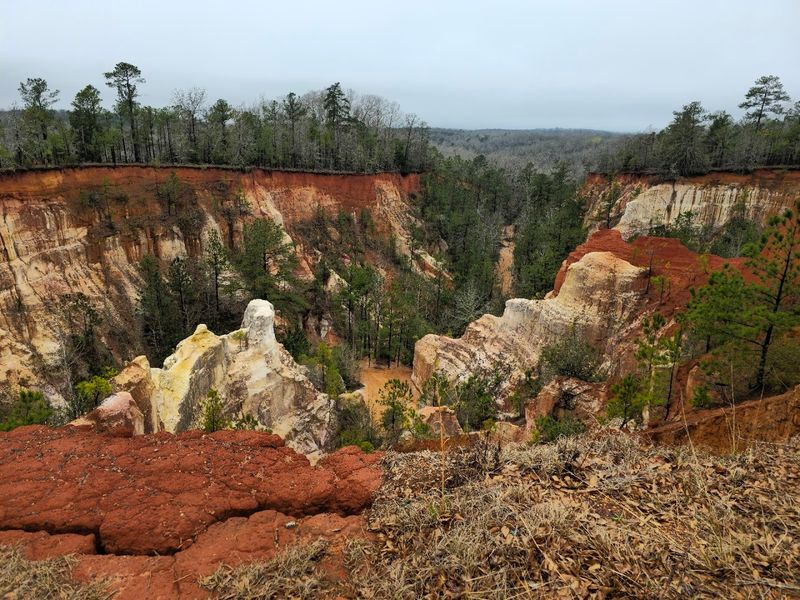
Your first glimpse of Providence Canyon will challenge everything you thought you knew about Georgia landscapes. Towering walls painted in brilliant oranges, pinks, deep reds, and soft purples stretch before you like something ripped straight from Arizona or Utah.
The visual shock is real—this doesn’t look like the South.
Standing at the rim, visitors often struggle to reconcile what they’re seeing with where they actually are. The canyon stretches across 1,100 acres with some walls reaching 150 feet tall, creating dramatic gorges and finger-like gullies that carve deep into the earth.
Sunlight plays across the multicolored sediment layers, shifting the hues throughout the day.
This unexpected masterpiece has rightfully earned its place among Georgia’s Seven Natural Wonders. Unlike its famous western cousins formed over millions of years by rivers and geological forces, Providence Canyon tells a much younger, more peculiar story.
The nickname “Little Grand Canyon” isn’t just tourist marketing—it captures the genuine awe people feel when they encounter this geological anomaly hiding in the pine forests of rural Georgia.
A Natural Wonder Born From Human Mistake
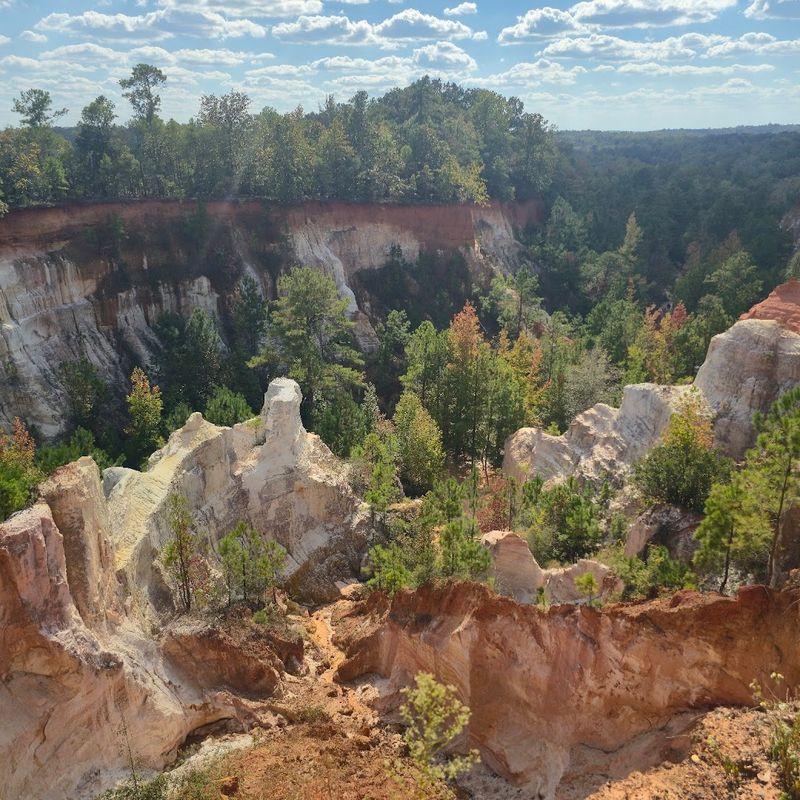
Most canyons take millions of years to form, but Providence Canyon emerged in barely 150 years thanks to a farming disaster. During the 1800s, settlers cleared the land for cotton cultivation without understanding proper soil conservation techniques.
Their poor agricultural practices stripped away protective vegetation, exposing the fragile clay soil beneath.
Heavy rainfall did the rest. Water rushed across bare fields, carving deeper and deeper channels into the unprotected earth with each storm.
What began as small gullies quickly transformed into massive canyons as erosion spiraled out of control. By the early 1900s, the damage was so severe that the farmland became completely worthless for agriculture.
Ironically, this environmental catastrophe created one of Georgia’s most breathtaking attractions. The state recognized the area’s unique beauty and established it as a park in 1971.
Today’s visitors marvel at towering canyon walls that stand as both a stunning natural wonder and a powerful reminder of how quickly human activity can reshape the landscape—sometimes creating accidental beauty from ecological mistakes.
The Stunning 43 Shades of Earth
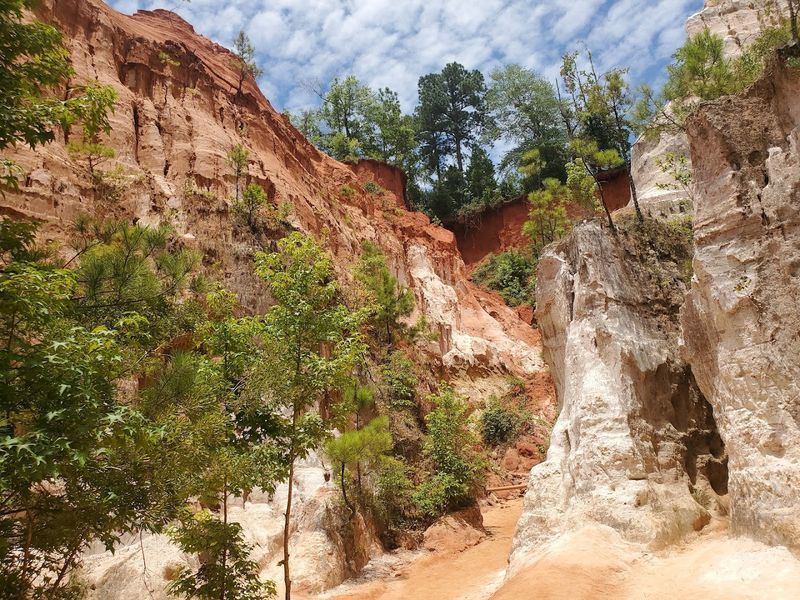
Walking through Providence Canyon feels like stepping inside a painter’s palette. The canyon walls display an astonishing spectrum of colors—43 distinct shades according to geologists—ranging from soft pastels to deep, saturated hues.
Each layer tells a story written in minerals and time.
Iron oxide creates the brilliant oranges and rusty reds that dominate many walls. Kaolin, a soft white clay once mined in Georgia for porcelain, contributes creamy whites and pale yellows.
Pink, lavender, and even purple tones emerge where different minerals mix together. Some sections look almost artificially painted, with horizontal bands of color stacked like a geological layer cake.
Every turn reveals new color combinations as you explore different canyon sections. Morning light brings out warmer tones while afternoon sun deepens the purples and reds.
Even seasonal changes affect the palette—wet clay appears richer and more saturated than sun-dried surfaces. Photographers return repeatedly because the same canyon wall can look completely different depending on weather, time of day, and seasonal conditions.
This living canvas never stops transforming.
Hiking Into the Heart of the Canyon
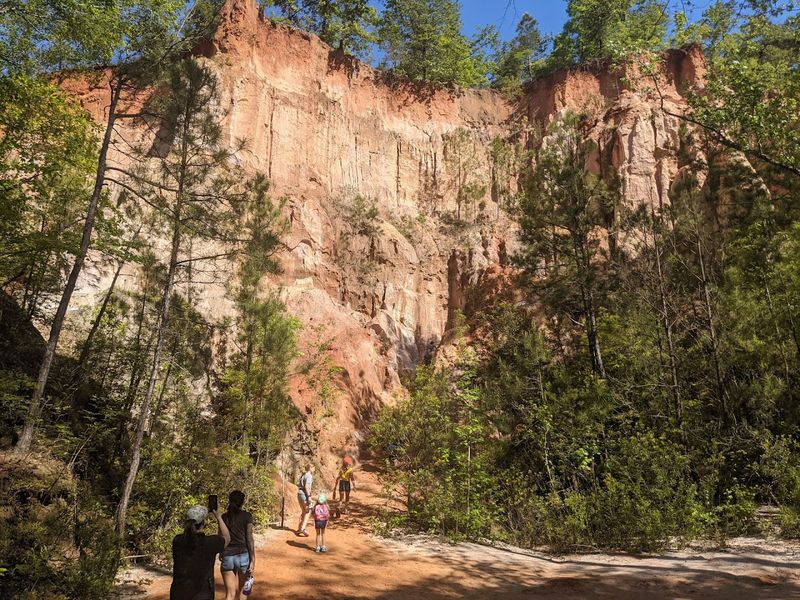
The White Blaze Canyon Loop Trail serves as your passport into this surreal landscape. This 2.5-mile moderate trail descends from the canyon rim down to the floor, where you’ll weave through nine separate canyon fingers.
Each section offers different formations, colors, and perspectives that make the journey feel much longer than it actually is.
Starting from the visitor center, the trail begins along the rim where overlooks provide sweeping views. Then comes the descent—a steep but manageable drop that takes you into the canyon’s depths.
Once on the floor, you’ll walk through sandy creek beds flanked by those towering multicolored walls. The scale becomes overwhelming when you’re actually standing beneath cliffs that rise over 100 feet above.
Plan for about two to three hours to complete the full loop at a leisurely pace with photo stops. The trail surface alternates between packed sand and soft clay, so proper footwear matters.
While rated moderate, the elevation changes and sometimes muddy conditions provide a genuine workout. Bring plenty of water since shade disappears in many sections, especially during summer months.
The Most Beautiful Canyons You Can’t Miss
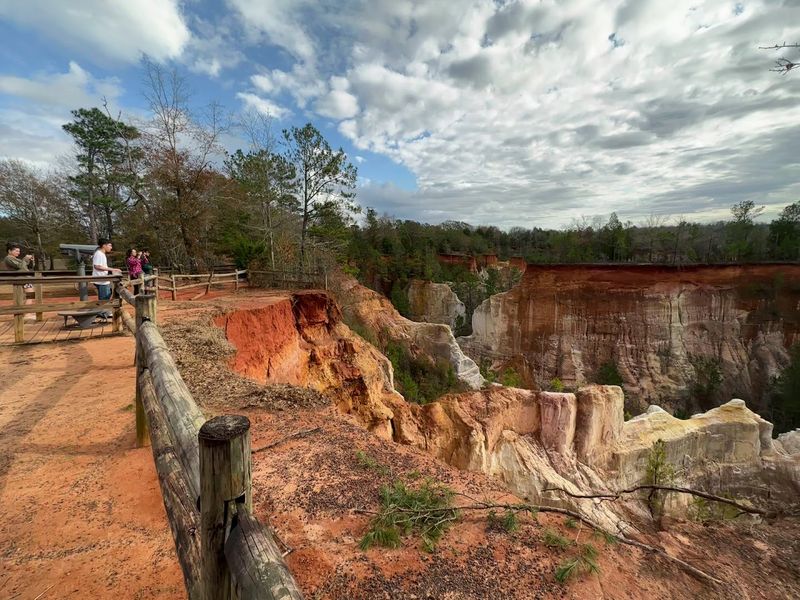
If time is limited, make Canyons 4 and 5 your absolute priority. Seasoned visitors and park rangers consistently point to these two sections as the most spectacular in the entire park.
Their walls tower higher, their colors appear more vivid, and their formations create more dramatic visual impact than other areas.
Canyon 4 impresses with its sheer vertical walls and intense color saturation. The clay here displays some of the deepest reds and most vibrant oranges in the park.
Narrow passages between towering walls create an almost claustrophobic feeling that amplifies the experience. Photographers camp out here during golden hour when sunlight hits the walls at perfect angles.
Canyon 5 delivers equally stunning scenery with slightly wider passages and more varied geological features. The color transitions here feel more gradual, creating beautiful gradient effects across the cliff faces.
First-time visitors who only explore these two canyons will still leave feeling they’ve experienced Providence Canyon’s essence. If you’re short on time or hiking ability, focusing on this section ensures you won’t miss the park’s crown jewels.
The Strange Abandoned Cars Lost in the Woods
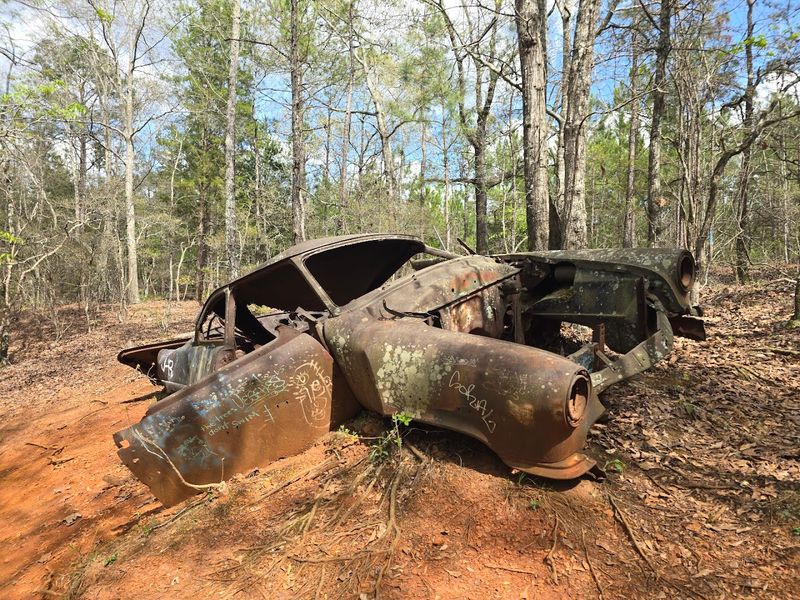
Venture off the main trail and you might encounter one of Providence Canyon’s strangest secrets—old 1950s cars slowly being swallowed by the forest. These rusted relics sit partially buried and wrapped in vines, creating an eerie time capsule that seems completely out of place in a state park.
Nobody knows exactly why they’re there or who abandoned them.
The cars’ faded paint and missing parts give them a ghostly quality that photographers love. Nature has been reclaiming them for decades, with trees growing through engine compartments and moss covering hoods.
They add an unexpected human element to the natural landscape, reminding visitors that this area has a complex history beyond just geological formations.
Park staff doesn’t advertise these automotive relics on official maps, making them feel like a genuine discovery when you stumble across them. Some hikers specifically seek them out as quirky photo opportunities.
The mystery surrounding their origins—were they dumped illegally, abandoned by bankrupt farmers, or left behind during park development?—adds intrigue. These rusty time machines prove that Providence Canyon holds surprises beyond its famous colored walls.
Why Photographers and Nature Lovers Keep Coming Back
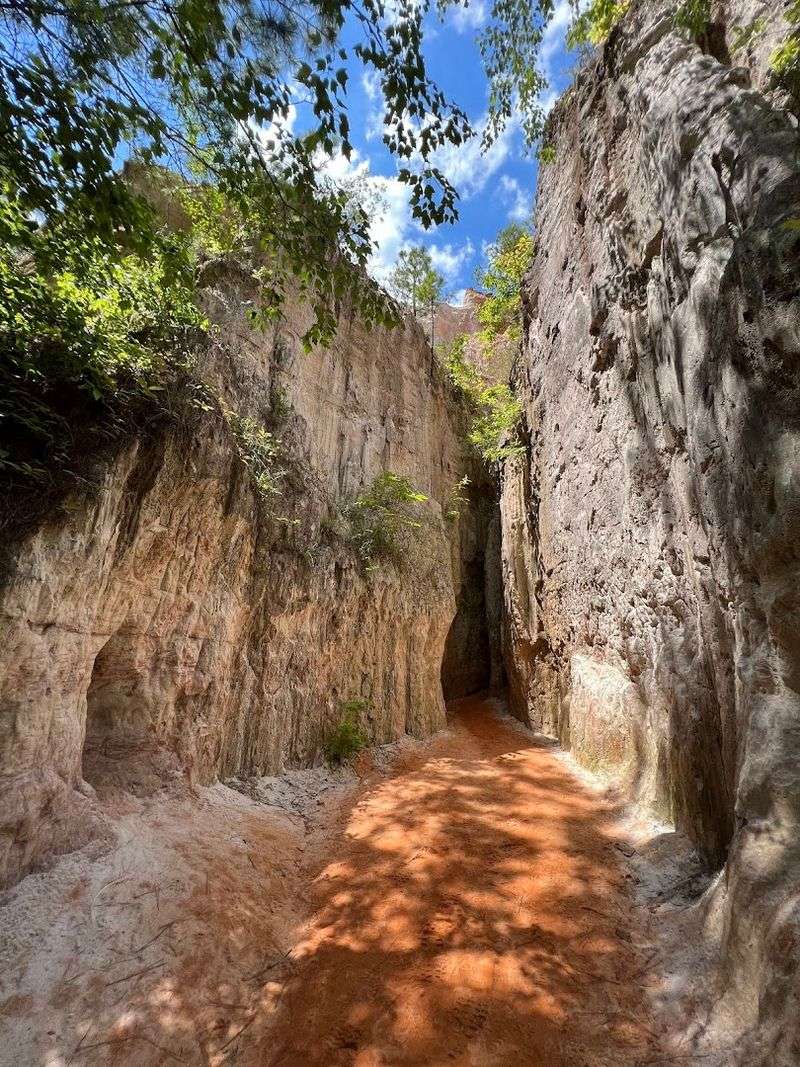
Ask photographers why they return to Providence Canyon repeatedly and you’ll hear the same answer: the light never stops changing. Morning sun creates soft, cool tones across the canyon walls while midday brightness saturates the colors to maximum intensity.
Late afternoon golden hour transforms everything, making the reds glow like fire and the purples deepen mysteriously.
Beyond daily light shifts, seasonal changes completely reinvent the experience. Spring brings wildflowers and fresh green vegetation that contrasts beautifully with the clay walls.
Summer’s intense heat creates shimmering air effects and deeper shadows. Fall introduces golden foliage along the rim while winter’s bare trees and occasional frost create stark, minimalist compositions.
Even weather matters—overcast days mute the colors for moody shots while post-rain visits reveal richer, more saturated hues.
Reddit users and photography forums describe the canyon as otherworldly, comparing it to landscapes from another planet. The combination of unique geology, ever-changing light, and unexpected features like those abandoned cars provides endless creative opportunities.
Each visit offers different conditions, ensuring fresh perspectives even for people who’ve photographed here dozens of times.
Is It Worth the Trip?
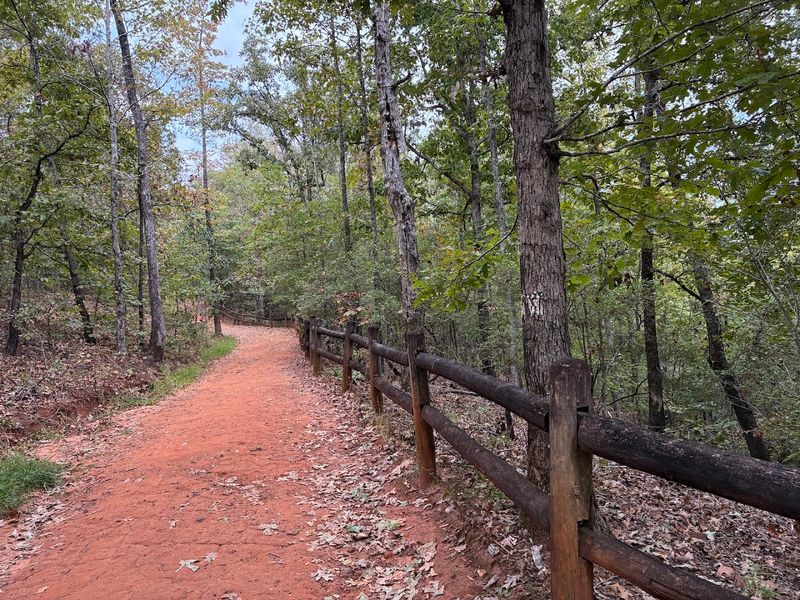
Here’s the honest truth: Providence Canyon absolutely deserves its reputation as a stunning natural wonder, but think carefully about making it a standalone destination. Located in rural southwest Georgia near the Alabama border, it sits about two and a half hours from Atlanta and isn’t close to much else.
The canyon itself can be thoroughly explored in half a day or less.
For Atlanta residents or people already traveling through Georgia, it makes an excellent day trip or weekend adventure. The park also offers camping facilities, turning it into a nice overnight nature escape.
However, flying across the country specifically to see Providence Canyon might leave you wanting more—unlike the Grand Canyon, this smaller wonder doesn’t require multiple days to appreciate.
The sweet spot? Combine it with other southwest Georgia attractions or make it part of a broader Southern road trip.
Nearby opportunities include Callaway Gardens, Franklin D. Roosevelt State Park, or exploring historic towns like Columbus and Americus.
Approached as one stop on a larger adventure rather than the sole destination, Providence Canyon becomes an incredible highlight that exceeds expectations.
What To Know Before You Go
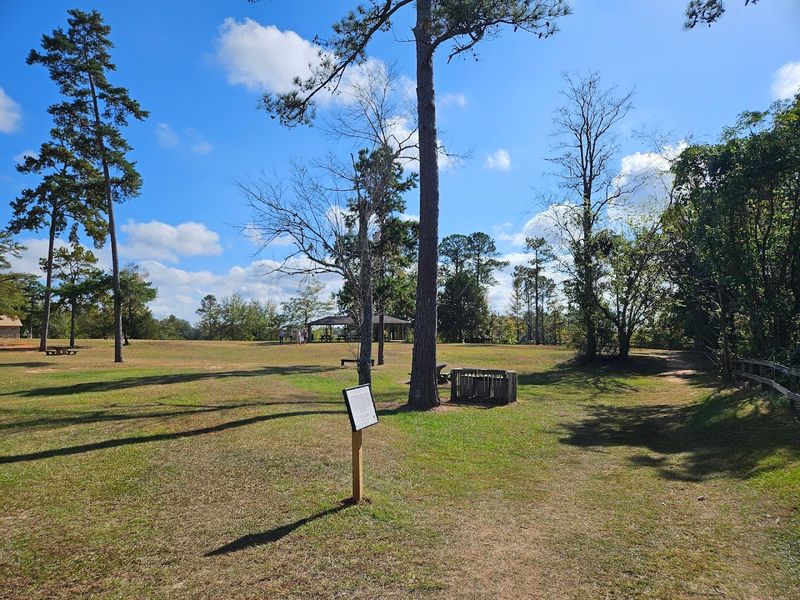
Spring and fall offer the most comfortable hiking conditions with mild temperatures and lower humidity. Late summer brings those rare plumleaf azaleas if you’re willing to brave the heat.
Winter visits work well too, though trails can be muddy after rain and some days feel quite cold.
Footwear matters more than you might expect. Waterproof hiking boots or shoes you don’t mind getting dirty are essential—the canyon floor often has standing water and sticky clay that ruins nice sneakers.
Creek beds serve as the designated walking paths, and rangers warn against climbing the canyon walls since they’re fragile, actively eroding, and protected.
Entry costs just five dollars per vehicle, making it one of Georgia’s bargain attractions. Gates typically open around 7 AM and close at sunset, though hours vary seasonally.
Bring plenty of water since shade is limited and Georgia heat can be brutal. Cell service is spotty, so download maps beforehand.
The nearest significant town is Lumpkin, Georgia, where you’ll find basic amenities but limited dining options. Pack snacks and plan accordingly for this remote but rewarding adventure.