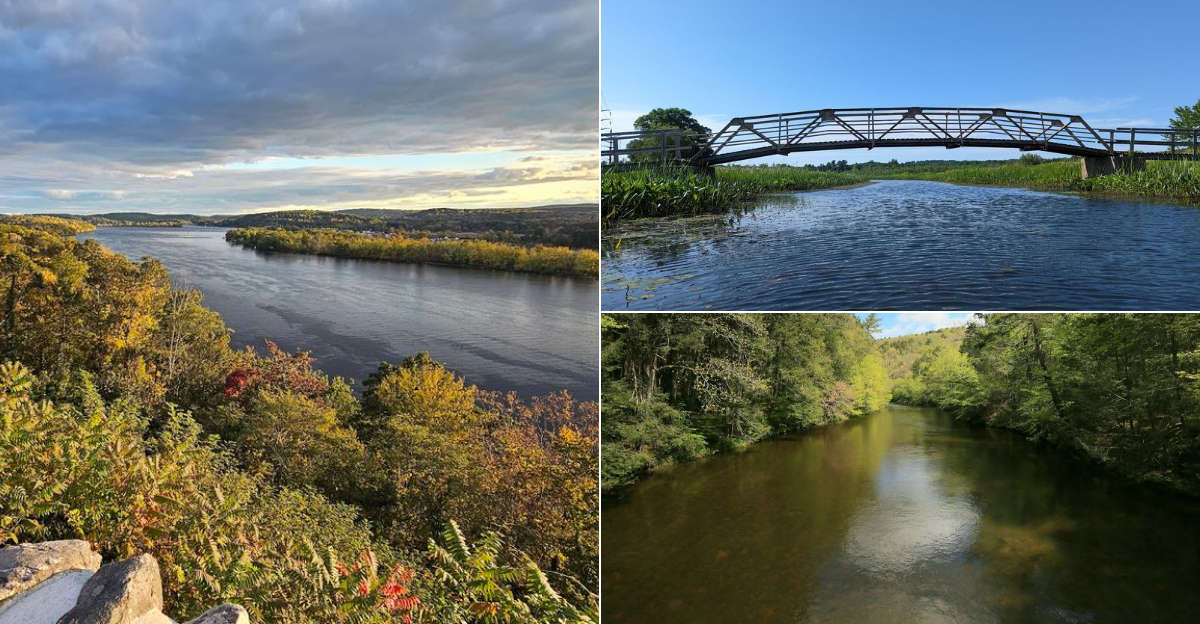
Connecticut may be compact, but its rivers put on a show that feels far bigger than the map suggests, winding past colonial towns, hidden gorges, marshy coves, covered bridges, and forests that seem determined to steal your weekend plans.
If you think a river is just water moving from point A to point B, this list is here to politely splash that idea aside with bald eagles, trout pools, scenic paddles, and enough quiet overlooks to make your phone finally take a break.
You will find famous waterways, overlooked gems, and places where history, wildlife, and pure scenery all share the same shoreline without arguing about it.
So grab your curiosity, maybe a pair of sturdy shoes, and come follow these fifteen Connecticut rivers that prove the state’s natural beauty is not hiding at all, it is flowing right out in the open.
1. Housatonic River
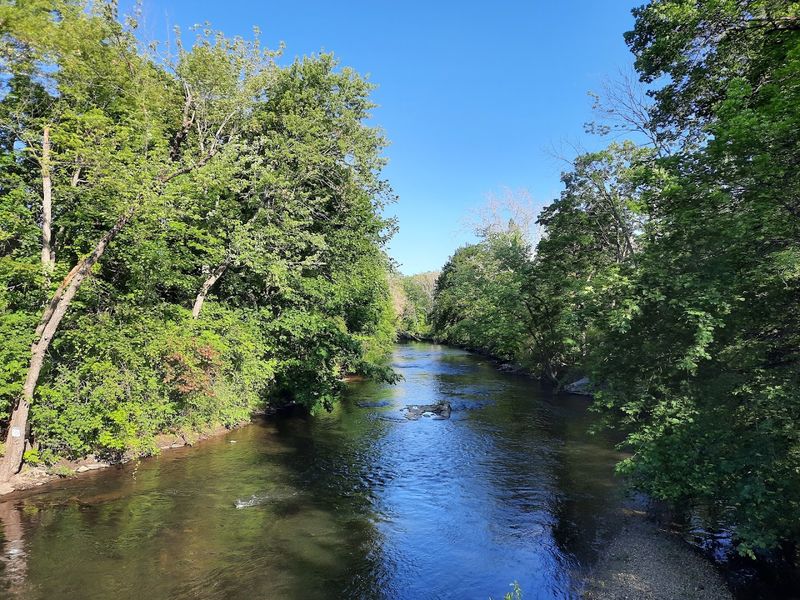
Western Connecticut keeps one of its prettiest secrets in plain sight with the Housatonic River, a waterway that pairs rugged scenery with serious outdoor appeal.
Flowing through towns like Kent, Cornwall, and New Milford, it cuts through the Litchfield Hills with a mix of calm stretches and dramatic rocky edges.
You can kayak, fish for trout and bass, or pause near the covered bridge in West Cornwall and wonder why every road trip is not this good.
The river also threads past the Appalachian Trail and several protected landscapes, so the surrounding views often feel larger than the state itself.
In autumn, the foliage reflected on the water can look almost suspiciously perfect, as if the season hired a lighting crew just for the weekend.
For anyone craving a river with mountain energy, cultural history, and some of Connecticut’s most memorable overlooks, the Housatonic delivers with quiet confidence and a very camera-friendly profile.
2. Thames River
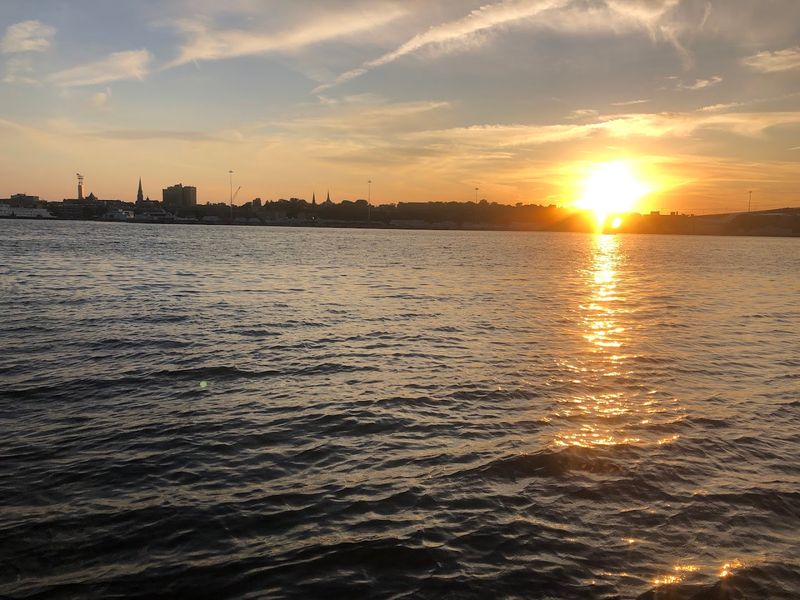
Salt air changes the mood immediately on the Thames River, where Connecticut trades woodland intimacy for a broader maritime sweep near New London and Groton.
Formed by the meeting of the Shetucket and Yantic in Norwich, this river heads south to Long Island Sound with a proud naval and trading history.
Submarines, ferries, and fishing boats share the view, yet the shoreline still offers peaceful corners where you can watch light ripple across the water.
Fort Griswold, waterfront parks, and the U.S.
Coast Guard Academy help anchor the river’s human story, while coves and estuarine habitats support birds and marine life.
A paddle or sightseeing cruise here gives you both big-sky openness and a close look at southeastern Connecticut’s working waterfront character.
If you like your scenery with a dash of sea breeze, a pinch of history, and a horizon that feels adventurous, the Thames is ready to make inland rivers seem just a little landlocked.
3. Quinebaug River
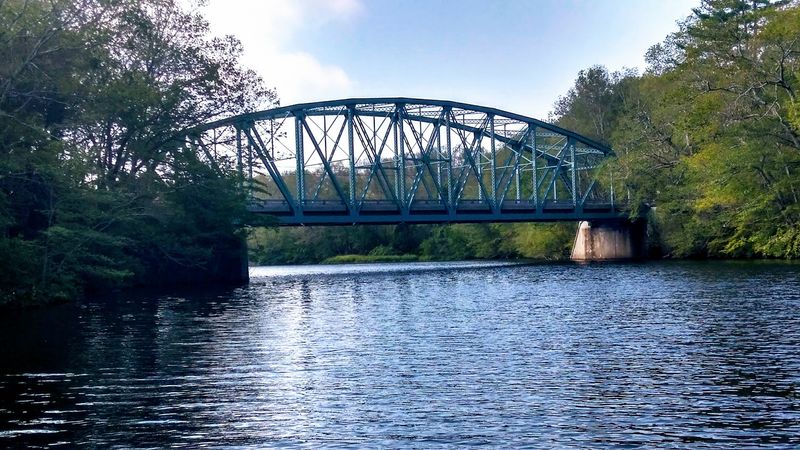
Quiet charm takes center stage on the Quinebaug River, a northeastern Connecticut beauty that meanders through woods, villages, and farmland without demanding much fanfare.
Passing near towns like Putnam, Killingly, and Canterbury, it offers a softer, more tucked-away landscape than some of the state’s better-known waterways.
That is exactly its trick, because the gentle bends, tree-lined banks, and reflective water make you slow down almost against your will.
The river has long supported mills and communities, and traces of that past still appear near old industrial sites and historic town centers.
Today, sections invite paddling, fishing, birdwatching, and the kind of unhurried exploring that makes an afternoon feel longer in the best possible way.
If you enjoy finding beauty without battling crowds, the Quinebaug feels like a local recommendation whispered at just the right moment, complete with natural scenery, regional history, and a refreshing lack of unnecessary drama.
4. Naugatuck River
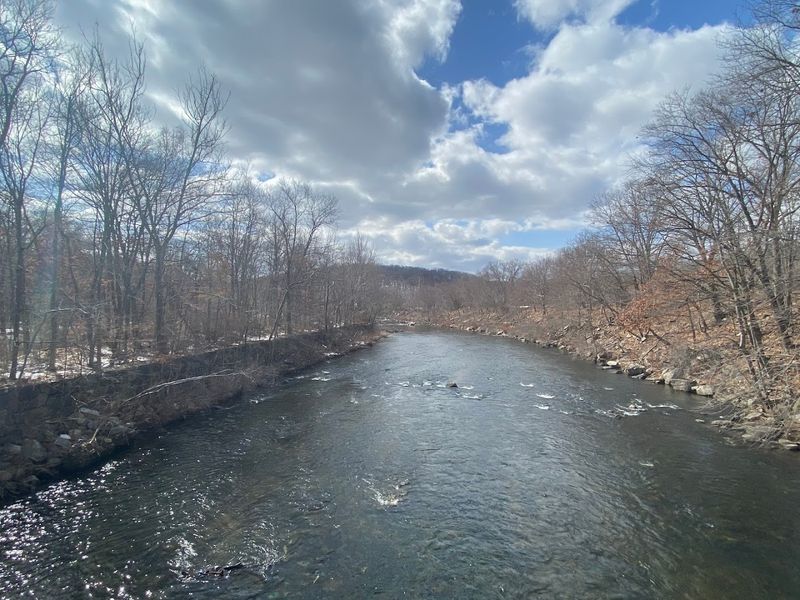
Come with low expectations if you must, but the Naugatuck River has a comeback story that makes its scenery more impressive than many people realize.
Running through towns like Torrington, Waterbury, Naugatuck, and Derby, it once carried the heavy marks of industry before major restoration efforts helped transform the corridor.
Now, stretches of the river reveal wooded banks, riverside trails, and surprisingly attractive views framed by valley hills.
The Naugatuck River Greenway and public access points make it easier to appreciate how nature and community can reconnect after a hard-working past.
Anglers, walkers, and local explorers increasingly return to the water, proving that beauty sometimes needs a second introduction instead of a first impression.
If you like landscapes with resilience built right into them, this river offers more than scenery alone, it shows how Connecticut can honor its industrial history while still making room for cleaner water and greener horizons.
5. Farmington River
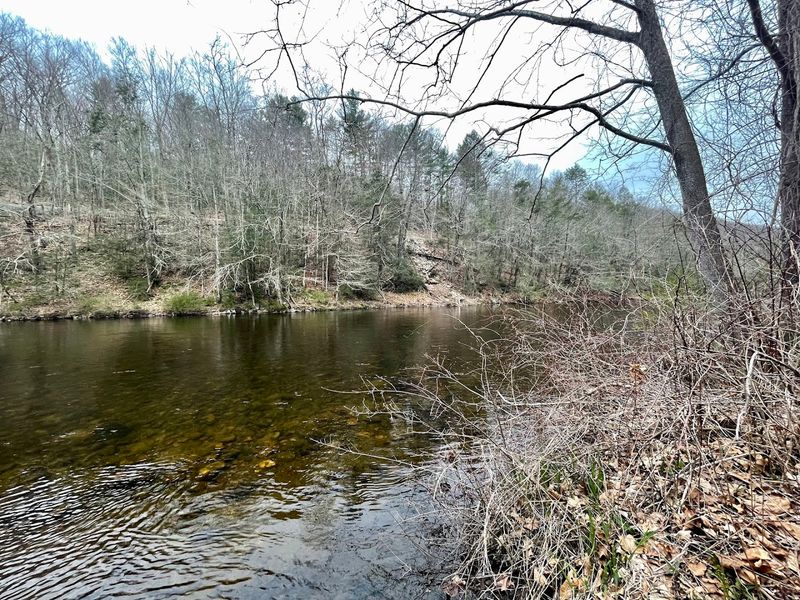
Clear water and serious charm make the Farmington River one of Connecticut’s most beloved natural standouts, especially if you enjoy your scenery with a side of trout.
The river flows through picturesque communities such as Farmington, Avon, Simsbury, and Canton, where stone walls, forests, and historic mills add plenty of atmosphere.
Its West Branch is famous for fly fishing, but even non-anglers can appreciate the cool current, shaded banks, and easy beauty.
Popular tubing stretches, riverside trails, and access points near Collinsville and Satan’s Kingdom keep the river lively without ruining its peaceful character.
In every season, the Farmington seems to know exactly how to look good, from bright summer greens to icy winter stillness that feels almost cinematic.
For visitors who want a river that balances recreation, scenery, and classic Connecticut village appeal, this one checks all the boxes and then casually adds a few extras just to show off.
6. Bantam River
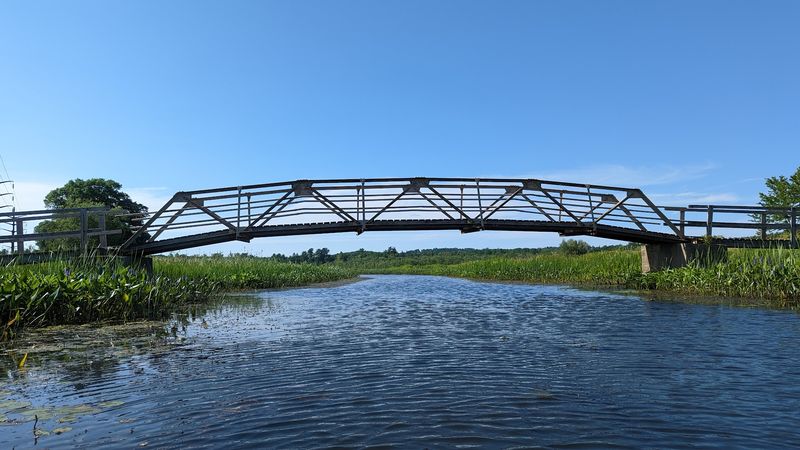
Small rivers can be show-stealers too, and the Bantam River proves it with a peaceful route through one of Litchfield County’s prettiest corners.
Connecting Bantam Lake to the Shepaug River, it winds through wetlands, meadows, and wooded edges near Litchfield and the White Memorial Conservation Center.
The setting feels wonderfully quiet, the kind of place where even your footsteps seem to lower their volume out of respect.
Birdwatchers especially love this area, since the river corridor supports waterfowl, herons, and other wildlife that thrive in the protected habitats nearby.
A paddle here offers calm water and close-up scenery, while nearby trails give you an easy excuse to linger a little longer than planned.
If your ideal river experience includes soft breezes, subtle beauty, and the satisfying sense that you found somewhere not everyone talks about, the Bantam is ready with understated grace and just enough charm to become an instant favorite.
7. Connecticut River
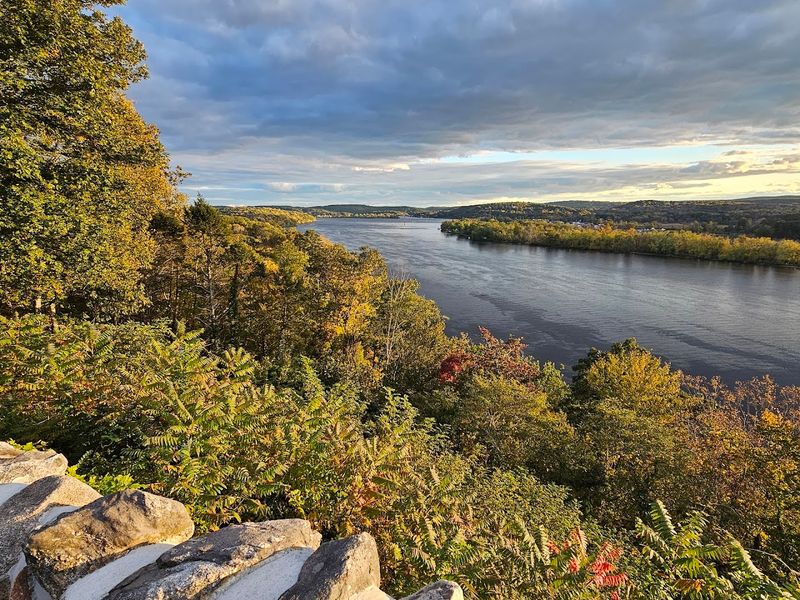
Nothing says classic New England quite like the Connecticut River gliding past old towns, broad meadows, and church steeples that look lifted from a postcard.
As New England’s longest river, it forms much of eastern Connecticut’s identity, especially near places like Old Saybrook, Essex, and Haddam.
You can watch ospreys dive, cruise past marsh grass by boat, or simply stand at Gillette Castle State Park and admire the sweeping valley below.
History runs alongside the water here, from indigenous heritage to colonial trade routes and steamboat lore that still gives the shoreline personality.
In the lower river, tidal wetlands create one of the Northeast’s richest habitats, drawing herons, eagles, and migratory birds in impressive numbers.
If you want a river that does a little of everything, scenic, wild, historic, and downright photogenic, this is Connecticut’s overachiever, and frankly, it has earned the bragging rights.
8. Pootatuck River
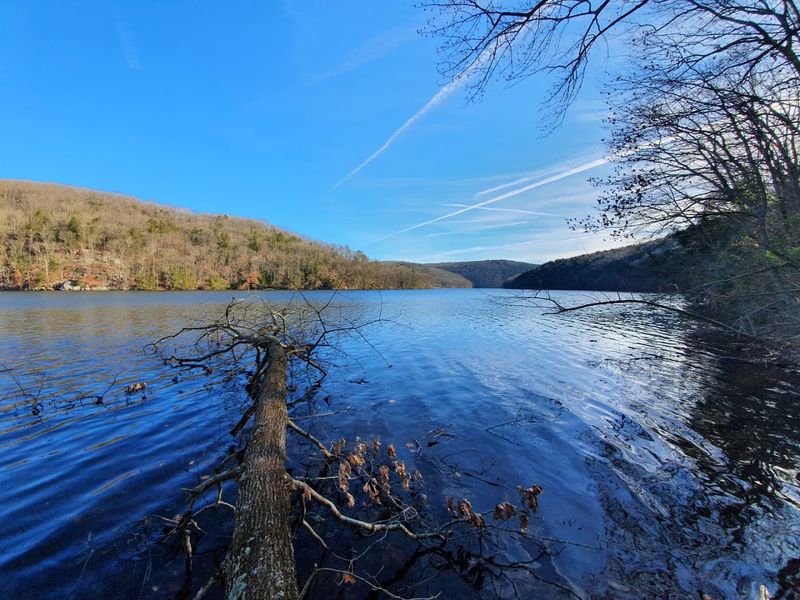
Tucked into western Connecticut, the Pootatuck River brings a quieter kind of beauty, one built on gentle bends, leafy banks, and local landscapes that reward close attention.
It flows through Newtown and the Sandy Hook area before joining the Housatonic, linking neighborhoods, wetlands, and bits of open space along the way.
This is not a dramatic headline river, and that is exactly why it feels so pleasantly genuine.
Walks near the water reveal reflections of maples, pockets of birdsong, and the sort of calm that turns an ordinary afternoon into a small reset.
The river also carries historical importance for local communities, with names and routes that echo the region’s deeper indigenous and colonial past.
If you enjoy discovering beauty in places that feel lived-in rather than staged, the Pootatuck offers a grounded, graceful experience, reminding you that Connecticut’s natural appeal often appears not with a trumpet blast, but with a soft and steady ripple.
9. Willimantic River
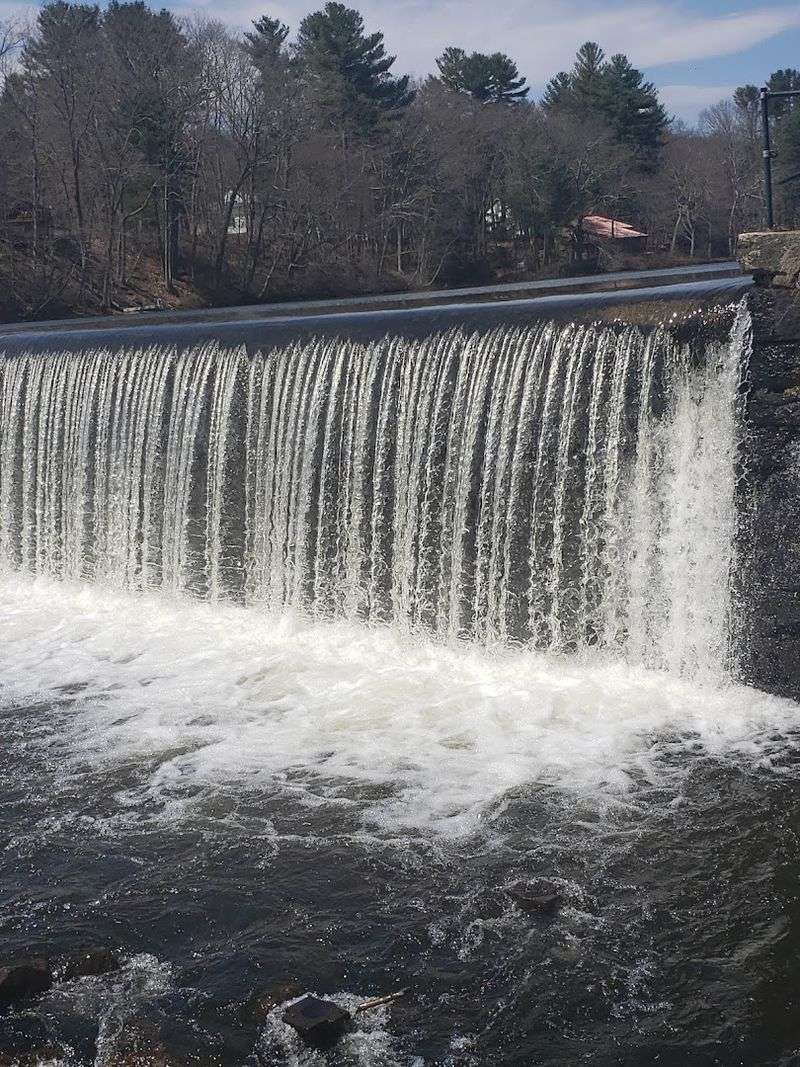
A river with both grit and grace, the Willimantic River cuts through eastern Connecticut with a look that feels part woodland escape and part mill-town memory.
Rising near Stafford and flowing past Mansfield toward the city of Willimantic, it gathers character from forests, rocky sections, and historic industrial surroundings.
The result is scenery that feels layered, like nature and history decided to collaborate instead of compete.
Riverside access near parks and trails lets you fish, paddle, or simply listen to water moving over stones while the rest of the day stops nagging you.
Near Willimantic, old brick architecture and the famous Thread City story give the river an extra sense of place without overshadowing its natural appeal.
For travelers who like a landscape with texture, local history, and enough green space to breathe deeply, the Willimantic delivers a refreshingly honest slice of Connecticut, sturdy, scenic, and just a little underrated in the best possible way.
10. Shetucket River
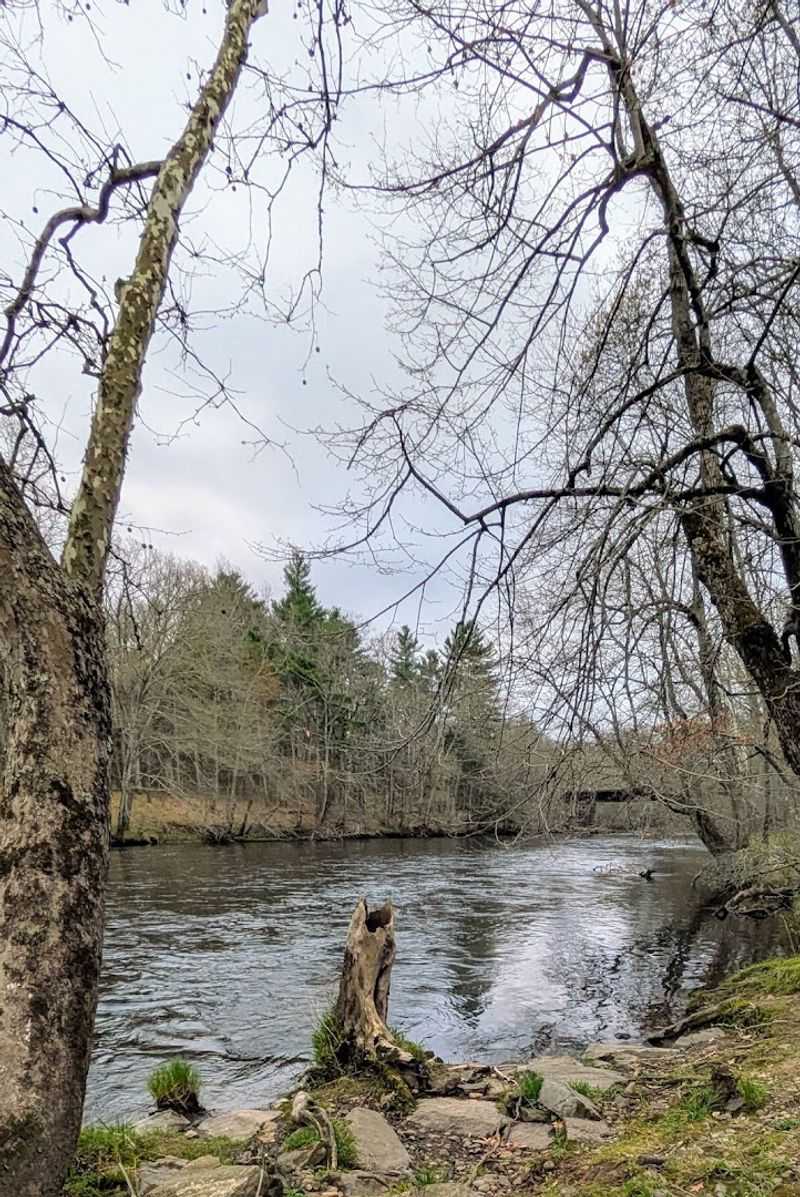
Broad, handsome, and often overlooked, the Shetucket River has a commanding presence that deserves far more applause than it usually gets.
It begins where the Willimantic and Natchaug rivers meet, then runs south through places like Sprague, Lisbon, and Norwich before helping form the Thames.
Along the way, you get wooded banks, open water views, and stretches that feel refreshingly untamed despite nearby towns.
This river once powered mills and industry, yet many sections now offer a calmer rhythm suited to paddlers, anglers, and wildlife watchers with patient eyes.
Migratory fish restoration efforts have also highlighted its ecological value, adding another layer to a river already rich in regional importance.
If you want a place where scenery, scale, and Connecticut history all meet in one flowing package, the Shetucket makes a strong case, and it does so without any need for flashy theatrics or crowded overlooks to prove the point.
11. Yantic River
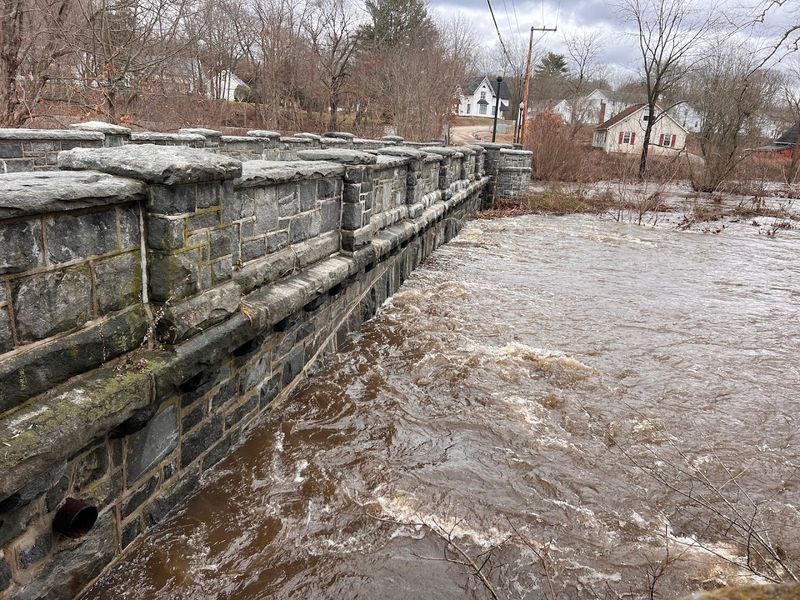
Do not let its smaller size fool you, because the Yantic River packs plenty of charm into a short run through Norwich and nearby eastern Connecticut landscapes.
Beginning in the region’s ponds and streams before joining the Shetucket, it moves through wooded patches, historic mill areas, and sections where the riverbanks feel surprisingly tucked away.
The mix of natural texture and city-edge character gives it a personality all its own.
Yantic Falls is the headline feature, offering a dramatic burst of water and local history that once helped power industry in the surrounding area.
Elsewhere, quieter reaches invite reflective walks, quick scenic stops, and the kind of neighborhood exploring that turns up unexpected beauty close to home.
If you like rivers that balance humble scale with real visual interest, the Yantic earns attention through detail rather than size, proving that Connecticut’s natural beauty is not always about going bigger, sometimes it is about looking more carefully.
12. Shepaug River
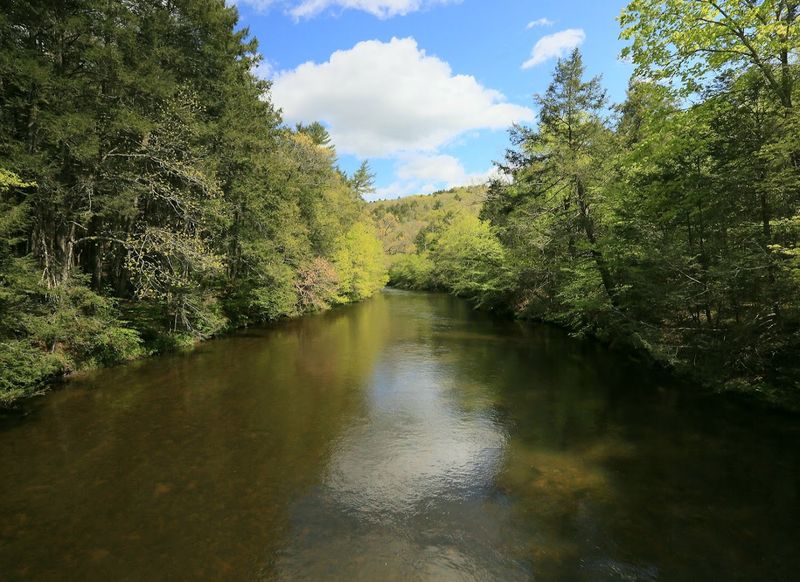
Few names sound more delightfully local than Shepaug, and the river itself lives up to that distinctively Connecticut charm.
Flowing through Washington, Roxbury, and Southbury before joining the Housatonic, it passes rolling farmland, forested slopes, and villages that look as though they were designed by a location scout.
The scenery feels composed yet natural, polished without becoming precious.
The river is closely tied to protected lands and agricultural landscapes, especially around the Shepaug Valley, where open fields and wooded ridges create a lovely sense of depth.
Nearby preserves, back roads, and scenic viewpoints make it easy to combine a river stop with a full day of exploring northwestern Connecticut.
For a perfect outing that includes graceful water, pastoral views, and a soundtrack of rustling leaves instead of traffic, the Shepaug offers exactly that, plus the quiet satisfaction of feeling like you found one of the state’s most elegant hidden corridors.
13. Eightmile River
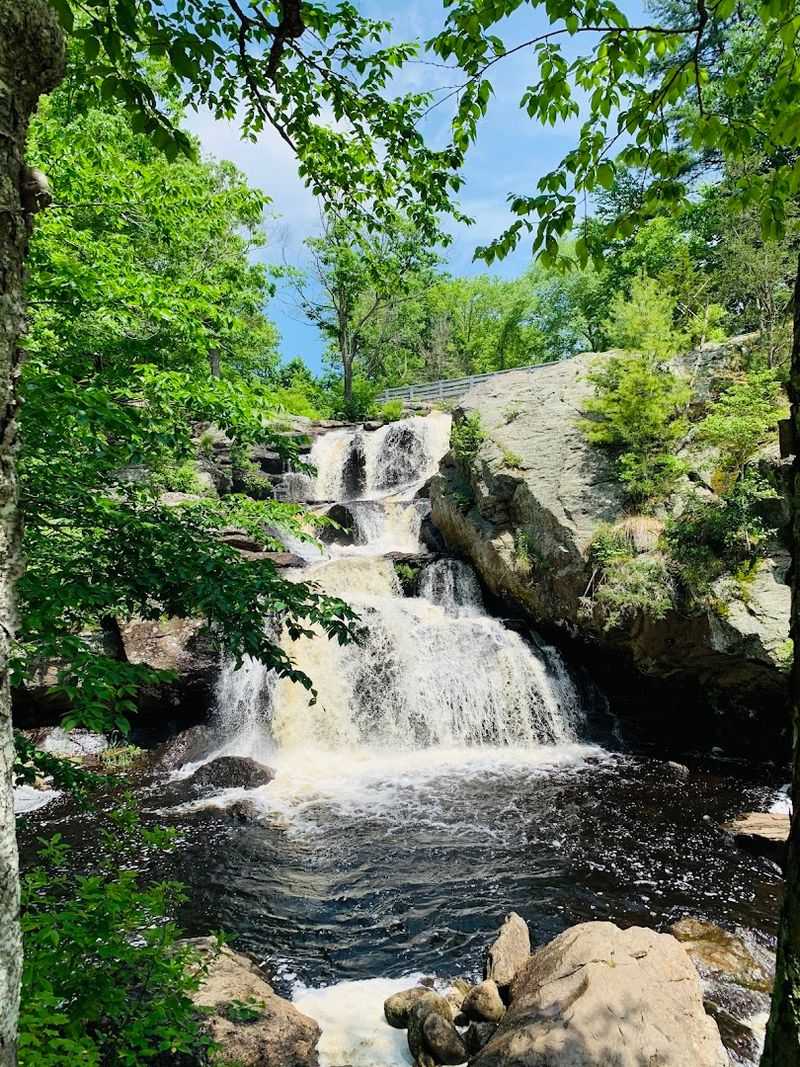
Pristine is an overused word, but the Eightmile River genuinely earns it with clear water, dense forest, and an almost storybook sense of seclusion.
Running through towns such as Salem, Lyme, and East Haddam, this southeastern Connecticut river is protected by a watershed known for exceptional ecological quality.
That means when you visit, you are seeing one of the state’s most intact river landscapes, not just a pretty stream with good manners.
The corridor supports rare species, healthy fish habitat, and richly varied plant life, all framed by boulders, hemlocks, and quiet rural roads.
Kayaking and hiking nearby feel wonderfully immersive, especially when sunlight flickers through the canopy and the river seems to carry the whole forest with it.
When you want to experience Connecticut at its most unspoiled and deeply tranquil, the Eightmile offers a rare kind of beauty, the sort that does not perform for attention because it never needed to.
14. Quinnipiac River
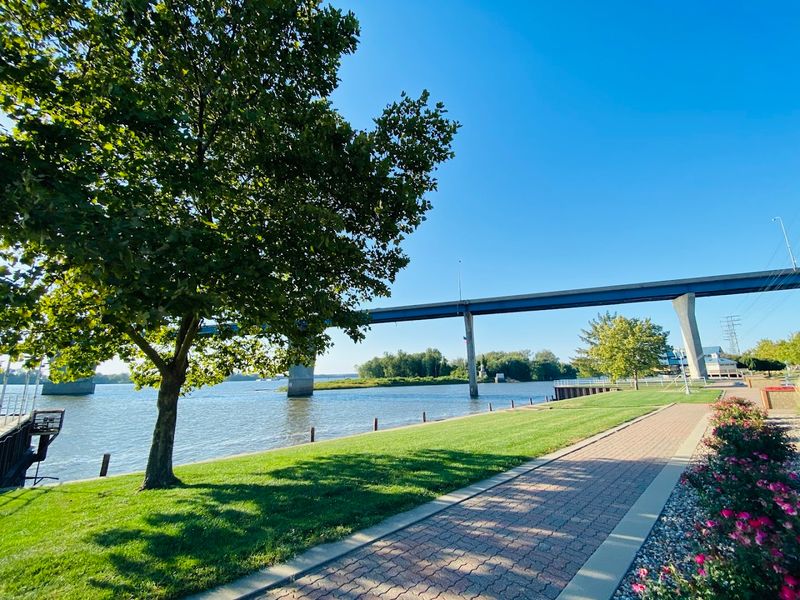
The Quinnipiac River winds quietly through central Connecticut, offering a blend of natural scenery, local history, and accessible outdoor recreation that often surprises those who explore it closely.
Stretching from its headwaters in the hills near Plainville and flowing south to New Haven Harbor, the river passes through a mix of woodlands, suburban stretches, and restored wetlands.
In recent years, conservation efforts have helped improve water quality and revive wildlife habitats, making it a better spot for birdwatching, kayaking, and casual fishing.
Great blue herons, ospreys, and seasonal migratory birds are commonly seen along its banks, especially in quieter sections where the river widens and slows.
Historically, the Quinnipiac played a role in early settlement and industrial development, with mills once lining parts of its course.
Today, it feels more like a peaceful corridor through Connecticut’s landscape—an easy reminder that even rivers close to urban areas can still hold pockets of calm and natural beauty for visitors who take the time to explore.
15. Mianus River
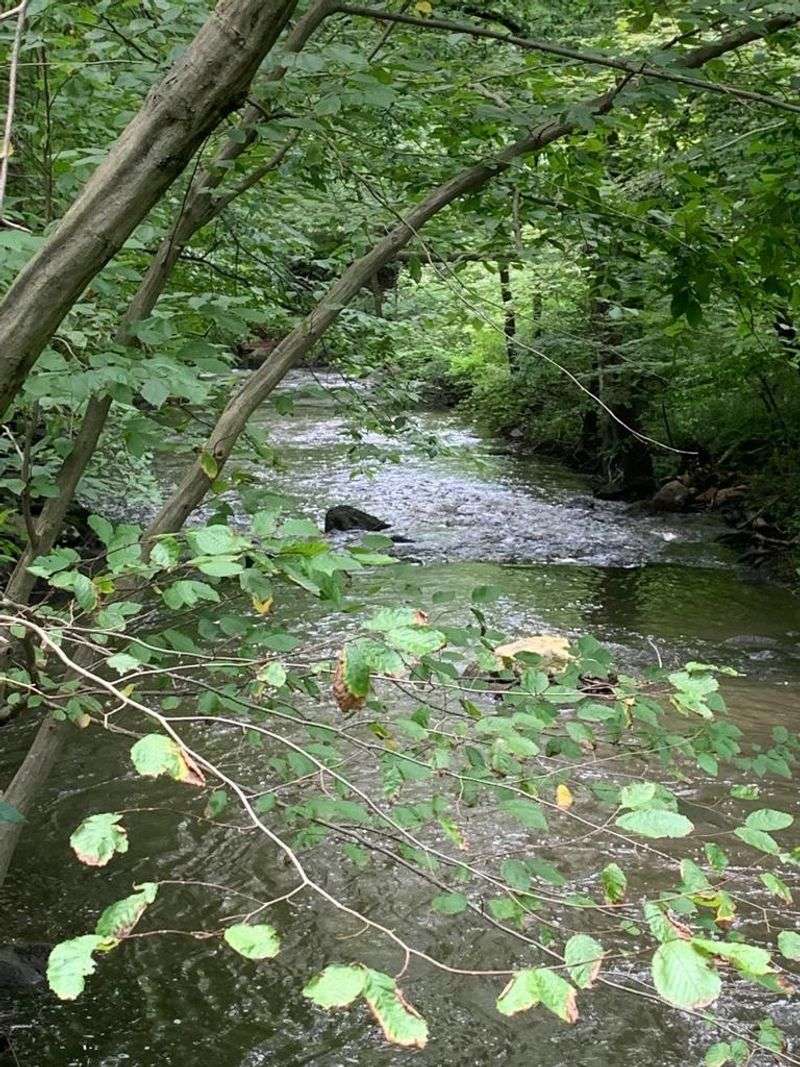
On the state’s southwestern edge, the Mianus River offers a refreshing surprise, a deeply wooded landscape tucked near some of Connecticut’s busiest corners.
Flowing through Stamford and Greenwich, it winds past the Mianus River Park corridor, where trails, rocky banks, and thick tree cover create a genuine escape.
Step into this setting and the nearby traffic feels like a rumor rather than a fact.
The river supports local wildlife and provides an important green buffer in a region where open natural space can feel especially precious.
Walkers, runners, and nature lovers use the park year-round, and the changing seasons give the water a different personality each time, from spring freshness to crisp fall color.
If you want proof that Connecticut can still pull off a woodland retreat close to major development, the Mianus makes the case beautifully, offering quiet water, immersive forest scenery, and that rare urban-adjacent gift of actually hearing leaves instead of car horns.