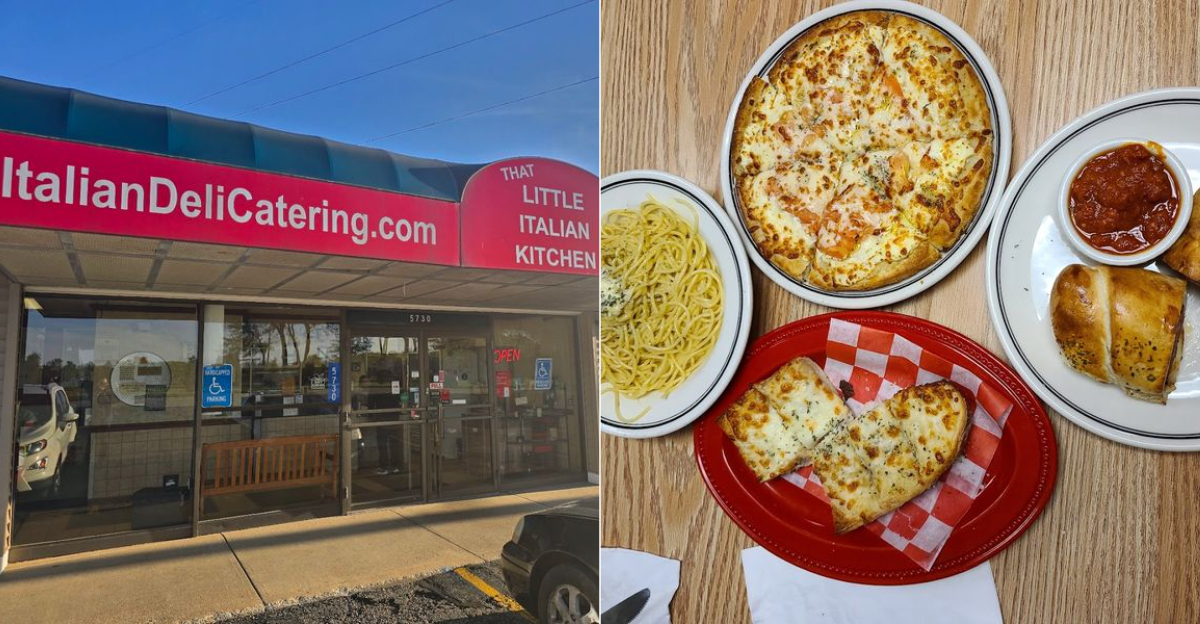
When menu development is built around a select number of exceptionally well-executed dishes, a restaurant demonstrates confidence in its culinary roots and commitment to craftsmanship.
Italian cuisine has remained enduringly recognizable throughout history because of its ability to transform simple ingredients into rich, comforting flavors that connect generations.
In Ohio, That Little Italian Kitchen, located at 5730 Fulton Dr NW, stands as a notable example of how a dining establishment can thrive by maintaining a clear focus on the needs of modern guests seeking a break from the pace of everyday life.
The experience centers on creating an environment where a welcoming atmosphere and consistent quality take precedence over constant reinvention.
Take a closer look at this distinctive Italian destination and discover how straightforward family-inspired techniques are transformed into a memorable restaurant signature.
Where Familiar Flavors Still Carry Real Weight
Comfort food keeps its place in American dining because it answers needs that trend driven menus often ignore.
People want meals that calm the day, fill the table, and feel dependable from the first bite to the last. Italian cooking does this especially well because its foundation is practical, filling, and deeply connected to home rituals.
Across Northeast Ohio, that appeal is not abstract.
A plate of pasta with meatballs, a bowl of wedding soup, or a baked casserole can turn dinner into a pause rather than another task.
Familiar flavors matter because they lower the distance between restaurant cooking and domestic memory.
Here, the experience reflects that tradition.
Reviews repeatedly point to hot food, fresh ingredients, and dishes that feel substantial rather than decorative.
Even when service issues appear in public comments, diners still separate those moments from the food itself, which tells you something important.
Sustained comfort comes from a kitchen that understands repetition, portioning, temperature, and flavor balance more than spectacle.
The Kind Of Cooking That Encourages People To Slow Down

Small Italian restaurants earn loyalty when cooking methods signal patience instead of shortcut thinking. Fresh bread, baked entrees, simmered sauce, and carefully assembled casseroles all require timing that cannot be rushed without changing texture.
That slower rhythm shapes the whole meal, from the aroma in the room to the way dishes arrive hot and settled.
Several customer accounts suggest that meals here taste cooked rather than merely heated.
Diners mention fresh ingredients, house bread, lasagna, penne bakes, and sausage with peppers and onions in marinara.
Those are not complicated ideas, yet they rely on foundational discipline like proper reduction, seasoning control, and oven management.
Occasional waits have also been noted, but long ticket times can reveal a kitchen working in sequence instead of assembly line fashion.
For comfort food, that matters.
You want sauces that have had time to come together and baked dishes that reach the table bubbling, not tired. Slowing down is part of the value when the result tastes deliberate and complete.
Why Pasta Remains The Surest Route To Satisfaction
Pasta remains central to comfort dining because it combines softness, structure, and sauce in one efficient form.
Few foods carry warmth as effectively, and even fewer handle variation so well across meat, vegetables, and cheese.
In a restaurant built around familiar satisfaction, pasta is the most direct path to a complete meal.
Public feedback highlights that point clearly.
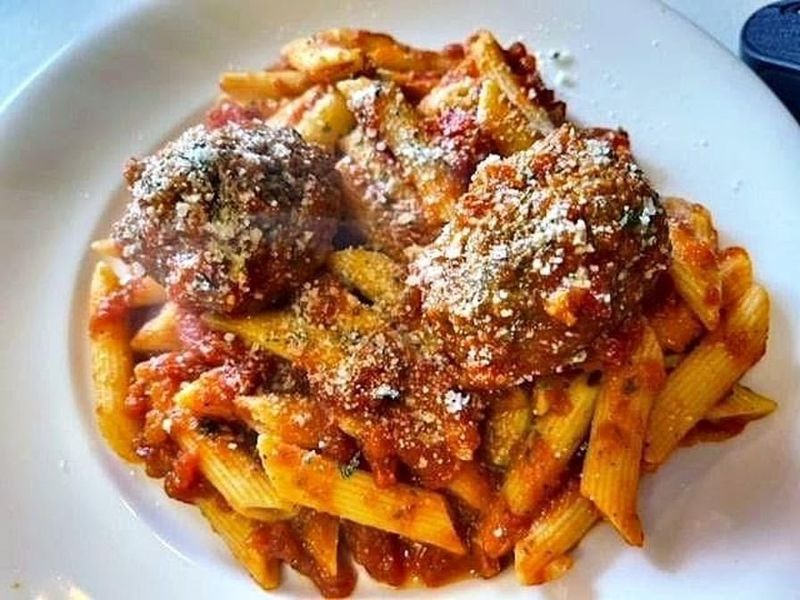
Guests mention angel hair with meatballs, penne baked pasta, lasagna, chicken parmesan with spaghetti, and sausage marinara combinations with real enthusiasm.
Each dish offers a different version of fullness, whether through layered cheese, long simmered sauce, or the chew of a properly cooked noodle.
Equally important, pasta supports consistency.
It allows a kitchen to produce meals that feel generous without becoming chaotic, which is essential for a small dining room with steady evening service.
Texture becomes the deciding factor here.
If the noodles hold shape, the sauce clings, and the meatballs taste seasoned through, the entire plate reads as reassuring.
That is why pasta still anchors the most memorable Italian comfort meals.
Comfort Built With Sauce, Soup, And A Strong Opening Course
A comforting Italian meal rarely begins with the main course alone.
Starters establish tone, and they often show whether a kitchen understands seasoning, freshness, and contrast before the pasta ever lands.
Soup, salads, and fried appetizers are not side notes in this style of dining.
They are the first proof that the meal has direction.
That pattern appears often in customer comments.
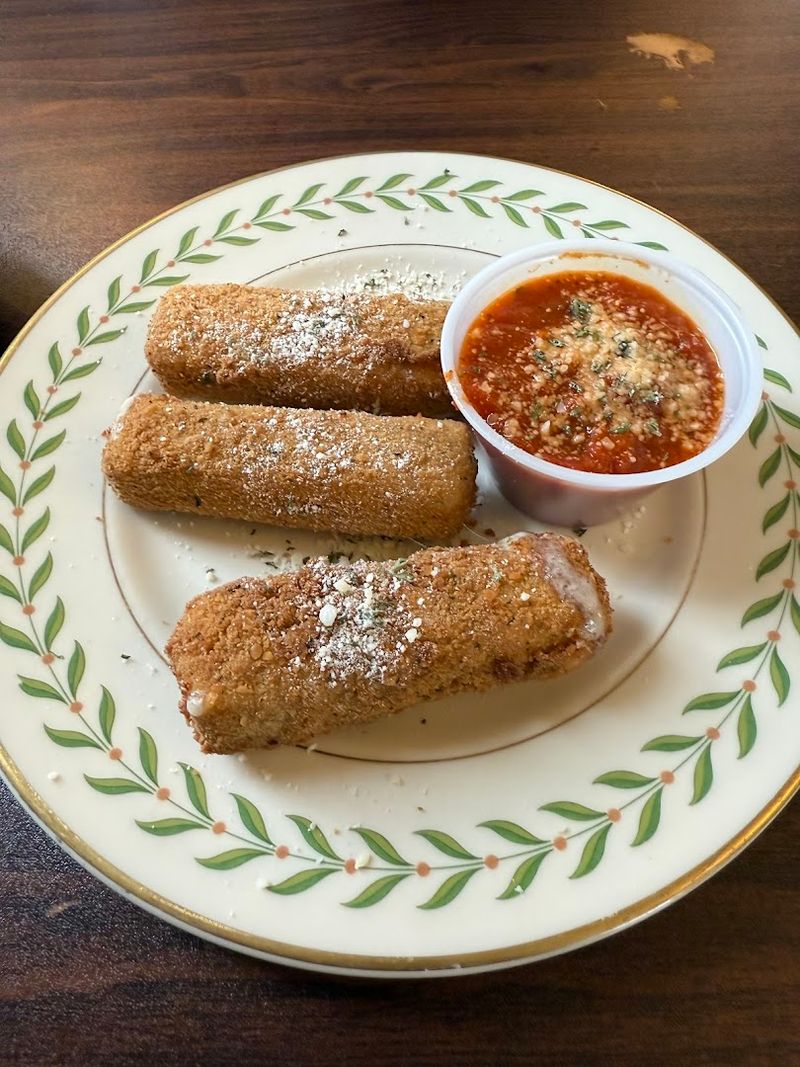
Arancini receives direct praise, mozzarella sticks have strong support, and wedding soup is remembered as a worthwhile suggestion from staff.
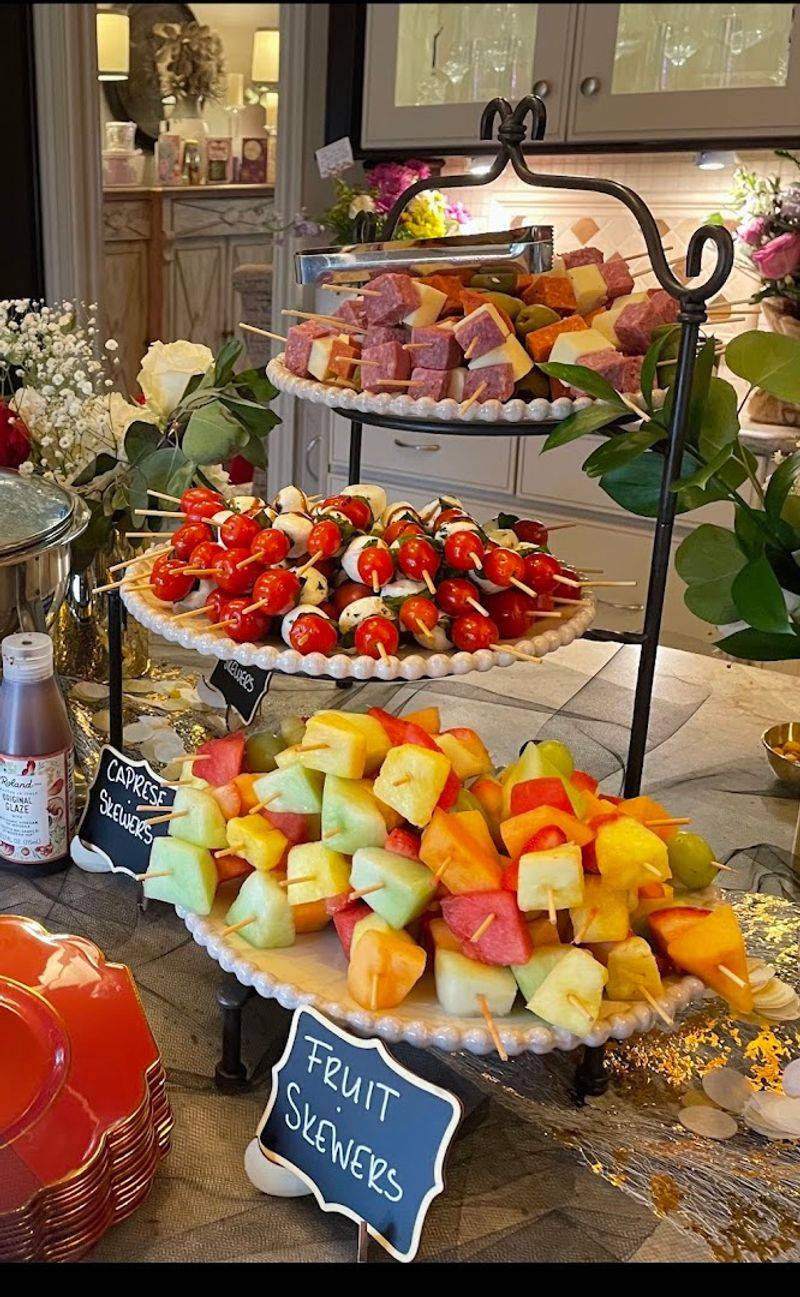
Fresh caprese and antipasto salads also stand out, suggesting that cold dishes are treated as more than obligatory menu fillers.
Sauce plays an even bigger role because it connects everything.
Marinara can support meatballs, chicken parmesan, baked pasta, stromboli, and dipping bread without feeling repetitive if balance is right.
One reviewer disliked the sauce, which is a useful reminder that red sauce is personal and defining.
Still, repeated praise for meatballs, pizza with extra sauce, and hot pasta indicates that the kitchen’s flavor base is a major part of why the food feels grounding.
A Small Dining Room Can Make Hospitality Feel More Personal

Size changes the way hospitality is felt.
In a smaller dining room, guests notice quickly whether staff are attentive, knowledgeable, and able to guide the meal without stiffness.
When service works in that setting, the experience feels personal because there is less distance between kitchen, server, and table.
Reviews show that this place creates that connection for many diners.
Guests describe friendly servers, helpful suggestions, accommodating event planning, and staff members remembered by name.
Those details matter because comfort depends on more than food. It depends on whether you feel received, oriented, and cared for during the meal.
There have also been complaints about cold service and missed steps during busy periods, especially when staffing ran short.
That record is worth acknowledging because small restaurants are exposed when one shift goes wrong.
Yet the larger pattern still points toward active hospitality, from catering coordination to menu guidance in the dining room.
Personal connection is stronger in compact spaces because every interaction is more visible, and when the service lands well, the whole meal gains warmth without any need for theater.
Portions, Price, And The Practical Meaning Of Value
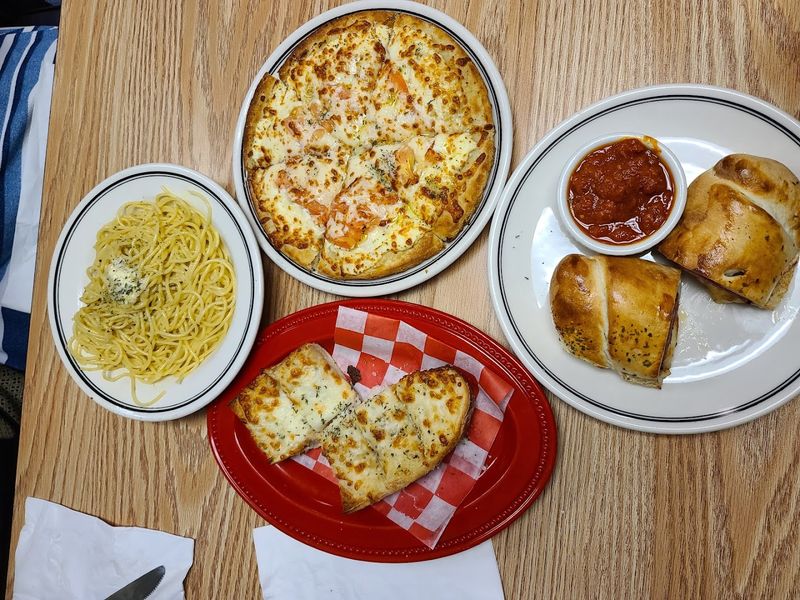
Value in comfort dining is not just about low prices.
Diners judge whether portion size, ingredient quality, and meal structure align with what they pay.
Italian restaurants often perform well here because pasta, bread, soup, and baked dishes can feel abundant while still demanding careful preparation.
Multiple reviews point to generous portions at this address.
One guest said a single meal stretched into three, while others described the bill as reasonable for the amount served.
Bread, salad, and dessert touches also strengthen that sense of completeness because they make dinner feel organized rather than piecemeal.
Not every comment is glowing, and one long time customer felt a meatball bake had become smaller while the price rose.
That criticism matters because regulars notice changes faster than newcomers do. Still, the broader evidence suggests that fullness remains part of the restaurant’s identity.
Comfort food loses force when the plate feels skimpy or the extras disappear.
Here, value seems tied to a traditional idea of feeding people properly, which is why guests keep mentioning portion size along with freshness and temperature.
Food That Feels Made For Families, Regulars, And Milestones

Repeat business tells you whether a restaurant has entered local routine rather than passing curiosity. Italian food often becomes part of family schedules because it suits groups, leftovers, and mixed preferences without much friction.
When people return for Friday dinners, bridal showers, weddings, and casual weeknight meals, the menu has moved into community life.
That pattern is visible here through both dining room and catering feedback.
Customers describe years of regular visits, catered weddings, bridal events, and staff who helped shape custom menus under pressure.
Lasagna, meatball subs, salads, and dessert items appear in those stories not as luxury foods but as dependable crowd pleasers.
Consistency matters most in these settings.
A family choosing a familiar Italian restaurant is not usually chasing novelty.
They want children, parents, and grandparents to find something satisfying, and they want the meal to unfold without confusion.
Catering praise reinforces the same point because event food must arrive on time, hold quality, and satisfy many tastes at once.
That ability to serve both ordinary dinners and important gatherings is a strong sign of enduring relevance in local dining culture.
When Simplicity Creates The Strongest Meal
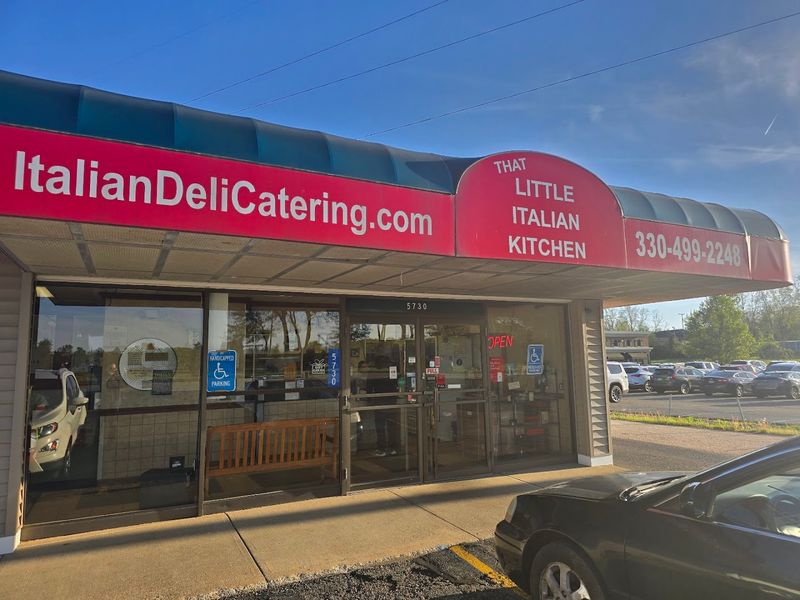
Some restaurants rely on complexity to signal quality.
Others build trust by doing straightforward things well and repeating them with discipline.
This menu appears closer to the second model, where pizza, stromboli, pasta, parmigiana dishes, salads, and classic desserts form the backbone of the experience.
Evidence from diners supports that reading.
People praise meatballs, pizza, lasagna, baked pasta, cannoli, lemon cake, and even bread pudding without describing elaborate plating or unusual ingredient pairings.
The attraction is not novelty. It is the reassuring pleasure of food that knows what it is supposed to be.
Operating hours also shape this identity.
With dinner service concentrated from 4 to 8 PM through most of the week, the restaurant functions like a place built around the evening meal rather than all day turnover.
That schedule reinforces focus.
A concise service window can help a kitchen prepare carefully, control quality, and keep its best dishes central.
In comfort dining, simplicity is powerful because it reduces distraction and lets texture, seasoning, freshness, and hospitality do the real work.